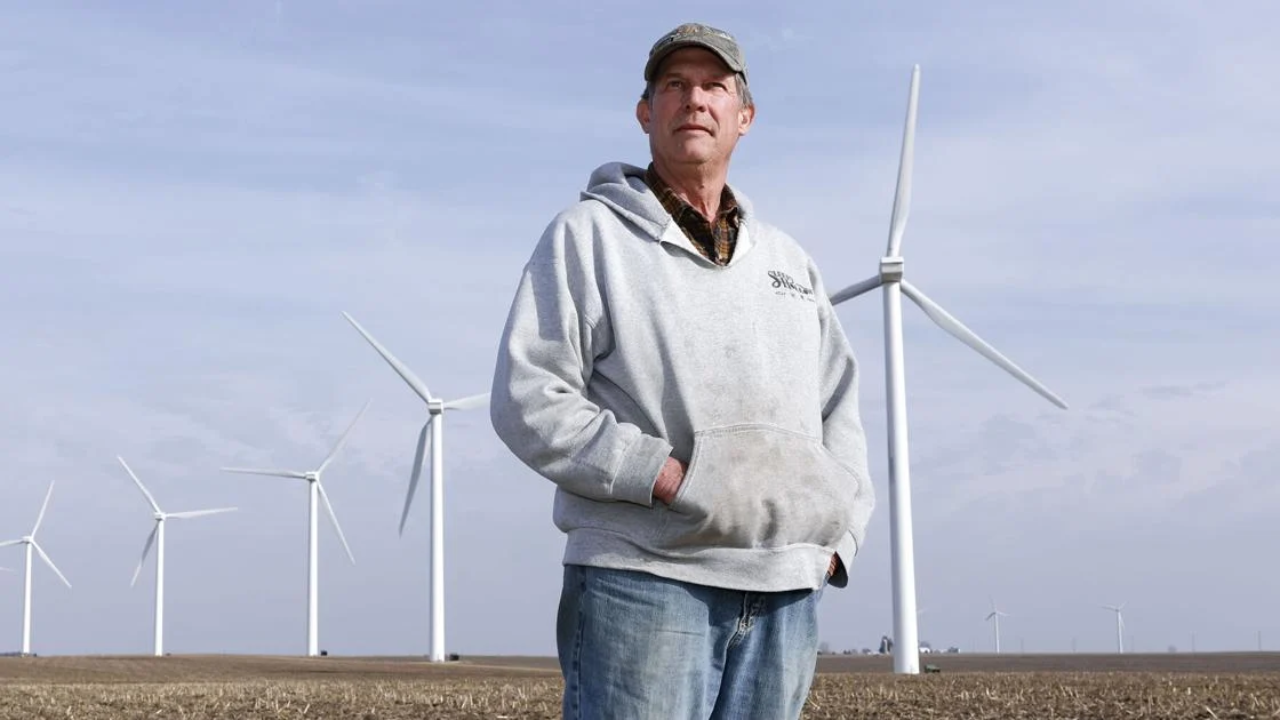
Wisconsin is turning back toward the wind for the first time in more than ten years. State regulators have approved the Badger Hollow Wind Energy Center—a 19-turbine project expected to power 30,000 homes with 118 megawatts of clean electricity.
Officials call it a “turning point” for Wisconsin’s energy future, one built not just on technology, but on trust between farmers, communities, and developers who share the same horizon.
Ending a 14-Year Pause in Wind Development

The approval, finalized in late September 2025, ended Wisconsin’s 14-year lull in large-scale wind projects. “The environmental, economic, and health benefits of this project will be felt for decades,” said Rick Coelho of Clean Wisconsin.
Behind the decision were months of hearings, studies, and local input—proof that clean energy in the state is no longer an abstract idea, but a community-driven commitment.
A Collaboration Rooted in Rural Partnership

The project spans Iowa and Grant counties, where the high-efficiency turbines will rise between 574 and 656 feet above rolling farmland. Electricity from those towers will feed into a 345,000-volt line linked to the regional Cardinal–Hickory Creek grid.
“This is what’s possible when rural communities, farmers, and developers work together,” said Invenergy’s Brandon Davis—a reminder that wind energy can lift more than blades; it can lift economies too.
Powering Homes, Restoring Independence

Badger Hollow’s 118 megawatts will keep the lights on for about 30,000 Wisconsin homes each year. This shift matters for a state that still imports much of its electricity.
It’s about self-reliance—keeping energy dollars close to home and giving rural residents a direct stake in a cleaner grid. In a sense, Wisconsin isn’t just generating power here; it’s generating ownership.
Jobs, Income, and Local Renewal

Construction will bring at least 200 on-site jobs and ripple through supply chains statewide. Invenergy projects nearly $590,000 a year in new local revenue, plus $38 million in lease payments to farmers over 30 years.
For some families, that extra income means security instead of selling land. Clean Wisconsin says those payments could keep family farms rooted for generations—a quiet revolution powered by the wind.
A Lifeline for Wisconsin Farmers
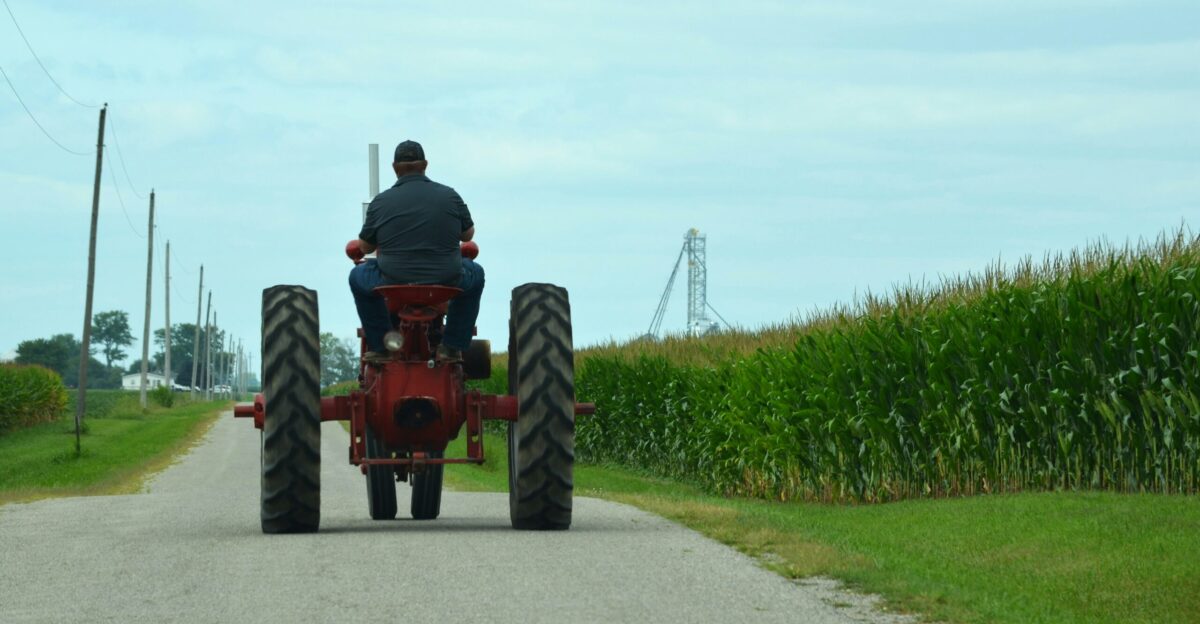
For farmers, leasing land for turbines isn’t just about money—it’s about stability. “This is about private property rights and keeping agriculture alive in Wisconsin,” said Andrew Kell of RENEW Wisconsin.
As crop prices swing and markets shift, steady turbine income helps farmers stay afloat. Renewable energy is rural resilience, where clean power and tradition share the same field.
Oversight Grounded in Responsibility

Before approval, the PSC and Department of Natural Resources conducted a detailed review, ultimately finding “no significant impacts on the human or natural environment.” Regulators limited the number of turbines to 19 and required special aircraft lighting systems to reduce night-sky glare.
Each measure reflects a careful balance—progress with accountability, growth without disruption, and energy expansion that keeps people’s comfort in view.
A Step Toward Wisconsin’s Net-Zero Future

State leaders see Badger Hollow as a cornerstone of Wisconsin’s plan to hit net-zero carbon emissions by 2050. Clean Wisconsin estimates reaching that goal will require about 21 gigawatts of wind energy statewide.
It’s an ambitious climb, but this project proves it has already begun—and it’s powered by communities ready to take the first step forward.
When Wind Meets Sun

Badger Hollow’s design pairs naturally with nearby solar projects, forming a hybrid renewable network. “Wind and solar complement each other—wind thrives at night and in winter, solar during the day,” said PSC energy analyst Jon Chandler.
Together, they create balance—steady power across seasons and sunlight. For Wisconsin, it’s a partnership between sky and soil, turning natural rhythm into reliable electricity.
The Economic Ripple in Small Towns

The project is already being viewed as a blessing in the nearby towns of Clifton, Eden, Linden, Mifflin, and Wingville. Shared revenue will help fund schools, roads, and emergency services.
“This kind of predictable income gives communities power to invest in their priorities,” noted the PSC. For rural Wisconsin, wind doesn’t just turn turbines—it turns the economic tide.
Breathing Easier, Living Cleaner

Each megawatt produced locally replaces fossil fuels that once traveled hundreds of miles to reach Wisconsin. “Every turbine means cleaner air and fewer pollutants,” Coelho said. The shift also supports better health outcomes, especially in areas hit hardest by poor air quality.
For many Wisconsinites, cleaner power means clearer skies and a quieter conscience—progress you can see, feel, and breathe.
Voices from the Ground

At public hearings, multiple local leaders expressed support for the wind project, highlighting its potential to strengthen tax bases and bring economic stability as traditional industries change.
Community remarks reflected a sense of pride that progress and innovation are emerging from the same rural areas where families have lived and worked for generations.
Addressing Concerns, Building Trust

Months of open dialogue and scientific review addressed noise, safety, and shadow flicker. Clean Wisconsin led outreach efforts to share facts and calm fears. The process revealed something bigger—a shift in tone.
When communities are treated as partners, not bystanders, renewable projects stop feeling imposed and start feeling like shared investments in a healthier future.
Reinforcing Wisconsin’s Power Grid
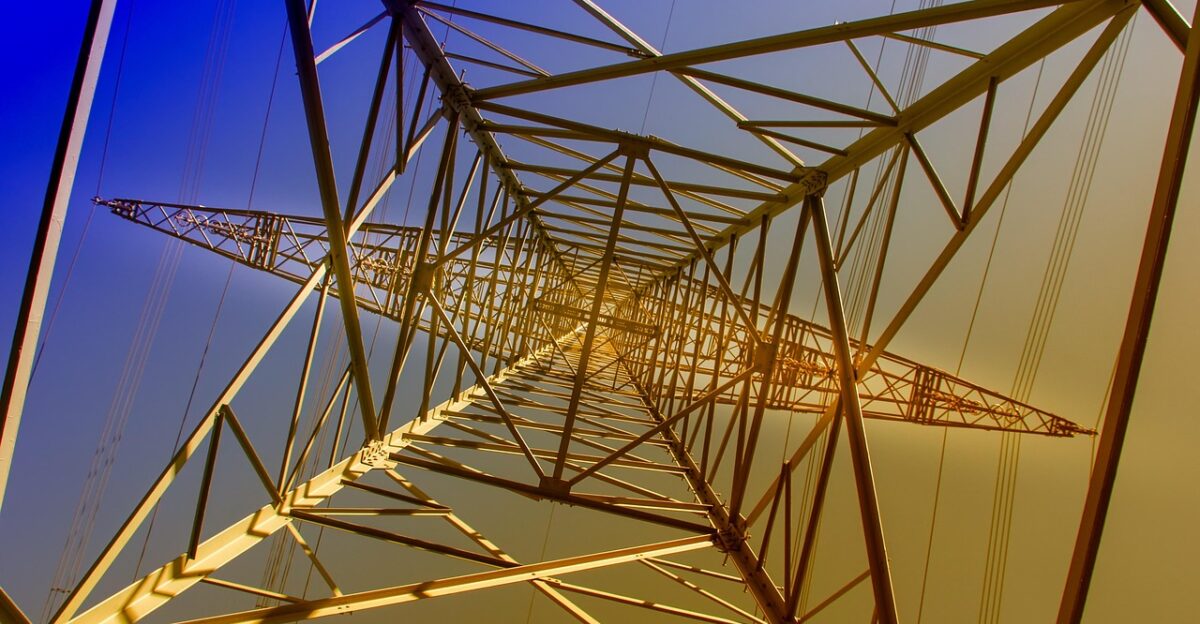
The Badger Hollow project includes major grid upgrades, including new tie lines, collector stations, and smarter controls that make the network more resilient.
State officials see these as the building blocks of a modern energy system capable of balancing renewables as fossil plants phase out. The result? A grid that’s stronger, cleaner, and ready for tomorrow’s demands.
A Bellwether for the Midwest

Energy experts have called Badger Hollow’s approval a “bellwether event.” RENEW Wisconsin told Wisconsin Public Radio, “We expect more projects like this to follow—and that’s exactly what the Midwest needs.”
The decision could spark a regional chain reaction, proving that states once slow to embrace renewables can still lead when the wind is right.
Long-Term Benefits, Close to Home
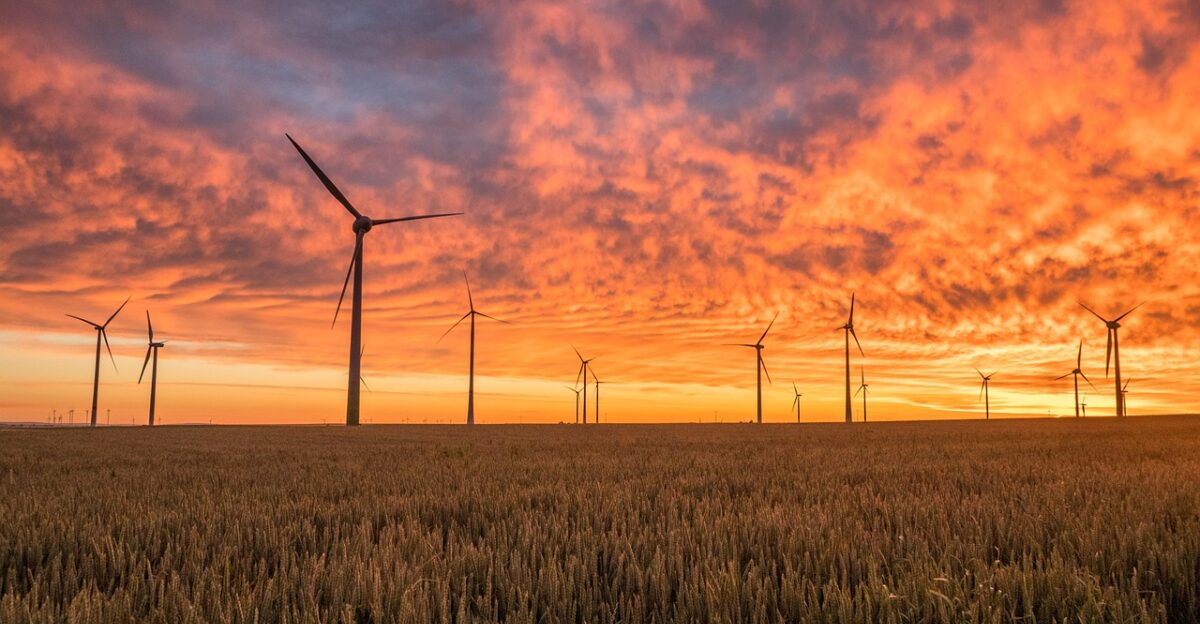
Over its three-decade lifespan, the project will keep revenue flowing into public works—schools, roads, libraries, and local contracts. It’s money that stays in the counties where the turbines stand, cycling through small businesses and families alike.
In this case, clean power also means clean economics: transparent, steady, and built to last long after the concrete cures.
A Leader in the Midwest’s Clean Energy Shift
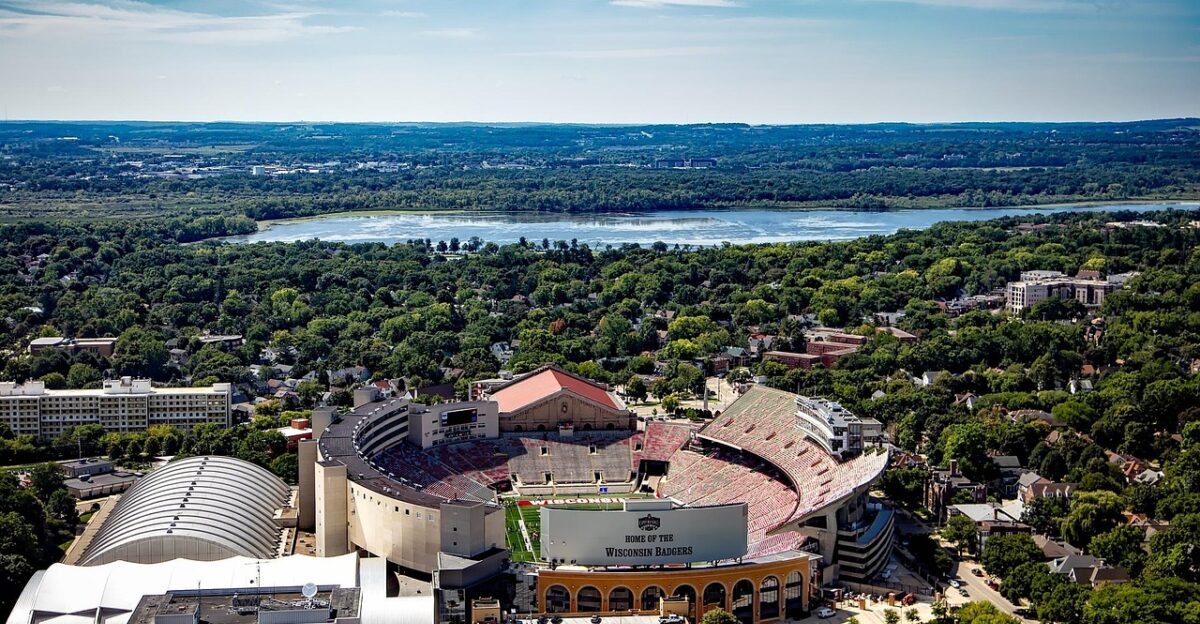
Badger Hollow positions Wisconsin as a rising renewable powerhouse among its neighbors. It’s proof that clean energy can respect landowners, strengthen rural economies, and meet climate goals simultaneously.
What was once a cautious experiment is now a working model—a blueprint for how progress, when shared fairly, can move entire regions forward.
A Coordinated Push for Progress

The PSC’s approval of both wind and solar projects in September 2025 reflects a changing mindset. “These dual approvals show a strategic shift,” said Clean Wisconsin, “linking climate goals with affordability and rural prosperity.”
Renewables are no longer just environmental policy—they’re infrastructure, farm, and future policy rolled into one.
A Model Others Are Watching
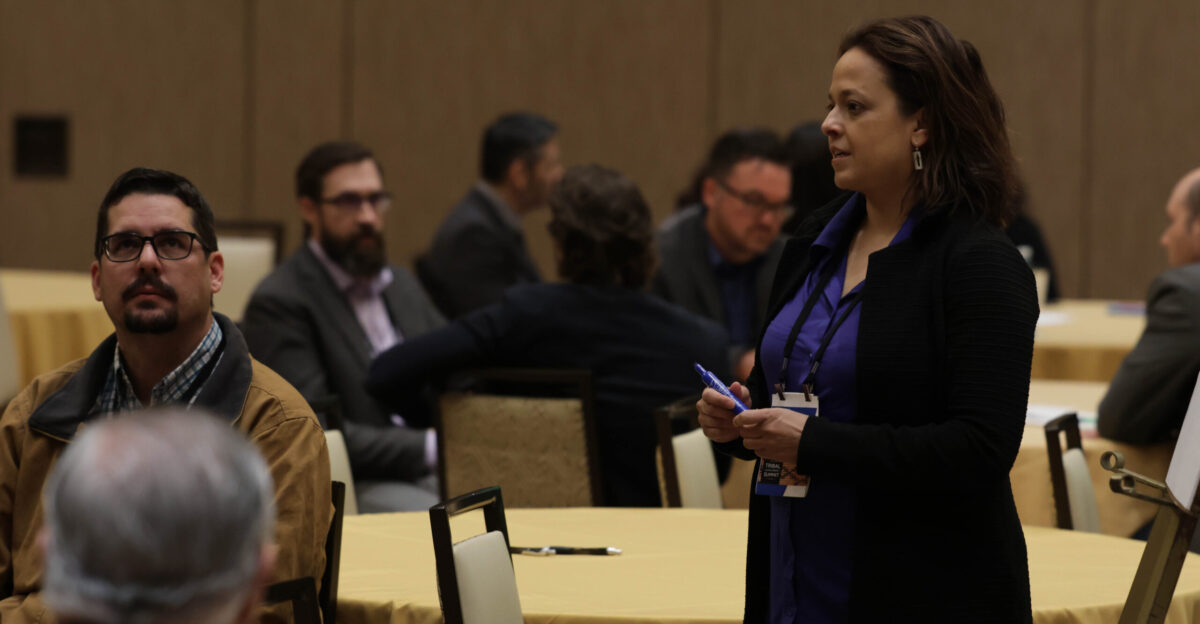
Energy analysts are paying attention. The U.S. Energy Information Administration says that states that move quickly on renewables often reap the biggest economic and environmental rewards.
Wisconsin’s approach—grounded in community partnership and fast implementation—could become a model for others hoping to strike the same balance between ambition and accountability.
A Roadmap to 2050 and Beyond

With Badger Hollow underway, Wisconsin’s energy transition feels tangible. Analysts predict that decarbonizing the grid could lift the state’s GDP by up to 3% and create nearly 70,000 jobs by 2050.
Those numbers aren’t just projections—they’re possibilities, anchored in action already happening on the ground, turbine by turbine, county by county.
A Promise on the Horizon

The Badger Hollow Wind Energy Center isn’t just a project—it’s a promise. “This decision means more opportunity and stability for farming families,” said Coelho.
Maybe that’s the story here: a state reclaiming its momentum, a community finding common ground, and the wind—steady, invisible, unstoppable—pushing Wisconsin’s energy future into view.Wisconsin Approves First Major Wind Farm in 14 Years—30,000 Homes Powered