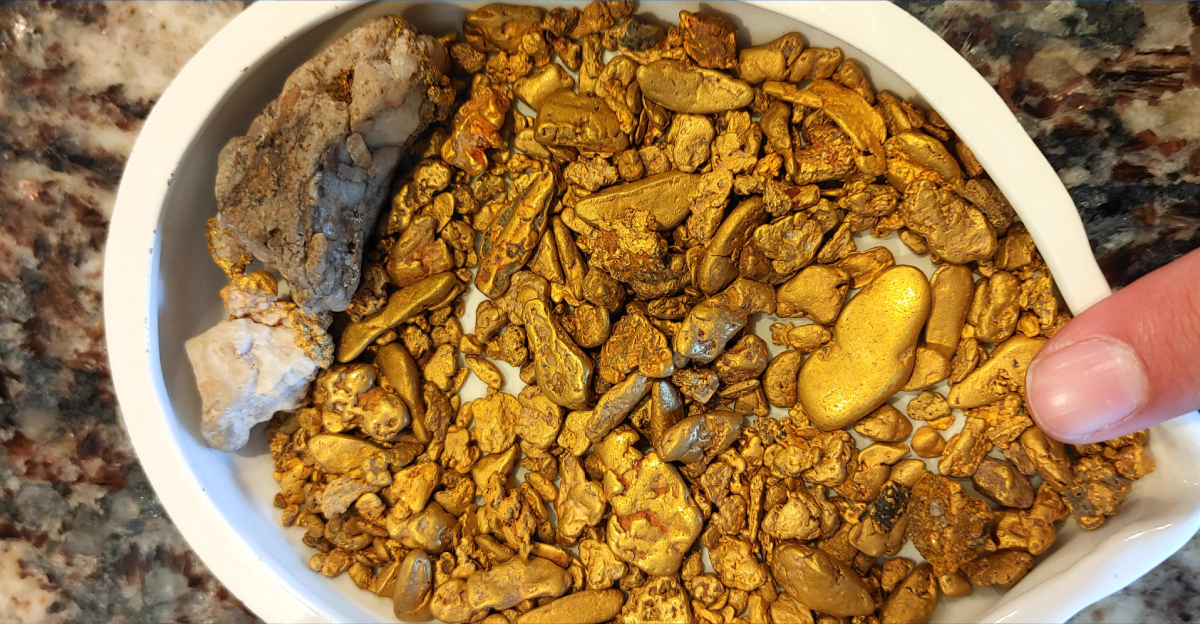
Hawaii’s Kīlauea volcano is renowned for its spectacular lava flows and frequent activity. Tourists gather worldwide to witness the dramatic molten displays, but few realize that these eruptions also carry something far more valuable than just fiery rocks…
Scientists have discovered that Kīlauea, like many volcanoes, expels trace amounts of something worth billions during eruptions—effectively acting as a hidden treasure vault deep within the Earth.
Liquid Gold Beneath the Surface

Gold has long held status as one of Earth’s most prized materials. From financial systems to high-tech components, its uses are vast. While we’ve mined much of the easily accessible gold near the surface, the majority remains locked deep within the Earth—closer to the core, where temperatures rival the sun’s.
Over billions of years, this gold has moved upwards through magma. When the magma rises from the core, through the mantle and crust, gold and other metals can accompany it, spewing them out in volcanic eruptions.
The Magma Highway
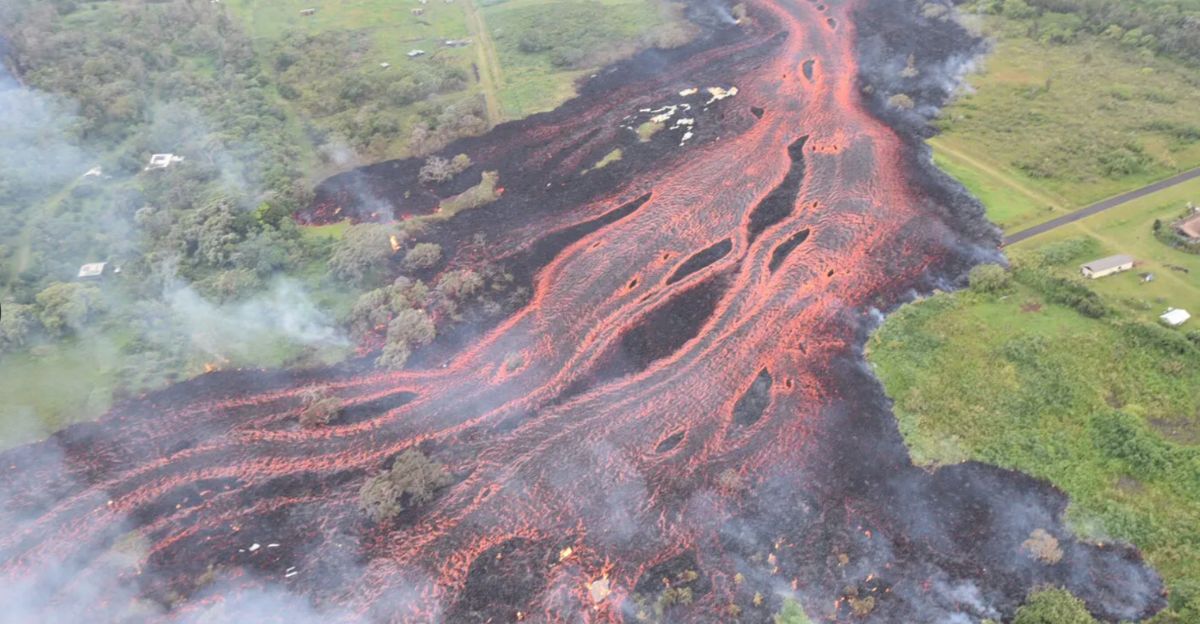
This is no short detour. Gold particles actually ride along in magma for millions and millions of years before they make it to the surface. During an eruption, erupting lava takes along tiny traces of these metals with it. When lava rock solidifies, gold deposits become locked inside the lava rock.
Each of these gold specks is essentially valueless on its own—but as a group, a single eruption releases a tremendous amount of gold locked in the rock.
Tracing Gold from Lava
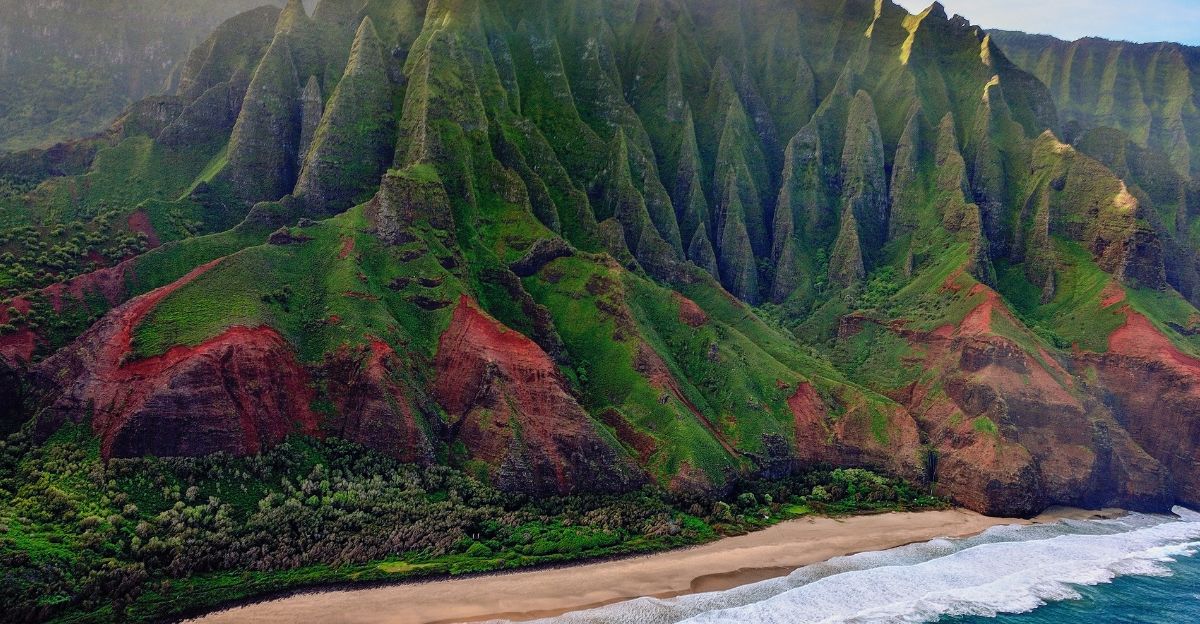
Old civilizations might have gazed in awe at volcanoes without realizing their metallic bounty. Scientists nowadays employ sophisticated instruments to examine cooled lava and seek the presence of gold.
One method involves searching for certain isotopes—like those of ruthenium—that are linked with gold. These tests verify that gold mined from volcanic rocks has roots deep inside Earth’s interior.
The Scale of the Discovery
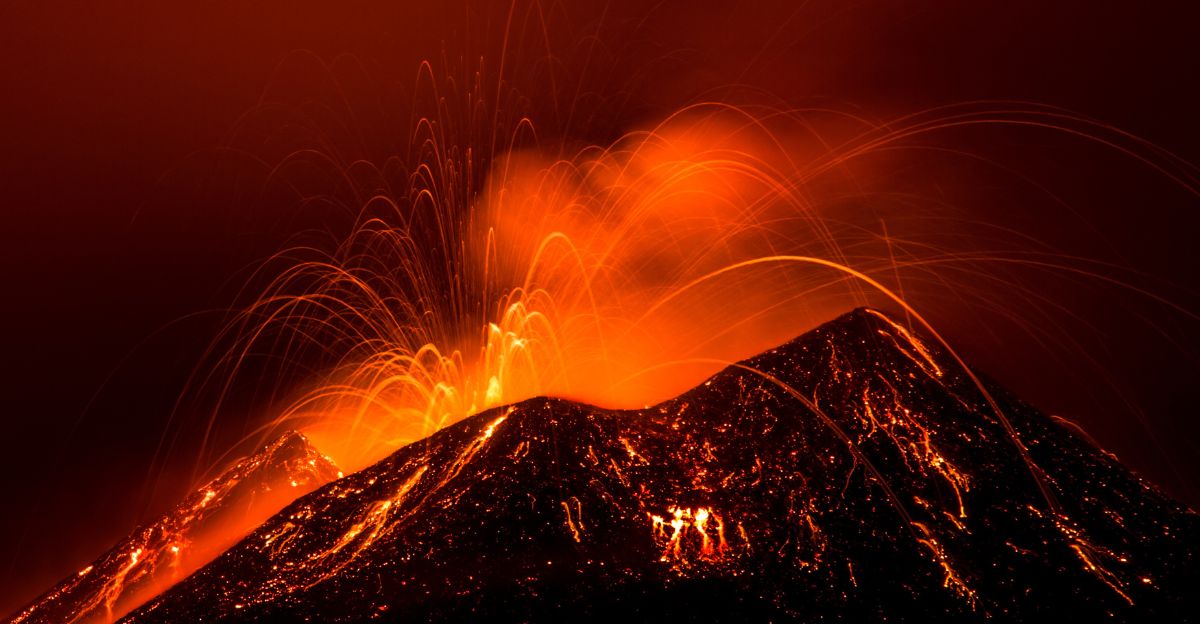
To break it down: A typical eruption by Kīlauea expels approximately 0.5 cubic kilometers of lava. If the gold content is approximately 36 parts per billion, then that’s 18 metric tonnes (or nearly 20 short tons) of gold spread out in the flow of lava.
Although each gram is very small, the quantity of lava makes the total amount significant—worth about $1.9 billion, assuming an average price of $106.50 per gram.
Treasured, Yet Unavailable
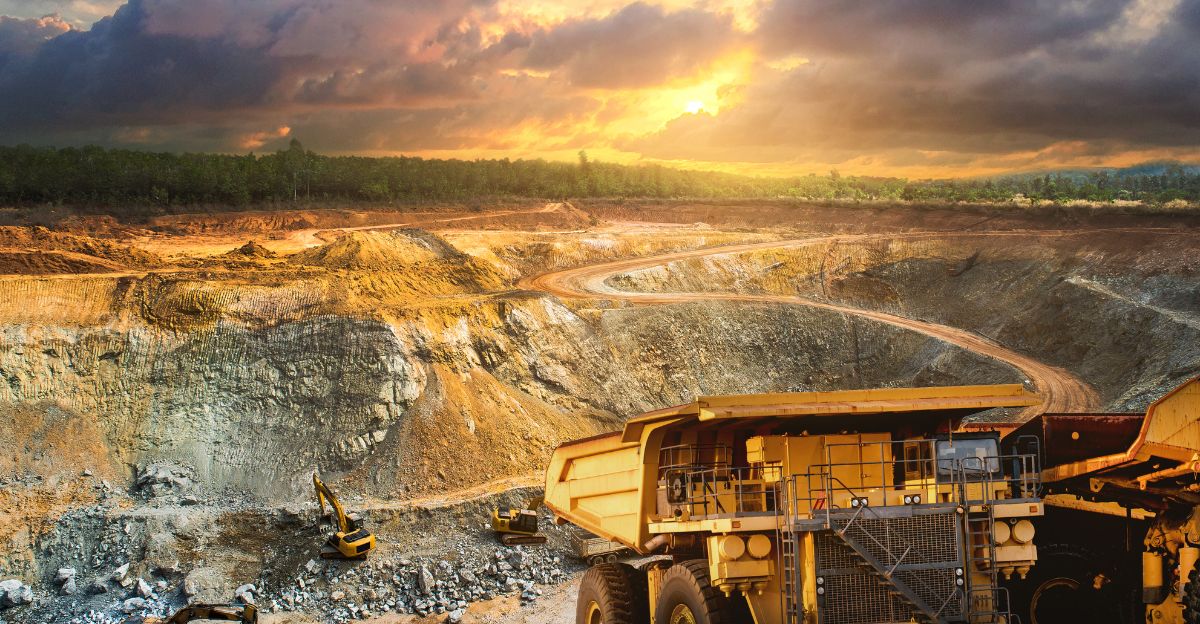
It’s simple to imagine that this gold is snatched and bartered, but the reality is more complicated. To remove such minute amounts from billions of grams of solid rock would be a stupendous—and expensive—industrial process.
It would cost more than the gold is worth to extract just a few grams, so it is impossible to mine such deposits with current methods.
Why It Still Matters
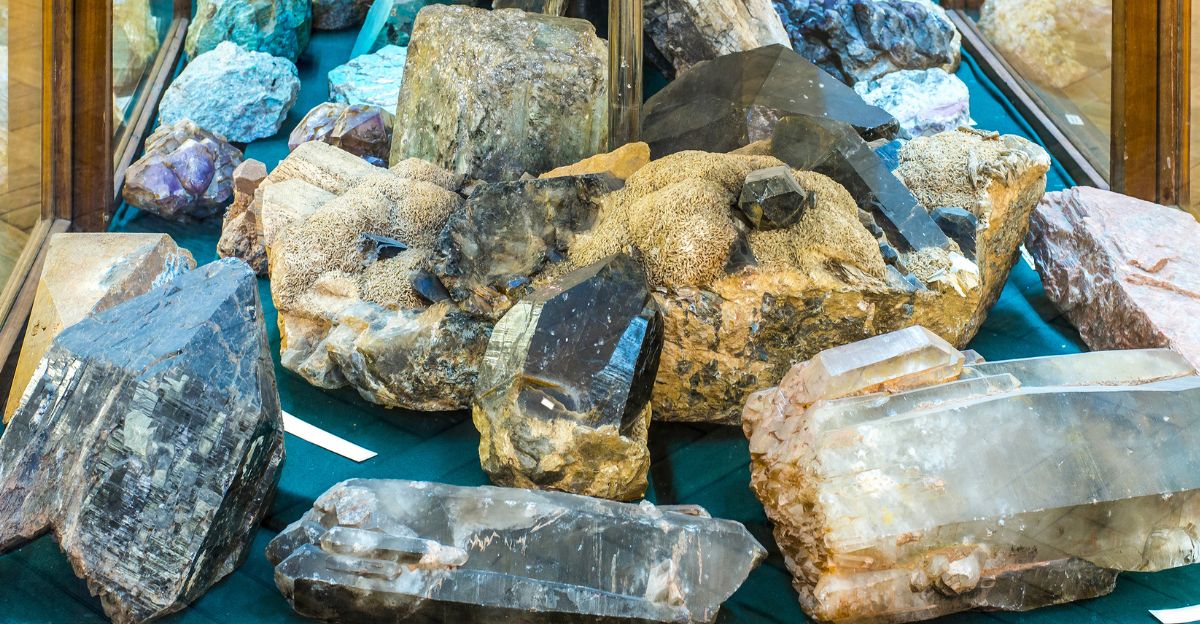
Though it is not profitable to mine at the moment, the find is momentous. It shows that Earth’s lower interior is not completely isolated and that valuable materials can make their way up to the surface over time. This knowledge has the potential to impact future studies, opening new frontiers in geology and mineralogy.
With continued research in extractive technology as well as environmental preservation, there is hope that scientists will one day be able to tap into these resources more effectively.
Not Just Gold
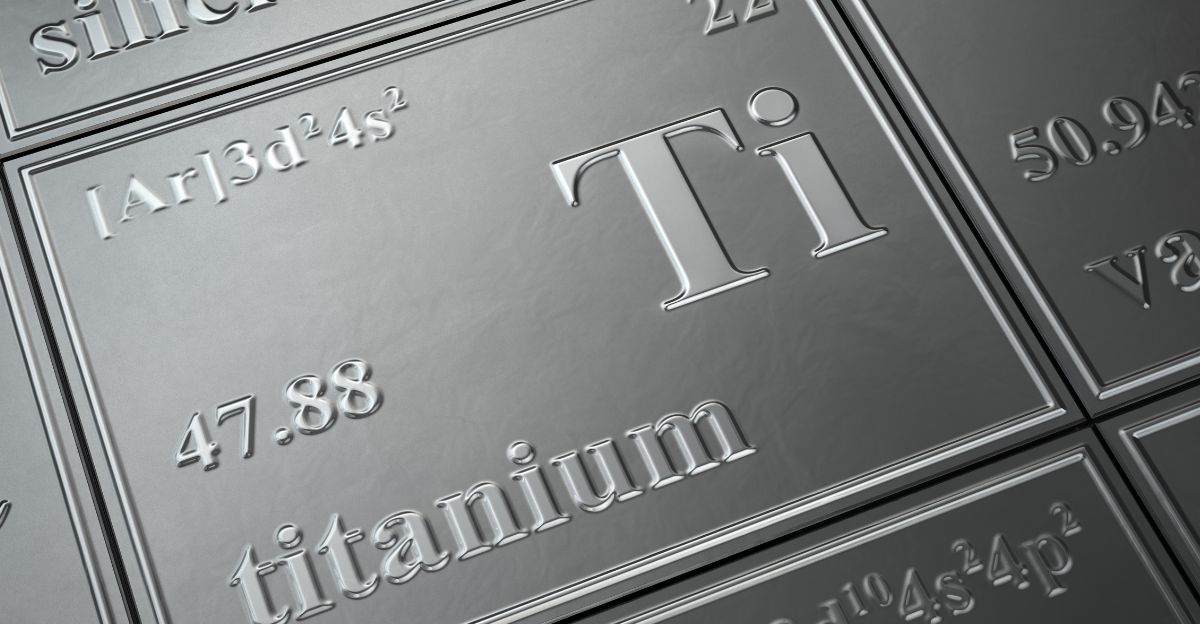
Gold isn’t the only wealth that comes from beneath the Earth. Volcanoes also transport other precious and scarce metals, such as titanium and ruthenium, which are just as difficult to access.
Knowing how these commodities make it through the layers of the Earth may be the key to worthwhile sustainable mining—if only we could figure out how to do it without destroying the planet or triggering geological unrest.
A Glimpse of Buried Wealth
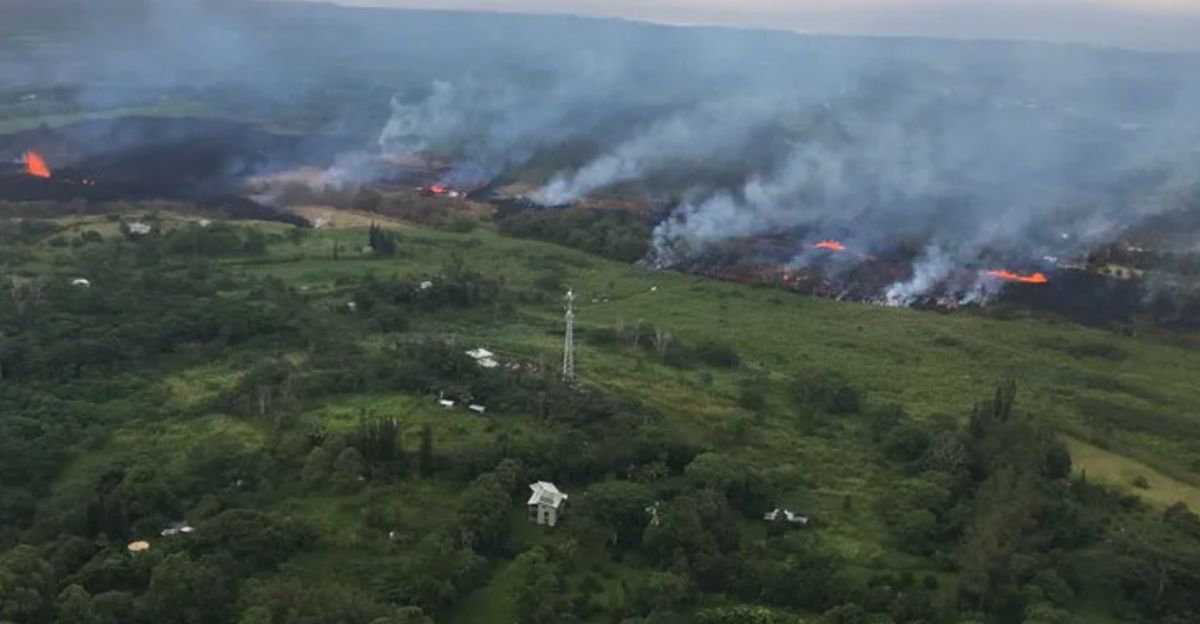
Until recently, the riches flowing out of Kīlauea have remained unused and hidden from the throngs of people who come to witness its burning splendor. Beneath the molten lava lies a glimpse of Earth’s vast riches—sealed off, at least for now, in billions of tons of rock.
Maybe new technology will one day allow us to access this underground wealth. In the meantime, Kīlauea’s eruptions are not just natural phenomena—they’re billion-dollar fireworks shows from the planet’s core.
Earth’s Hidden Fortune
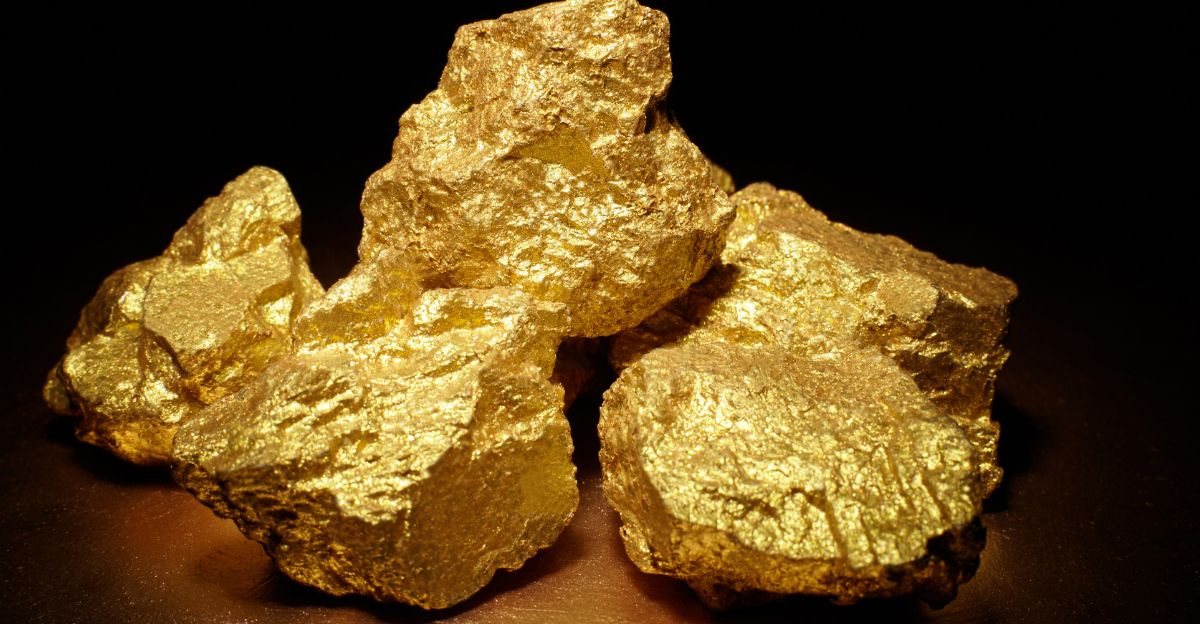
Kīlauea might be well-known for its glowing red lava flows, but beneath all the showmanship is a real treasure. Most tourists don’t even know that each eruption quietly exhales a reserve of nearly $2 billion in gold—though scattered and now unavailable.
However, this gold is not lost. It’s a sign that our planet holds enormous resources yet to be mined. As science and technology advance, what was once thought to be impossible—like recycling metal from cooled lava—may become possible one day. In the interim, Kīlauea’s golden eruptions are an intriguing reminder of Earth’s untapped wealth reserves.