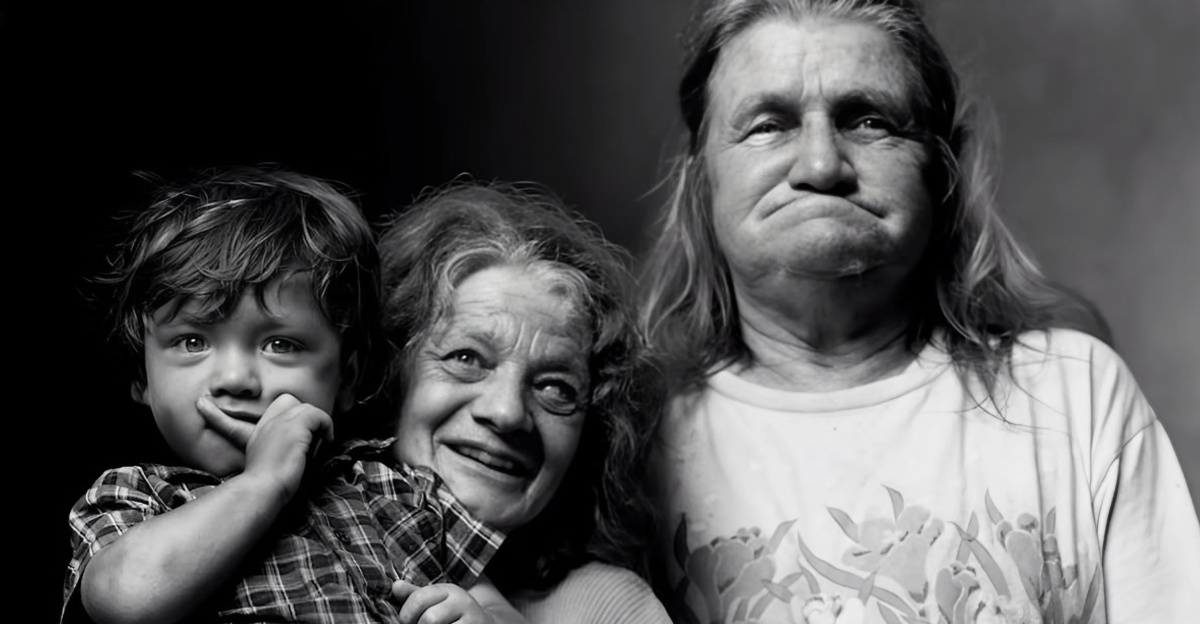
Most Americans know about royal inbreeding scandals, but few realize such families exist in modern America. The Whittaker family of Odd, West Virginia, dubbed “America’s most inbred family,” challenges everything we think we know about genetics, community, and survival.
Their story isn’t just about disability; it’s about resilience, sacrifice, and a protective mountain community that shields them from decades of cruelty and exploitation.
How It All Began With Twin Brothers
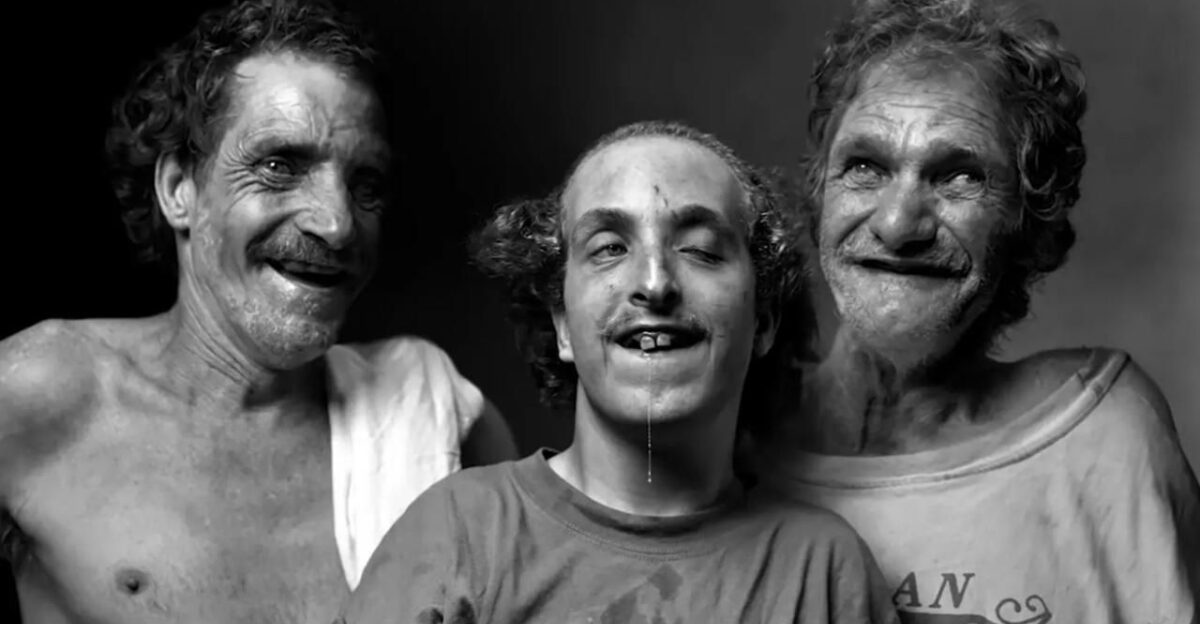
The Whittaker story traces back to 1882, when identical twin brothers Henry and John started the family line. Their children, Harry and Sally, married as first cousins.
Because their fathers were genetically identical, their children were more closely related than typical cousins. This marriage produced seven children and began a pattern of limited genetic diversity.
Over time, these connections would shape the family’s medical and developmental challenges, creating a legacy that still impacts them today.
The Town of Odd, West Virginia
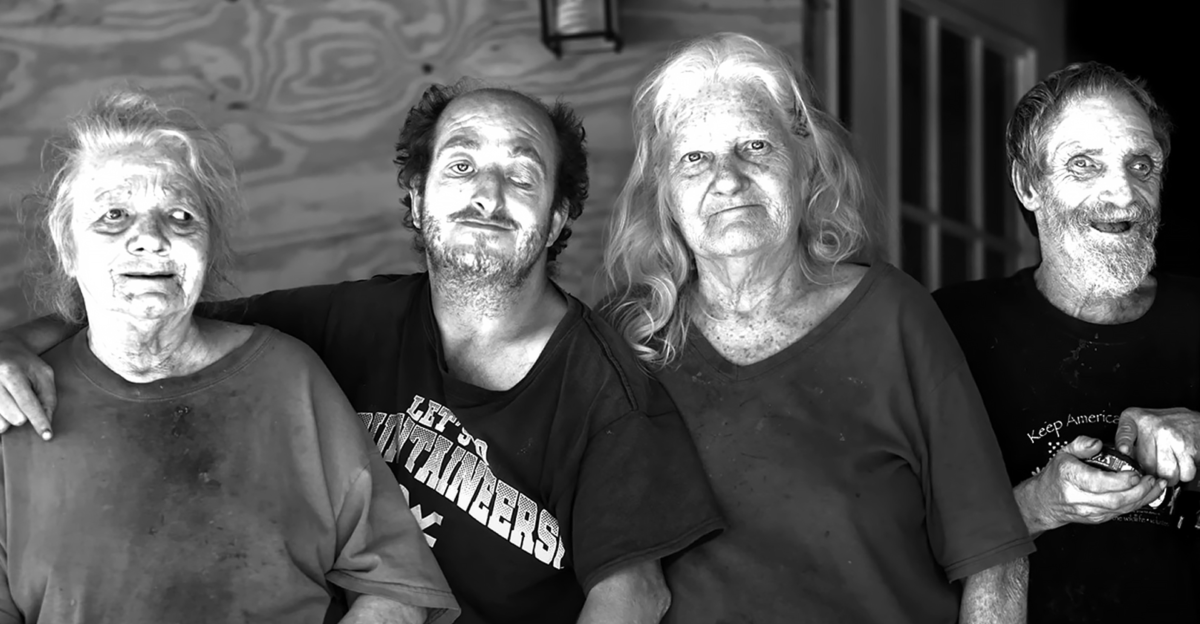
The Whittakers live in Odd, West Virginia, a small unincorporated town with just 362 residents as of the 2020 census. The median household income here is $35,625, well below state and national averages.
Odd got its unusual name because locals were asked to pick something “odd.” This small, isolated community faces many challenges common in rural Appalachia, where geography and poverty have shaped families for generations.
To really understand the Whittaker family’s story, here are 10 key facts that reveal the truth behind the headlines and show the real challenges they face.
#1 – Some Relatives Live Ordinary Lives
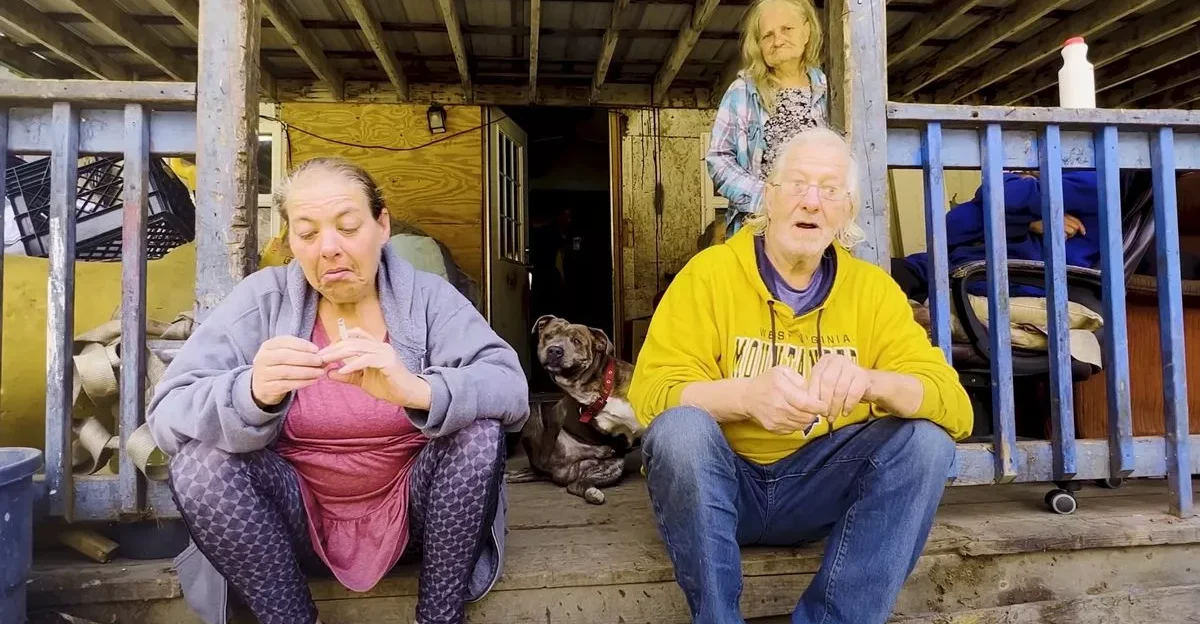
Not every Whittaker faces severe disabilities. Kenneth and Larry, for example, live independently with their own families on the property. They hold jobs, manage their homes, and care for siblings with greater needs. Their presence shows that the Whittaker story is not defined solely by disability, but also by everyday resilience.
#2 – Betty’s Lifelong Promise
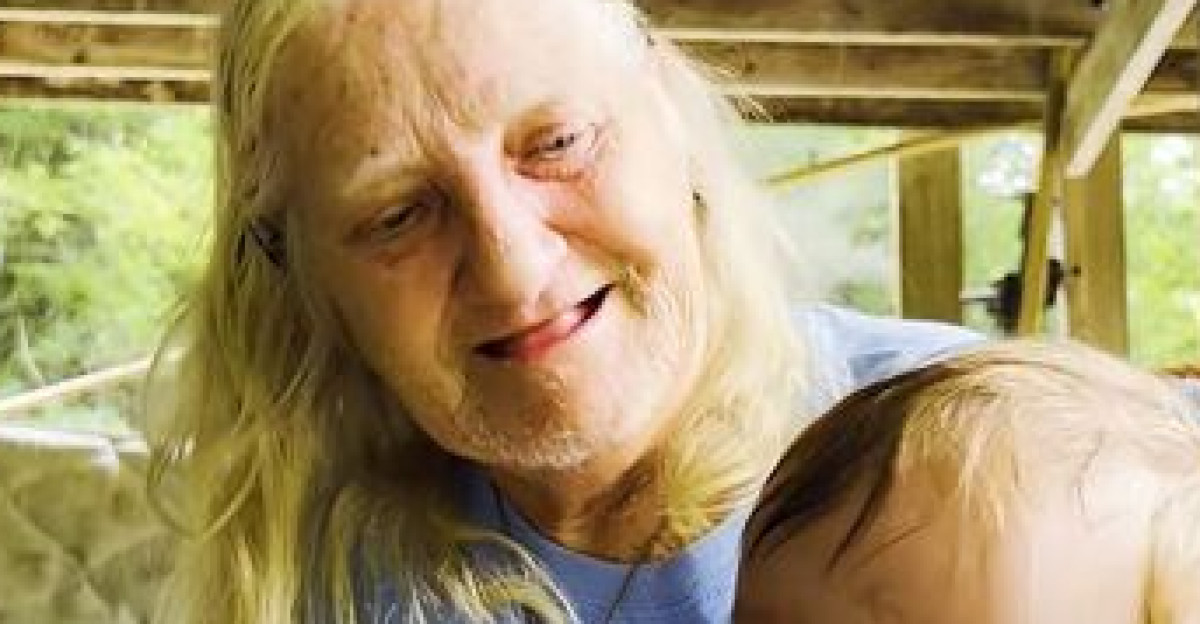
Betty Whittaker has spent more than 70 years honoring a vow she made to her dying mother: to never marry and to care for her disabled siblings. She has been the family’s anchor, ensuring Ray, Lorraine, and cousin Timmy could stay together under one roof. Her sacrifice has allowed them to live with dignity despite constant outside scrutiny.
#3 – Only One Family Member Finished High School
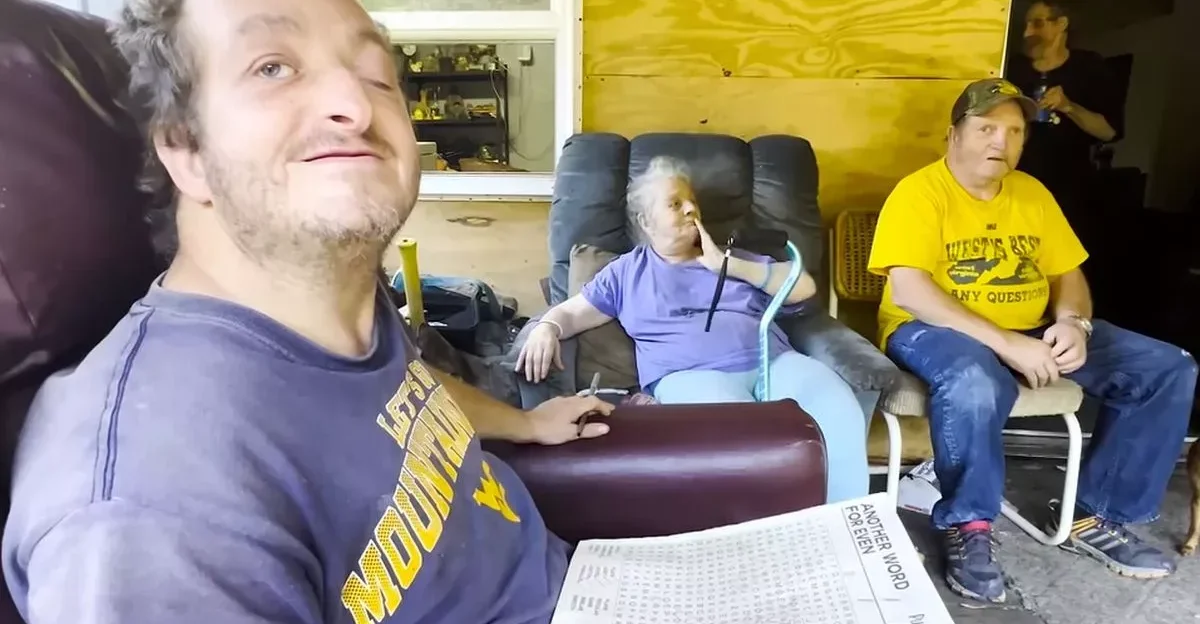
According to documentary filmmaker Mark Laita’s research, only Timmy—Gracie’s grandson through her daughter Lorene—has completed high school among the Whittakers living together.
This stands out in a family where many face serious cognitive and developmental challenges. Their genetic conditions have made traditional schooling very difficult, highlighting the profound impact on education across generations.
#4 – They Faced Bullying Before Fame
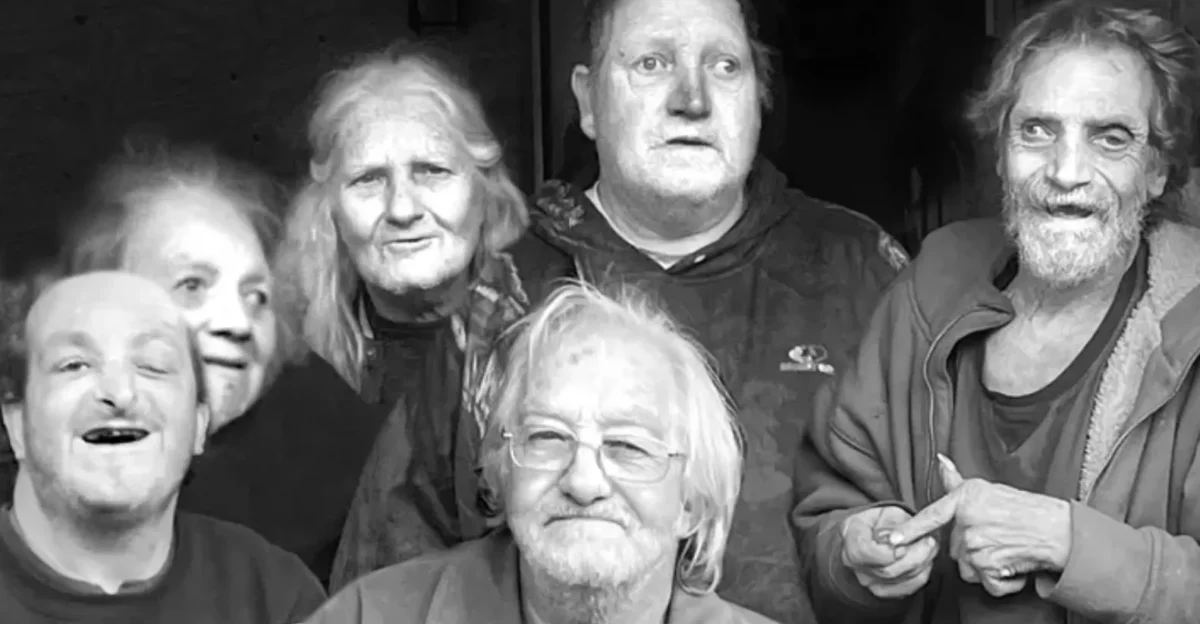
Before going viral, the Whittaker family dealt with constant harassment from neighbors. Cars would show up at all hours, honking loudly, egging their house, and throwing objects. Lewis sometimes fought back by throwing rocks at those who tormented them. This long history of bullying shows how isolated and targeted the family has been, long before their story reached the internet.
#5 – A Fake Death Scandal Shook Their GoFundMe
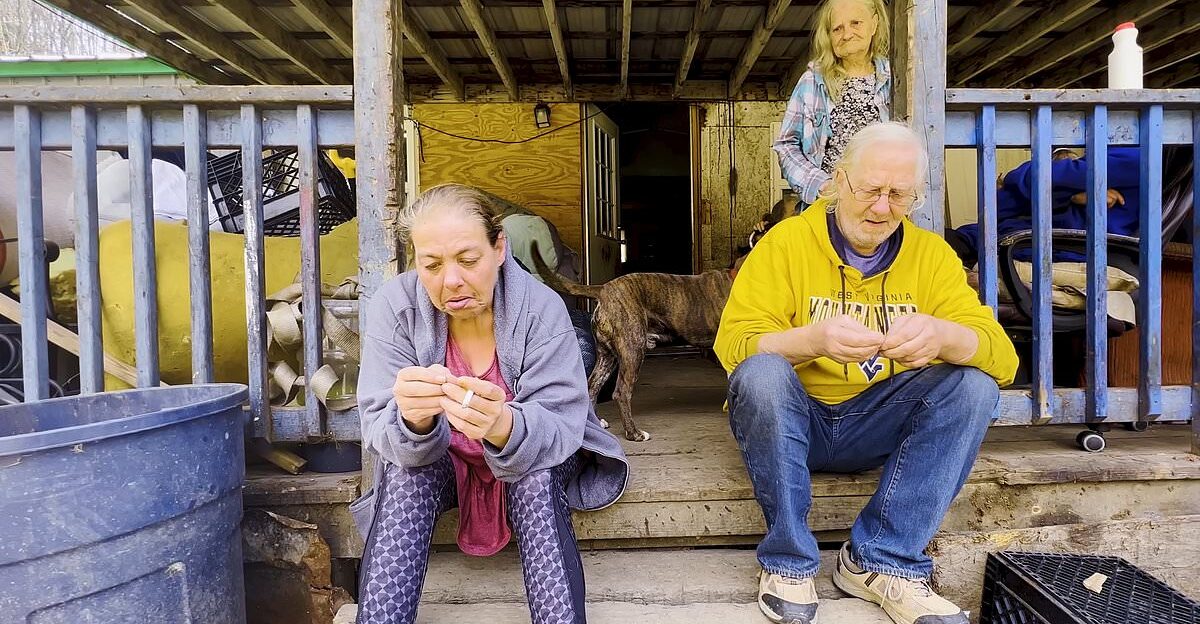
In September 2024, filmmaker Mark Laita revealed the family faked Larry Whittaker’s death to collect funeral money. Larry was later seen alive and well, months after his supposed burial. The scam was planned by Larry’s daughter BJ, who later admitted struggling with drug addiction and apologized. This incident complicated public trust and fundraising efforts for the family’s support.
#6 – Harassment and Fierce Protection
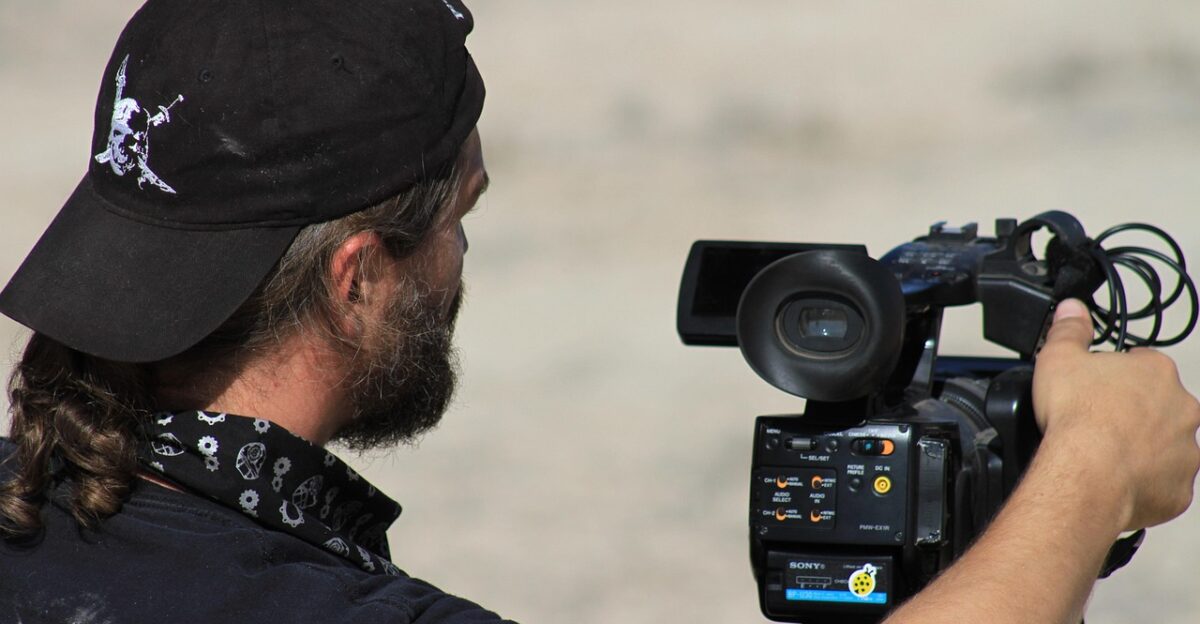
For decades, strangers targeted the family, driving to their home to throw rocks, egg the house, and break windows. This harassment only deepened the local community’s protective instincts.
When documentary filmmaker Mark Laita first visited in 2004, an armed neighbor confronted him with a shotgun, making it clear outsiders were not welcome unless they came with good intentions.
#7 – Their Story Went Viral
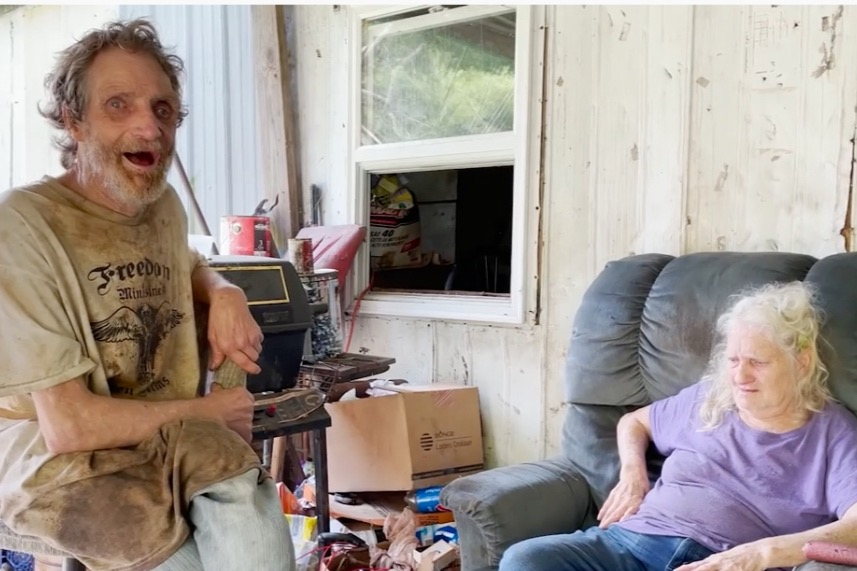
The Whittaker family’s story became a significant focus on Mark Laita’s Soft White Underbelly YouTube channel, which now has about 5.1 million subscribers. Their videos drew millions of views, making them internet celebrities in an unexpected way. This viral success brought more attention but also raised questions about ethics and exploitation.
#8 – A Complicated Community Relationship
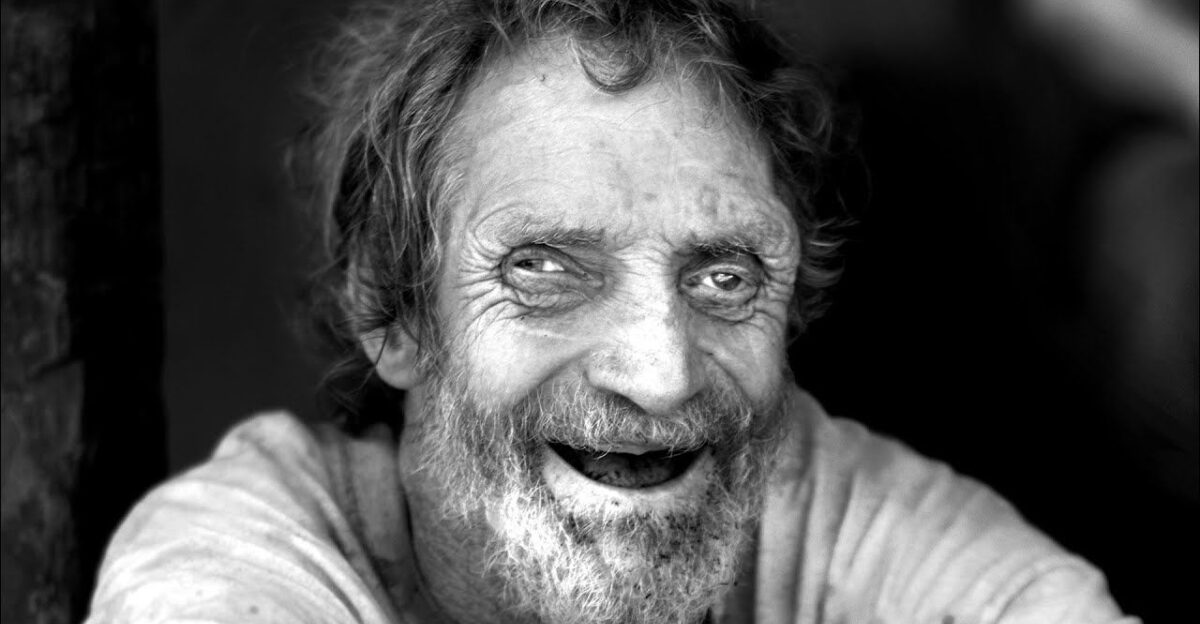
Neighbors around the Whittakers have a mixed relationship with the family. According to Laita’s observations, they protect them from some outside harassment but also mock them at times. This complicated dynamic shows how community attitudes can be both protective and critical, reflecting the family’s unique place in Odd, West Virginia.
#9 – Their Father Was a Strict Coal Miner
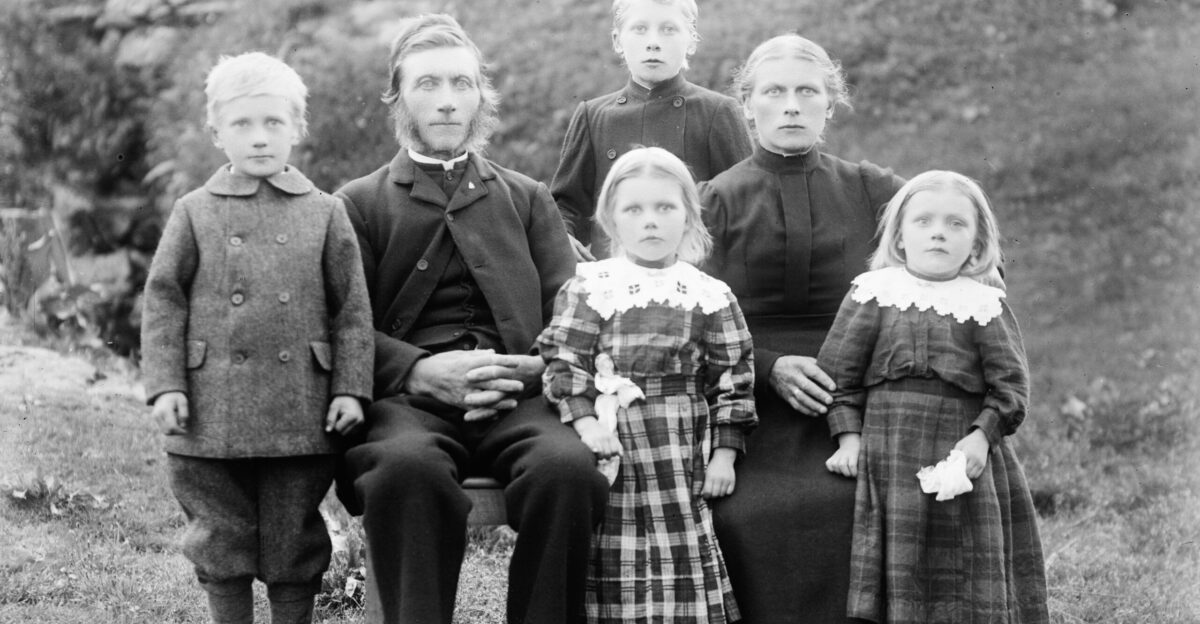
John Whittaker, father of Betty and her siblings, worked as a coal miner and ran a strict household. He would hunt down and punish children who misbehaved. Their mother, Gracie, battled heart problems and cancer, dying young at 44. After her death, Betty took on a motherly role while still a child herself, shaping much of the family’s care system.
#10 – Natural Disasters Added to Their Hardships
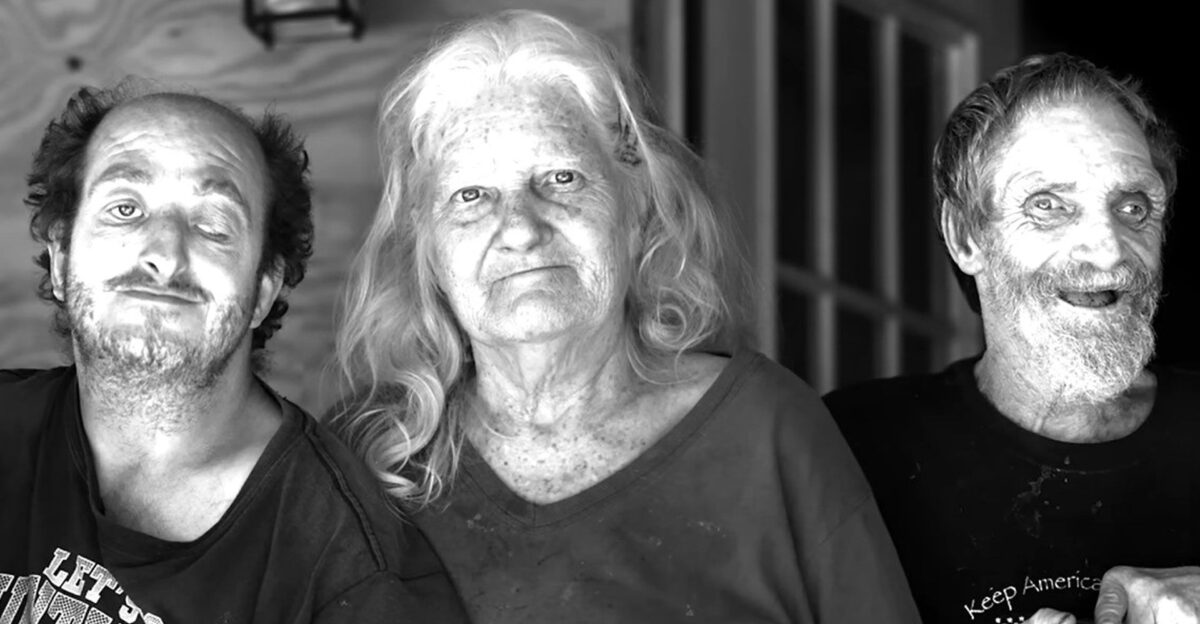
The Whittakers have suffered natural disasters beyond their genetic struggles. A tornado once sent a tree crashing into Timmy and Lorraine’s bedroom while they slept. Larry’s house burned down twice, once 20 years ago and again in December 2024, forcing him to move in with relatives. These events only deepened the family’s vulnerability and need for support.
Laita’s Wild First Visit
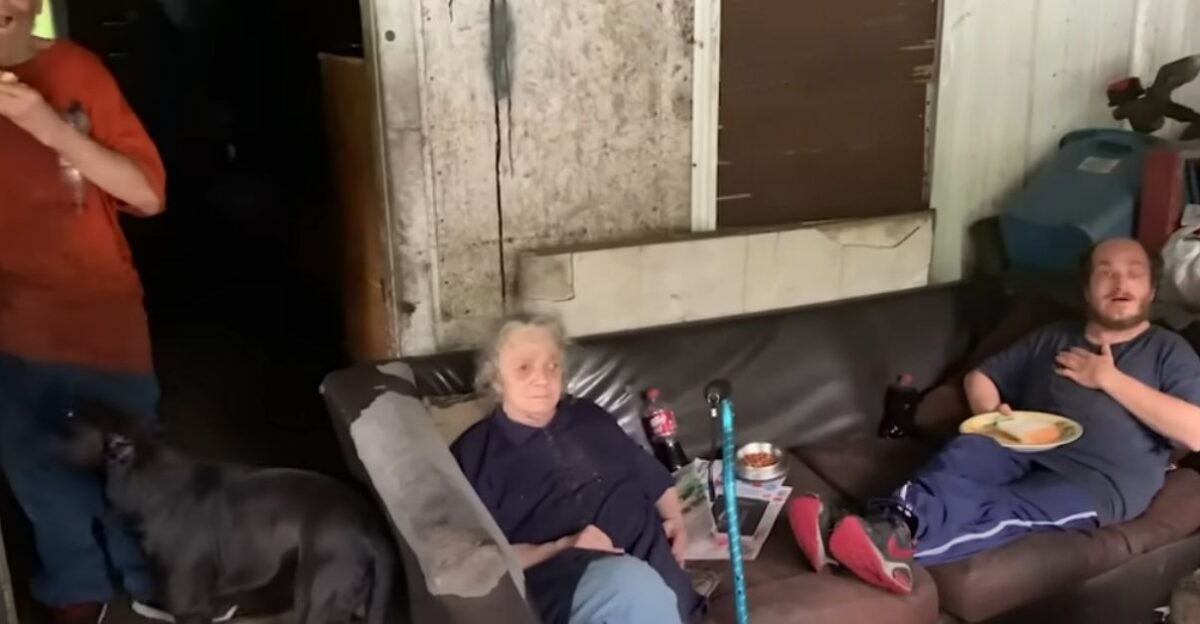
Mark Laita first met the Whittakers in 2004 at their home in Odd, West Virginia, about 75 miles from Charleston. He called the experience “the craziest thing I have ever seen.” Family members would scream, run away, and sometimes kick garbage cans.
The chaotic scenes reminded him of the 1972 film Deliverance, showing just how unpredictable and intense that first meeting was.
Trust Took Time to Build
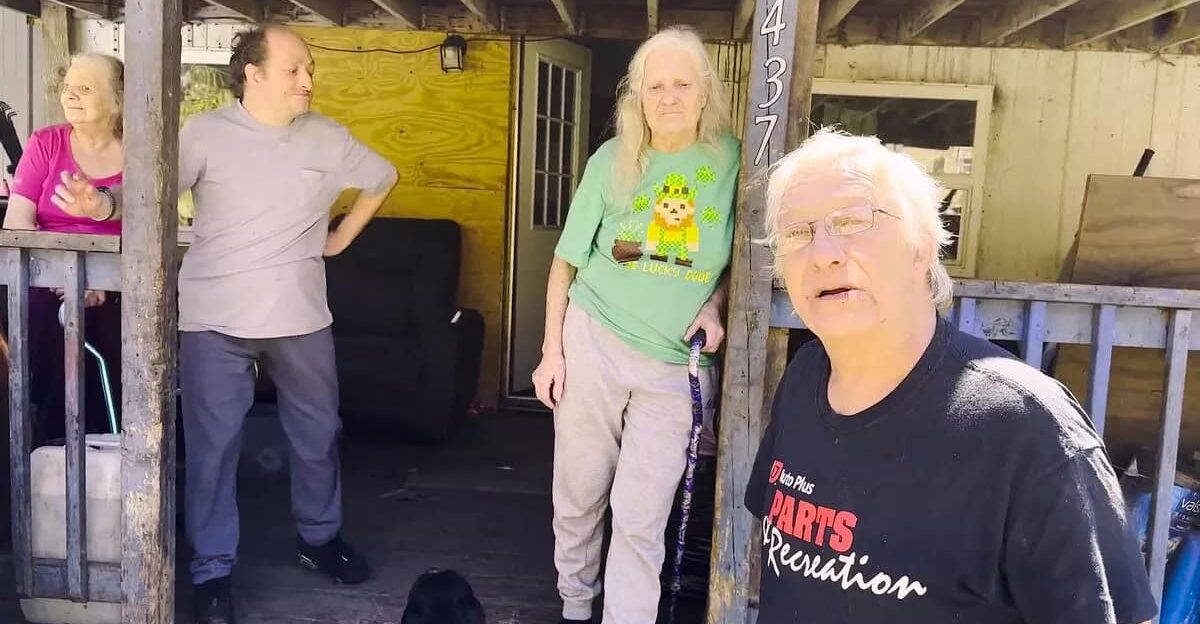
Laita stayed in touch with the family for years before he began filming their lives. He started documenting them on video around 2020.
While stories about how he gained their trust, like taking funeral photos, remain unconfirmed, it’s clear his patient approach helped him form a connection strong enough to capture their story over time.
From Commercial Shoots to Human Stories
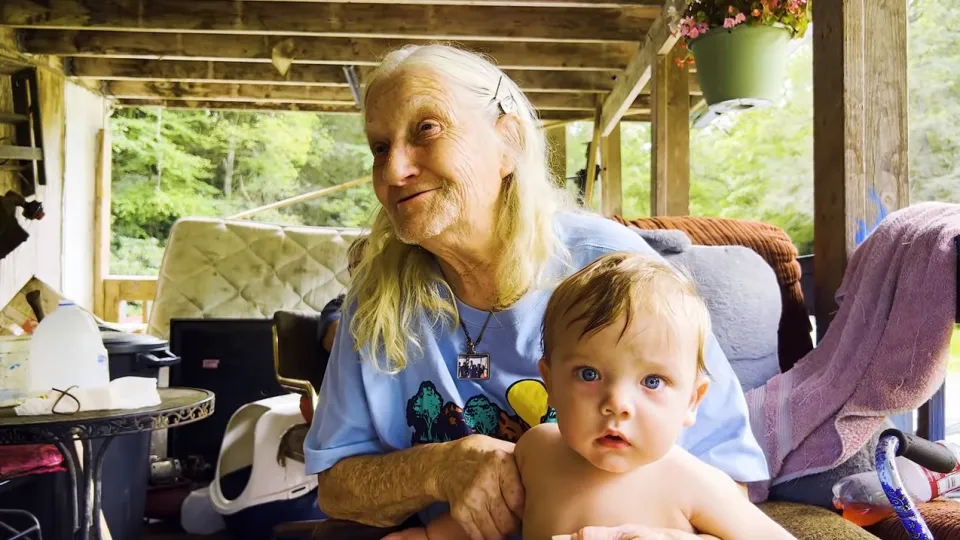
Before turning to documentaries, Laita worked as a commercial photographer for top brands like Apple, Nike, BMW, and IBM. His portraits appeared in major campaigns and publications.
In 2009, he published Created Equal, a photo book highlighting America’s cultural diversity after eight years of work, marking his shift toward more meaningful storytelling.
What Soft White Underbelly Reveals

Laita’s YouTube channel, Soft White Underbelly, shares stories of society’s most overlooked people: the unhoused, sex workers, drug users, and others.
After posting an interview with a 21-year-old prostitute named Kelly in 2019, the channel quickly grew from 3,000 to over 500,000 subscribers in less than three months, showing the public’s deep interest in untold human stories.
The Tyler Oliveira Fundraising Dispute
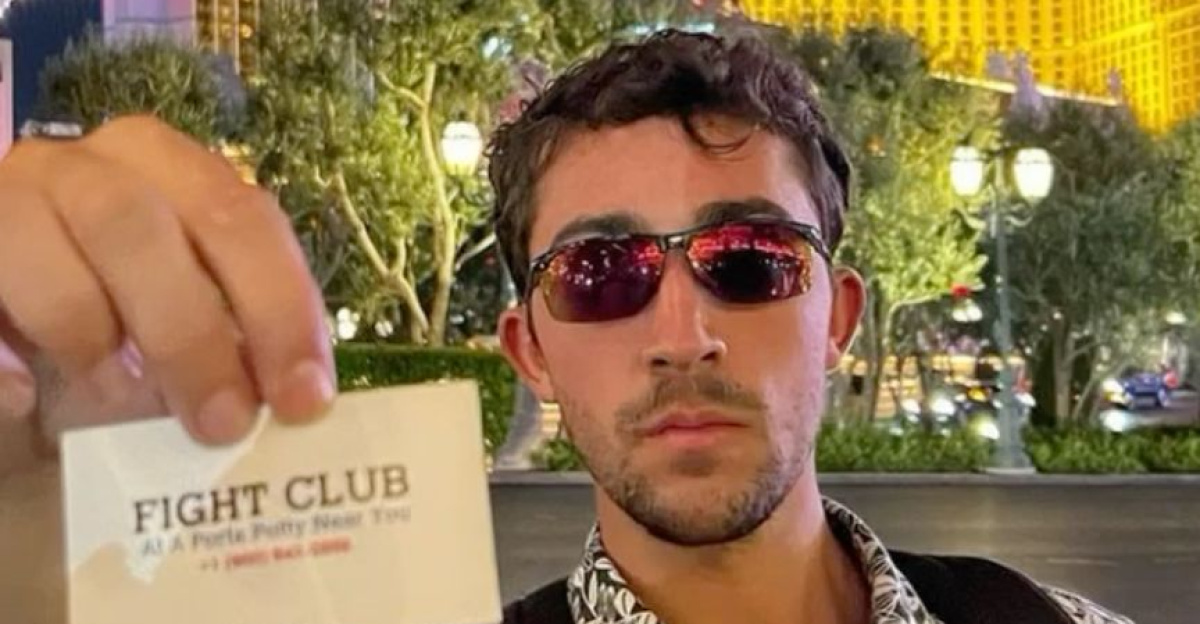
In 2024, YouTuber Tyler Oliveira questioned the handling of funds raised for the Whittakers, saying promised housing upgrades never happened. Laita responded with bank statements proving he had sent about $100,000 to the family over time. The dispute highlighted how online fundraising can become complicated, especially when funds are sometimes used for unexpected needs.
The Poverty Porn Debate

Critics call Laita’s videos “poverty porn,” accusing them of exploiting vulnerable people to gain views and donations. Academics say this raises ethical questions about showing poverty for emotional effect. Supporters argue the videos raise awareness about real struggles often hidden from public view, offering a rare glimpse into complicated lives.
A Story Bigger Than One Family
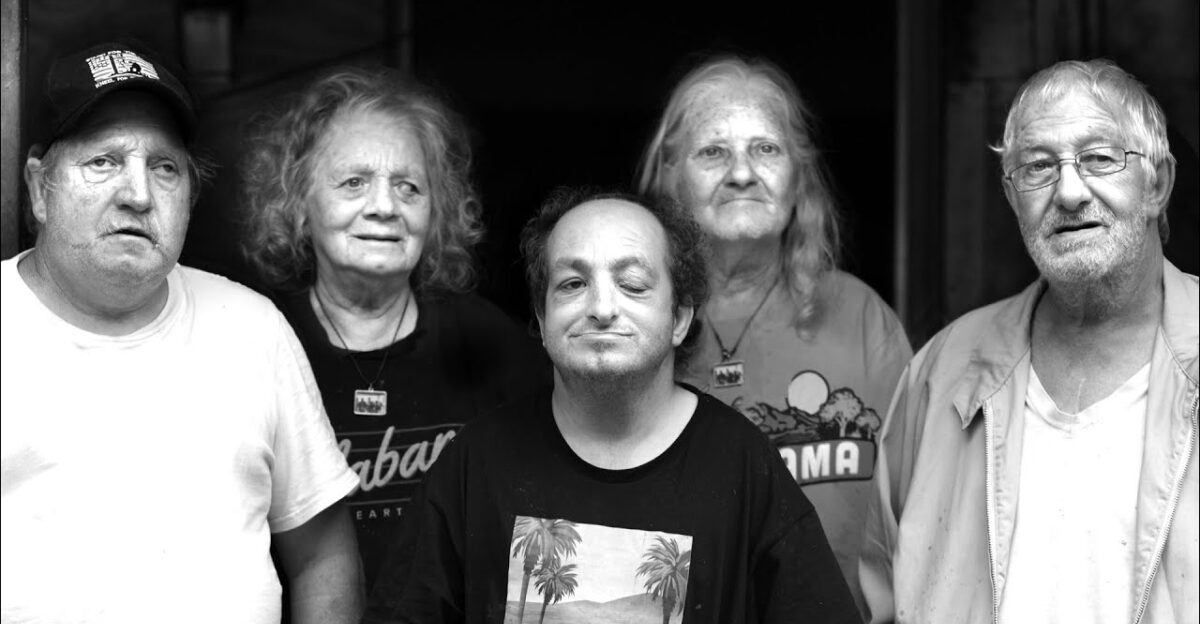
The Whittaker family’s story goes beyond one group; it raises big questions about ethics, consent, and responsibility in modern documentary work. Their experiences reflect deeper issues facing rural America, including poverty, isolation, and limited access to healthcare and education. Their story challenges us to think more carefully about how we tell stories and support vulnerable communities.