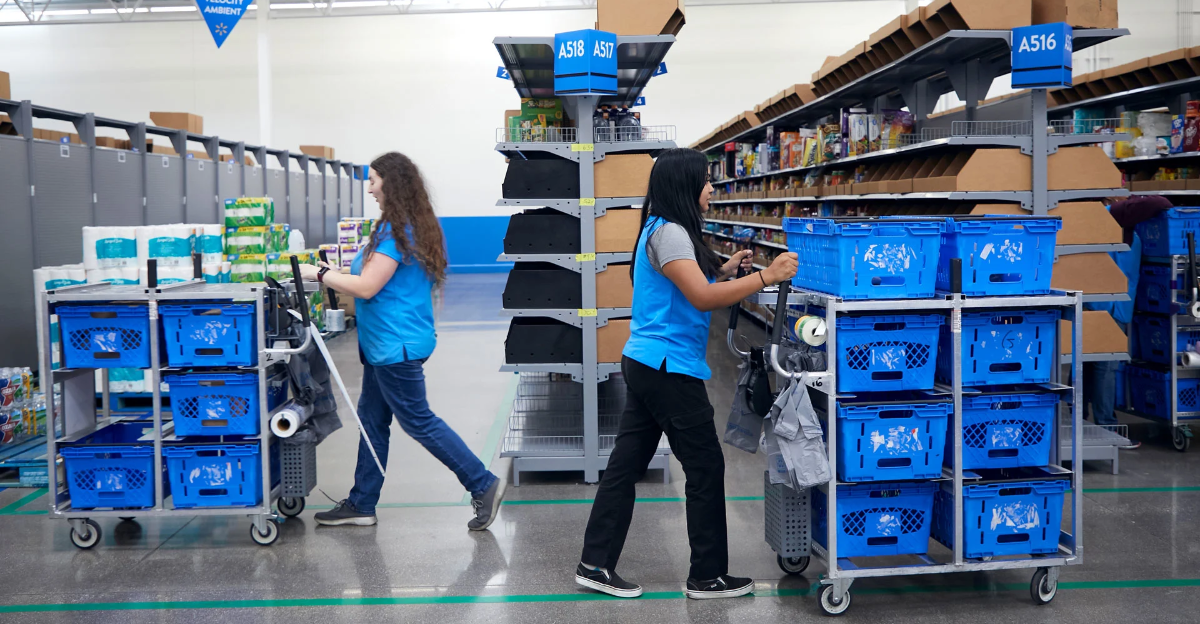
Walmart’s CEO Doug McMillon stunned industry leaders by declaring that AI will “change literally every job” at the nation’s largest private employer. He made this warning at a Bentonville summit, noting that executives are already mapping which of Walmart’s roughly 2.1 million global positions (about 1.6 million in the U.S.) will shrink, grow, or vanish under AI.
A change on this scale, at the company employing more Americans than any other, has sent ripples through corporate America.
Workforce Scale and Impact

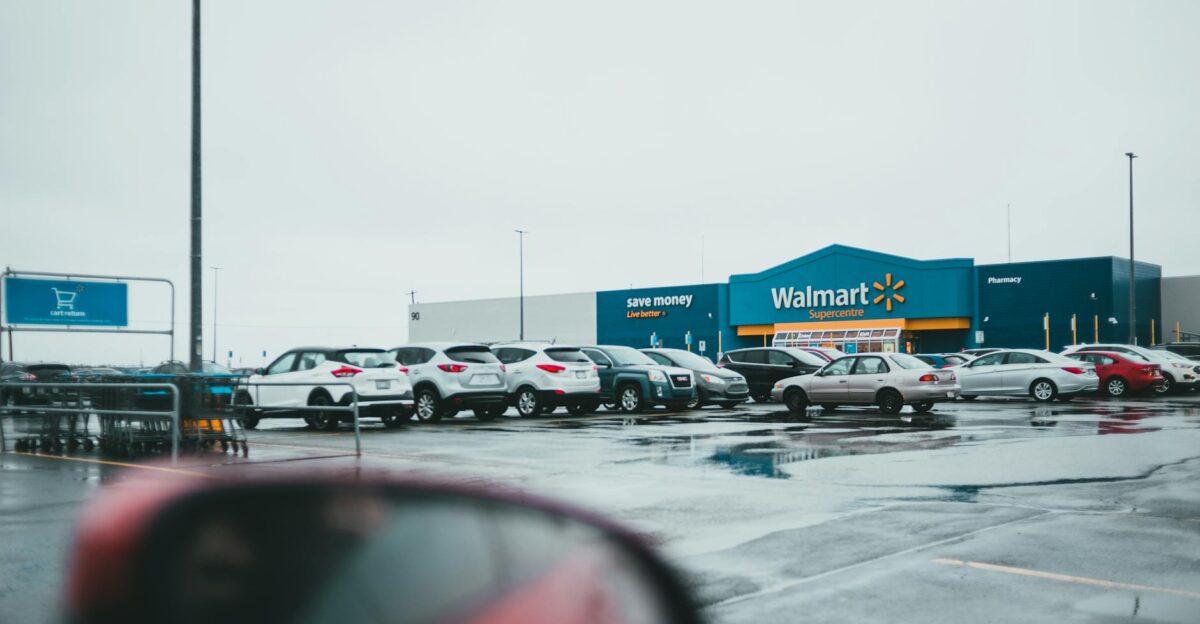
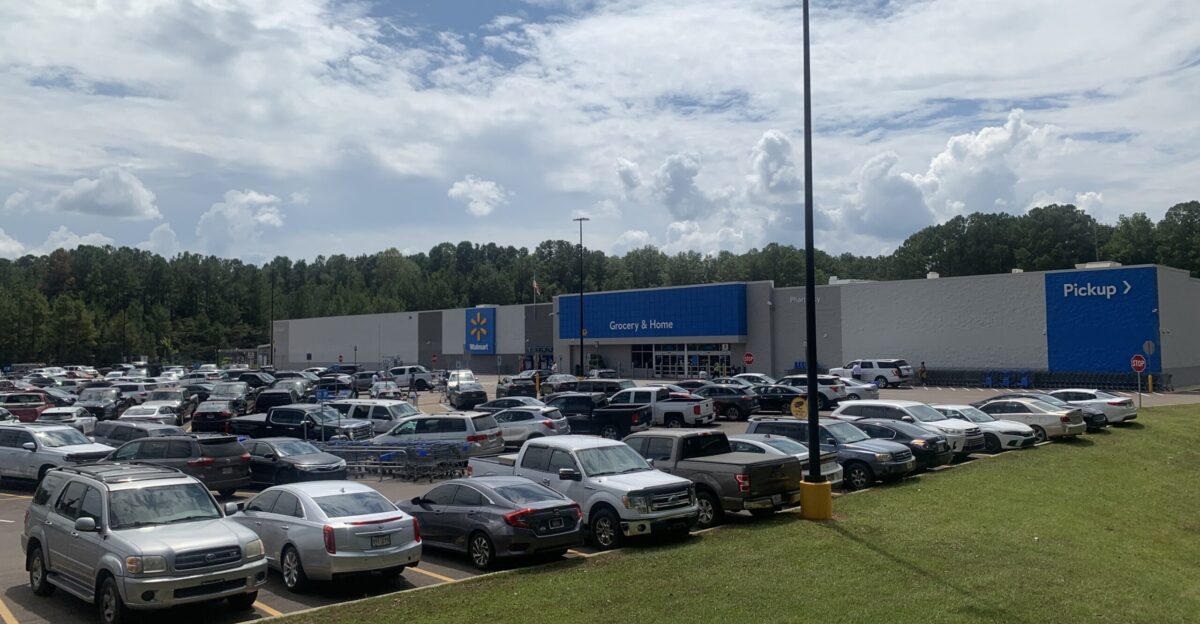
Walmart’s footprint is massive: it employs about 2.1 million people worldwide – roughly 1.6 million of them in the U.S. The retailer runs over 4,600 stores in America, from supercenters in cities to smaller markets in rural towns.
In many communities Walmart is a dominant employer, so even gradual AI-driven shifts in staffing or job duties could set labor trends across entire regions.
Retail’s AI Revolution Accelerates

Walmart isn’t alone. Amazon’s AI systems already influence every aspect of its business: its recommendation engine drives roughly 35% of sales, and the company deploys about 750,000 warehouse robots to augment human labor.
Target, Kroger, and others are racing to catch up with personalized shopping chatbots, automated logistics, and predictive stocking tools.
Corporate Pressure to Adopt AI

Pressure to automate is mounting beyond retail. Ford Motor CEO Jim Farley warned at an industry conference that AI could “replace half of all white-collar jobs” in the coming years.
McKinsey research finds that 92% of large companies plan to boost AI investment over the next three years, reflecting a sense of urgency. As labor costs rise and global competition intensifies, corporate boards are pushing CEOs to deploy AI — or face eroding profit margins..
Bentonville Announcement Shakes Up
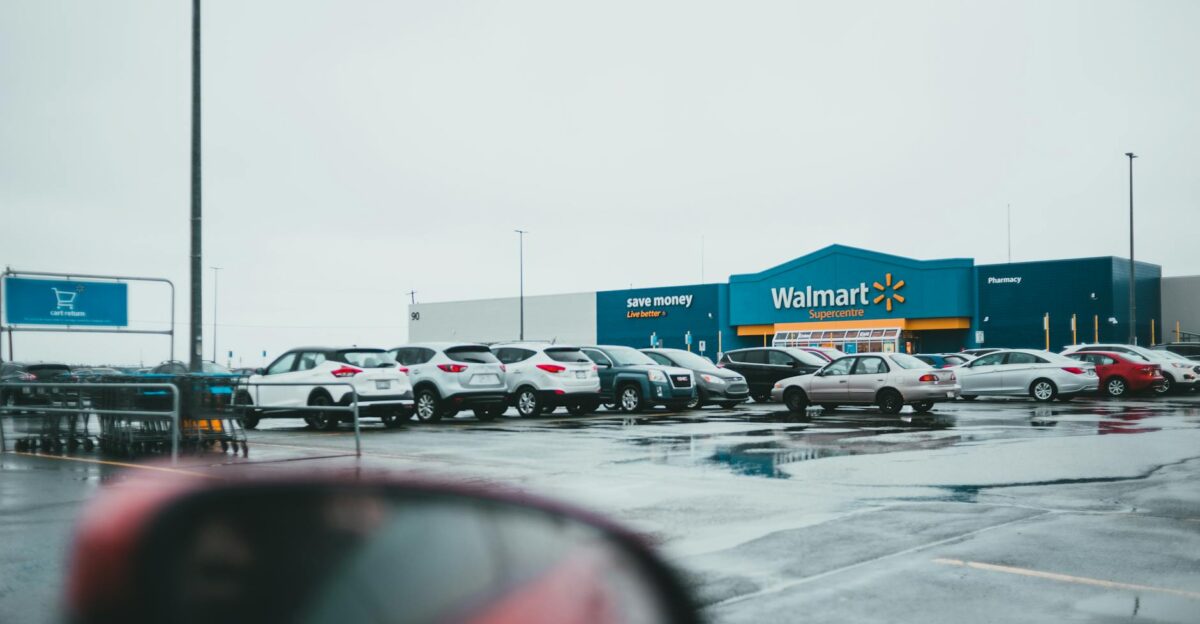
On Sept. 26, McMillon delivered the announcement that has become the story’s pivot. He acknowledged that “maybe there’s a job in the world that AI won’t change, but I haven’t thought of it,” yet framed Walmart’s response as training, not mass firing.
“Our goal is to create the opportunity for everybody to make it to the other side,” he said. The gist of his talk: Walmart will hold its ~2.1 million-person workforce steady while roles shift, pledging to flat-line headcount even as AI changes duties.
Local Economies on the Line

Walmart’s U.S. network stretches into nearly every corner of America. With over 4,600 domestic retail outlets – many in small towns – the retailer often anchors local labor markets. In regions where Walmart is the biggest employer, even modest changes (e.g. cutting store hours or merging roles) could sting.
Economic analysts warn that if Walmart’s stores shift to leaner staffing, it could devastate communities with few alternative jobs.
Workers’ Fears and Training
Employees report mixed feelings. Some frontline associates are curious about new AI tools; others fear being edged out. To address anxieties, Walmart is doubling down on training. The company has already committed nearly $1 billion to associate education by 2026, and is expanding Walmart Academy and its Live Better U tuition program.
Still, union leaders warn that class is nothing without guarantees. Even inside Walmart, executives admit uncertainty.
Competition Intensifies

Walmart’s competitors are moving quickly. Amazon’s lead is stark: beyond recommendation engines and robots, it rolled out new AI assistants and cashierless checkout trials. Target and Kroger have their own AI projects – everything from smart shelving to personalized coupons powered by machine learning.
Industry observers say this amounts to a technological arms race. Without aggressive innovation, retailers risk losing efficiency and customer loyalty.
Investor Optimism Rises

Financial markets have cheered Walmart’s tech pivot. In September 2025, Bank of America raised its Walmart price target to $125 (from $120) on confidence in the company’s future.
Likewise, analysts at Tigress Financial lifted Walmart targets citing “improvements in operating efficiency through automation and technology”. By mid-2025 WMT stock was up roughly a third year-to-date on these expectations.
OpenAI Partnership Unveiled

The biggest reveal came with Walmart’s partner announcement. Walmart has teamed with OpenAI to offer every U.S. associate a free AI certification program. Beginning in 2026, Walmart Academy (the company’s training portal) will host a customized OpenAI course covering basics through advanced “prompt engineering” for employees at all levels.
OpenAI CEO Sam Altman has set a goal of certifying 10 million Americans by 2030 – with Walmart as a flagship launch partner.
Navigating Internal Debate
Walmart’s internal planning shows tension. Executives are publicly united on reskilling first; behind the scenes, some managers push to automate repetitive tasks, others to protect jobs. One clear guideline has emerged: test AI in low-risk areas first.
Corporate tech and supply-chain teams will pilot new software and chatbots before rolling them out to stores. This staged approach lets Walmart refine tools and measure outcomes.
Developing In-House AI Talent
Walmart is building the expertise it needs. It created dedicated teams and roles around “AI agents” – specialized tools and the people who manage them. In mid-2025 the company debuted several AI assistants: “Sparky” for customers, “Marty” for suppliers, an “associate agent” for store workers, and a developer agent for tech teams.
The company even hired “agent developers” to build these systems in-house. This internal AI framework lets Walmart gradually expand from pilots to full deployment.
Walmart Academy: Training Hub
Walmart’s massive internal training programs will shoulder this upskilling. Walmart Academy – the largest private-sector training program in the world – already enrolls over 3.5 million associates.
It will become the main portal for AI education. The new OpenAI content will be woven into Walmart Academy and Live Better U (its education benefit). For example, associates will earn specialized AI certificates tailored to store roles.
Analysts Weigh In

Experts say Walmart’s bet will set a benchmark. On one hand, McMillon highlights Walmart’s track record: after automating 200,000 grocery pickup jobs, “we have about the same number of people working in Walmart U.S.” because “other tasks changed” and new, higher-paying jobs were created.
This suggests a potential path where AI “plusses up” existing jobs rather than simply eliminating them. On the other hand, labor economists warn that an unchanged headcount can mask massive role shifts.
Questions for the Future

Key uncertainties loom. Can Walmart’s training really keep pace with technology? History shows even robust reskilling programs often under-serve less-educated workers. McMillon argues past transitions created “new jobs that paid more”, but critics wonder if that will hold this time.
Will AI-enabled roles (e.g., data analysts, AI supervisors) come with comparable pay and career paths as the ones they replace? Can millions of part-time cashiers or truck drivers become proficient in coding and data analysis?
White House Response

Washington is watching. In July 2025 the White House unveiled an AI Action Plan that explicitly calls for an “AI Workforce Research Hub” at the Labor Department to study AI’s impact on jobs. This initiative (and related workforce development programs) shows federal intent to monitor big shifts like Walmart’s.
Congress is under pressure to balance worker protections with tech leadership. Legislators are considering guidelines on AI transparency and worker retraining funds.
Global Ripples

The effects extend beyond America. Walmart operates in 19 countries, so its supply chains and international branches could also change. Global partners – from Chinese factories to Latin American farms – may face Walmart’s new AI-driven ordering and analytics systems, forcing them to upgrade or lose business.
International retailers will take cues: if Walmart’s AI strategy boosts productivity, competitors abroad will accelerate their own AI plans.
Union Voices

Labor groups are mobilizing. Unions emphasize that unionized workers have the power to demand a voice in AI decisions. They are pushing companies to bargain over any AI-based scheduling or surveillance tools. For example, UFCW leaders say if a job can be automated, the union should negotiate whether and how.
In policy forums, tech execs and labor alike have sounded alarms. OpenAI CEO Sam Altman himself warned bluntly, “jobs are definitely going to go away, full stop”.
The Generation Gap

Not everyone feels the change equally. Surveys show younger workers are more receptive to AI. For instance, about 32% of Americans under 50 say they feel excited about AI’s workplace role, versus only 24% of those 50 and older.
Younger employees are also more likely to report feeling overwhelmed by the rapid change. By contrast, older associates tend to be more anxious or skeptical. Walmart’s challenge: bridge this divide. Training must reassure older workers that their experience is valued, while giving younger tech-savvy staff new challenges.
A Model for the AI Era

In the end, Walmart’s actions send a clear message: no job is AI-proof. The company is trying to balance innovation with responsibility by promising stable employment and massive retraining. Whether this gamble succeeds could set a precedent.
If Walmart truly manages to upgrade its workforce without cutting it, it will become a template for “responsible automation.” If it fails — cutting hours or headcount anyway — the episode may serve as a cautionary tale about overpromising.