
In the autumn of 2025, United Parcel Service (UPS) stunned the logistics world with a sweeping announcement: 48,000 jobs would be cut, 93 facilities shuttered, and the company’s operational landscape dramatically reshaped. This move, the largest transformation in UPS’s 118-year history, signaled a pivotal moment for the delivery giant and raised urgent questions about the future of global logistics.
Workforce Overhaul and Strategic Shift

UPS’s decision to eliminate nearly 10% of its global workforce—34,000 operational roles and 14,000 management positions—was driven by a new strategy called “Network Reconfiguration and Efficiency Reimagined,” set to run through 2027. The plan aims to modernize operations and align staffing with changing delivery volumes. The cuts hit especially hard in the United States, where more than 10% of Teamsters-represented jobs were affected. Voluntary buyouts led to 90% of full-time drivers leaving by August 31, underscoring the immediate human impact on thousands of families facing uncertainty.
A major catalyst for this overhaul was UPS’s evolving relationship with Amazon. By mid-2026, UPS plans to reduce Amazon-related volume by over 50%, pivoting away from low-margin e-commerce deliveries. This strategic shift reflects a broader industry trend: logistics firms are prioritizing profitability and diversification over reliance on single, dominant clients.
Downsizing the Physical Footprint
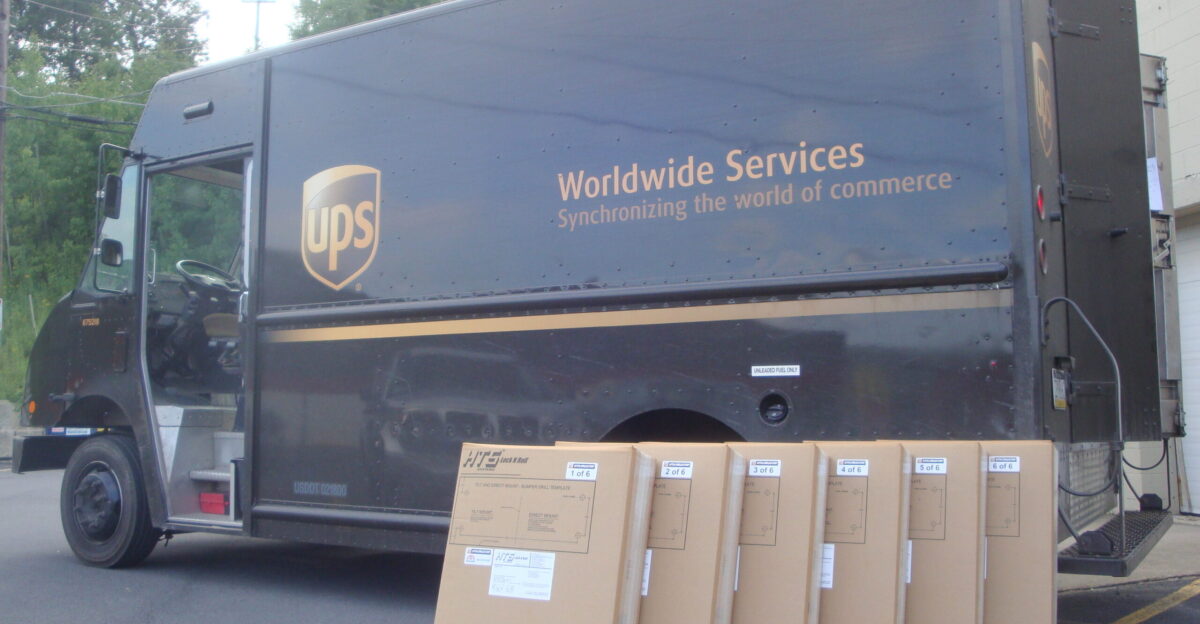
In just nine months, UPS closed 93 leased and owned buildings—far surpassing its initial target of 73 closures. This rapid downsizing, averaging one facility every three days, marks a significant contraction of the company’s physical network. Each closure represents a hub of activity gone quiet, with ripple effects felt in local communities and among regional partners.
The operational rationale is clear. In the third quarter of 2025, UPS handled 19.4 million packages daily, a 9.8% drop from the previous year. Fewer packages mean fewer resources are needed, supporting the logic behind the company’s aggressive restructuring. By September 30, UPS had already realized $2.2 billion in cost savings, with a full-year target of $3.5 billion—roughly $72,900 saved per eliminated job.
Technology, Automation, and the Future of Work

UPS’s transformation is not solely about cuts; it’s also about embracing automation and technology. The company is investing in automated sorting systems, redesigning workflows, and reshaping its real estate portfolio. Industry analysts note that UPS is betting smarter systems and fewer hands will deliver greater efficiency, though the challenge remains ensuring technology doesn’t come at the expense of reliability or worker livelihoods.
This shift mirrors global trends in logistics, where agility and tech integration increasingly outweigh sheer physical infrastructure. International volumes and cross-border flows are being recalibrated, with companies worldwide watching UPS’s experiment closely. Major logistics firms globally have similarly invested in automation while navigating the balance between efficiency and employment.
Impact on Customers, Retailers, and Partners
For consumers, UPS’s restructuring may mean slower shipping, fewer delivery options, and tighter return windows—especially as the company pares back its Amazon links and optimizes routes. However, CEO Carol Tomé insists UPS is “positioned to run the most efficient peak in our history,” as the holiday shipping surge approaches. The upcoming season will be a critical test of whether a leaner workforce can maintain the company’s reputation for reliability.
Retailers and e-commerce platforms are adapting quickly. With UPS stepping away from Amazon volume and closing facilities, regional carriers and tech-enabled logistics firms are gaining ground. Retailers are renegotiating contracts and seeking flexible alternatives to ensure speed and reliability for their customers, as many businesses rethink their logistics strategies in response to UPS’s changes.
Global Implications and the Road Ahead
UPS’s reconfiguration is sending ripples through global supply chains. The company’s pivot to higher-margin sectors, such as healthcare logistics, positions it for future growth, while regional carriers and automation-first operators stand to benefit from the shake-up. Conversely, workers affected by cuts, smaller retailers reliant on UPS’s broad footprint, and communities hit by facility closures face significant challenges.
Investors have responded positively in the short term, as UPS beat earnings expectations. Yet the long-term path remains uncertain, with the stakes high for businesses, workers, and consumers alike. As the logistics landscape evolves under “Network Reconfiguration & Efficiency Reimagined,” adaptability will be key. The coming years will reveal whether UPS’s bold gamble delivers lasting efficiency—or if the costs prove too great for those left behind.