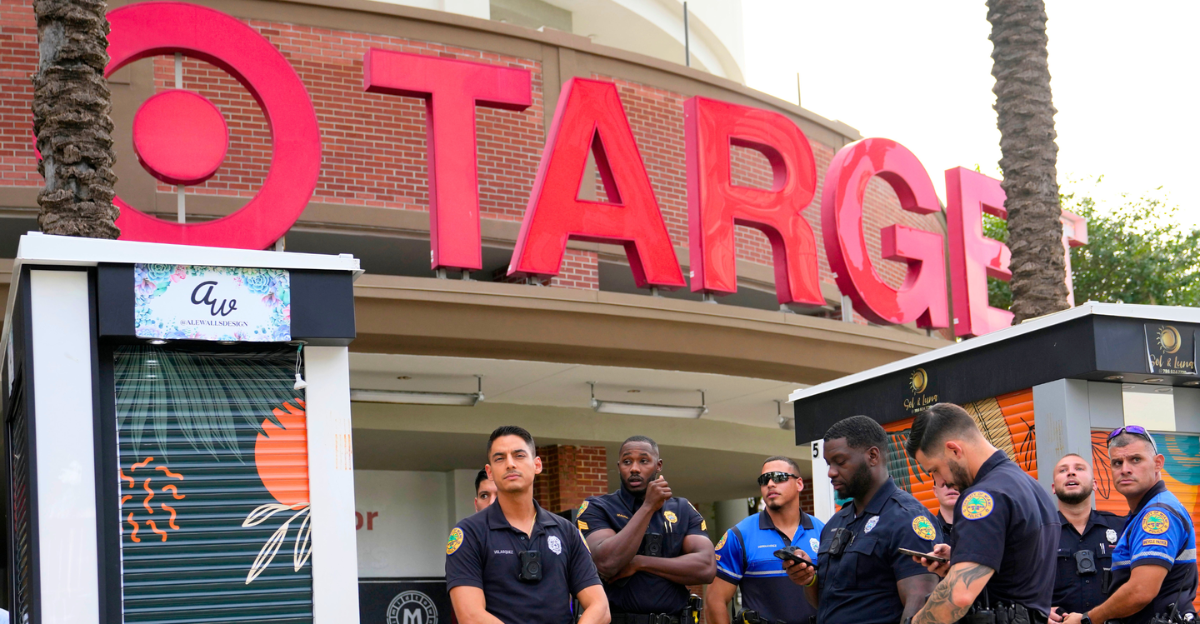
Target fired approximately 400-700 employees at its Chicago distribution center over alleged healthcare loan fraud. The scheme cost the retailer over $1 million after workers exploited a loophole in the medical benefits program. This shocking scandal has raised significant concerns about corporate ethics and accountability.
Chicago’s Little Village and Its Distribution Center

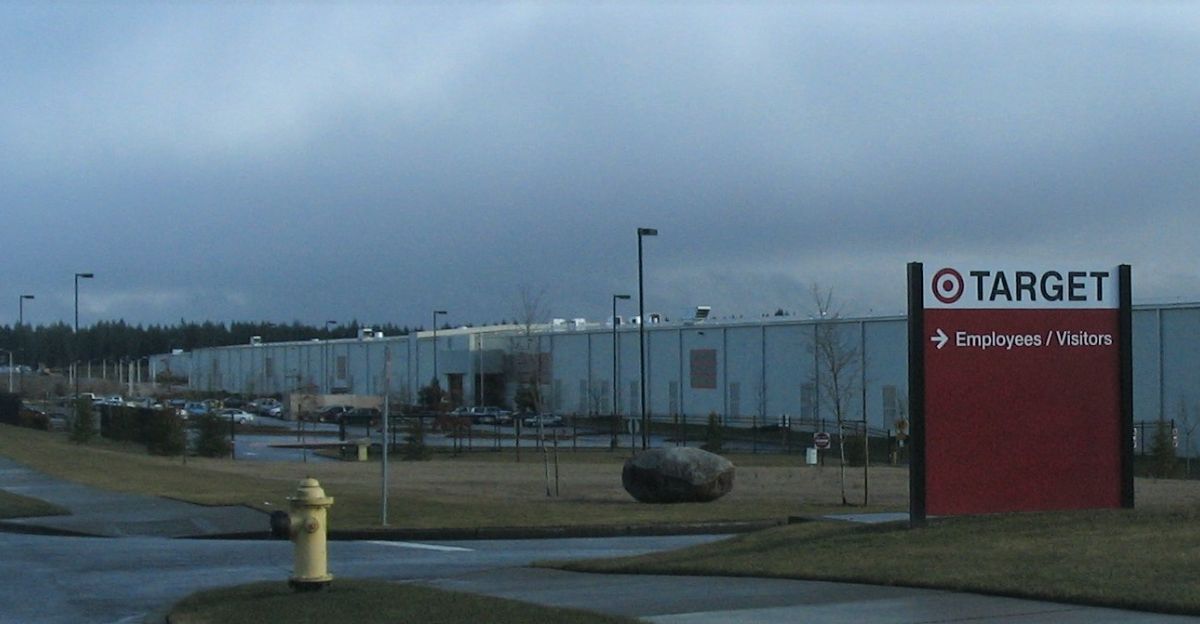
Target’s 1.3 million square foot facility operates at 3501 South Pulaski Road in Chicago’s Little Village neighborhood. Built on the former Crawford Station power plant site, this automated fulfillment center is crucial to Target’s supply chain operations. Its recent controversies have cast a shadow over its significant scale and importance.
The Investigation Begins: A Look Into Potential Benefit Misuse

The internal investigation was launched in late July and early August 2025. Automated controls detected irregular patterns in the Healthcare Flexible Spending Account Program, which provided $3,000 medical loans with standard payroll deduction repayment. These findings prompted widespread scrutiny of employee practices within the program.
700 Employees Fired in a Mass Termination Over a Loophole

In an extraordinary move, Target terminated between 400-700 employees over a two-week period. A company spokesperson confirmed, “Following an internal investigation, we have terminated team members found in violation of our company’s code of ethics.” The scale of the layoffs significantly impacted the local workforce.
How a Glitch Allowed Massive Debt Reductions

The exploit in the system allowed employees to repay just $50 of their $3,000 loans, effectively erasing remaining balances. This significant glitch provided nearly free financial assistance through legitimate operating channels. Employees were quick to take advantage of this crucial error within the benefits structure.
The Costs Add Up: Target Loses Over $1 Million Due to the Exploit

Target’s losses from the exploit exceeded $1 million, with reports indicating damages as high as $1.3 million. Each fraudulent loan cost the company about $2,950 before their detection systems kicked in. These financial repercussions are a stark reminder of the vulnerabilities that can exist in corporate benefit programs.
The Role of Organizers Charging Fees to Enter the Scheme

One employee discovered the glitch and reportedly charged others $200-300 to facilitate the fraudulent loans. According to reporter Charles Thrush, “He would charge $200 to $300, basically, for all these people to get their loans.” This organizational aspect of the fraud complicated the situation and broadened the scope of culpability.
Company Response: New Measures Implemented to Safeguard the Loan Program

Following the mass terminations, Target implemented new measures to protect its benefit program. These changes included the systematic review of healthcare benefit administration systems. The aim is to prevent such exploitation from recurring and to enhance the integrity of employee benefits moving forward.
How Target Continued to Function Post-Termination

Despite these significant layoffs, the Chicago distribution center maintained ongoing operations without disruption. Target relied on its automated systems and built-in operational redundancies to navigate the difficult transitional period. This resilience showcases the company’s ability to withstand workforce challenges.
Hiring Spree: Target’s Effort to Replenish Staff Following the Layoffs

Target has launched an aggressive recruitment campaign to replace the workforce lost during the terminations. “It has felt weirdly empty in here,” remarked a newly hired employee. The company is quickly onboarding new staff to restore its operational capacity and maintain service levels.
The Broader Implications: Risks Associated with Benefit Administration Systems

This incident highlights broader vulnerabilities in benefit administration systems across the business landscape. Healthcare fraud costs companies billions yearly, exposing the risks that arise when technical safeguards fail against insider threats. The ongoing assessment of these risks is critical for all organizations.
Worker Perspectives: Reactions to the Drastic Terminations

Terminated employees reported showing pay stubs with regular FSA deductions, asserting they believed they were using the program legitimately. “Some employees told WGN-TV they had no idea they were part of a large fraud operation,” revealing a significant divide in awareness regarding the unethical conduct.
What Could Come Next for Target and the Former Employees

In Illinois, healthcare fraud can result in Class 4 felonies, leading to imprisonment and fines. Although no formal criminal charges have been announced, the organized nature of the operation could lead to severe penalties for ringleaders. Ongoing legal scrutiny is expected to unfold.
Insights From Experts

Healthcare fraud experts identify this case as indicative of insider threat dynamics exploiting authorized system access. The incident underscores the ongoing struggle to balance employee access to benefits while implementing adequate fraud prevention measures. Lessons from this case will resonate across industries.
What Other Companies Should Take Away from This Incident

The case demonstrates a vital need for real-time monitoring systems that detect unusual patterns in benefit utilization. Companies should implement multi-layered approval processes and automated alerts to catch statistical anomalies early, thereby mitigating risks associated with benefit exploitation.
Avoiding Future Pitfalls: Strategies for Robust Benefit Program Oversight

To safeguard benefits against fraud, a comprehensive approach is essential. Organizations should combine technological safeguards with rigorous human oversight and audit procedures. Establishing transaction limits and approval processes can enhance security across high-value benefits.
A Culture of Accountability: Moving Forward for Both Employees and the Company

Target’s decisive response to this incident establishes important ethical standards, although challenges remain in rebuilding workforce trust. Transparent communication about benefit expectations and consistent application of standards will be vital in navigating the aftermath.
Industry Impacts: How This Scandal Resonates Beyond Target

The ramifications of this incident are prompting a sector-wide reassessment of benefit administration security protocols. Human resources professionals are now examining vulnerabilities, while security teams must enhance fraud detection capabilities, reflecting on lessons learned from Target’s experience.
Consumer Reactions

Despite the controversy, Target’s stock showed resilience amid negative publicity from the fraud and mass layoffs. Consumer reactions are mixed, testing brand loyalty and trust as the company navigates its employee relations challenges.
What Does the Future Hold for Target and Its Employees?
This scandal represents a turning point in corporate benefit administration, revealing both vulnerabilities and the speed of internal threats. The long-term consequences may include shifting security standards and the implementation of heightened fraud detection protocols across industries.