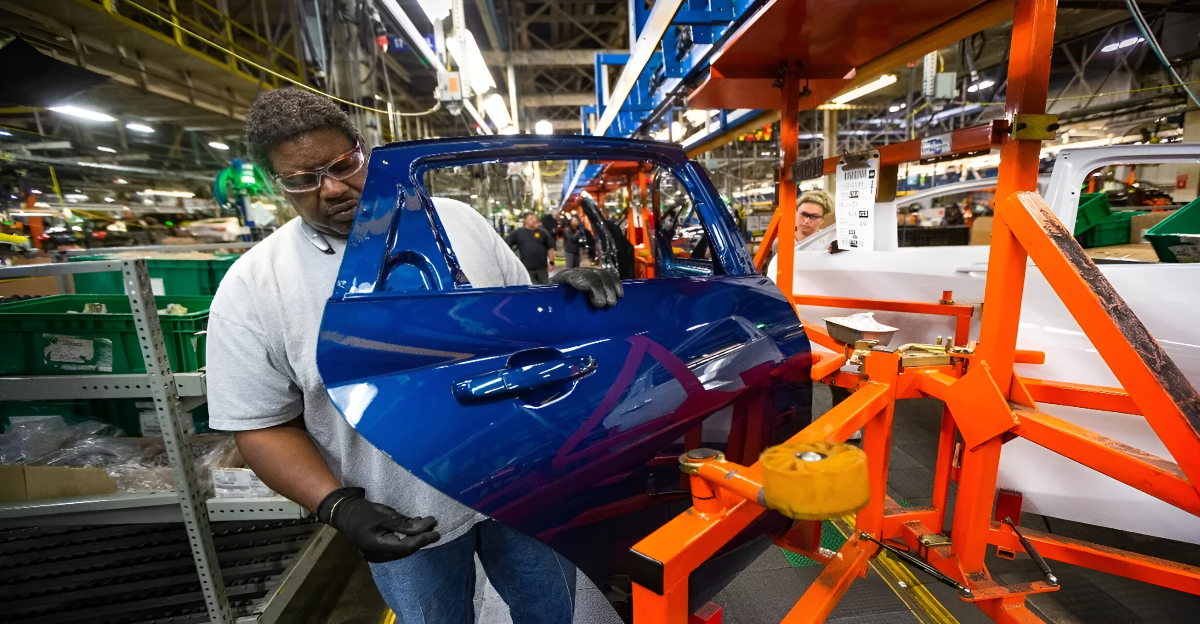
General Motors’ decision to scale back electric vehicle production at its Spring Hill, Tennessee plant is setting off a painful chain reaction. Starting January 2026, about 700 GM workers face temporary layoffs, while Tenneco, a longtime automotive supplier, is eliminating 349 positions across the state.
The slowdown highlights how shifts in GM’s production strategy ripple outward, disrupting not only its own workforce but also the companies that supply critical parts to its assembly lines.
Together, more than 1,000 Tennessee workers are directly impacted, exposing how vulnerable local economies remain to policy shifts, fluctuating demand, and automaker decisions.
Tenneco: An Icon of Auto Parts
Founded in 1940 as Tennessee Gas and Transmission Company, Tenneco has grown into one of America’s most recognized auto parts makers. Through acquisitions like Walker Manufacturing in 1967 and Monroe Auto Equipment soon after, the company cemented its dominance in emission control systems and suspension parts. Its reputation for reliability made it a key supplier to Detroit’s Big Three automakers.
For more than eight decades, Tenneco’s name has been closely tied to American manufacturing pride. But as GM trims production, the company’s long legacy now collides with a harsh new reality—shrinking demand means fewer parts rolling off its own lines.
GM Hits the Brakes on EV Ambitions
At the heart of the crisis is GM’s decision to temporarily pause production of its Cadillac Lyriq and Vistiq models at Spring Hill. The cuts begin in December later this year and are expected to last through May 2026.
A Double Blow to Spring Hill
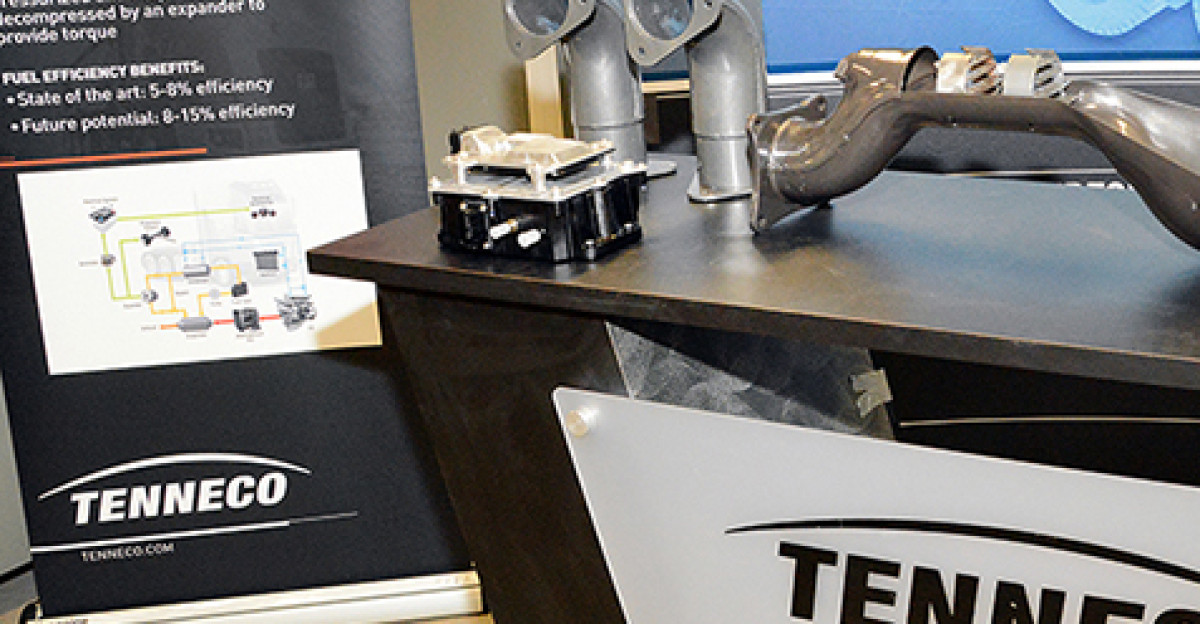
Spring Hill faces a unique one-two punch. GM is cutting 700 assembly-line jobs on a temporary basis, leaving hundreds of families uncertain about their return date. At the same time, Tenneco is slashing 82 positions in its Spring Hill facility—an extraordinary 41% of its local workforce.
The overlap means the same community is hit twice, with residents facing both direct and indirect economic pain. Local businesses that depend on workers’ spending now confront a sharp downturn.
Tenneco Layoffs Stretch Beyond Spring Hill

The damage extends far beyond one city. Tenneco’s 349 Tennessee layoffs include 25 workers in Dekalb County and a staggering 242 employees in Sevier County.
Between GM’s 700 temporary cuts and Tenneco’s permanent layoffs, more than 1,000 jobs vanish in the span of weeks.
Why GM’s Slowdown Hurts Suppliers
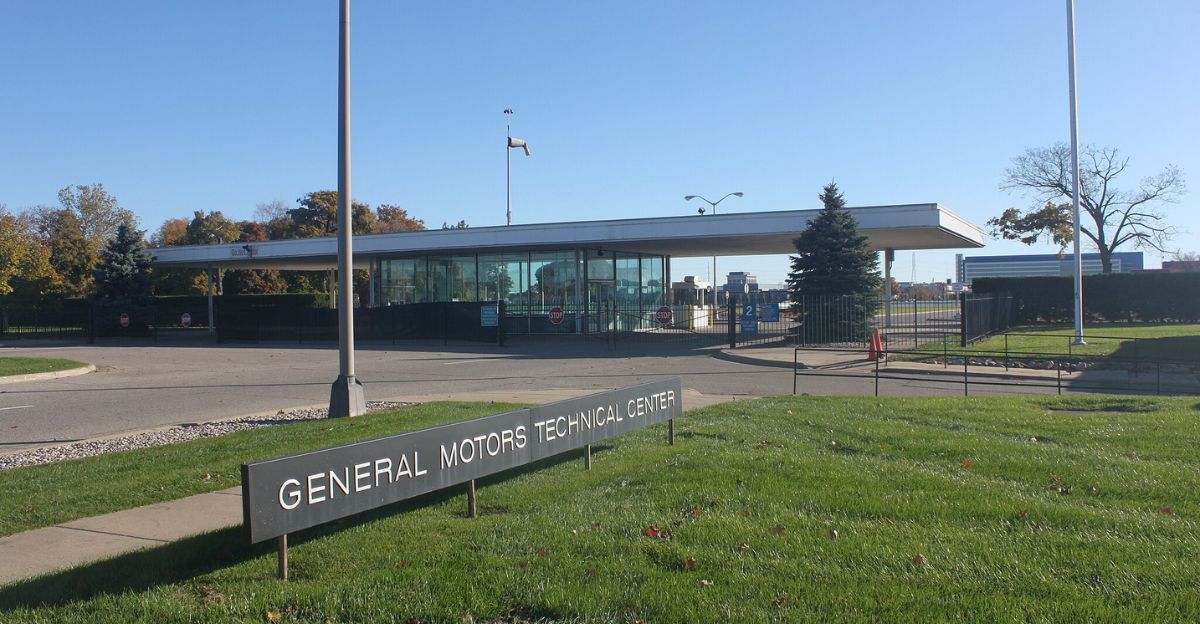
Automakers like GM operate in tightly interconnected supply chains. When vehicle production is scaled back, suppliers receive fewer orders, forcing them to slash their own capacity.
Tenneco’s layoffs are a direct result of reduced demand for exhaust and suspension systems that would have been installed in Spring Hill’s EV models. Without steady orders, the company cannot justify maintaining its full workforce.
Workers Caught in the Middle
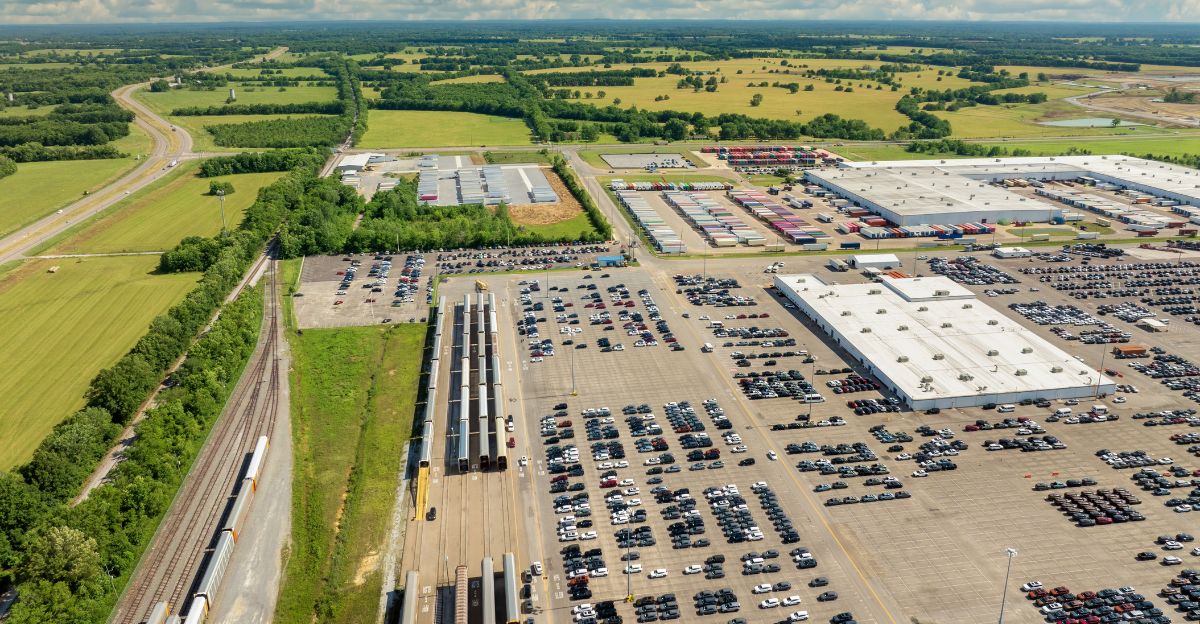
Behind the numbers are real families facing uncertainty. UAW Local President Mike Herron called the layoffs “heartbreaking,” capturing the anxiety among workers left in limbo. Temporary layoffs at GM make it difficult for employees to plan financially, while Tenneco’s permanent cuts leave no hope for recall.
Many of these workers have built careers in the auto industry, only to find themselves suddenly jobless.
Community Leaders Brace for Fallout

Spring Hill Mayor Rick Graham acknowledged the economic pressure but stressed community resilience. While 80% of residents commute outside the city for work, the layoffs still threaten local businesses, tax revenues, and social services.
Restaurants, retail stores, and small service providers are already preparing for weaker demand. Municipal leaders are working with workforce development agencies to connect displaced workers with retraining opportunities, but the transition will take time. meet.
Federal Policy Shifts as a Catalyst
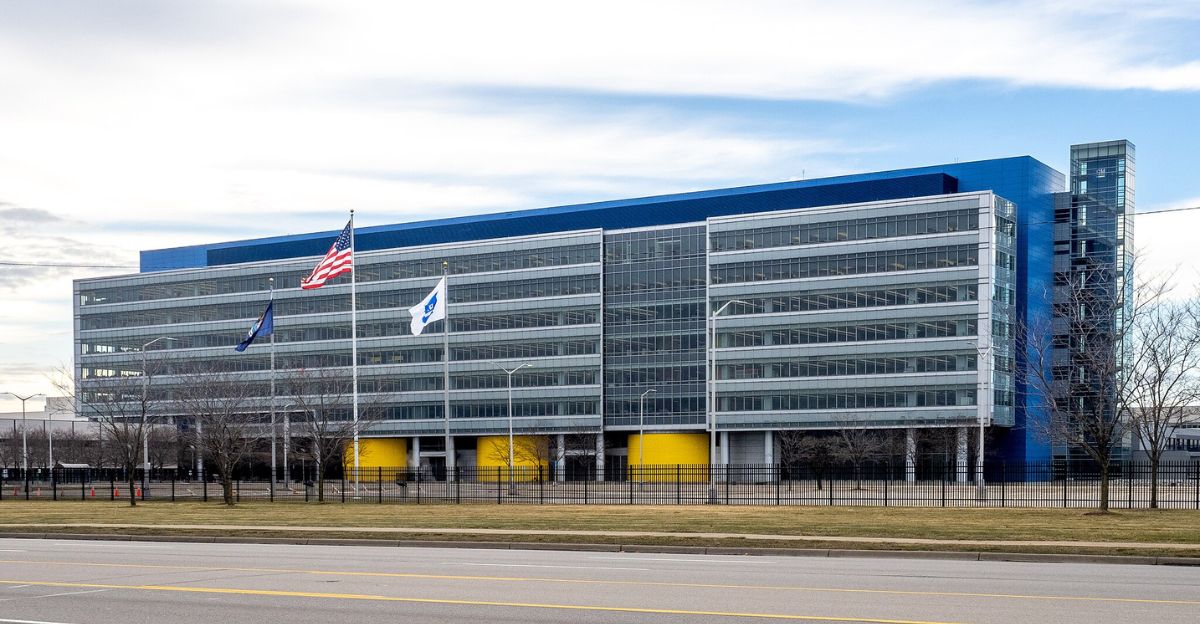
The trigger for GM’s decision lies in Washington. Federal EV tax credits, worth up to $7,500 per vehicle, expires on September 30. At the same time, penalties for fuel efficiency shortfalls were eased, further discouraging aggressive EV output.
Together, these policy changes altered GM’s cost-benefit equation, pushing the automaker to slow production.
Tenneco’s Corporate Response

Tenneco has framed its layoffs as part of a necessary global restructuring. A spokesperson pointed to “an increasingly challenging economic environment” and emphasized the company’s efforts to support affected employees with severance packages and outplacement services.
Yet the scale of the cuts suggests deeper issues than short-term cost control.
The Domino Effect in Supply Chains
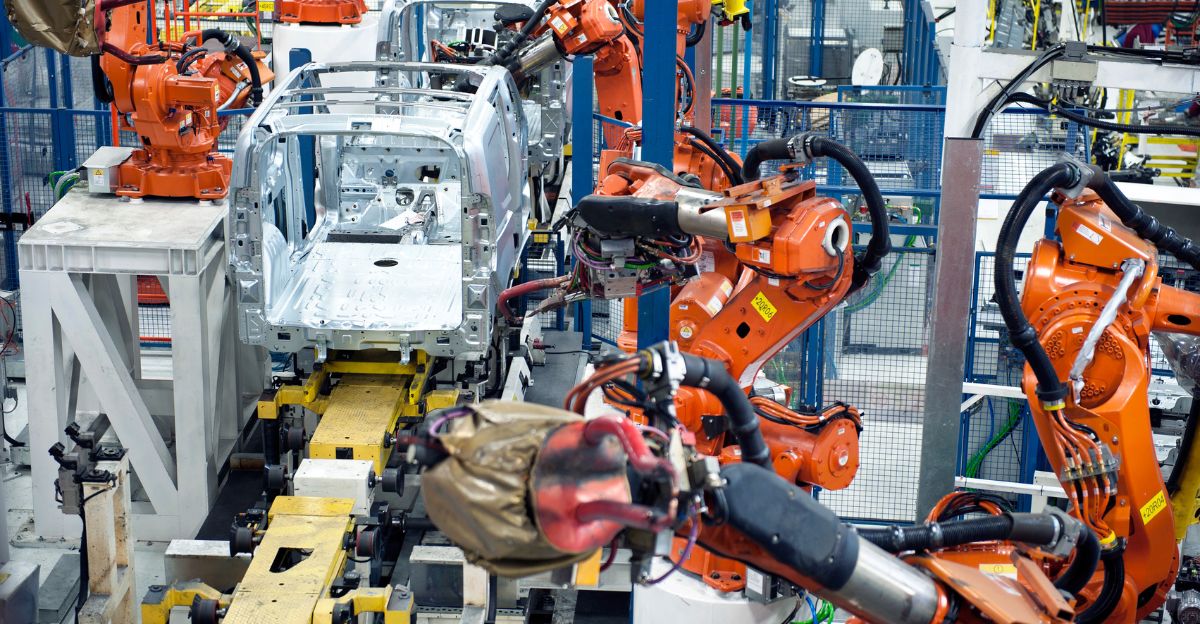
Job cuts at Tenneco do not stop at its own facilities. As one of the largest parts makers, its slowdown forces secondary suppliers, companies that provide raw materials, subcomponents, and logistics support, to adjust as well.
Reduced output cascades through dozens of businesses that make up the broader automotive ecosystem in Tennessee and beyond. For many small and mid-sized suppliers, even modest order reductions can mean sharp financial strain.
A Legacy of Resilience
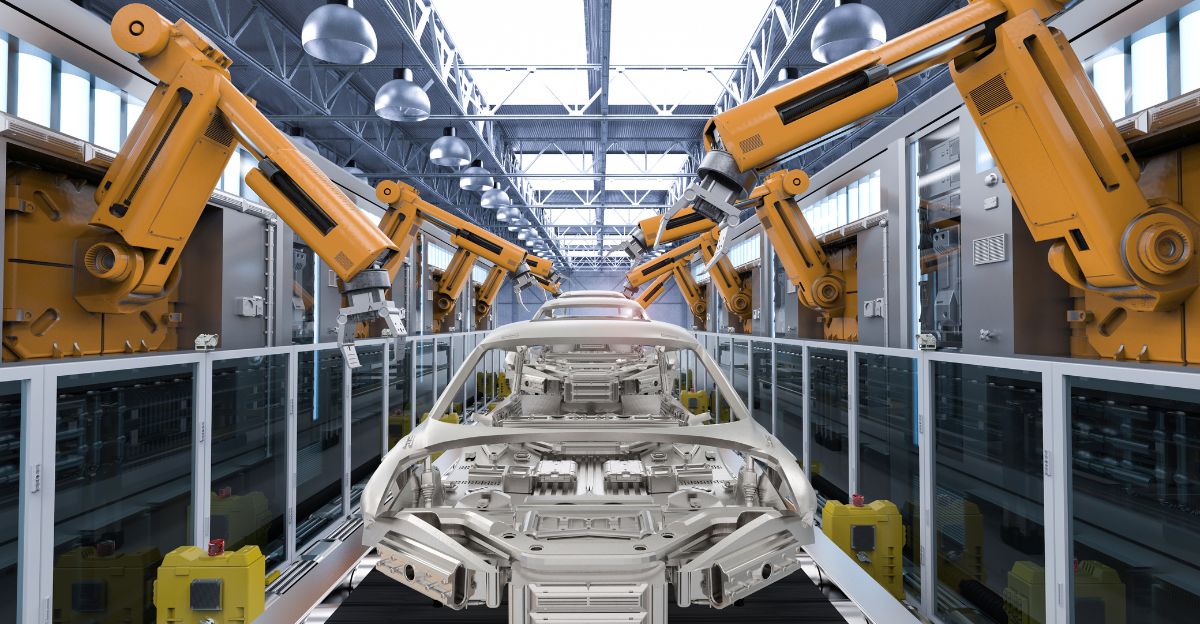
This is not the first time America’s auto parts sector has faced crisis. The oil shocks of 1973, recessions in 1980 and 2008, and the pandemic in 2020 each forced suppliers to cut jobs and consolidate operations.
Tenneco itself has weathered several industry downturns, often emerging leaner but still standing. Its eight-decade survival reflects a deep ability to adapt. Yet this moment feels different: electrification, policy shifts, and global competition are colliding at once.
The Structural Shift in Autos

Industry analysts warn that GM’s pause is not just a temporary adjustment but part of a deeper structural change. Automakers are reassessing how quickly to pursue electrification, balancing regulatory requirements with market demand.
Suppliers caught in the middle must decide whether to pivot toward EV-specific parts or double down on existing product lines. Tenneco’s current layoffs reflect the pain of that transition. The company built its reputation on emissions systems and suspension products, but the future demands new capabilities.
The EV Market’s Volatility

The EV market has proven unusually sensitive to policy shifts. GM’s record sales in August 2025—more than 21,000 units—showed consumer demand exists when incentives make EVs affordable.
But once subsidies disappeared, sales projections tumbled. This volatility creates whiplash for suppliers like Tenneco, which cannot quickly adjust capacity to match fluctuating orders.
Worker Retraining Becomes Critical
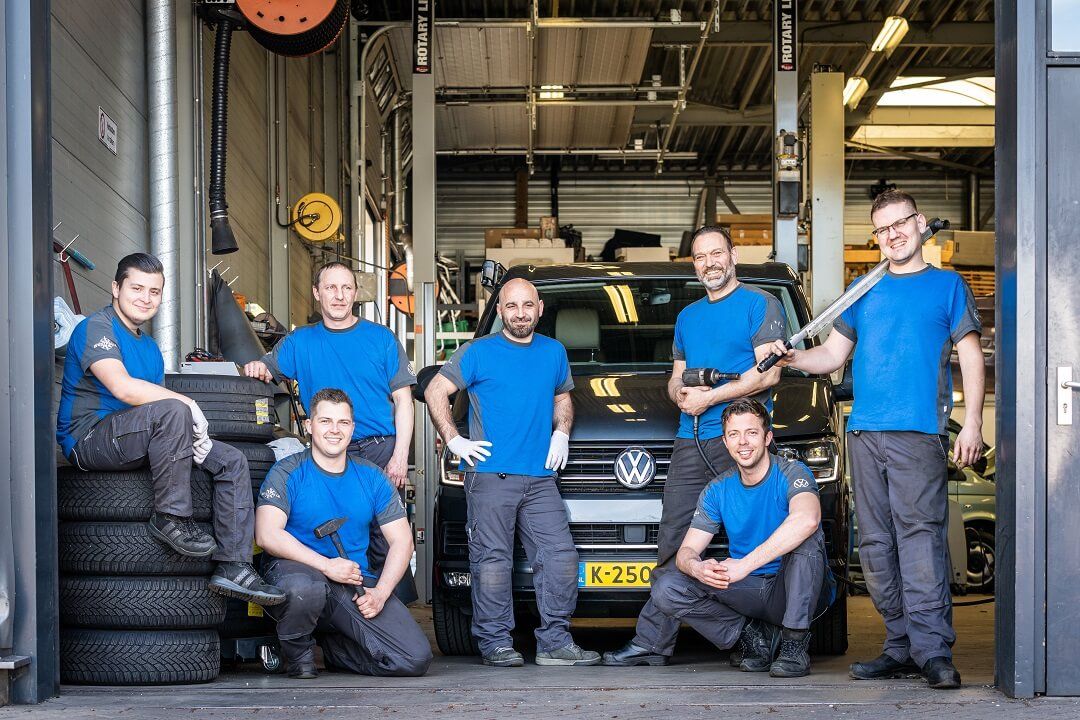
As layoffs mount, workforce retraining is becoming a lifeline. Local officials in Spring Hill are partnering with regional employers to place displaced workers in new industries, while technical schools offer upskilling programs in robotics, software, and advanced manufacturing.
These skills are increasingly valuable as the industry pivots toward software-defined vehicles and AI-driven production.
Community Support Systems
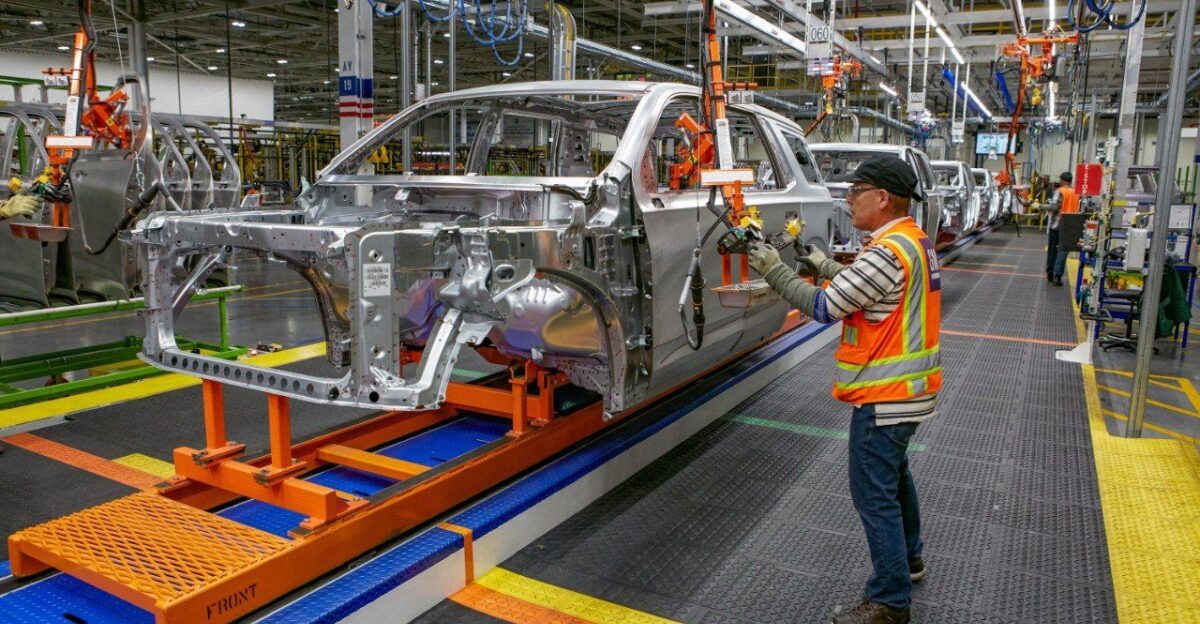
Beyond retraining, Spring Hill leaders are rallying resources to soften the blow. Emergency assistance funds, job placement programs, and partnerships with nonprofits aim to help families cover immediate needs like housing, food, and healthcare. Churches and civic organizations are stepping in to provide emotional and financial support.
While these efforts underscore the community’s resilience, they also highlight the limits of local safety nets in the face of widespread industrial disruption.
Technology Redefines Manufacturing

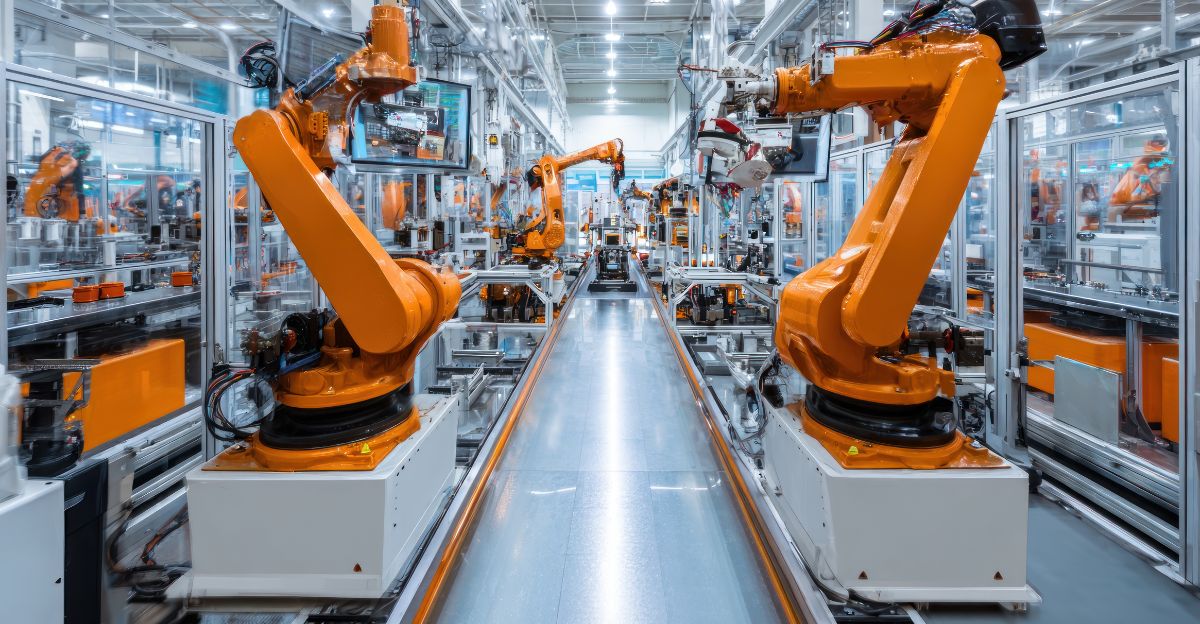
The layoffs also raise broader questions about the future of work in manufacturing. Automation, robotics, and digital integration are rapidly transforming how vehicles are built.
For suppliers like Tenneco, the shift toward advanced technologies means fewer traditional assembly-line jobs and greater demand for technical expertise.
Planning for the Next Shock
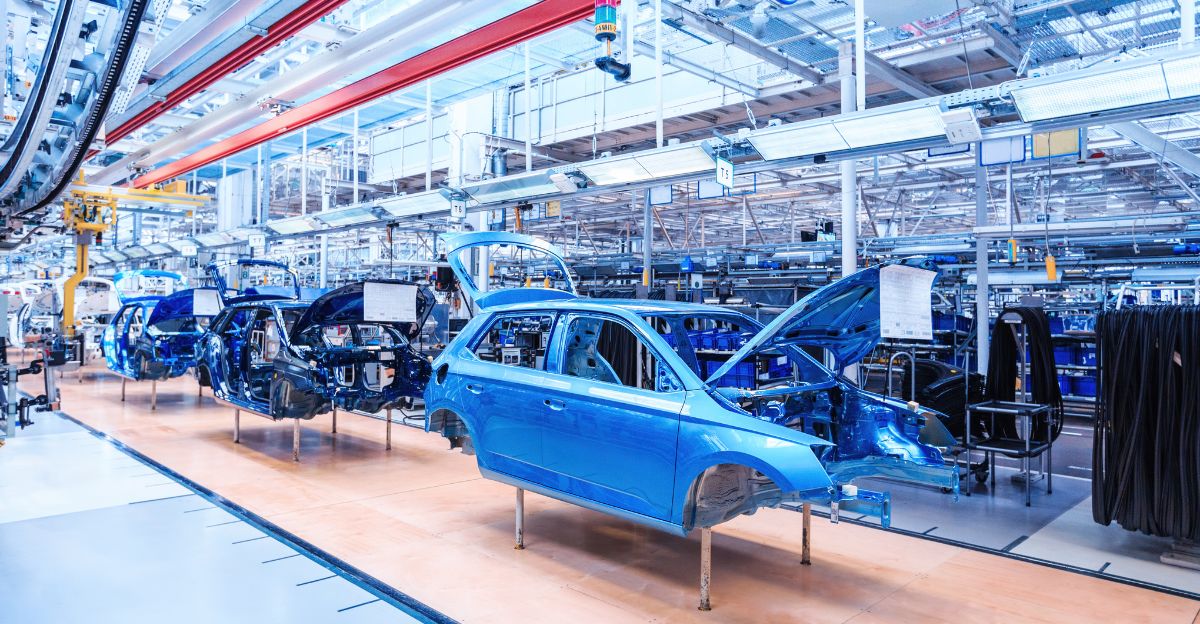
Automotive companies are learning that resilience requires more than cost-cutting. Industry experts emphasize the need for scenario planning that accounts for sudden policy shifts, consumer demand changes, and technological disruptions.
GM’s sudden pullback and Tenneco’s cascading layoffs reveal how unprepared many suppliers remain for volatility. Building flexible manufacturing systems and diversifying product portfolios can help
Lessons from Past Crises
Every major downturn in automotive history has reshaped the industry. The oil shocks forced fuel efficiency, the 2008 recession accelerated global restructuring, and the pandemic highlighted supply chain fragility. Each time, recovery came not from waiting out the storm but from bold adaptation.
Today’s layoffs at GM and Tenneco echo those lessons. Success will hinge on whether companies, workers, and policymakers treat this slowdown as a wake-up call to build a more resilient system.
A Crossroads for American Manufacturing

GM’s EV production cuts and Tenneco’s sweeping layoffs represent more than a temporary setback. They signal a pivotal moment for American manufacturing. The industry stands at a crossroads where electrification, policy uncertainty, and technological change intersect.
For workers, the crisis threatens livelihoods but also opens doors to new skills and opportunities. For suppliers, survival depends on rapid adaptation. And for communities, resilience will be tested yet again.
What happens in Tennessee today may soon echo across other auto towns, shaping the future of one of America’s most iconic industries.