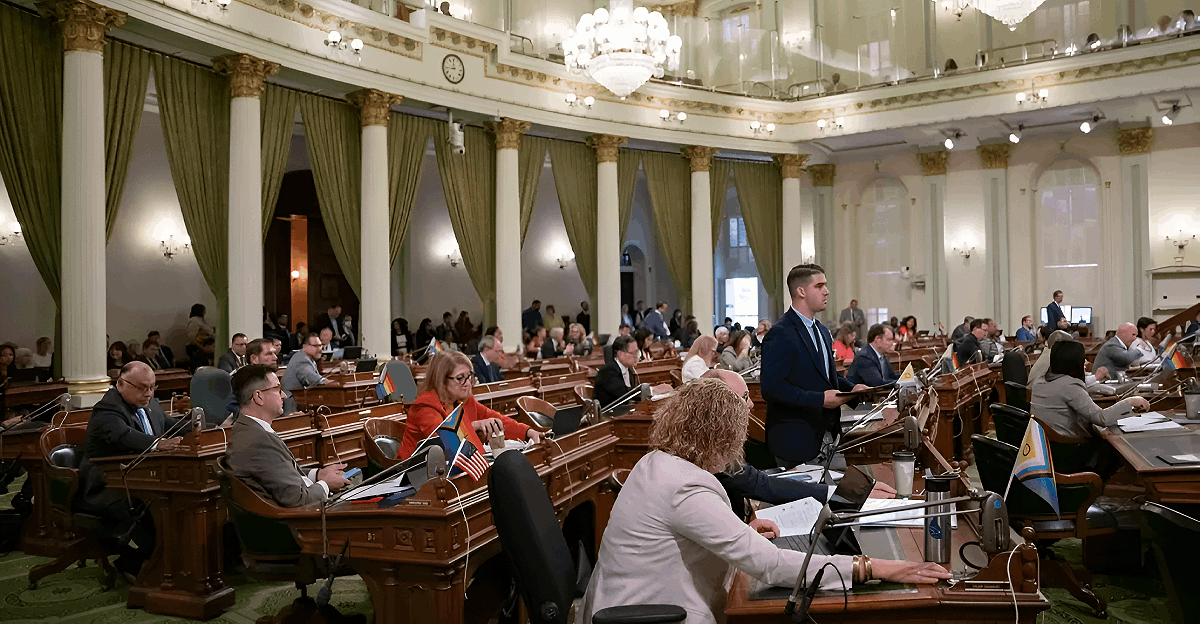
California lawmakers are at the center of a high-stakes battle over one of today’s most urgent questions: should artificial intelligence be allowed to quietly shape the prices we pay?
From rent hikes to soaring grocery bills, AI-powered algorithms are influencing more than most Californians realize. The debate cuts to the core of who gets protected—and who pays the price.
AI Behind the Price Tag

Spikes in rent, even when units sit empty, and different prices for the same groceries in the same zip code can often be traced to AI algorithms.
These tools analyze massive amounts of data to quietly adjust prices, increasingly personalizing them in ways that make everyday living more expensive for many.
Your Bills, Set by Machine Logic

Today, a computer likely has more control over your rent or utility bill than any human.
Algorithms look at your income, spending habits, and even search history to set real-time prices, making costs feel unpredictable, even when the inputs remain a mystery.
The Big Reveal: Bills Defeated
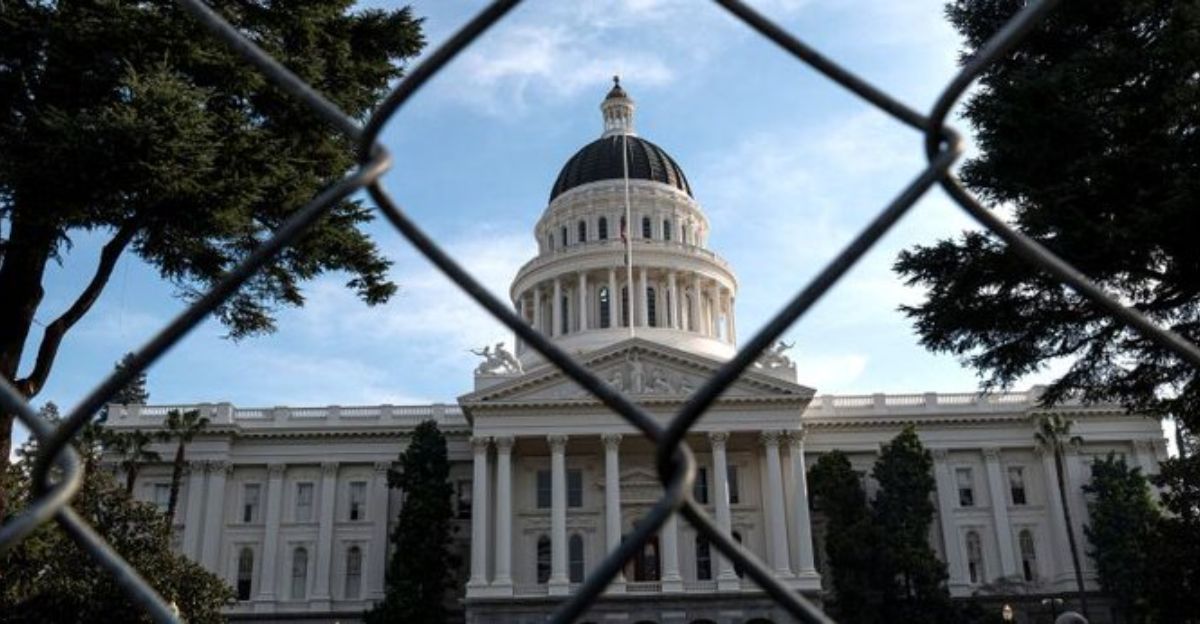
In a surprising move, California lawmakers declined to pass bills that would have curbed the use of algorithms for personalized pricing.
Efforts aimed at blocking AI from tailoring rents or grocery costs were shelved, dealing a blow to consumer protection advocates and bolstering tech industry influence.
What the Bills Aimed to Fix

The rejected legislation took direct aim at dynamic pricing practices.
Lawmakers hoped to stop companies from using personal information—like income or online behavior—to charge different prices to different people without their knowledge.
Rents and Groceries Still Unchecked

Among the most closely watched proposals were two bills targeting AI use in rental markets and grocery stores.
Had they passed, landlords and big chains would have been barred from using algorithmic tools to set highly individualized prices for tenants and shoppers alike.
Data Centers Escape Scrutiny

Another bill, which would have required AI-reliant data centers to publicly disclose how much electricity they consume, was also voted down.
Industry opposition won out, despite growing concern over whether these energy-intensive operations are pushing up the state’s utility rates.
A Capitol Warning: Who Pays the Bill?

Assembly member Rebecca Bauer-Kahan, author of the energy disclosure bill, warned of financial consequences for ordinary Californians.
Without data transparency, she said, residents could be left “unfairly shouldering the costs” of increased power demand from algorithm-heavy systems.
Some Protections Still Standing

Not everything was scrapped. Several AI-related bills survived, including limits on surveillance in the workplace and requirements that companies assess the risks of automated systems.
These measures reflect lawmakers’ willingness to regulate AI, albeit with caution and compromise.
Regulating Bots and Online Fakes

California also held the line on bills focused on so-called “digital companions” and deepfakes.
Legislators advanced policies requiring labels on AI-generated social media content and new oversight for chatbots that mimic real human interaction.
Coming Deadlines Add Pressure

Lawmakers have until September 12 to pass all remaining AI bills, with Governor Gavin Newsom holding veto power until October 12.
The tight timeline puts pressure on legislators—already facing heavy lobbying from both sides—to act swiftly.
Californians Want Stronger Safeguards

According to a TechEquity survey, 70% of Californians support new laws to regulate AI. Nearly 60% believe the wealthy are the main beneficiaries under current pricing models.
That growing discontent is fueling calls for stronger consumer protections statewide.
Winners, Losers, and the Algorithm
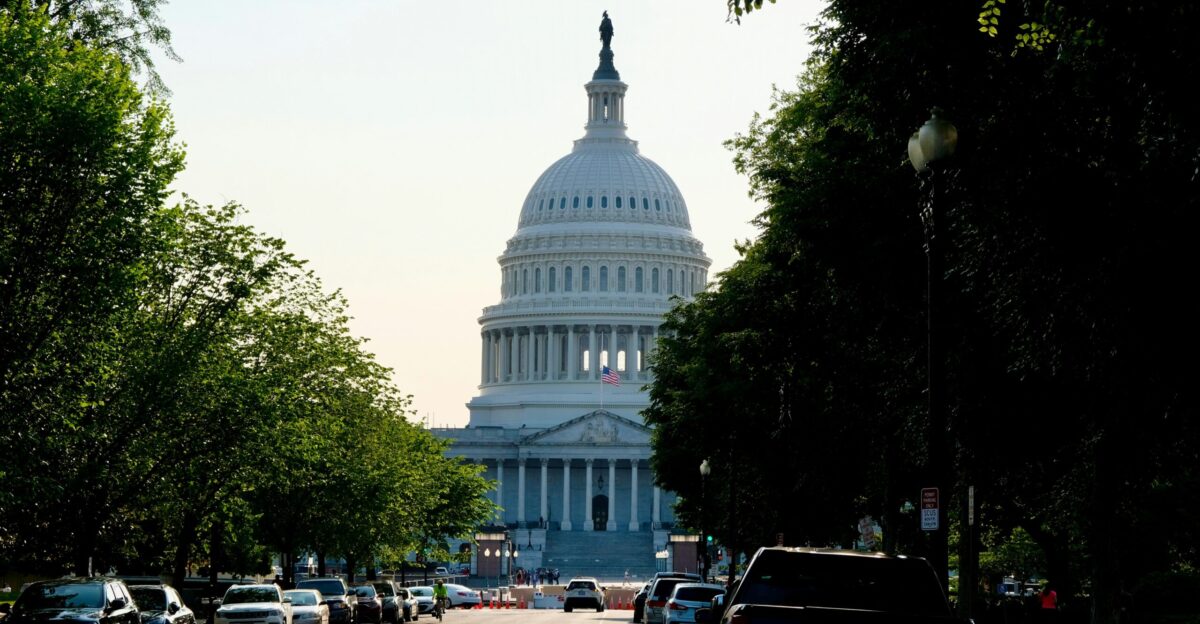
Data brokers, tech firms, and some landlords are reaping major rewards from algorithmic pricing systems.
Meanwhile, the financial impact is falling disproportionately on working-class Californians, who often don’t realize algorithms are behind creeping costs.
Invisible Hikes, Missing Rules

Consumer advocates argue current laws allow stealth price increases on basics like rent, rideshares, and groceries.
Prices can shift based on complex, ever-changing factors, like where you are, what device you use, and when you shop, without clear disclosure.
How Dynamic Pricing Really Works

AI systems adjust prices in real time, influenced by browsing history, purchase patterns, and even neighborhood demographics.
While companies tout these systems as revenue boosters, critics argue they erode fairness and remove predictability from everyday transactions.
The Algorithm Gap Widens Inequality

Left unchecked, AI-driven pricing deepens inequality by offering worse deals to people with less money, time, or digital savvy.
These disparities quietly shape lives—penalizing the most vulnerable while privileging those the algorithms deem “low risk.”
Other States Step In

New York has taken steps to regulate personalized pricing, requiring disclosures when algorithms set individual rates.
Across the Atlantic, the EU’s Digital Markets Act enforces stricter rules. The U.S., by contrast, remains a fragmented mix of state-level experiments and inaction.
Public Campaigns Gain Momentum

Despite setbacks in Sacramento, advocacy groups are ramping up efforts for future reforms.
Consumer rights organizations, labor coalitions, and digital privacy groups are considering 2026 ballot initiatives, demanding transparency, opt-outs, and regulatory teeth.
Next Moves in the Golden State

The fight isn’t over. Lawmakers and activists are already planning new legislation to address AI’s growing influence over the economy.
Transparency, about who’s paying, who’s profiting, and how much, will be a central theme in the next legislative round.
Walking the Line Between Innovation and Fairness
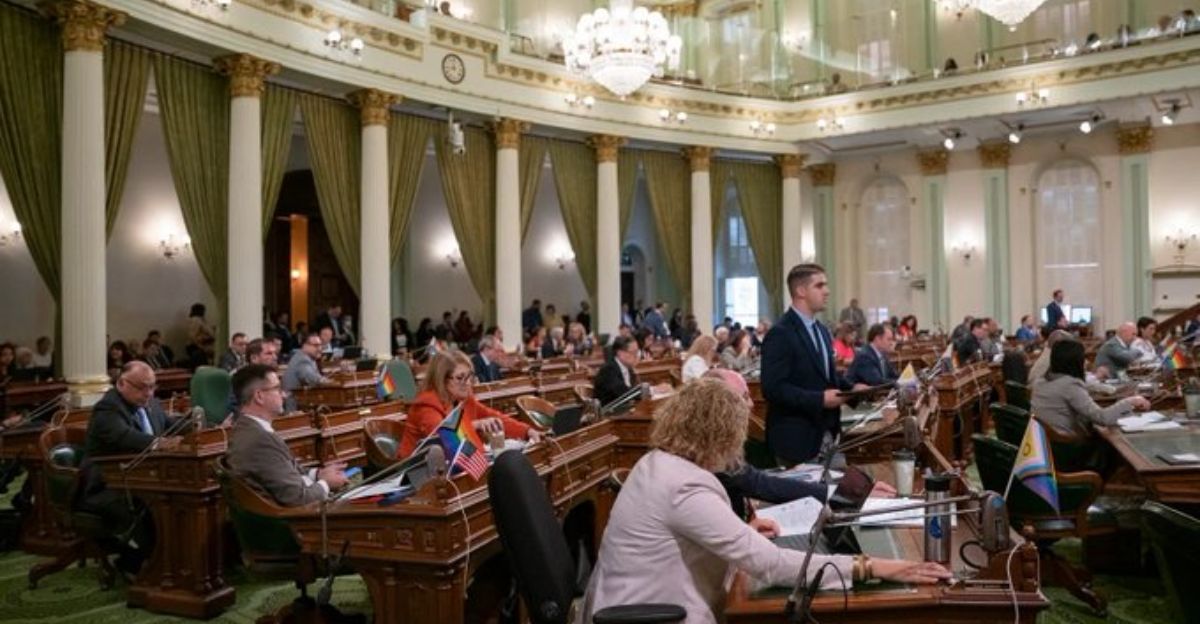
California’s decision to kill key AI pricing controls has sparked concern about who truly benefits from innovation.
With public trust faltering and prices on the rise, the pressure is mounting to make sure powerful algorithms work for people—not just profits.