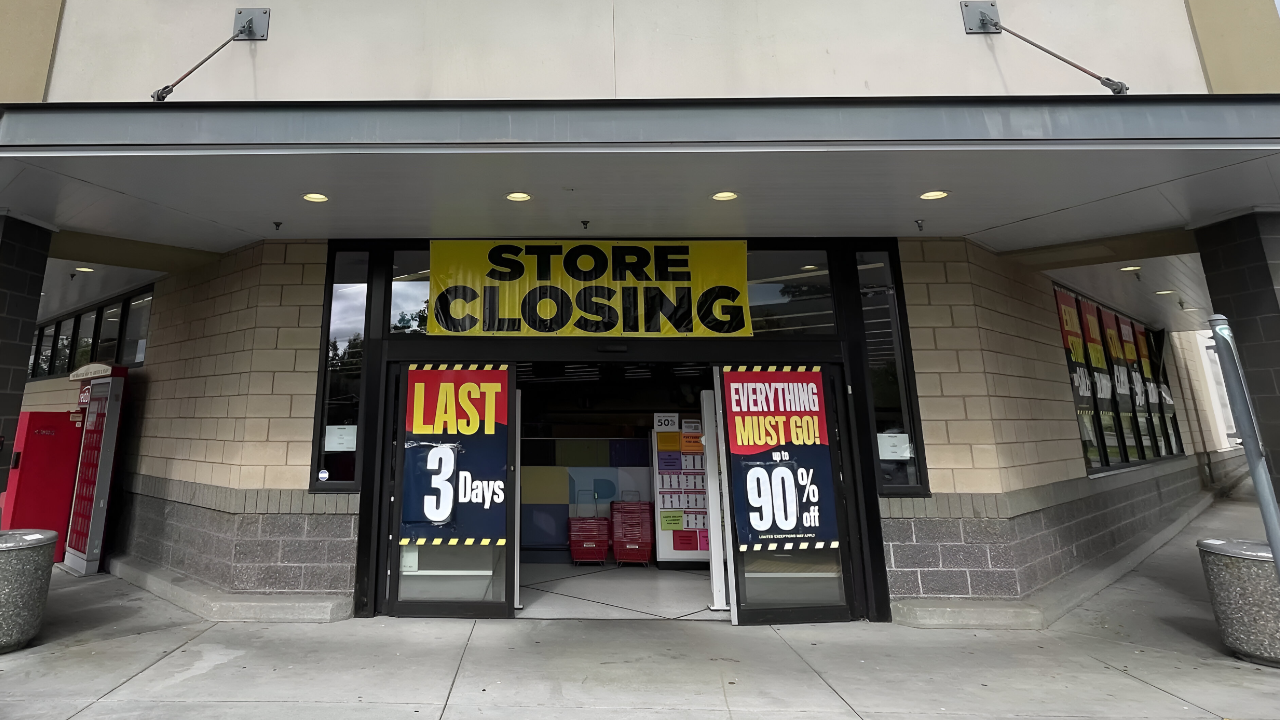
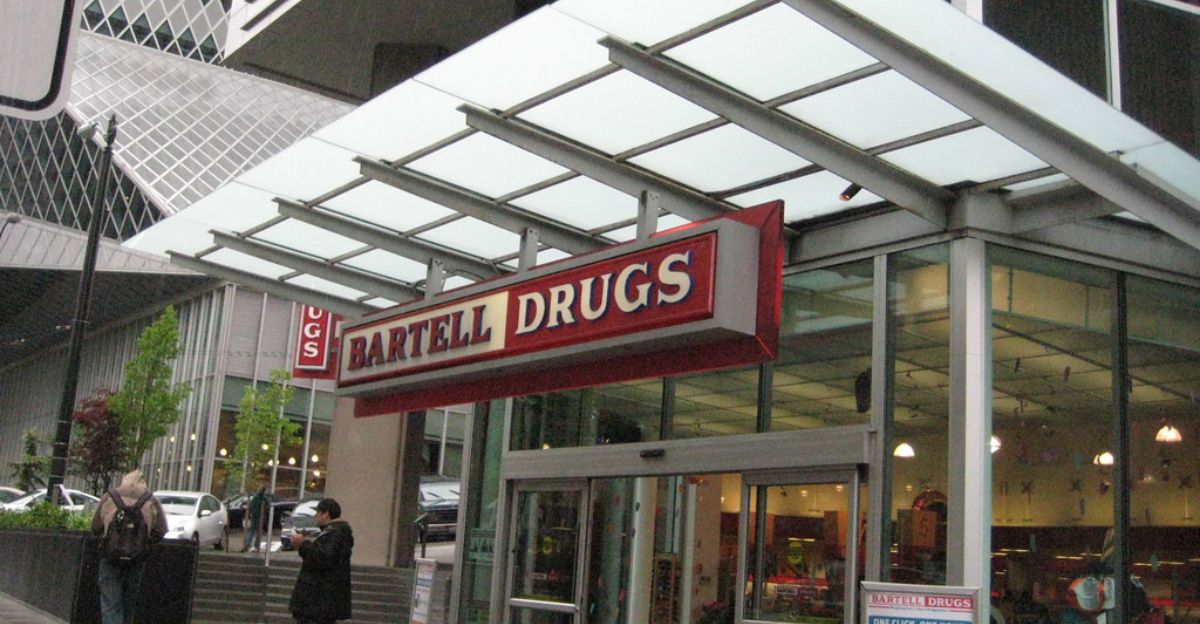
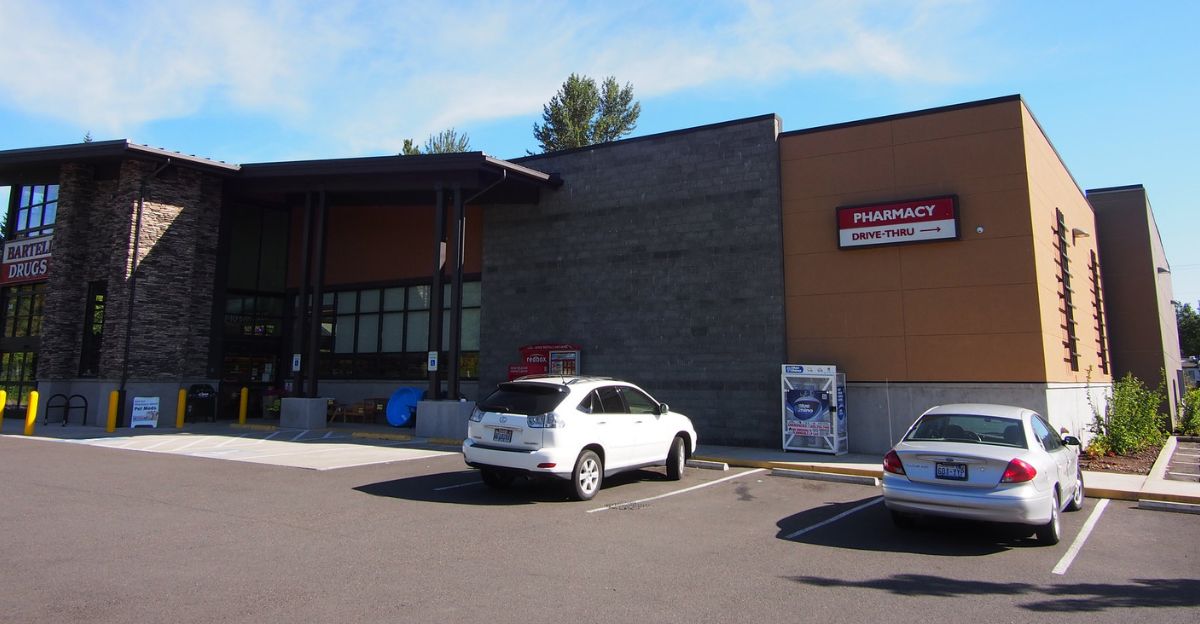
In late September, the final Bartell Drugs locations in Kirkland, Mill Creek, and Gig Harbor closed their doors, marking the end of a 135-year legacy.
Rite Aid’s CEO, Matt Schroeder, acknowledged the company’s difficult financial situation in earlier statements about the bankruptcy process. “As we move forward, our key priorities are ensuring uninterrupted pharmacy services for our customers and preserving jobs for as many associates as possible,”
With all 65 stores shuttered, questions now arise about the void left in local healthcare access and what this means for the longstanding neighborhood pharmacies that shaped Pacific Northwest life.
Washington Loses a 135-Year Pharmacy Staple
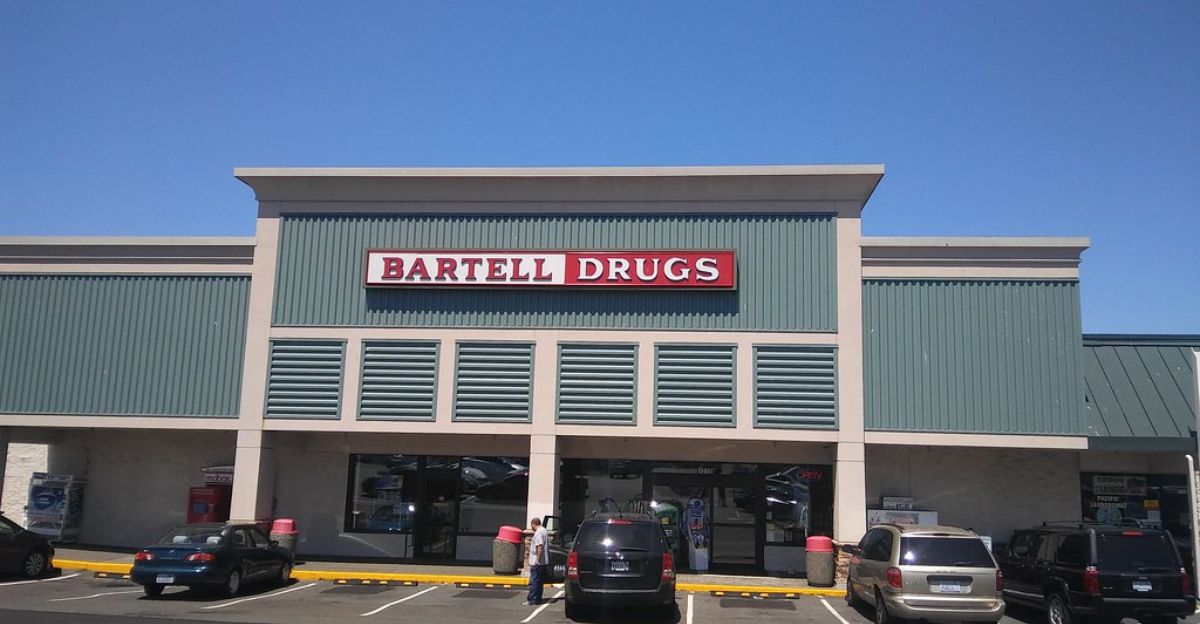
Across Washington, shuttered Bartell Drugs locations end a 135-year pharmacy legacy. Communities that relied on these stores now face reduced access, a problem worsened by Rite Aid’s bankruptcy filing on May 5, 2025.
This isn’t just about lost retail. A 2022 University of Washington study found 454,000 adults already lived in areas with limited pharmacy access. Losing more locations hits vulnerable residents, including seniors and those managing chronic conditions, who depend on regular prescriptions.
From Local Pillar to Vacancy
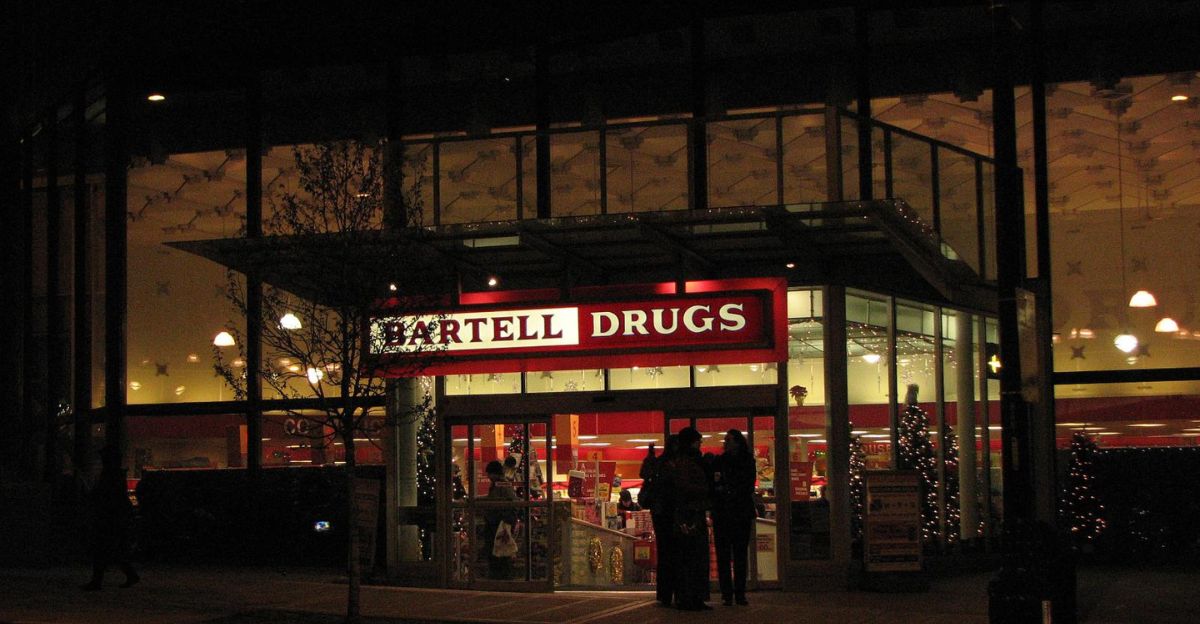
By late September, Bartell Drugs closed its final Seattle and Puget Sound locations, ending a 135-year-old pharmacy legacy. The last three stores in Kirkland, Mill Creek, and Gig Harbor completed their final transactions on September 28-29.
Founded in 1890, Bartell once operated over 60 stores before Rite Aid acquired it in 2020 for $95 million. Customers mourned the closures, with one telling The Seattle Times, “This is the end of an era… I grew up with Bartell’s.” CVS acquired 20 stores, but the chain’s iconic local presence is gone.
From Promise to Collapse
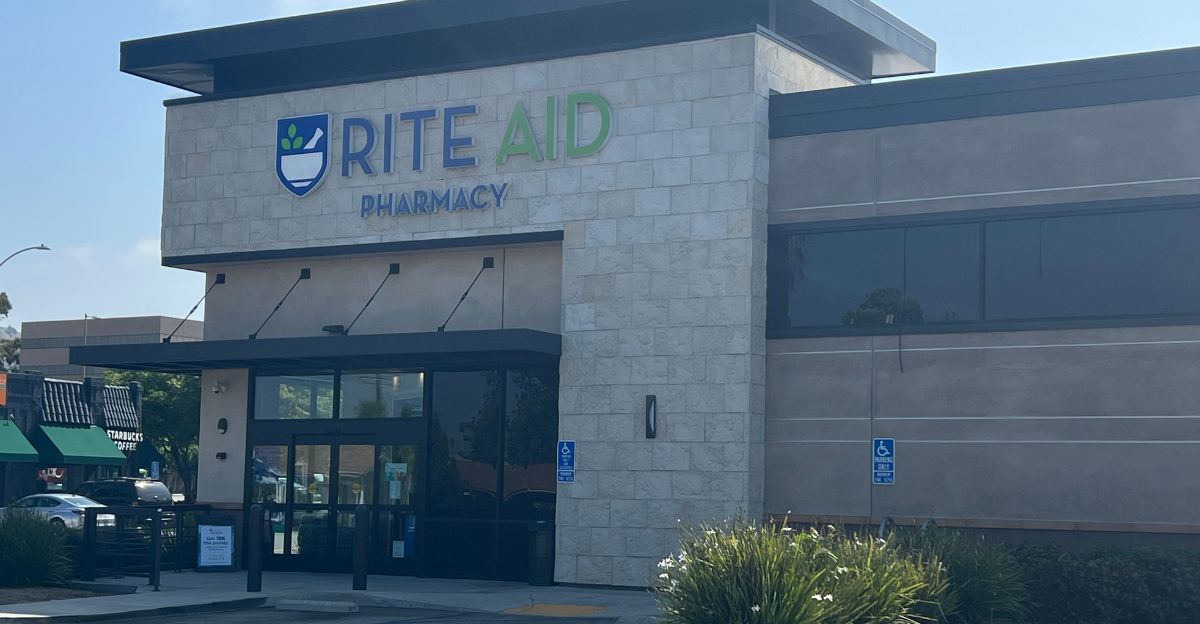
Rite Aid’s second Chapter 11 bankruptcy earlier in May, burdened by $2.5 billion in debt, accelerated Bartell Drugs’ decline. When acquiring Bartell in 2020, CEO Heyward Donigan promised, “Bartell Drugs’ stores will…continue to operate under the Bartell Drugs name” and that no stores would close.
Less than five years later, financial pressures forced closures. Experts noted the challenge for regional chains, with Fortune observing, “The slow demise of family-owned Seattle pharmacy chain Bartell Drugs shows how hard it is for regional operators to survive.”
Faces Behind the Closures
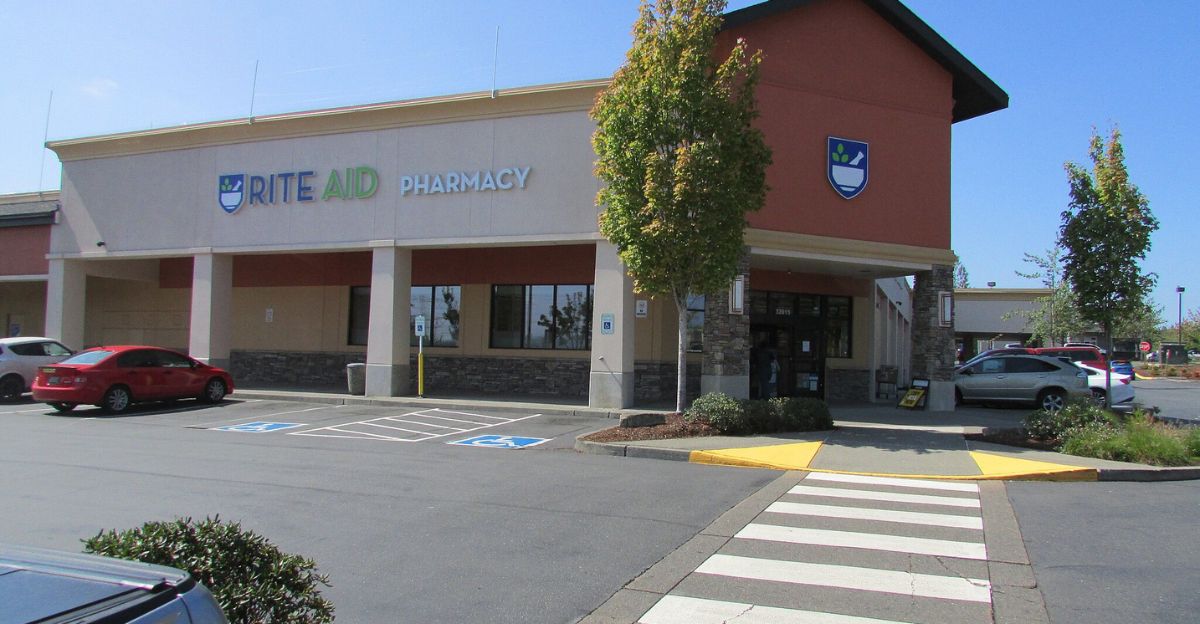
Longtime Bartell employees have expressed deep emotion over the closures, reflecting decades of service to multiple generations. Since Rite Aid’s May 2025 bankruptcy, 14 locations closed permanently, while 20 were acquired by CVS. Store counts fell from around 39-40 early in 2025 to just three by late September.
Rite Aid CEO Matt Schroeder said, “Our key priorities are ensuring uninterrupted pharmacy services for our customers and preserving jobs for as many associates as possible,” highlighting the pressures facing traditional pharmacy chains.
CVS Acquires Bartell Stores, Promises Local Favorites
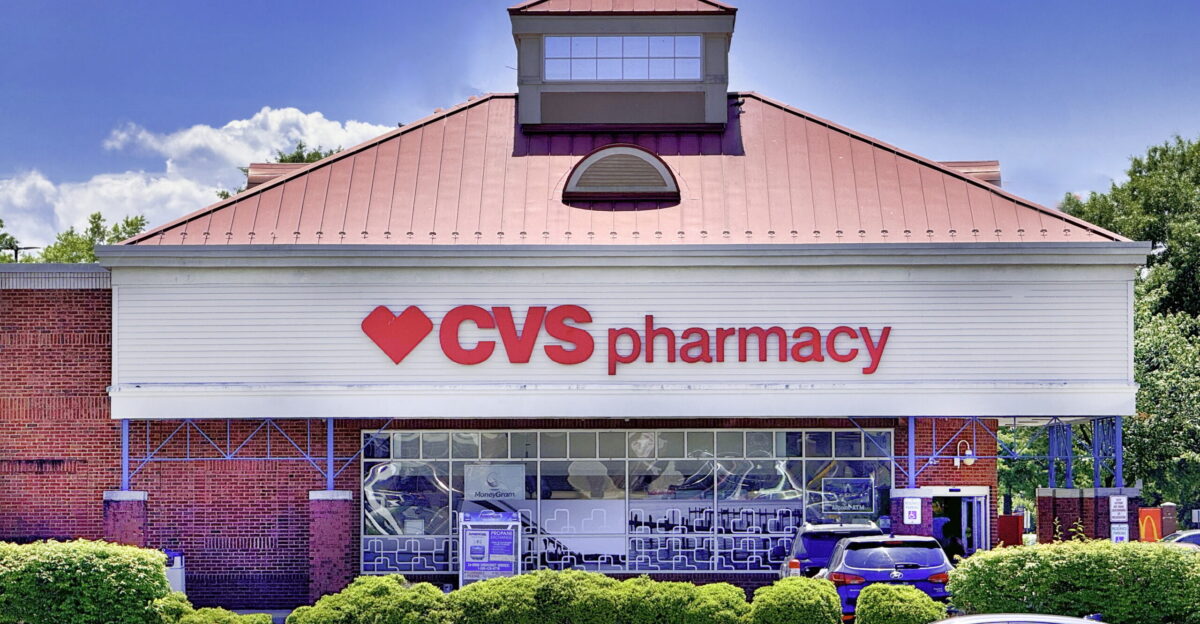
CVS Pharmacy acquired 20 former Bartell Drug stores as part of a 64-store Pacific Northwest deal, including 44 Rite Aid locations and prescription files from 625 additional stores. Announced May 15, 2025, the acquisition received bankruptcy court approval.
Amy Thibault, CVS Health Executive Director of Corporate Communications, said in July 2025, “We’ve decided to convert the 64 stores we are planning to buy and operate, including 20…still branded Bartell Drugs, to CVS Pharmacy,” while maintaining many local products beloved by former Bartell customers.
Delays and Desperation
The Washington State Pharmacy Quality Assurance Commission issued guidance in August to ensure prescription transfers during Bartell and Rite Aid closures occur within three business days, or without disrupting medication therapy. The Department of Health added flexibility in June, allowing pharmacists to manage transitions.
Access challenges persist in areas like Snoqualmie Valley, where a 2024 Mt. Si Senior Center assessment found only 55% of seniors had reliable access to local clinics, though programs like the Hyde Shuttle and Sound Generations volunteer drivers help bridge gaps.
Communities Cut Off

Pharmacy closures in Washington have fueled concern about “pharmacy deserts,” areas with limited access to medications, affecting nearly 16 million Americans nationwide. A 2025 study noted these deserts are shaped by location, travel time, and public transportation, hitting rural areas hardest.
Pharmacy Times warns older patients may miss critical medications, while closures also reduce access to vaccinations, health screenings, and point-of-care testing. KUOW described Bartell’s demise as “the sad final chapter of a remarkable business story,” highlighting the local impact.
National Domino Effect
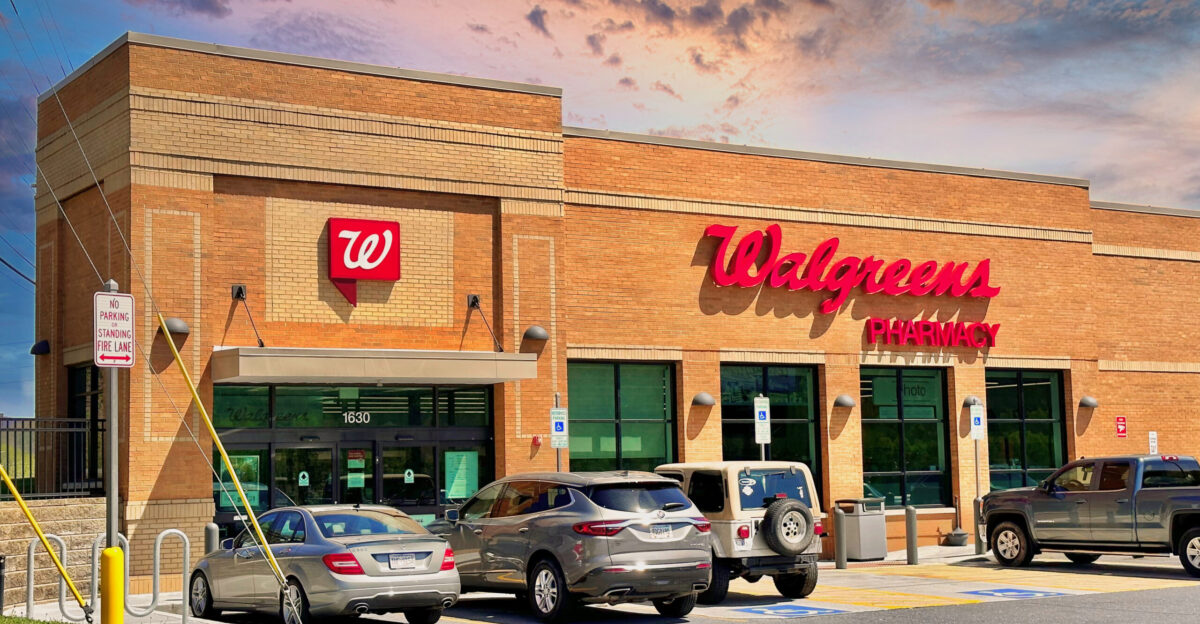
Walgreens plans to close about 1,200 stores over three years, including 500 in fiscal 2025, as CEO Tim Wentworth called it a “rebasing year.” Rite Aid filed Chapter 11 for the second time in May 2025 and closed all remaining stores by October, with revenue falling from $24.6 billion in 2022 to $24.1 billion in 2023.
Meanwhile, CVS grew 8.4% in Q2 2025 to $98.9 billion. FTC Chair Lina Khan warns consolidation allows pharmacy benefit managers to raise drug costs, raising access concerns in rural and underserved areas.
Rural Pharmacies in Peril
Rural communities face growing difficulty accessing pharmacy services after widespread closures. Research shows rural patients may need to travel far for medications, a challenge for those with mobility or financial limitations.
Medication errors remain a major concern: a 2021 JAMA study found millions of emergency visits annually due to medication harms, while the WHO calls medication errors a “leading cause of injury and avoidable harm” in healthcare systems worldwide.
Corporate Hands Over Local Charm
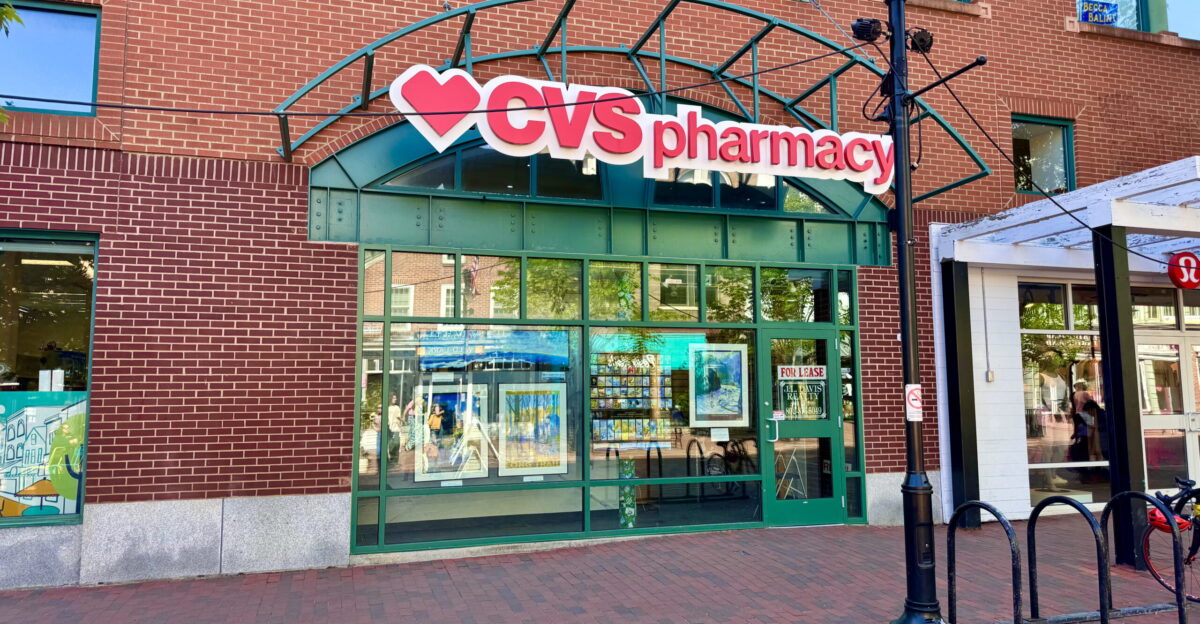
CVS acquired 20 former Bartell locations and rebranded them, though Amy Thibault, CVS Health Executive Director, promised to maintain local products. Bartell was beloved for regional offerings; one customer recalled assembling gift packages with Theo, Seattle Chocolate, Chukar Cherries, and Aplets & Cotlets.
Another noted Bartell “always carried what people in the Northwest liked” while supporting local companies, highlighting the tension between corporate standardization and local character.
Profits Drained Before Collapse
Rite Aid’s second bankruptcy in May 2025 reflected “overwhelming debt” and “intense competition” from larger chains, mass retailers, and online pharmacies, with fiscal 2023 net losses of $749.9 million. Its 2020 acquisition of Bartell Drugs for $95 million mirrored broader consolidation trends.
Post-first-bankruptcy liquidity shortfalls and operational struggles ultimately led to the company’s closure, illustrating the pressures regional pharmacy chains face in an increasingly consolidated market.
Main Street’s Uncertain Future
Retail pharmacy faces ongoing closures, with the National Community Pharmacists Association reporting 4,550 fewer pharmacies in 2023 than a decade earlier and warning of further losses.
Regional operators, like Wegmans (97 pharmacies, ranked highest in 2025 J.D. Power satisfaction study) and Kroger (1,195 pharmacies), leverage grocery integration and community initiatives.
McKinsey notes such chains can differentiate by embedding healthcare into daily life, potentially becoming one-stop health destinations.
The Healthcare Gap Widens

Nearly 30% of U.S. retail pharmacies closed between 2010 and 2021, with closures accelerating from 2018 to 2021. Black and Latino neighborhoods saw closure rates of 37.5% and 35.6%, compared to 27.7% in predominantly white areas.
Rural and tribal communities face critical access losses, with a 2025 study finding 17.7% of Americans now living in pharmacy deserts, particularly affecting small rural towns.
Lawmakers Act Quickly
In February 2024, the National Community Pharmacists Association reported that 32% of independent pharmacy owners considered closing due to declining reimbursements from pharmacy benefit managers. Senator Patty Murray advocates for lower drug costs, but federal preservation legislation is lacking.
States and health systems are exploring telepharmacy, mobile units, and mail-order options to bridge access gaps in affected regions.
A Warning for All Chains
Pharmacy closures extend beyond Seattle. In 2024, 222 pharmacies closed in England, the second-highest annual rate on record. In the U.S., nearly 700 pharmacies closed since 2022, with independent stores twice as likely to close as chains.
A Century of Care Ends, and Challenges Remain
Bartell Drugs’ closure marks the end of a 135-year Seattle institution and highlights broader challenges in U.S. pharmacy access. Widespread closures, rising pharmacy deserts, and industry consolidation are reshaping how communities obtain medications and healthcare services.
While chains like CVS and regional grocers adapt, local ties and personalized care often disappear. The story of Bartell underscores the human impact of these shifts, raising urgent questions about how to preserve both access and community-focused pharmacy services in the years ahead.