
By August 2025, U.S. manufacturing had contracted for a sixth straight month (ISM PMI 48.7). Owens Corning, a Toledo-based fiberglass insulation maker (2024 sales ~$11.0B), is feeling that slowdown.
CEO Brian Chambers said the quarter’s results show “the strength of our business and resiliency of our earnings to outperform the market despite more challenging near-term conditions”.
Job Furloughs Announced in Utah

Specifically, on Sept. 5, 2025, OC filed a WARN notice for its Nephi, Utah, plant. The 67 remaining employees will be furloughed from Oct. 27, described as a “strategic decision to curtail operations”.
OC noted this is its second major cutback of 2025 — in June, it announced the permanent closure of its Prineville, Oregon, door plant, cutting 184 jobs.
From Startup to Global Leader

Founded in 1938 from a Corning Glass–Owens‑Illinois joint venture, Owens Corning has grown into an industry giant. Based in Toledo, it has appeared on the Fortune 500 every year since the list began in 1955.
OC is the world’s largest fiberglass manufacturer, with its iconic pink insulation and marketing. As OC’s VP noted, “The relationship between Owens Corning and The Pink Panther is nothing short of remarkable”.
Tariffs and Manufacturing Headwinds

Meanwhile, macro headwinds weigh on U.S. factories. Survey data show executives complaining about tariffs and weak demand. Reuters noted some describe the current environment as “much worse than the Great Recession”.
Economist Stephen Stanley summed up the mood: U.S. manufacturing is ‘in a holding pattern until tariff-related uncertainty recedes”. This underscores the industry’s struggles.
Curtailment at Nephi Plant
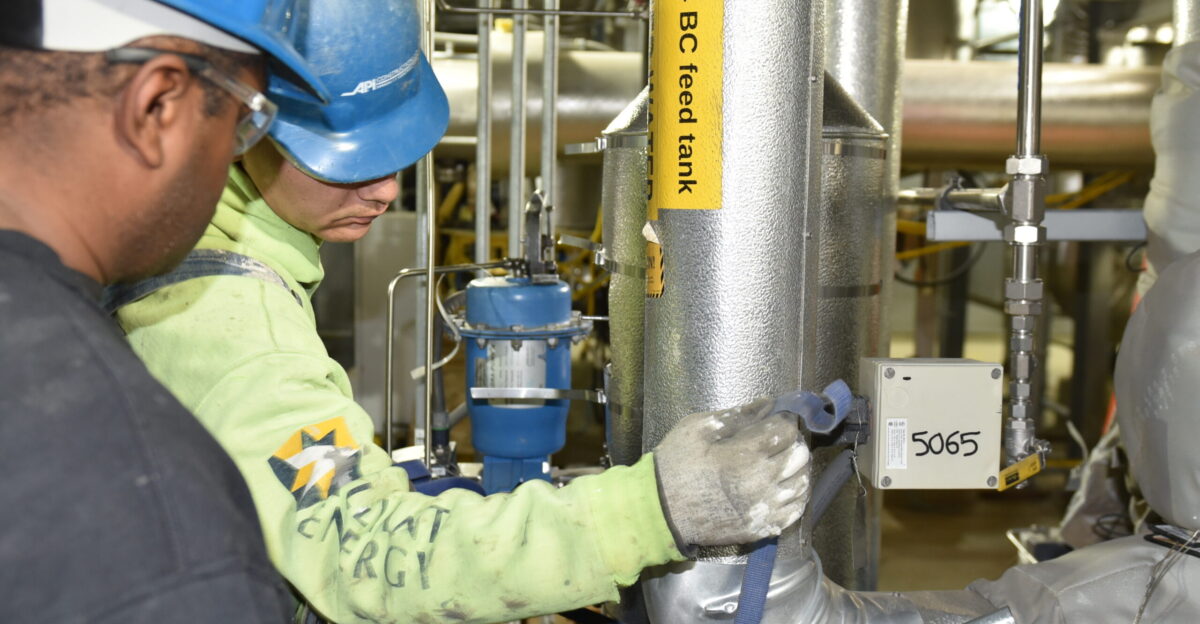
By early Sept., Owens Corning confirmed the Utah cutback in a WARN filing: 67 insulation plant workers in Nephi would be furloughed Oct. 27. The notice called it a “strategic decision to curtail operations”, but OC stressed the plant’s dormancy is temporary.
In fact, company filings say it “aims to restart production at [the] Nephi facility by the third quarter of 2026”.
Local Economy Under Strain

For context, Nephi’s population is just 6,700. The 67 planned furloughs equal roughly 2% of the town’s 3,328-person employed workforce.
At a median household income near $97K, losing these well-paying jobs will ripple through local retail, construction and services. It’s a major shock for this rural Utah community.
Workers Brace for Transition

In mid-Sept., Owens Corning gave formal WARN notice on Aug. 28, offering workers a 52-day heads up before the Oct. 27 furloughs.
The company said a small crew would stay behind “to support facility needs” during the shutdown. Employees hope for severance or retraining help, but OC has only offered general support measures so far.
Lessons from Oregon

In June 2025, Owens Corning announced it would close its Prineville, Oregon doors plant, affecting 184 workers. OC said this was a “strategic business decision” and emphasized that the choice “was not taken lightly,” with leadership’s priority on supporting the Prineville team.
That closure was phased out by Nov 2025, making it permanent; Nephi’s case remains officially temporary.
Owens Corning’s Global Scale

Indeed, despite these cuts, Owens Corning remains a market leader. It operates in 31 countries and employs over 25,000 people worldwide. Its 2024 net sales were roughly $11.0B.
These figures underline OC’s scale – even as it trims capacity in North America. The company’s products cover insulation, roofing and fiberglass composites for both residential and industrial markets globally.
Profitability vs. Production Cuts

Financially, Owens Corning is strong: Q2 2025 net sales were $2.7B with a 26% adjusted EBITDA margin.
CEO Brian Chambers said these results underscore “the strength of our business and resiliency of our earnings to outperform the market despite more challenging near-term conditions”. It is one of OC’s highest margins in years.
Shareholders and Local Interests

OC has committed to return $2.0B to shareholders through 2026 while maintaining an investment-grade balance sheet.
Investors praise the disciplined cash returns, but community leaders argue that preserving stable jobs is just as important as dividends. They point out that OC is funding buybacks and dividends even while closing U.S. plants, and contend that some profits should be reinvested in the workforce.
CEO’s Profit-Driven Strategy

At the helm since 2018, CEO Brian Chambers has pursued an ambitious overhaul. He sold non-core businesses (like Asian plants) and acquired new ones (e.g., Masonite doors in 2024).
The result: Owens Corning has now delivered 20 consecutive quarters of 20%+ adjusted-EBITDA margins. Chambers’s strategy emphasizes efficiency and maximizing returns in OC’s insulation, roofing, and composites businesses.
Temporary or Permanent?
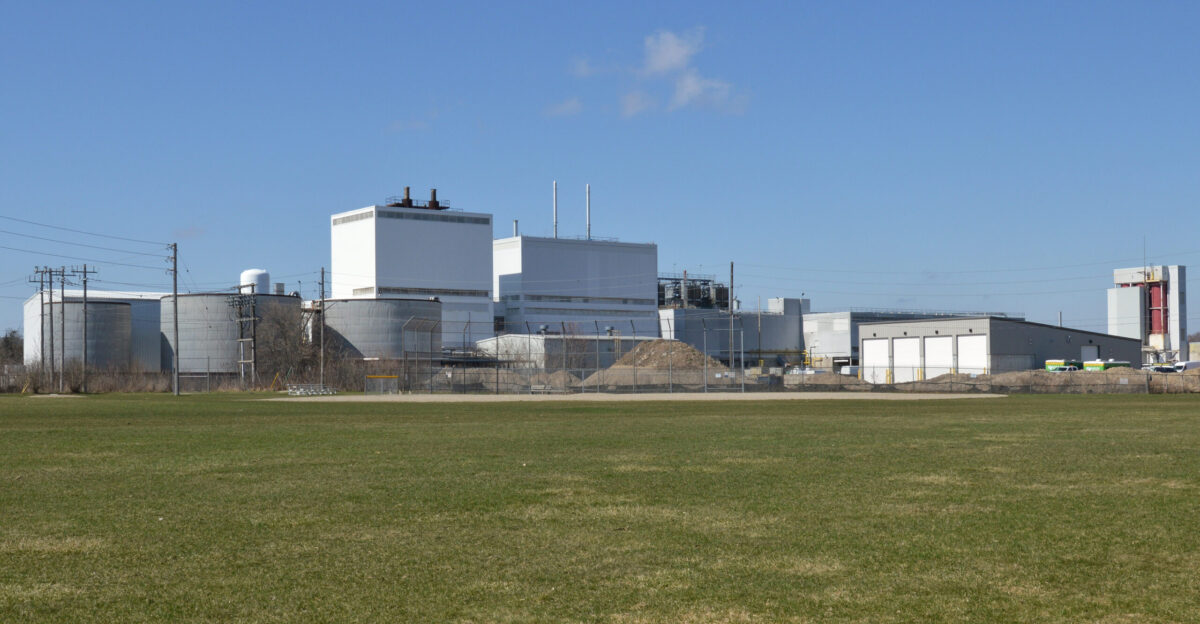
Importantly, OC continues to call the Nephi shutdown temporary. In its official notice, the company said it “aims to restart production at [the] Nephi facility by the third quarter of 2026”.
Nephi’s mayor, Justin Seely, agreed, calling the suspension “a short-term issue, not a long-term issue”. This contrasts with Oregon’s permanent closure, suggesting Nephi could fully reopen if market demand recovers.
Fiberglass Market Uncertainty
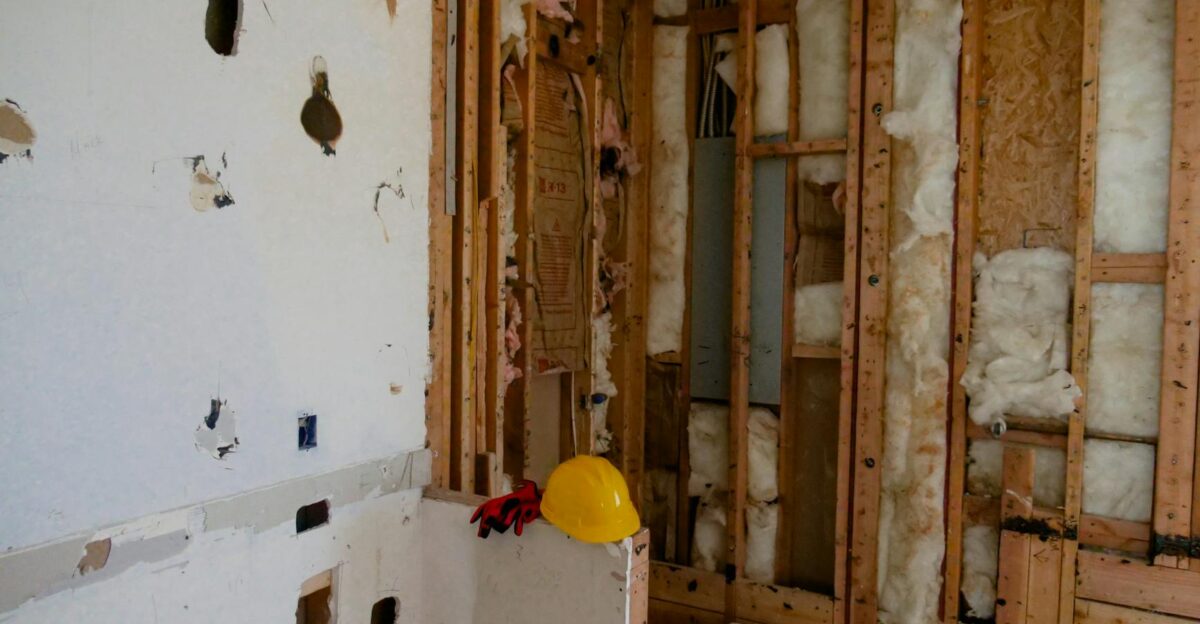
Market forecasts see modest growth. The global fiberglass insulation market was about $10.2B in 2024 and is projected to grow to ~$12.4B by 2030 (CAGR ~3.4%). But analysts remain cautious.
Pantheon economist Oliver Allen notes the “grim hiring picture” in manufacturing and says companies have “little confidence that a sustained improvement in demand lies around the corner”, reflecting ongoing uncertainty.
Future Employment in Utah

Statewide, Utah’s economy is still adding jobs. As of Aug 2025, total nonfarm employment was up 1.9% YoY (≈33,600 jobs) with unemployment just ~3.3%. However, growth has centered on services and tech.
Utah’s manufacturing employment is flat or slightly down, meaning Nephi’s workers may face limited openings. The state’s diverse economy may cushion the blow, but it won’t immediately replace all factory jobs.
Policy Pressures on Manufacturing

The layoffs also spotlight policy issues. Many U.S. manufacturers blame recent tariff hikes for higher costs. Locally, leaders worry about interest rates: as one official warned, “it really will depend on interest rates… that seems to be what’s driving the slowing of housing right now”.
These factors may pressure lawmakers to ease trade barriers or offer incentives to keep domestic factories operating.
Owens Corning in the World Market

International trends add context. In 2024, North America accounted for about 39% of global fiberglass insulation demand, while Asia-Pacific is the fastest-growing region (projected ~4.6% CAGR).
Owens Corning’s broad geographic reach – with plants and customers around the world – lets it shift resources, but also means foreign slowdowns or currency swings can affect OC’s overall performance.
Sustainability and Materials

Environmental factors matter. Owens Corning promotes its role in energy efficiency and sustainability. As the company notes, its products offer “sustainable solutions that address energy efficiency”.
Stricter building codes and demand for low-carbon materials may influence which plants remain active. Efficiency investments or green incentives could tip the balance toward reopening or permanently shuttering facilities.
Community Response and Resilience

Locally, Nephi’s leaders and residents are mobilizing support. The city has enlisted Utah’s “rapid response” team and arranged job fairs to connect furloughed workers with new opportunities.
Officials also are coordinating with Owens Corning and nearby employers to identify temporary jobs and retraining. Nephi’s case may serve as a model: a small town proactively pooling resources in the face of a modern manufacturing downturn.
What’s Next for Owens Corning

In summary, the Utah curtailment is a microcosm of broader shifts. Owens Corning says the Nephi plant will resume once conditions improve – it “aims to restart production… by the third quarter of 2026”.
The plant’s future hangs on housing demand, supply chains and trade policy. Nephi’s experience illustrates how even a profitable manufacturer must flex its factory footprint to survive economic cycles.