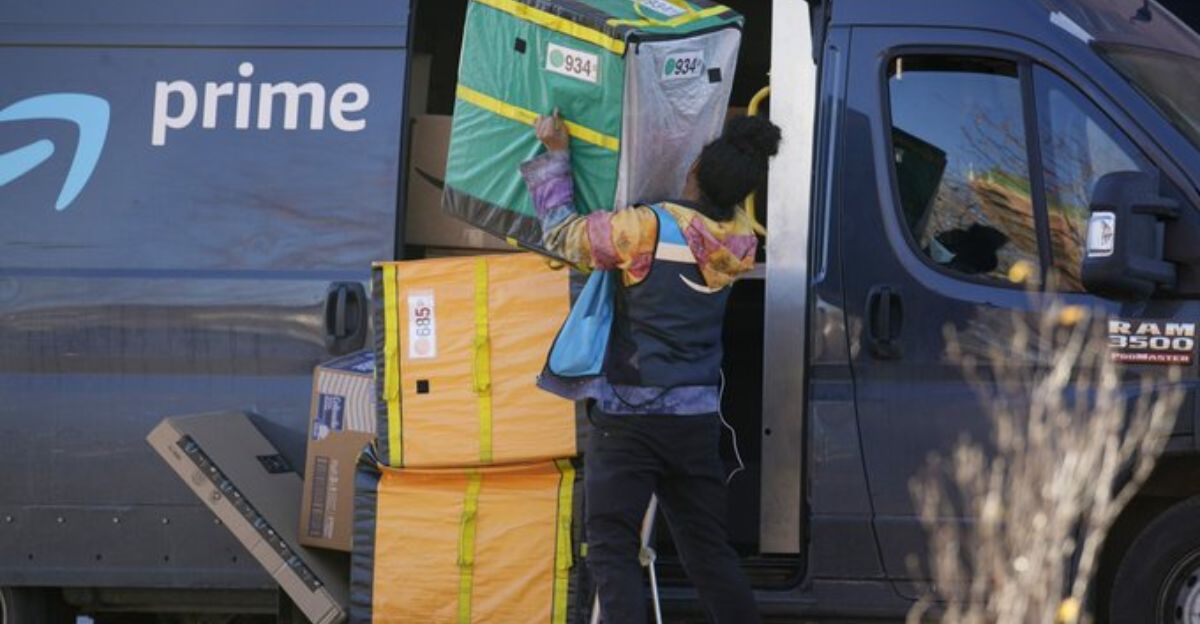
Texas is bracing for a tough November as layoffs loom over more than 200 delivery workers. The state recently reported its first monthly job losses since 2020, with unemployment edging toward 4.3%. One major player in the Amazon delivery network is on the brink of vanishing.
Economist Cullum Clark notes, “The labor market has hit stall speed,” signaling mounting pressures on the region’s logistics and employment sectors.
Economic Pressures Intensify

Rising tariffs and slowing job growth are squeezing Texas’s logistics industry. Amazon’s shipping network sees “somewhat muted” expansion, as companies hesitate to invest or hire aggressively. The Federal Reserve’s recent rate cut aims to sustain jobs, but uncertainties persist.
A Dallas-area firm with over 20 years in delivery services is quietly preparing to exit the market this fall, deepening concerns about the sector’s stability.
Contractors Powering Amazon Logistics
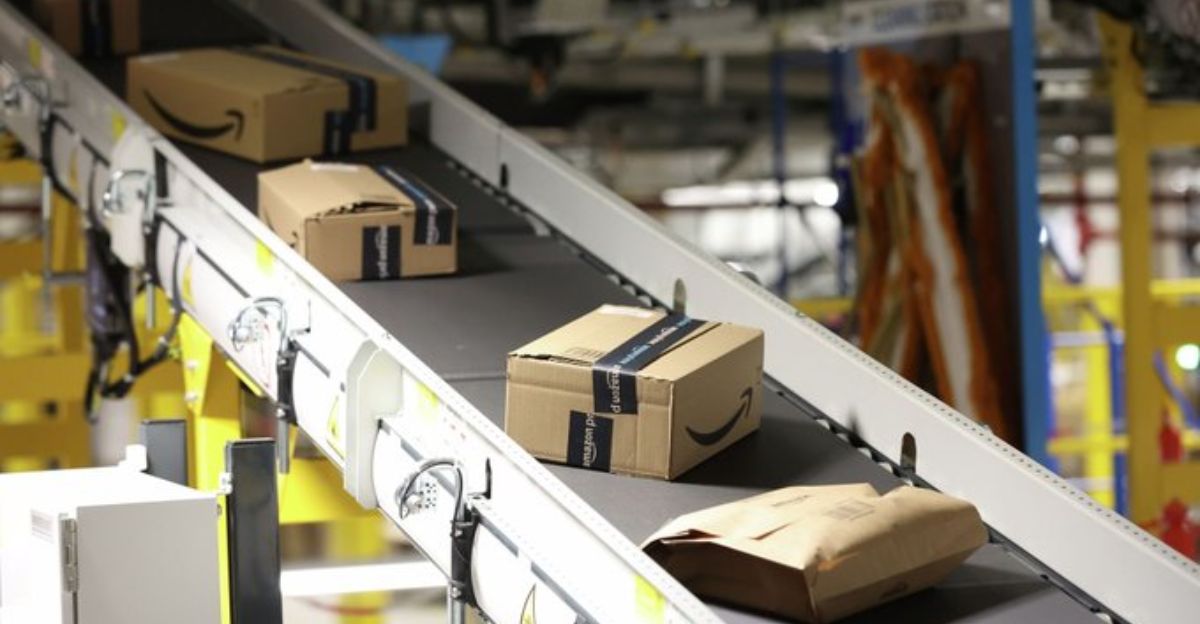
Since 2018, Amazon’s Delivery Service Partner (DSP) program has relied on third-party contractors to handle last-mile deliveries. These firms collectively manage millions of package drop-offs across Texas, forming Amazon’s logistical backbone in the region.
Despite its success, growing economic headwinds force tough decisions among contractors. Amazon maintains its commitment to swift, reliable deliveries through this network.
Early Signals of Disruption

On September 17, WARN notices filed with the Texas Workforce Commission revealed significant layoffs at two North Texas facilities. Fort Worth and Balch Springs locations face job cuts impacting delivery associates, dispatch managers, and support staff alike.
Questions mount over which longtime contractor will disappear from Amazon’s DSP program, as frontline operations brace for change.
Accelore Group Exits
Richardson-based Accelore Group LLC is the Amazon contractor shutting down operations in Texas. Confirming layoffs of 107 positions in Dallas and Tarrant counties effective November 1, Amazon ended its contract with the 20-year-old company.
An Amazon spokesperson stated, “Accelore Group is exiting the Amazon Delivery Service Partner program.” The contractor described the move as an “internal decision,” marking the complete withdrawal of Accelore from Texas delivery logistics.
Job Loss Hits Delivery Workers

Of the 214 layoffs, 206 are frontline delivery associates who form the core of operations. The rest include dispatch managers, fleet supervisors, and operations staff equally split between Dallas and Tarrant counties.
As the cuts come just before the peak holiday season, affected workers face sudden financial uncertainty. Amazon says it is helping displaced employees seek jobs with other local DSP partners.
Holiday Season Disruption Looms

The timing of layoffs on November 1 leaves many families vulnerable ahead of the busiest shipping period. The sudden income loss compounds holiday expenses, intensifying stress on affected workers and communities.
This ranks among the largest contractor workforce reductions in Texas’s logistics sector, raising concerns about service capacity in the critical months ahead.
Texas Layoff Wave—More Than 500 Local Jobs Lost in a Week (Accelore + Other Sectors)

Beyond Accelore’s 214 cuts, Texas businesses eliminated another 540 positions last week alone. Sunny Glen Children’s Home will lay off 424 workers by November 17, while Hill & Smith Inc. closes its Garland facility, cutting 46 jobs by November 21.
Dynasty Healthcare is shutting Cottonwood Creek Healthcare Community, eliminating 70 positions by December 1.
Amazon’s Contract Shuffle Beyond Texas

Amazon recently ended a delivery contract in New York, resulting in over 150 driver layoffs. The Teamsters union alleges these layoffs effectively come from Amazon, tied to a looming 2024 strike.
Amazon denies this, calling such claims misinformation and standing by its delivery partner model as vital to efficient operations. This pattern spotlights ongoing pressures within Amazon’s contractor network nationwide.
National Job Market Cooling—Unemployment Rises to 4.3%, Fed Signals Caution

The Federal Reserve cut interest rates by 0.25% in September as national unemployment reached 4.3%, with payroll growth holding below 100,000 for four consecutive months.
“Recent indicators suggest that economic activity growth has moderated in the first half of the year,” the Fed stated in its September announcement. Texas mirrors this trend with unemployment climbing from 3.8% to 4.1% since January.
Immigration’s Hidden Impact

Stricter federal immigration policies have slowed population and workforce growth, adding strain to hiring in logistics. SMU economist Cullum Clark remarks, “Actual population growth probably at the slowest that it’s been going in many years.”
This slowdown creates tight labor markets that limit companies’ ability to replace workers and maintain service levels amid economic volatility.
Amazon Scrambles to Support Workers

Amazon pledged to connect displaced Accelore workers with other Delivery Service Partners still operating in North Texas. However, previous DSP closures show mixed results: when Letter Ride LLC terminated 423 Texas workers in 2019, fewer than half found positions with new partners. The company maintains approximately 3,000 DSP relationships nationwide, though consolidation has accelerated.
Internal Strain—Contractor Model Under Fire, DSP Program Controversies

Amazon’s DSP model faces mounting criticism as contractors struggle with thin margins and operational demands. “Amazon exercises near complete control over the DSPs but fails to provide the required safeguards,” states a class-action lawsuit filed by Wyoming-based Fli-Lo Falcon. The suit claims actual DSP profits average $31,500-$64,500 annually, far below Amazon’s advertised $75,000-$300,000 range.
Hiring Challenges and Skill Gaps

Other North Texas, DSP partners are recruiting but may struggle to quickly onboard all 214 laid-off workers. Job-specific skills and differing systems could slow retraining and inhibit rapid absorption.
Amazon highlights that program changes ultimately aim to benefit employees and customers, even amid transitional hurdles.
Economic Headwinds Worsen

Goods shipping growth within Amazon’s logistics ecosystem remains “somewhat muted,” reflecting cautious investment. Job additions from May to August plunged by about 75% compared to last year, signaling sharply weaker labor momentum.
The Federal Reserve Bank of Dallas reduced its 2025 job growth forecast for Texas from 1.5% to 1.3%, mirroring growing economic volatility and uncertainty.
Political Ripples—Trump Tariffs, Fed Rate Moves, and Economic Policy at Play

President Trump’s tariff escalation has pushed average U.S. rates from 2.5% to 27% since January 2025, the highest level since 1903. The administration eliminated the $800 de minimis exemption on August 29, forcing all imports to pay duties. These policies directly impact logistics costs, with FedEx and UPS passing tariff bills to customers.
International Supply Chain—How Tariffs on Logistics Giants Reshape E-Commerce

Global shipping patterns are rapidly shifting as companies abandon China-U.S. routes for alternative paths. FedEx pivoted its commercial teams to capture demand from Southeast Asia and Europe after trans-Pacific volumes collapsed by 25%. Small contractors lack this flexibility, leaving them vulnerable when primary shipping lanes dry up.
Legal Spotlight—Contract Terms, Joint Employer Fights, and Worker Rights

Courts increasingly recognize Amazon’s control over DSP operations despite contractor classifications. “Drivers wear Amazon uniforms, follow Amazon rules, and work off Amazon’s routing software.
Amazon calls the shots,” stated the Teamsters in recent filings. Multiple lawsuits allege Amazon uses the DSP structure to avoid liability for accidents, wage violations, and union obligations.
The November 1 Test

As Accelore departs, questions arise if other contractors may follow in Texas during the vital holiday shipping surge. Remaining partners face pressure to meet rising demand amid workforce reshaping.
Economist Cullum Clark noted that “the growth rate in actual goods being shipped is somewhat muted right now,” underscoring stresses ahead.
FedEx’s $1B Tariff Bill—Why Shipping Giants Are Facing Shocks, Sidelining Contractors

FedEx announced tariffs will cut $1 billion from its fiscal 2026 bottom line, forcing the carrier to reduce transpacific freighter capacity by 25%. CEO Raj Subramaniam reported $150 million in first-quarter tariff impacts alone, with the elimination of de minimis exemptions on August 29 crushing China-to-US shipping volumes. These pressures ripple through the supply chain, squeezing smaller contractors like Accelore.
Looking Ahead: What’s Next?
Accelore’s exit may foreshadow deeper disruptions in gig economy logistics as market pressures mount. The 214 layoffs contribute to thousands nationwide facing job uncertainties amid slowing economic growth.
Observers are watching closely to see if such contractor eliminations are isolated incidents or the start of systemic recession risks in the logistics sector.