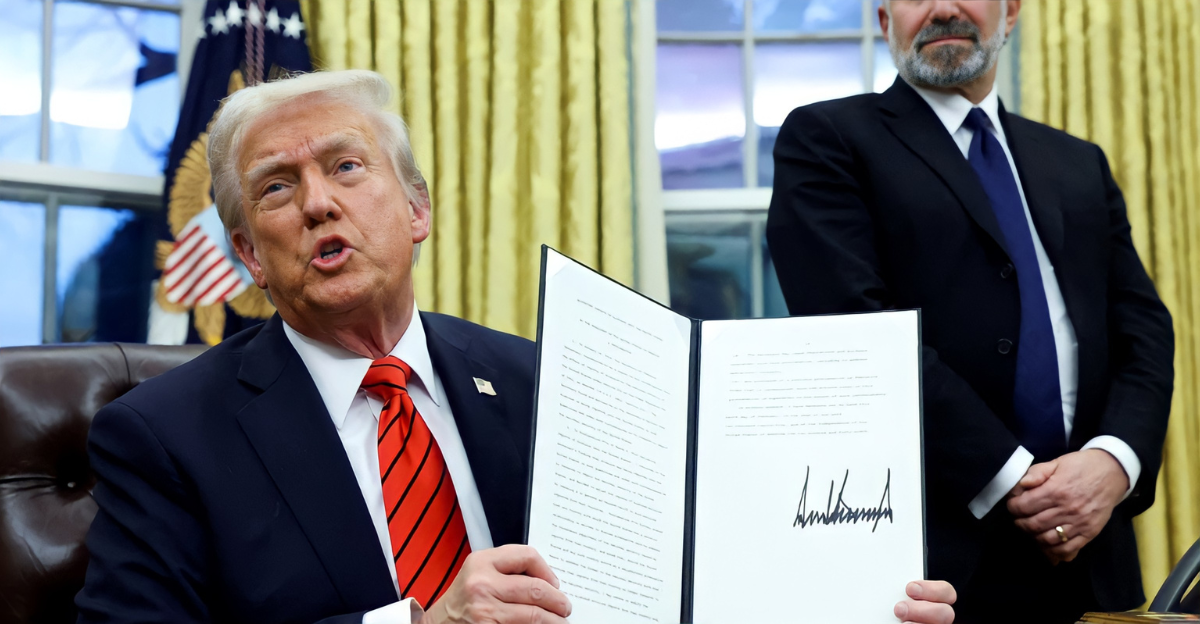
Donald Trump has reshaped American foreign policy by replacing diplomacy with tariffs. The Guardian reports that his administration now leans on economic punishment instead of dialogue, wielding trade barriers like siege weapons.
This shift has left the United States with fewer tools to solve complex global issues. Instead of treaties and negotiations, tariffs are now the centerpiece of American statecraft. Let’s look at how this dramatic change came about and where it’s leading.
From Jobs Plan to Power Play
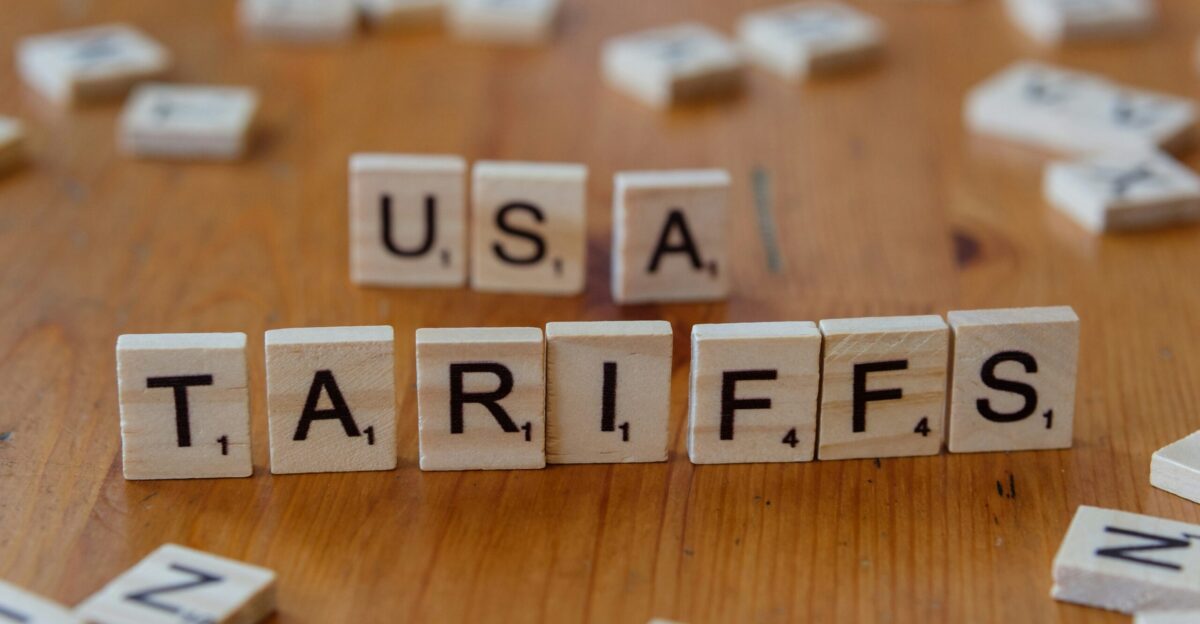
Trump’s campaign promise was to bring manufacturing jobs back by taxing foreign imports. According to Reuters, that message resonated with voters who felt left behind by globalization.
But what started as an economic plan has turned into something bigger. The Guardian notes that tariffs now target nearly 70 trading partners, with rates from 10% to 50%. These measures no longer simply protect U.S. industries: they have become blunt political instruments. And that shift carries global consequences.
When Tariffs Became Political Blackmail
Peter Navarro, Trump’s trade adviser, has called these penalties “national security tariffs.” The Guardian explains that this framing allowed the White House to expand tariffs far beyond economics.
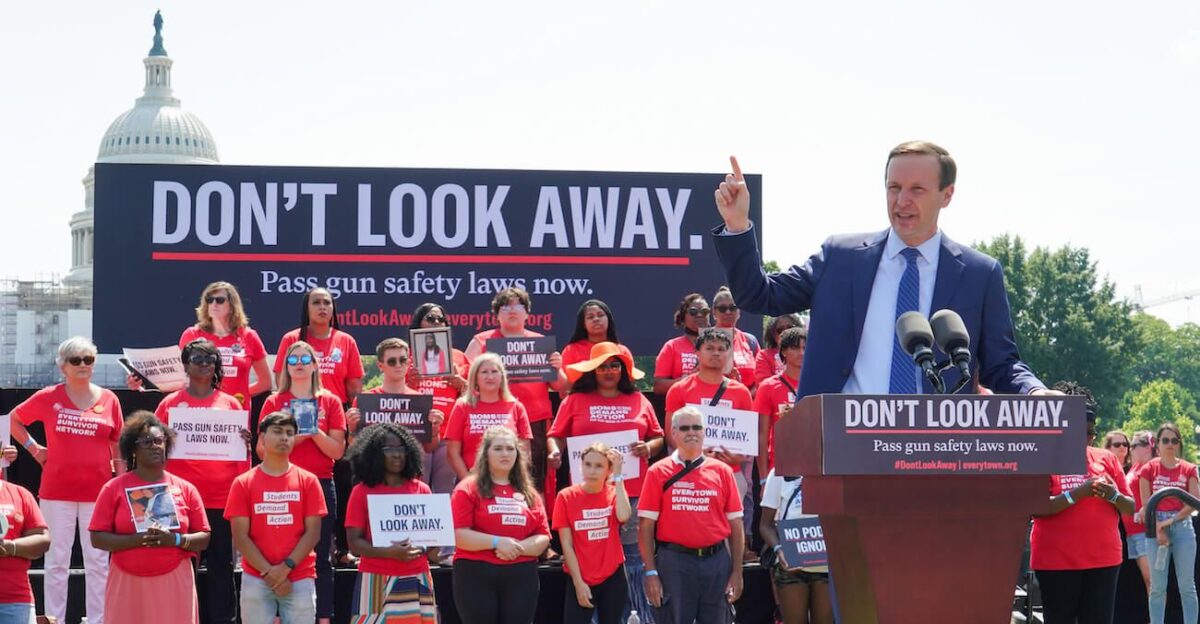
Democratic Senator Chris Murphy took it further, saying the tariffs are “not designed as economic policy but as a means to compel loyalty to the president.” That blunt assessment captures the essence of this strategy. Countries are now punished for political choices, not just trade disputes.
India Feels the Heat
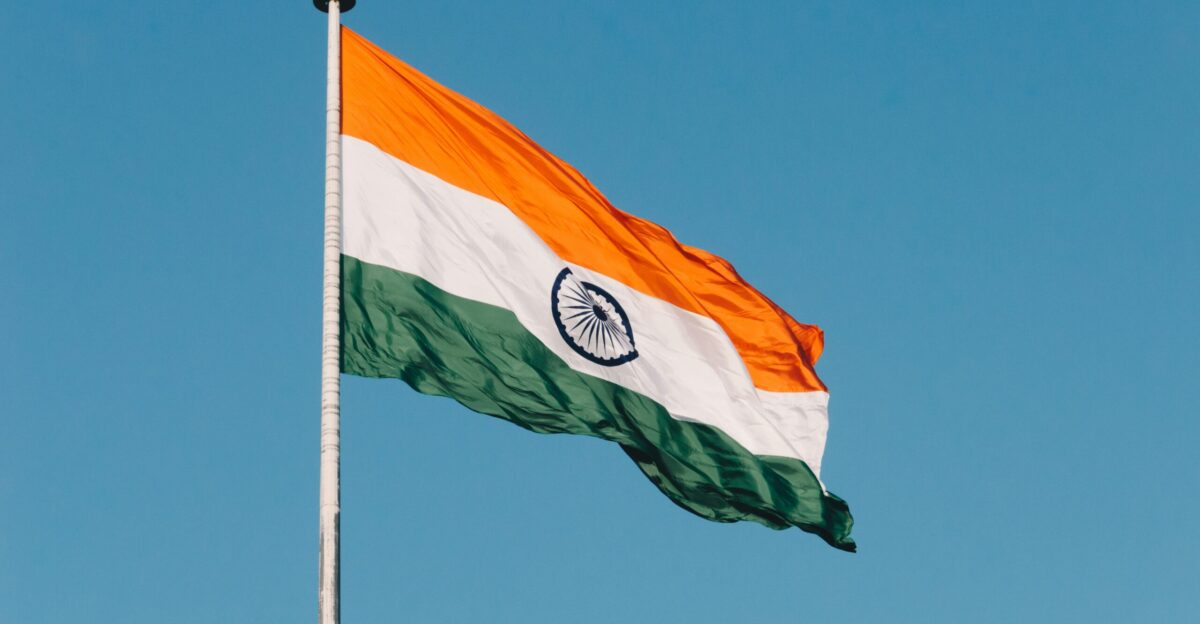
India is one of the clearest examples of this new approach. The Guardian reports that India faces up to 50% tariffs because it continues buying Russian oil, which makes up about 35% of its supply.
This is a sharp break from the past. Washington had long courted India as a counterweight to China. Now, economic punishment is straining that partnership. India must choose between securing affordable energy and maintaining its role as a U.S. strategic ally.
Canada Caught in the Crossfire

Even America’s closest neighbor has not been spared. According to The Guardian, Canada was hit with 35% tariffs after announcing its recognition of Palestinian statehood.
This move shocked many observers. Disagreements between Washington and Ottawa were once settled through talks. Now, they are punished with economic costs. Canada’s case highlights just how far Trump’s trade-first diplomacy has gone, where even historic allies face tariffs for political positions. The fallout doesn’t stop there—it extends deep into South America.
Brazil Pays for Bolsonaro’s Trial
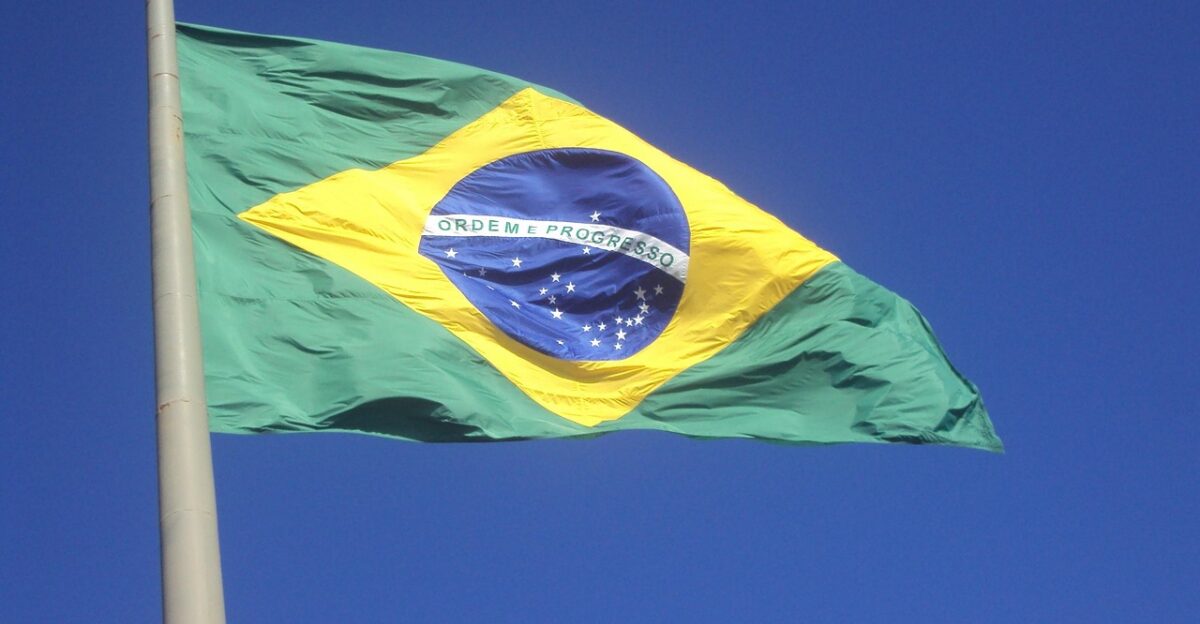
Brazil is enduring some of the steepest tariffs of all, 50% on its exports to the U.S., Reuters reports. This is despite Brazil having a rare trade surplus with America.
The Guardian connects the penalties to Brazil’s trial of Jair Bolsonaro, Trump’s close ally accused of plotting a coup. Brazil has formally complained to the World Trade Organization, calling the tariffs a “flagrant violation” of global rules. The case is now testing both America’s credibility and the strength of global institutions.
Pushing Allies Toward Rivals
Punishing India and Brazil has had unintended results. Instead of pressuring them into alignment, tariffs are driving them away from Washington.
Time magazine reports that India is now warming to Beijing. China’s foreign minister recently visited Delhi, and Prime Minister Modi is preparing his first trip to Shanghai in seven years. This growing partnership undermines decades of American strategy in Asia. By isolating allies, Trump may be pushing them closer to U.S. rivals.
BRICS Grows Stronger
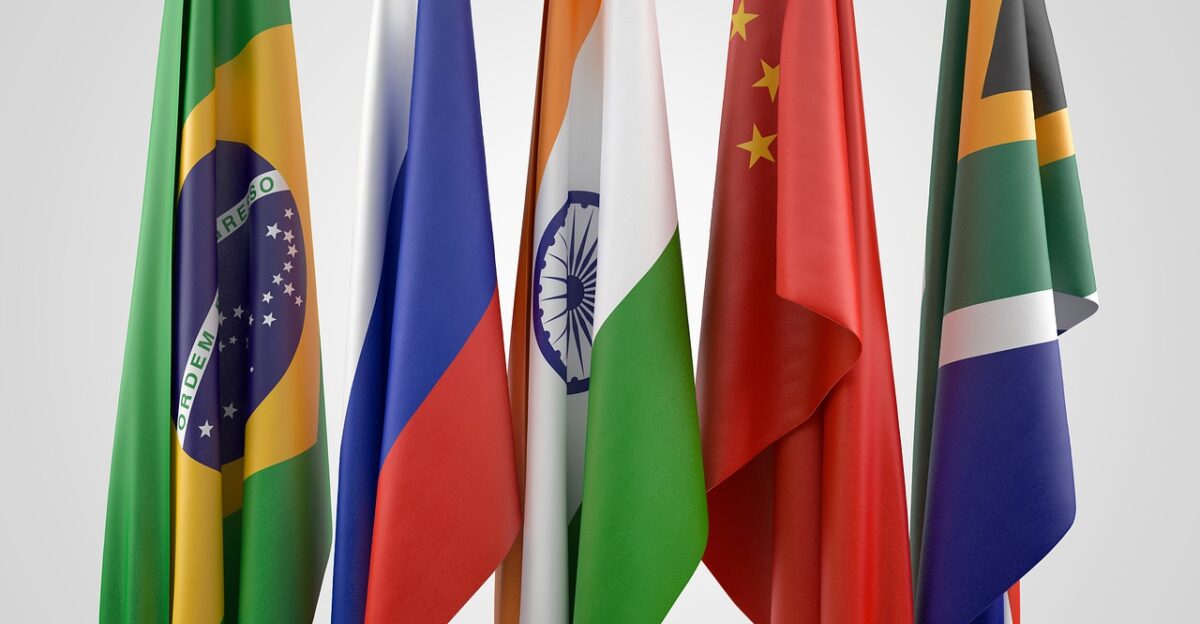
The tariff storm is also fueling unity among BRICS nations, Brazil, Russia, India, China, and South Africa. Together, they represent about 40% of global GDP.
According to The Guardian, U.S. pressure has given these countries a common cause. They are now working more closely on trade, investment, and alternative currency systems. What was once a loose coalition is becoming a powerful bloc. This realignment is a major geopolitical shift—and it is happening while America dismantles its own diplomatic strength.
The Hollowing of U.S. Diplomacy
While tariffs rise, America’s diplomatic workforce shrinks. The Guardian reports that the State Department has fired over 1,350 employees, including 246 foreign service officers.
This amounts to about 17% of the department’s U.S.-based staff. Losing experienced diplomats means fewer voices advocating American interests abroad. At the same time tensions are climbing, Washington has fewer people to manage crises. This hollowing out of institutions leaves tariffs as the last remaining lever of influence.
USAID’s Collapse
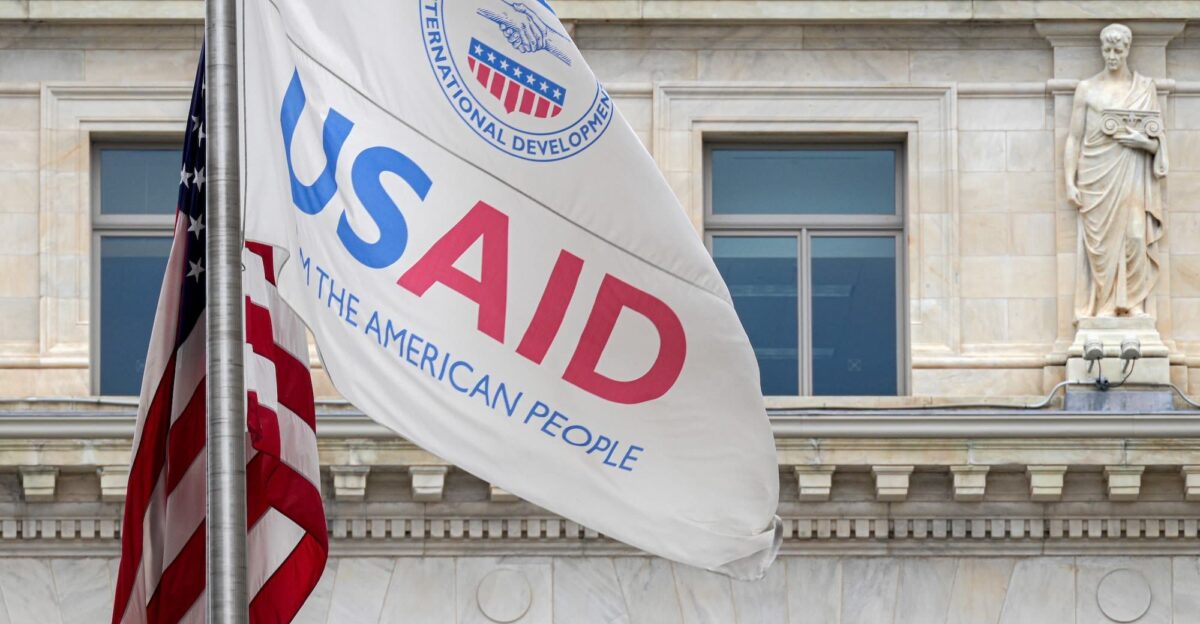
The dismantling doesn’t stop with the State Department. According to The Guardian, Trump effectively shut down the U.S. Agency for International Development.
By July 2025, about 83% of USAID programs were terminated, cutting off roughly $8 billion in global aid. For decades, USAID had been a cornerstone of America’s soft power. Its collapse signals the loss of humanitarian tools once used to build trust and partnerships abroad. Without aid or diplomacy, Washington relies almost solely on tariffs.
Cyber Diplomacy Gutted
Specialized arms of diplomacy are also collapsing. The Guardian notes that the State Department’s Bureau of Cyberspace and Digital Policy lost key leaders, including Deputy Assistant Secretary Liesyl Franz, who had over 20 years of experience.
The Office of Bilateral and Regional Affairs lost about half its staff as well. These experts once shaped digital policy with global partners. Their absence leaves gaps at a time when cyber security is central to national security. The losses extend far beyond personnel.
Critics Call It Loyalty Politics
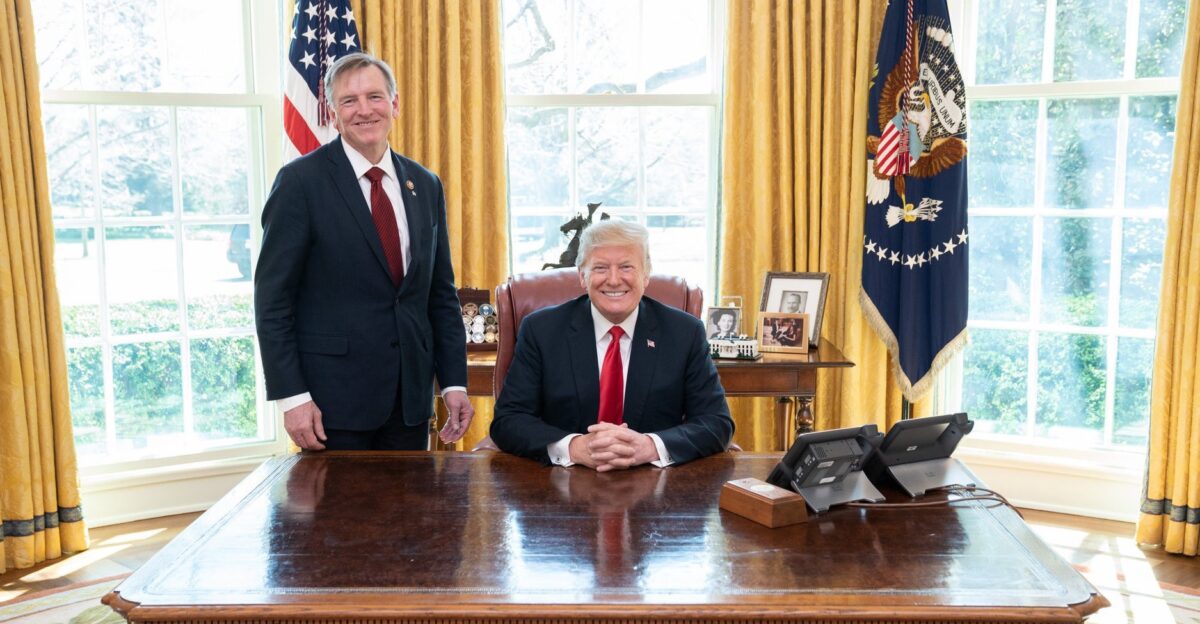
Criticism of Trump’s strategy is mounting. Senator Chris Murphy has accused the administration of using tariffs to “compel loyalty to the president.”
This view is echoed by multiple analysts who argue the White House is more interested in political control than coherent economic policy. By using tariffs as punishment for political choices, Washington risks alienating nations that once relied on U.S. leadership. Academic voices warn the long-term effects could be even more damaging.
Scholars Sound the Alarm
Experts are warning that this approach carries deep risks. Dr. Stuart Rollo of the University of Sydney told The Guardian that tariffs mark “the purposeful, rational, actions of an empire facing decline.”
Professor Devashish Mitra from Syracuse University described the policies as “contradictions, wishful thinking, and superficial understanding of economics.” These are not small criticisms. They show how scholars see the strategy as short-sighted and dangerous. The historical comparisons make the warnings even starker.
History Shows the Dangers

Using trade as leverage is not new. The Biden administration restricted semiconductor sales to China for strategic reasons.
But The Guardian points out that Trump’s tariffs are different. They are broader, more personal, and often untethered from clear strategy. Average U.S. tariff rates have jumped to between 23% and 27%—levels not seen since the 1930s Smoot-Hawley Act, which deepened the Great Depression. History suggests these choices carry risks not just abroad, but at home.
Markets in Turmoil
Financial markets have already reacted. Reuters reports that Vietnam’s VN Index fell more than 6% after new tariffs were announced, one of the worst crashes in its history.
At the same time, U.S. tariffs rose from 2.5% to between 23% and 27% by April 2025. These are the highest levels in nearly a century. Rising costs ripple across supply chains, creating global uncertainty. The economic pain adds yet another layer to the foreign policy fallout.
Trade Rules Tested at the WTO
The global system for resolving trade disputes is also being challenged. Brazil has filed a formal complaint with the WTO, accusing Washington of violating key rules.
Reuters reports that the case argues U.S. tariffs break commitments such as the most-favored-nation principle. Washington insists the measures are about “national security,” but admits they target political disagreements. The outcome of this case could determine whether international rules still constrain great powers—or whether tariffs have truly replaced treaties.
A New World Order Emerging
The ripple effects go beyond individual disputes. According to Time, India and China now see themselves as “partners, not rivals.” Modi’s planned visit to China marks a sharp turn in relations.
This represents a reversal of America’s Indo-Pacific strategy. For years, Washington invested in building India as a counterbalance to Beijing. Now, that strategy is unraveling as tariffs push India toward cooperation with China. The global balance of power is shifting faster than many expected.
Trust in America Fades
Former diplomats warn that America’s credibility is at stake. The Guardian reports that with diplomatic tools dismantled and trade used as punishment, future administrations may struggle to rebuild trust.
Countries are learning that U.S. policy can swing sharply depending on politics. That lesson may make it harder for America to present itself as a consistent partner. Rebuilding relationships after years of tariffs and firings will not be easy. And the broader metaphor tells the story best.
Only a Hammer Left
Observers say Trump has left America “armed with only a hammer, with every global flashpoint looking like a nail.” This phrase, reported by The Guardian, captures the limits of relying solely on tariffs.
Complex global problems require careful, varied tools. But the White House now uses only economic punishment. This narrow approach risks making every conflict worse. And it sets the stage for what many call the death of American soft power—the final piece of this story.
The End of American Soft Power
The combined effect of tariffs, firings, and aid cuts is devastating. America has abandoned the soft power that once made it a global leader.
Countries are finding ways to prosper without U.S. approval, and sometimes in open defiance of Washington. The Guardian concludes that Trump’s obsession with tariffs has not made America stronger. Instead, it has taught the world to build systems that work around U.S. influence. That lesson may define the next global era.