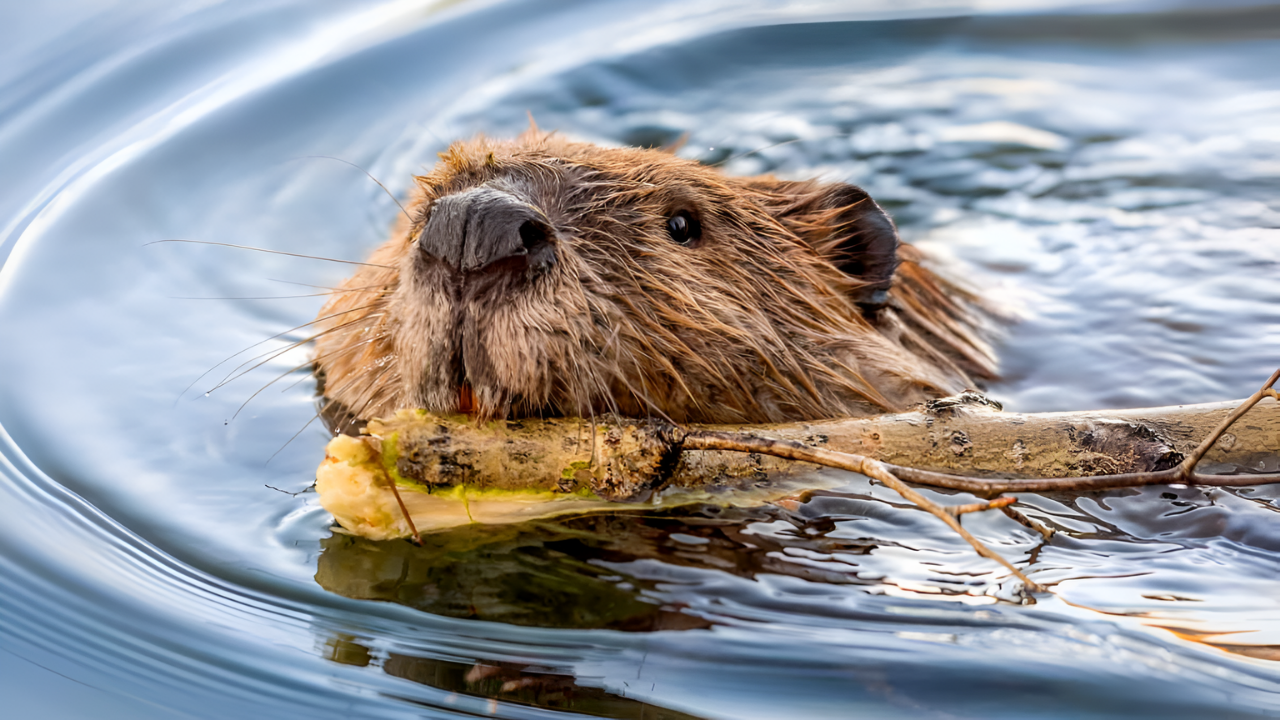
A slow-moving ecological disaster is overtaking Rocky Mountain National Park as elk and moose—whose numbers have grown substantially—unintentionally dismantle the valley’s wetlands.
Their browsing has pushed willow stands to collapse, removing the building materials beavers depend on to engineer ponds and slow-moving water. The disappearance of beavers has unleashed a cascading ecological crisis across Kawuneeche Valley.
Overgrazing: The Root Cause
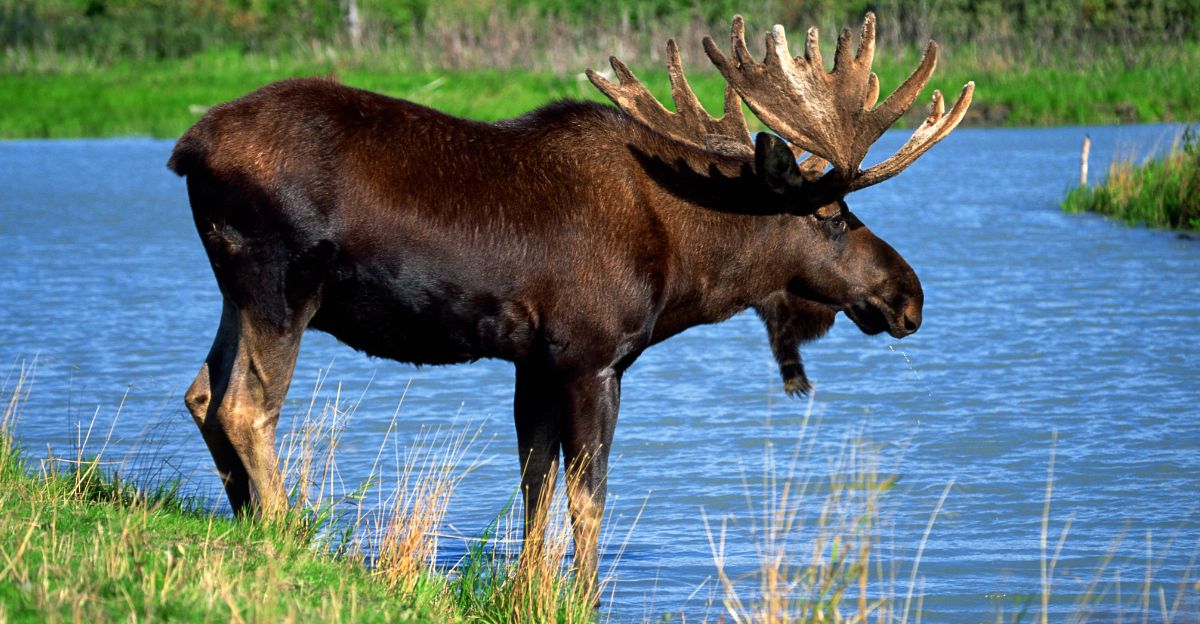
Moose and elk populations have grown significantly, turning the valley into an overgrazed landscape. These herbivores consume tall willows—critical for beaver dams—faster than they can regrow.
Historical data shows willows declined from 1.71 meters in 1997 to 0.38 meters by 2021 outside protected areas. Tall willow loss has eliminated crucial bird habitat and pushed beavers out entirely.
Facing a Changing Park
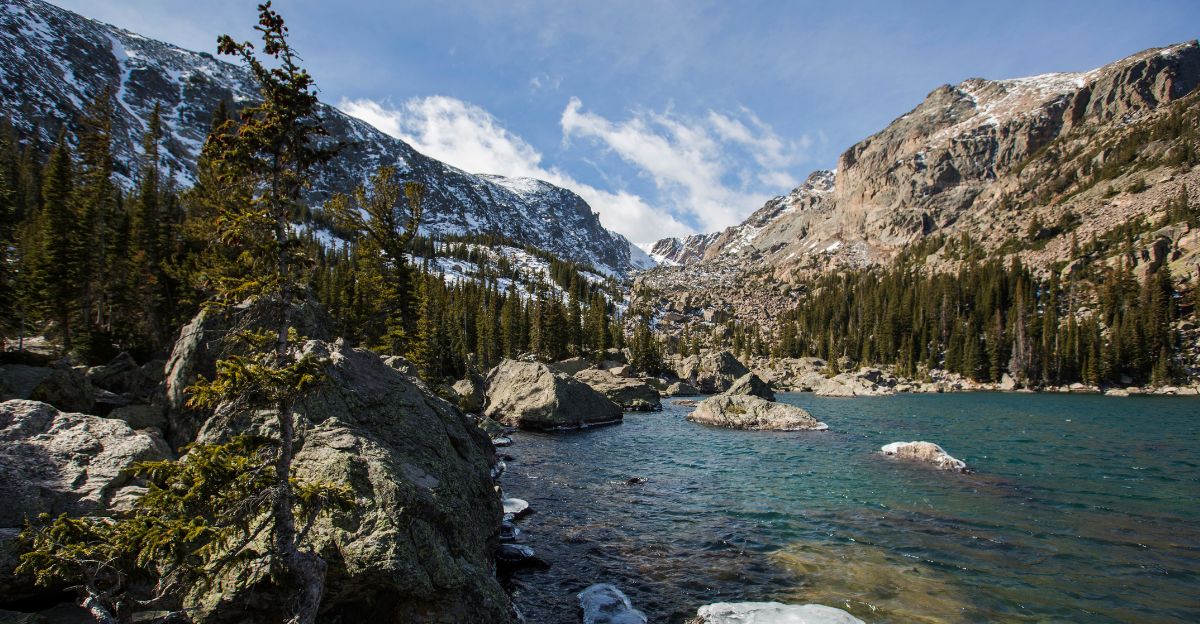
Visitors to Rocky Mountain National Park may observe ecological changes in the Kawuneeche Valley, including reduced beaver ponds and shorter willow stands compared to historical conditions.
The landscape transformation from wetland-dominated to grassland-dominated ecosystems affects the park’s scenic diversity.
This ecological transformation has implications for visitor experiences and could impact tourism revenue for Colorado’s gateway communities if degradation continues unchecked.
Local Businesses Feel the Pinch
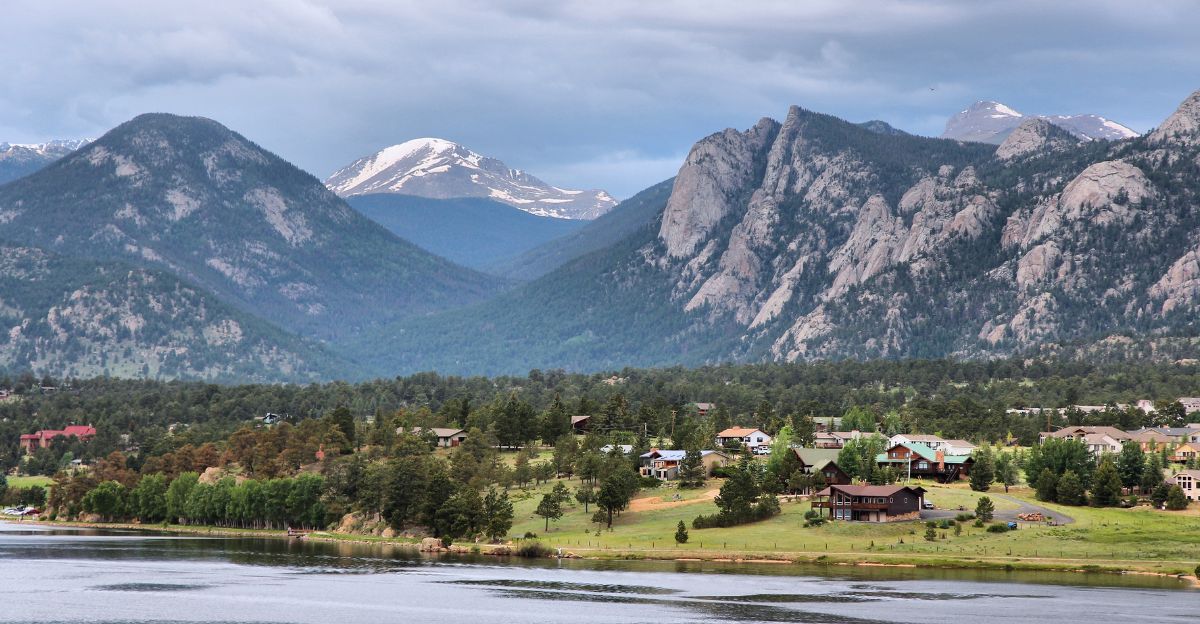
Communities like Estes Park and Grand Lake rely on the park’s biodiversity and natural attractions to support hotels, restaurants, gear shops, and guiding services.
The documented decline in beaver ponds and willow stands in Kawuneeche Valley could affect wildlife viewing opportunities and visitor experiences.
Park staff and local business leaders recognize ecosystem restoration as critical to maintaining the park’s long-term appeal and economic value for gateway towns.
Substitutes Struggle to Fill the Gap
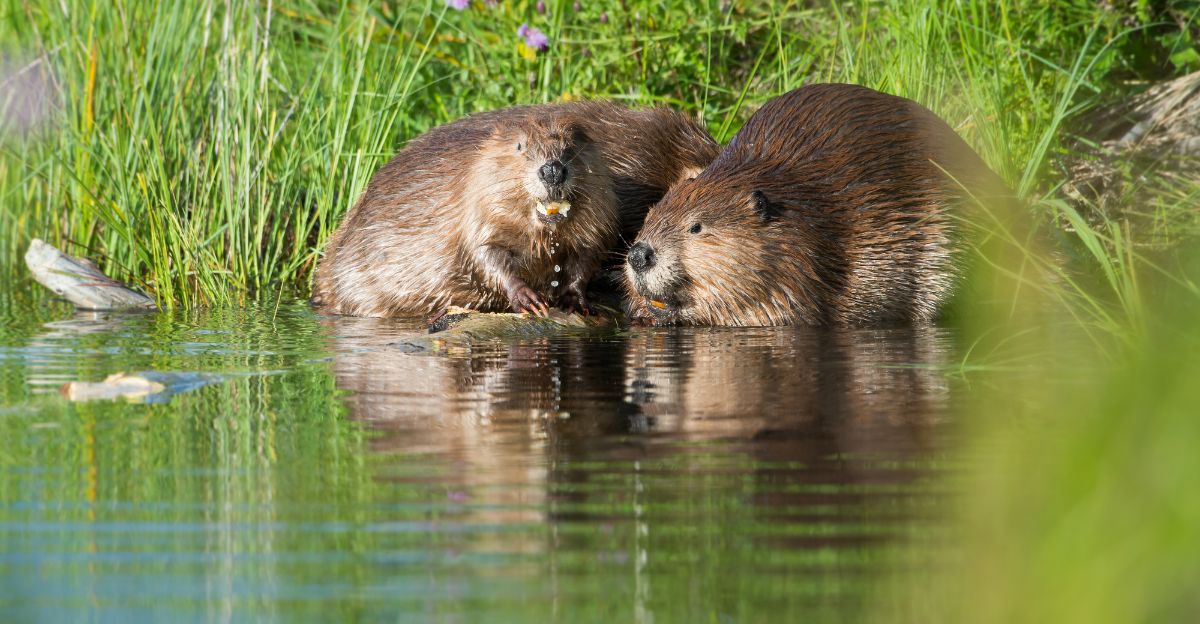
Without beavers, no other species can replace their engineering power. Muskrats, amphibians, and waterbirds cannot recreate the dams that slowed snowmelt, stored water, and distributed nutrients across thousands of acres.
By 2009, 83% of historical beaver sites were abandoned. Today, 94% of ponds documented in 1953 have vanished—an unprecedented collapse within a U.S. National Park.
International Conservation Lessons
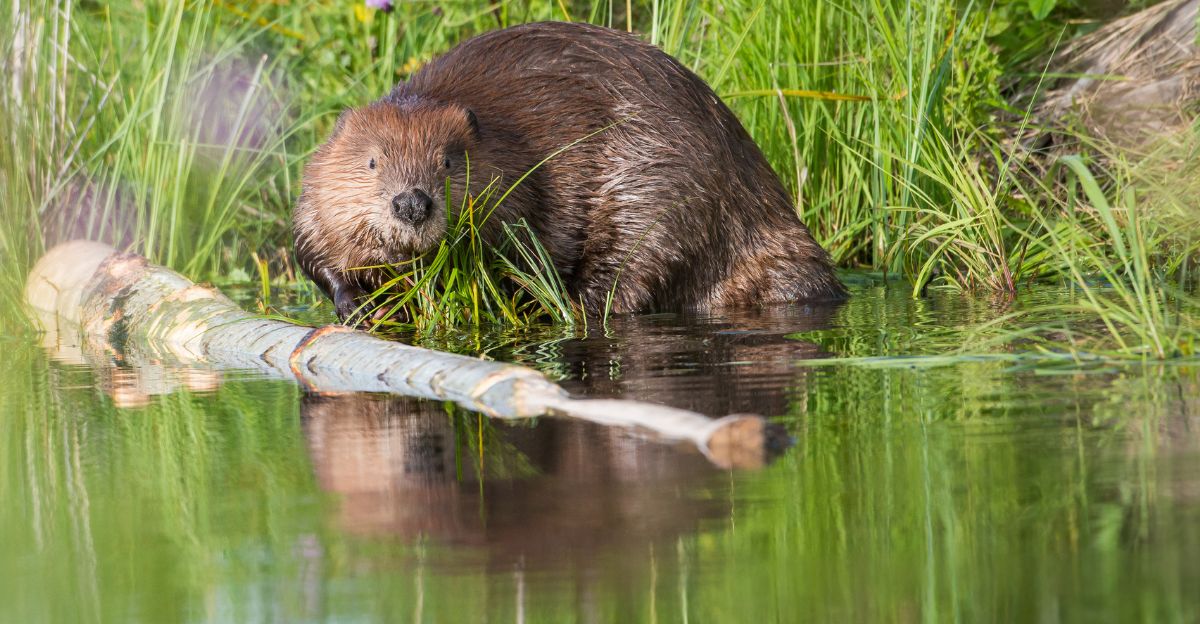
The crisis has drawn global attention because it demonstrates how well-intentioned wildlife management can backfire.
Elk and moose, introduced as conservation successes, instead destroyed the habitats managers hoped to strengthen.
Protected areas worldwide now examine this case as a cautionary model for avoiding similar ecosystem collapses.
Park Staff and Scientists Sound the Alarm
Scientists from the National Park Service and Colorado State University, including ecologist Isabel de Silva, warn that human-led restoration is now essential.
A 2025 peer-reviewed study published in Conservation Biology concluded that only direct intervention can prevent total collapse of the valley’s biodiversity. Their message is clear: beavers cannot return until humans rebuild the habitat they need.
Policy Shifts and Restoration Funding
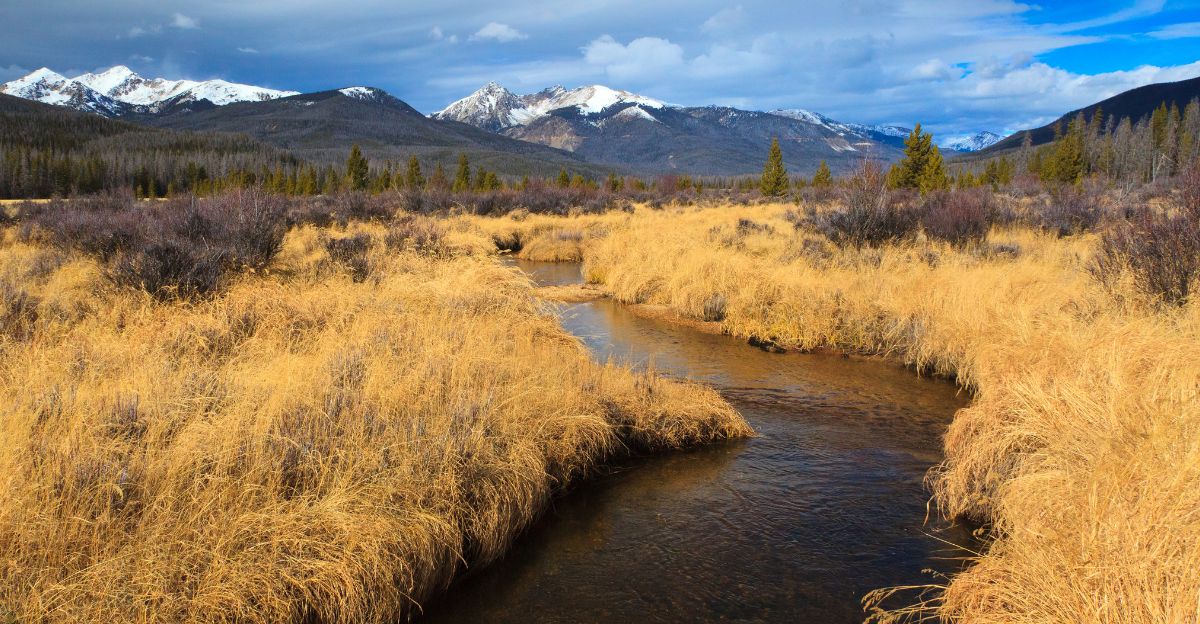
The Kawuneeche Valley Restoration Collaborative raised $3.3 million for an ambitious multi-year rescue effort. Crews installed simulated beaver dams—structures designed to restore hydrology until real beavers can return—and wrapped vulnerable willows in protective fencing.
This restoration strategy aims to create the conditions that beavers once provided, reversing decades of degradation.
Threat to Regional Stability
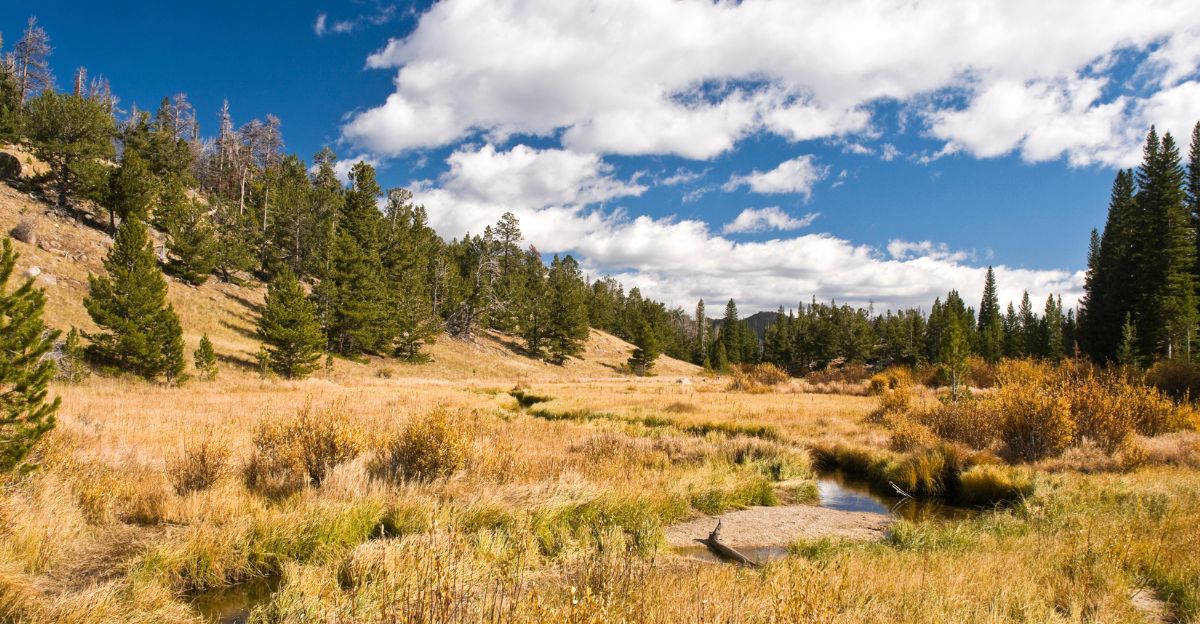
The loss of wetlands disrupts water storage and purification systems that sustain agriculture, river flows, and municipal supplies.
As ponds disappear, runoff accelerates, erosion increases, and seasonal water shortages may intensify across downstream communities.
Early intervention through restoration is both more cost-effective and more effective than rebuilding a completely collapsed landscape.
Adapting to Shifting Demand
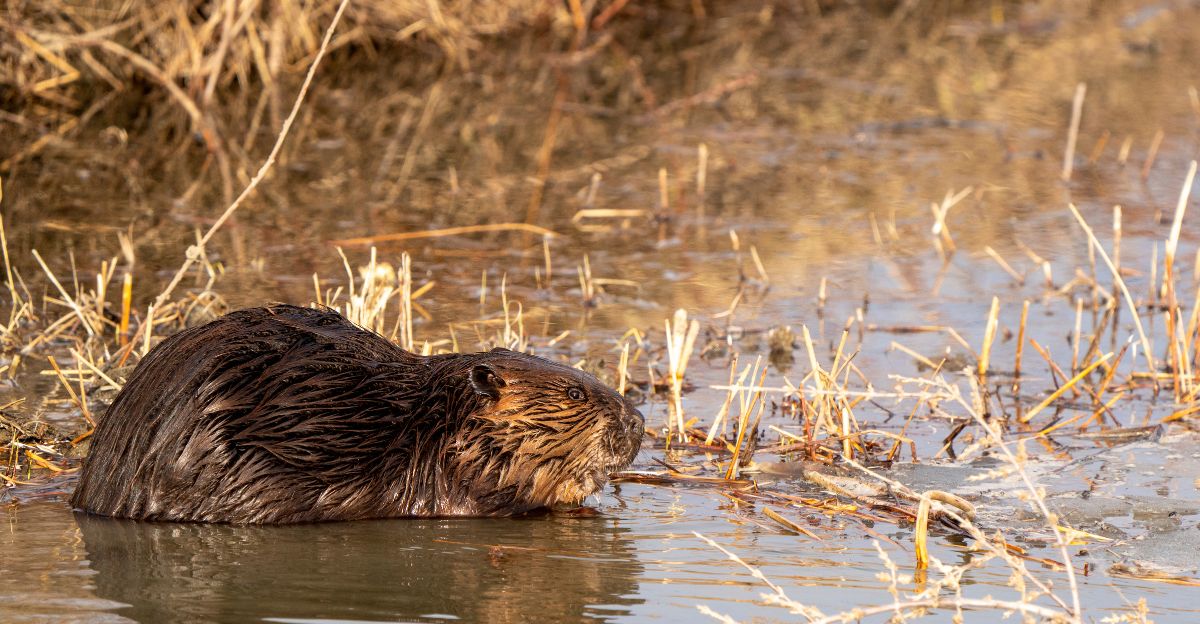
Outdoor recreation businesses in Estes Park and Grand Lake continue to offer wildlife viewing tours and guided experiences.
The Kawuneeche Valley Restoration Collaborative has launched public education initiatives, including guided exclosure tours at the Holzwarth Historic Site and volunteer restoration days that teach visitors about the valley’s ecology and restoration techniques.
Meanwhile, Estes Park’s broader tourism economy encompasses hiking, mountain biking, e-biking, and cultural experiences, reflecting the community’s diverse outdoor recreation offerings.
Hospitality Industry Rethinks Strategy
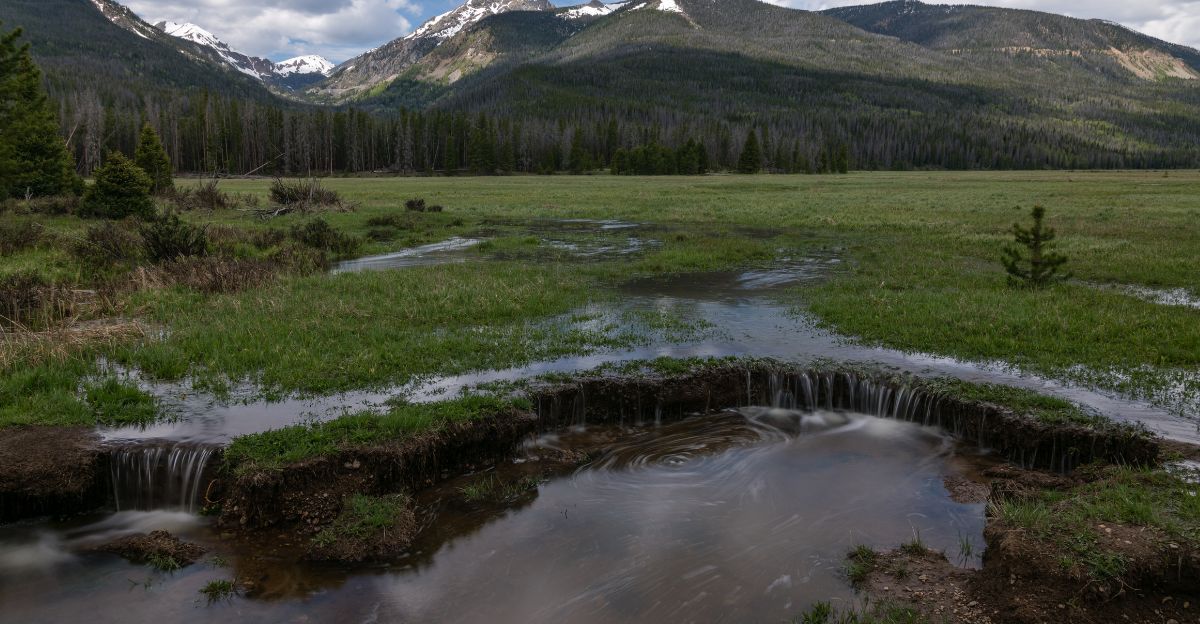
Estes Park’s hospitality businesses emphasize sustainability and environmental stewardship in their marketing, reflecting destination-wide efforts to attract conservation-minded visitors.
Some lodges, including Taharaa Mountain Lodge and Black Canyon Inn, participate in the “Giving Guest” donation program, which enables visitors to contribute to over 40 local nonprofits that span health, education, arts, and community services.
The Kawuneeche Valley Restoration Collaborative independently offers public volunteer opportunities and educational programs for visitors interested in supporting restoration efforts.
Beyond Wildlife
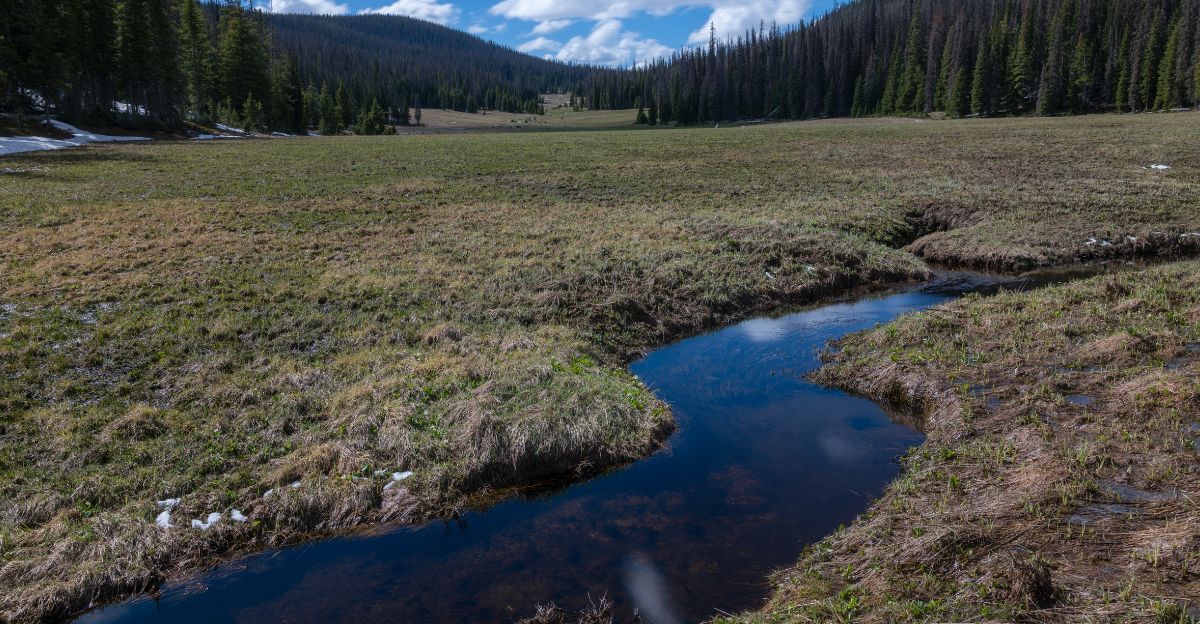
Beaver ponds once supported fish nurseries, waterbirds, amphibians, and rare wetland plants. Their disappearance harms fishing guides, bird-watching groups, and industries that depend on healthy nutrient cycles.
Anglers report declining fish habitat, while bird enthusiasts note a decrease in the number of species in the remaining vegetation. The valley loses both biodiversity and the ecosystem services supporting outdoor-based livelihoods.
A Popular Destination
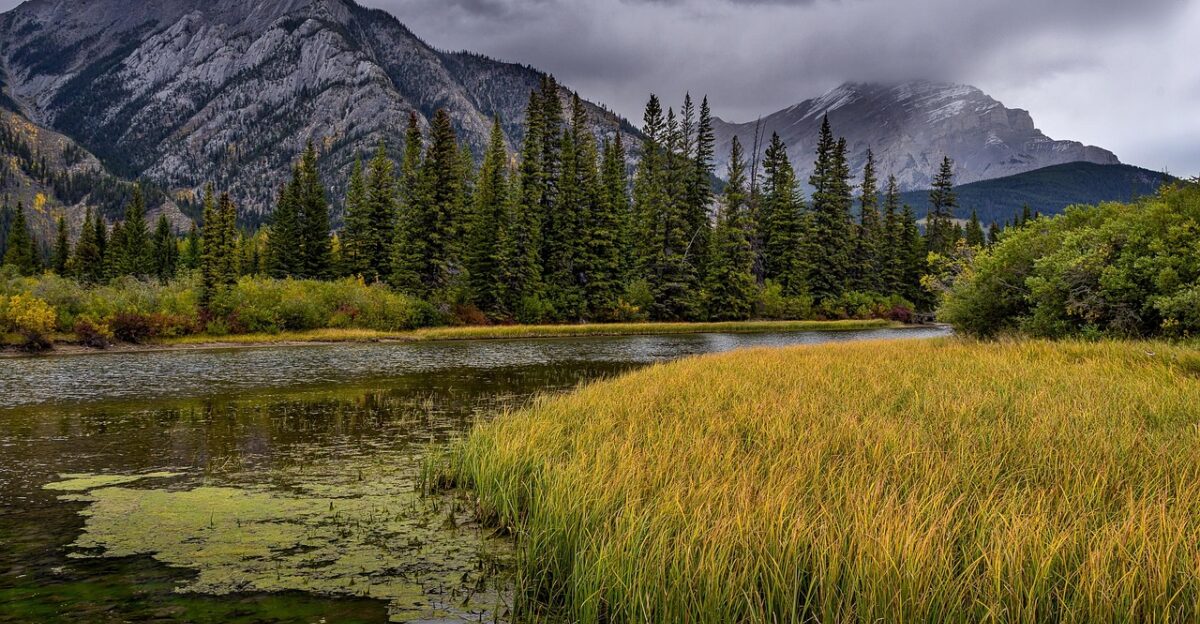
Rocky Mountain National Park remains a popular destination for international visitors seeking to experience wildlife viewing and breathtaking mountain scenery.
However, ecological changes in the Kawuneeche Valley—including reduced wetland habitats and altered wildlife distributions—may affect future visitor experiences if degradation continues.
Conservation efforts and successful restoration could help maintain the park’s appeal as a destination for biodiversity-focused tourism, while allowing policymakers and park managers to demonstrate how active stewardship preserves the natural heritage that attracts global visitors.
The Importance of Restoration
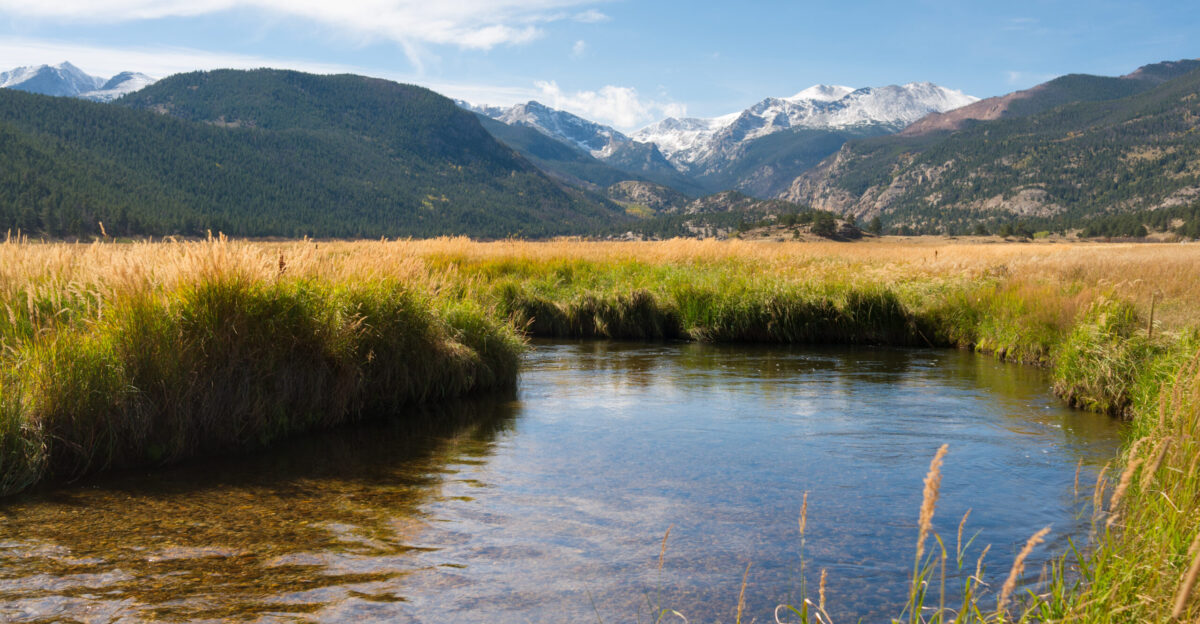
Scientific research has demonstrated that wetland ecosystems offer significant mental and physical health benefits, including reduced anxiety and improved overall well-being.
Rocky Mountain National Park continues to attract visitors for nature-based recreation, with wildlife viewing and outdoor activities remaining central to local and regional recreation patterns.
However, if Kawuneeche Valley’s wetland degradation continues unchecked, the long-term availability of these health-promoting experiences could be compromised, underscoring the importance of restoration efforts to preserve ecosystem services that communities depend on.
Environmental Debate
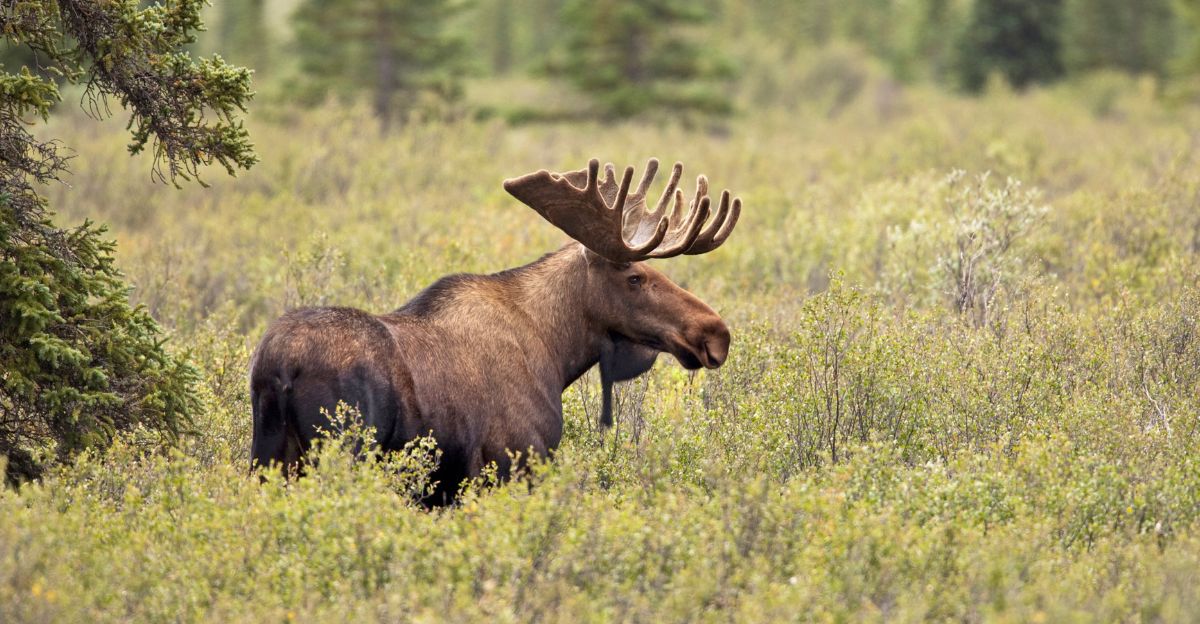
The crisis has sparked debate over park management philosophy: Should parks intervene aggressively to address human-caused problems, or should nature be left to its own devices?
Some propose reintroducing wolves or mountain lions to reduce elk and moose populations, while others argue that predator reintroduction cannot compensate for decades of beaver loss. The valley has become a case study in tensions between wilderness preservation and active stewardship.
Unexpected Outcomes
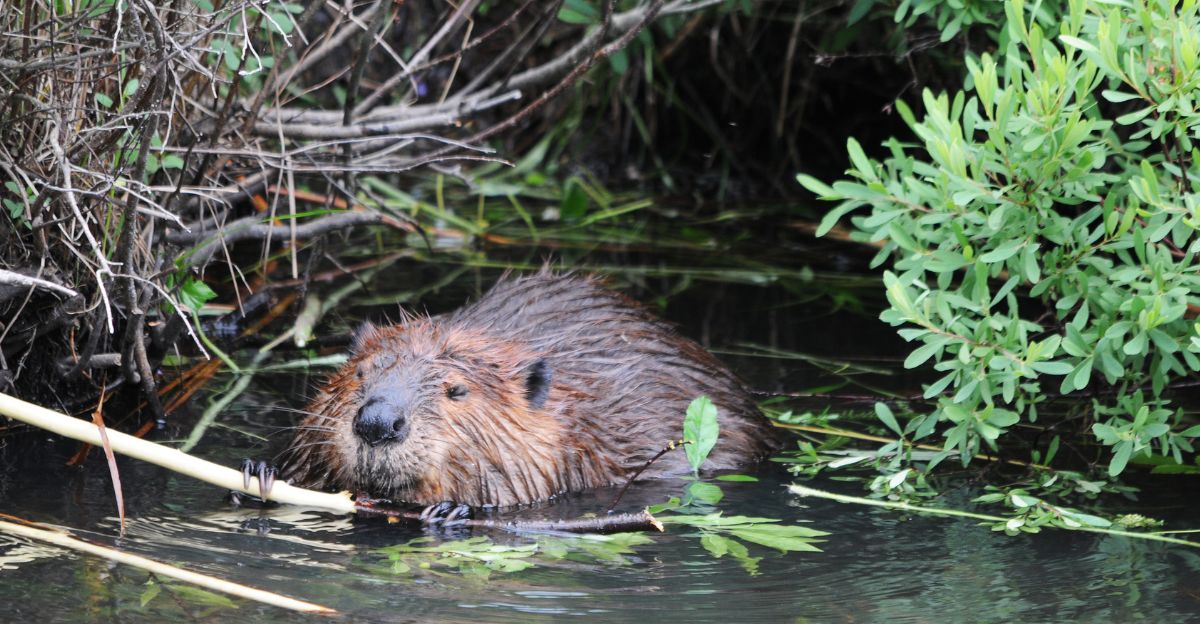
While most native species suffer, unexpected winners have emerged. Invasive plants and grassland-adapted animals thrive in the drier environment created by the loss of beavers.
Meanwhile, restoration contractors, hydrology experts, and ecologists benefit from increased funding and long-term project demand. This imbalance highlights how ecological disruption can create economic opportunity alongside biodiversity loss.
Funding the Restoration
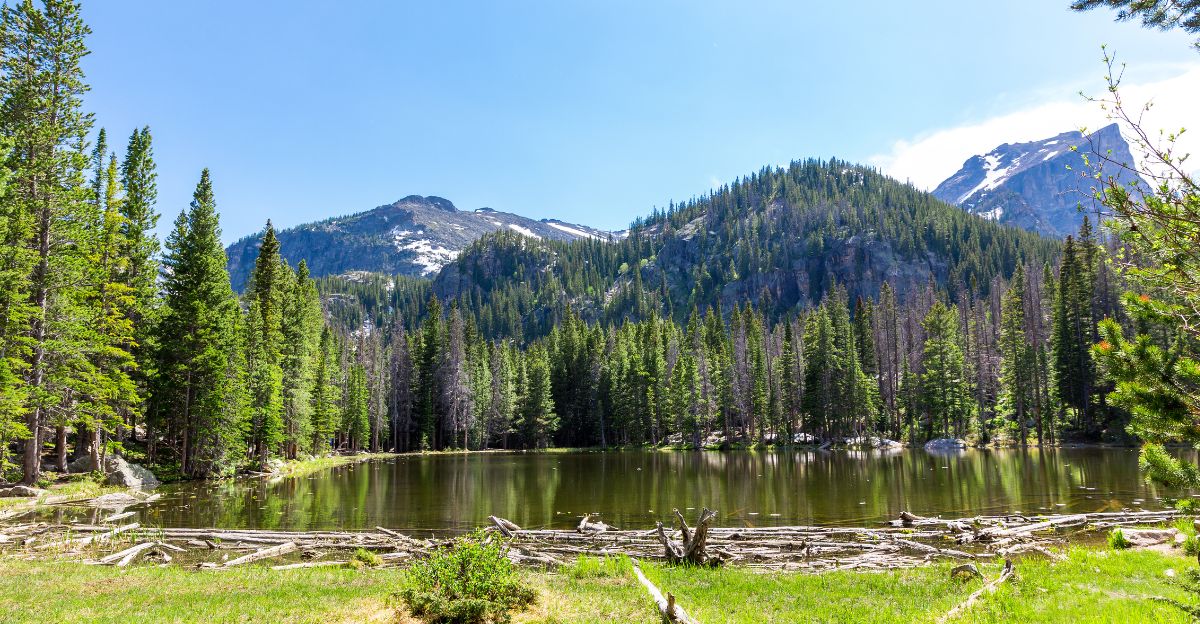
The Kawuneeche Valley Restoration Collaborative has assembled funding from government agencies, water utilities, and nonprofits to support ecosystem restoration efforts.
The $3.3 million raised, supplemented by $761,000 in federal funding from the U.S. Bureau of Reclamation, demonstrates multi-stakeholder commitment to riparian restoration.
Public-private partnerships for conservation are well-established models, and KVRC’s collaborative approach contributes to a growing body of restoration work across national parks and protected areas.
Supporting Recovery
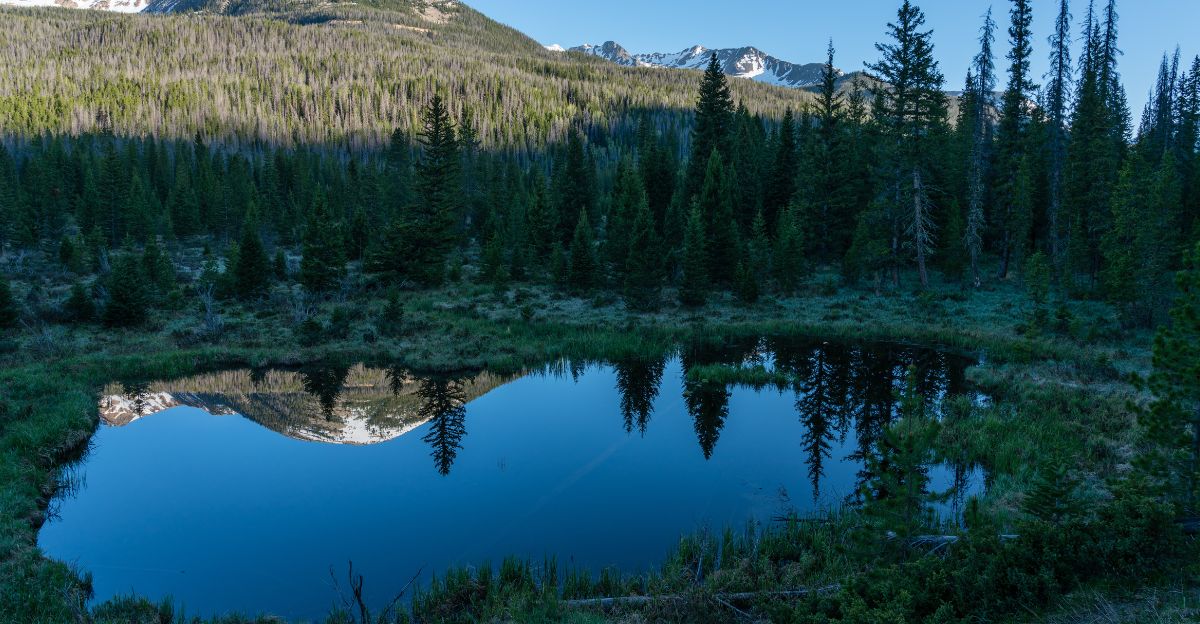
Visitors can help by respecting fenced restoration zones, avoiding off-trail travel through vulnerable areas, and participating in citizen science projects tracking wildlife and vegetation recovery.
Local businesses supporting restoration offer additional ways to contribute through donation drives and volunteer events. Every act of stewardship helps rebuild the ecological foundationthat beavers once provided.
The Road to Recovery
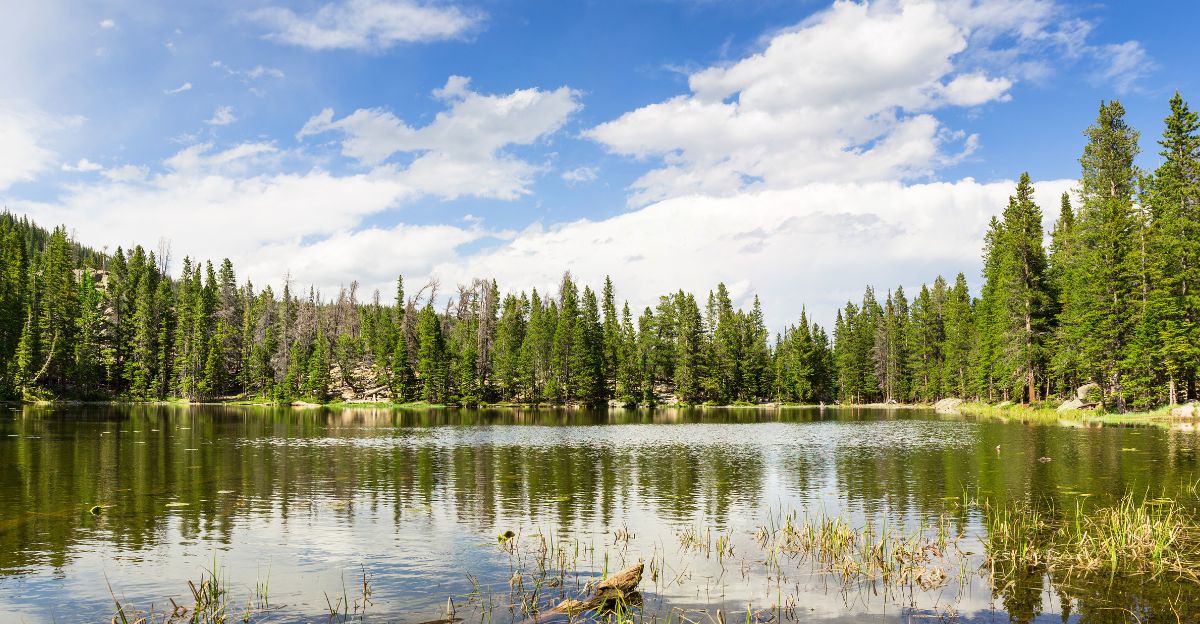
Data show that with reduced browsing pressure, willows can regrow to beaver-usable height within 10–20 years. However, time is critical.
Climate change intensifies drought, floods, and extreme weather, compounding the valley’s fragility and narrowing the window for effective recovery. If current efforts succeed, beavers could return within a generation.
There is Hope
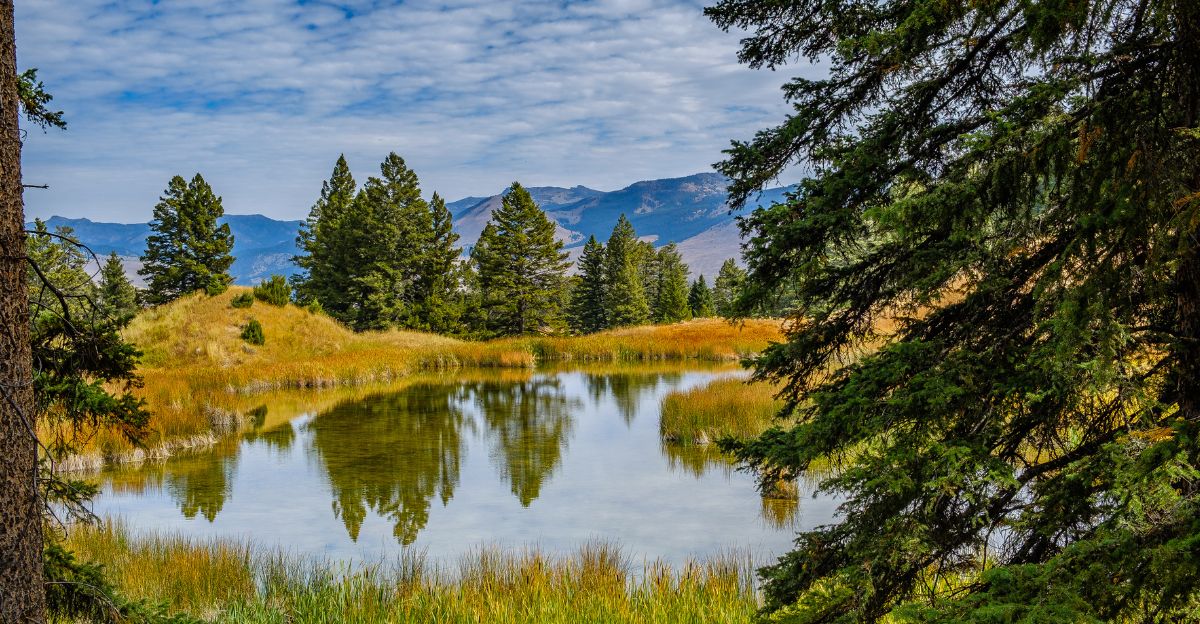
Rocky Mountain National Park’s ecosystem crisis reveals how well-intentioned conservation choices can create unintended consequences.
Elk and moose, celebrated as wildlife triumphs, have pushed a vital ecosystem toward collapse, leaving beavers and the wetlands they shape nearly gone.
Yet, a collaborative response offers hope, with science, funding, and community commitment converging to repair the extensive damage.