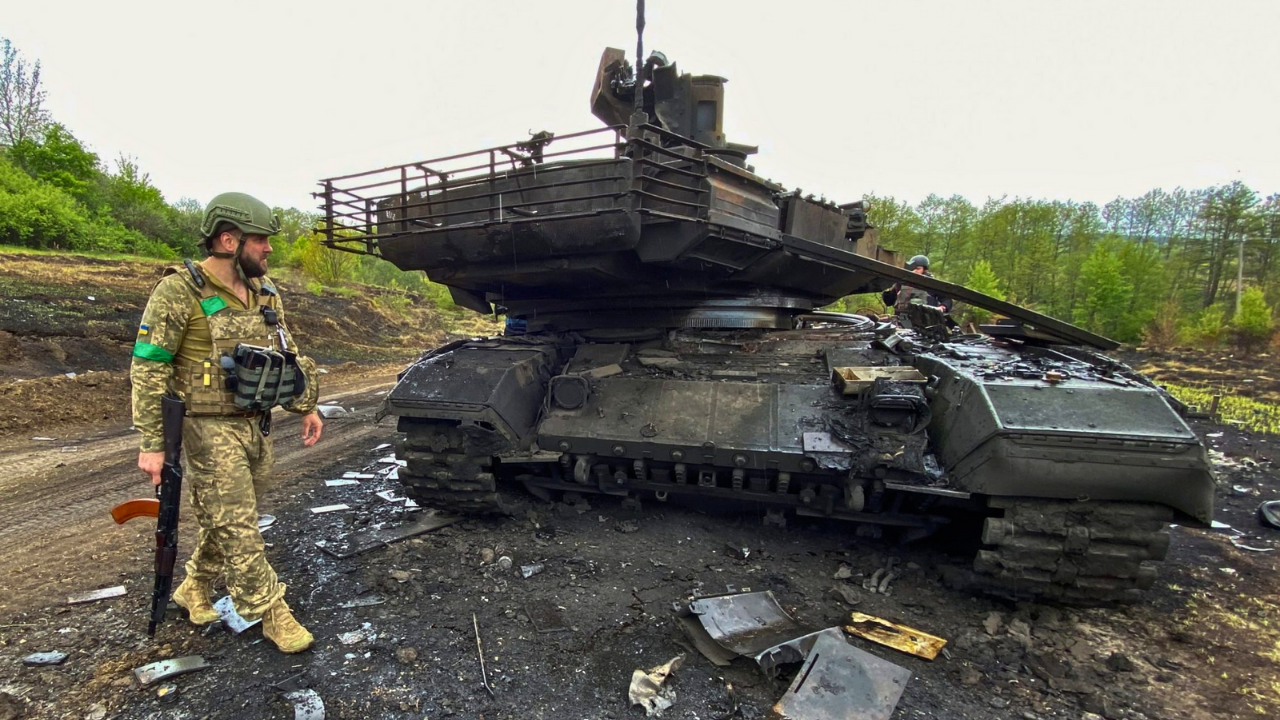
Smoke drifts over the battered streets of northern Kupiansk as Ukrainian assault infantry advance, reclaiming ground block by block. For months, Russian forces held firm in this strategic city, but in early November, Ukrainian troops launched a counteroffensive that shifted the momentum—a rare reversal in a war defined by attrition and stalemate. The battle for Kupiansk has become a microcosm of modern warfare’s evolving tactics, technological threats, and human cost.
A Tactical Shift in Kupiansk
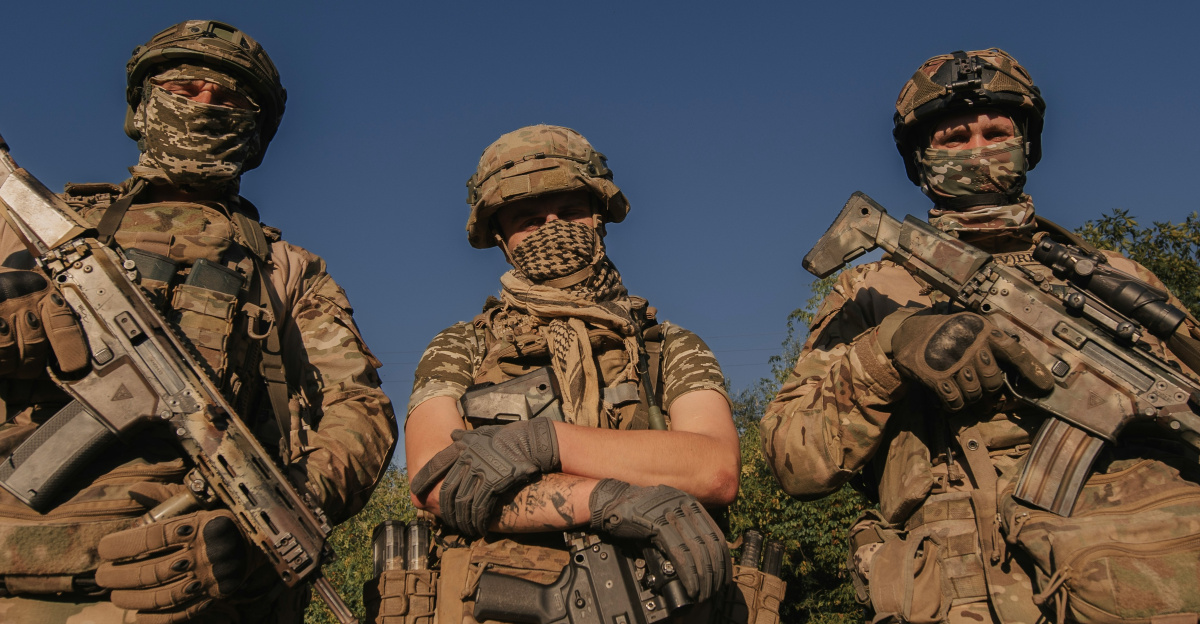
After enduring relentless Russian pressure, Ukrainian forces achieved a notable breakthrough in Kupiansk’s northern districts. Military spokespeople confirmed that Ukrainian units were making effective attempts to drive Russian troops out of fortified positions. While not a sweeping advance, the incremental reclamation of city blocks marks a significant tactical shift on the northern front, where entrenched defenders have long resisted change.
This progress is hard-won. Ukrainian assault infantry, rather than tanks or heavy artillery, are at the forefront—moving building to building, clearing Russian positions under constant threat. Their work is dangerous and slow, relying on training, discipline, and the ability to adapt to unpredictable urban combat. Each advance is measured in meters, not miles, and every reclaimed street is a testament to their resilience.
Technology Redefines the Battlefield
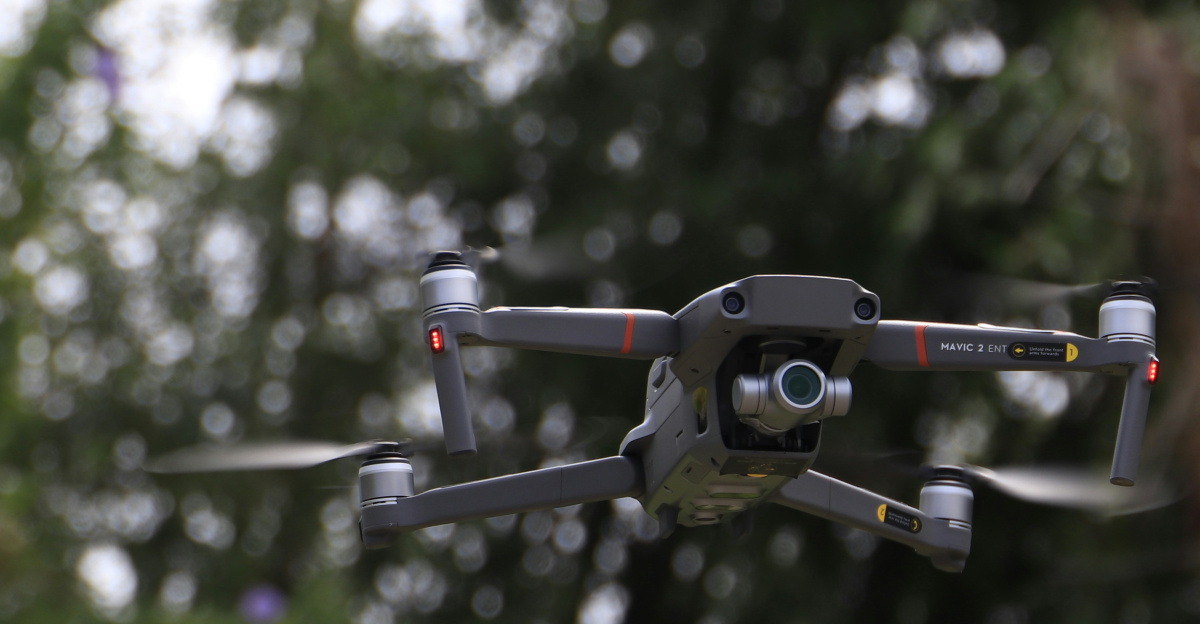
Kupiansk’s battle lines are shaped as much by technology as by tactics. The roads and supply routes are monitored by fiber-optic drones—hardwired systems that transmit video over long distances and are immune to traditional electronic jamming. These drones turn every approach into a potential ambush, making movement perilous for both infantry and vehicles.
The proliferation of drones has rendered armored vehicles nearly obsolete in this environment. Tanks and transports, once symbols of battlefield dominance, now attract deadly attention from above. Both sides have learned that vehicles are vulnerable, and survival often depends on moving quietly and quickly on foot, especially under the cover of darkness. The battlefield has, in some ways, reverted to the close-quarters combat of earlier wars, but with the added threat of constant aerial surveillance.
Relentless Combat and Escalating Stakes
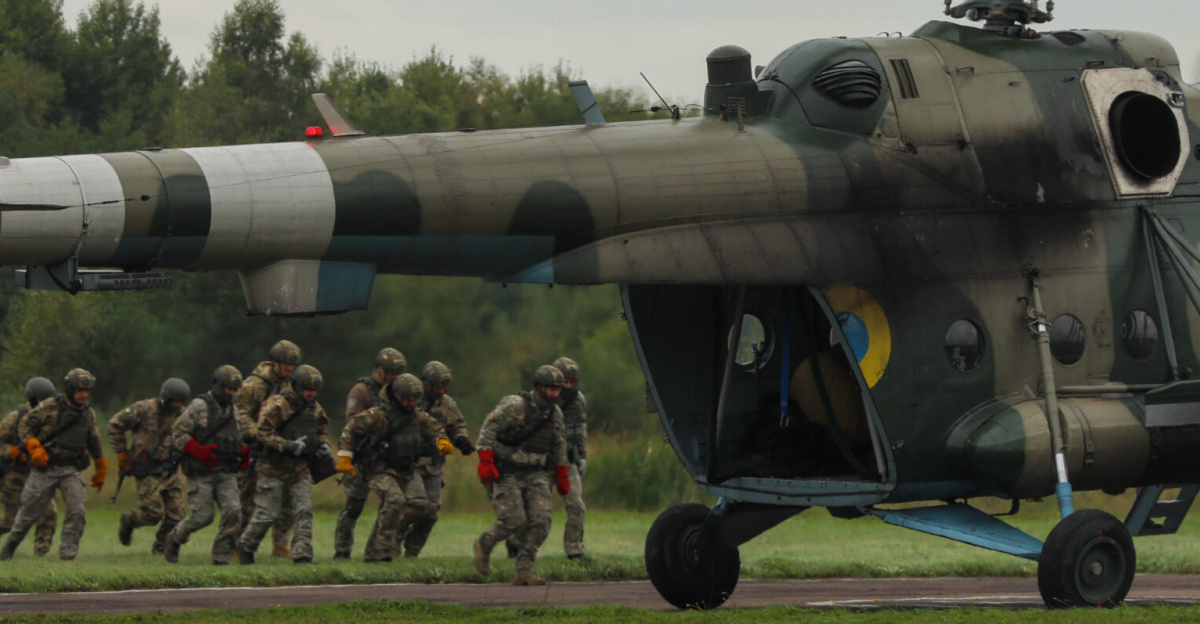
The intensity of fighting in Kupiansk and nearby sectors is relentless. On November 10, there were 170 combat engagements across the frontline; two days later, that number surged to 226, with dozens concentrated in the Pokrovsk sector. The pace leaves little respite for soldiers, who face near-continuous firefights as winter approaches—a season that will reshape tactics and logistics for both armies.
In Pokrovsk, Russian forces infiltrated the city using motorcycles and pickup trucks under cover of fog, attempting to stretch Ukrainian defenses. Ukrainian reports indicate significant Russian casualties, but the pattern is clear: small, mobile teams are deployed to exploit gaps and force Ukrainian troops to respond across a broad front. The struggle for Kupiansk and its surroundings is not just about territory—it is about exhausting the enemy and maintaining pressure.
Strategic Importance and Geographic Challenges
Kupiansk’s significance extends beyond its immediate battlefield. The city is a logistical hub, with five major railway lines converging there. Control of Kupiansk determines the efficiency of supply routes for both sides; losing it would force Ukrainian logistics to reroute over much longer distances, affecting everything from ammunition deliveries to medical evacuations. For Russia, capturing Kupiansk would open new opportunities for encirclement and provide a defensible buffer zone.
Geography further complicates the fight. Kupiansk’s proximity to the Russian border allows for precise aerial bombardment, with guided munitions striking from just kilometers away. Ukrainian troops must contend not only with ground assaults but also with the constant threat of cross-border attacks, making every advance precarious and every defensive position vulnerable.
Humanitarian Crisis and the Race Against Winter
Amid the destruction, approximately 600 civilians remain in Kupiansk, sheltering in basements and waiting for humanitarian corridors that may never safely open. Thousands have already fled, but those who remain face daily risks from shelling and the looming hardship of winter. For these residents, survival is a matter of endurance as much as luck.
Supplying troops and civilians has become a logistical nightmare. Traditional convoys are too risky; drones now deliver supplies, and soldiers carry heavy packs through terrain monitored by enemy drones. Medical evacuations are fraught with danger, and both sides struggle to sustain their forces in the face of constant attrition.
Looking Ahead: Uncertainty and Endurance

As winter approaches, both Ukrainian and Russian commanders race to consolidate positions before freezing temperatures and snow complicate operations. President Zelenskyy has ordered defensive lines to be strengthened, recognizing that winter will alter mobility, visibility, and the effectiveness of technology on the battlefield.
Kupiansk’s fate remains uncertain. Ukrainian forces have achieved a tactical breakthrough, but holding ground will depend on weather, supply lines, and the ability to withstand renewed Russian offensives. The city’s future will shape operations across the northern front, with implications for the broader conflict. For now, the battle continues—defined by innovation, resilience, and the enduring human cost of war.