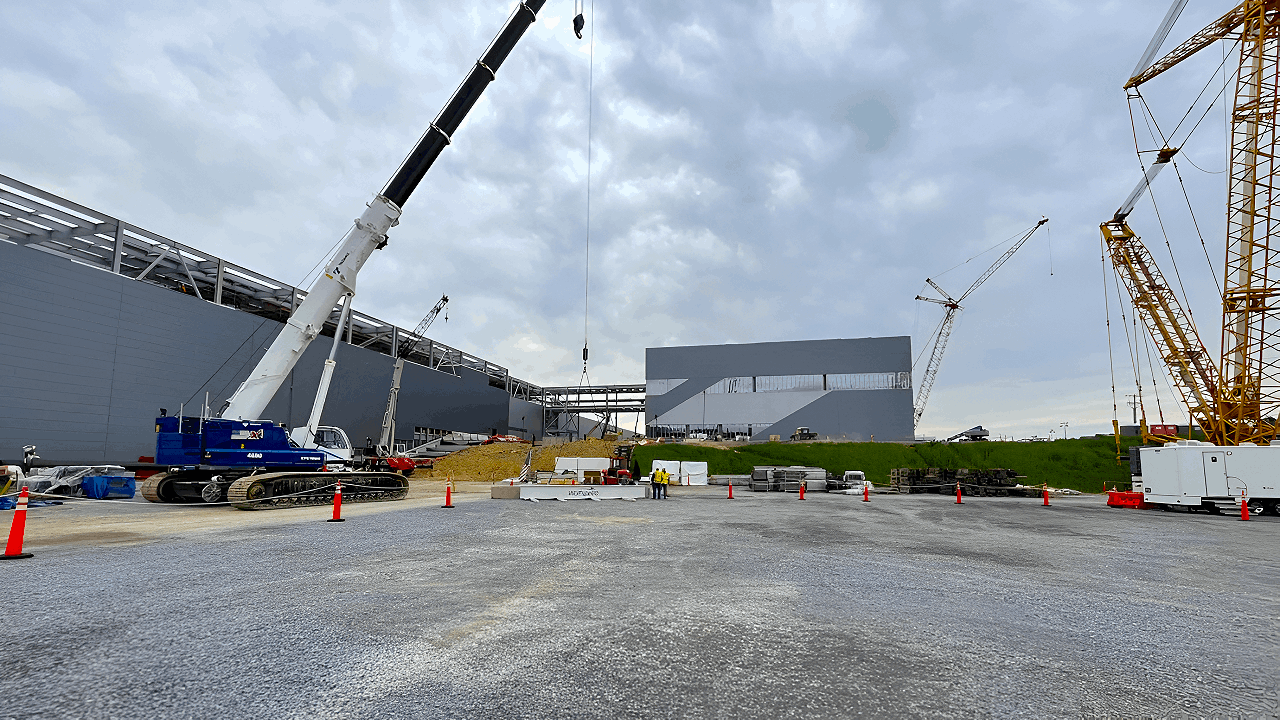
Wolfspeed, a major chip manufacturer, built a $5 billion facility known as the John Palmour Manufacturing Center in Siler City, North Carolina, with high hopes of transforming the region into a hub of advanced manufacturing.
Announced in 2022, the plant was intended to create 1,800 jobs in Chatham County and collaborate with a new VinFast auto factory to stimulate economic growth in rural North Carolina. Wolfspeed is a leading producer of silicon carbide chips, which are crucial for electric vehicles and renewable energy technologies. Its dominance in this field attracted big investors, including a $2 billion contract deposit from Japan’s Renesas in 2023.
With strong federal and private backing—including a preliminary agreement for up to $1.75 billion in CHIPS Act funding and $750 million from Apollo Global Management—Wolfspeed planned to help the U.S. regain its role as a leader in global semiconductor supply chains.
Bankruptcy and Workforce Cuts: Community Impact
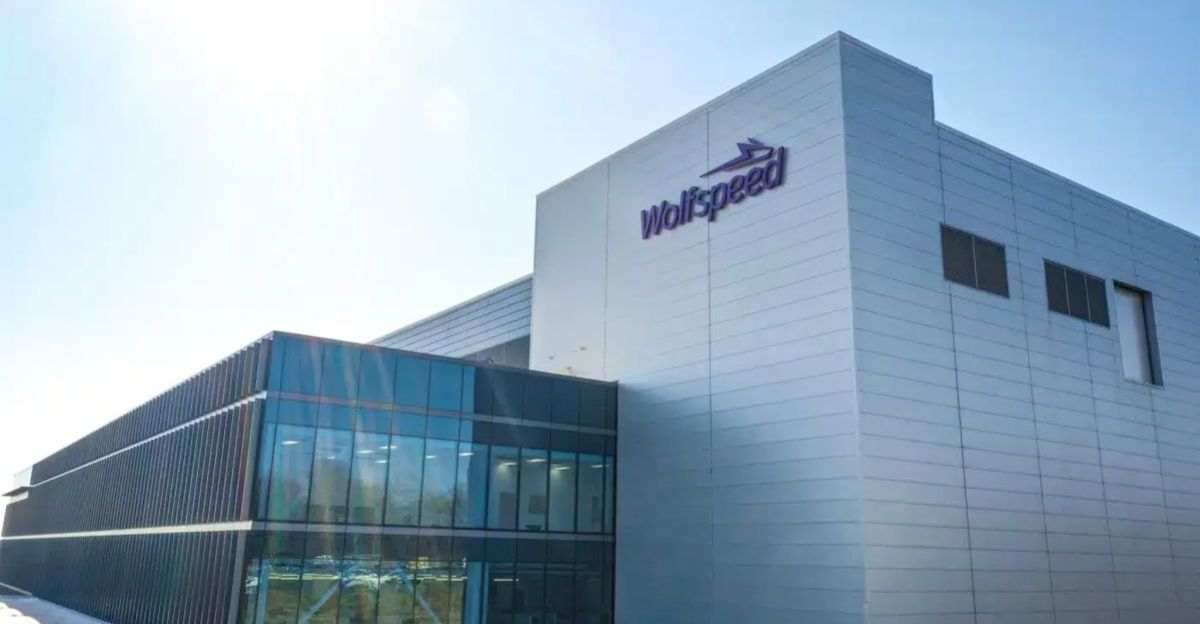
Despite early optimism, Wolfspeed faced a series of setbacks that led to its filing for Chapter 11 bankruptcy in June 2025, burdened by $6.5 billion in debt and missing anticipated federal funding before collapsing. Wolfspeed fell far short of its job promise, with peak employment reaching only 200 workers—just about 12% of the original target—before major layoffs hit the Siler City site.
Employees trained for specialized high-tech roles lost their jobs, and local officials who had invested in infrastructure expecting a manufacturing boom faced disappointment as the anticipated “halo effect” for new businesses did not happen.
Wolfspeed’s bankruptcy process cut the company’s total debt by about 70%, lowered its cash interest expenses by 60%, and extended debt maturities through 2030, which helped stabilize operations after the restructuring completed in September 2025. Despite these efforts, many people in the community were left with empty buildings and an uncertain future.
Market Turmoil and Uncertain Future

Wolfspeed’s troubles were intensified by global competition. China’s government-backed chipmakers lowered prices—sometimes below cost—which hurt Wolfspeed’s financial position and slowed the sales of electric vehicles.
The company was unable to refinance its debt in time to access U.S. CHIPS Act support, and its leadership underwent rapid changes, including the replacement of CEO Gregg Lowe with Executive Chairman Thomas Werner.
Apollo Global provided a $750 million loan, but ongoing challenges led to further layoffs and indefinite delays in planned expansions, including a $3 billion Germany plant. Political changes added more uncertainty, as the incoming Trump administration ordered a review of federal chip grants, potentially weakening future support for Wolfspeed.
The company’s bankruptcy and missed job targets affected dozens of suppliers and triggered criticism of government vetting, with some drawing comparisons to past failed projects, such as Solyndra. Wolfspeed’s factory now stands as a stark example of how difficult it is for the U.S. to compete in semiconductor manufacturing against aggressive international rivals and unpredictable market forces.