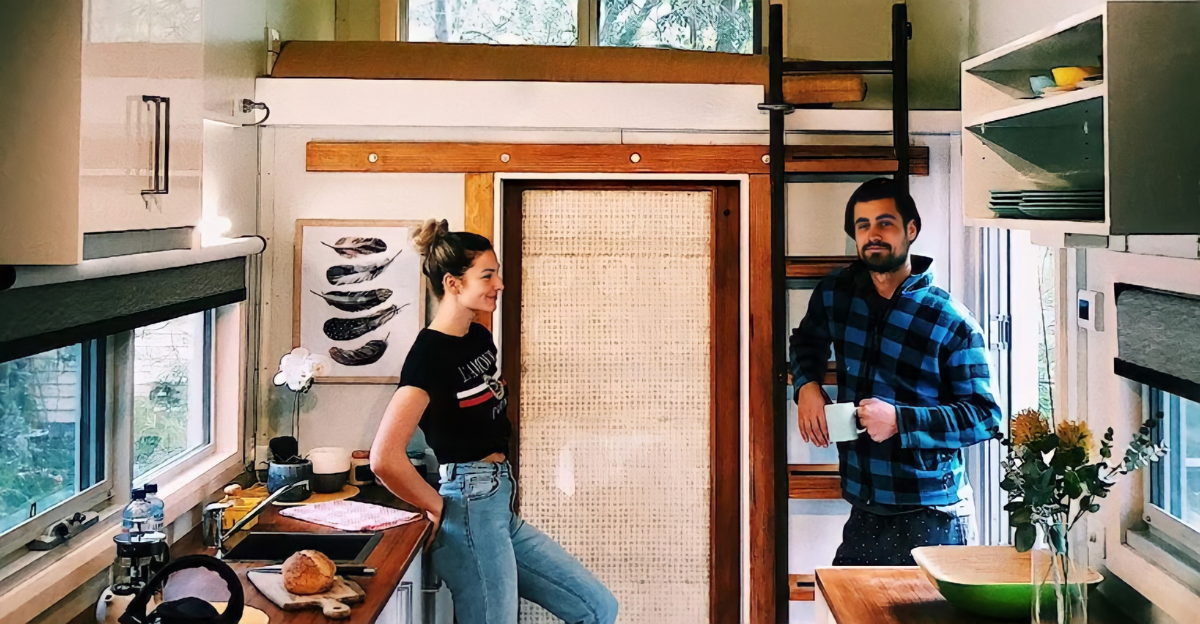
The tiny home movement is sweeping across the globe, capturing the imagination of those yearning for simplicity, sustainability, and Affordability. With increasing awareness of environmental issues and economic challenges, many are exploring compact living. According to Technavio, the global market for tiny homes is expected to soar, reaching $3.71 billion between 2025 and 2029.
The demand for eco-friendly features is a primary driver of this growth. Tim Nelson, a tiny home owner from Oregon, shares, “Living in my 250 square feet has taught me that less is truly more.”
A Surge in Interest
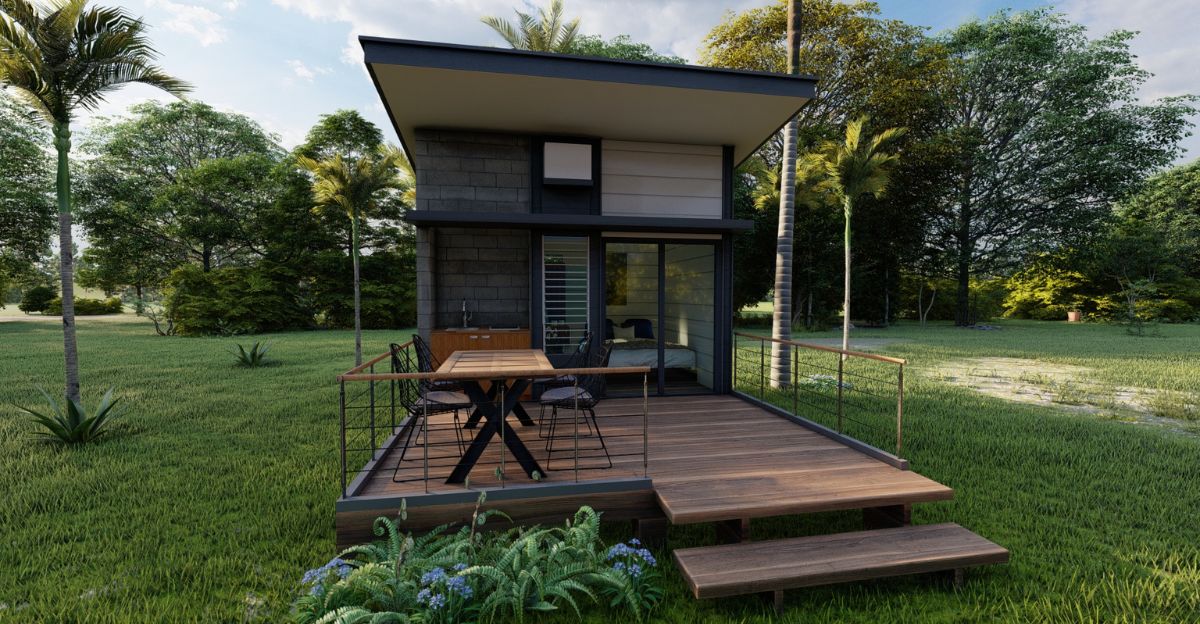
As we entered 2025, demand for tiny houses has intensified significantly. This rising interest stems chiefly from millennials, remote workers, and retirees who value affordable living without sacrificing quality. Remarkably, small homes can cost up to 87% less than traditional properties, making them a more accessible option for aspiring homeowners.
As June Parker, a recent tiny home buyer, says, “I never thought I could own a home, but moving into my tiny house made it possible without overwhelming debt.”
Back to the Roots
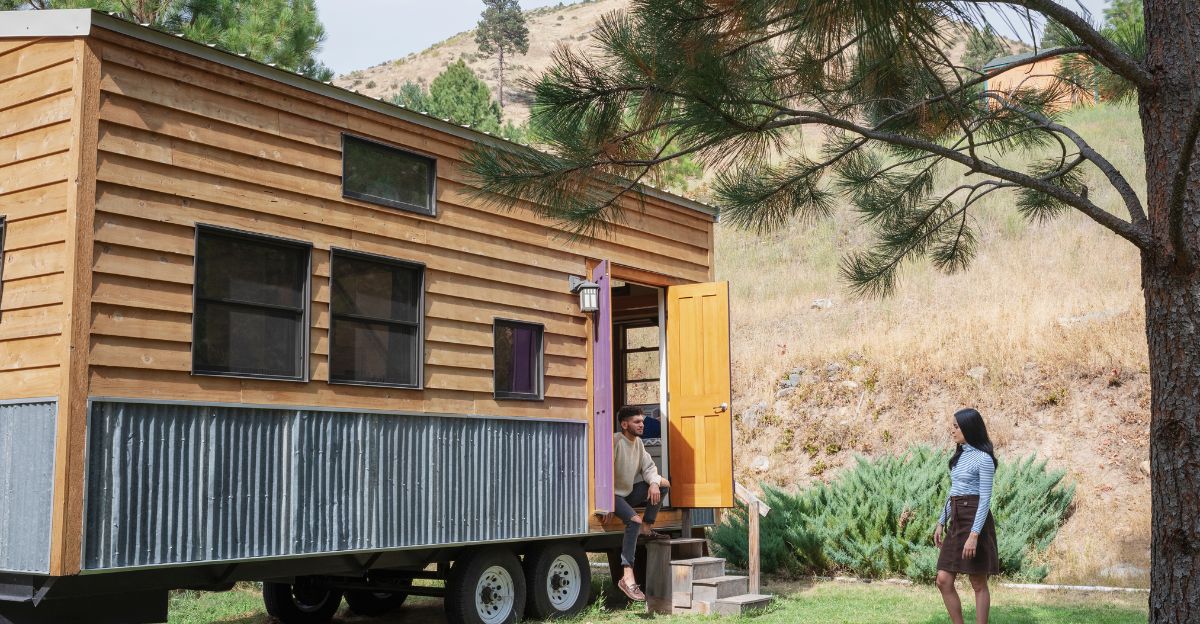
The tiny house movement’s roots trace back to the early 2000s, when more people began embracing the concept of downsizing and living with less. The initial wave attracted environmentally-conscious individuals striving to reduce their carbon footprints while seeking alternatives to hefty mortgages and resource-heavy homes.
According to Wikipedia, “The movement’s popularity grew as consumers became disenchanted with the housing market’s rising costs and environmental impact.” This trend encouraged innovative housing solutions that prioritize Affordability and ecological sustainability.
Environmental Urgency
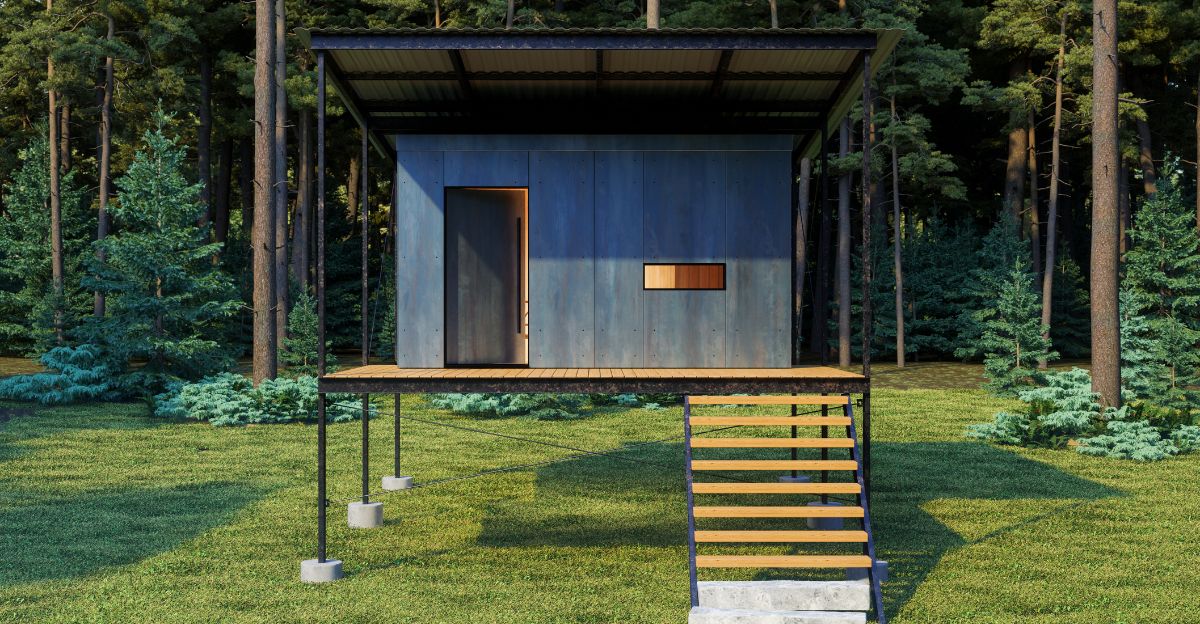
Growing environmental concerns are driving a decisive shift toward sustainable building practices. Today’s tiny homes, typically measuring under 400 square feet, are engineered to consume less energy and utilize fewer materials than traditional homes.
A report by Westcoast Homes underscores that these designs produce minimal waste while significantly curbing carbon emissions. “I can still live comfortably and do my part for the planet,” notes Maria, a tiny homeowner dedicated to minimizing her ecological impact. The little home trend is thus not just about size but also about fostering sustainable lifestyles.
Comfort Meets Sustainability
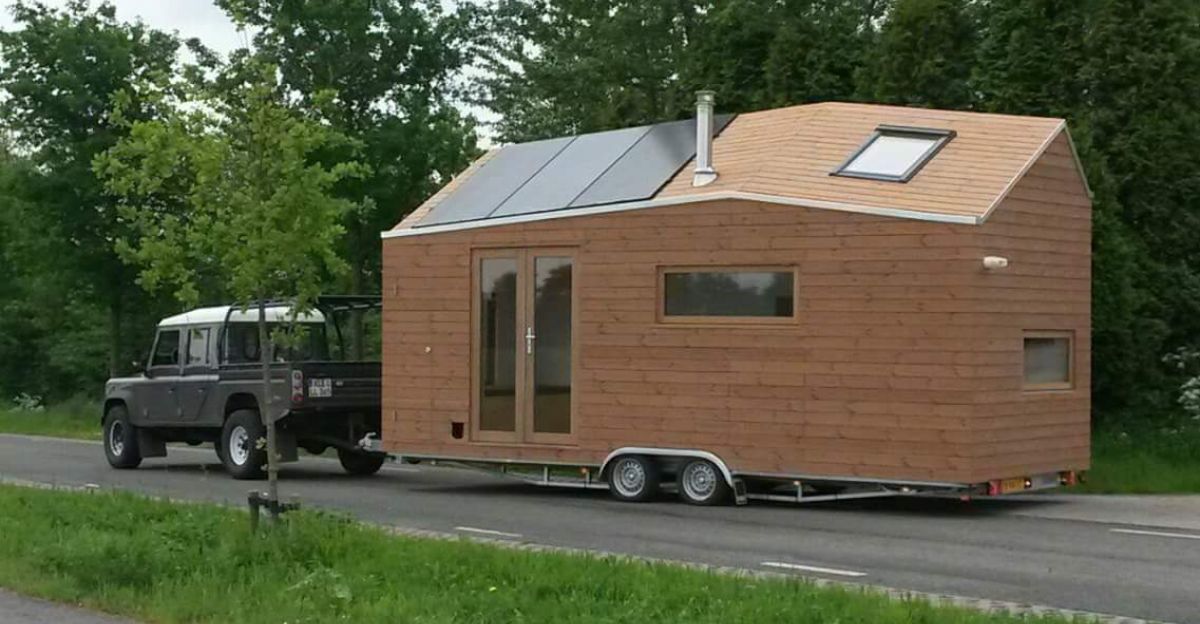
The contemporary tiny home is a comfort model without the hefty footprint. Designer Marjolein Jonker’s luxury tiny house, introduced in South Africa in 2024, exemplifies this trend by blending eco-friendly features with modern amenities that enhance daily living.
“Living in my tiny house has been a life-changing experience,” states homeowner Marco, who relishes the sustainable lifestyle. The design integrates renewable energy sources and multifunctional spaces, proving that quality and comfort are achievable in compact living quarters.
Local Initiatives
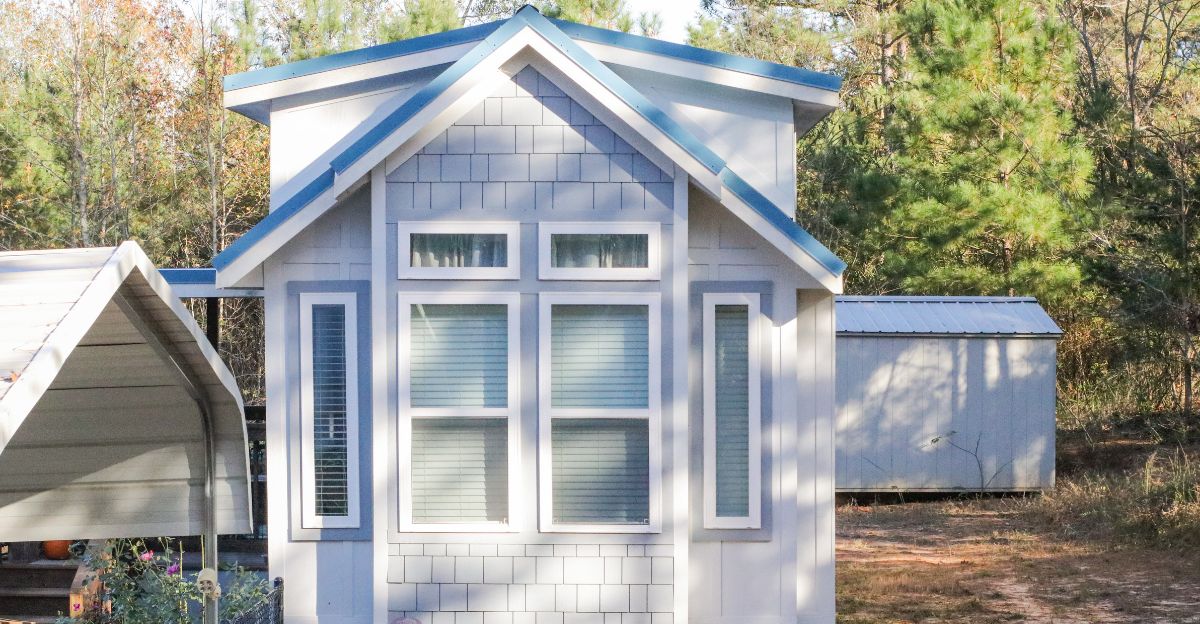
New policies offer a supportive framework for tiny homes under 27 square meters in places like Overstrand Municipality, South Africa. These initiatives emphasize comfort and sustainability, contributing to residents’ well-being while reducing living costs.
“The shift to tiny homes has been a blessing,” shares resident Jane, grateful for the lower expenses and sense of community. Local governments aim to mitigate urban sprawl and create a more sustainable living environment by advocating for compact homes.
Life Inside a Tiny Home
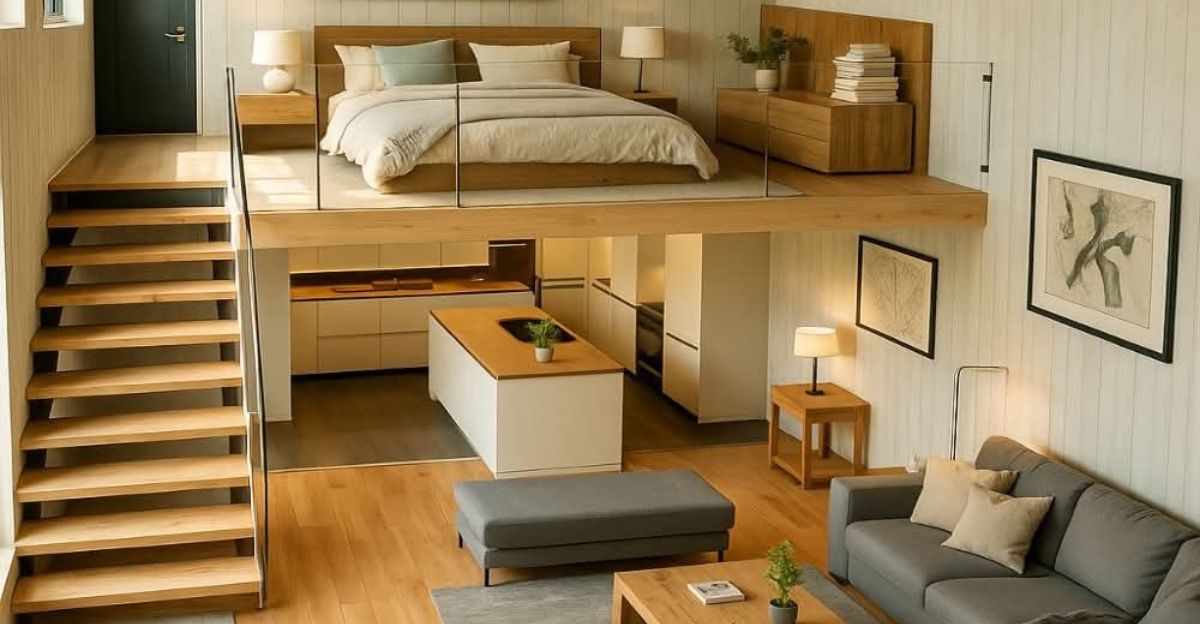
Many tiny house owners, like Newt Hau, emphasize that comfort is not sacrificed when transitioning to smaller living spaces. “My 374 square foot home feels more spacious than I ever imagined,” he claims, showcasing the positive experiences of many tiny homeowners.
The space is artfully designed, promoting a convenient lifestyle where everything is within reach. As these homeowners express, living in a small space has enhanced their quality of life, offering opportunities for minimalism and mindfulness.
The Market Responds
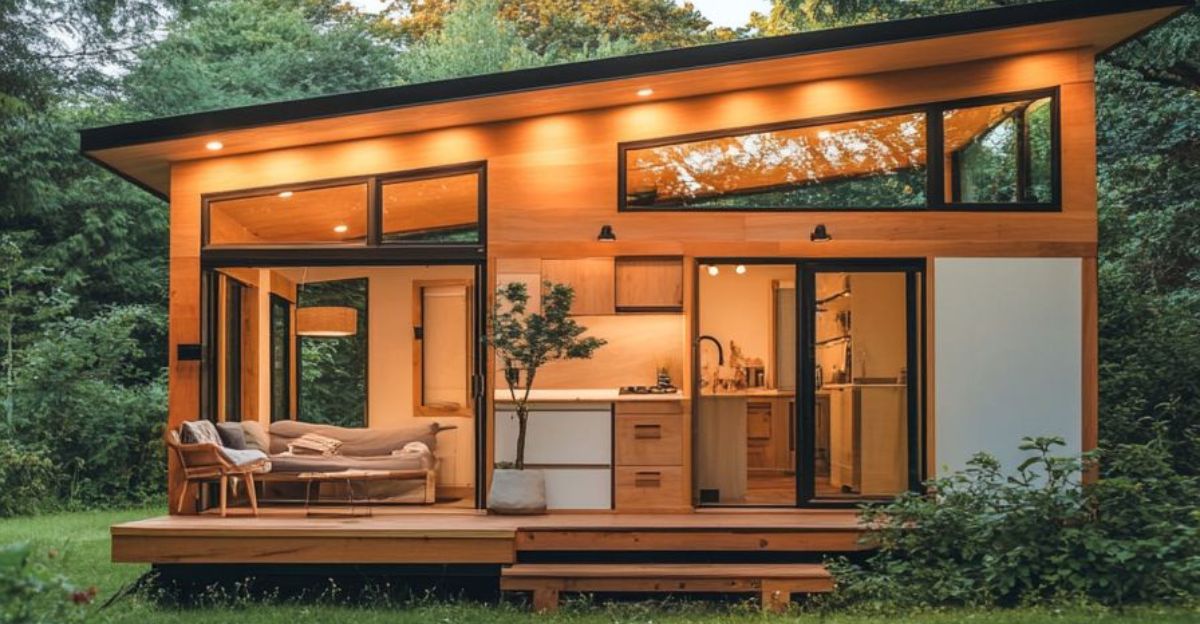
Major housing companies such as Mini Mansions, Tiny Homes, and ICON Technology are investing in the sector in response to the burgeoning interest in tiny homes. These firms are creating innovative modular and energy-efficient designs that appeal to consumers seeking sustainable, comfortable living.
“We’re witnessing a change in consumer preferences, and our goal is to meet that demand,” declares an executive at ICON Technology. Offering eco-friendly options reflects the market’s evolving values while helping to fulfill the appetite for compact housing solutions.
A New Lifestyle
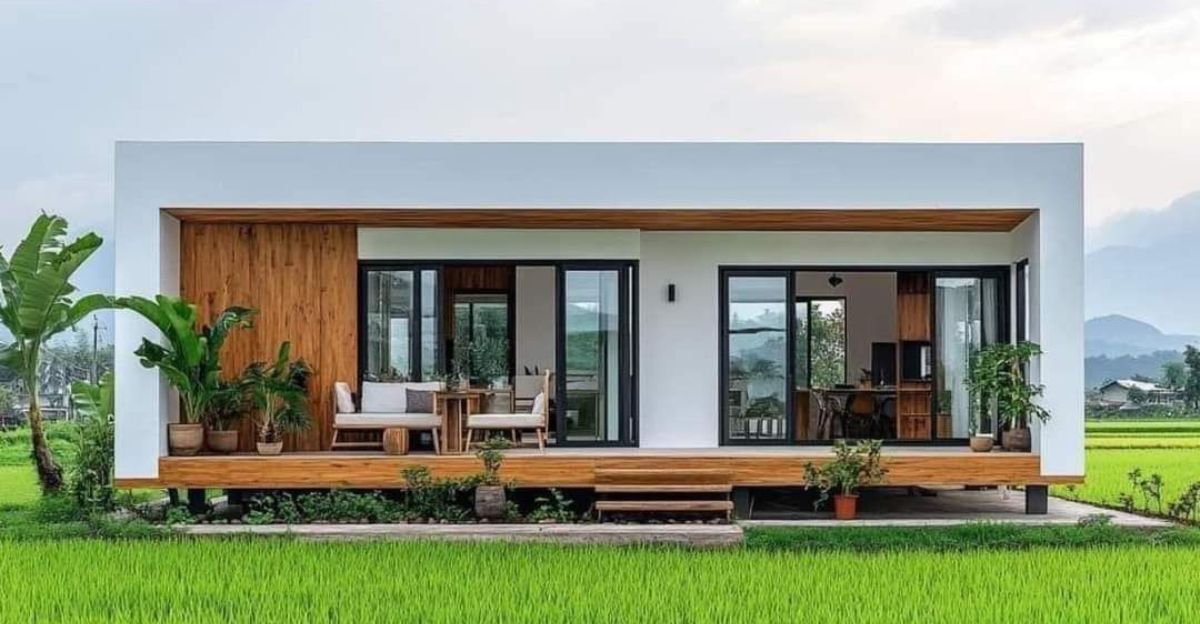
As global trends reveal an increasing preference for minimalism and eco-conscious living, tiny homes emerge as practical solutions. These efficient dwellings utilize just 7% of the energy consumed by conventional houses, significantly reducing both financial and environmental burdens.
“I never knew how liberating living simply could be until I made the switch,” shares Rowan, a tiny home advocate. This shift in consumer mindset influences future housing markets, prompting a rethink of how we perceive homeownership and sustainability.
The Mini-Nugget
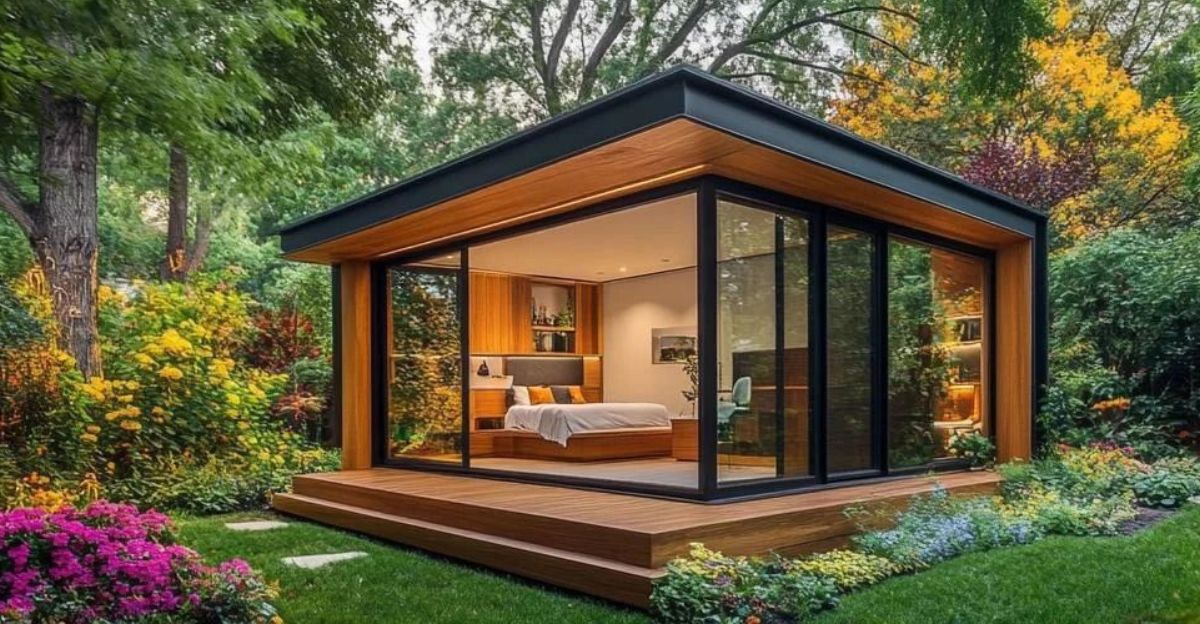
Research highlights that moving to a tiny home can reduce a person’s overall ecological footprint by as much as 45%. Residents report lower energy usage, decreased consumption of goods, and a lifestyle with less waste.
“We’ve organized our lives around sustainability, and it feels liberating,” claims eco-conscious homeowner Kim. This paradigm shift concerns physical space and a broader lifestyle choice that embraces mindful consumption and ecological responsibility.
Overcoming Challenges
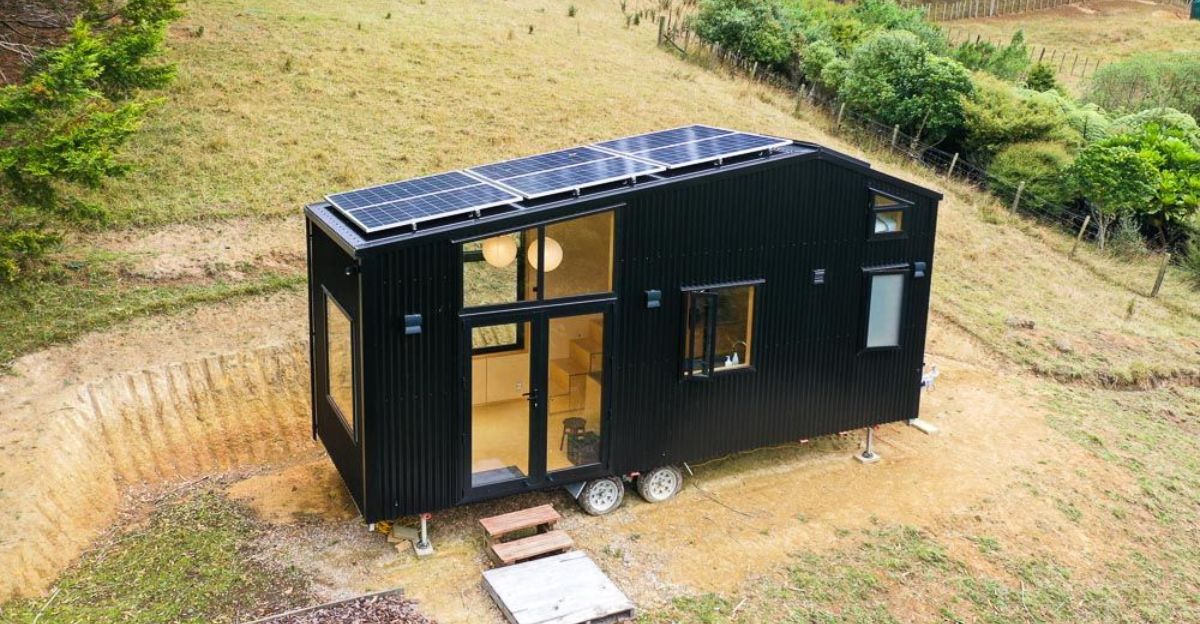
However, the transition to tiny home living is not without its hurdles. Many owners encounter zoning challenges and restrictive policies, with local governments often slow to adapt regulations that support compact housing.
“It’s frustrating to navigate these bureaucratic obstacles,” shares Tara, a tiny homeowner dealing with local zoning restrictions. This disconnect highlights the need for legislative reforms to ensure that small homes can thrive as viable living options, enhancing sustainable urban development.
Advocating for Change
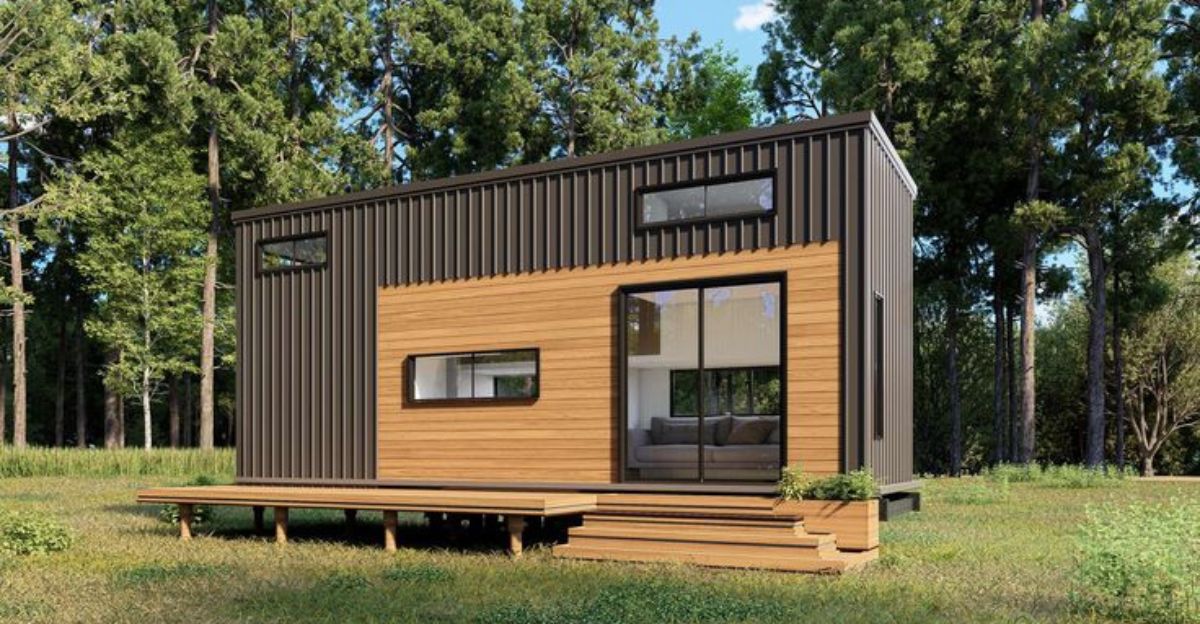
Industry leaders are now vocal in pushing for legislative reforms to recognize tiny homes officially. The 2018 update of the International Residential Code marked a significant milestone in this advocacy.
According to the Sustainable City Code, “By revising building regulations, we can encourage various affordable housing solutions.” With these changes, tiny homes could gain more acceptance, paving the way for sustainable urban living and improved policies.
Innovation on the Horizon
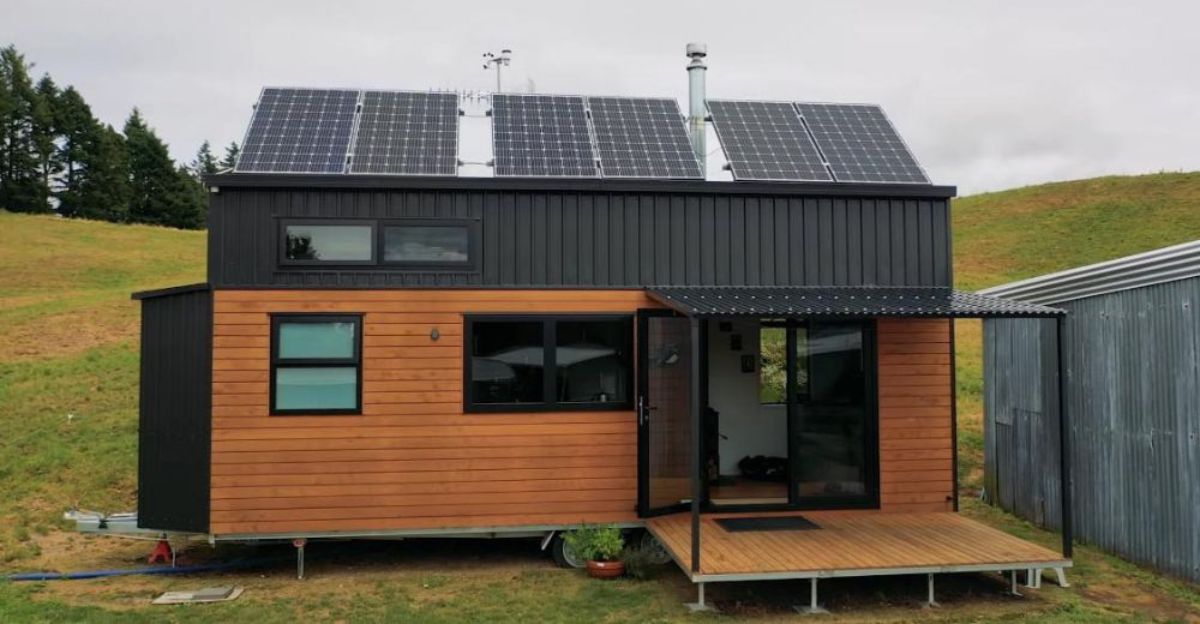
Manufacturers are meeting the growing demand for tiny homes with advanced design solutions. Innovations such as solar panels and composting toilets enhance comfort and autonomy, which are crucial for residents in off-grid or remote areas.
“These modern features allow us to live sustainably without sacrificing convenience,” remarks Jared, a tiny home enthusiast. Such advancements make tiny living feasible and enjoyable, attracting diverse demographics interested in eco-friendly housing alternatives.
Expert Insights
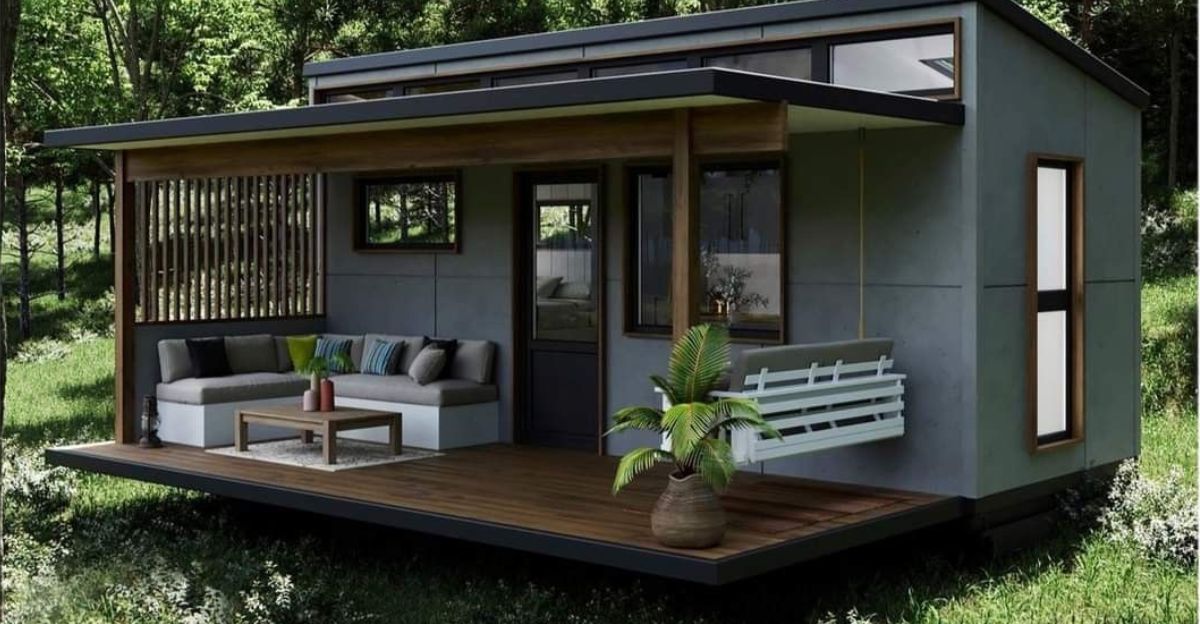
Ryan Grey Smith, founder of Modern-Shed, insightfully notes, “Sustainable building doesn’t mean sacrificing modern comforts.” He emphasizes that high-quality design allows homeowners to enjoy all the conveniences they value, regardless of their living space size.
This principle plays an essential role as the tiny home movement continues to inspire innovative designs and practices that encourage eco-friendly living while providing comfort.
Looking Toward the Future
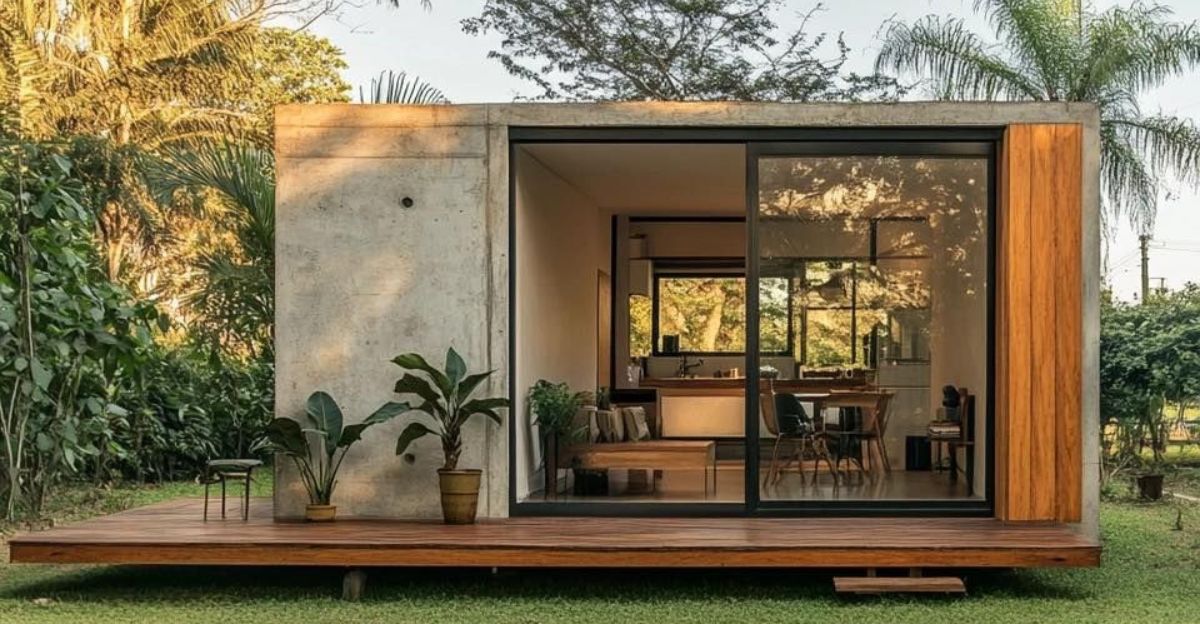
With the Future Homes Standard set for implementation in 2025, all new homes must be zero-carbon ready. This regulation will catalyze innovation in green tiny homes, ultimately shaping global housing trends.
“This is an exciting time for sustainable housing,” environmental analyst Claire Thompson emphasizes. The push for eco-friendly building practices in tiny homes aligns with broader strategies for reducing carbon emissions and encouraging environmentally responsible living.
Addressing Affordability
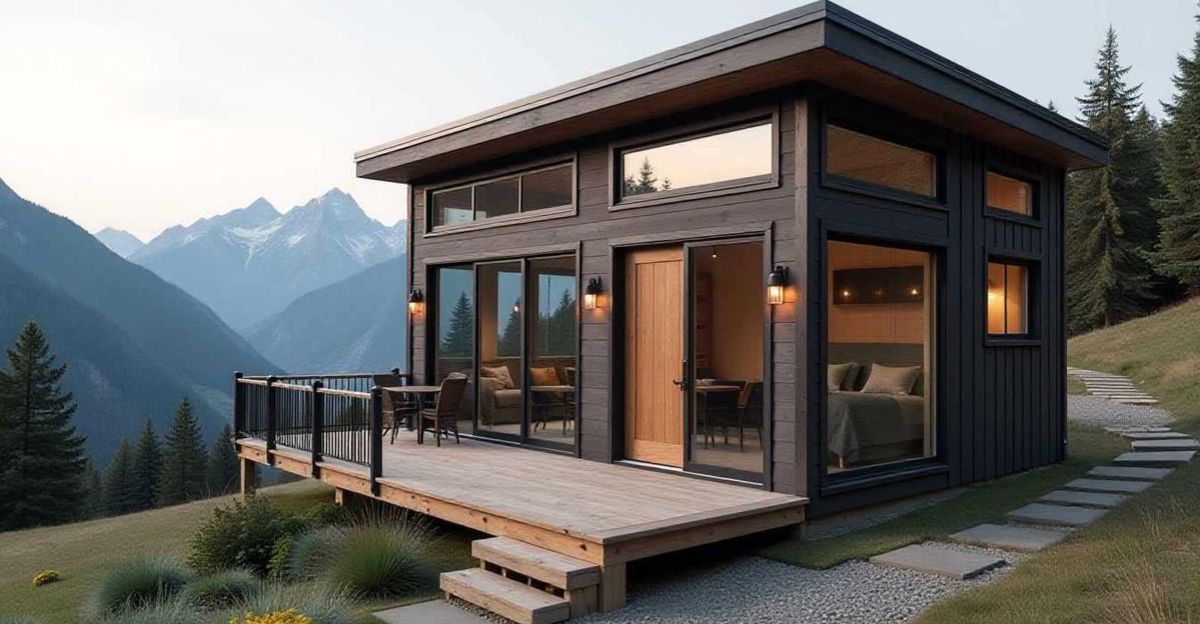
Governments are increasingly leveraging tiny home policies to tackle housing affordability crises. By enhancing subsidies and promoting lower land usage, they stimulate the growth of sustainable urban developments that cater to diverse populations.
Mayor James Wilson noted that local leaders are excited: “Tiny homes represent a practical solution to our housing issues, providing affordable options that benefit our community.” This proactive approach holds the potential to reshape urban living dynamics.
A Global Perspective
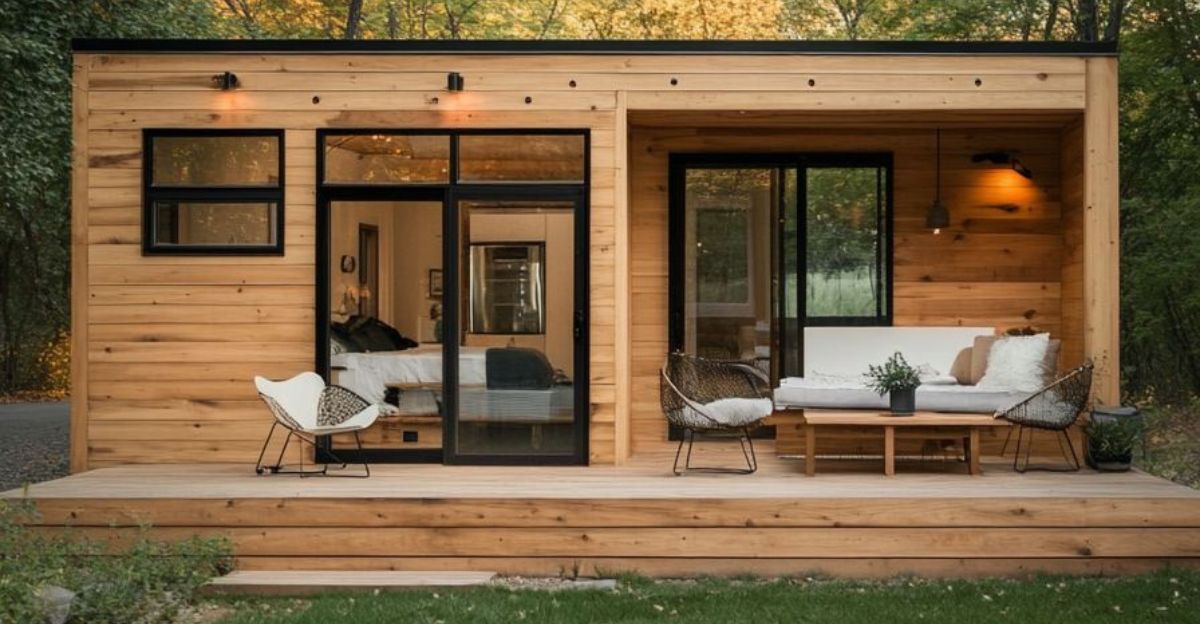
Countries like the UK and Australia also align their housing policies with sustainability goals. Stricter “green home” standards aim for a reduction of 75-80% in carbon emissions by 2025 and beyond.
“We have a collective responsibility to encourage sustainable practices in building,” says local councilman David Chen. This international ripple effect is inspiring jurisdictions worldwide to rethink how they approach building codes and encourage eco-friendly construction.
Legal Mandates
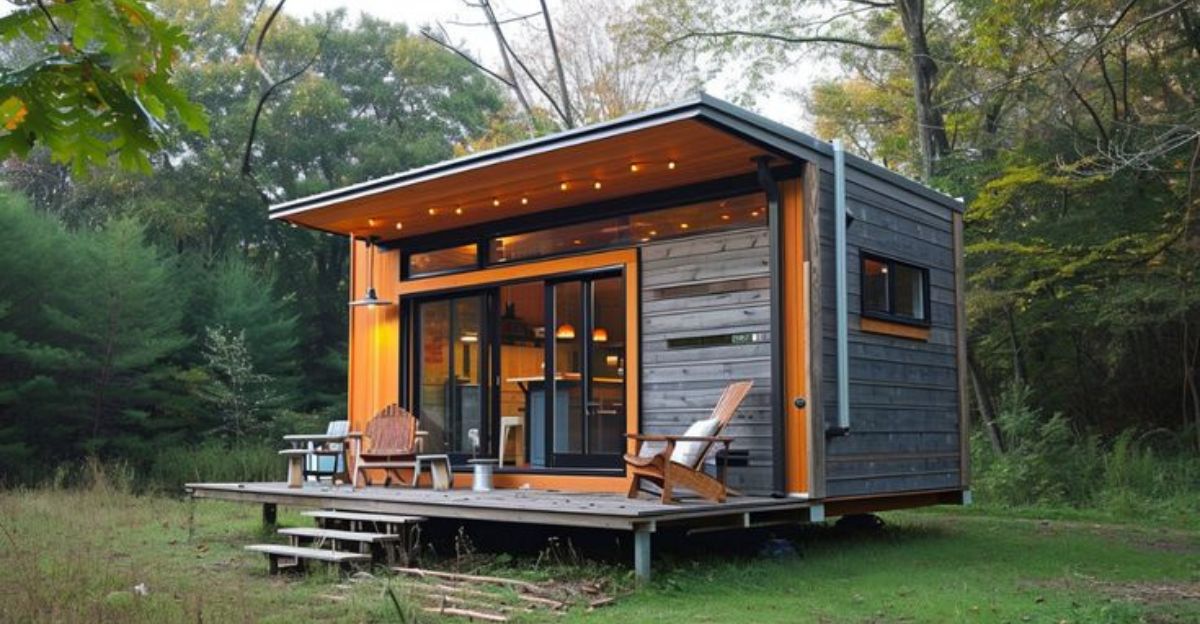
New regulations mandate that all new tiny homes cut their energy consumption by up to 80%. These sweeping legal changes aim to protect the climate and position sustainable housing as a standard rather than an exception.
“We’re moving towards a future where eco-friendly homes are the norm rather than the niche,” asserts Erin, an environmental policy advocate. This evolution promotes the viability and desirability of tiny homes as eco-conscious living options.
A Cultural Shift
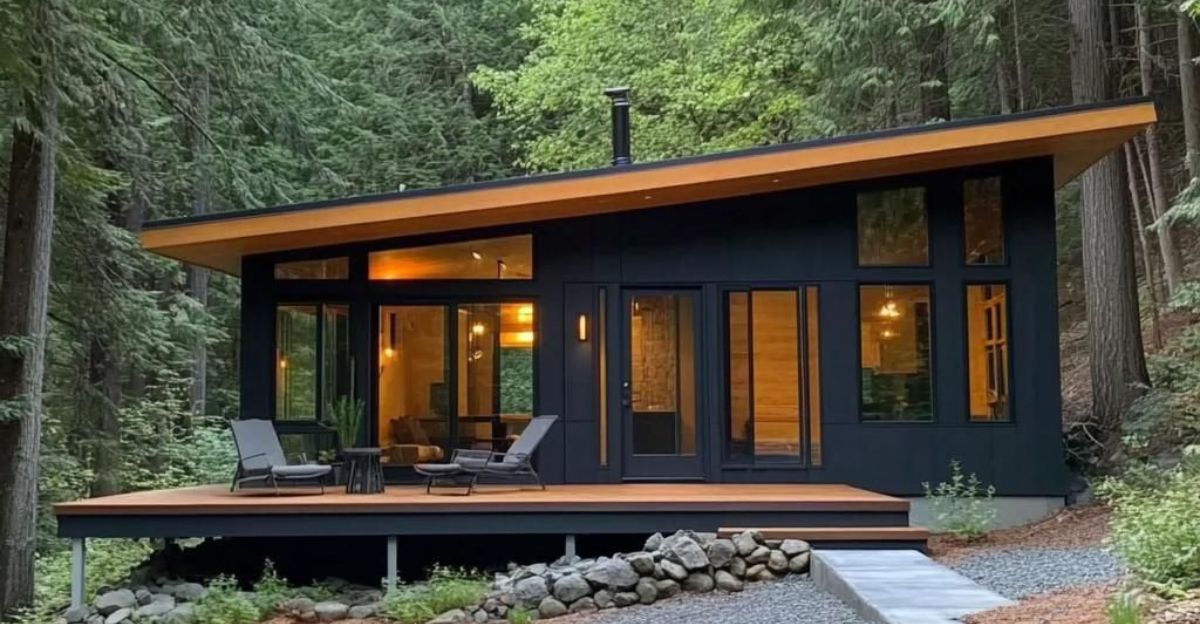
The rise of compact and sustainable living is reshaping generational values, particularly among millennials and Gen Z. These younger cohorts increasingly prioritize experience over material possessions, valuing quality of life rather than quantity.
“Tiny living allows me to save for travel and enjoy life more,” notes 25-year-old Leo, reflecting the perspective of many young individuals. This cultural shift paves the way for a future that embraces minimalism, sustainability, and conscious consumerism.
A Vision for Tomorrow
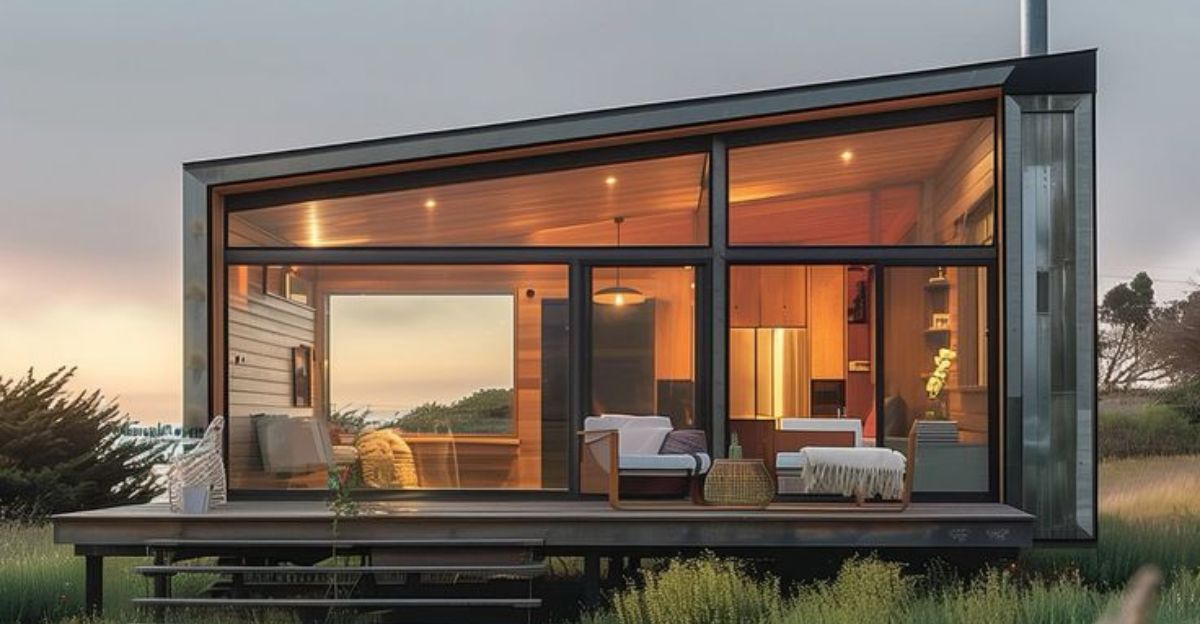
As we forge ahead, the tiny home movement offers opportunities and challenges. Advocates stress the importance of collaborative efforts among policymakers, builders, and communities to create enabling environments for small homes.
“Together, we can reimagine what home looks like in a sustainable future,” concludes Dr. Susan Greene, a housing expert. With innovation at the forefront and a collective drive towards sustainable living, the future of tiny homes is undoubtedly bright.