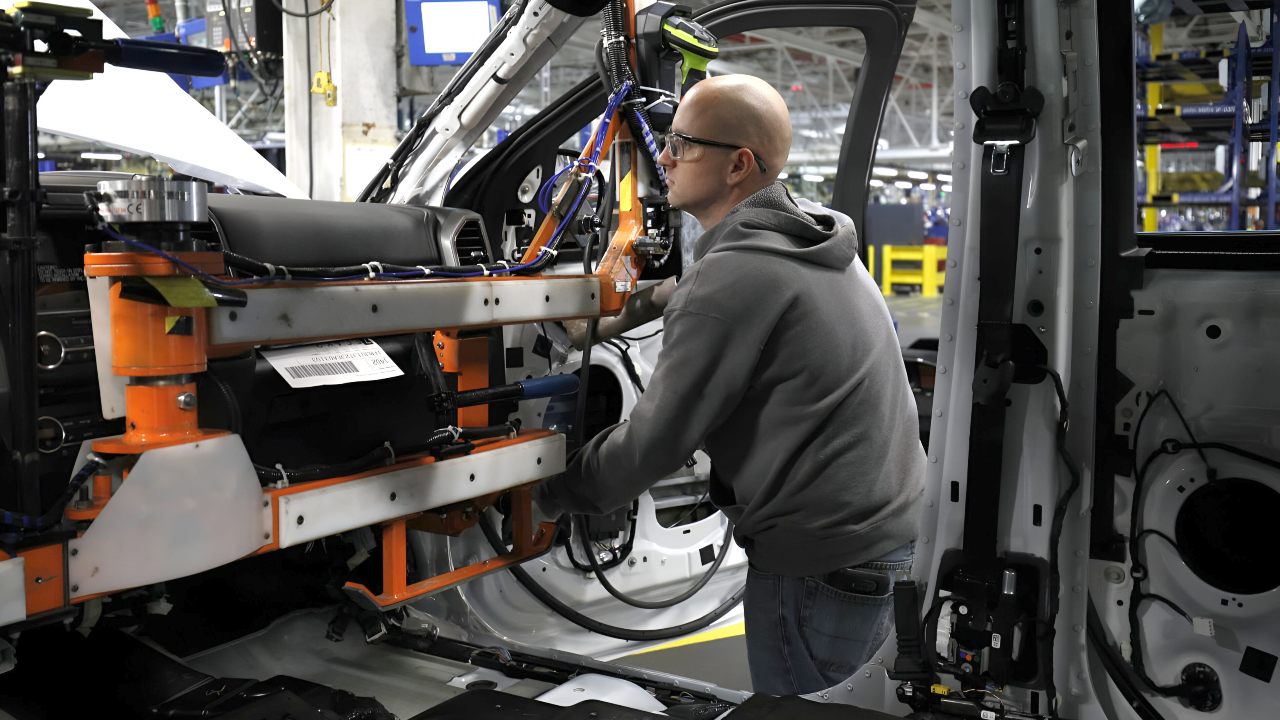
A Michigan factory that opened with celebration just three years ago is now going quiet.
On October 8, 2025, Dana Thermal Products filed a notice announcing the permanent closure of its Auburn Hills plant, where roughly 200 employees built aluminum cooling plates used in electric vehicle batteries. This marks the second Michigan plant that Dana has closed since 2023.
What makes the timing more startling is that the announcement came just one week after federal EV tax incentives expired, shaking the U.S. electric vehicle industry.
Contradictory Signals

The shutdown puzzled many because it came right after record-breaking electric vehicle sales.
According to Cox Automotive, U.S. EV sales hit 438,487 units in the third quarter of 2025, a 30% jump from the same time last year. September alone set an all-time monthly record with 147,716 sales, giving EVs 11.7% market share.
Yet Dana’s statement described an “unexpected and immediate reduction in customer orders,” showing that consumer demand spikes didn’t trickle down evenly through the supply chain.
Three-Year Investment
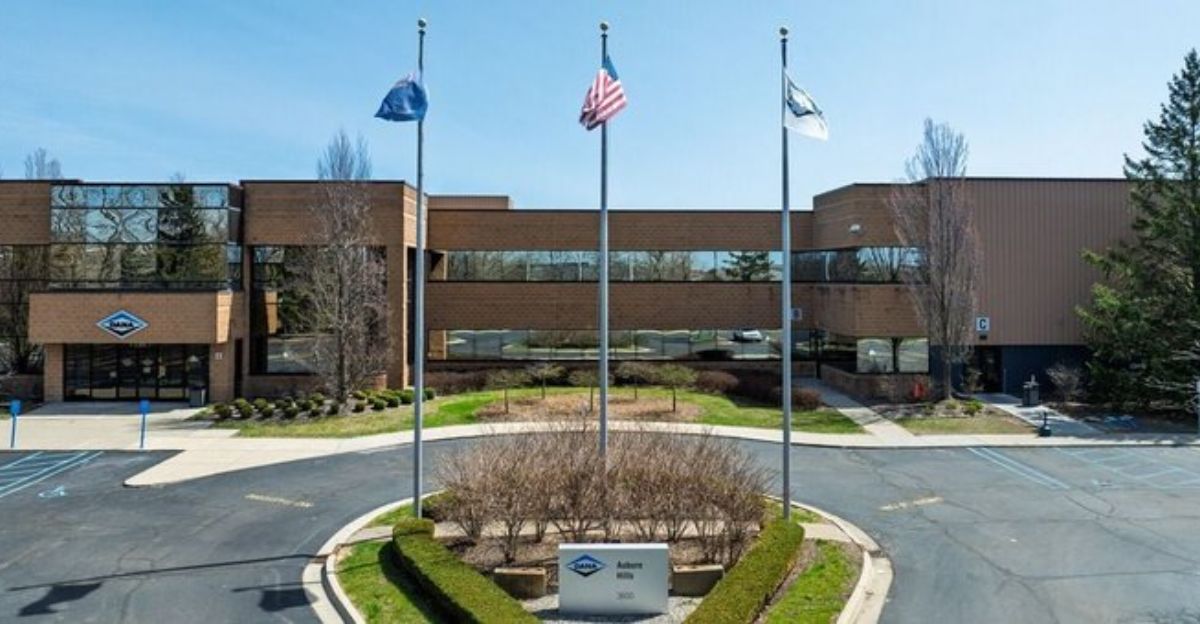
The Auburn Hills plant’s opening in 2022 symbolized Michigan’s ambitions to lead the electric future.
Dana invested $44 million to lease a 350,000-square-foot factory that would produce advanced cooling plates essential for extending battery life and enabling fast charging.
Governor Gretchen Whitmer and other state officials described it as a key step toward rebuilding Michigan’s reputation as a global center of automotive manufacturing.
The Michigan Strategic Fund even approved a $2.5 million performance-based grant to support the facility. The company launched production in early 2023 and projected the operation would supply major automakers for years.
Subsidy Cliff
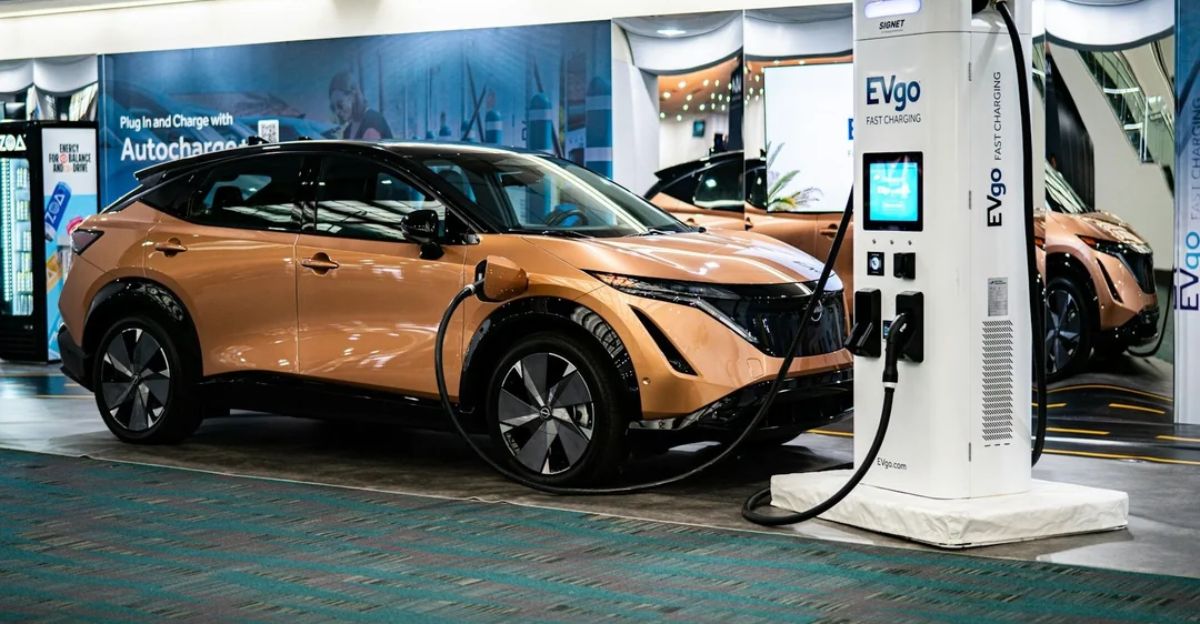
Federal policy changes struck at the heart of electric vehicle demand. The EV tax credit program, which had offered buyers up to $7,500 for new EVs and $4,000 for used ones, expired on September 30, 2025.
The phase-out came under President Trump’s One Big Beautiful Bill Act, passed earlier that summer. Industry insiders warned it could lead to an immediate sales collapse.
Ford CEO Jim Farley said he “would not be surprised if EV sales dropped to 5% of total vehicles sold” once the incentive vanished.
Analysts now forecast that, without government subsidies, U.S. EV registrations could decline by approximately 27% in 2026.
Sudden Shock

Plant Manager Chris Dodge signed Dana’s October 8 WARN notice confirming the elimination of all 198 positions at the Auburn Hills site.
Layoffs blindsided workers, who were informed of the changes the very next day. According to Fox 2 Detroit, some employees learned on Wednesday, October 16, that their final shift would be on Friday.
One single mother of four, Kassandra Pojok, told reporters, “It’s hard. I’m a single mom. We’re wondering, ‘What are we going to do? How do we pay rent?”
The factory’s purpose—crafting battery cooling plates for EVs—put it squarely in the path of the electric vehicle slowdown.
Regional Ripples
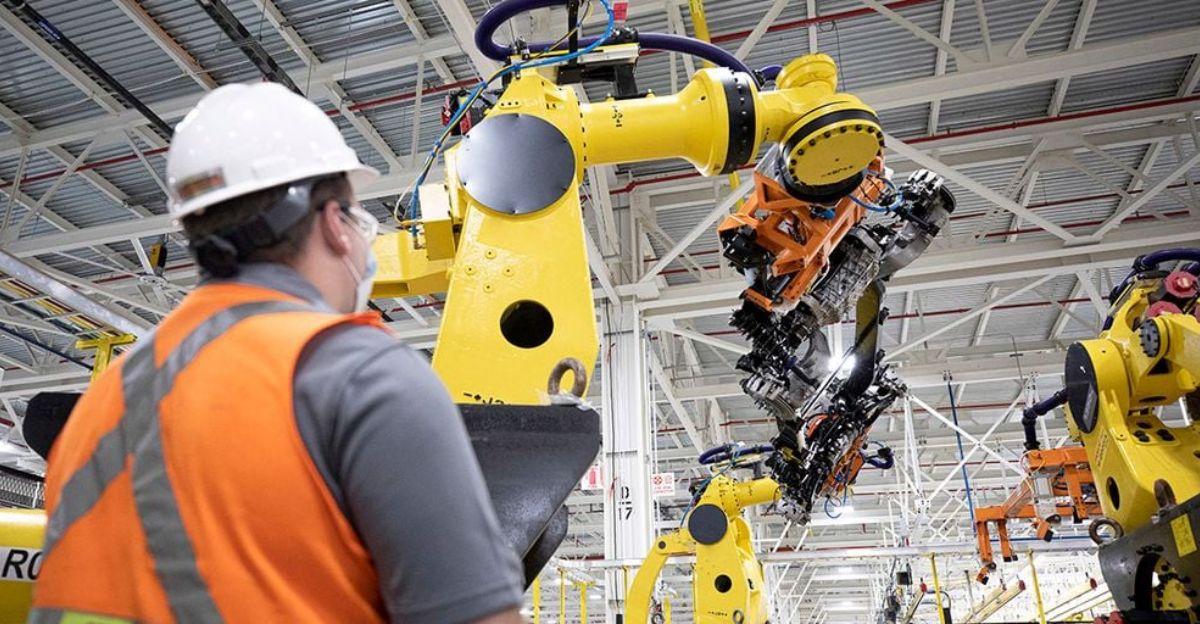
Dana’s closure didn’t happen in isolation. Two more auto supplier plants—run by International Automotive Components (IAC) Group—shut down in Michigan around the same time, resulting in the loss of another 250 jobs between Mendon and Alma.
Combined, the three closures erased nearly 450 manufacturing positions across Oakland, Gratiot, and St. Joseph counties in October alone.
Glenn Stevens, who leads MichAuto, told the Detroit Free Press that multiple forces are colliding: market volatility, uncertainty over EV adoption, tariffs, and supply chain shortages.
For Auburn Hills—a city of just 25,000 residents—the loss represents nearly one percent of its workforce.
Sudden Hardship

Behind every closure statistic are families facing sudden financial chaos. At an average Michigan manufacturing wage of roughly $55,000 a year, the Auburn Hills layoffs represent $10–12 million in lost regional income annually.
Many employees reported being given far less notice than expected, despite federal rules requiring 60 days’ notice for significant layoffs. Some had just finished paying off cars or signed housing leases.
As one worker told Fox 2 Detroit, “We didn’t even get to work our last day—they just told us to go home.” The timing, just before the holiday season, makes the blow even harsher.
Market Mirage
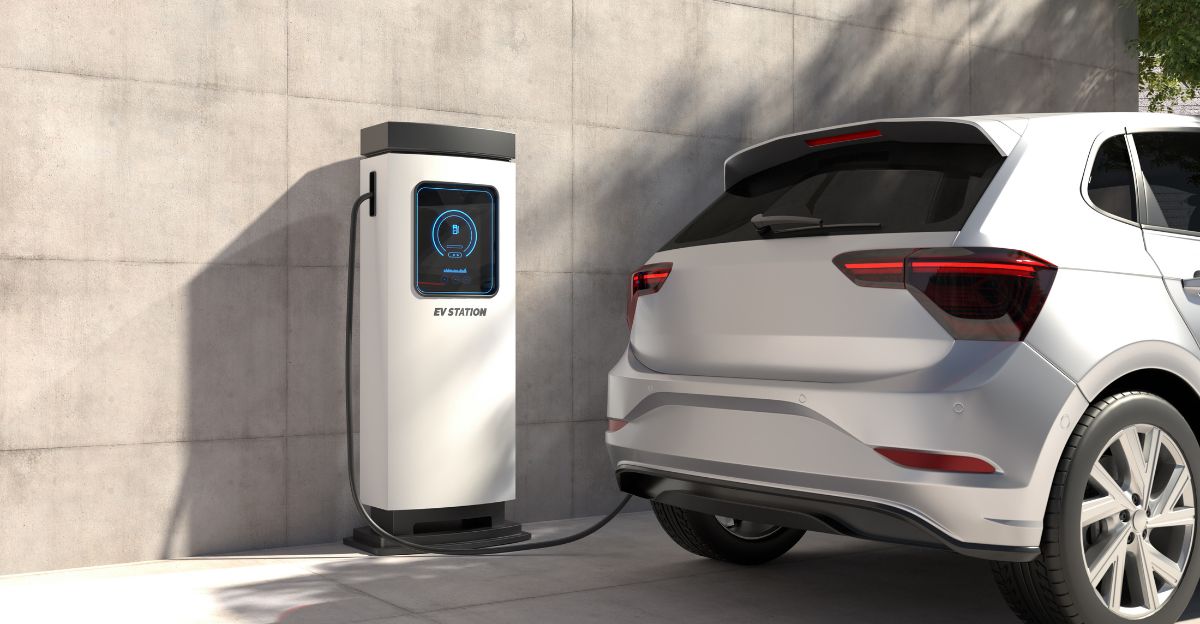
At first glance, it appeared that the EV industry was booming, but experts now say those record sales were inflated by consumers rushing to buy before tax credits expired.
Analysts refer to this phenomenon as “front-loading”—a temporary surge in demand followed by a sharp decline in demand. Stephanie Valdez, Streaty of Cox Automotive, said, “Everyone rushed to lock in credits; now the real market demand will show.”
By early October, sales data already showed declines, with The Shop Magazine confirming a notable drop “driven almost entirely by electric vehicles.” ING’s economists predict EV market share could fall from 10% in 2025 to 8.5% in 2026, with stagnation lasting “several years.”
Automaker Retreat
The ripple effect reached big automakers. General Motors took a $1.6 billion write-down to scale back EV production capacity, while pausing output at its Tennessee plant that builds the Cadillac Lyriq.
Ford’s electric lineup is also struggling—sales of the F-150 Lightning dropped by 26%, and E-Transit vans fell nearly 90%.
Even fast-rising Rivian laid off 600 employees in October, warning of a demand “pullback.” As Reuters put it, “Automakers are trimming EV build rates just as suppliers finished building out their factories.”
Pattern Emerges
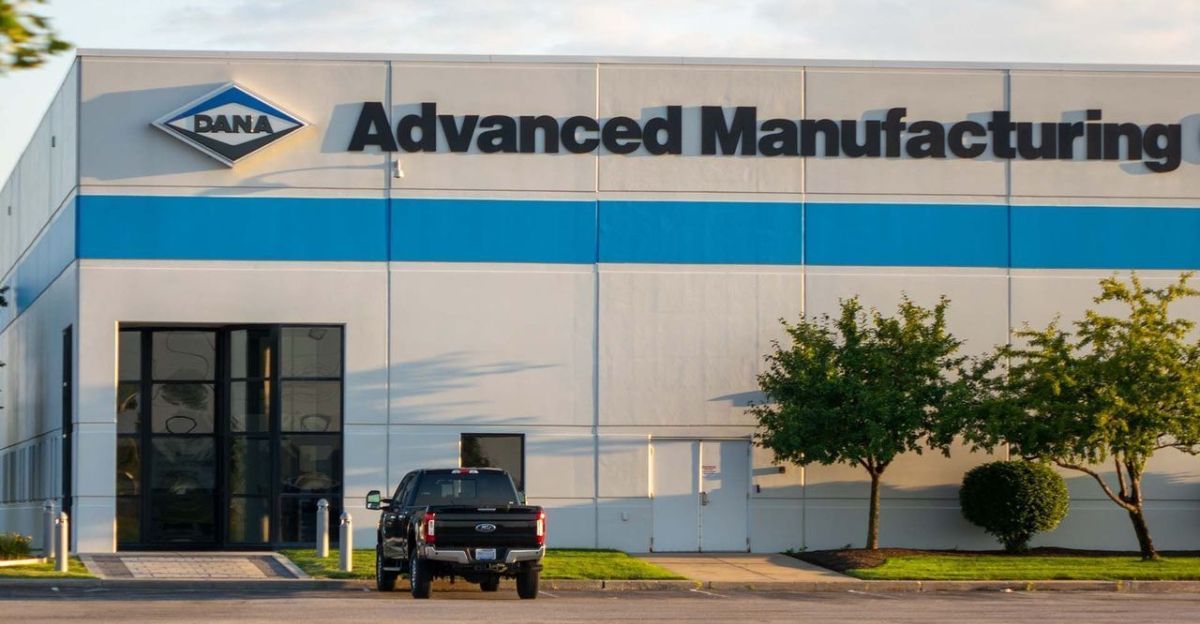
Dana’s Michigan retreat is now part of a larger pattern. Just two years ago, in 2023, the company closed its St. Clair plant, resulting in the loss of another 200 jobs.
Both facilities specialized in EV-related components—and both are now gone. The dual closures show how Dana’s aggressive push into electric vehicle manufacturing quickly turned into overexpansion.
American Machinist noted the “100% failure rate for Dana’s post-2020 Michigan EV projects.”
Parent Company Pressure
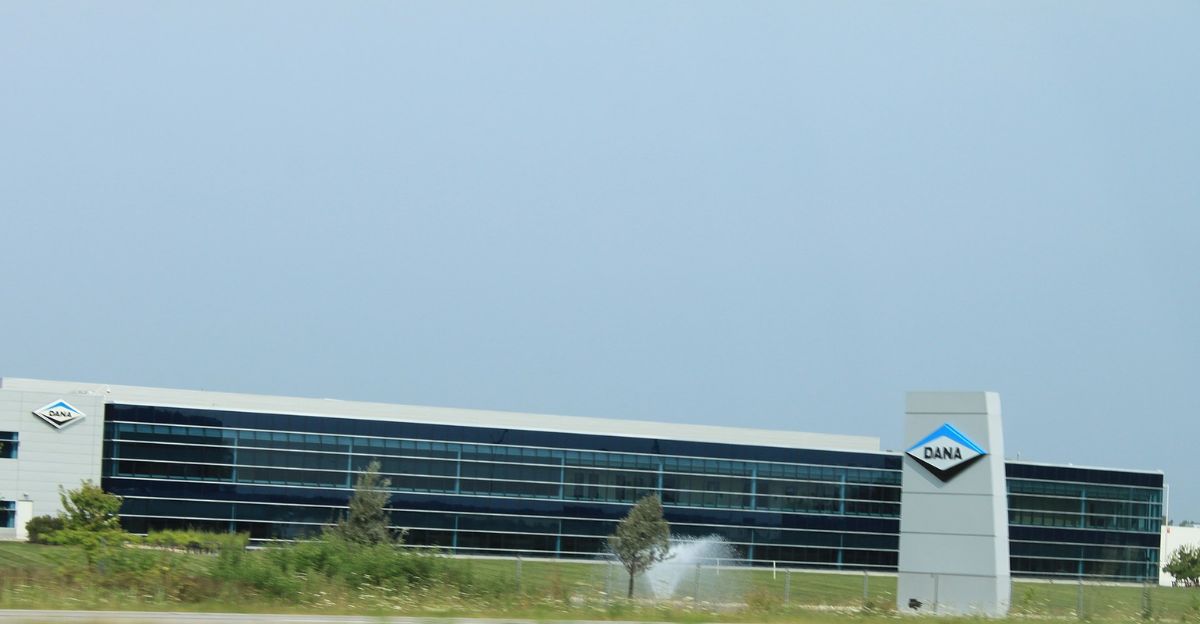
Dana Incorporated, headquartered in Ohio, has been under pressure all year. Its global sales dropped from $2.74 billion in early 2024 to $2.35 billion in Q1 2025.
CEO R. Bruce McDonald launched a comprehensive savings plan to reduce costs by $310 million through 2026, which includes plant consolidations. In June, Dana announced plans to sell its off-highway unit to refocus operations.
The company insists that the Auburn Hills closure is strictly a customer-driven move, citing an “immediate reduction in orders” tied to weaker demand for electric vehicles.
Ownership Silence

Michigan’s political leaders, who once celebrated Dana’s arrival, have been silent about its departure. Governor Whitmer and Oakland County officials hailed the plant in 2022 as a symbol of the state’s EV rebirth.
None of them has issued public comments since the announcement of the closure. The lack of updates raises questions about accountability regarding the $2.5 million state grant that funded the facility.
Economic watchdogs now ask whether Michigan can reclaim those incentives or adjust its policies to prevent similar failures in the future.
Worker Response
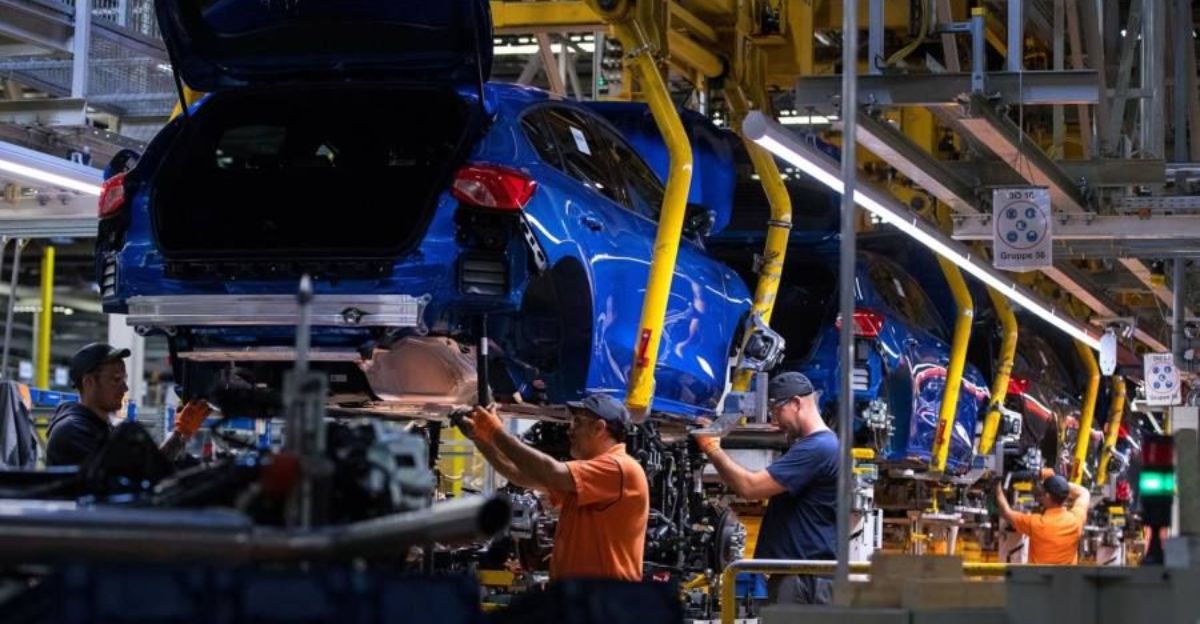
For workers, the immediate picture is bleak. Michigan’s broader automotive workforce faces aluminum shortages, semiconductor delays, and new tariffs on imported parts.
The Jeep and Ford plants both temporarily halted production this fall because of material constraints. Meanwhile, the state cut its workforce training budget by 50% this year.
MichAuto’s Glenn Stevens warned these cuts will “make it harder for companies to retrain and retain workers.”
Company Continuity
Despite the closure, Dana will still maintain part of its Auburn Hills footprint. Spokesman Craig Barber confirmed the company’s driveline manufacturing facility will stay open.
In other words, Dana is pulling back from EV components while preserving its bread-and-butter combustion business.
This dual approach mirrors a broader industry trend: companies hedging between gas and electric powertrains rather than committing fully to one.
Future Uncertainty
Looking ahead, analysts expect the U.S. EV market to stagnate for at least two years. Without tax credits, AutoPacific forecasts that EV sales will plateau at around 8% of total U.S. automobiles through 2026.
InsideClimate News calls 2026 a ‘recalibration year,’ predicting that carmakers will slash prices to spark demand.
Ford and GM have already introduced leasing strategies that briefly extend expired credits, but experts say those creative workarounds can’t replace stable long-term incentives.
Regulatory Reckoning

Legal headaches are starting to pile up. The July 2025 One Big Beautiful Bill law also repealed the 45X advanced manufacturing production tax credit, further squeezing U.S.-based battery and component makers.
At The Battery Show trade conference in Detroit, industry groups warned of “supply chain chaos” after the changes. Meanwhile, labor attorneys question whether Dana violated the WARN Act, which requires 60 days’ notice for significant layoffs.
The company gave only 24 hours between its October 8 filing and the first layoffs, though separations will continue through January.
Industry Parallels

Dana’s plight echoes a broader crisis in the supplier community. In September, First Brands Group, headquartered in Cleveland, filed for bankruptcy with more than $10 billion in debt.
The company—known for Trico wiper blades and Fram filters—became the most significant auto parts failure of 2025, shocking creditors who discovered billions in missing assets. Although unrelated to EV demand, this collapse highlights the precarious nature of supply chains.
Between rising tariffs, fluctuating global demand, and high borrowing costs, even established suppliers struggle to remain profitable.
Public Perception
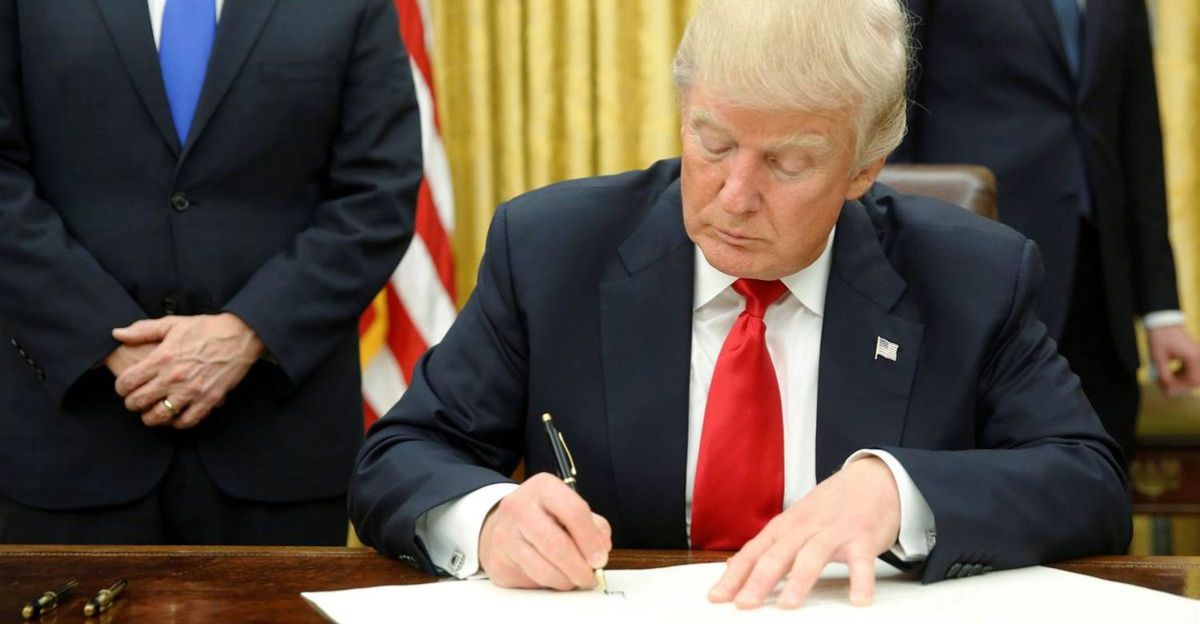
The Dana shutdown quickly became a political flashpoint. Climate advocacy group Climate Power blamed Trump’s rollback of clean energy supports, saying “his war on clean energy is leaving workers jobless.”
Conservative media, meanwhile, argued it proved that EV production was overhyped and dependent on subsidies. Local coverage stayed personal, highlighting real hardship more than politics.
“This isn’t about policy to us; it’s about rent,” said one Auburn Hills worker on television.
Historical Echoes
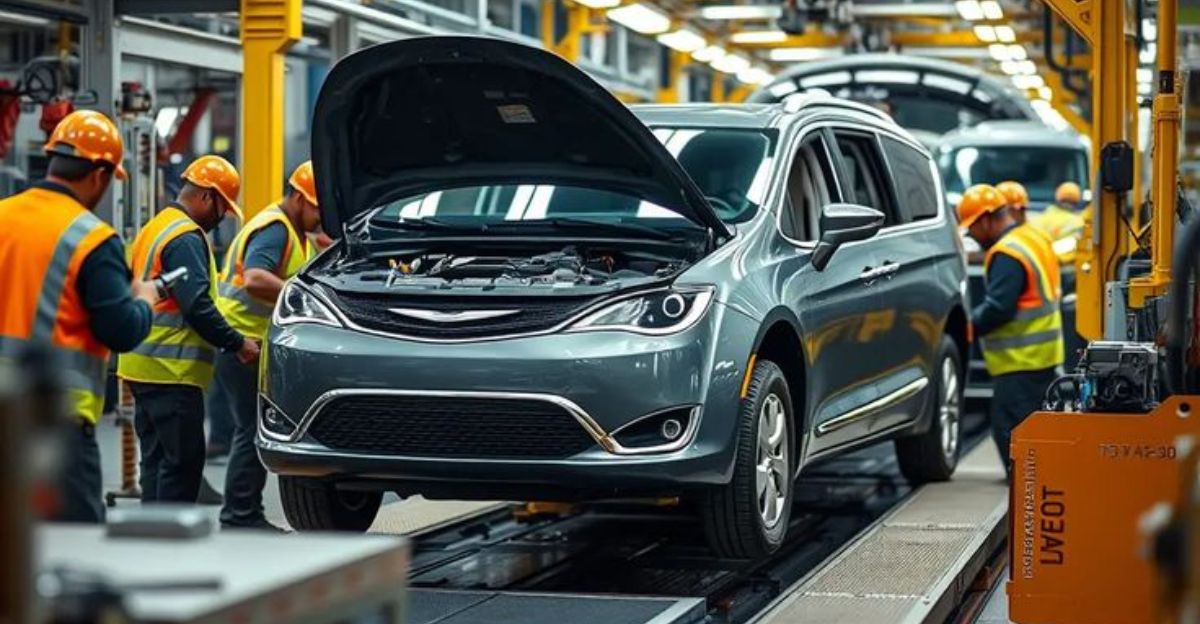
Michigan has lived this boom-and-bust story before. During the 2008–2009 recession, the state lost hundreds of thousands of auto jobs when GM and Chrysler went bankrupt.
The rise of EV manufacturing promised a path to recovery. In 2022, Dana’s Auburn Hills opening embodied that promise—a forward-looking replacement for the old combustion plants.
Its closure barely three years later exposes the instability lurking underneath America’s green manufacturing push.
Transition Warning
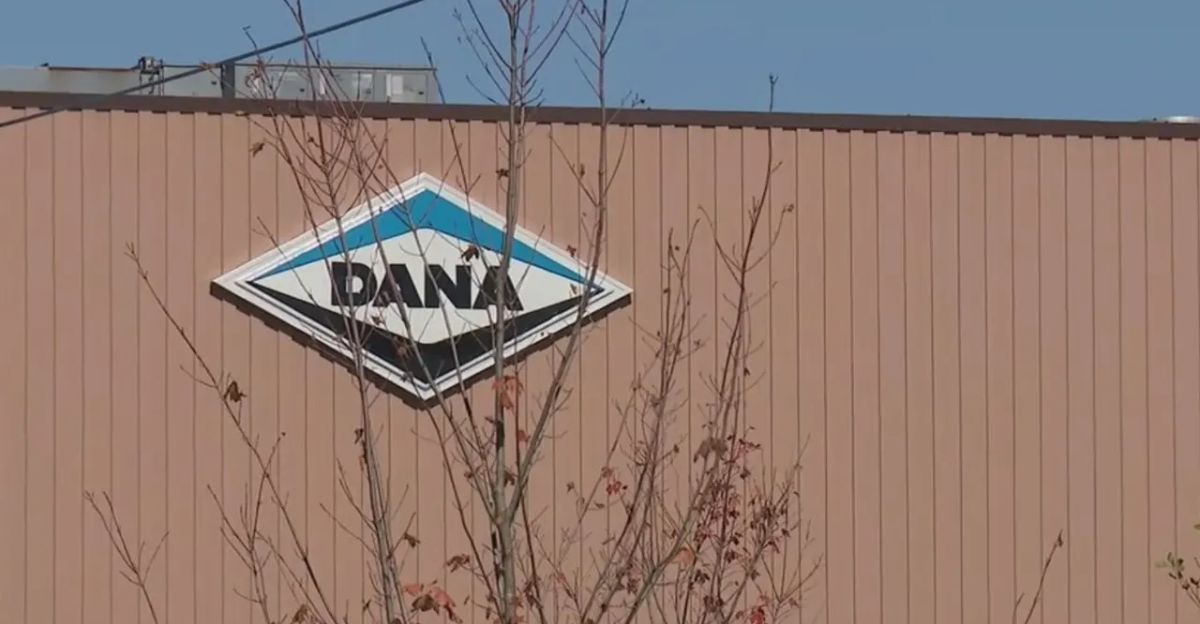
The shutdown of Dana Thermal Products’ Auburn Hills plant is more than a single company’s failure—it’s a warning about the complexity of industrial transitions.
Behind the headlines of record EV sales lies a jittery market shaped by expiring subsidies, production slowdowns, and uneven demand.
The facility that once represented Michigan’s EV future now stands as a casualty of shifting policy and falling confidence. For its 200 workers, the consequences are immediate and painful.