
Starting November 1, 2025, the U.S. Department of Agriculture will implement the most significant overhaul of the Supplemental Nutrition Assistance Program (SNAP) in more than a decade. Under the One Big Beautiful Bill Act—signed into law by President Trump on July 4—able-bodied adults without dependents (ABAWDs) aged 18 to 64 will now be required to work, train, or volunteer at least 80 hours per month to keep receiving food aid.
The Congressional Budget Office estimates that the change will affect about 2.4 million Americans. Failure to meet the new requirement will limit benefits to three months in any 36‑month period unless participants requalify by meeting the work threshold.
What the New Rules Require
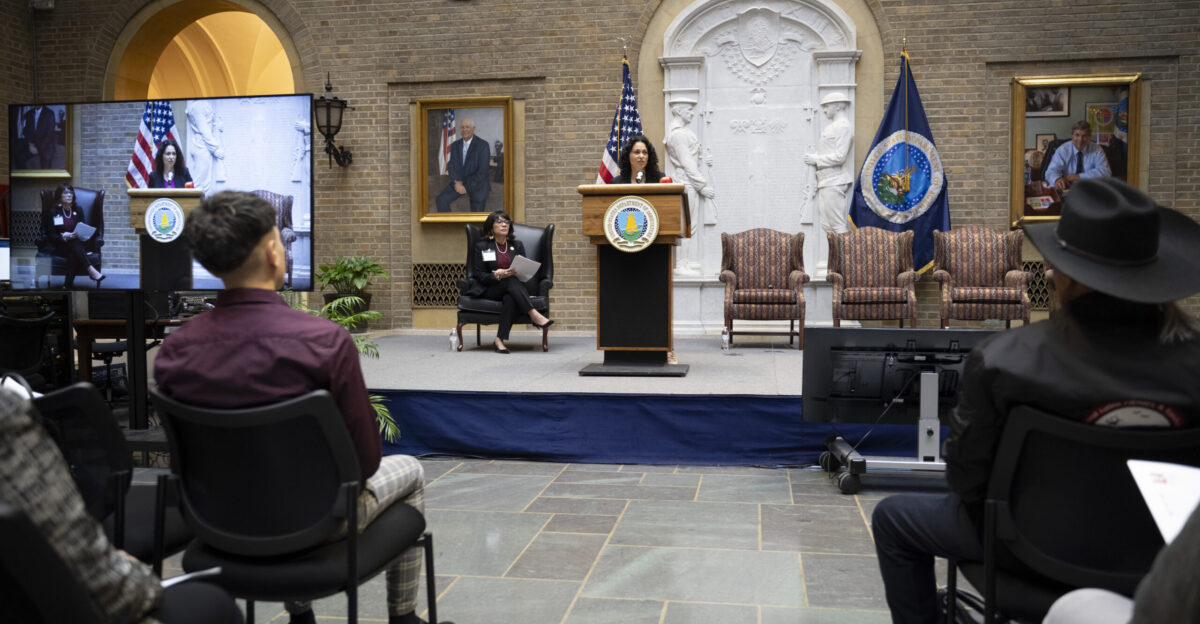
Until now, the work rule applied only to those under 54, but the new law raises the cap to 64 and narrows several exemptions. Recipients must be physically and mentally fit to work and not caring for children under 14. Anyone seeking continued assistance will have to document eligible activities—such as pay stubs, training certificates, or volunteer timesheets—at recertification appointments.
The exemption list remains limited: individuals 65 or older, those with verified disabilities or medical conditions, students enrolled at least half‑time, pregnant recipients, or caregivers for children under 14 are not required to meet the hourly rule. Members of recognized tribes—Alaska Natives, American Indians, and Urban Indians—retain separate eligibility under Indian Health Services provisions.
Veterans, homeless individuals, and former foster youth aged 18–24—previously exempt—will now have to comply. According to policy analysts tracking the implementation, this represents one of the most consequential expansions of the ABAWD rule since the 1990s, substantially redefining who the government considers employable.
Implementation and Possible Delays
The USDA says states will begin phasing in enforcement at the next scheduled renewal for each participant, meaning most recipients will not face a decision until early 2026. Some states are seeking limited waivers for areas with high unemployment or inadequate job training options, but broad exemptions are unlikely.
State agencies must verify compliance monthly and can pause payments if recipients lack proof of work or training. According to USDA guidance, reinstatement can take several weeks once documentation is complete. State officials have indicated they expect some initial confusion as verification systems are established to prevent unnecessary interruptions.
Local Impact: Households and Communities Brace

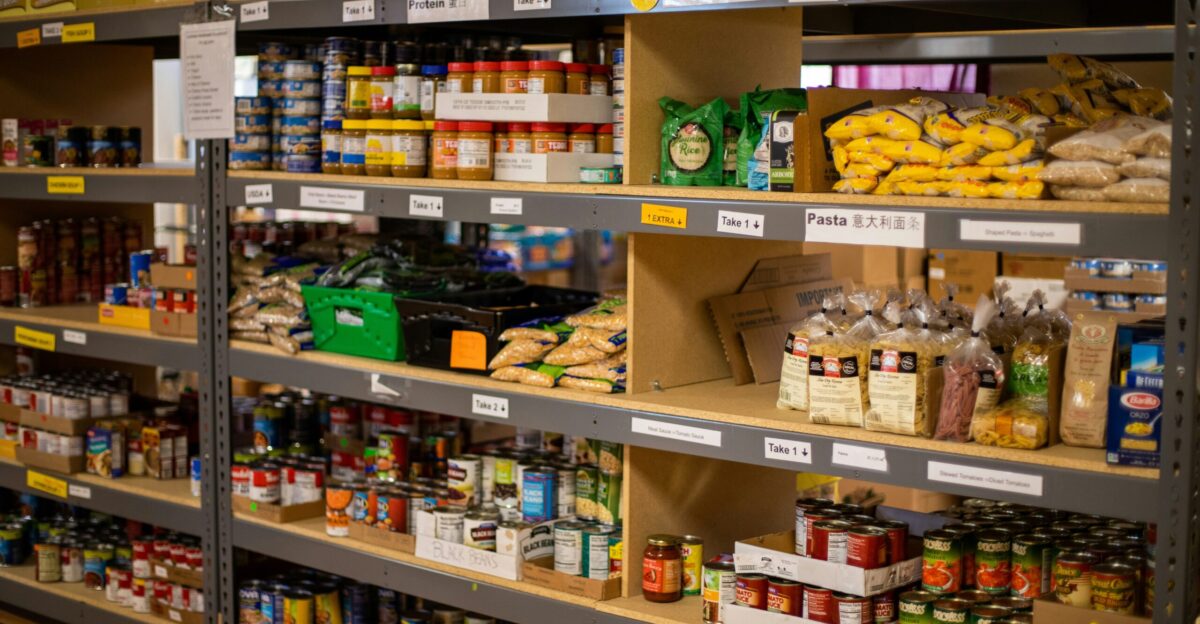
Food banks and social service providers across the country are already preparing for an increase in demand. Organizations anticipate a significant rise in emergency food requests as the new requirements take effect.
Retailers serving low‑income neighborhoods worry the rule will cut into local spending. SNAP purchases account for up to 12% of total grocery sales in disadvantaged areas, according to the Food Industry Association. Grocery owners in underserved communities have expressed concern that even partial benefit losses could have immediate economic impacts.
Rural regions face distinct challenges. Employment and volunteer options can be scarce, making compliance harder. Social workers in rural areas note the difficulty of meeting 80-hour monthly work requirements in communities with limited job opportunities.
National Debate and Global Context
Policy supporters argue the move will strengthen labor participation and reduce dependency. Representative Tom Cole (R‑OK) supported the bill’s passage, emphasizing workforce participation. Critics, however, see the changes as punitive. Advocacy groups like Feeding America warn that older adults and those on the economic margins could face food insecurity.
Internationally, similar conditional‑aid programs have yielded mixed results. The United Kingdom’s “Universal Credit” reforms linked benefits to employment participation but led to temporary food shortages among adults unable to meet work‑search requirements. Policy analysts have noted that the U.S. is moving down a comparable path, where implementation will determine whether hardship increases or independence grows.
Meanwhile, domestic uncertainty layers on top of a separate challenge: a prolonged federal funding impasse. If the government shutdown continues into winter, SNAP payments could face delays, compounding stress for both beneficiaries and retailers.
Next Steps: Preparing for a New System
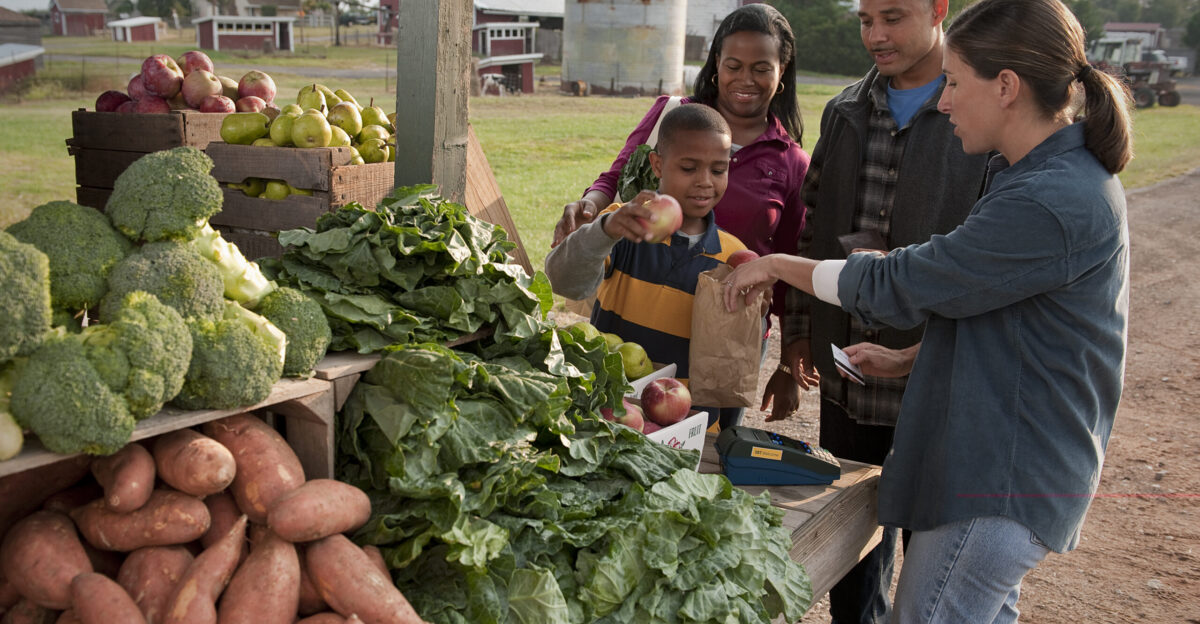
The USDA is urging recipients to track all hours spent working, training, or volunteering and to keep documentation ready for review. State agencies are updating online portals and help lines, while national hotlines like 211 connect households to resources, including SNAP Employment & Training programs designed to help people satisfy the work criteria.
Public health specialists caution that reductions in food assistance could worsen diet‑related illnesses, particularly in rural areas where healthy food access is already limited. Research has shown that benefit gaps can negatively affect nutrition quality.
The USDA plans to evaluate participation rates, appeal volumes, and food‑security outcomes by mid‑2026 to gauge the reform’s effectiveness. For now, millions of recipients—and the communities that depend on their spending—await the results of one of the nation’s most consequential changes to food assistance in decades.