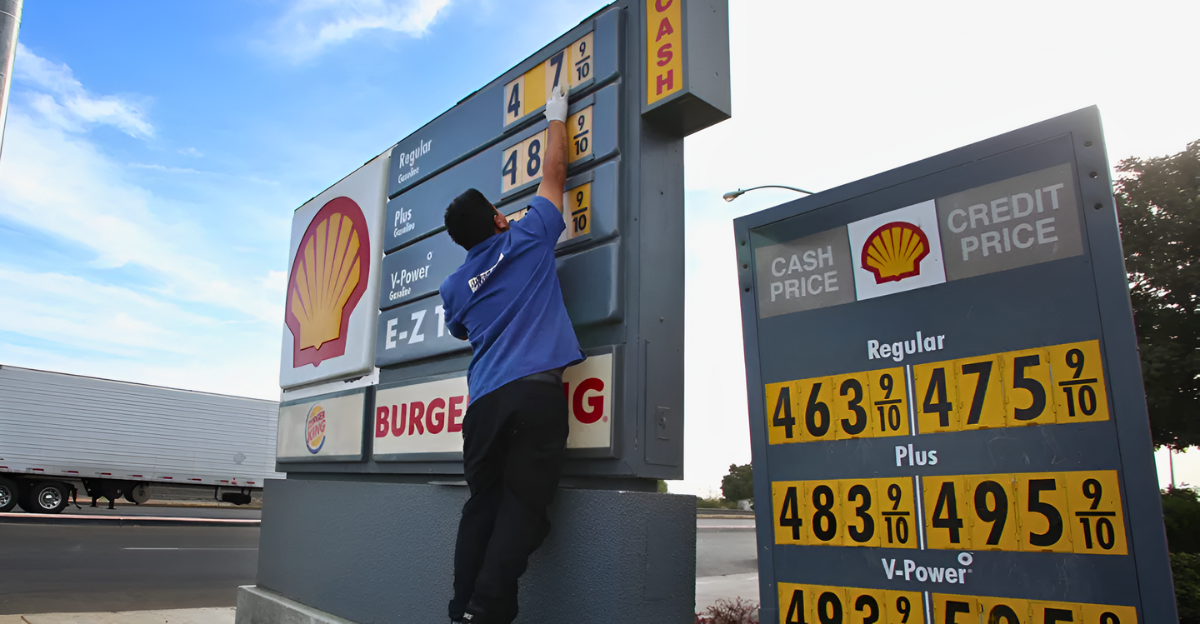
It’s no secret that prices have crept up over the years, and 2025 isn’t looking any kinder to your wallet. From everyday purchases to services you didn’t think twice about last year, a few common (and a few surprising) items are projected to cost more next year.
But what’s behind these hikes? And which everyday things will take a bigger bite out of your budget? Some are global, some are policy-related, but the effect will be personal.
Let’s take a look at the trends driving prices up and what to watch out for, starting with a few subtle clues.
The Bigger Picture

Inflation isn’t the only culprit. Supply chain changes, tariffs, climate events, and shifts in global demand contribute to rising costs.
It’s not just luxury items either. Everyday essentials are under pressure. 2025 might look stable on paper, but many items are slowly inching upward in price without most people noticing until it’s too late.
Why Prices Keep Creeping Up

Even with inflation cooling in some sectors, many producers are keeping prices high: a phenomenon known as “sticky inflation.”
Combine that with new fees, labor shortages, and unpredictable weather patterns, and you’ve got a recipe for higher costs across a range of products. Expect some unexpected players in this year’s price shuffle.
1. Home Insurance Premiums

Extreme weather events and rising property values have led to a steady increase in homeowner insurance premiums.
Insurers are factoring in more risk, especially in wildfire or flood-prone zones. In 2024 alone, premiums rose over 10%. That trend is expected to continue or worsen in 2025, especially in high-risk areas.
2. Car Insurance

Like home insurance, auto premiums have seen back-to-back increases: up 16.5% on average in 2024. Factors include more expensive repairs, more claims, and even rising theft rates.
In 2025, analysts expect modest to steep rises depending on your location, vehicle type, and driving record.
3. Eggs
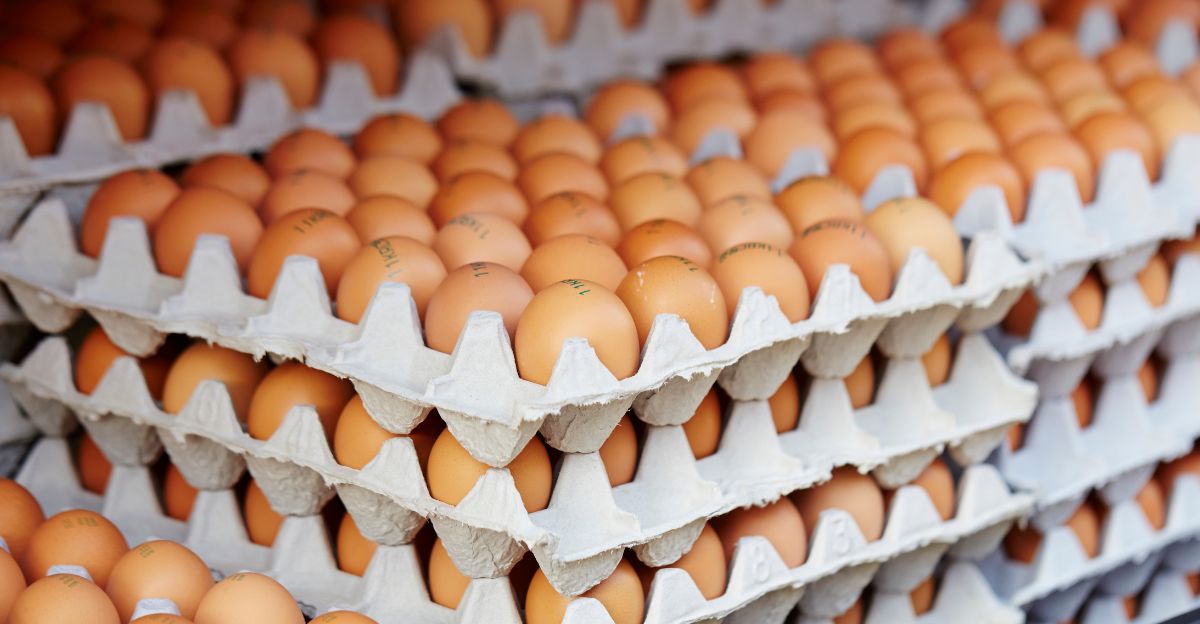
Bird flu outbreaks and feed costs have put pressure on egg production. In early 2024, prices nearly doubled in some areas.
If disease outbreaks continue and feed prices remain volatile, eggs may see further price bumps in 2025. Local sourcing may offer some relief, but prices will still be higher than what we’re used to.
4. Coffee

Global coffee production was hit hard in 2024 by drought in Brazil and instability in exporting countries. Add tariff tensions and logistical challenges, and you’ve got a brewing cost crisis. Prices rose sharply in 2024 and could continue into 2025 if weather patterns and exports don’t improve.
5. Streaming Subscriptions

Netflix, YouTube TV, and others have already raised prices. The reason? Rising production costs and competition for content.
In 2025, more platforms are expected to follow suit, potentially bundling or tiering their services even more. Users may need to trim subscriptions or reassess what’s worth keeping.
6. Travel Costs
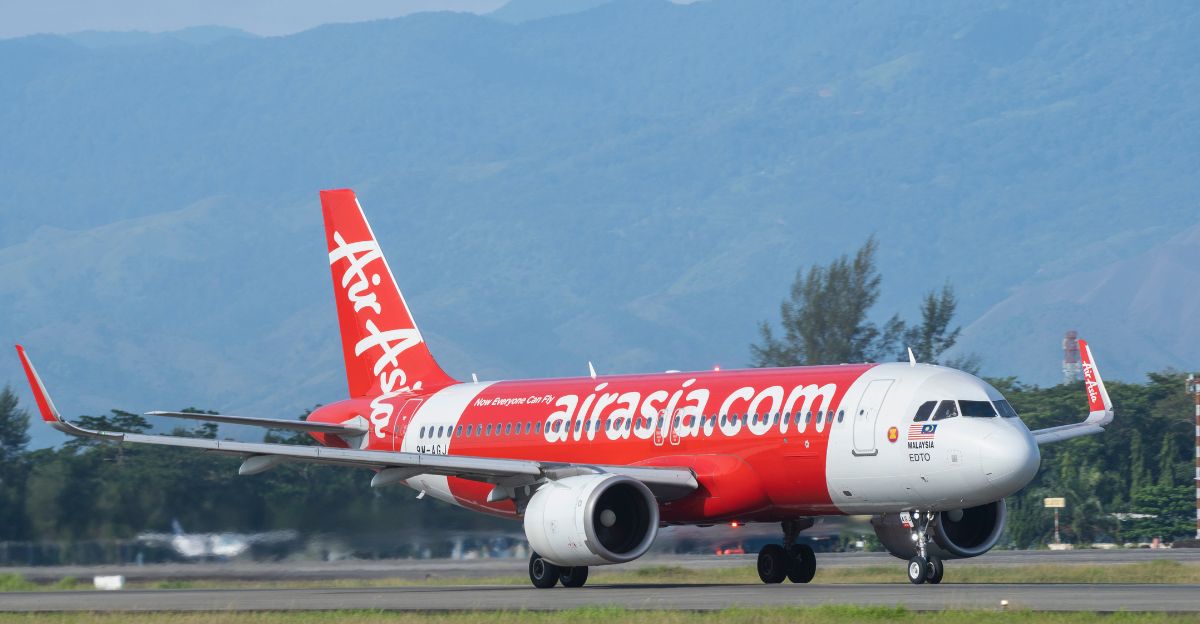
New travel authorizations, higher fuel prices, and increased demand are expected to push up airfares and hotel rates in 2025.
Many popular cities are also introducing new visitor fees. To save, travelers may need to shift dates, book earlier, or opt for lesser-known destinations to stretch their budget.
7. Health Insurance
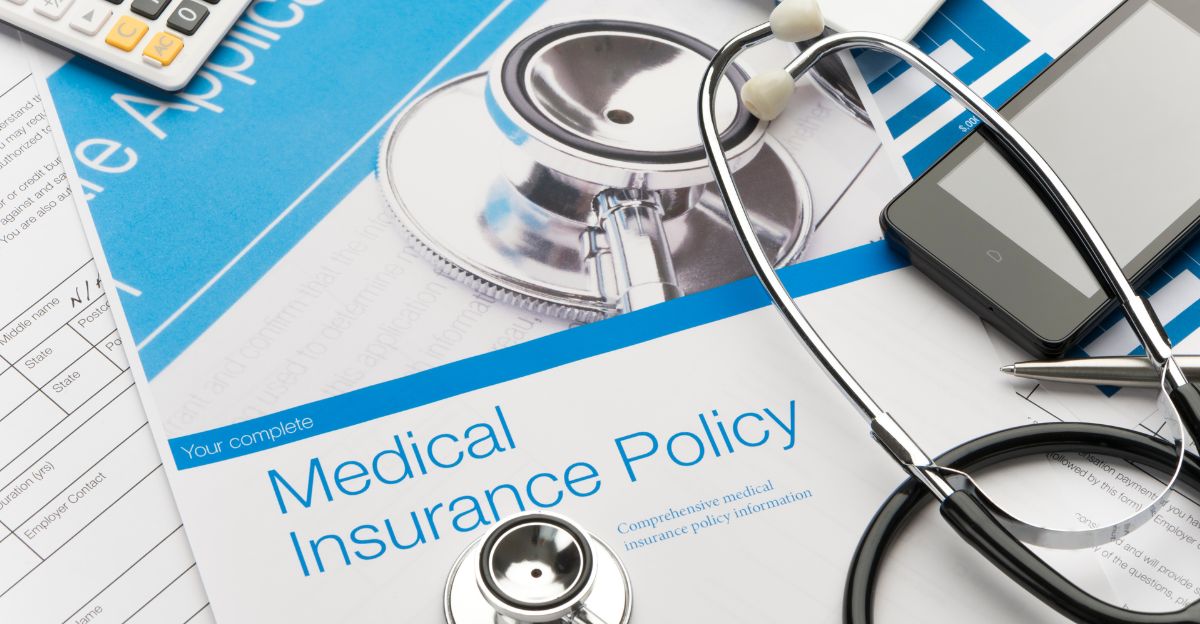
Premiums for individual and employer-sponsored health plans are expected to increase again in 2025. Healthcare costs continue to climb, and insurers often pass those costs on.
Some employers may also reduce coverage options or increase deductibles. Shopping around and comparing plans will be more critical than ever.
8. Pet Care

Vet visits, grooming, medications, and even pet food are all expected to rise in cost. Shortages of veterinary staff and increased demand for pet services are pushing up prices.
For pet owners, 2025 may bring steeper bills for even routine care, and insurance may become a worthwhile consideration.
9. Fast Food

Fast food used to be a cheap option, but that’s changing. Rising wages, ingredient costs, and delivery fees are being reflected in menu prices.
In 2024, many chains raised prices by over 10%. More increases are likely in 2025, especially as brands face pressure to maintain profit margins.
10. Electronics & Appliances

New tariffs on steel, aluminum, and imported components are likely to increase the price of items like refrigerators, washing machines, and phones.
If trade tensions persist, even smaller gadgets could see price hikes. Delaying upgrades or choosing refurbished models may be smart for 2025 buyers.
Extra: Rent & Housing

Although housing prices have cooled in some markets, rents are still rising in many cities. With mortgage rates still elevated and demand for rentals strong, monthly rent costs are projected to keep climbing into 2025. Young adults and urban residents may feel this the most.
What’s Driving It All?

A mix of global conflict, supply chain friction, regulatory changes, and post-pandemic market corrections drive higher cost of living.
While inflation may be slowing in official data, the real-world price of day-to-day life continues to trend upward, just more gradually, and often unnoticed until the bill arrives.
Who’s Most Affected?

Middle- and low-income households feel the impact first. Essentials like food, transport, and housing take up a larger share of their budget.
While some consumers can cut back or substitute, others may be left with tough choices. Rising prices tend to deepen financial inequality over time.
Can You Avoid the Increases?

Some price hikes are unavoidable, but not all. Budgeting tools, comparison platforms, insurance marketplaces, and credit rewards can help offset some of the rise.
Buying in bulk, using loyalty programs, or opting for used or local options can also offer relief in certain areas.
What Not to Do

Don’t ignore renewals, subscriptions, or rate changes. Many people auto-renew or “set and forget” bills without checking for better options.
That leaves savings on the table. In 2025, reviewing your monthly expenses even once per quarter could make a noticeable difference in what you’re spending.
What to Watch in 2025

Keep an eye on tariffs, interest rate decisions, and international events. These tend to trigger ripple effects in pricing.
Unexpected factors, from political decisions to weather disasters, often play a bigger role in what you’ll pay at checkout than most people realize.
Final Thoughts

While you can’t control market forces, you can plan for them. Knowing what’s likely to get more expensive allows you to budget smarter, shop earlier, and protect your financial well-being. 2025 may bring more sticker shock, but it doesn’t have to catch you off guard… if you’re prepared.