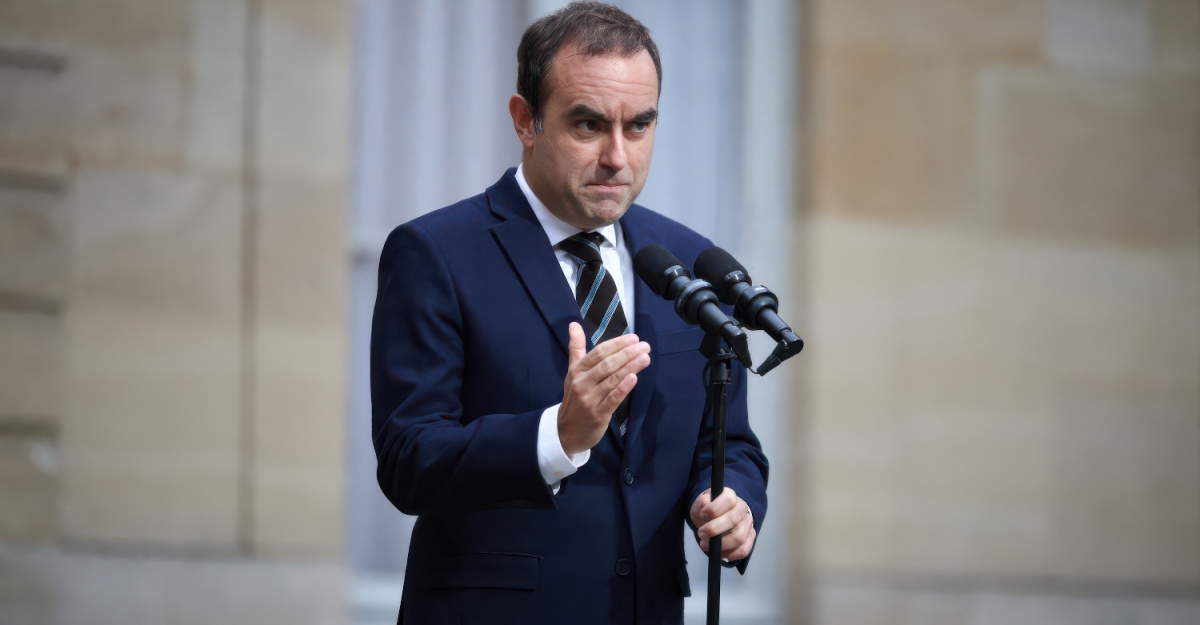
French Prime Minister Sébastien Lecornu resigned on October 6, 2025, only 27 days after his appointment, marking the shortest administration since the Fifth Republic’s founding. His resignation came less than 24 hours after unveiling his cabinet amid failed coalition talks.
Markets reacted sharply, with financial indexes dropping amid doubts over governance. “The prime minister who just resigned, Sébastien Lecornu, hit a brick wall…he wants to make sure that the country continues to run and pass on the mantle to someone else,” said Dr. Romain Fathi, Australian National University.
As France confronts this rapid government collapse, questions mount about how the nation will restore stable governance amid deep political divides.
A Cabinet Unveiled, a Government Undone
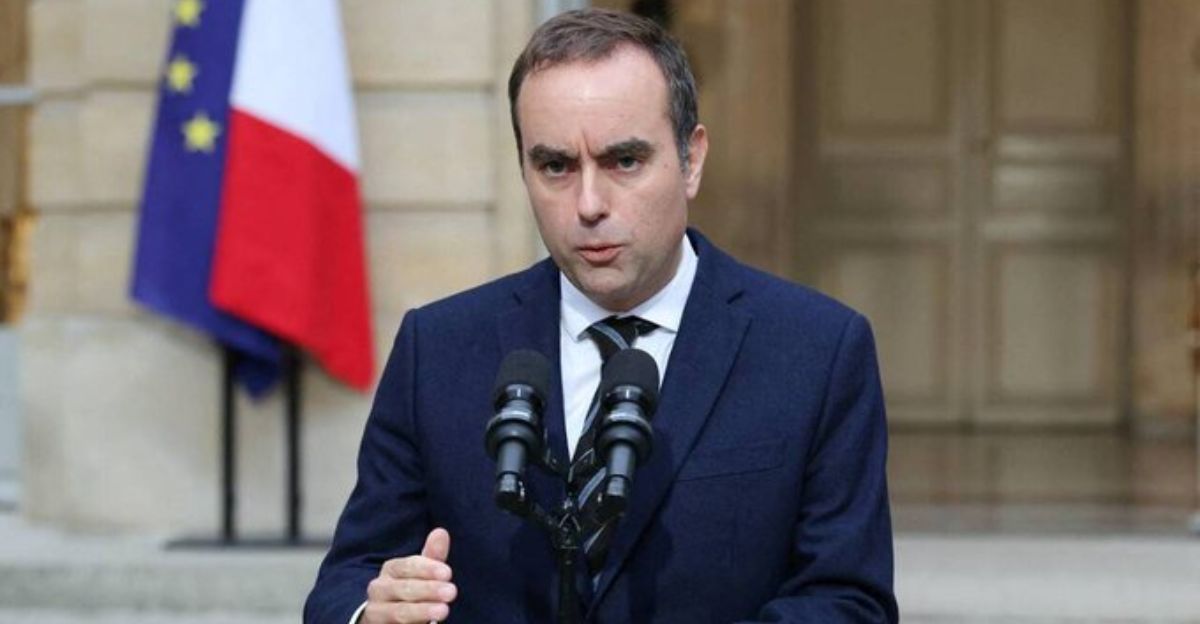
On October 5, Lecornu announced a cabinet that closely resembled his predecessor’s, failing to appease or unite a fragmented parliament. Both coalition partners and opponents condemned the lack of policy shift, dooming the government.
Within just 14 hours of the cabinet formation, Lecornu resigned, anchoring the shortest cabinet tenure in modern French history. This event reflected deeper constitutional fractures rather than mere individual failure.
“A Disgraceful Spectacle”: Widespread Political Backlash
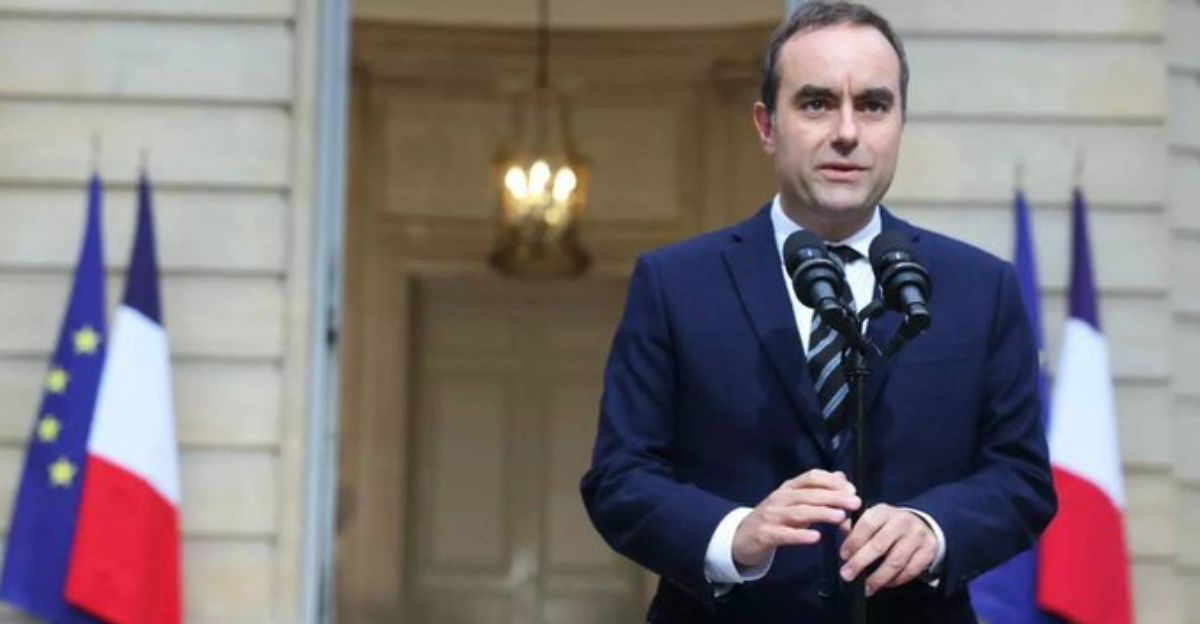
Criticism erupted hours after the government’s creation, with allies and opponents alike expressing skepticism. The immediate market plunge underscored the severity of the crisis. Dr. Fathi warned, “French politics will remain…colorful for at least the next 12 months, possibly 24 months,” highlighting the potential for long-term instability.
Public confidence shattered quickly, revealing the fragility of support for the government. This raises questions about coalition building under today’s conditions.
The Collapse of Coalition Building
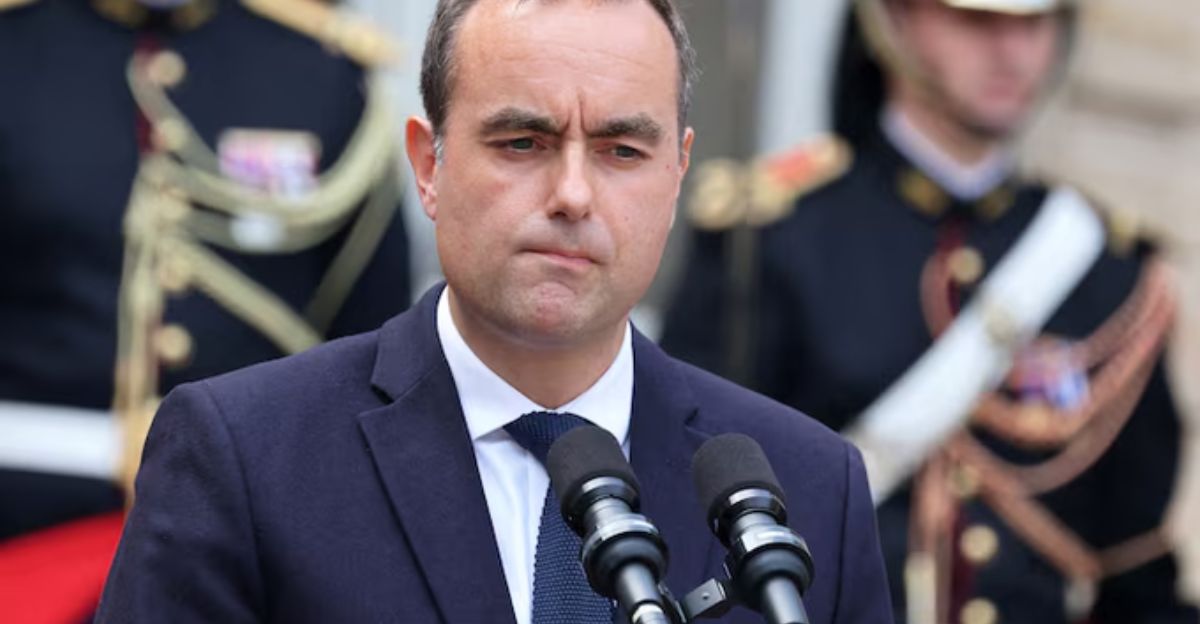
Lecornu’s 27-day tenure was dominated by failure to unite the National Assembly’s divided blocs. Weeks of talks with unions, businesses, and parties yielded no stable alliances to back his budget.
His announced cabinet failed to signal change, provoking public criticism from all sides. This institutional impasse accelerated the government’s fall. Structural divisions, not personalities, remain the core challenge.
Records Broken in Political Dysfunction
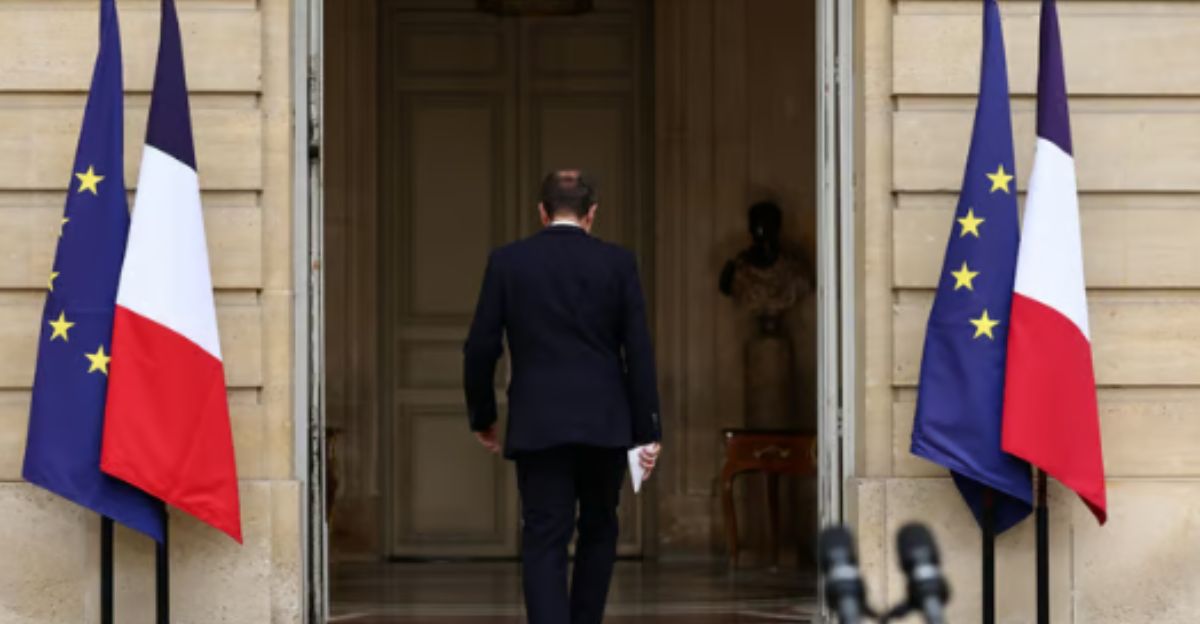
Lecornu became the shortest-serving Prime Minister at 27 days, with his cabinet lasting just 14 hours—both modern records. Notably, he never delivered a general policy declaration in parliament.
These failures capped France’s most extended period without a stable government in decades. Political fragmentation is exposing systemic vulnerabilities in the Fifth Republic’s constitutional design. What does this mean for Macron’s choices?
“You Appoint, You Get Blamed”: Macron’s Impossible Options
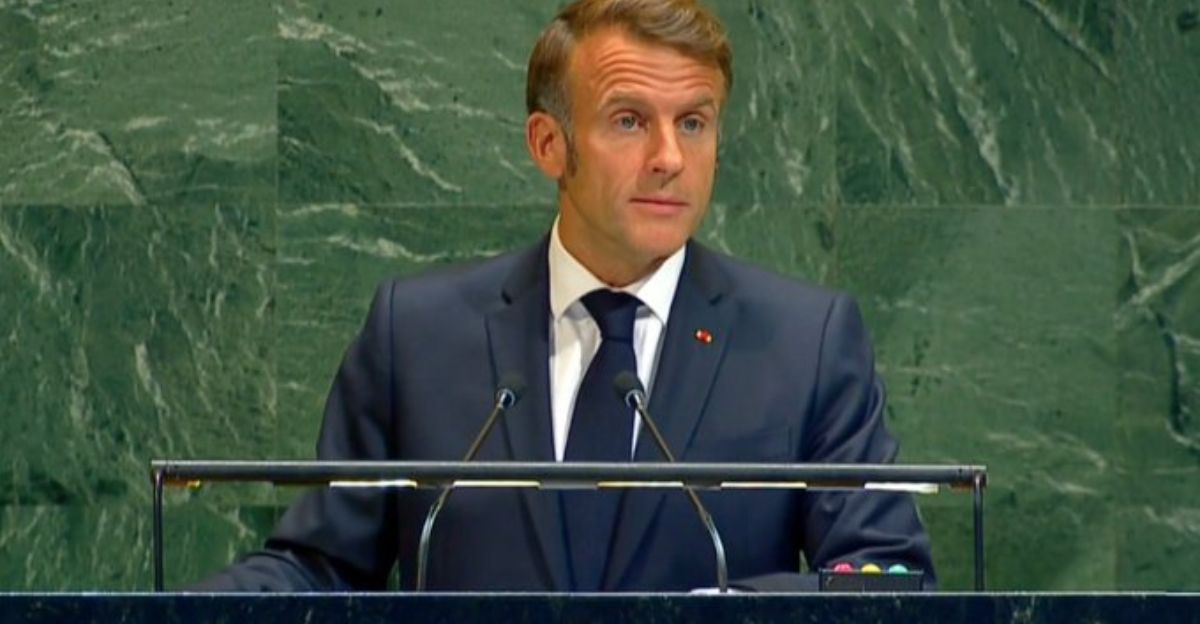
President Emmanuel Macron faces a dilemma: appoint a Prime Minister from moderate factions and assume blame, or call early elections risking his party’s collapse. Dr. Fathi stated, “If elections were called at the moment…I think…the center, Emmanuel’s party, would pretty much disappear because he exploited the French political landscape.”
Macron’s political survival depends on navigating a fractured landscape with no easy wins. We now explore the constitutional roots of this strain.
The Roots of France’s Constitutional Strain
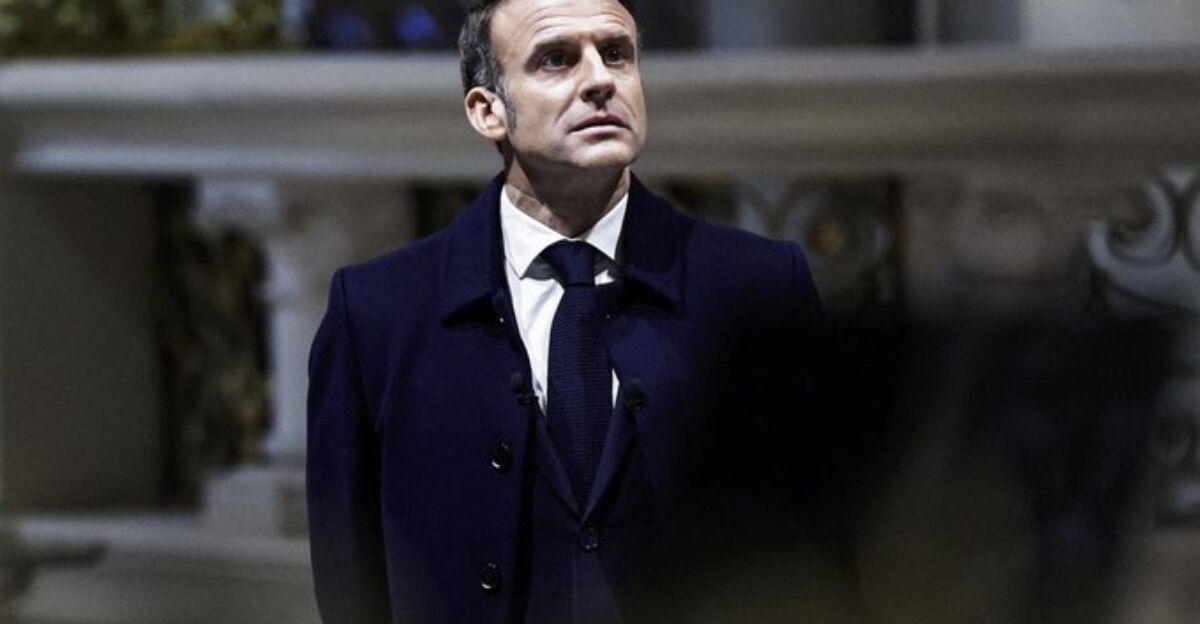
The Fifth Republic, designed in 1958 to stabilize governments, now confronts a tripartite parliament with no majority bloc. The June 2024 snap election produced three equal camps: Macron’s centrists, the New Popular Front left, and the far-right National Rally.
Deep ideological divides and a lack of coalition tradition have stalled government formation efforts, setting the stage for persistent deadlock. This history frames recent short-lived governments.
A Parade of Short-Lived Governments
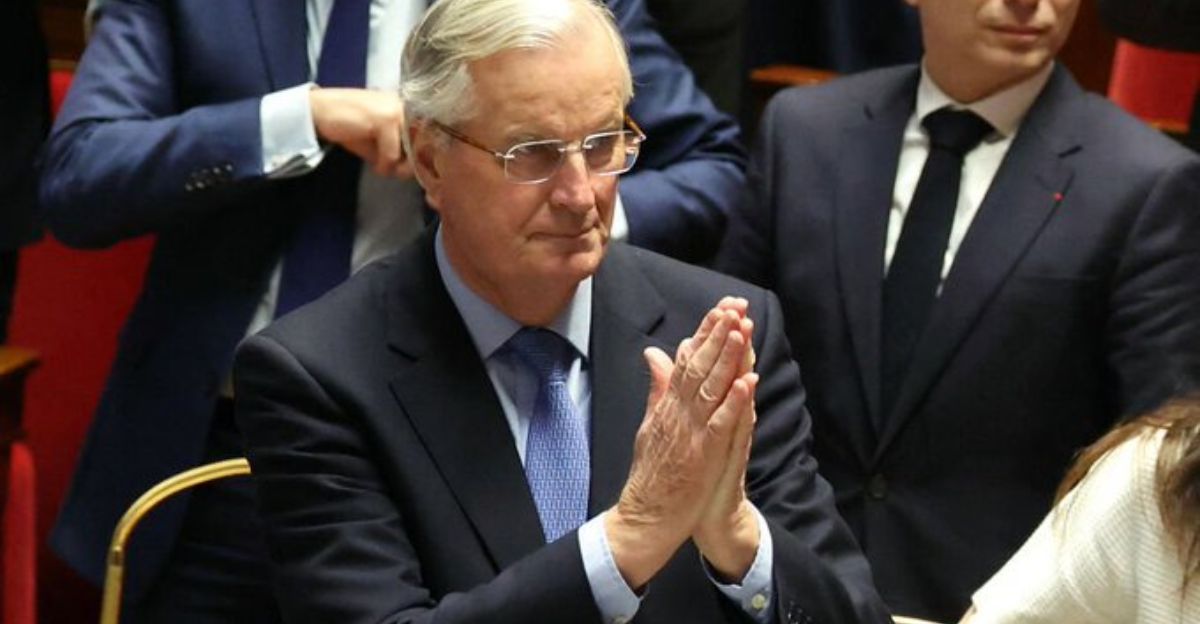
Michel Barnier’s prime ministership lasted under three months before a no-confidence vote. His successor, François Bayrou, held office until September 2025 but also succumbed to parliamentary rejection.
Lecornu’s rapid fall appears as a climax of ongoing institutional paralysis amid enduring party gridlock and voter disillusionment. What mathematical hurdles prevent stable majorities?
“He’s Clearly Hit a Brick Wall”: The Impossibility of the Majority
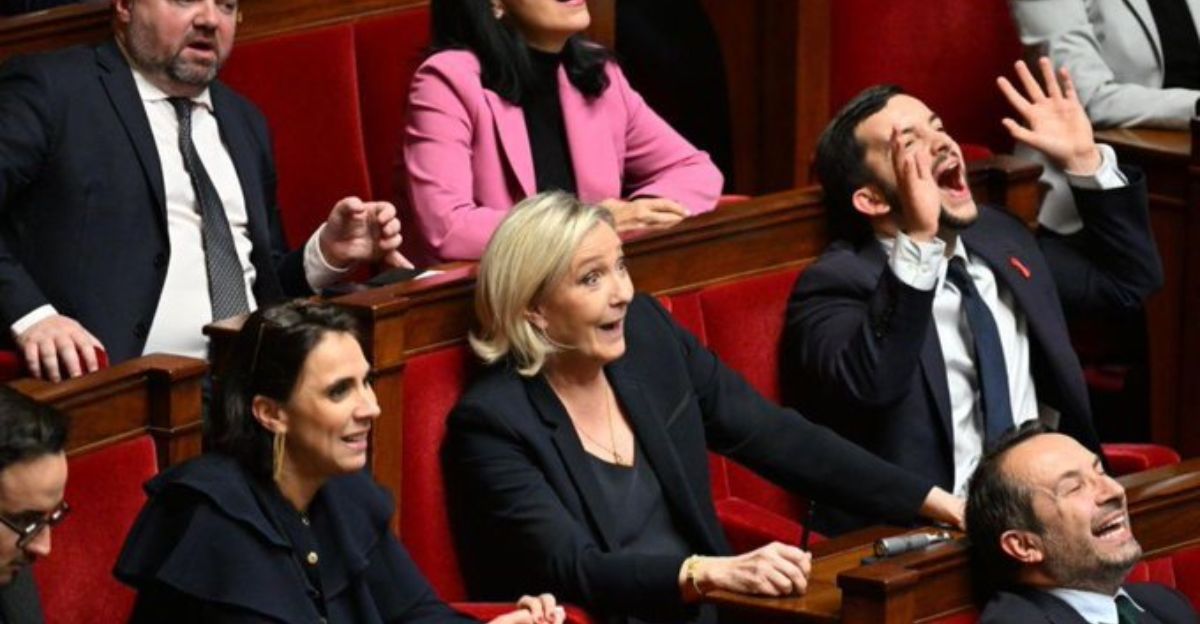
With 577 seats in the Assembly, 289 are needed for majority control. Yet, bitter division and entrenched blocs prevent the formation of coalitions. Dr. Fathi observed, “He’s clearly hit a brick wall…he wants to make sure the country continues to run and pass on the mantle to someone else.”
No formal mechanisms exist to break the deadlock before a possible July 2025 dissolution, prolonging political uncertainty.
Economic Fallout: Sharp Market Corrections

Following Lecornu’s resignation on October 6, French bank stocks—including BNP Paribas and Société Générale—plunged over 4%, with the CAC 40 index dropping 1.5% in hours. The euro weakened amid investor concerns.
French-German bond spreads hit nine-month highs, signaling doubts about France’s creditworthiness and eurozone stability amid ongoing political stalemate. The turmoil is affecting public economic confidence.
A Nation’s Confidence Erodes

France’s public debt reached 113.9% of GDP, with deficits doubling the EU’s 3% limit. Households increased savings, suppressing consumer demand and economic growth.
Economists at BNP Paribas and Allianz Trade lowered 2025 growth forecasts by 0.3 percentage points, citing the crisis’s drag on investment and confidence. How this unfolds depends on political options ahead.
“No Easy Option at the Moment”: The Perpetual Crisis
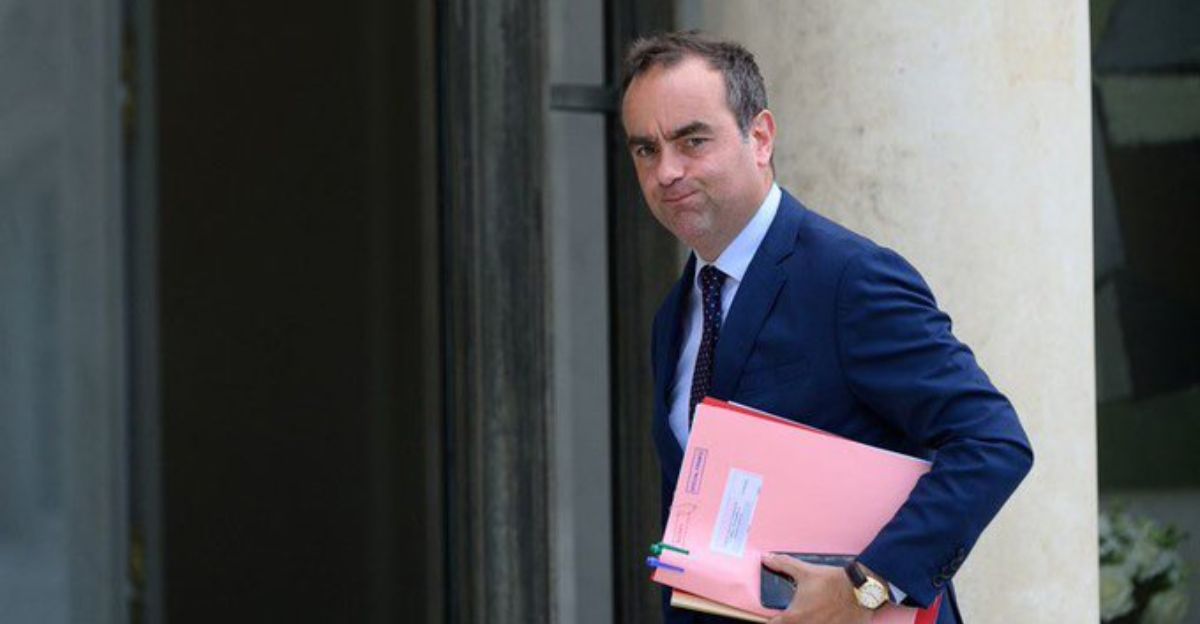
Market watchers warn that continued instability risks sovereign credit downgrades and rising borrowing costs. Each failed government deepens doubts about France’s fiscal reliability.
The persistence of crisis fuels uncertainty both domestically and across Europe. Next, we examine parliamentary deadlock mechanics.
Parliamentary Deadlock: Bloc Arithmetic

The New Popular Front won the most seats in the June 2024 elections, but Macron refused to appoint their leader as Prime Minister, fueling resentment. The far-right National Rally gained ground as the only coherent opposition alternative.
Macron’s coalition support dropped below 15% in late 2025 polls, while opposition right-wing parties intensified their dominance, deepening political polarization. This division aggravates institutional confidence woes.
Institutional Confidence in Decline
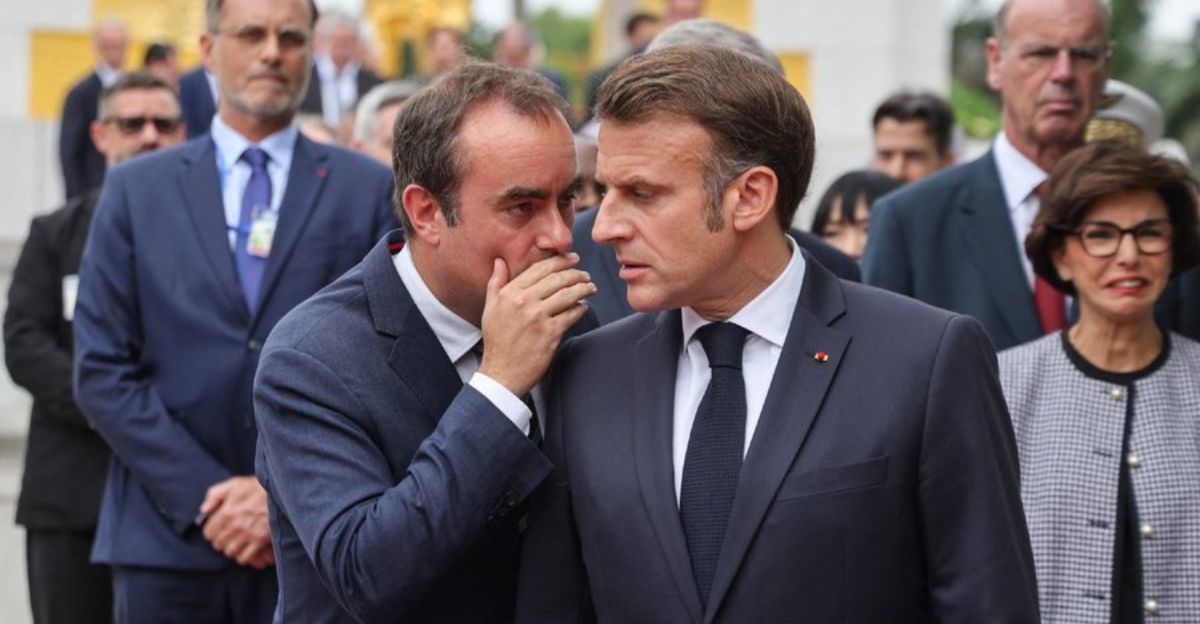
Repeated failure to form a majority erodes Macron’s coalition legitimacy with the public and partner parties. High legal hurdles block impeachment or early elections, stalling potential resets.
Mainstream political forces fragment, complicating reforms. The crisis affects not only the national level but also reaches civil institutions and governance reliability.
Spillovers Across the European Union
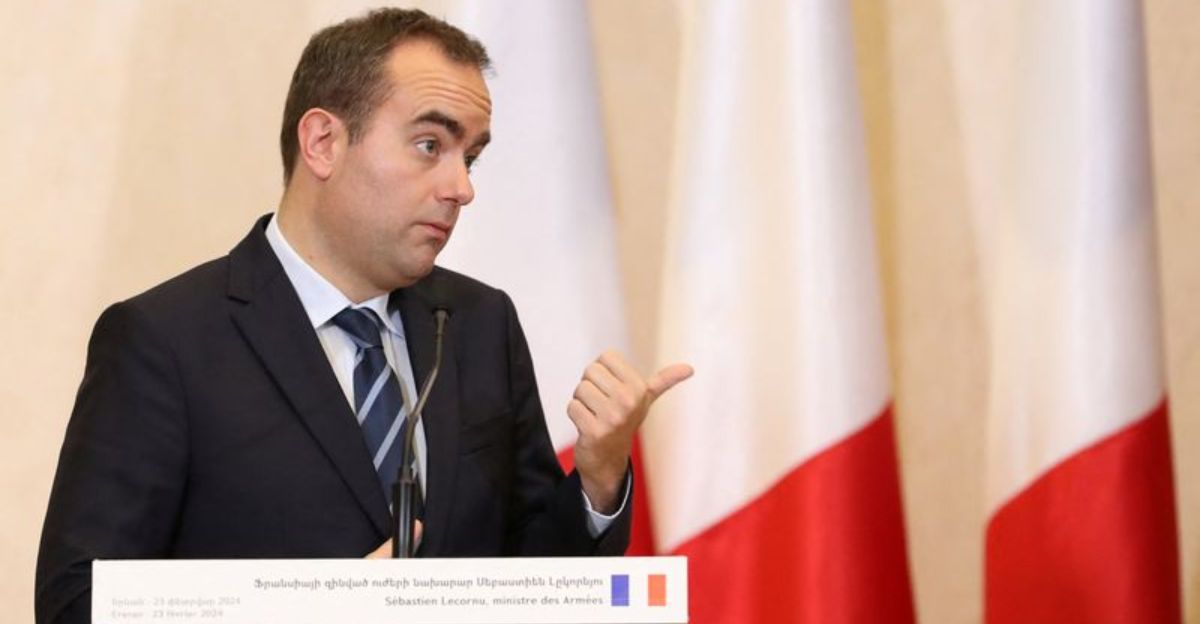
As the EU’s second-largest economy, France’s upheaval disrupts Brussels’ decision-making on security and economic policy. French paralysis weakens eurozone governance amid external pressures from Russia and shifting US policies.
This instability exposes vulnerabilities in EU defense and fiscal frameworks, threatening broader continental coordination. How deeply does fragmentation affect French civic life?
Political Fragmentation Undermines Civil Institutions
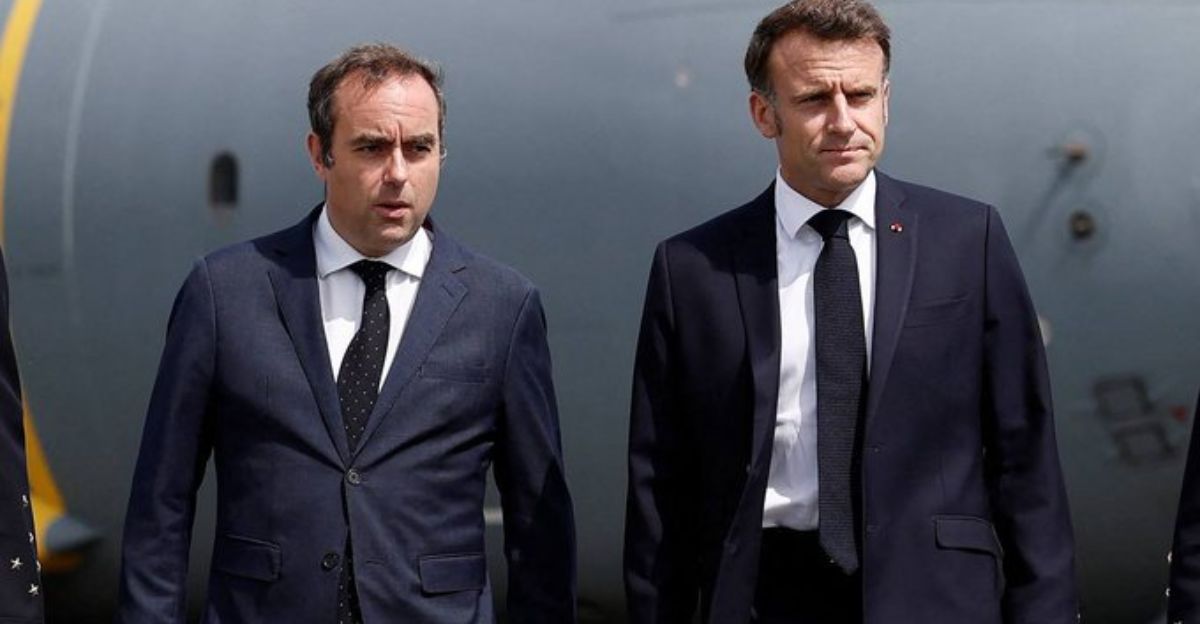
With unions, business groups, and civic bodies lacking leverage, consultations under Lecornu failed to unify support. Rapid government turnovers hinder consistent policy dialogue.
Regional and local governance face growing difficulties, eroding public services and citizen trust. This fragmentation cascades into everyday governance challenges. Political instability casts a long shadow.
Calls for Reform Face Systemic Barriers
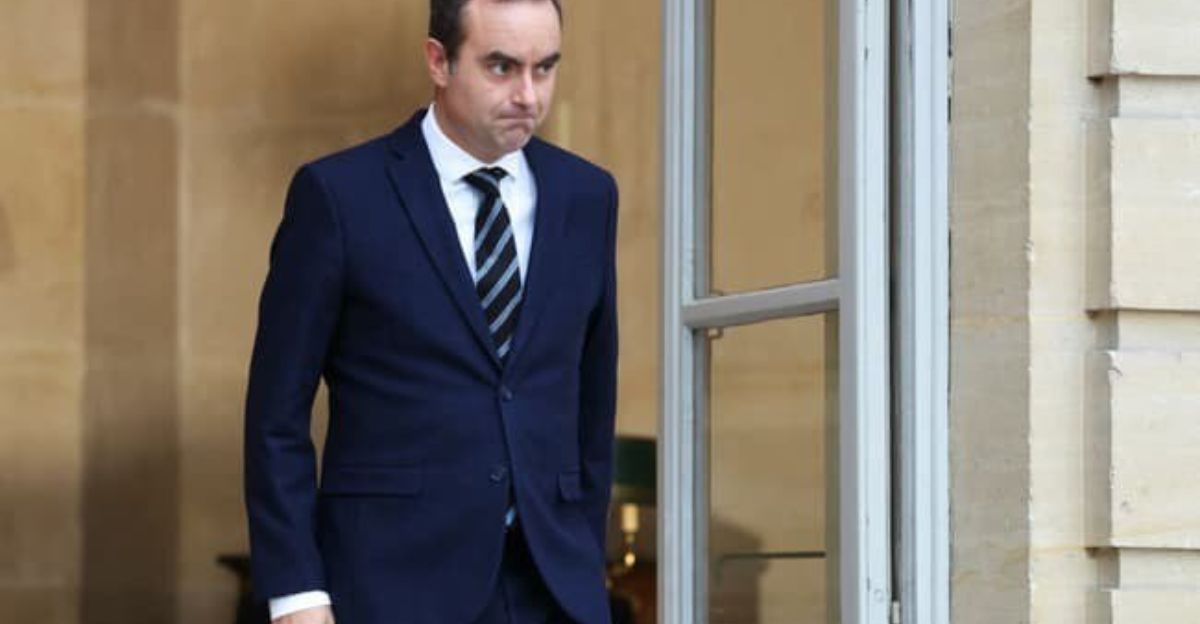
Debates over proportional representation and presidential dissolution limits continue but face resistance amid fragmented parties. Supermajority rules on impeachment and elections preserve gridlock.
Attempts to import coalition models from Germany or the Netherlands confront political culture and tradition, complicating efforts to overhaul France’s institutional framework.
After the Fall: France and Europe at the Crossroads
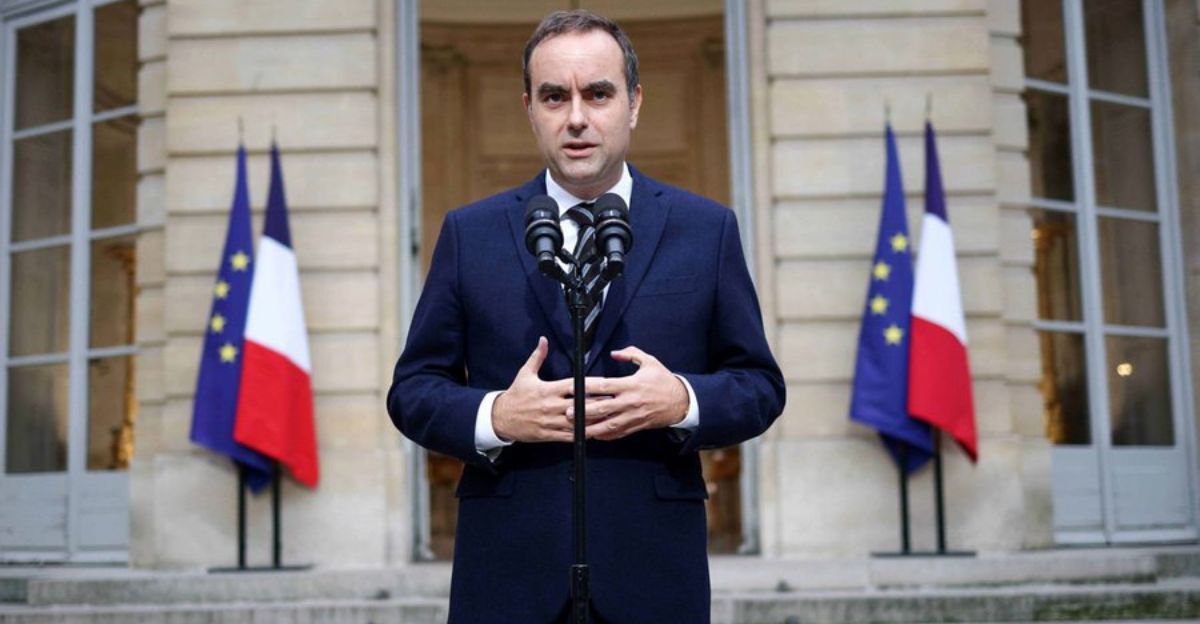
The collapse of Lecornu’s government exposes the limits of the Fifth Republic’s system amid political fragmentation. Dr. Fathi warned instability will likely persist well into 2026, with impacts reverberating across the EU.
Resolving this crisis requires constitutional reform and broad public engagement to restore trust. The trajectory of French democracy is poised to shape Europe’s political future in an increasingly volatile era.