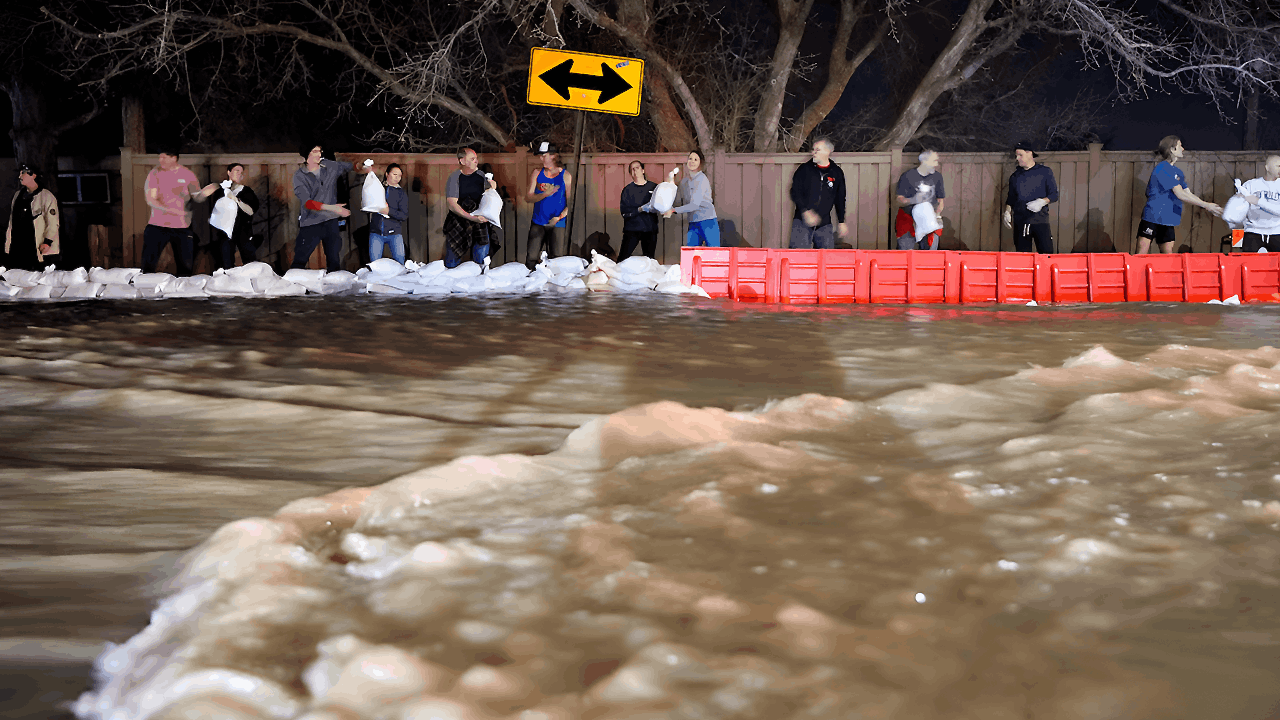
Salt Lake City is still reeling days after an unprecedented storm flooded neighborhoods. In Rose Park, families scrub sodden carpets, haul out ruined furniture, and sort through mud. “You feel hopeless, and you feel alone,” one resident told FOX 13.
Though waters have receded, debris marks the scars. Emotional exhaustion runs deep, yet amid heartbreak, determination surfaces as neighbors work to reclaim their streets and homes.
Homes Submerged, Memories Lost
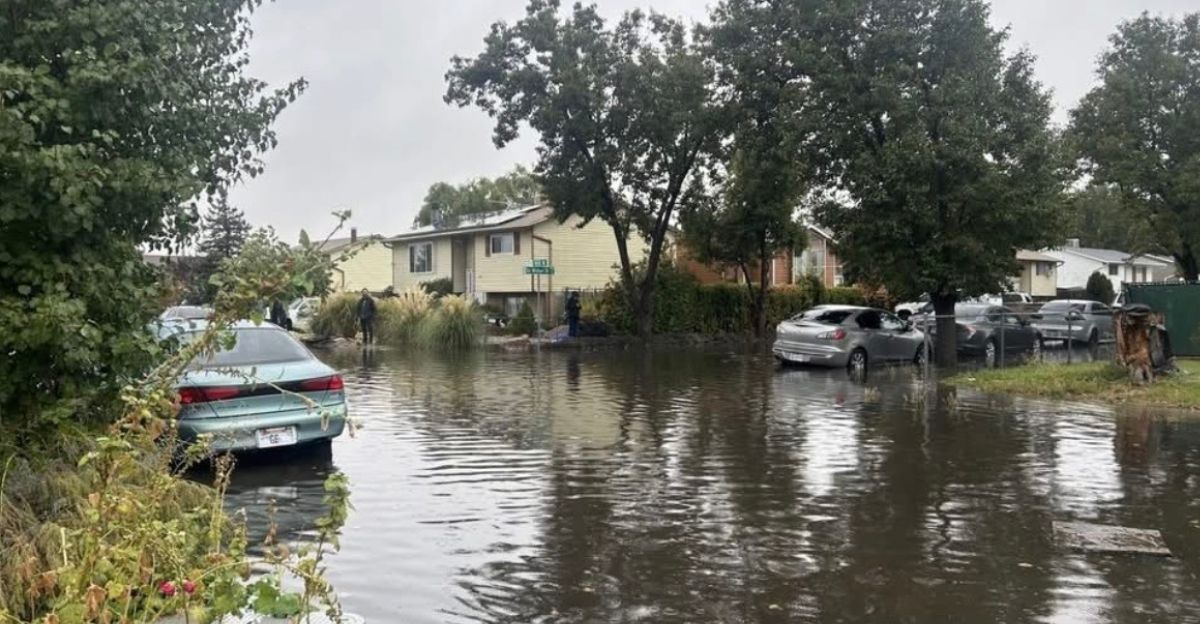
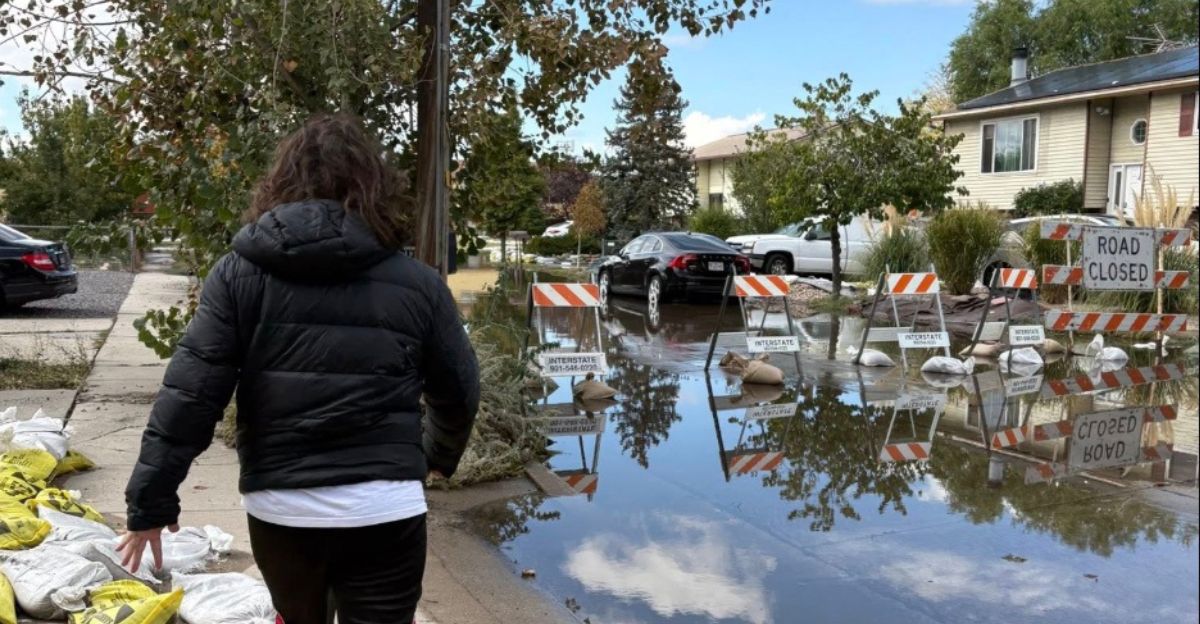
At least 20 homes were inundated when canals overflowed and drainage systems failed, cutting power and heat across large areas. According to KSL-TV, many residents lacked flood insurance because their homes fell outside high-risk zones.
Priceless photos, appliances, and heirlooms were swept away. David Durr, a Willow Place resident, said he’d lived there 43 years and had never seen flooding that was this severe.
Community Bonds Strengthen
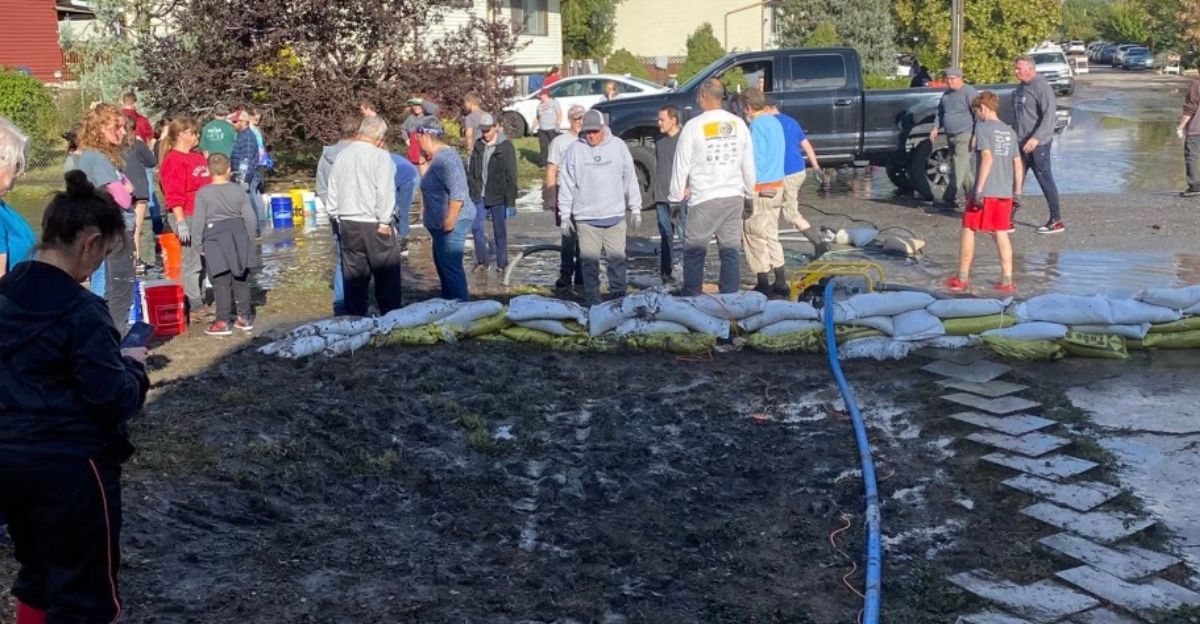
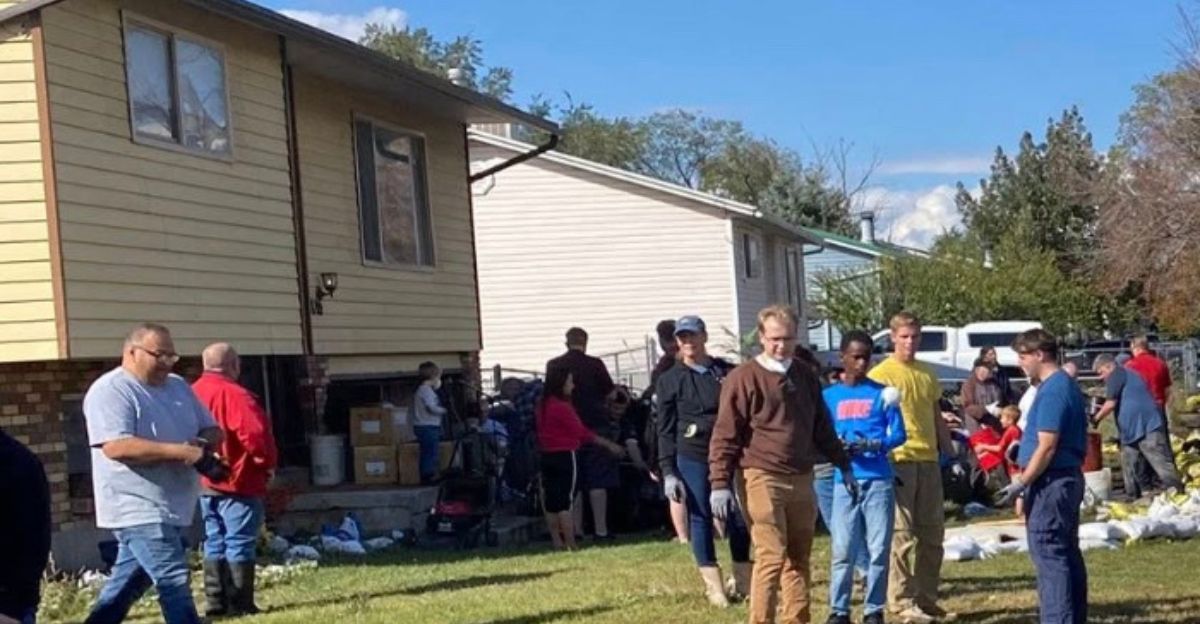
Even amid the destruction, residents forged connections. Neighbors formed teams to fill sandbags, remove waterlogged furniture, and cook for displaced families. Benjamin Donner of the Red Cross told FOX 13 that the community response showed remarkable character.
Lance Dunkley, coordinating local volunteers, said strangers arriving to help turned tragedy into a shared mission, illustrating how sudden disaster can bring out collective resilience and solidarity in ways residents never anticipated.
Emergency Crews Race Against Time
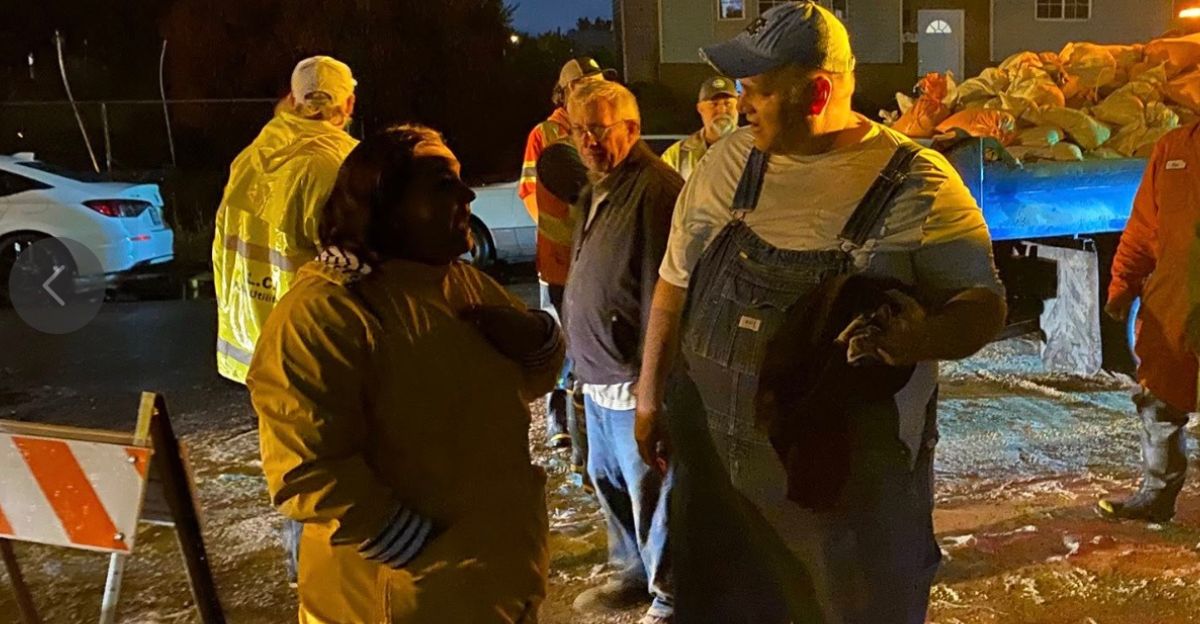
City crews deployed pumps, hoses, and portable equipment to drain streets and basements. Gephardt Daily reported workers labored through the night to clear clogged drains and reinforce vulnerable neighborhoods.
Officials acknowledged they were racing both residual rain and aging infrastructure to prevent additional flooding. Residents watched as crews moved tirelessly, highlighting the urgent, high-stakes challenge facing a city whose defenses were suddenly overwhelmed by one historic storm.
Historic Rainfall Breaks Records
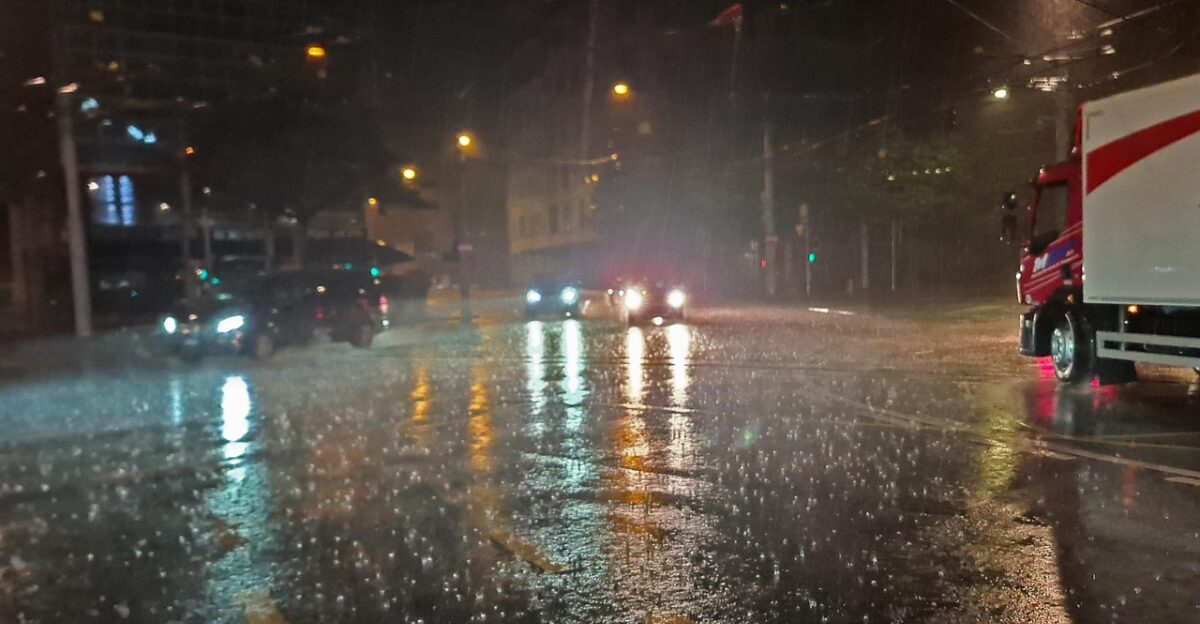
Salt Lake City recorded 2.43 inches of rain in 24 hours on October 4 —the highest total since 1901, when 2.64 inches fell, according to KUTV. Kade Moncur, county flood control director, acknowledged the system was overwhelmed, telling reporters, “Sometimes you just get so much rain that the system can’t handle it.”
The deluge upended long-standing flood assumptions and revealed vulnerabilities in systems thought to handle extreme weather.
Flash Flood Warnings Issued
The National Weather Service issued repeated warnings across Salt Lake Valley. Tooele County officials described the storm as a “100-year event,” highlighting its rarity and severity.
Emergency teams emphasized that every minute counted as the waters rose rapidly, urging residents to avoid flooded roads. This warning came too late for many to protect their property, highlighting the importance of early alerts and community preparedness in extreme weather events.
Streets Turned to Rivers
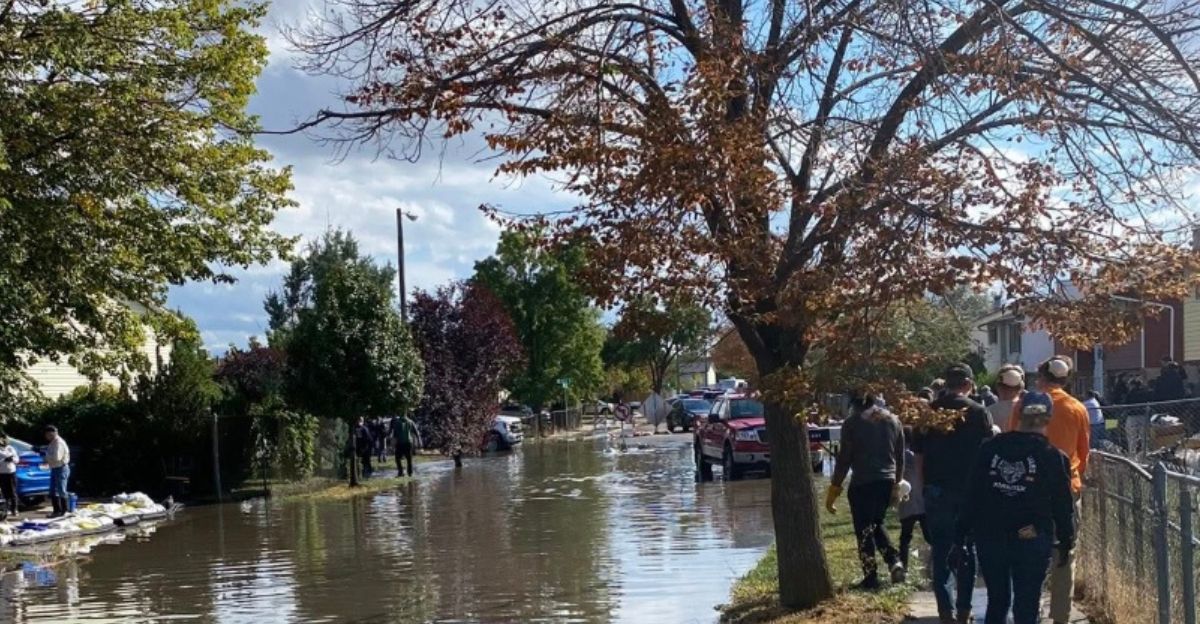
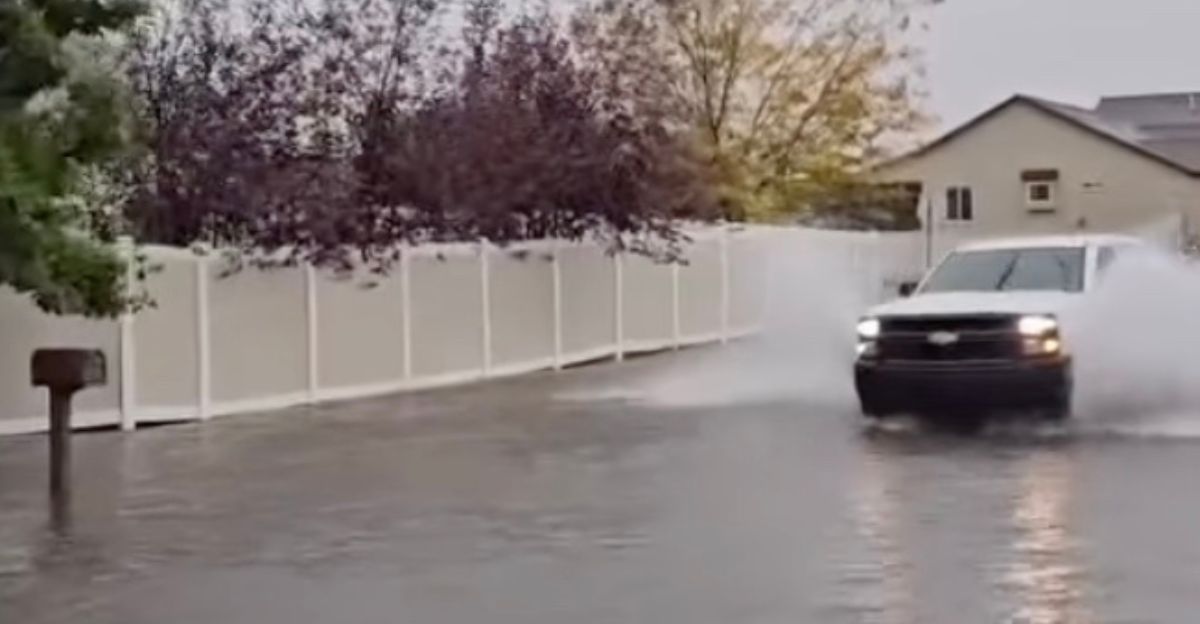
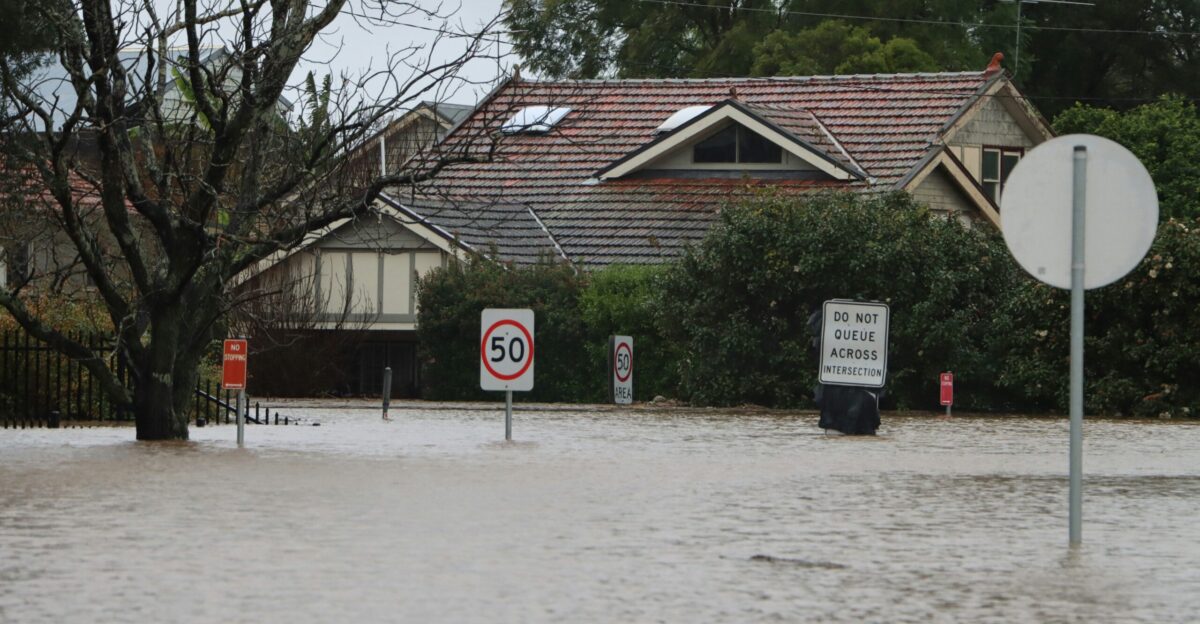
Social media images show cars stranded mid-block and backyards transformed into muddy ponds. KSL-TV reported basements filling within minutes and walls collapsing under water pressure. One homeowner described the scene in her living room as paralyzing.
Streets once familiar were suddenly unrecognizable. These images offered a stark visualization of the storm’s impact, emphasizing the speed and scale of devastation that residents confronted firsthand.
Canal Failures Worsen Damage
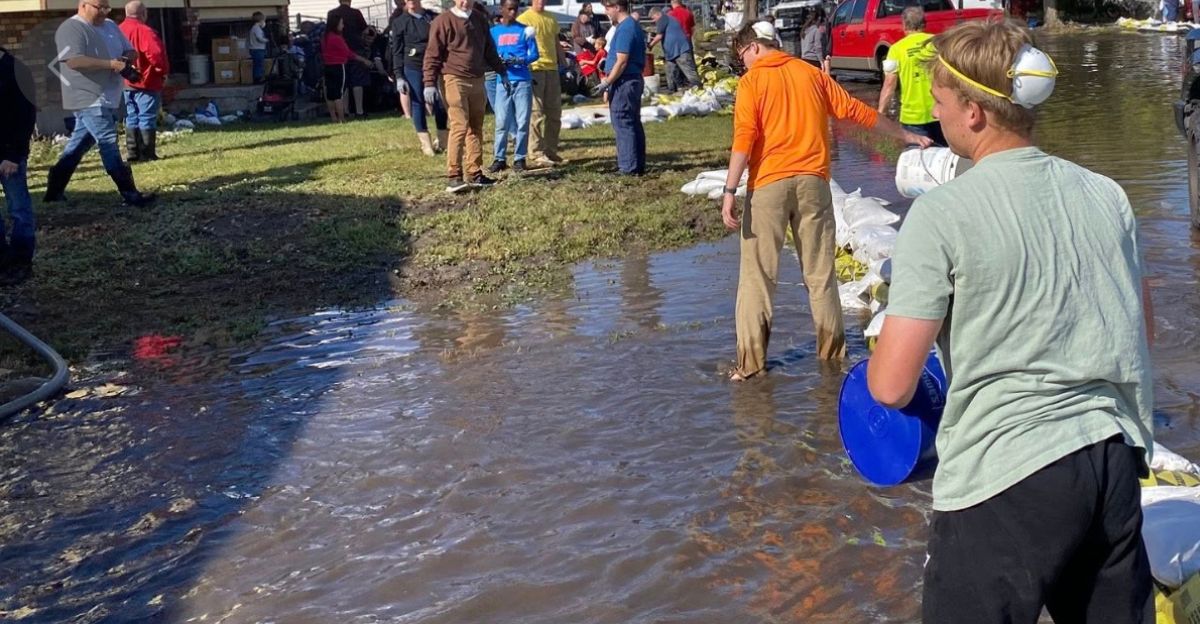
Along Willow Place and 800 North, a drainage canal overflowed into yards and basements. Engineers worked overnight to shore banks and clear debris. Only two of five pumps were operational initially, revealing limits in infrastructure designed for less extreme conditions.
Resident David Durr said the canal had long been reliable, but this storm exposed vulnerabilities, leaving homes unexpectedly exposed to the rising waters.
Power Outages Compound Challenges
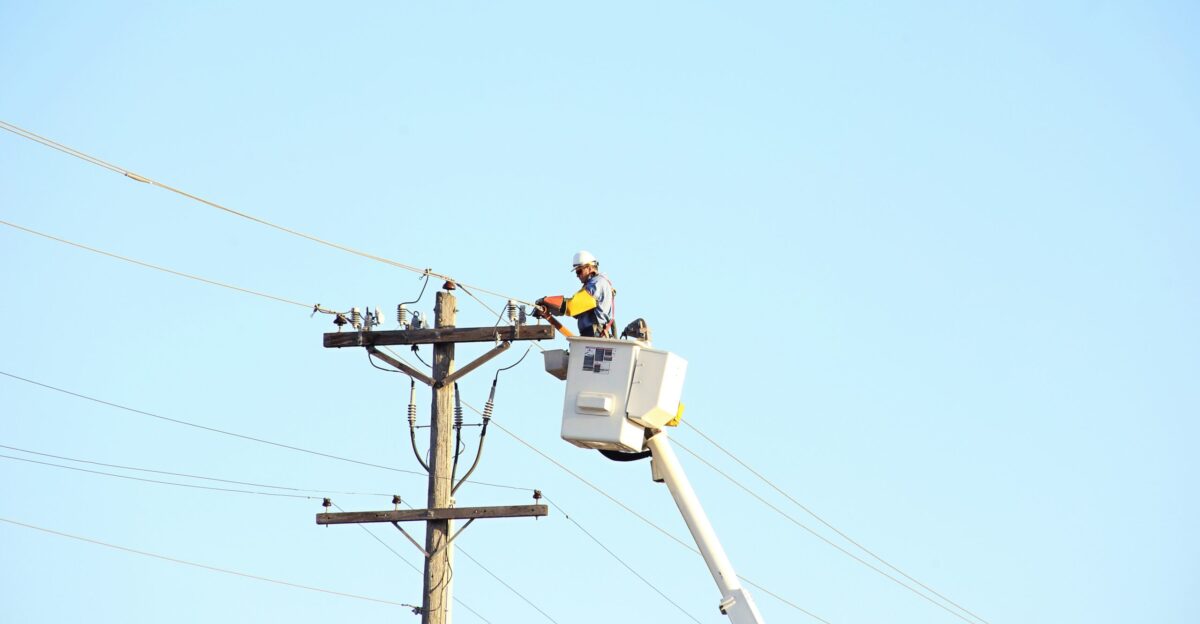
As utility crews navigate flooded transformers and submerged lines, many neighborhoods remain without electricity or heating. Officials warned that cold October nights could be life-threatening for residents, particularly older people and children.
The combination of water, mud, and darkness intensified the strain on families already struggling to salvage belongings, illustrating how physical infrastructure failure directly magnifies the human toll in severe weather events.
Emotional Toll on Residents
Mental health providers warned that anxiety, insomnia, and post-traumatic stress are increasing as families process both loss and uncertainty. Many residents said the emotional strain eclipsed physical cleanup.
Support networks and hotlines have been expanded, recognizing that recovery isn’t just about restoring homes—it’s also about restoring mental and emotional resilience in the face of trauma.
Scrutiny of Infrastructure
Critics have highlighted aging drainage systems and undersized canals as key contributors to flooding. KUTV reported that city officials have pledged a comprehensive review to identify vulnerabilities, though some argue that reforms should have started years ago.
The canal overflow and pump limitations revealed gaps that residents and planners now say must be addressed to prevent similar disasters, emphasizing the long-term consequences of deferred infrastructure investment.
Tooele County Faces Dual Threat
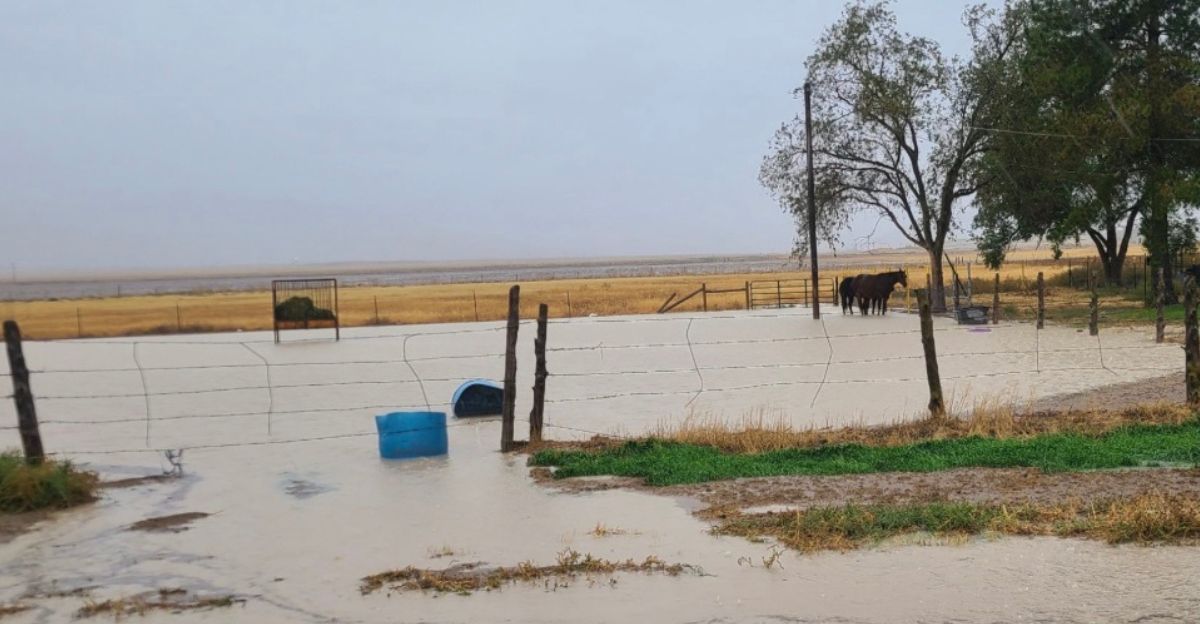
Heavy rain fell on wildfire-scarred hills, triggering debris flows that swept mud, rocks, and vegetation toward homes. According to The Salt Lake Tribune, more than 30 houses reported water damage. County emergency director Bucky Whitehouse described crews racing to stabilize slopes and clear roads.
Evacuation centers provided shelter, demonstrating how compounded natural hazards can magnify risk and strain local resources during extreme events.
Volunteers Become Lifeline

Volunteer groups became crucial for recovery. FOX 13 reported that churches, nonprofits, and community organizations distributed meals, cleanup supplies, and support. The Red Cross transformed community centers into hubs of relief.
Lance Dunkley said these efforts allowed residents to begin restoring their homes while reinforcing a sense of shared resilience and solidarity that has become a defining feature of the city’s response.
Flood Insurance Gaps Exposed
Many affected residents discovered they had no flood insurance, assuming mapped “safe” areas offered protection. KSL-TV noted this left families facing out-of-pocket costs that can run tens of thousands of dollars.
Analysts describe this as part of a broader national flood insurance gap, illustrating the mismatch between perceived safety and real-world vulnerability in areas historically considered low-risk.
NFIP Coverage Challenges

Many Utah towns do not fully participate in the National Flood Insurance Program, complicating access to coverage. A Salt Lake Tribune analysis found that over two dozen municipalities with flood hazard zones either do not participate or rely on limited mitigation standards.
Without reliable insurance, residents face heightened financial strain and slower recovery timelines, emphasizing the importance of federal and state-level support to bridge coverage gaps.
Shifting Weather Patterns
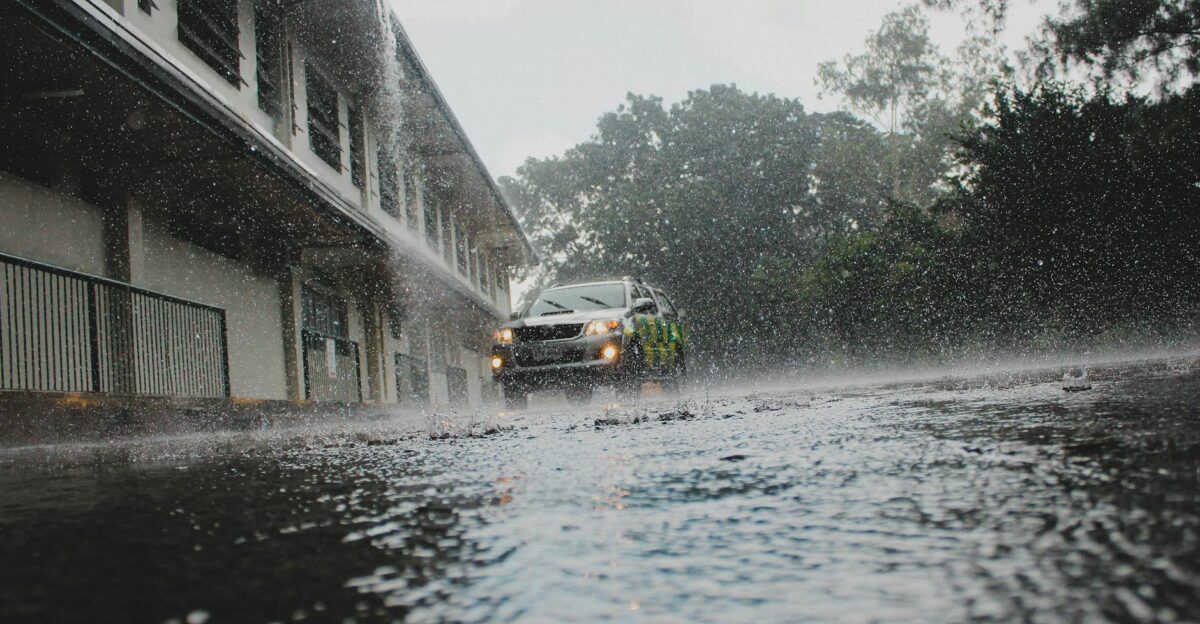
Meteorologists told KUTV that the storm reflects more frequent, intense rainfall events in the region. City planner Laura Briefer said, “The storm showed where our city is strong—and where we must be stronger.”
Officials are now considering updated flood maps, stricter drainage codes, and buffer zones to better prepare for increasingly volatile weather, linking this local disaster to broader climate trends.
Acts of Courage and Community
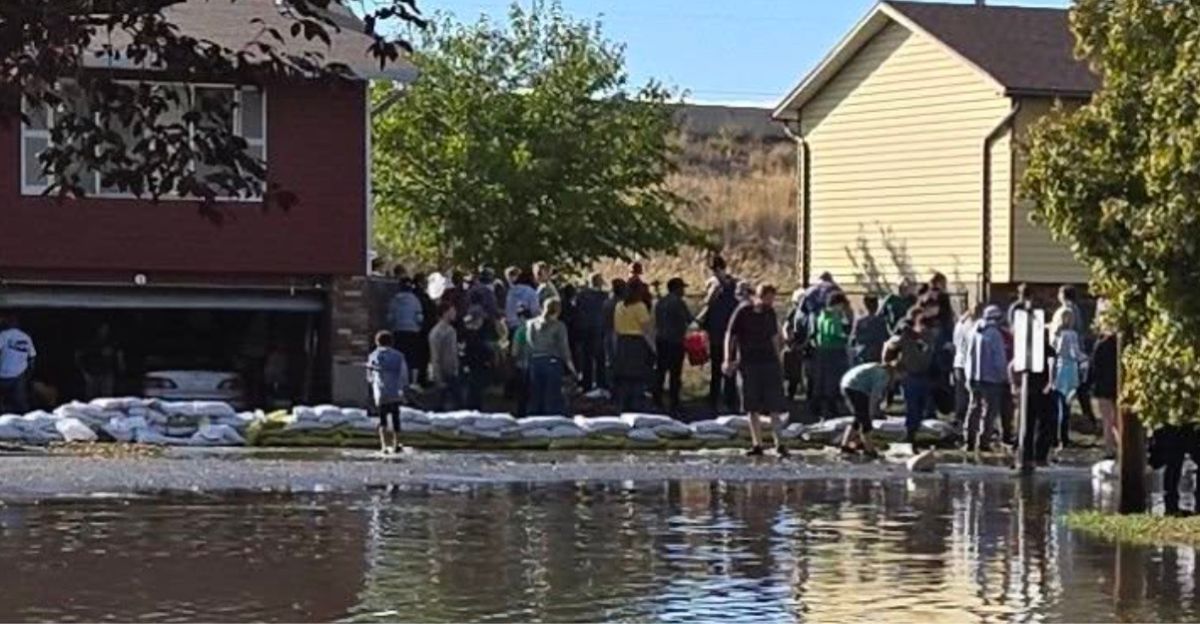
Firefighters waded through chest-deep water to rescue families, while neighbors led convoys delivering sandbags and water. A responder told FOX 13, “People didn’t wait for permission—they acted.”
Residents say these acts of courage demonstrate the power of individual initiative, turning local neighborhoods into temporary networks of protection and aid in a city brought to its knees by sudden flooding.
Calls for Urgent Infrastructure Reform
City leaders and citizens call for immediate upgrades: denser pump networks, modernized drainage, and strategic urban planning. Experts warn that rebuilding decisions today will shape Salt Lake City’s resilience for decades.
The storm has sparked both concern and opportunity, highlighting how investment in infrastructure and planning can prevent a repeat of catastrophic damage in the future.
Recovery Will Be Long and Complex
Homeowners face weeks, even months, of insurance claims, contractor coordination, and emotional strain. Officials are working to improve early warning systems, evacuation plans, and citywide resilience.
Residents hope that lessons learned from this historic flood inform stronger preparation for future storms, ensuring that when extreme weather returns, the city is ready both structurally and emotionally.
A City United by Challenge
Salt Lake City’s 100-year storm will be remembered for its destruction but also for the resolve it inspired. Neighbors helping neighbors, volunteers mobilizing, officials pledging reform—these are the stories of recovery.
Many residents now speak less about what was lost and more about what was gained—a renewed sense of community forged through water, mud, and shared determination.