
Between 2017 and 2022, New York City experienced an extraordinary outflow of wealth, losing nearly $14 billion in adjusted gross income as 125,000 affluent residents departed for Florida.
Experts, including the Citizens Budget Commission, view this migration as one of the most significant financial shifts in recent city history. The impact extends across local businesses, public services, and housing markets.
Why Are Wealthy New Yorkers Moving South?

High taxes, rising living costs, and the COVID-19 pandemic have driven many wealthy New Yorkers to relocate to Florida, which offers a lower tax burden and a robust business environment.
According to CBC, many cite quality-of-life improvements as well as financial benefits, aiming for greater security and flexibility for themselves and their families.
Consumers Feel the Loss

The departure of high-earning individuals has an immediate impact on consumer spending. Luxury retail and personal services in New York are experiencing slower sales, as top clients are relocating their businesses to Miami and Palm Beach. The ripple effect also influences the availability and demand for upscale goods and entertainment venues.
Businesses Adapt to Demographic Shifts
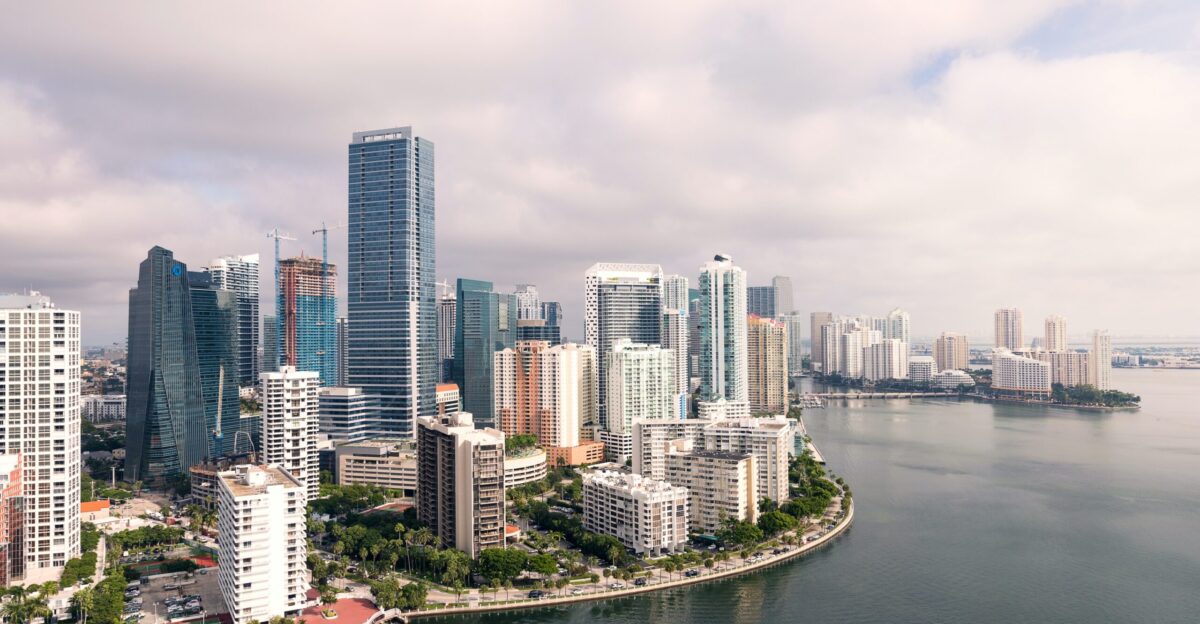
Major companies, such as finance and tech firms, are opening offices in Florida to follow wealthy clients. UBS, among others, has expanded its presence in Miami, marking a shift in corporate strategy as affluent families and executives settle in the southern state. The move is being echoed by businesses seeking to preserve high-value relationships.
Miami’s Real Estate Boom
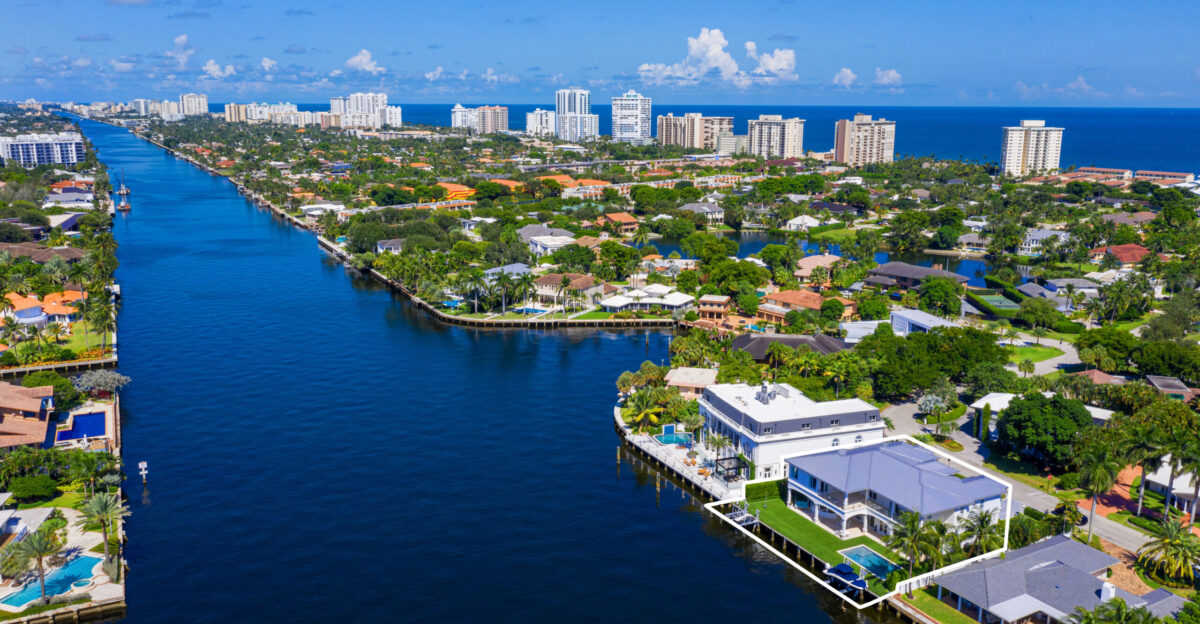
The wave of wealthy New Yorkers has fueled rapid growth in Miami’s real estate market. Demand for luxury homes drives prices higher, with Palm Beach showing a 50% increase in millionaire residents over the past decade, according to analytics by Hannah Jones, Realtor.com Senior Data Analyst.
International Business Gets a Boost

Florida’s appeal to wealthy newcomers bolsters its international trade and investment profile. Affluent migrants often pursue global opportunities, fueling entrepreneurship and adding resources to sectors such as tourism and import-export, which further strengthen the state’s economic standing.
Real Lives in Transition

Affluent professionals and entrepreneurs cite flexibility, climate, and business opportunity as their reasons for leaving New York.
Miami agent Ana Bozovic tells Realtor.com that “COVID supercharged migration to South Florida.” Individuals share how the move has changed their work dynamics, families, and personal ambitions.
Political Response: Policymakers React

New York officials, like CBC President Andrew Rein, call for policy reforms to address the city’s competitive disadvantage in taxes and quality of life.
The debate includes proposals to lower property taxes and improve public services to entice residents to stay or return.
Budget Challenges Hit NYC

With top income earners accounting for approximately 40% of the city’s revenue, their absence creates significant fiscal strain.
Reduced tax receipts lead lawmakers to consider cuts in essential services, infrastructure projects, and schools, which will have a significant impact on the city’s budget and social programs.
Retailers Redefine Their Strategy
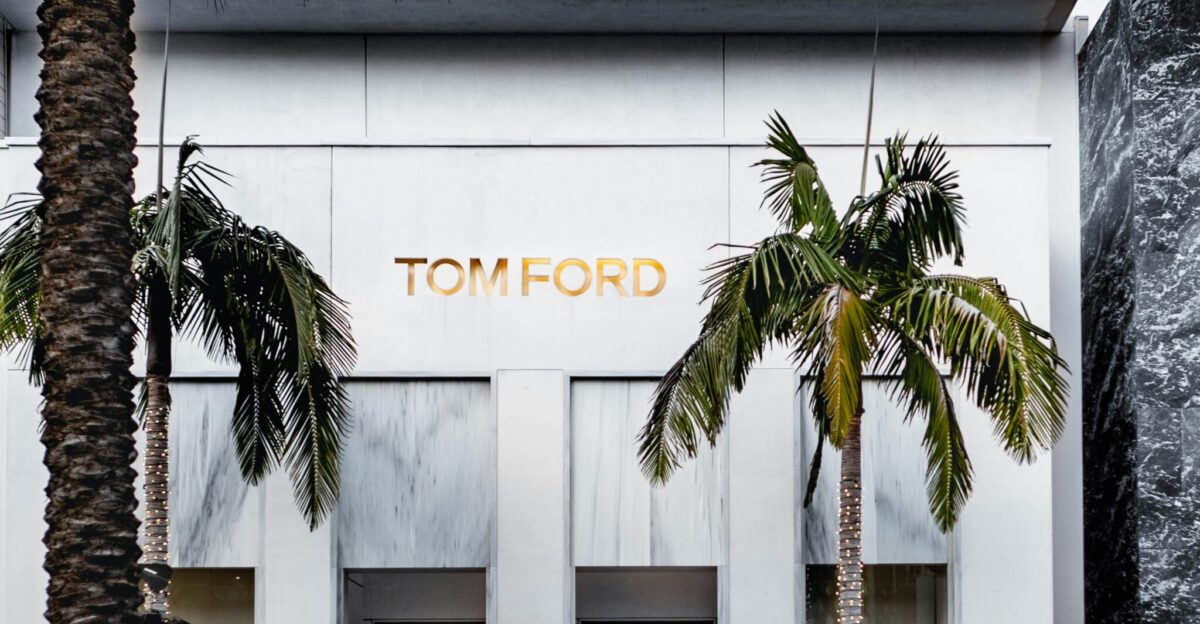
Luxury retailers are adapting, with many reducing their store footprints in New York and boosting inventory in Miami and Tampa.
Saks Fifth Avenue and others are now targeting Florida’s growing pool of upscale buyers, launching new marketing initiatives and online campaigns.
Hospitality Industry Transformation
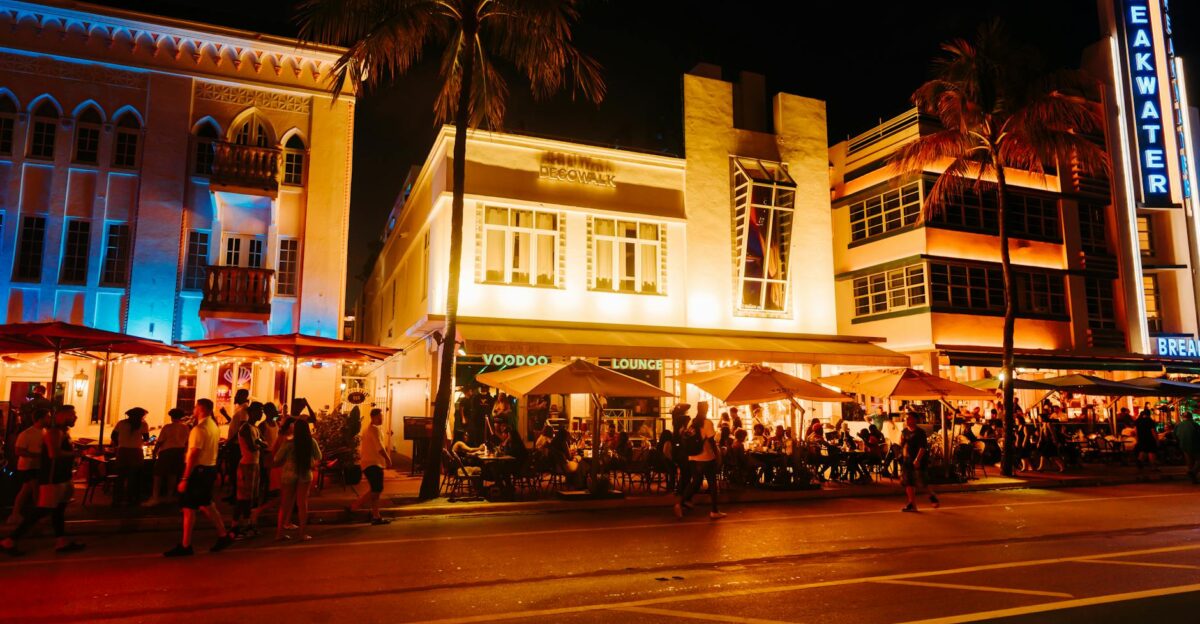
Restaurants and hotels face demographic changes. High-end venues in New York launch incentives, while Miami’s dining and hospitality offerings expand rapidly.
New restaurants are opening to welcome migrant clientele, contributing further to the economic dynamism in South Florida.
Subcontractors Grow and Move

Professional service providers, from real estate brokers to personal trainers, adjust their operations in tandem with their clients.
Miami’s service sector reports strong growth, while some New York firms scale back or pivot their business models in response to the shrinking affluent population.
The Global Ripple: Brands Rethink Strategy

Luxury brands readjust their U.S. market strategies, seeking expansion in Florida and exploring international sales to offset losses in New York.
Companies closely monitor migration data for business planning, reflecting the global impact of U.S. interstate wealth flows.
Health and Lifestyle Shifts Among Migrants
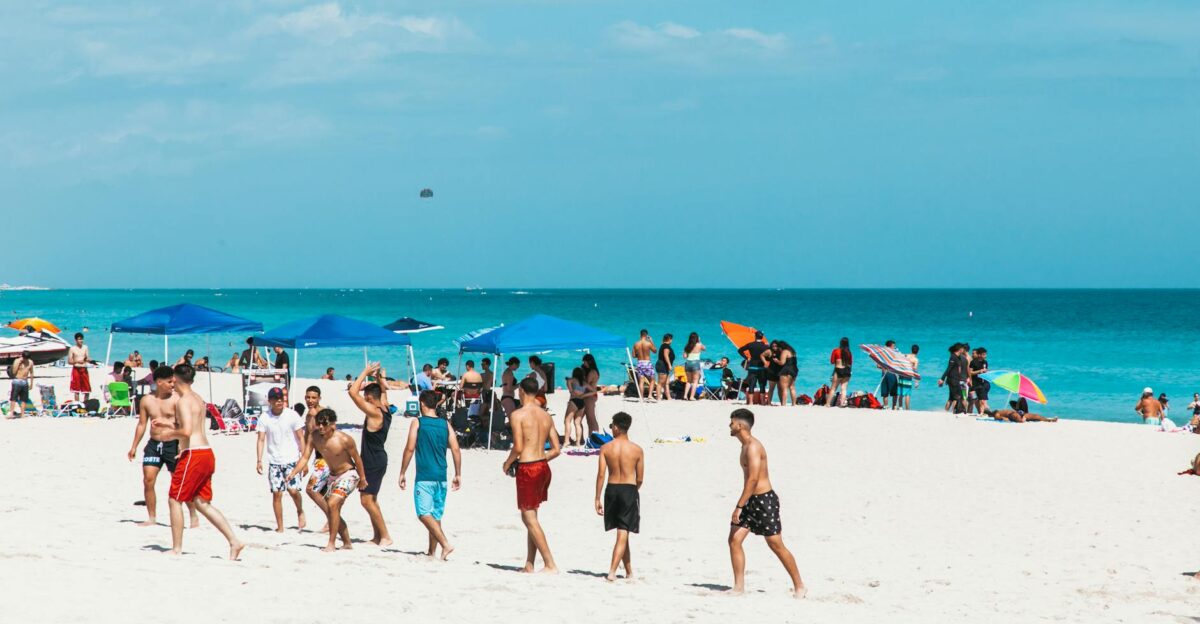
Access to outdoor amenities and wellness opportunities is a major draw. Residents moving from New York to Florida often increase their spending on fitness, healthcare, and personal well-being, reshaping local economies and influencing public health trends.
Cultural Change: Debate Emerges

Urban culture is shifting. Critics note a “brain drain,” while Floridians express concern over rapid development and changing community dynamics.
Experts like Hannah Jones argue that the migration has supercharged South Florida’s cultural landscape and housing patterns.
Who Wins, Who Loses?

Florida’s upscale markets, financial services, and hospitality businesses are clear winners, benefiting from new customers and capital.
In contrast, New York faces economic setbacks and a more challenging path to recovery in the short term as local businesses struggle with decreased demand.
Markets Speculate on the Future

Financial experts monitor city budget changes and migration statistics for signals about opportunities and risks.
UBS and similar firms expand operations in Florida, while analysts warn of pressure on municipal bonds and credit ratings in New York.
Consider All Aspects Before Moving

Potential movers should thoroughly review tax laws, housing prices, and local employment markets. Financial planning and careful research are best practices, as costs and opportunities differ widely between New York and Florida. Experts recommend consulting professionals with experience in interstate relocation.
Will the Trend Continue?
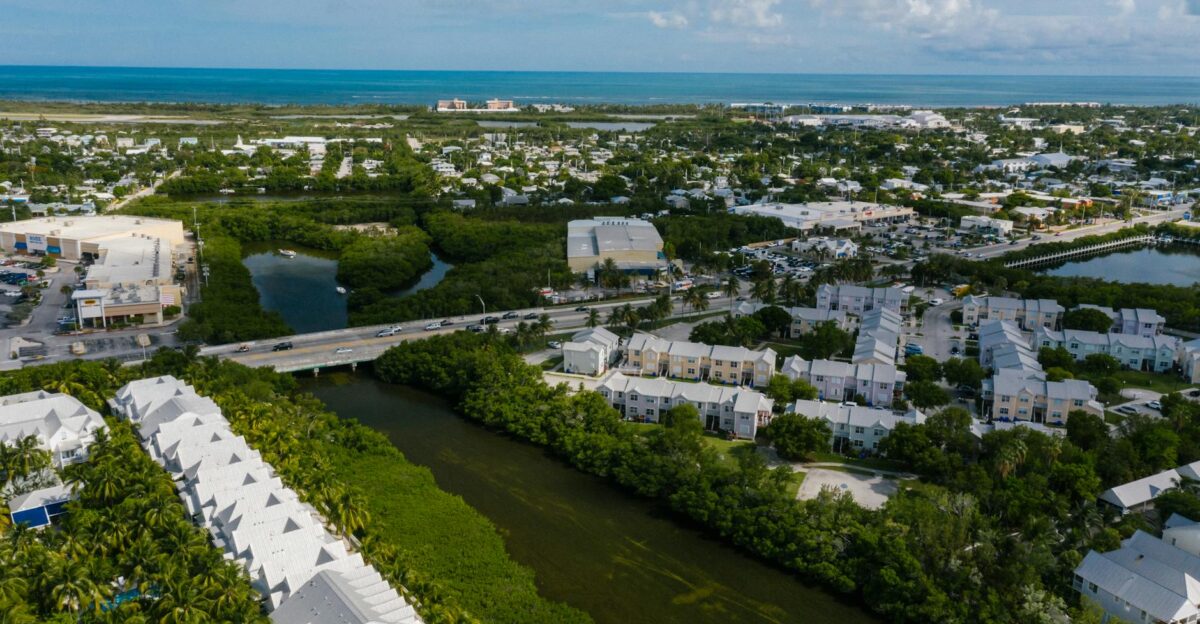
Ongoing debates over taxes, services, and equity in New York will shape future migration patterns. Florida’s business-friendly environment remains a strong attraction, and experts expect continued population growth unless significant policy changes occur in the Northeast.
A National Shift in Wealth
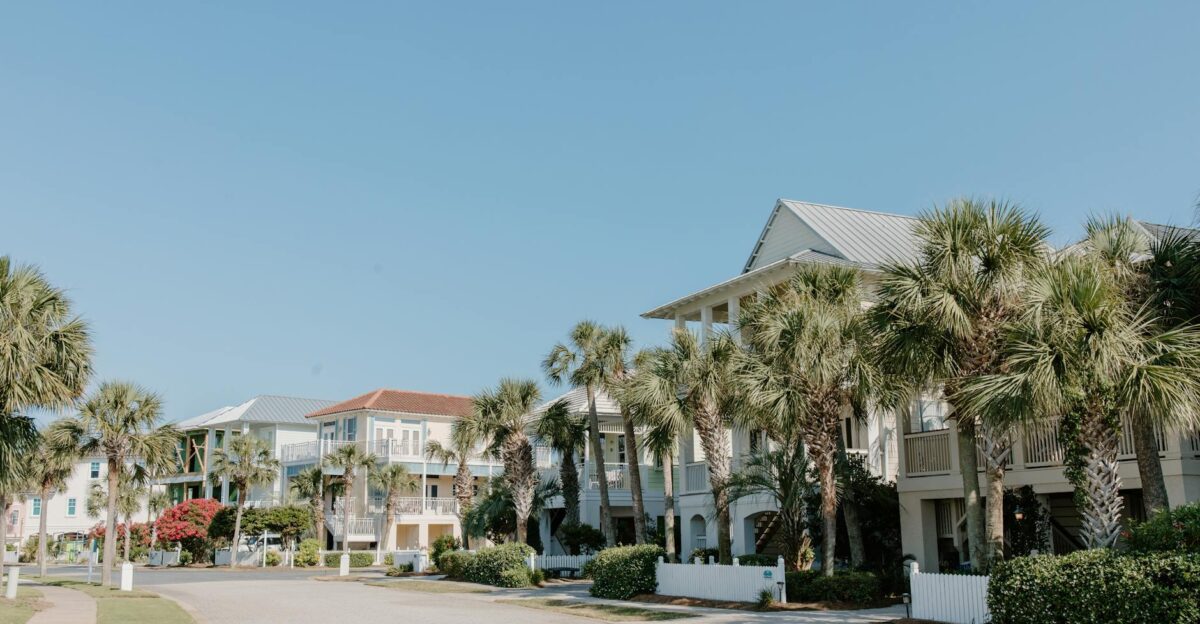
This migration represents a larger national transformation in economic and social power. The movement of wealth from New York to Florida is part of a broader story impacting industries, communities, and policies nationwide, as cities adapt to shifting demographics and priorities.