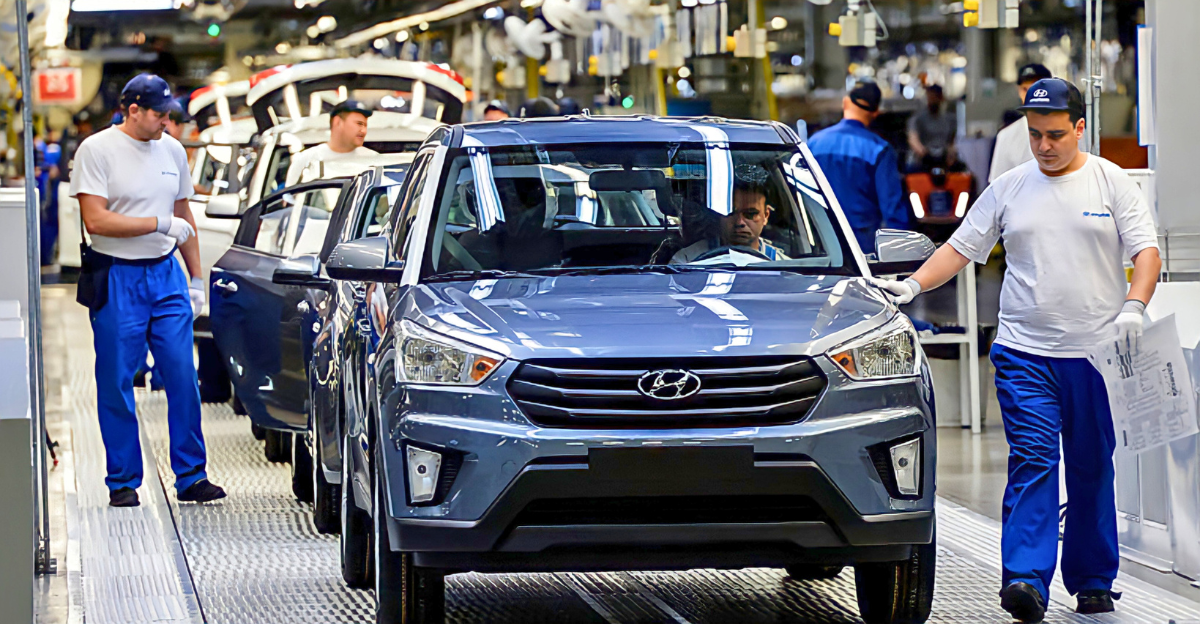
Hyundai surprised America’s auto market by recalling almost 600,000 vehicles, including its popular Palisade SUVs. The announcement was made on September 11 and immediately worried customers across the country.
Safety officials say the faulty seat belts could prevent people from being properly protected during a crash, making quick action vital. Car buyers, dealers, and even other car brands are paying close attention, seeing how one company’s safety problem can change everything.
Why Seat Belts Became a Problem
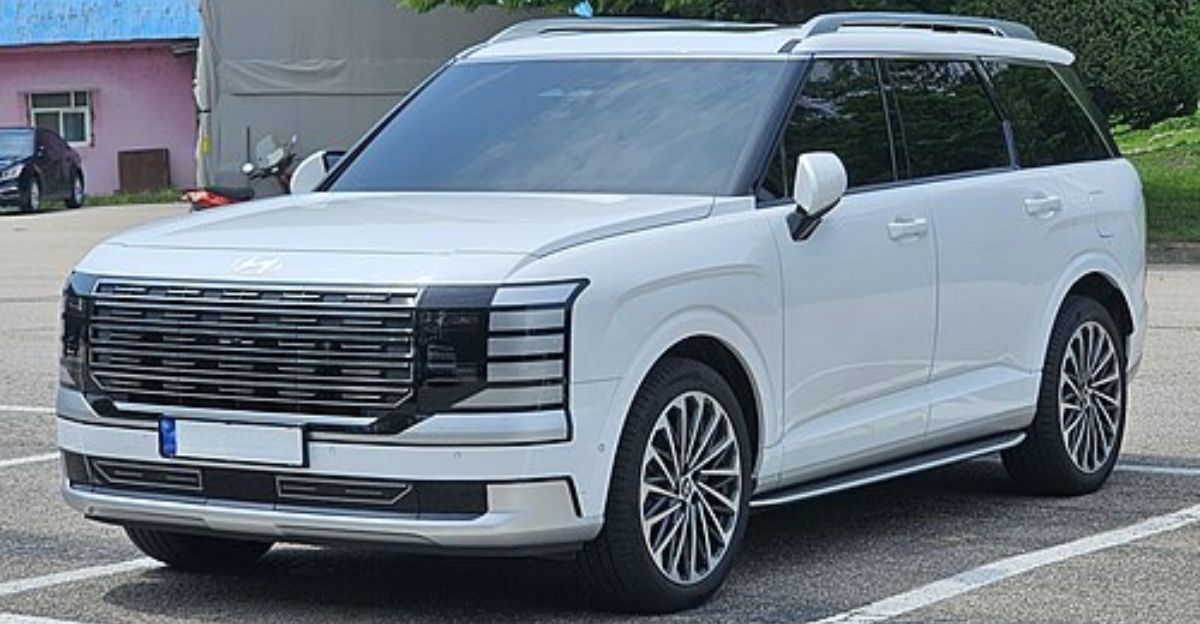
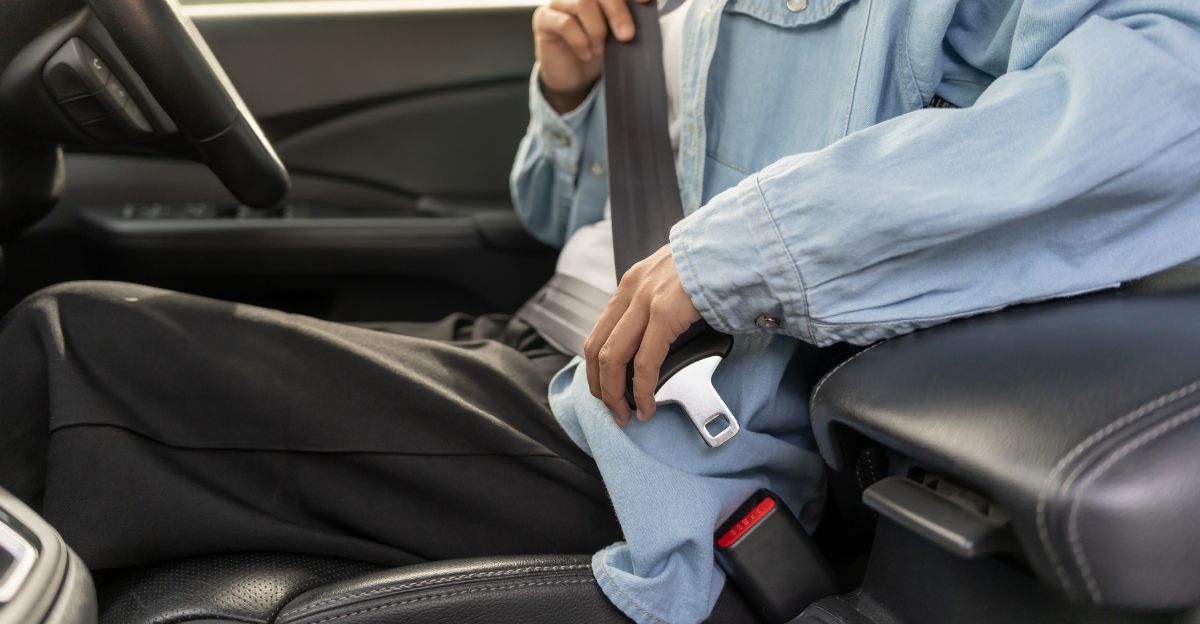
Hyundai started this recall after hundreds of drivers complained about seat belt buckles not locking properly in Palisade SUVs from 2020 to 2025. The National Highway Traffic Safety Administration (NHTSA) checked the complaints and found that about one out of every hundred seat belts had problems, a big enough risk to demand action.
Hyundai and safety regulators moved fast. According to Reuters, “Consumers are encouraged to firmly insert the seat belt into the buckle with a swift motion and to tug on the belt to ensure it is completely fastened until the necessary repairs are implemented.”
How Hyundai Owners Are Affected
“On Sept. 12, Hyundai Motor America announced the recall of 568,850 2020-2025 Palisade vehicles for seat belt buckles in the driver, passenger, and second-row window seats that may fail to latch,” reported USA Today.
Since September 13, owners can use their car’s VIN to see if they’re at risk and start making plans for repairs. Hyundai will send out letters by November 10 detailing what to do next. All repairs are free, but owners must visit a dealer to fix the problem.
Hyundai Dealers Step Up
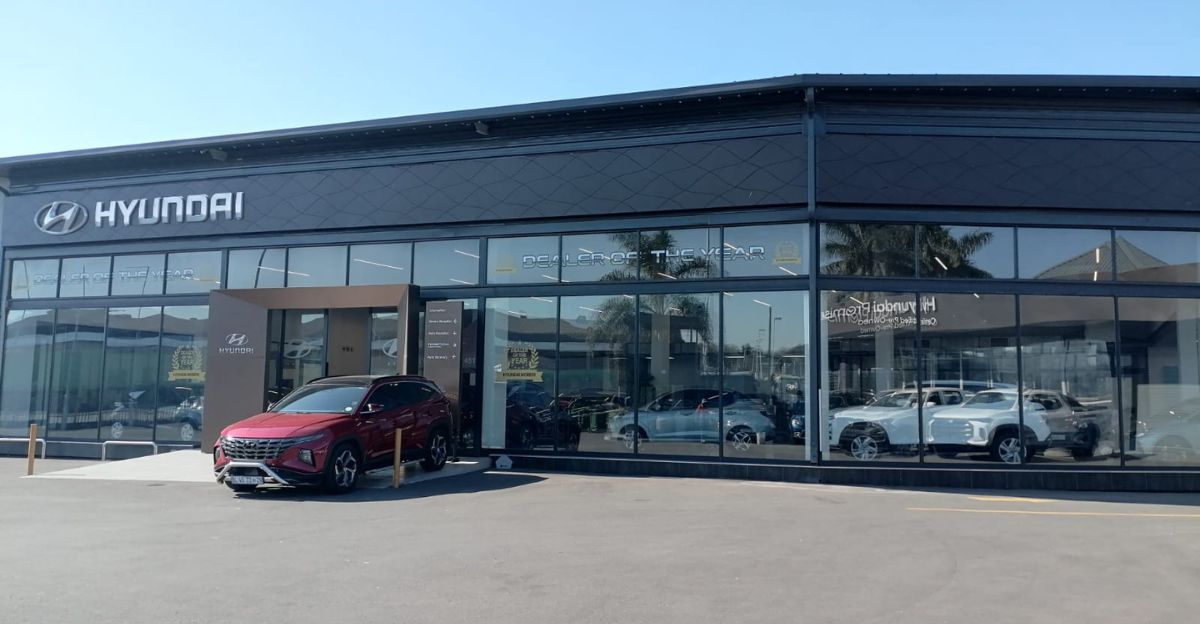
Hyundai’s network of dealers across the country is getting ready to inspect and fix recalled cars as fast as possible. The company is making sure that these repairs don’t cost the customer anything. Dealers are not just repairing cars, they are answering drivers’ questions and easing concerns about safety.
Hyundai knows its reputation depends on how quickly and honestly it handles the situation. The carmaker has promised to keep the public informed and make things right. Customers appreciate when brands step up, showing that these safety fixes are a priority.
More People are Looking for Other Cars
Because of the recall, many Hyundai owners are thinking about switching to different vehicles while they wait for theirs to be fixed. Car rental companies and rival brands are seeing more interest from frustrated Hyundai drivers.
Car dealers selling other brands might benefit as customers look for alternatives. This recall is reshaping who gets to sell cars, at least until repairs are complete.
The Recall Goes Global
Regulators in Canada and Europe are keeping a close watch on how America handles the problem, in case they need to do the same. Hyundai’s partners worldwide are reassessing their safety standards, worried the issue could affect more customers.
Some governments may start investigations and ask for their own recalls if they detect similar risks. Global supply chains are bracing for new safety checks, knowing that standards could be updated industry-wide.
Meet the Technicians Keeping Cars Safe
Hyundai service technicians are working hard as more owners bring in recalled cars. They now spend extra time checking seat belt latches and reassuring anxious customers.
For technicians, the recall means longer hours and more careful inspections. Hyundai’s workforce is stepping up and showing how important every repair is to the company’s reputation. As vehicles continue to arrive at service bays, the challenge isn’t just mechanical, it’s earning back customer trust through personal attention and diligent work.
Regulators Crack Down
This recall shows that safety agencies like NHTSA are not backing down, they’re increasing pressure on car makers to make seat belts better and safer for everyone. Authorities could start requiring stricter testing and monitoring of seat belt designs, not just for Hyundai but for all brands.
This means future recalls might happen more often as government scrutiny increases. The NHTSA’s recall report warns, “Seat belt buckles that fail to latch may not properly restrain occupants in a crash, increasing the risk of injury.”
How the Recall Impacts Car Sales
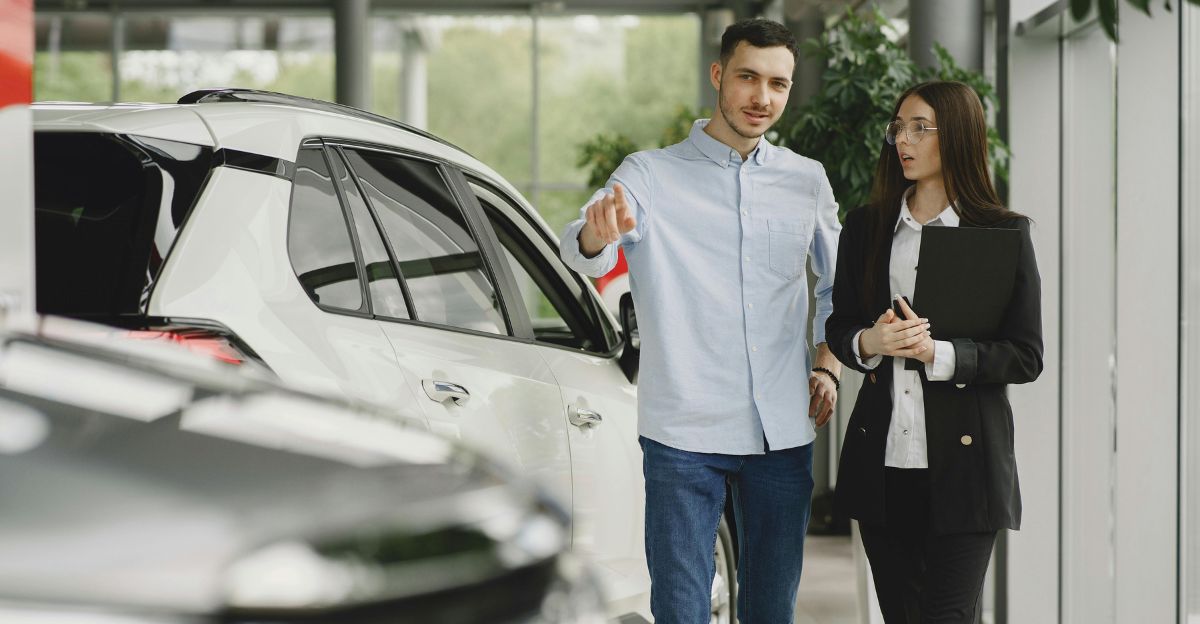
With sales paused and focus shifted to repairs, Hyundai dealers see new car purchases stall. Investors and analysts are watching how Hyundai’s finances might be affected. Safety concerns and repair costs could spill into quarterly reports, possibly lowering market share or profits.
The recall underlines how quickly a safety issue can disrupt business and consumer confidence. Sales figures may dip, but smart moves now can safeguard Hyundai’s future.
Dealers Adjust to New Challenges
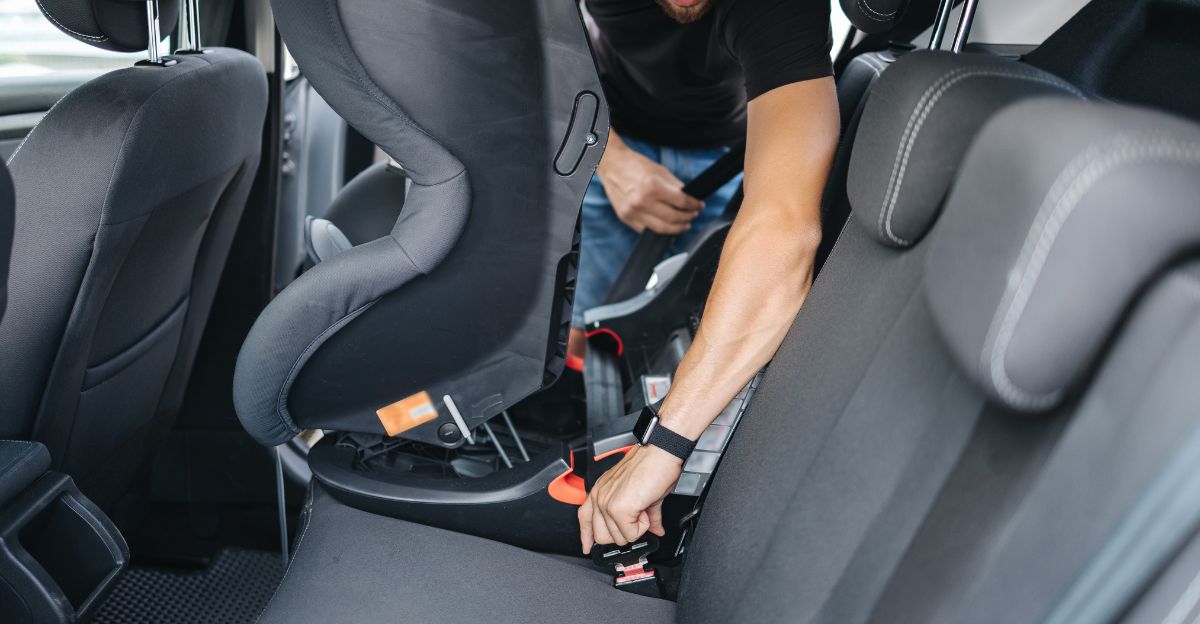
Auto retailers are rapidly changing how they talk to customers. They train staff on safety fixes and reassure people that the recall proves Hyundai’s commitment to safety. Some dealers are offering free loaner cars or adding incentives to keep customer loyalty strong.
Every showroom now places safety at the center, using the recall to highlight proactive service. Quick responses can turn a recall into a chance to strengthen relationships.
Rental and Ride-Share Companies Adapt
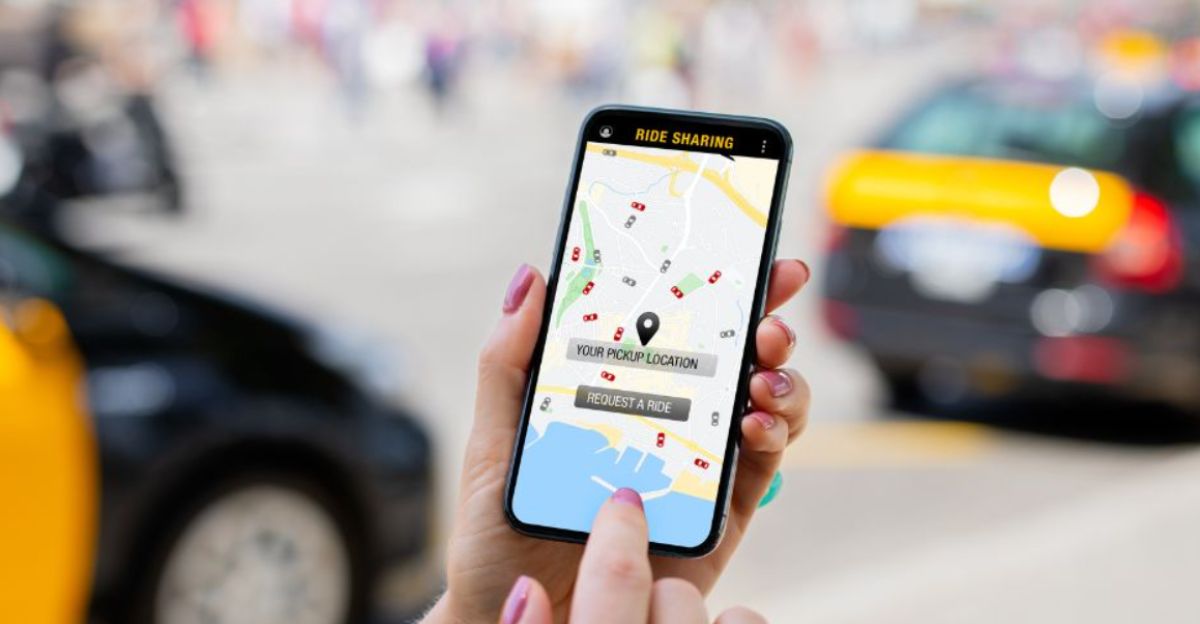
Companies like rental agencies and ride-share services are making changes, too. Any Hyundai Palisade that might have defective seat belts is taken off the road until fixed.
Providers scramble to replace affected vehicles while still meeting travel demand and keeping passengers safe. It’s a careful balance between convenience and safety while the risk is investigated.
Safety Suppliers See Changes
Companies that make seat belt parts and offer safety checks are getting more business. As Hyundai and other brands inspect their products, demand for seat belt makers, consultants, and certification experts shoots up. The push for better safety systems creates stress and chances for industry growth.
Trust in Hyundai Tested Worldwide
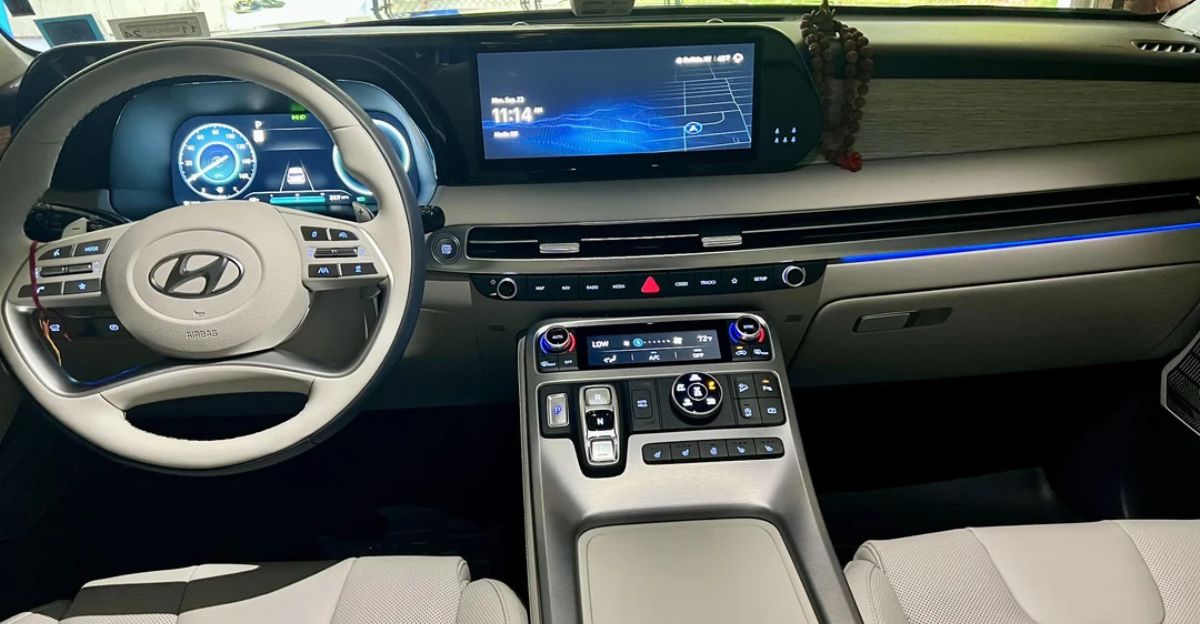
News of the recall spreads fast, leading international buyers to reconsider their choices. Dealerships abroad see customers demanding clearer safety guarantees. Brands everywhere are reminded that trust comes from transparency and accountability, not just promises.
“Although Hyundai expects only about 1% of the Palisade models actually have the defect, it’s issuing the recall out of an abundance of caution,” reported Electrek.
People Get More Serious About Safety
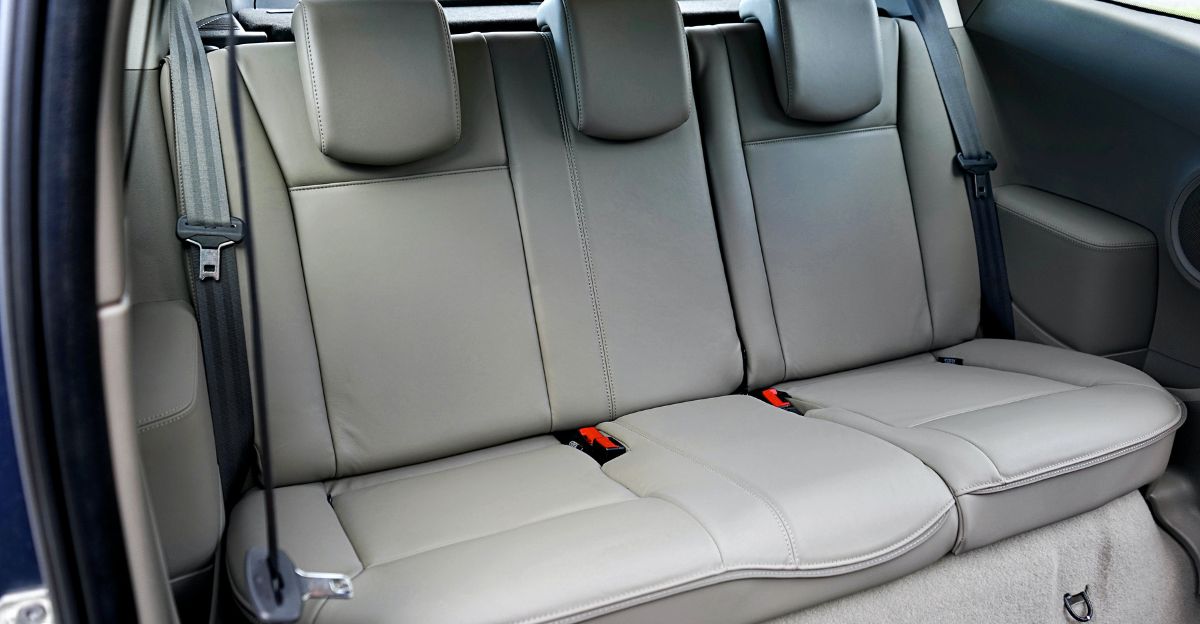
This recall makes everyone, not just Hyundai owners, more aware of car safety. Drivers check their seat belts and learn about safety tests.
Many now look for signs of trouble before using their vehicles. The national focus on automobile safety gets stronger, and owners of all brands start doing more self-checks.
The Big Safety Debate
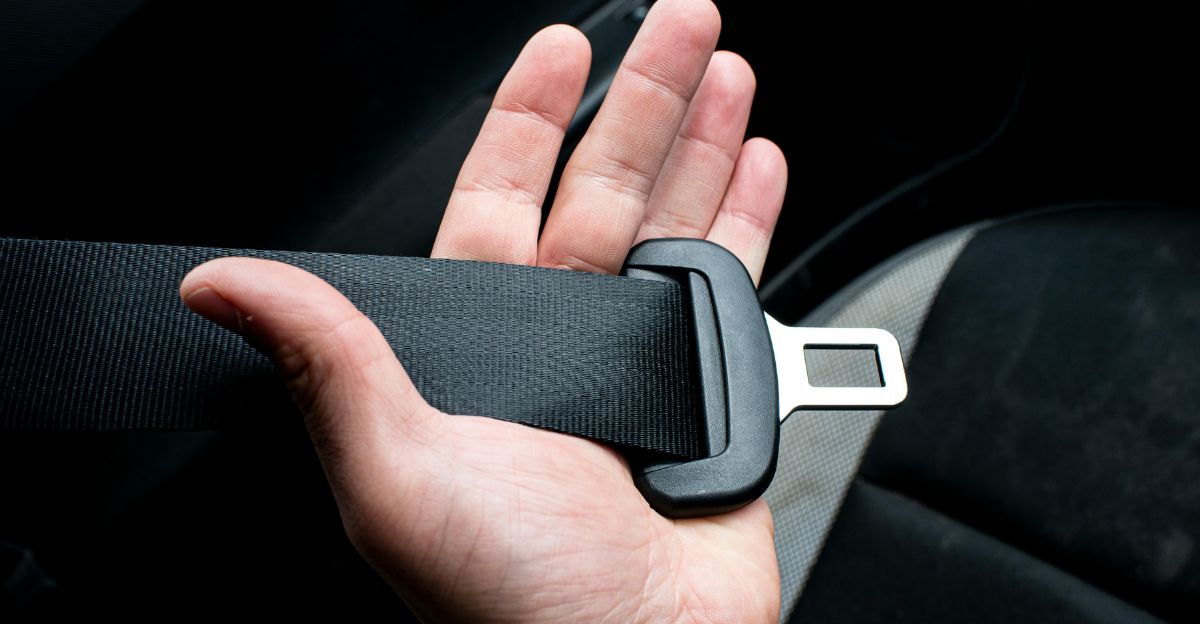
Are recalls always about real danger, or are companies just being overcautious? Experts are now debating how much risk is too much. This recall is stirring conversations about how far companies need to go to protect consumers and how much risk people are willing to accept.
Industry insiders and drivers argue whether recalls mean cars are unsafe, or just show companies are being careful.
Who Loses and Who Gains
Hyundai faces problems, but companies who design advanced seat belt systems see new opportunities. People selling used Hyundai vehicles could struggle, as prices may drop because of safety worries.
The sudden drop in car value can make a real difference for some families. Brands that get safety right stand to win new customers, and brands caught in recalls must work harder to regain trust.
Wall Street Watches Hyundai Stock
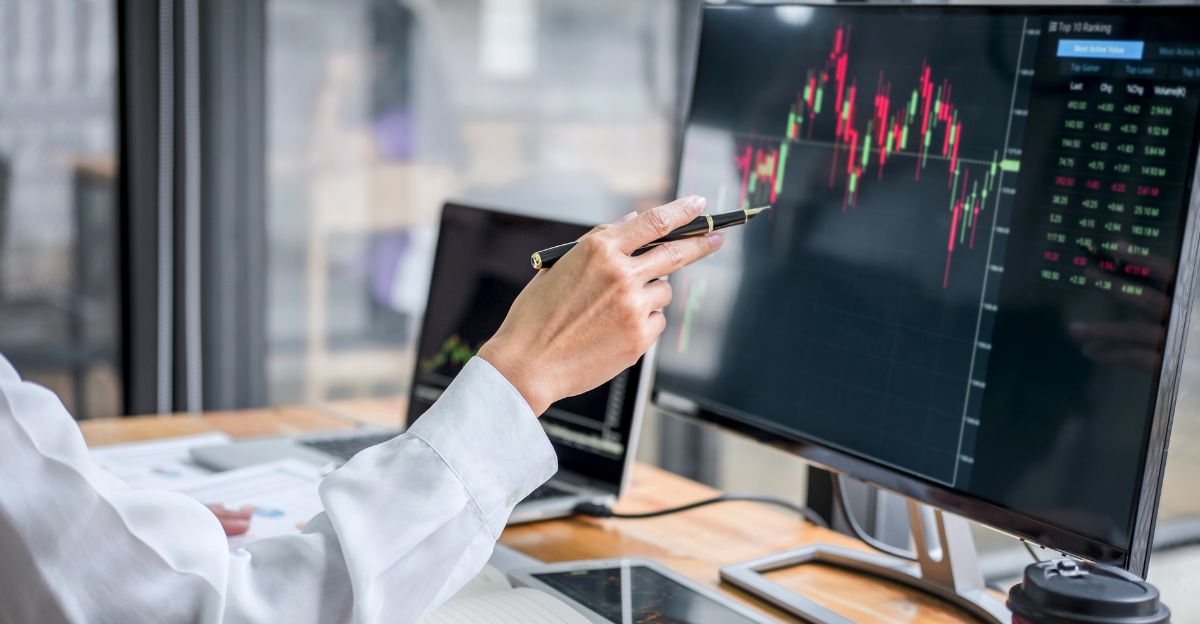
Financial analysts are keeping a close eye on Hyundai’s stock market performance. Share prices may go up or down depending on how quickly Hyundai can fix the problem and avoid expensive lawsuits.
For investors, this recall is both a challenge and a chance for recovery. They know that quick, honest action can help car companies bounce back, but slow or unclear responses could hurt profits.
What Hyundai Owners Should Do Next
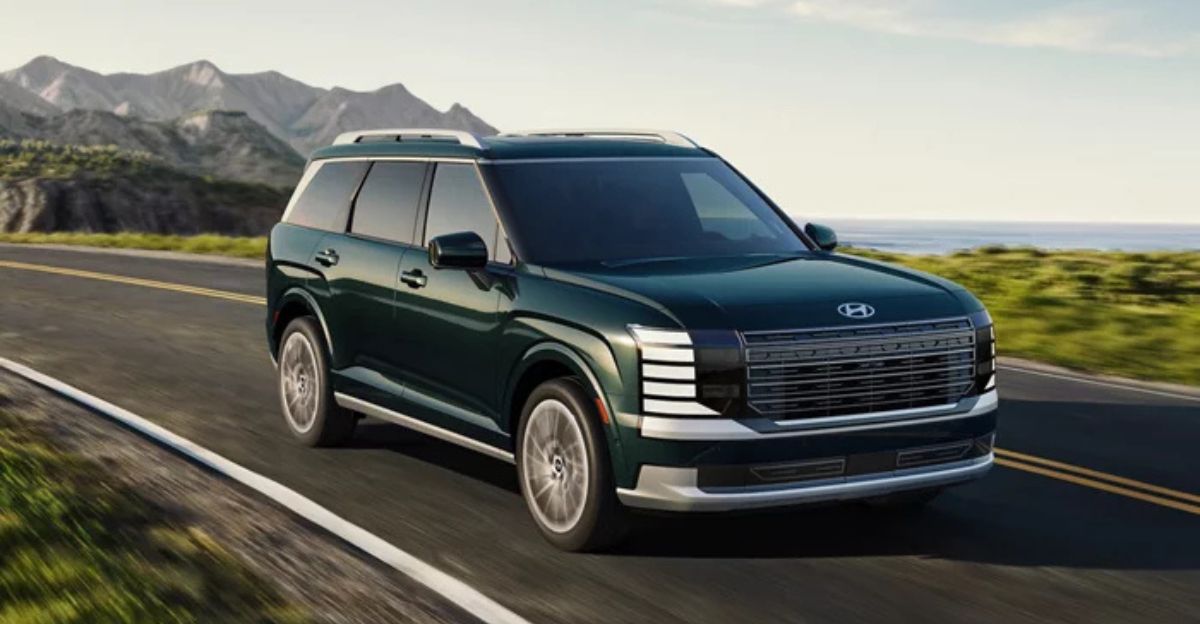
Experts tell every owner of an affected Hyundai to check their VIN immediately using the NHTSA’s lookup tool and get in line for repairs as soon as they receive notifications.
Acting fast not only keeps them safe but can also help protect the car’s value. It’s important to keep any paperwork related to repairs for future proofing.
New Laws and Better Safety Coming
This recall could change the future of car safety rules. Advocates think new laws and guidelines will come, forcing every automaker to work more closely with regulators. The end goal is a safety-first culture that puts drivers and passengers at the top.
The NHTSA’s recall report suggests, “Industry advocates predict closer collaboration between automakers and regulators, creating a safety-first culture that benefits all consumers.”
One Recall’s Big Influence
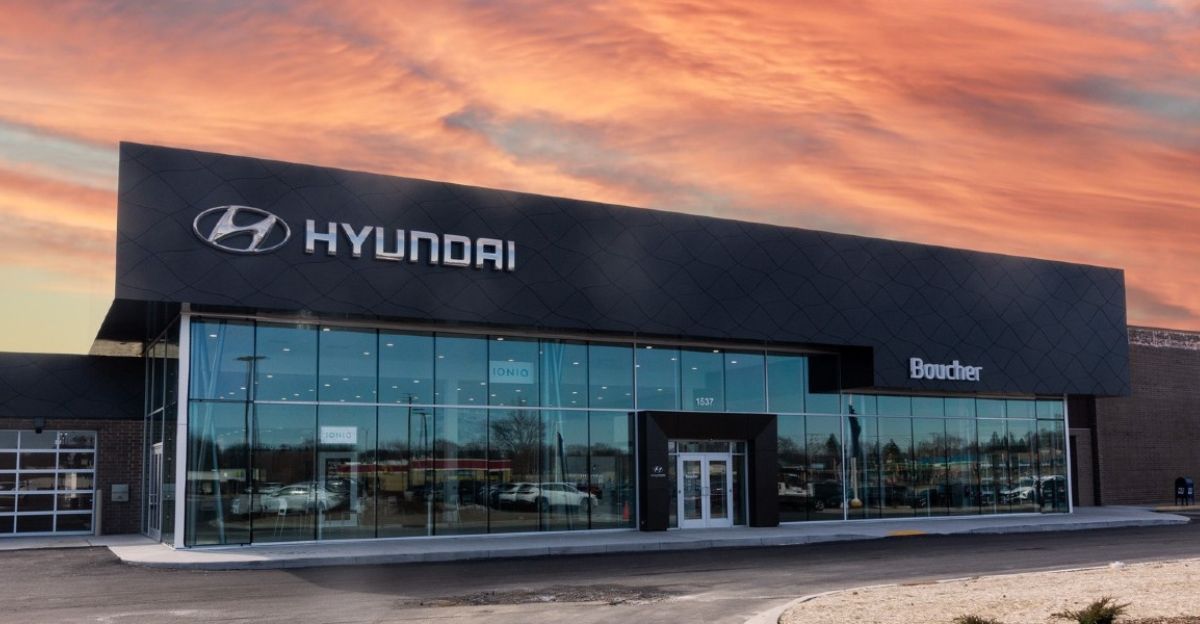
Hyundai’s large-scale recall shows how a safety issue can shake up not just one company, but also the whole car world. The effects touch families, mechanics, car dealers, and even investors.
Every step in tackling the recall teaches important lessons about responsibility and transparency. The public is watching closely because the next big car recall could come from anywhere.