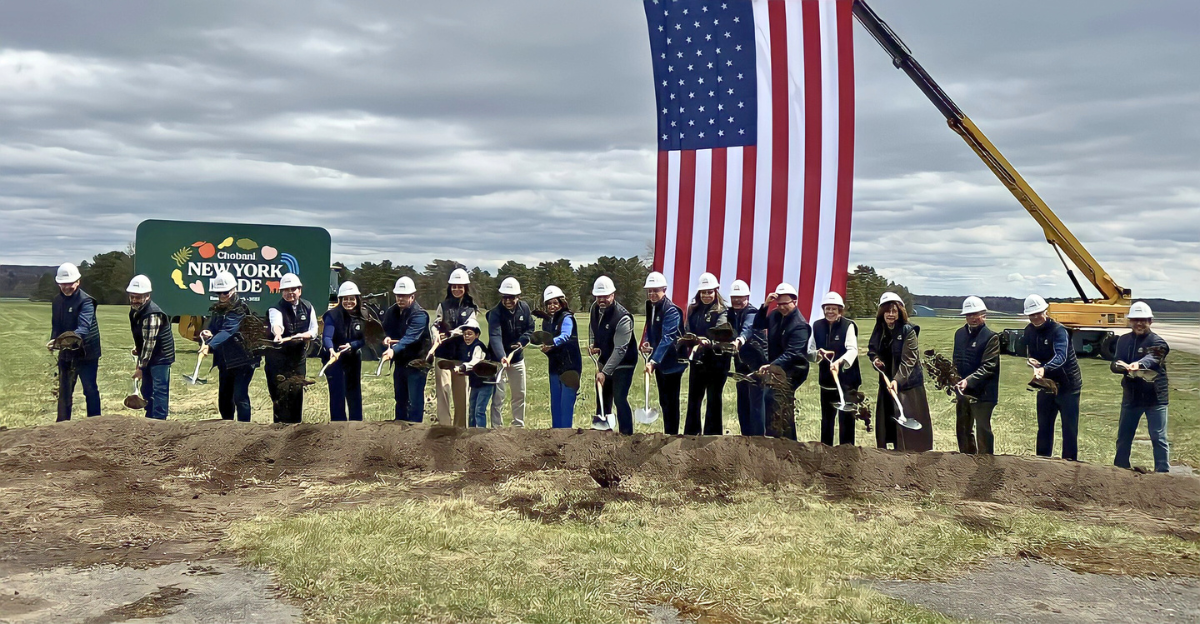
Chobani is set to make headlines with its massive $1.2 billion investment in a new dairy processing plant. This marks the company’s largest commitment yet, impacting the entire food manufacturing sector.
The facility, located in Rome, New York, aims to solidify Chobani’s dominance in the yogurt market while transforming local agricultural practices.
A Growing Presence
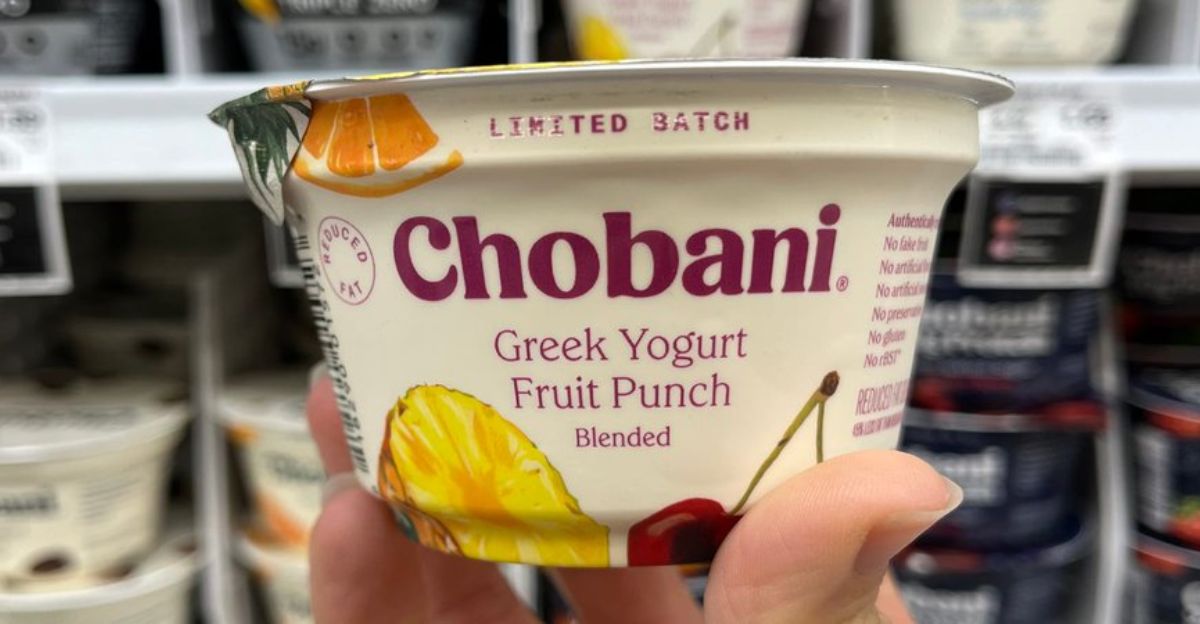
As the leading yogurt brand in the U.S., Chobani products are found in over 95,000 retail locations, generating annual sales of approximately $2.1 billion.
Founded in 2005 by immigrant Hamdi Ulukaya, Chobani’s expansion plans highlight its pivotal role in the American dairy landscape.
The Timeline of Change
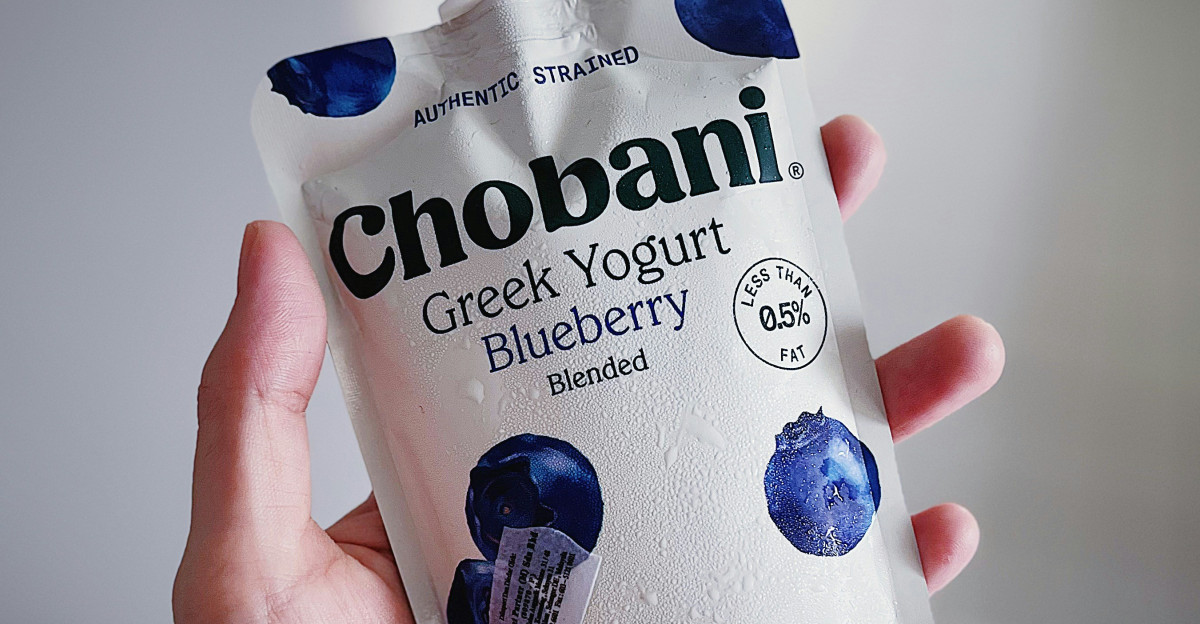
Chobani’s latest expansion comes after announcing a significant partnership with another company on September 12, 2025.
This upcoming project is not just about financial growth; it intertwines with broader agricultural challenges impacting sustainability and food waste issues.
A Controversial Collaboration
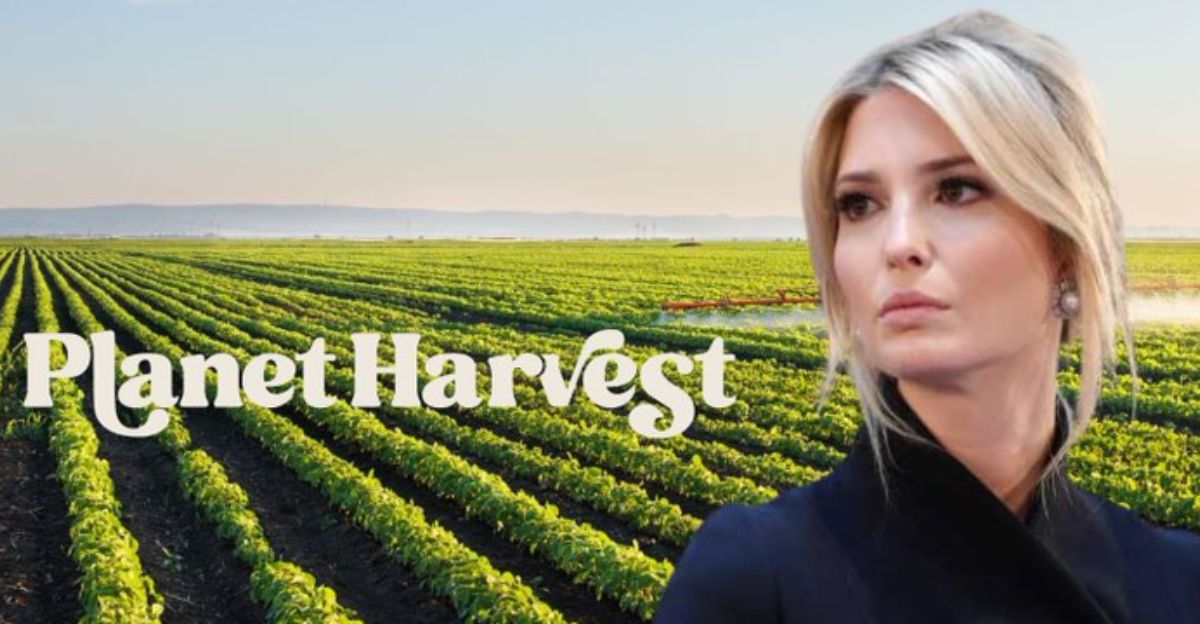
Planet Harvest, co-founded by Ivanka Trump, will support Chobani’s supply chain through a focus on reducing food waste.
This partnership has sparked intense discussions about political affiliations influencing corporate decisions, potentially complicating the expansion’s reception and success.
Addressing Food Waste
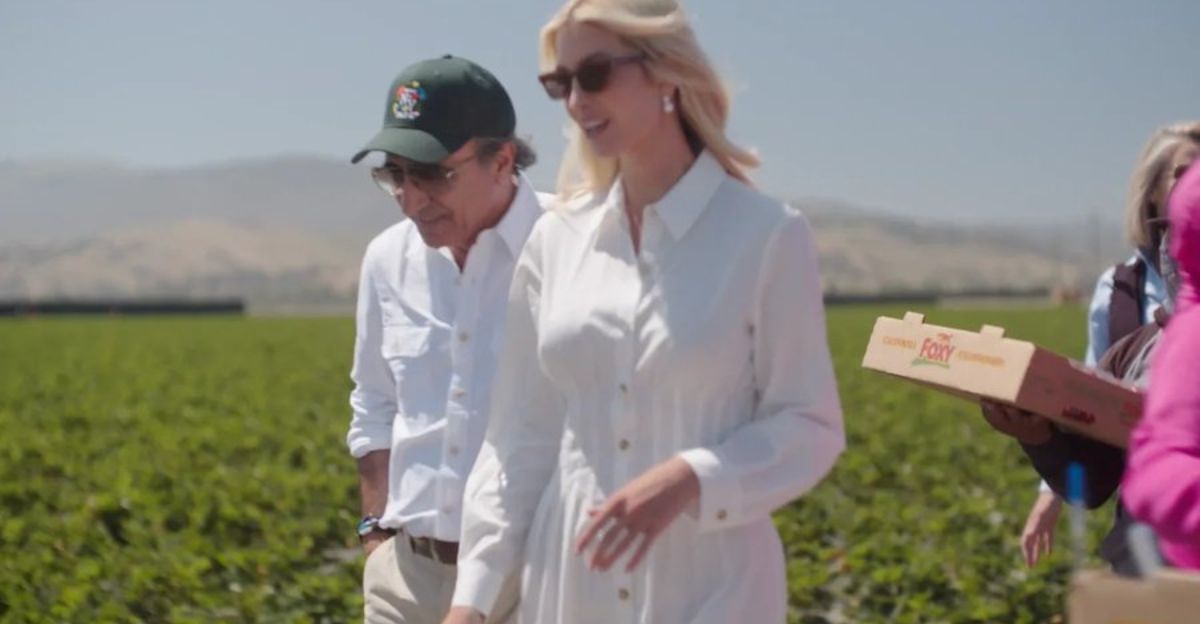
Planet Harvest aims to tackle agricultural inefficiencies by preventing waste of “imperfect” produce.
Annual statistics reveal that nearly 30% of fruits and vegetables are discarded due to cosmetic standards, resulting in significant economic loss and wasted resources.
Rethinking Produce Standards
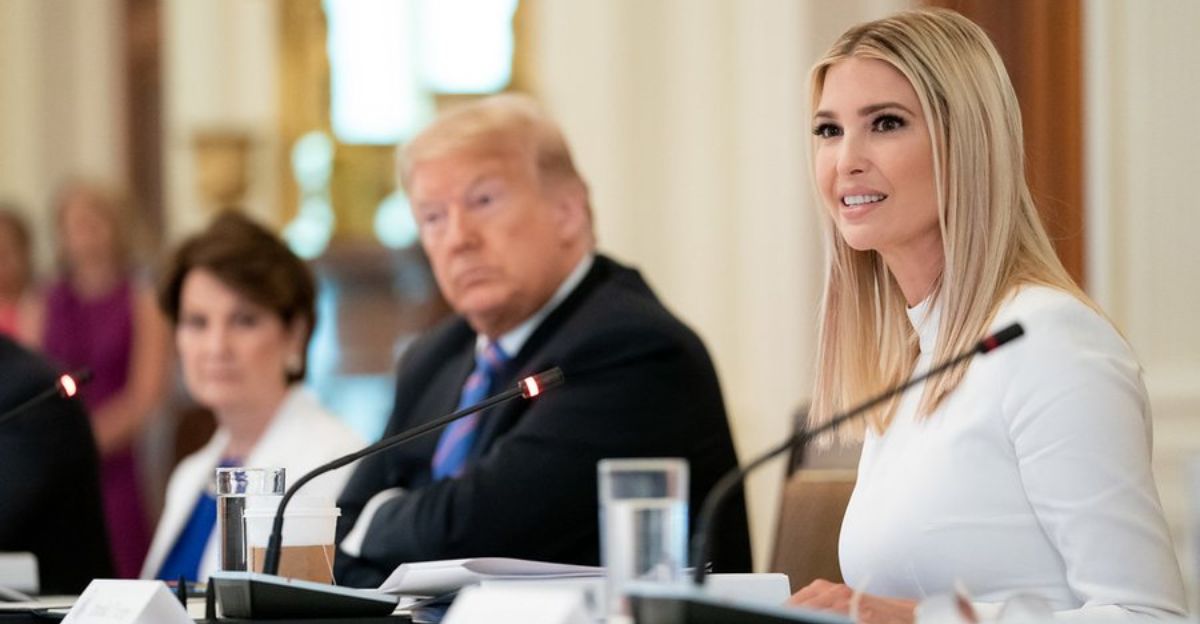
In 2023 alone, an estimated 36 billion pounds of produce remained unharvested in U.S. fields, equating to a $13 billion loss for farmers.
The staggering amount of waste highlights an urgent need for systemic change in food supply chains, aligning with evolving consumer demand for sustainability.
Sustainable Solutions Ahead
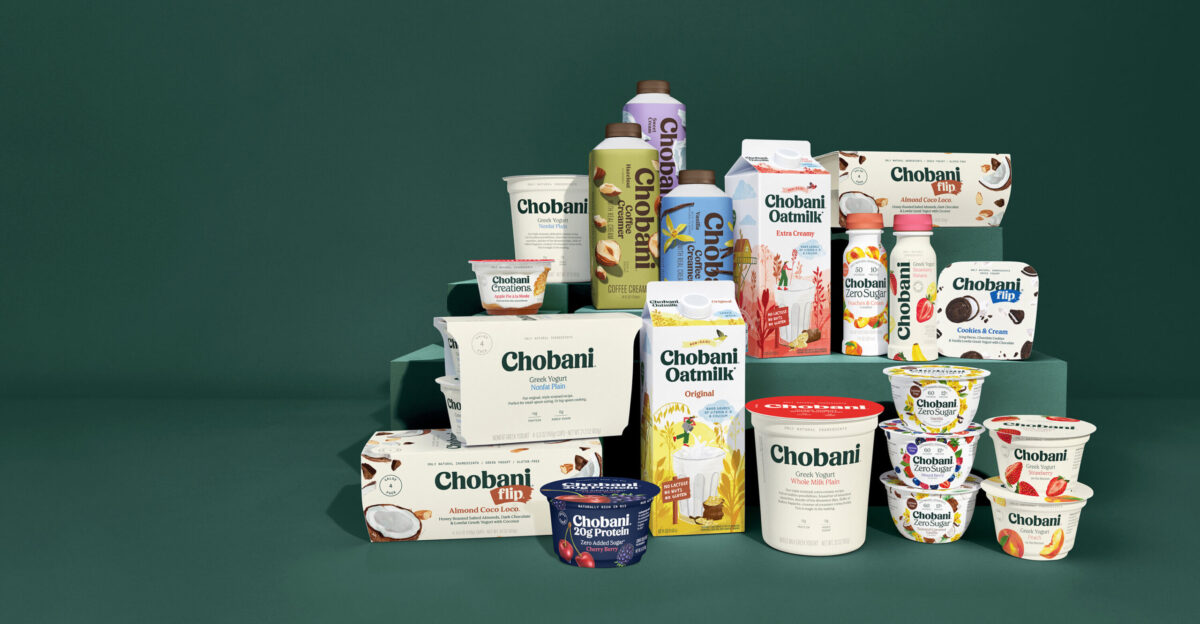
The partnership promises environmental benefits that go beyond immediate economic concerns.
By preserving surplus crops, Chobani and Planet Harvest aim to reduce waste while promoting sustainable agricultural practices, appealing to environmentally conscious consumers.
Embracing Political Complexity
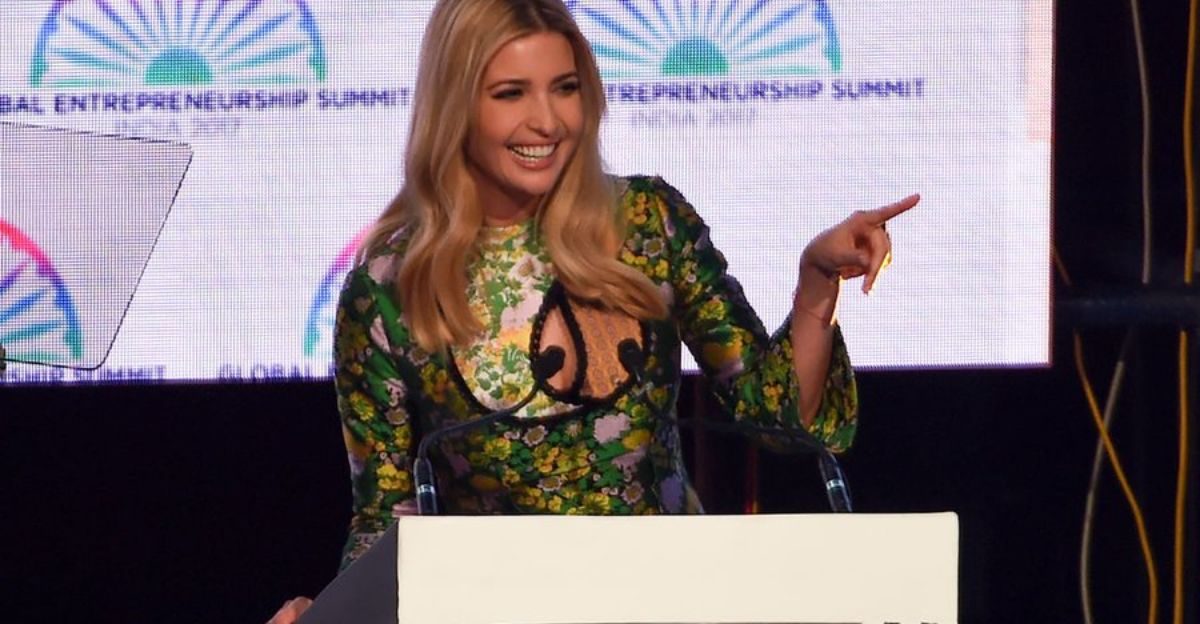
Ivanka Trump brings significant experience to Planet Harvest, particularly from her work during the pandemic.
This prior involvement demonstrated her commitment to agricultural initiatives but also introduces a complex political narrative that could impact consumer perceptions.
Community Impact Through Expertise
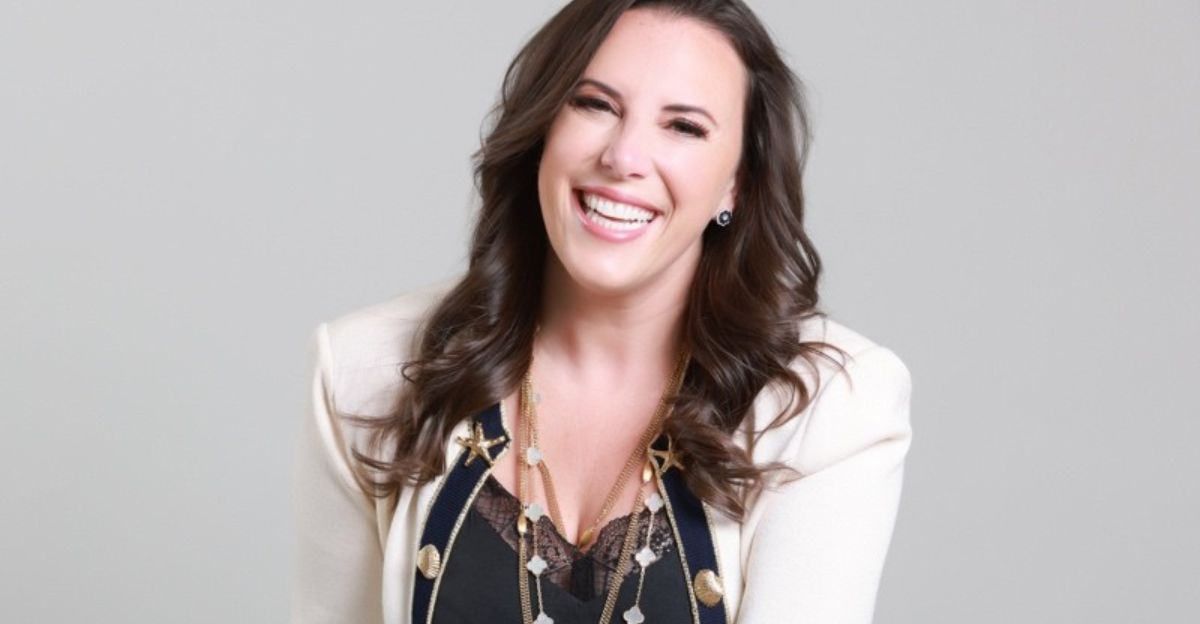
Co-founder Melissa Melshenker Ackerman lends extensive industry knowledge to the project, enhancing operational effectiveness.
Her leadership during the Farmers to Families Food Box Program lays a solid foundation for Planet Harvest’s sustainability mission and its ability to streamline food distribution.
The Backlash Unfolds
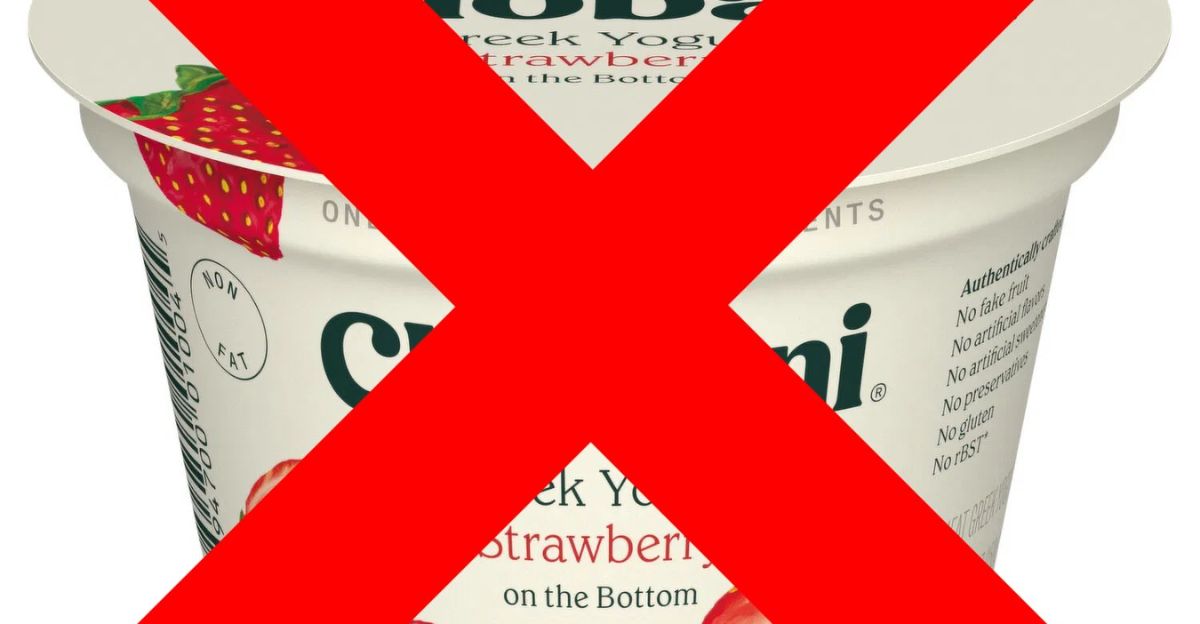
As news of the partnership spread, consumers reacted swiftly, leading to calls for boycotts against Chobani.
Over 500,000 social media users engaged in anti-Chobani campaigns, illustrating the intersection of corporate actions and political sentiment.
A Divided Consumer Base
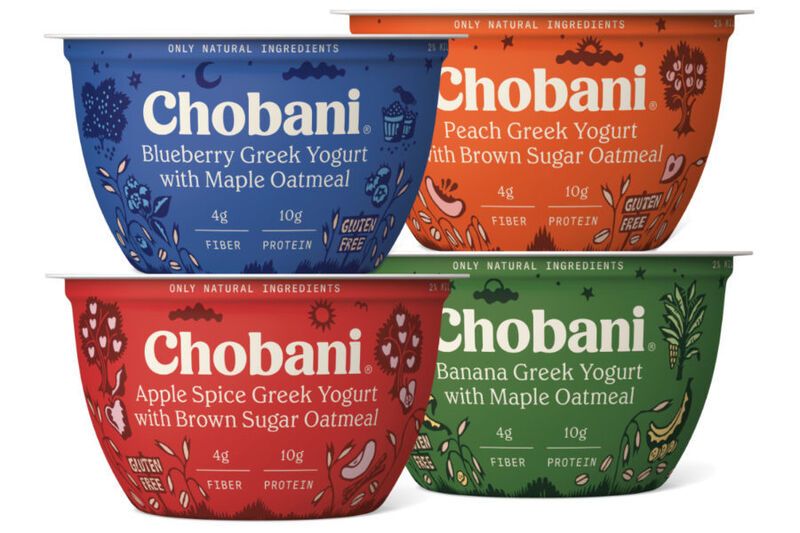
The growing hostility speaks to a broader political divide, with some customers feeling betrayed by the partnership with the Trump family.
Many long-time customers express disappointment, emphasizing how Chobani’s progressive values have shaped their brand loyalty.
Comparing Boycotts
Chobani’s current situation contrasts with previous political challenges.
In 2016, the company successfully faced down far-right opposition, but today’s backlash stems from progressive constituents that complicate brand strategy.
Changing Market Dynamics
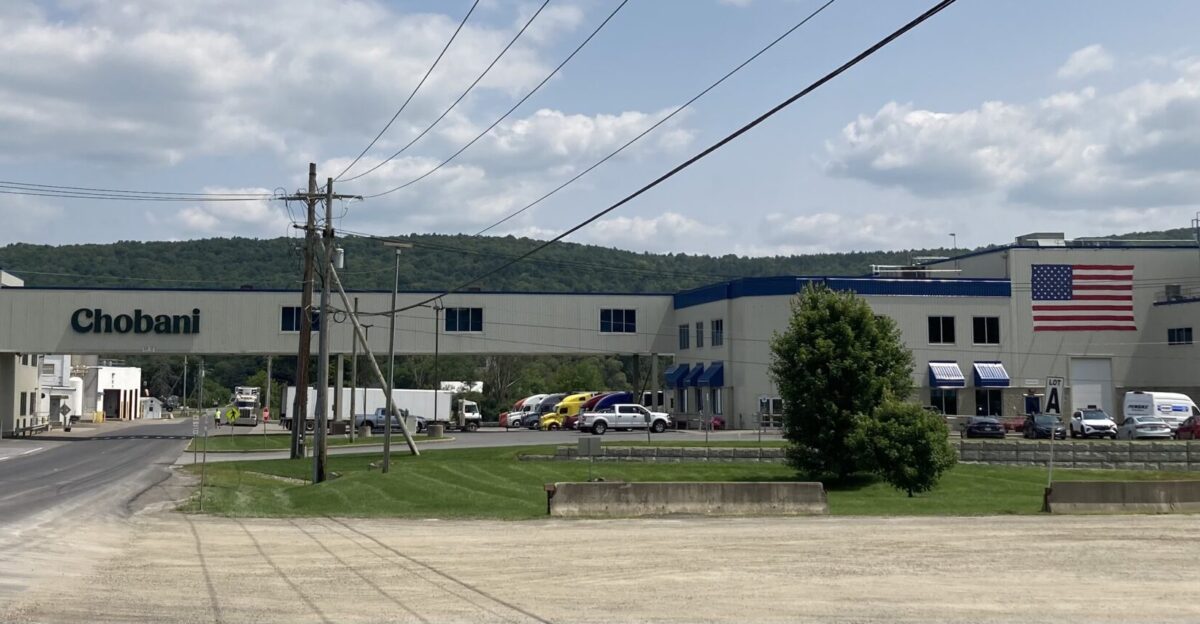
The partnership with Planet Harvest introduces new dependencies for Chobani, with Ivanka Trump’s involvement transforming how consumers may perceive the brand.
This arrangement raises questions about the company’s risk management and operational strategies amid changing public sentiment.
Navigating Supply Chain Risks
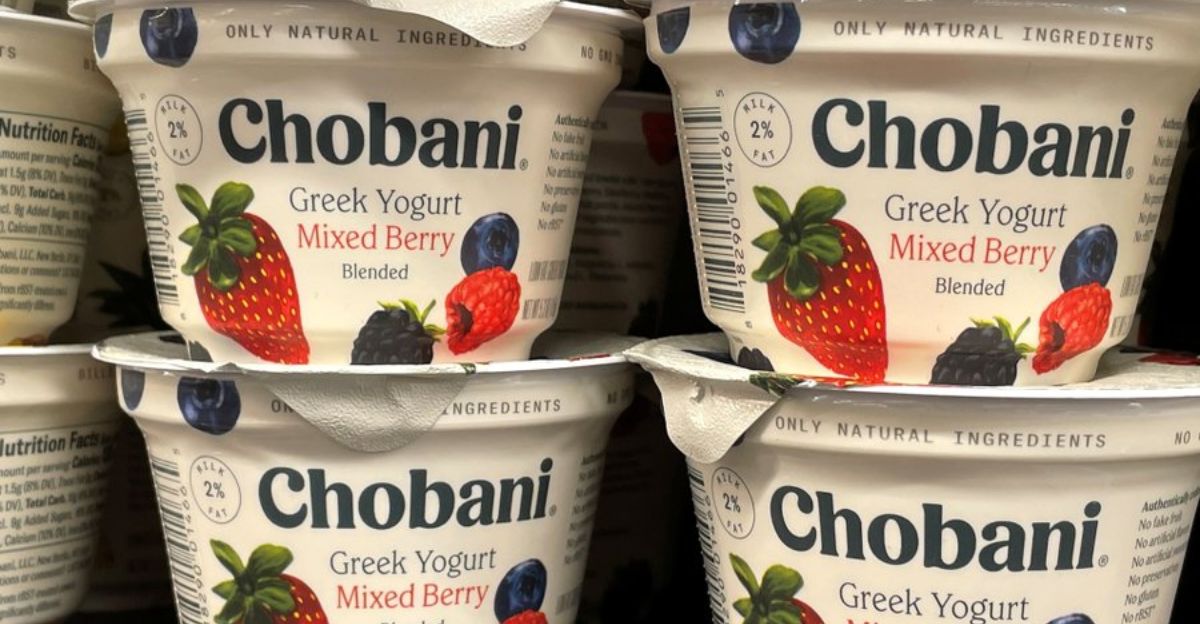
By sourcing exclusively through Planet Harvest for strawberries, Chobani significantly alters its supply chain strategy.
While potential cost savings may be appealing, this centralization increases vulnerability to political and market fluctuations.
Expanding Competition
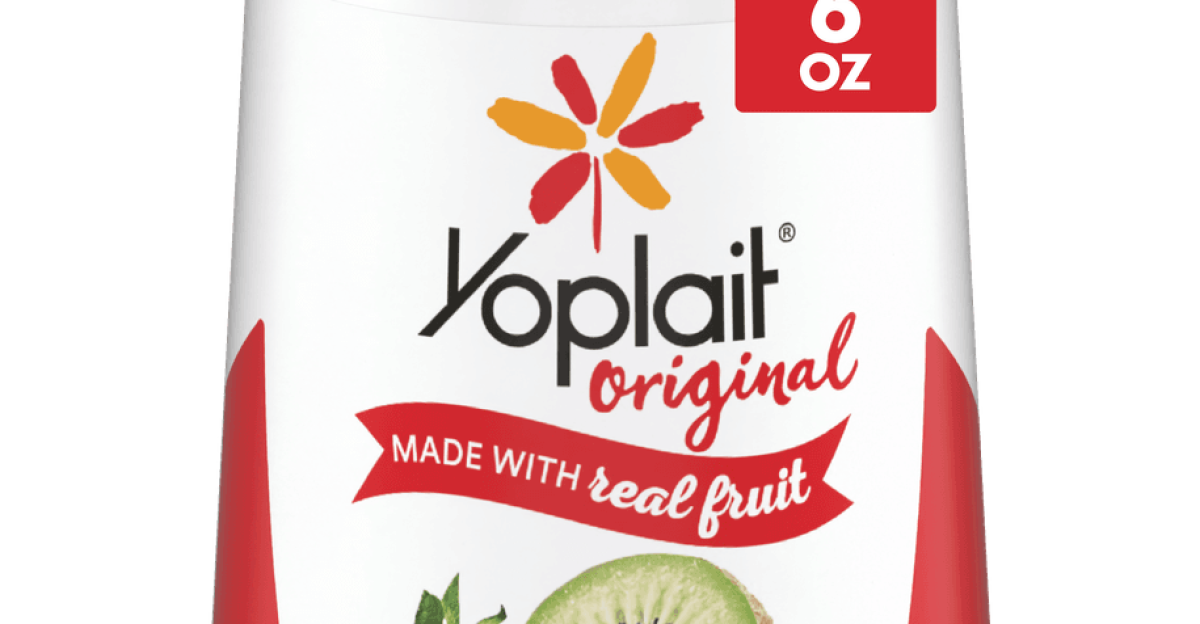
As the yogurt market evolves, competitors like Dannon and Yoplait closely monitor Chobani’s backlash.
These brands may capitalize on shifting consumer preferences, positioning themselves as alternatives during this controversial moment for Chobani.
Consumer Choices Evolving
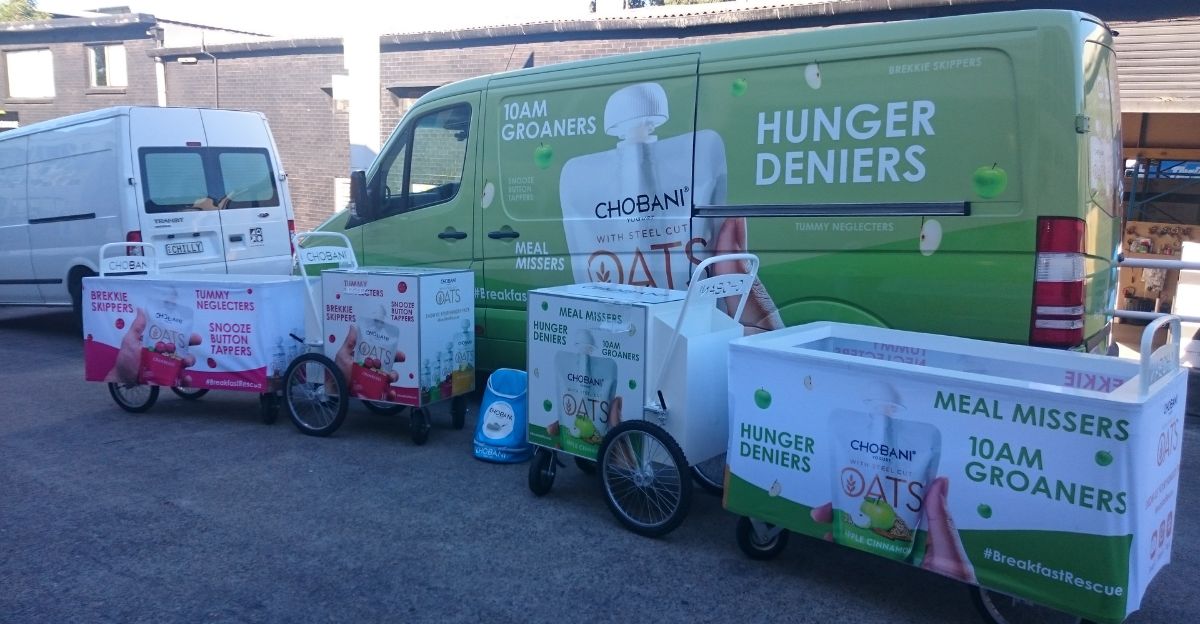
The intersection of political sentiment and purchasing decisions complicates brand loyalty in today’s polarized market.
Chobani’s progressive image may falter as consumers navigate their values against their product choices.
Anticipating Long-Term Effects
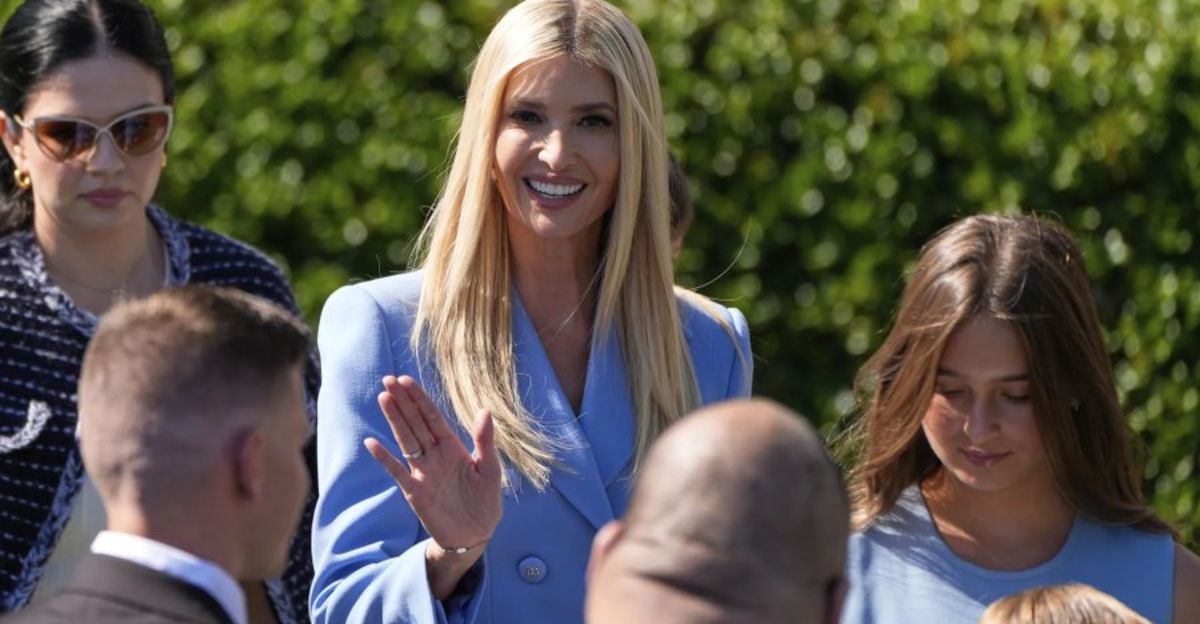
Despite immediate press attention, historical context suggests consumer boycotts often lead to temporary effects rather than lasting change.
Customers may return as the controversy fades, representing both a challenge and an opportunity for Chobani to re-engage its audience.
Strategic Vision and Financial Goals
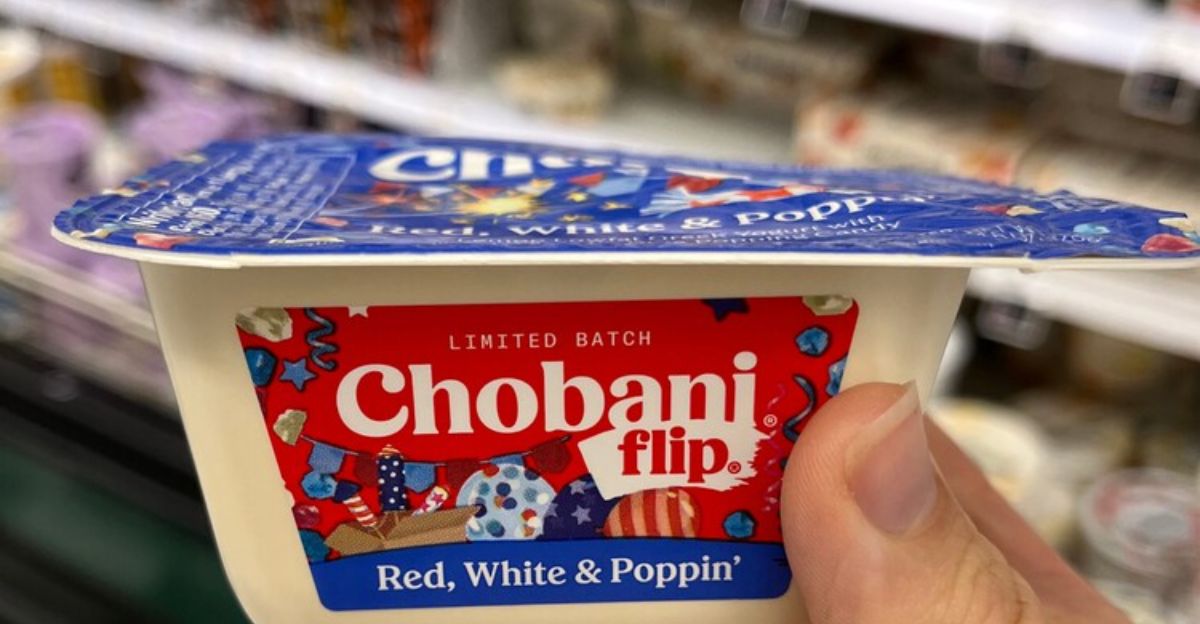
Chobani’s commitment to a $1.2 billion investment reflects confidence in long-term growth opportunities.
Focusing on innovative sustainability practices could ultimately fortify the company against potential backlash while ensuring market leadership.
Balancing Corporate Identity
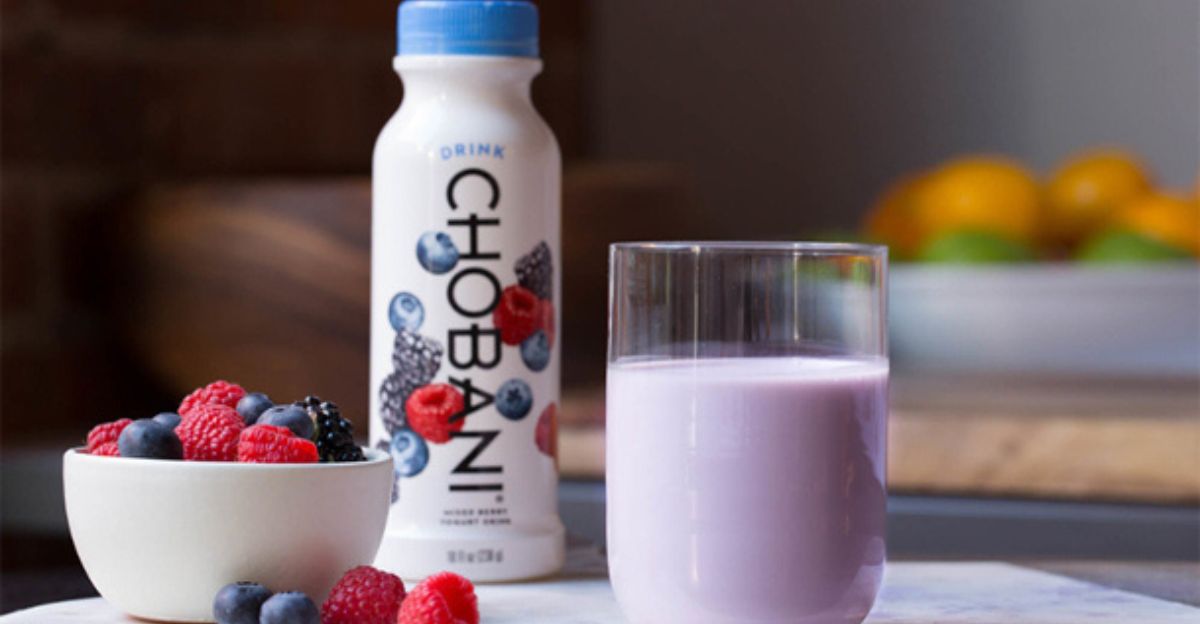
Navigating partnerships amidst political tensions presents significant challenges for Chobani.
The consequences of aligning with Planet Harvest will test how effectively Chobani can uphold its humanitarian legacy while maintaining profitability.
A Test of Values
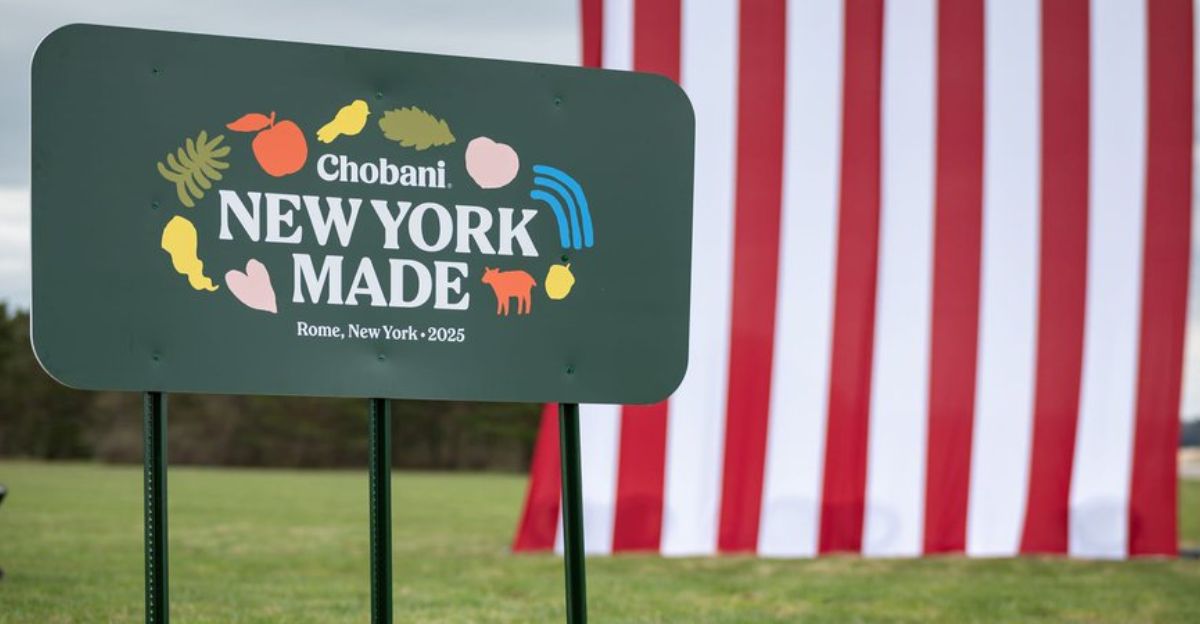
The Chobani and Planet Harvest partnership exemplifies the precarious balance between business and politics.
As corporate actions increasingly mirror social values, the industry observes whether financial interests can coexist with public expectations in an evolving landscape.
Ultimately, Chobani’s journey emphasizes the importance of maintaining a clear mission even amidst external pressures and political controversies.