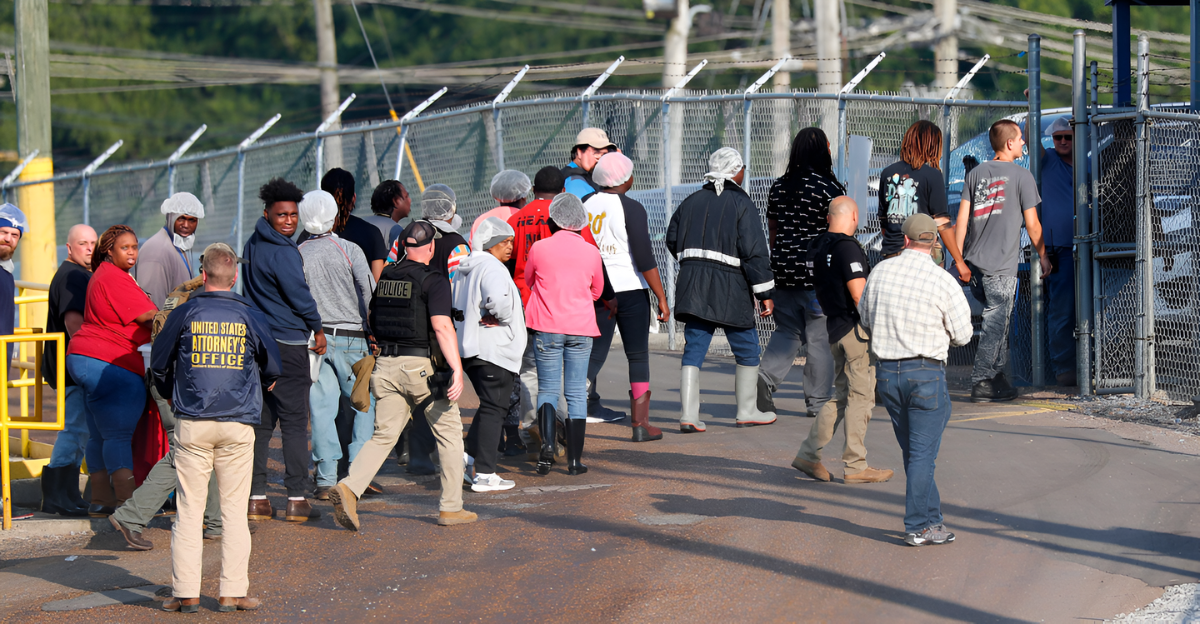
Three Denver cleaning companies face unprecedented penalties amid a significant crackdown by U.S. immigration authorities. The fines total over $8 million for employing unauthorized workers, reflecting a larger pattern of non-compliance.
This enforcement effort highlights serious gaps in compliance within the commercial cleaning sector, raising concerns about labor practices in a service-intensive industry.
Scope of the Investigation

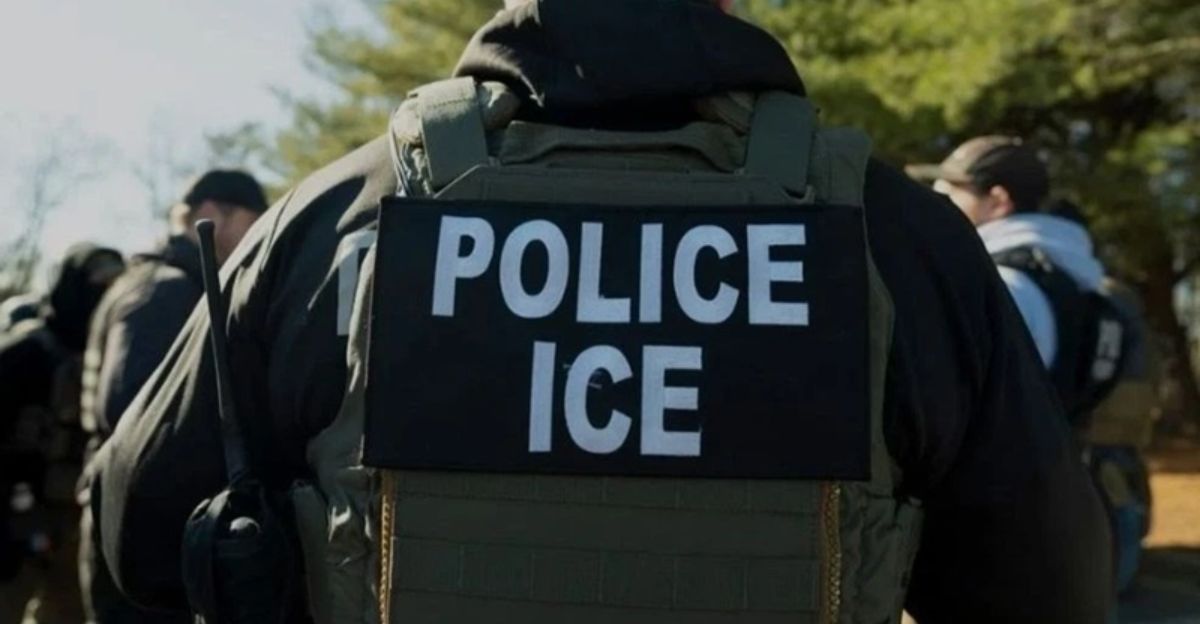
Immigration and Customs Enforcement (ICE) recently reported widespread violations in the operations of these three cleaning firms. This investigation marked one of the most extensive workplace immigration enforcement actions in 2025.
Focused audits uncovered a staggering number of unauthorized employees, revealing not just errors but potential systemic disregard for federal hiring regulations.
The Companies Involved
The enforcement action targets CCS Denver Inc., PBC Commercial Cleaning Systems Inc., and Green Management Denver, all hit hard by stringent compliance inspections.
With a total of 143 unauthorized workers identified across their operations, the gravity of the violations poses significant implications for the future of these companies.
#1 – CCS Denver Inc.
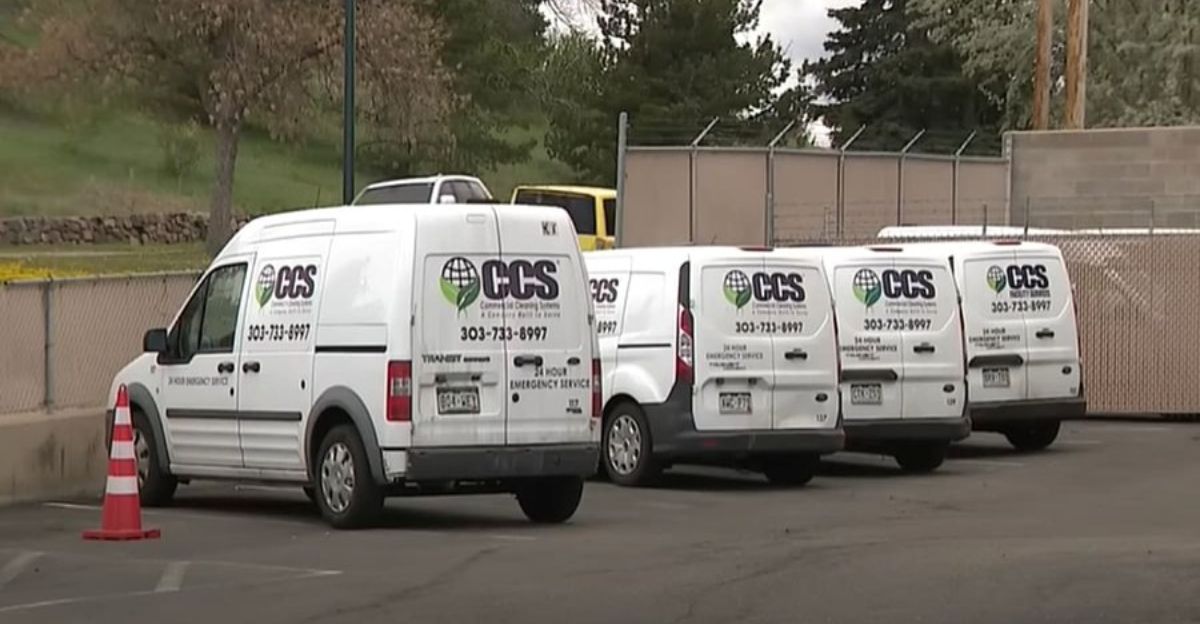
CCS Denver leads in penalties, with a staggering $6.2 million fine. This amount makes up nearly 78% of the total fines imposed on all three companies involved.
The finding of a 100% substantive violation rate underscores the serious compliance failures at CCS Denver, illustrating the vast scope of non-compliance within the firm.
#2. PBC Commercial Cleaning Systems Inc.

PBC Commercial Cleaning Systems Inc. was fined nearly $1.6 million after federal audits revealed a 74% violation rate and the employment of at least 12 unauthorized workers.
The company operates across northern Colorado, including Fort Collins and Denver, and was cited for major compliance failures.
#3. Green Management Denver

Green Management Denver was fined about $270,195 for a 100% violation rate. Investigators identified 44 unauthorized workers at the firm, underscoring systemic lapses in following federal employment laws. ICE said the penalties highlight the agency’s efforts to enforce compliance and protect fair business practices.
Systematic Failures Exposed

The audit findings revealed alarming compliance issues across all three firms, suggesting a potentially willful disregard for immigration regulations.
CCS Denver’s complete failure to comply with federal requirements raises questions about its overall business practices and accountability measures in place.
Detailed Investigation Process
ICE’s thorough investigations utilize a three-pronged approach, combining compliance audits, civil fines, and outreach efforts to enhance legal hiring practices.
Following established protocols, agents examine employer I-9 documentation, which is crucial for verifying work eligibility among employees.
Financial Ramifications of Violations

The fines imposed reflect not only the number of violations but also the apparent willfulness behind them.
With current federal guidelines imposing steep penalties, employers face significant financial repercussions for knowingly hiring unauthorized workers.
Corporate Connections Scrutinized
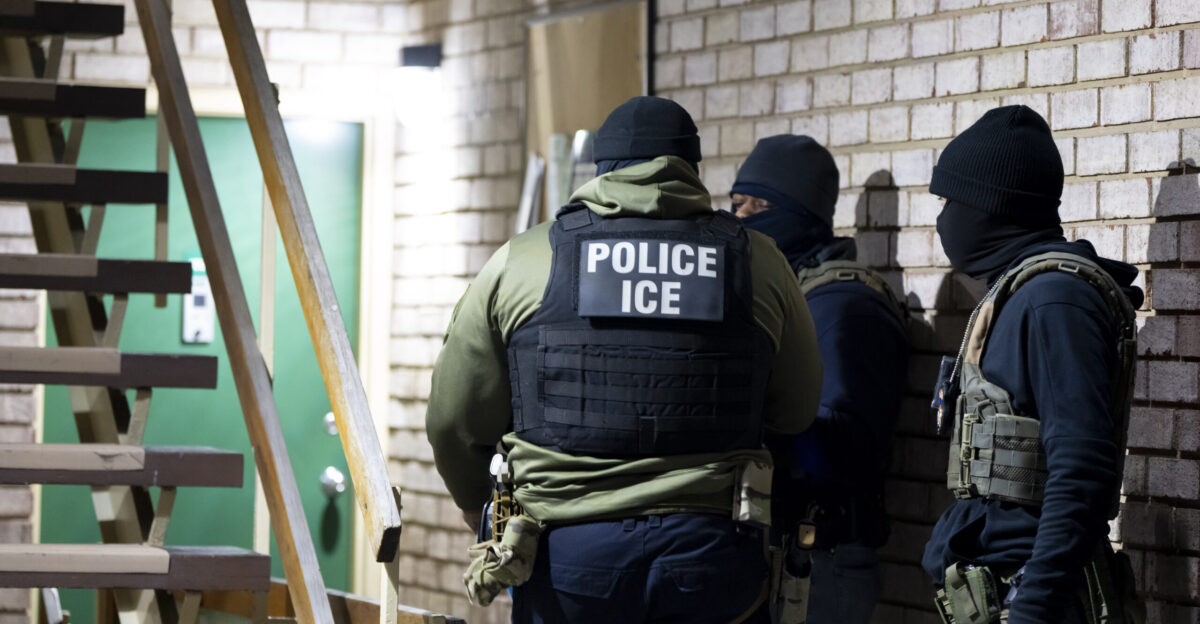
CCS Denver and PBC Commercial Cleaning Systems appear to be interconnected, raising questions regarding the accountability of their operations.
Investigative reports reveal potential overlaps in leadership and structure, which could complicate enforcement actions against these entities.
The Size of the Operations
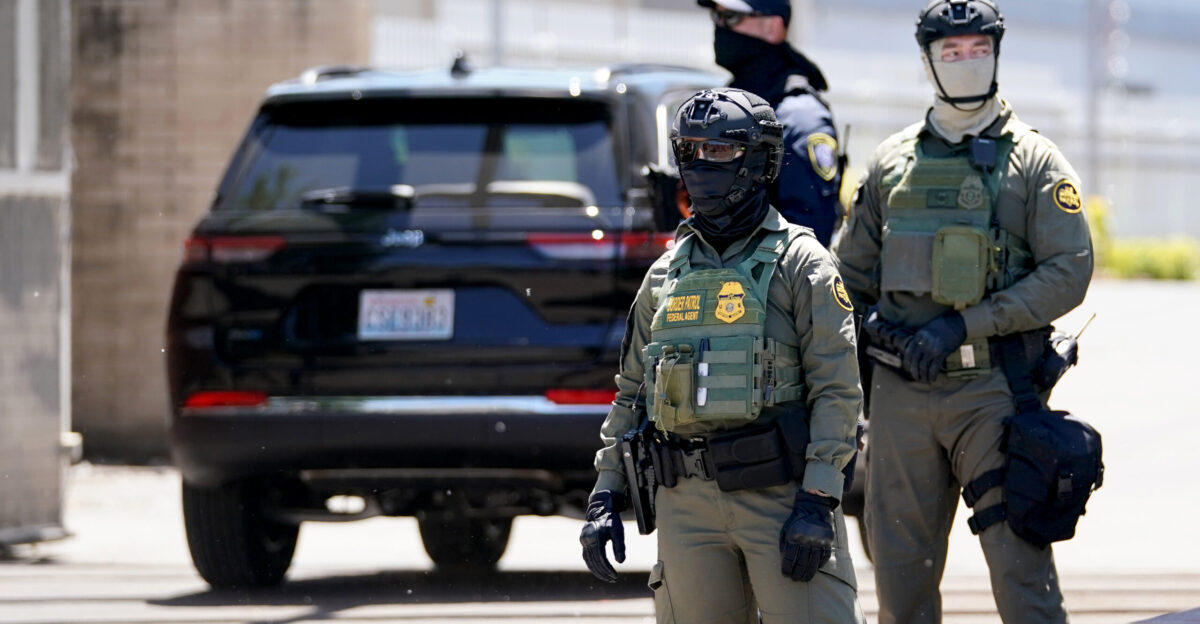
CCS Denver operates with substantial revenue streams and employee counts, making compliance critical for its long-term viability in the regional market.
This scale means that enforcement failures could significantly impact not just the company but also the cleaning industry’s market dynamics.
Current Business Status of Competitors
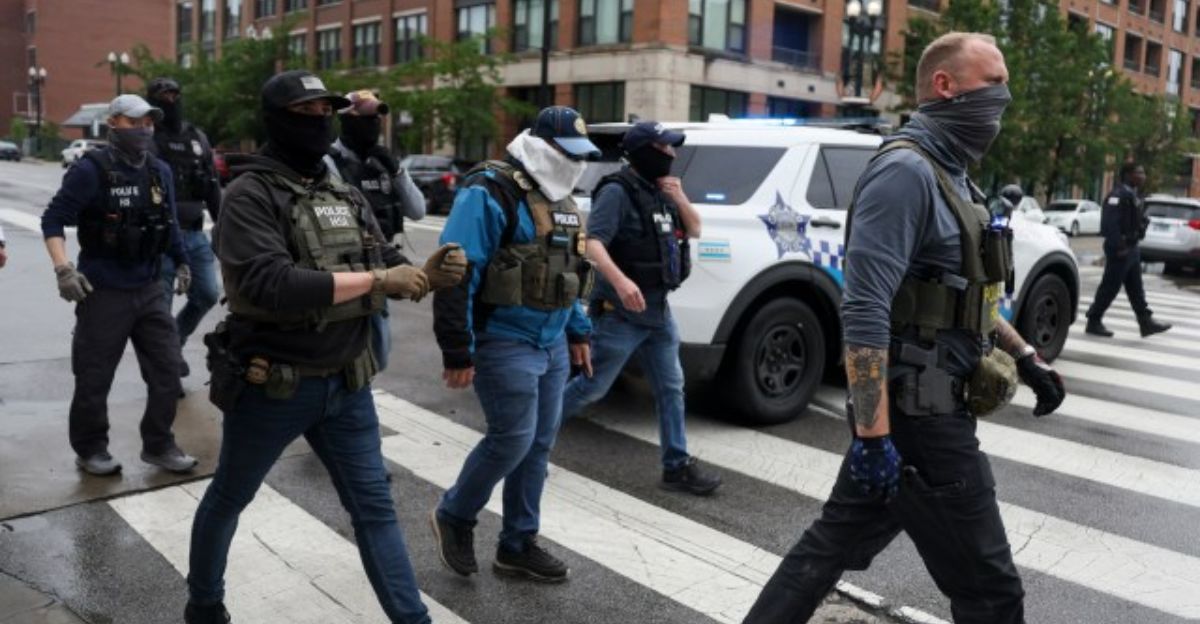
Green Management Denver is in unclear standing, with state records indicating delinquency since mid-2022.
The difficulty in locating the company raises concerns about the practical implications of enforcing penalties against possibly defunct entities.
Legal Framework Behind Enforcement
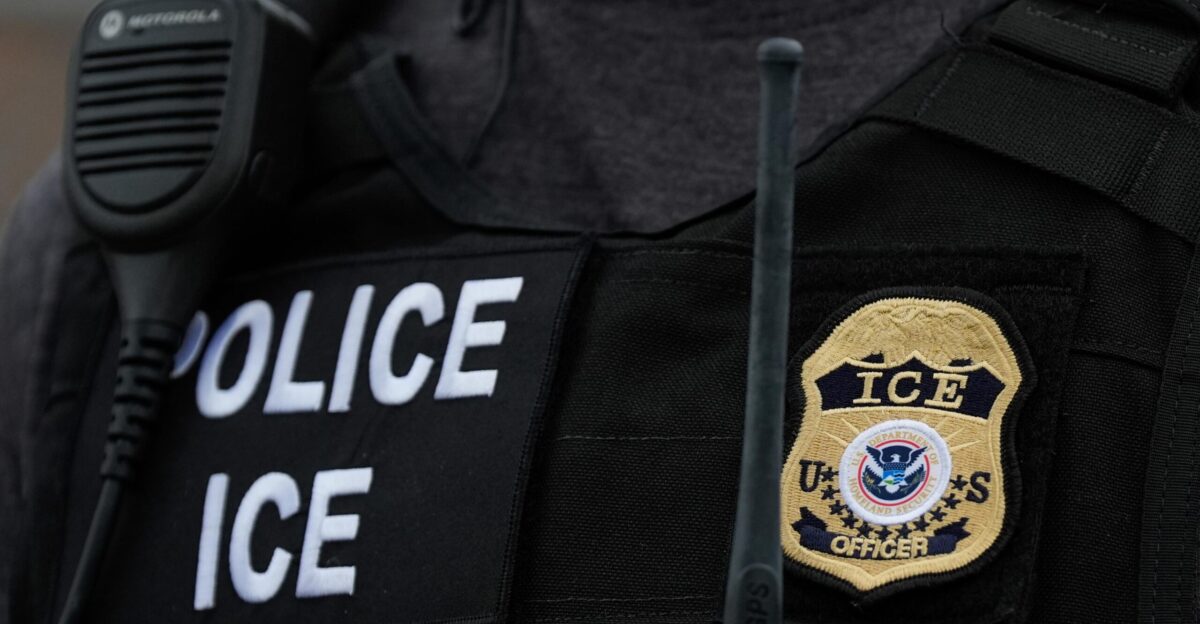
The enforcement actions highlight the critical role of the Immigration Reform and Control Act (IRCA) in establishing employer responsibilities for hiring practices.
Under IRCA, employers must verify employee eligibility through the I-9 process, holding them accountable for their workforce composition.
Trends in Enforcement Activities
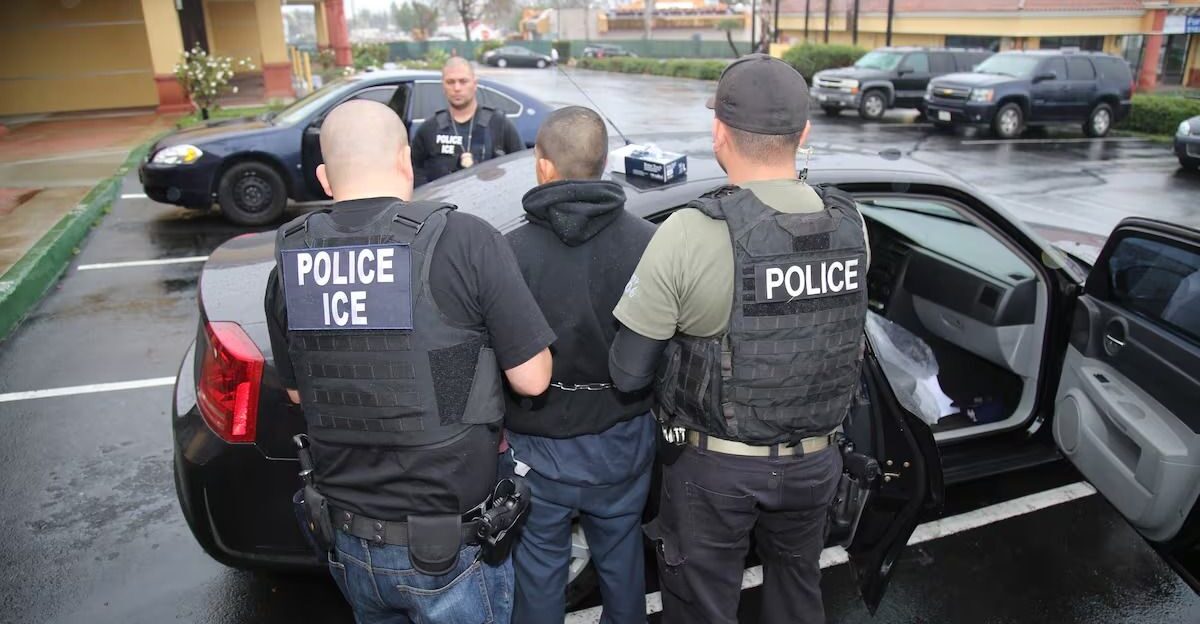
The current administration’s shift in immigration policy emphasizes increased workplace enforcement, significantly ramping up the scrutiny on industries reliant on immigrant labor.
This strategy results in a heightened atmosphere for employers, who now face tailored compliance inspections beyond what was previously enforced.
Labor Shortages Intensify Issues
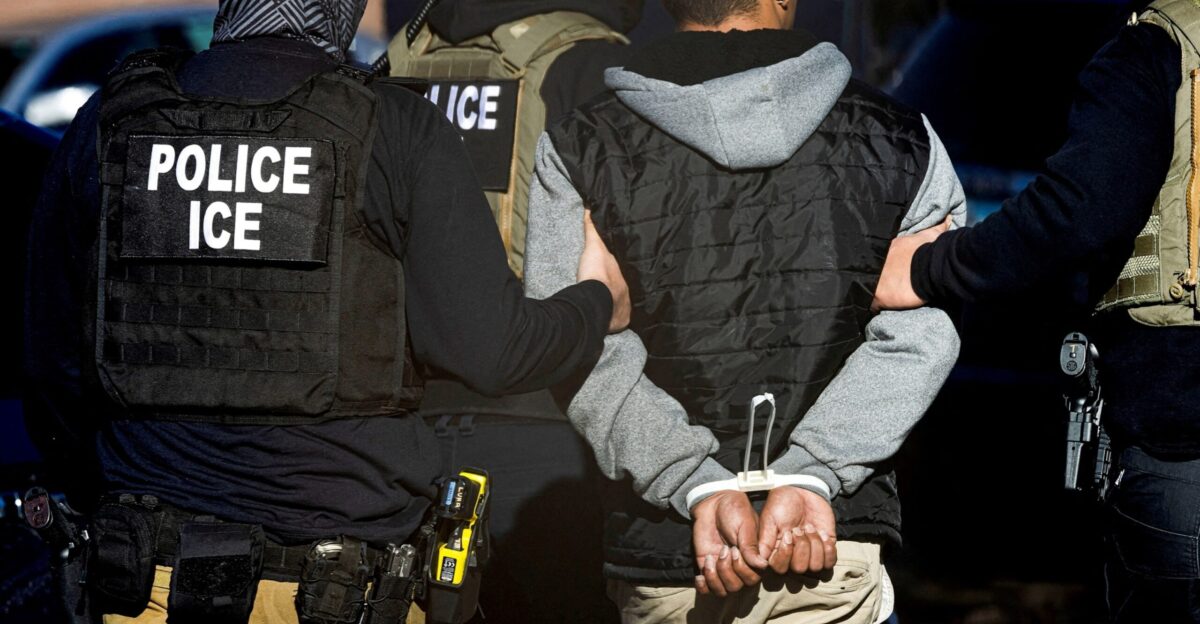
High turnover rates and labor shortages further complicate compliance initiatives as employers search for available authorized workers.
These conditions may incentivize cutting corners, increasing the risk of employing individuals without the necessary eligibility documents.
Competitive Pressures Amplify Non-Compliance

Intense price competition exacerbates the challenges, pushing cleaning companies to cut costs, potentially at the expense of legal hiring practices.
With some opting for risky employment practices, compliant businesses find themselves competing against unfair advantages.
Industry Needs for Education
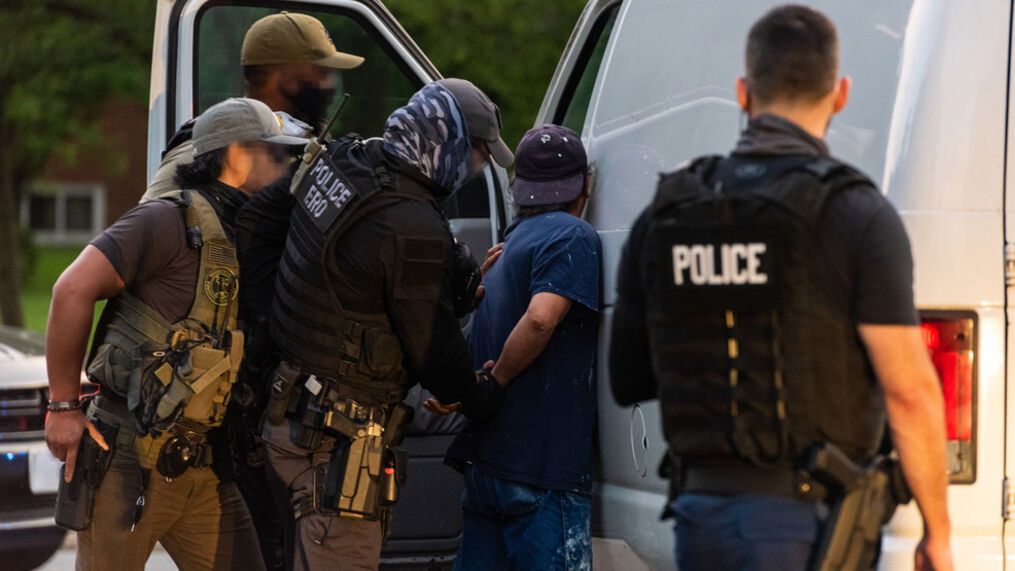
Acknowledgment of compliance challenges has led industry associations to advocate for enhanced education surrounding immigration laws.
Regular training and resources can help businesses understand the importance of compliance while minimizing their risk of infractions.
The Future Outlook for Compliance

With political climates emphasizing enforcement, the cleaning industry may see considerable shifts in compliance paradigms.
Companies adhering to strict hiring protocols may gain competitive advantages as the landscape evolves in response to regulatory changes.
The Way Forward
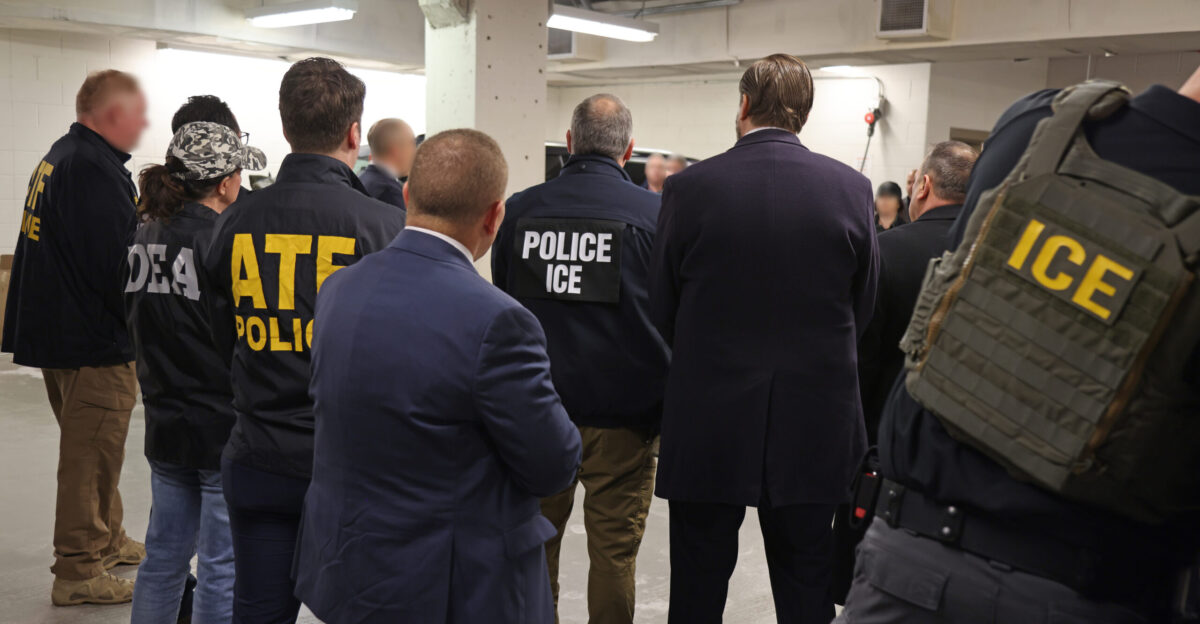
The financial and operational fallout from the Denver enforcement actions sends a clear message to cleaning firms nationwide.
A shift toward comprehensive compliance measures is essential to mitigate risks associated with unauthorized labor and maintain integrity in the workplace.