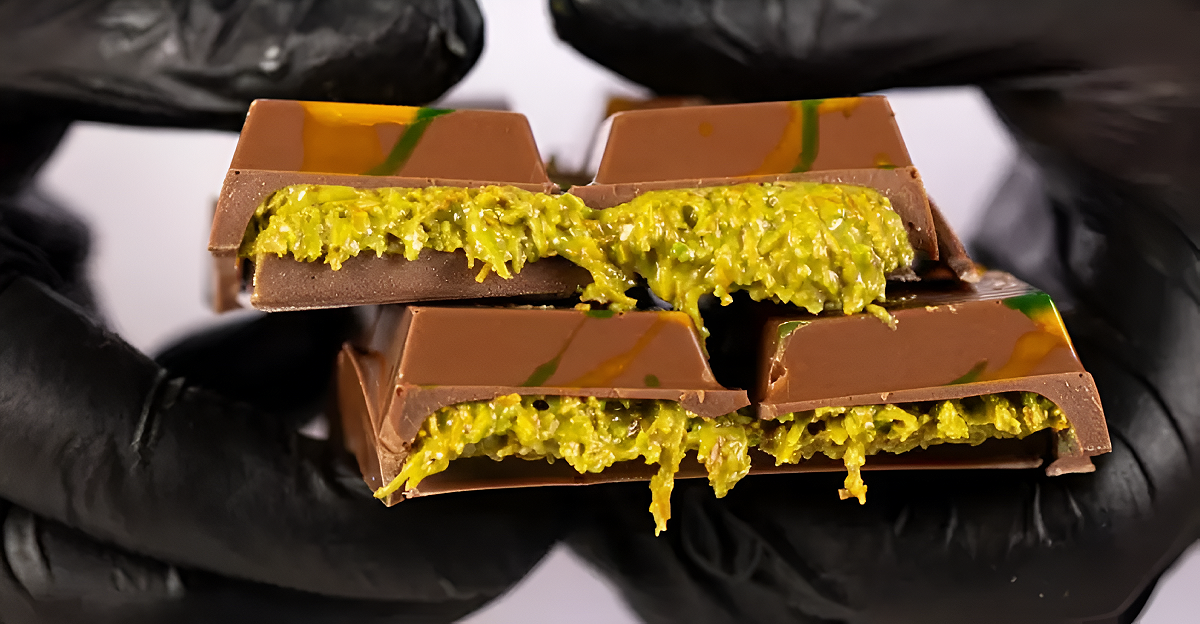
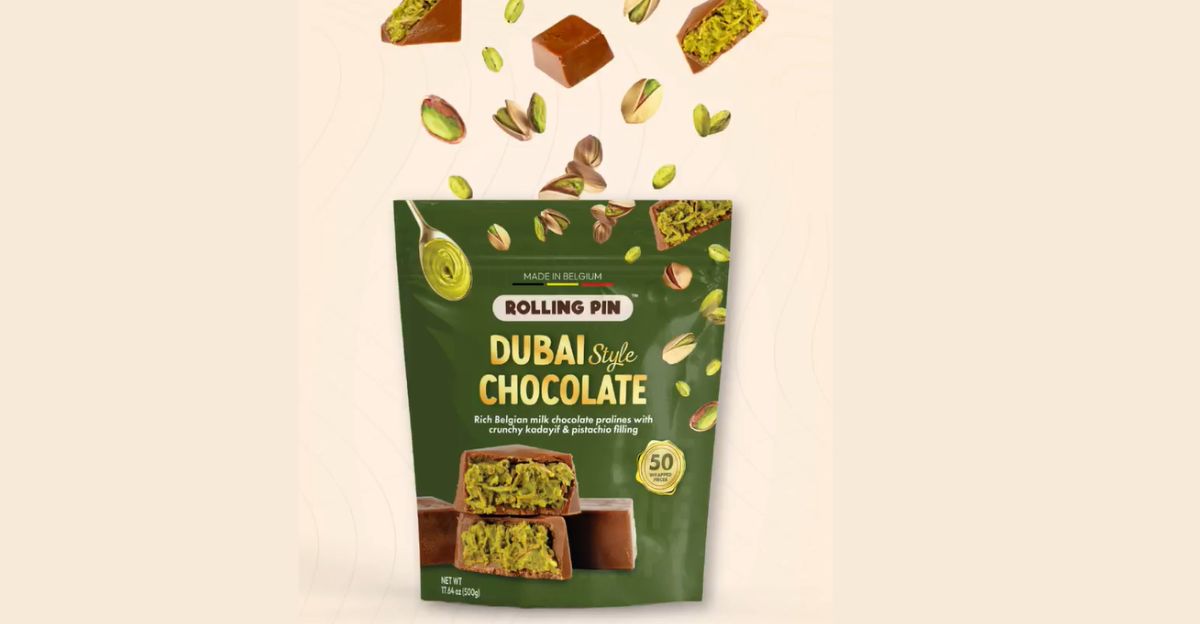
One of America’s most talked-about treats has suddenly vanished from Costco stores nationwide. Rolling Pin Baking Company made this special chocolate, which has been made famous by millions on TikTok and Instagram since 2023.
It combined Belgian chocolate, crunchy kadayif pastry, and pistachio cream, and started as a simple pregnancy craving in Dubai. Because of social media, it turned into a dessert sensation, with people everywhere racing to find it and willing to pay high prices.
However, in September 2025, it disappeared overnight. The reason was far from delicious: health officials sounded the alarm nationwide, telling everyone to stop eating it immediately.
Danger Signal
Federal regulators sent out urgent safety warnings about these beloved chocolate bars. The Food and Drug Administration acted after finding that the packaging left out key allergen details, which could be especially dangerous for anyone with a wheat allergy.
The packages listed gluten but did not specify wheat, which U.S. law requires since wheat is one of the eight top food allergens. What looked like a minor error quickly became a serious problem, especially since so many people had stocked up due to viral hype.
Recall notices were sent to homes in at least twelve states, and stores scrambled to pull the product off the shelves.
Global Craze
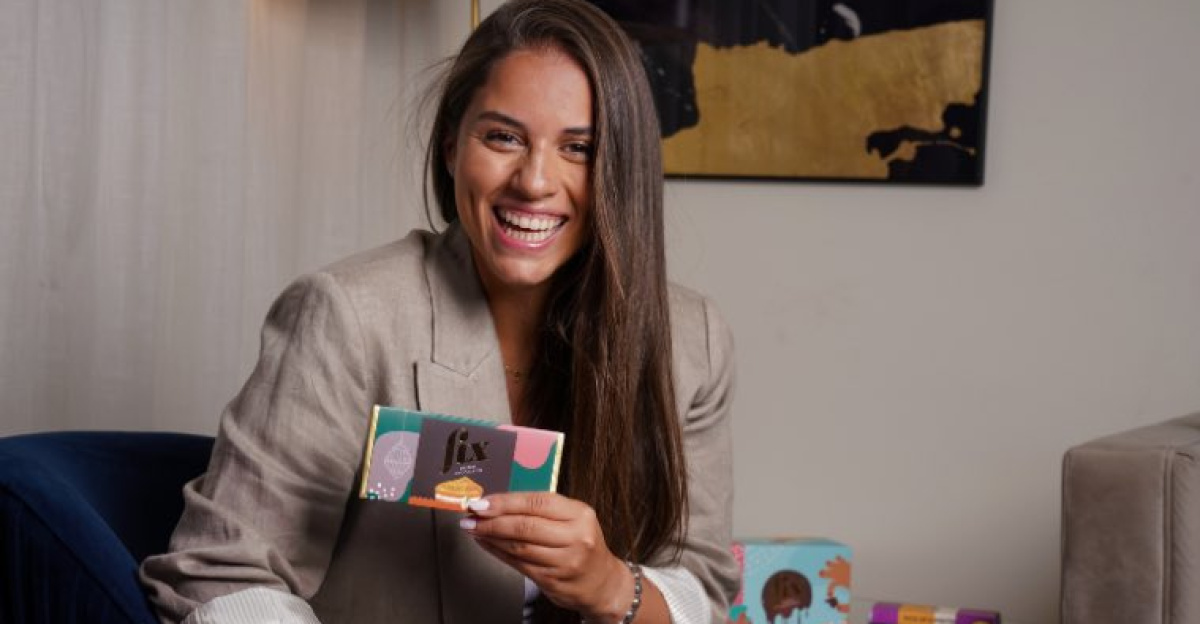
This chocolate’s journey started with Sarah Hamouda, a British-Egyptian entrepreneur in Dubai, who created the first viral pistachio chocolate bar, selling hundreds daily for $18 a piece.
Her recipe sparked not just long lines in the UAE but copycats across the world. By 2024 and 2025, people on social media were posting taste tests, reviews, and even finds at their local stores.
Demand was so intense that pistachio prices shot up 34%, and international suppliers had trouble keeping up. In a year, the number of times people talked about Dubai chocolate online jumped by over 1,200%.
American Appetite
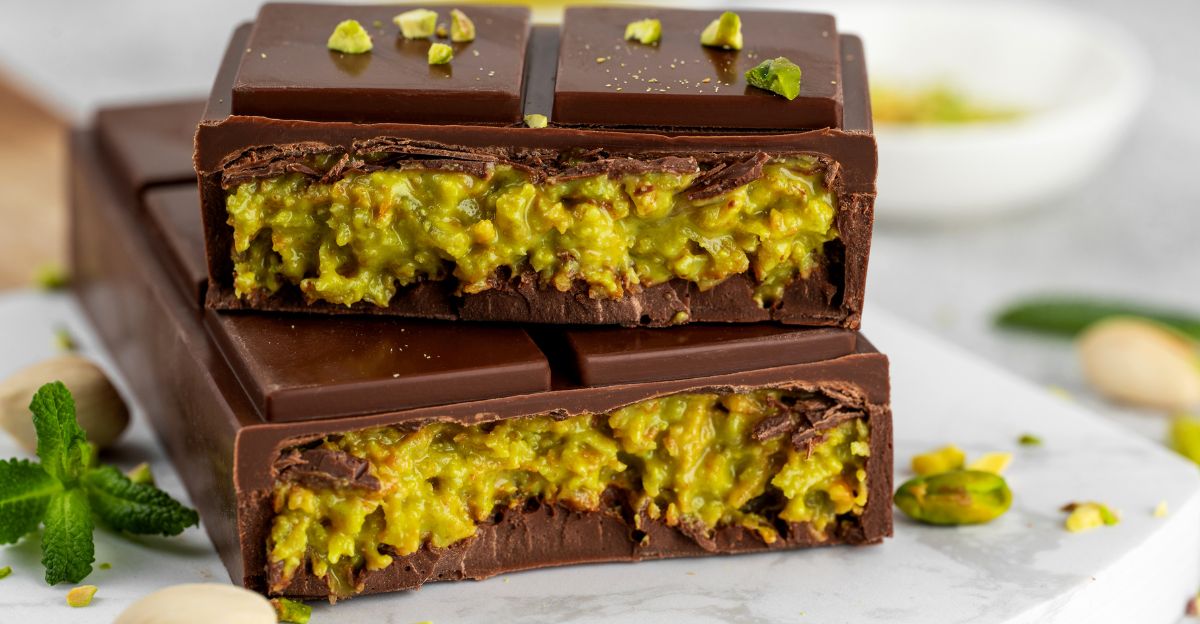
Retailers in the United States saw the craze and rushed to get a piece of the action. All kinds of brands launched pistachio-chocolate products, trying to catch the wave.
However, only Costco sold the “authentic” Dubai-style squares from Rolling Pin Baking Company in select stores.
Their chocolate became so popular that shoppers checked delivery schedules, followed social media alerts, and lined up at stores on restock day, hoping to score a bag before they were gone.
The Recall
On September 4, 2025, Costco and Rolling Pin Baking Company announced a voluntary recall of all Dubai Style Chocolate sold between May 1 and August 29.
The targeted product had item code #1932972, and the issue was clear: the allergen label wrongly listed gluten alone, not wheat.
This distinction matters a lot to people with wheat allergies, as their reaction can be severe with symptoms including swelling, breathing problems, and even anaphylactic shock.
Thankfully, no illnesses were reported, but regulators said the risk was too serious to ignore, especially because chocolate is often shared among children and families.
Regional Impact

The recall hit especially hard on the West Coast and Pacific Northwest, as stores in California, Arizona, and nearby areas sold out of Dubai chocolate as soon as new shipments arrived.
Employees described a constant stream of customers asking about the next delivery.
Social media influencers who had promoted and reviewed the bars were forced to post urgent warnings to their followers, telling them to check packages and stop eating the affected chocolates.
Personal Stakes

A labeling error isn’t just annoying for people with wheat allergies; it’s dangerous. Wheat allergies can cause deadly reactions, and the wrong label can mean trouble for adults, teens, and especially kids who eat safe foods.
Many frustrated parents noted that social media kept making these trendy chocolates seem safe and kid-friendly, when the tiny print hid a significant risk.
Consumer groups pointed out that viral food hits like this can bypass the careful checks that traditional groceries undergo.
Market Disruption
This rapid rise and sudden recall showcased how quickly social media can get new food products onto store shelves. Traditionally, big chocolate makers spend years testing new items before they go nationwide.
But Rolling Pin Baking, a small bakery from New York, was practically overnight thrust into massive production to meet Costco’s demands.
With only a small online following, the company tried to spread deliciousness and joy, but some experts now wonder if their quality control could keep up with their viral growth.
Supply Chain Stress
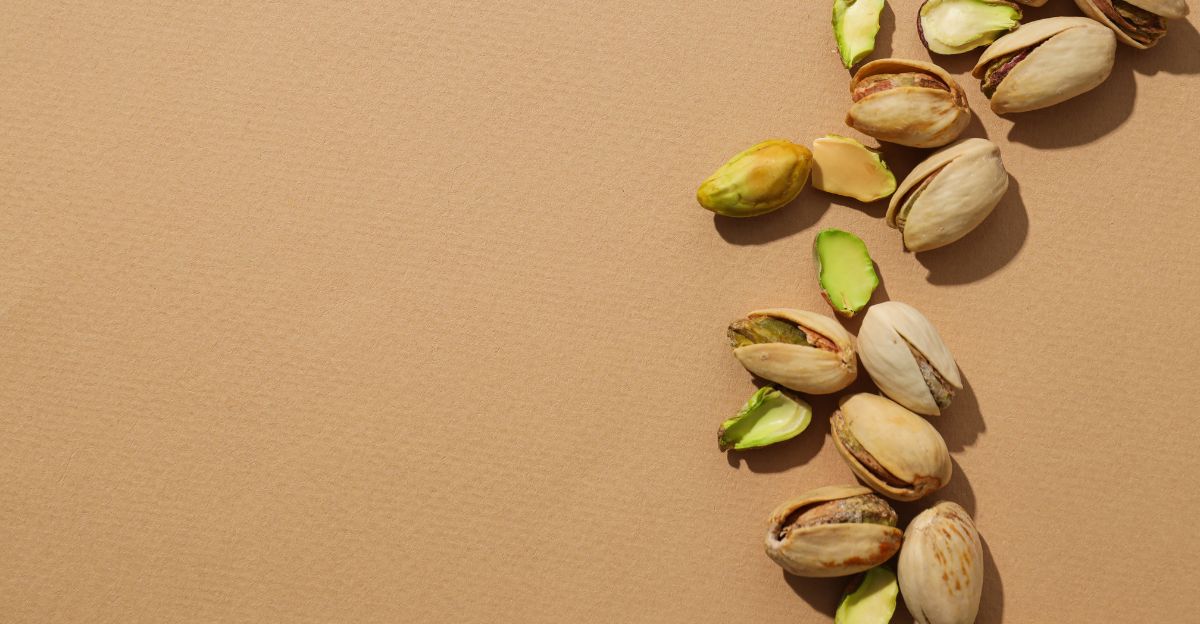
The Dubai chocolate boom created new headaches for ingredient suppliers. The skyrocketing demand for pistachios caused shortages and price hikes, impacting traditional bakers and shops.
Producers of kataifi pastry suddenly got large bulk orders from chocolate makers. As commercial buyers moved in, some ethnic grocery stores began to run out of these once-niche ingredients.
A single sweet treat disrupted age-old food supply systems in just a year.
Regulatory Revelation
The FDA’s action against Rolling Pin Baking Company shows how quickly viral snacks can create safety risks. While gluten is indeed found in wheat, the FDA says labeling laws demand wheat to be called out by name.
The company thought its packaging was sufficient since gluten and kunafa were listed, but food safety officials said that’s not enough.
This is part of a larger trend: as more social-media creations become mainstream groceries, food safety rules are being tested by businesses moving too fast for careful oversight.
Corporate Response

Rolling Pin Baking Company addressed the issue quickly, admitting the error and publicly recalling the chocolates.
A company spokesperson explained that kunafa, a known wheat product, was on the ingredient list but agreed that the allergen summary needed to be clear for those with wheat allergies.
Costco also stepped in to notify customers directly, support returns, and reassure shoppers that safety comes first.
Both companies stressed that their intent was never to risk customer health and that they’re reviewing their labeling process to prevent future problems.
Production Pressure
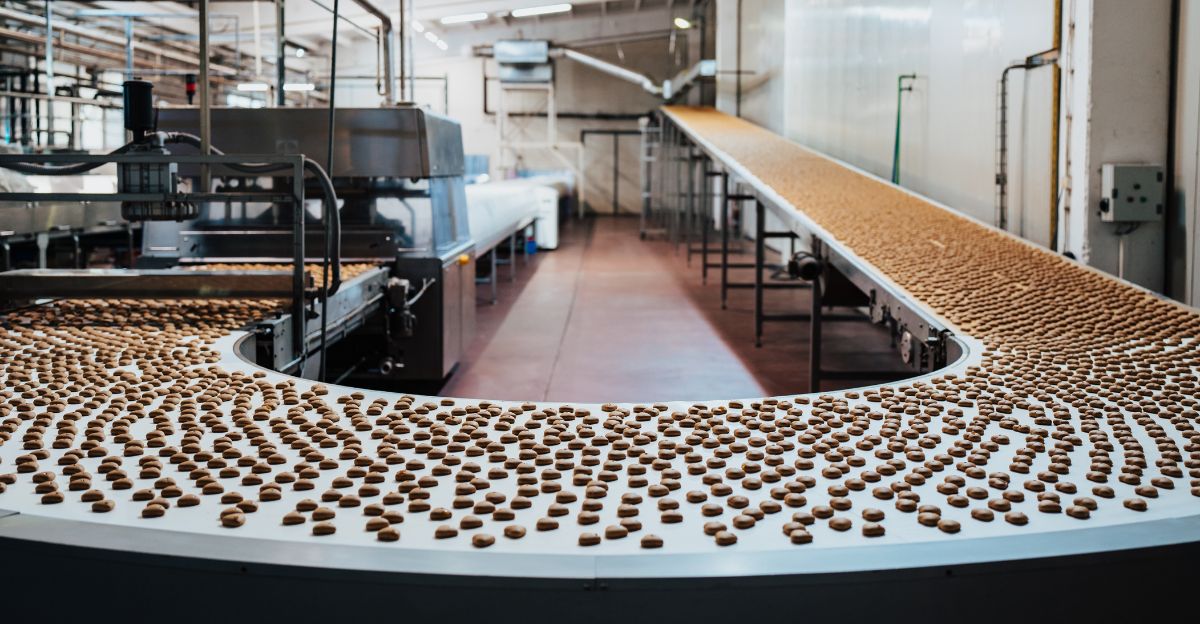
The recall also mapped out the risks for small food companies trying to scale up quickly. Rolling Pin Baking Company went from being a local snack maker to a national supplier almost overnight.
Food industry experts say this kind of rapid scaling can break down normal controls, especially when a tiny team suddenly makes enough product for thousands of stores.
Viral fame is a double-edged sword: the more popular a treat becomes, the harder it is to keep every batch safe.
Customer Relations

To keep customers safe and happy, Costco made its return policy extra generous, letting people return the chocolate for a full refund even if they’d already opened or partly eaten it.
Customer service phone lines and help desks were flooded with calls from shoppers wanting more details about the recall, refund instructions, and any health risks.
Some fans mourned the absence of their favorite viral snack, but many expressed appreciation for how quickly and sincerely Costco handled the crisis.
Brand Recovery
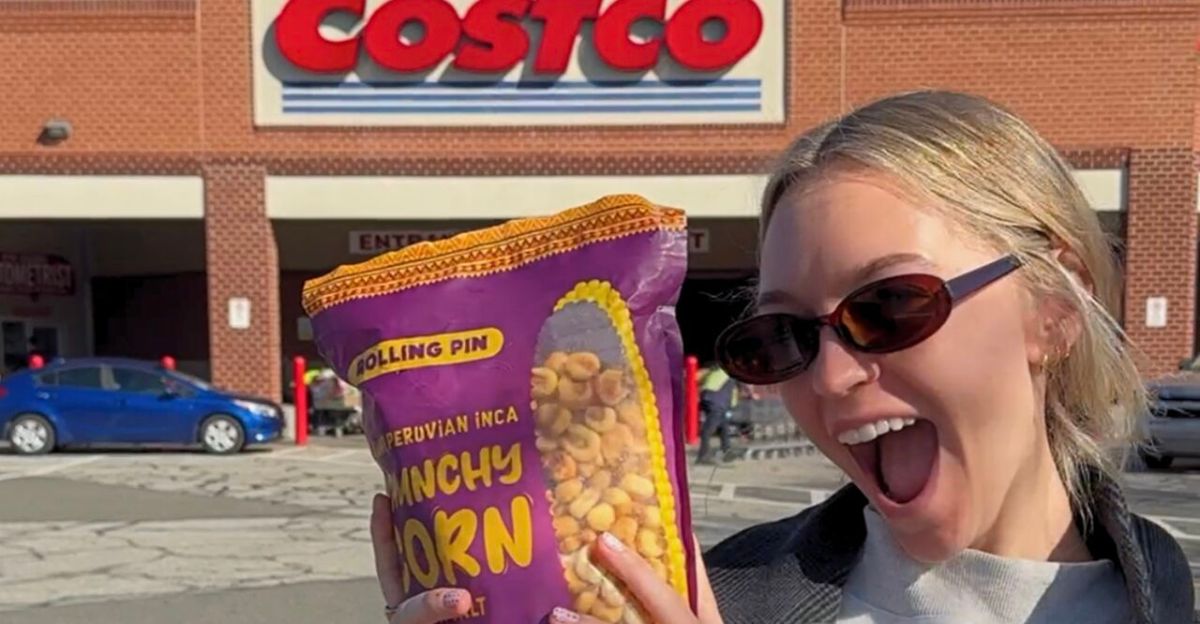
Rolling Pin Baking Company’s next challenge was to win back trust. The company highlighted its long list of other snacks, reassured fans about its commitment to safety, and promised tighter quality control in the future.
Loyal fans showed support online while also acknowledging that stricter labeling was a must going forward.
The company turned the situation into a chance to educate, commit to transparency, and reassure buyers.
Future Implications

Some experts think this recall is the start of stricter rules for viral foods in big retail.
As more social-media-driven snacks reach the shelves, regulators are stepping up oversight, and stores like Costco are promising closer relationships and stricter contracts with their vendors.
The big lesson: moving fast to catch a viral trend cannot come at the cost of consumer safety.
The industry is already discussing new protocols to manage the gap between social media buzz and safe, well-tested food launches.
Regulatory Evolution

Federal agencies like the FDA are rolling out new studies, exploring how viral trends can outpace traditional food safety.
Congress is debating whether current allergen labeling laws are clear enough when influencers, not grocery stores, drive sales.
Industry experts predict we’ll see new rules on how quickly a food company can scale when something goes viral.
Industry Transformation

Traditional chocolate makers are now studying Dubai’s success, trying to learn how to harness social media trends without losing sight of their rigorous testing standards.
Ingredient suppliers invest in new systems to handle bigger orders and sudden demand jumps.
Retailers like Costco are reassessing how they vet small vendors and ensuring enough food safety knowledge among suppliers. Everyone is learning from this recall.
Social Media Reckoning

Influencers who helped Dubai chocolate go viral had to update their posts, warn fans, and include new safety disclaimers.
Some added reminders to always check food labels, while others apologized for unintentionally glorifying a snack with undisclosed risks.
Platforms like TikTok and Instagram are being asked to do more to ensure food safety information goes viral alongside food hacks and taste tests.
Historical Context
Food historians say this is the latest in a long line of viral food safety hiccups.
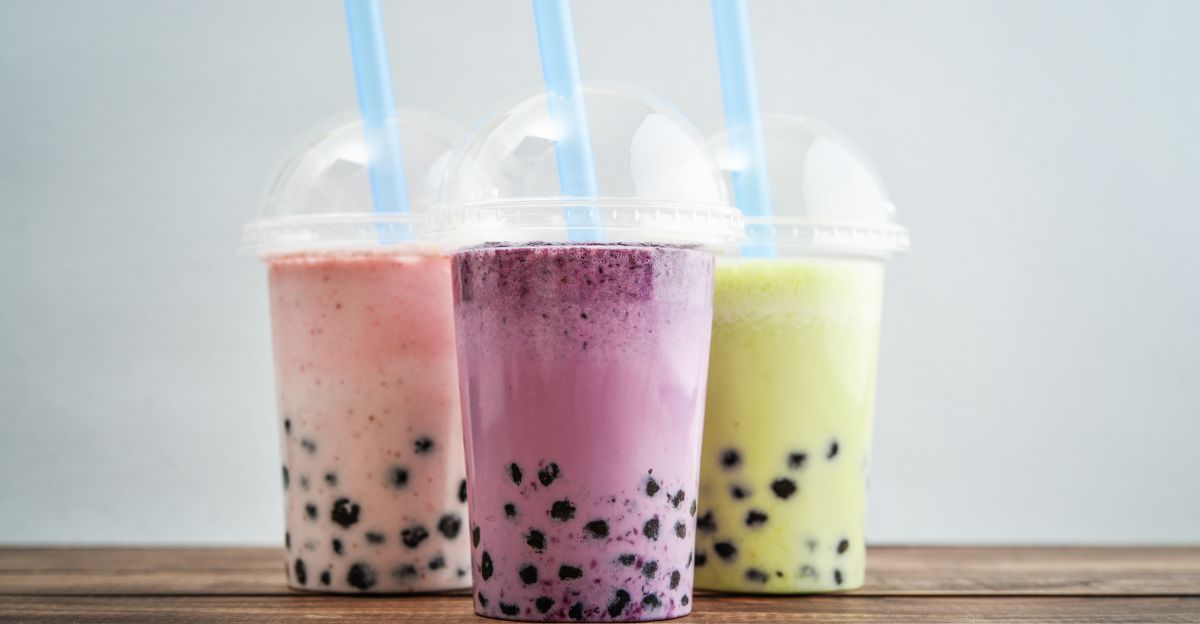
In past years, trendy foods like bubble tea, black ice cream, or even cereal café shakes caused confusion or health scares when safety checks didn’t keep up with popularity.
Regulators and brands are reminded that the need for clear, accurate, and honest labeling never disappears as fast as food trends change.
Safety Lessons from a Viral Treat
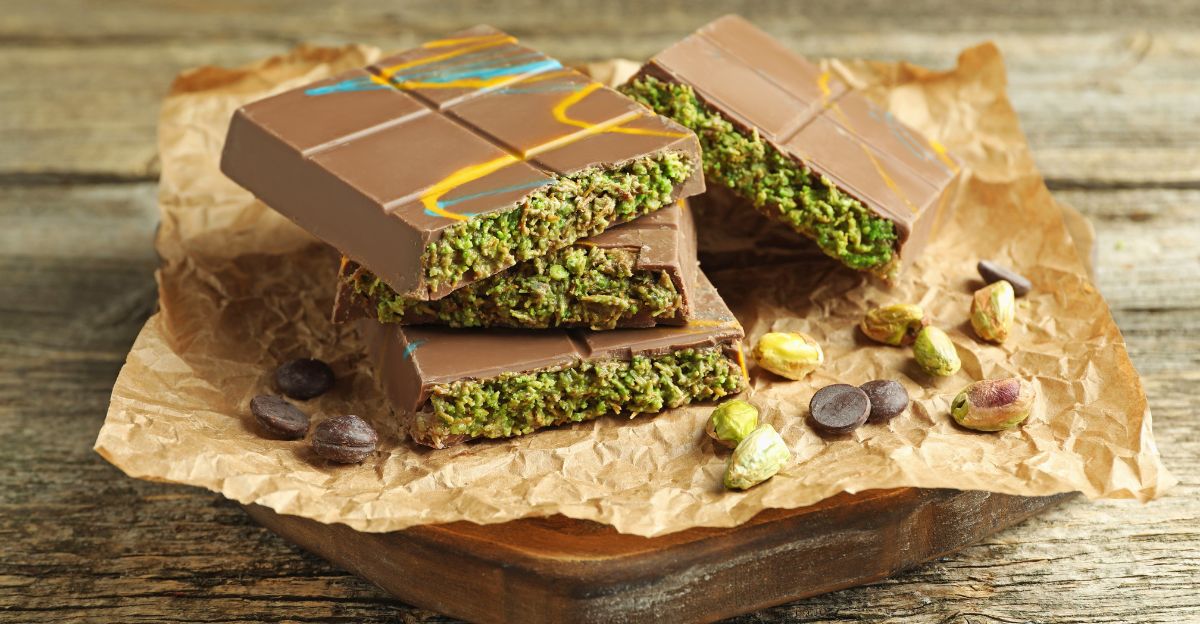
The Dubai chocolate story teaches everyone that social media can turn a niche snack into a global success overnight, but safety still comes before trendiness.
No one got sick from this recall, but the missing “wheat” warning could have hurt someone badly. Now, brands, retailers, and foodies all know that details matter when it comes to the world’s favorite viral snacks.
By learning from this event, safety systems and dessert innovation can continue to improve, ensuring that fans can keep discovering delicious new treats without worry.