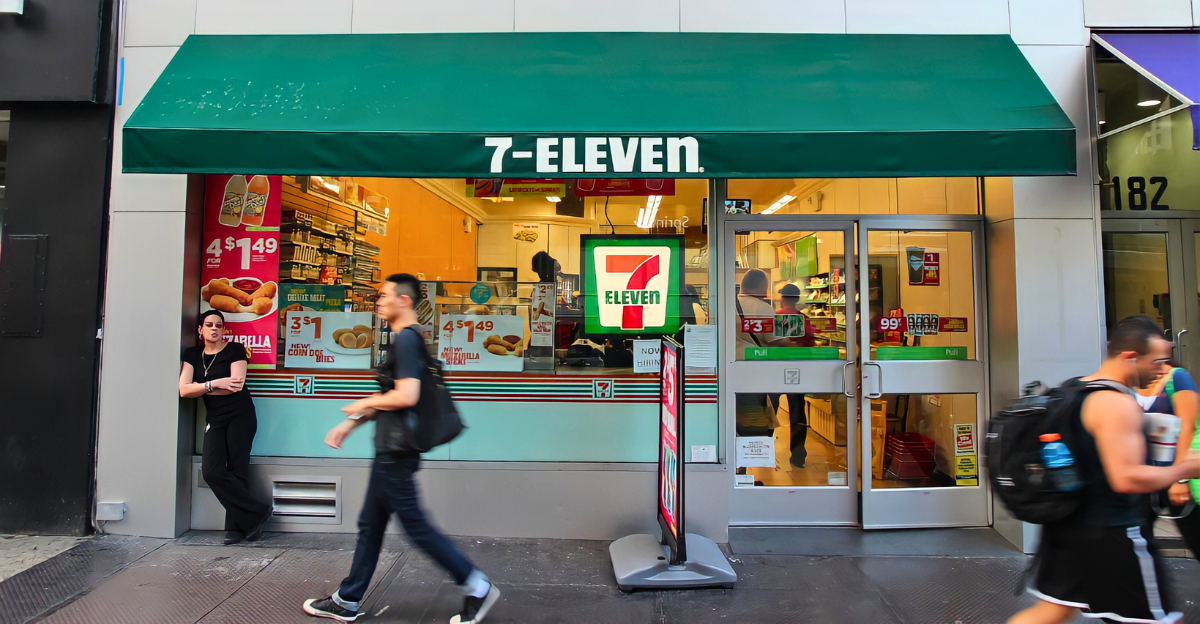
7-Eleven is making big moves in the United States, with plans to open 1,300 new stores by 2030, more than ever before in its history. These new stores will be bigger and focus more on fresh food, changing how people see convenience shops.
According to Stephen Dacus, CEO of Seven & i Holdings, this growth will cover more than half of the US population. By building new, modern stores, 7-Eleven hopes to reshape how people shop and eat on the go.
Food at the Center
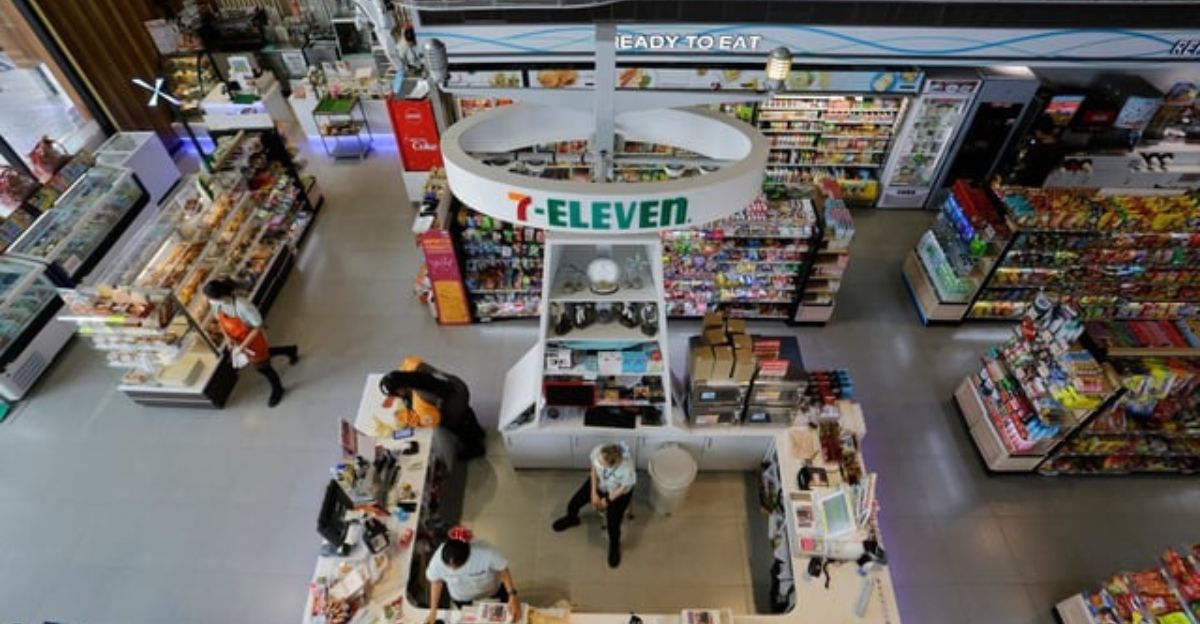
The biggest change in 7-Eleven’s plan is putting fresh food, and even full meals, at the center of each store. The company wants to move beyond selling just snacks and drinks, offering hot meals, sandwiches, and specialty coffees instead. CEO Stephen Dacus said, “In the U.S. … many of our smaller competitors are focusing more on food and doing it well. As the environment has changed, we need to step up.”
Today’s customers want fast, affordable, and tasty meal options, and this move is designed to keep up with their changing tastes. The company tested new ideas in pilot stores and found that people really liked the higher-quality choices.
Changing the Market
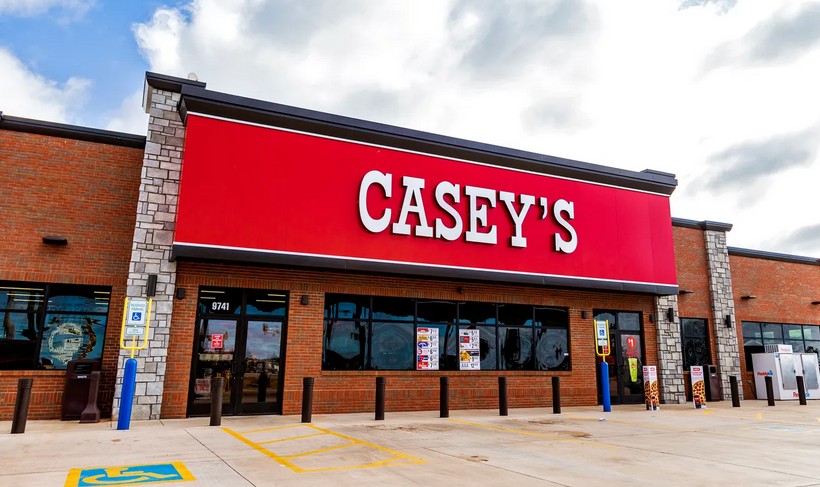
Industry watchers say 7-Eleven’s new direction could change how Americans think about convenience stores. Chains like Wawa and Casey’s General Stores are already investing in hot sandwiches and fresh pizza, and now 7-Eleven is stepping up to compete. The company’s focus on fresh food and better service responds directly to customer feedback and the rising demand for meals that people can grab quickly.
“This format delivers much higher sales and profit than our other formats,” CEO Dacus stated. This approach could make convenience stores a bigger part of daily eating habits in both cities and suburbs.
Reaching More People
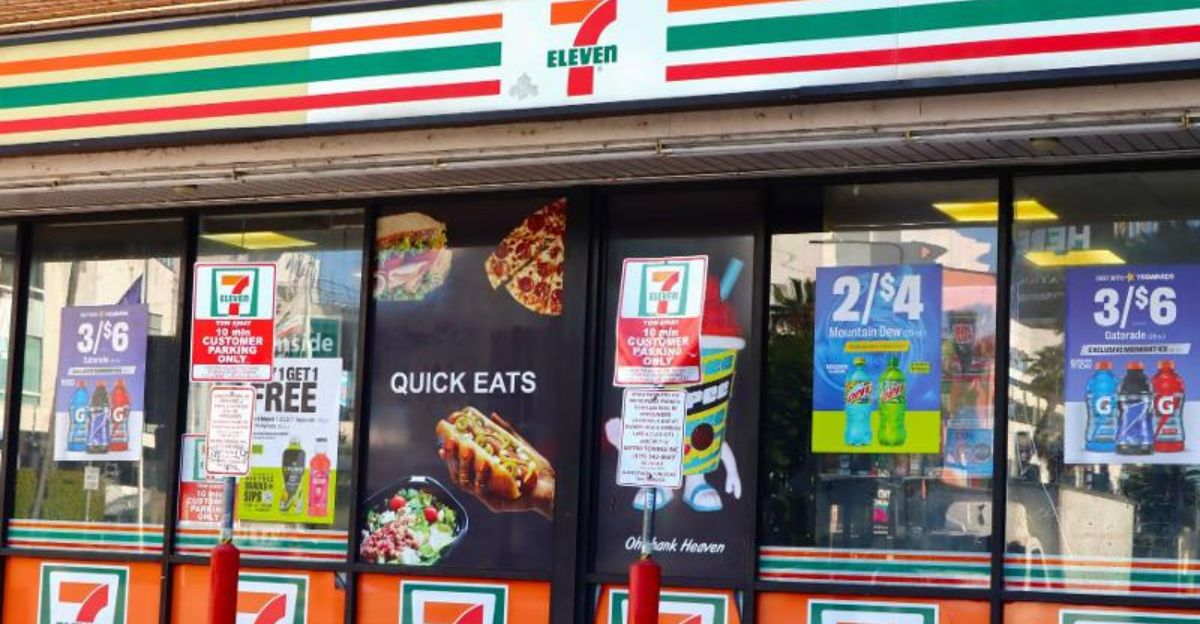
7-Eleven wants to open about 200 new stores every year, aiming to serve over half the country’s population by 2030. The new buildings will be larger, with more seating and bigger kitchens, so customers can eat in or take food to go. They also plan upgrades like 1,100 brand-new in-store restaurants.
All these features will help the stores move beyond typical gas station snacks. The announcement follows a failed $46 billion buyout offer from Alimentation Couche-Tard, showing how much is at stake for the company. “We have been the market leader for many years, and we still are, by a wide margin. Others copy our strengths and catch up,” Dacus admitted.
Fresh, Modern Stores Arrive

The heart of the transformation is the new “food-centric” store idea, called the “New Standard.” These locations have modern designs, technology for ordering, and menus that change based on where the store is. “This format delivers much higher sales and profit,” CEO Dacus confirmed.
Thanks to their wider food and beverage options, New Standard stores are expected to earn up to 45% more than older 7-Eleven stores. The chain plans to nearly double its number of quick-service restaurants in the next five years, making these fresh, modern stores the new face of the brand.
Big Changes in Texas, California, and Florida
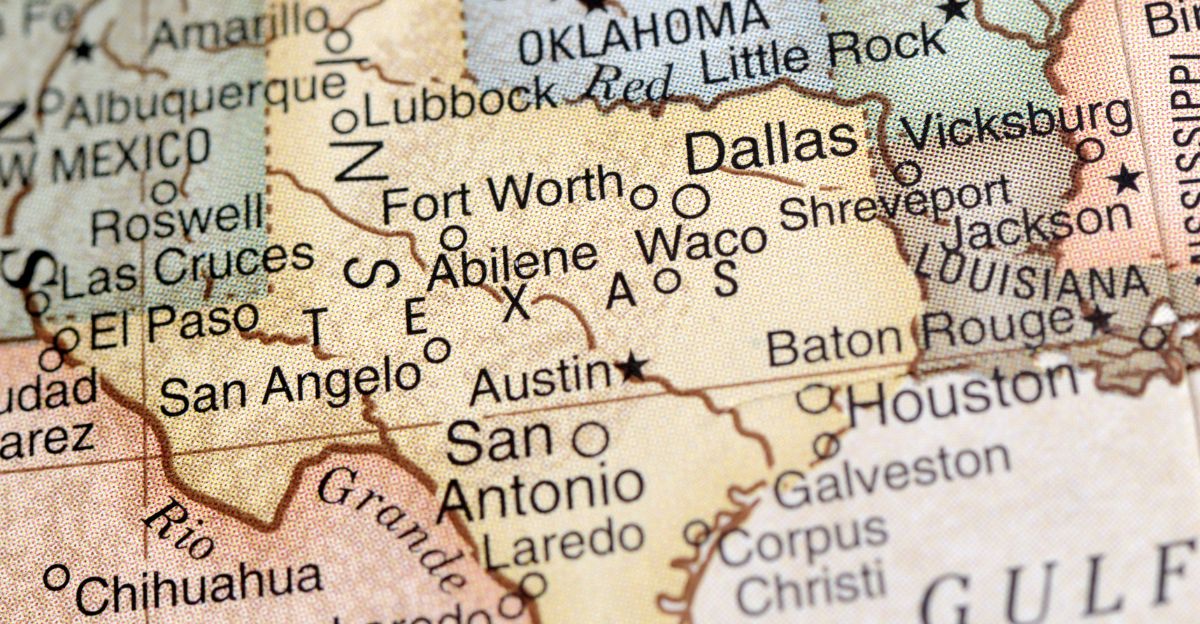
States like Texas, California, and Florida will feel the largest effects from the new expansions, as many new stores are planned for these regions. Local franchise owners will have to adapt to new kitchen equipment, supply chains focused on fresh foods, and train their teams for new ways of serving customers.
Early tests in busy city areas and along highways show that people love the hot meals and fresh coffee. These updates are expected to create more jobs and give shoppers better choices.
What Franchise Owners Think
7-Eleven’s bold plan means a major change for hundreds of franchisees. Many bought into the brand, thinking they’d mostly sell cigarettes, lottery tickets, or beer. “If they wanted to sell food, they would have gotten a Taco Bell or Dunkin’ Donuts,” said a former vice president of operations.
Rolling out new kitchens and menus will require staff training, money, new skills, and some initial challenges. However, 7-Eleven promises support and believes these steps are needed to thrive in today’s market.
Industry Pros Give Their Views
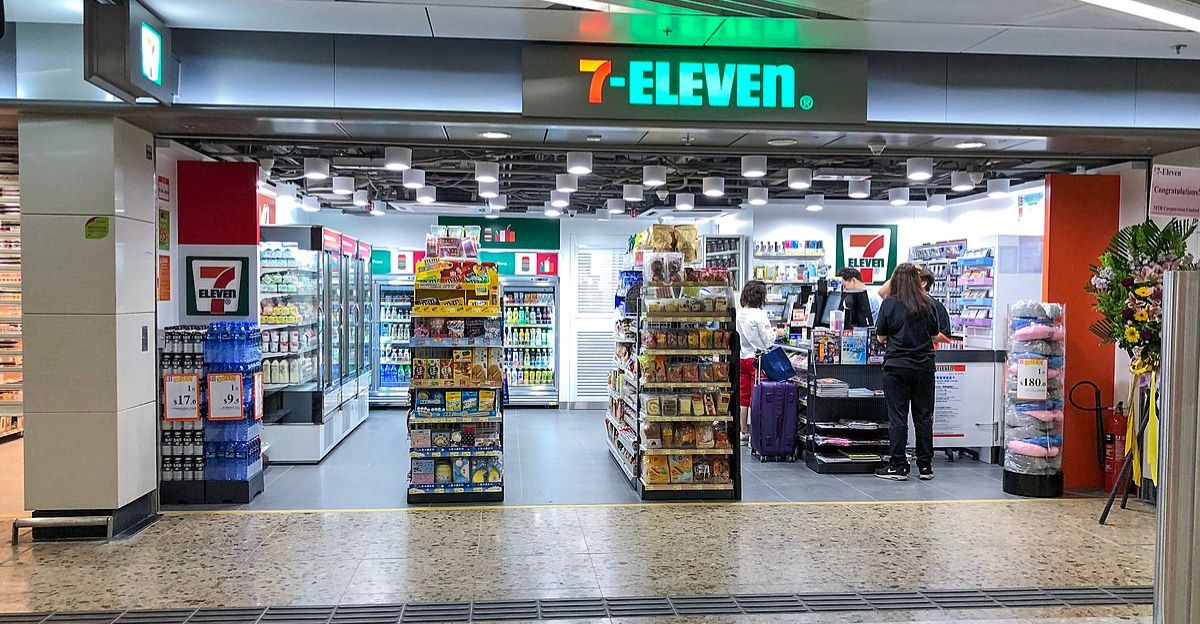
Industry experts agree that convenience stores are focusing more on fast, fresh, and personalized food. In Japan, 7-Eleven is already famous for great fresh foods and clean stores, and this new strategy aims to bring those strengths to America.
Competitors like Wawa and Casey’s are also investing in healthy menu items and easy digital ordering. Many experts think 7-Eleven’s push could set higher standards for quick, convenient dining and push other stores to innovate, too.
Money on the Line
Seven & i Holdings expects its North American stores to generate close to $78 billion in revenue by 2030, up from roughly $70 billion in 2024. Larger stores and high-profit food items are key to this plan. A public stock offering planned for 2026 could add more capital for even faster growth.
If everything goes well, 7-Eleven will remain the biggest name in US convenience retail, a position the company is betting billions on.
Partnering With Restaurants

Teaming up with brands like Laredo Taco Company and Raise the Roost Chicken & Biscuits, 7-Eleven is making sure many stores offer fresh, made-to-order meals. These restaurants inside stores help boost sales well above the typical locations.
Investments in bakeries and food prep facilities make sure customers always get fresh options. Surveys show people appreciate the convenience of easily getting a high-quality snack or meal.
Overcoming Obstacles

Big changes bring challenges. Not all franchisees are excited, and updating old stores could be expensive. There are also outside pressures like shifting consumer habits and rising costs. Dacus and his team say they’ll use loyalty rewards and digital ordering upgrades to keep customers coming back and spending more on each visit.
As Dacus said, “As the environment has changed, we need to step up.” The company knows that making these plans work will require flexibility and ongoing investment.
Americans Want More Food Choices
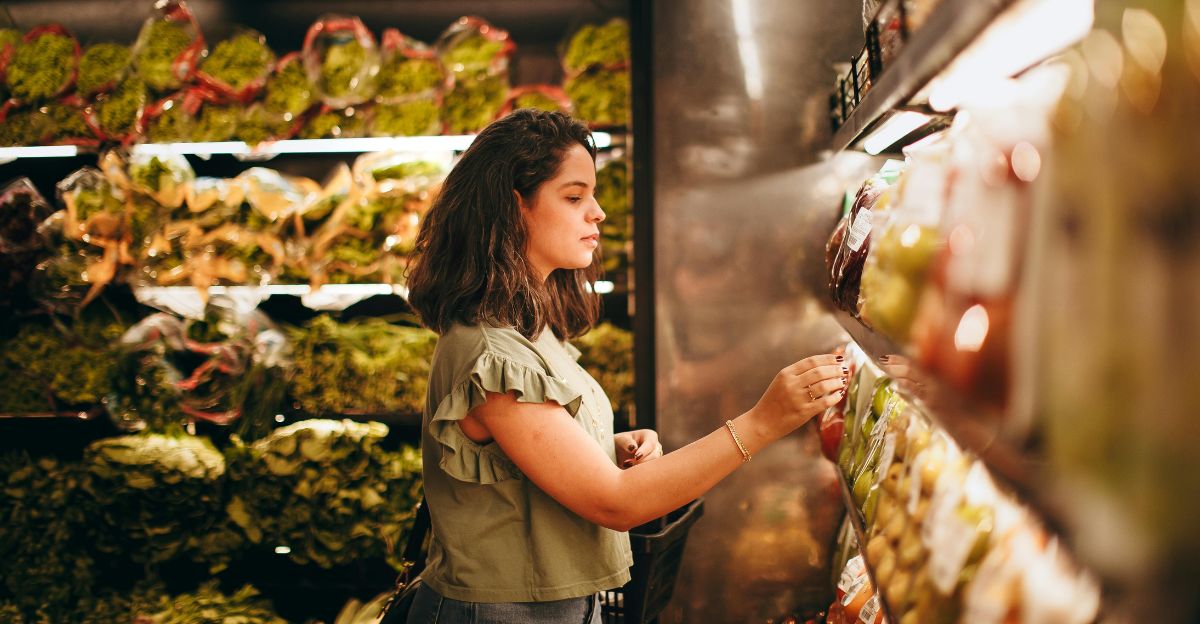
Research shows customers increasingly want affordable, tasty meals at convenience stores. In many places, food sales now outpace cigarette sales. Hot foods and fresh coffee lead the way. People have asked for new meal and drink options, like barista-style coffees and chef-inspired snacks.
7-Eleven is listening, localizing menus, and adding seasonal specials to match tastes in each community.
Ownership Evolves
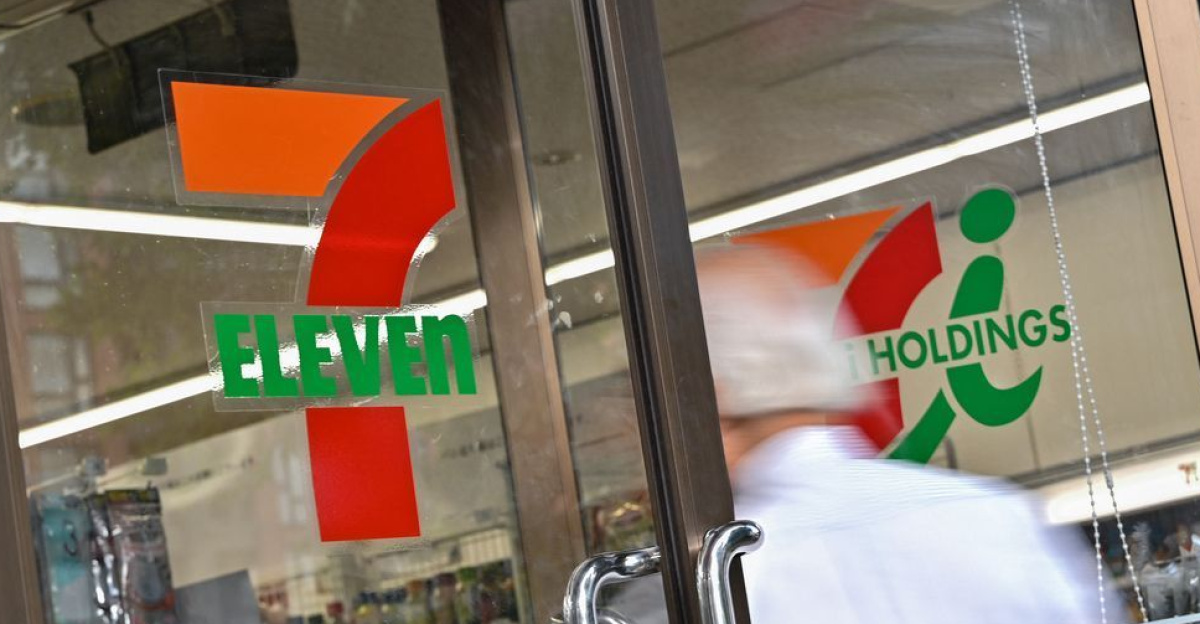
The world of convenience stores is changing rapidly. The failed $46 billion takeover by Alimentation Couche-Tard means Seven & i Holdings is doubling down on growth and innovation alone. Plans to launch its North American business on the stock market in 2026 show confidence in its new vision. With more than 85,000 stores globally, 7-Eleven’s massive reach gives it extra strength to adapt and lead the market.
Strong Leadership Steps Up

CEO Stephen Dacus is all about “execution, speed, and customer-centric investment.” The management team is focused on raising food quality and customer satisfaction to the highest level. Dacus’s goal is to double the number of quick-service restaurants in just five years.
The leadership team promises improvements in margins, transaction numbers, and sales at every store. As Dacus urges, “We need to step up.”
What’s Coming Next
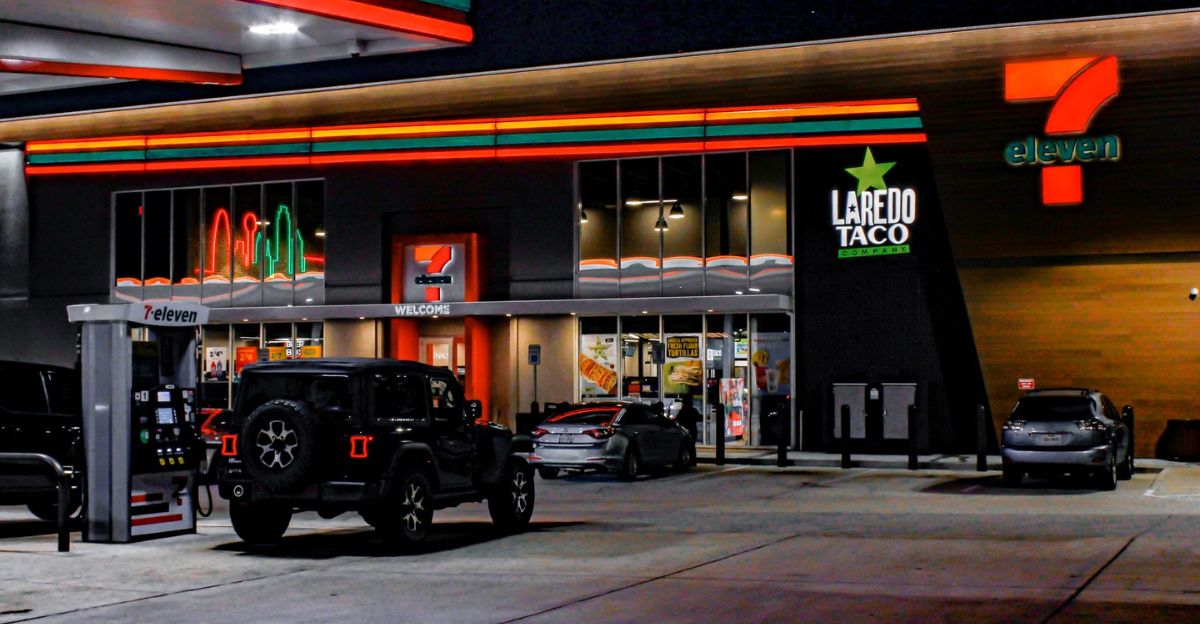
7-Eleven plans to keep updating its stores and menus to match what people want, like new kitchens, ordering from phones or apps, and comfy seating. Innovative store features tested in select locations will spread nationwide as part of the “New Standard.”
Many industry experts are watching closely because 7-Eleven could change what Americans expect when grabbing a fast meal.
Watching the Rules
With such major changes, government officials in several states are looking at the impact of food-focused convenience stores on health and competition. Lawmakers want to make sure stores meet nutrition standards, safe food practices, and treat their staff well.
Seven & i Holdings is working ahead to meet these requirements, including more food safety training. Any new rules or lawsuits could affect how fast new stores open up, so the company is being careful.
Effects Spread Far Wider
7-Eleven’s big gamble isn’t just changing convenience stores. It’s also making waves with fast food, grocery, and delivery apps. Rival chains like Circle K and Speedway are adjusting their own food menus to keep up. Grocery stores are looking at smaller, quick-meal formats too. Many think 7-Eleven’s shift could spark new partnerships and ideas across retail that benefit shoppers everywhere.
Social Media Buzz

People online have been excited, and sometimes skeptical, about 7-Eleven’s new plans. Hashtags celebrate new food, while health debates and viral posts discuss popular items like “Japanese egg sandwiches.”
Brand marketers have jumped in, working with influencers to get attention. While excitement is high, experts remind everyone to double-check facts before believing the buzz.
Learning From the Past
The story of convenience stores is all about change. After World War II, stores grew fast in suburbs and then evolved when gas stations merged with them. 7-Eleven itself started as Tote’m in Dallas and has kept adapting with every new trend.
What’s Next for 7-Eleven?
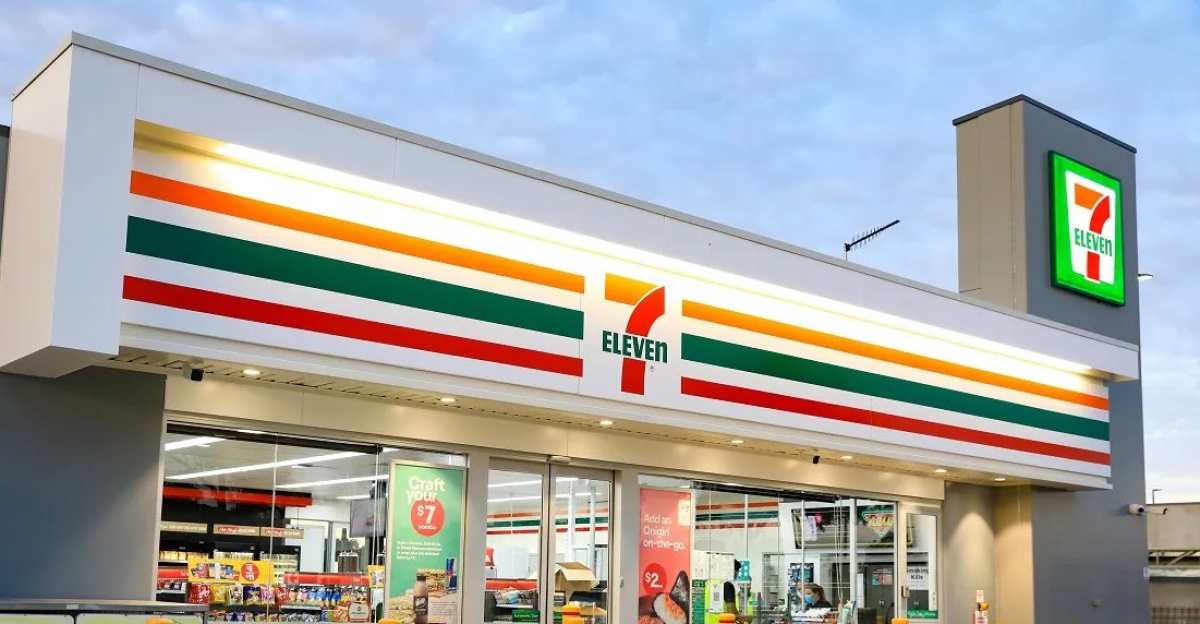
7-Eleven’s national expansion is setting new standards for how Americans shop and eat fast meals. Its investment in food, fresh restaurants, and digital service could redefine convenience for everyone. Experts say this could spark innovation across the entire industry.
“If the brand can deliver on food quality and reimagine the in-store experience, it has a real shot at winning over a new generation of consumers,” observed eMarketer’s analysts. All eyes are now on the rollout and the future of quick, fresh meals.