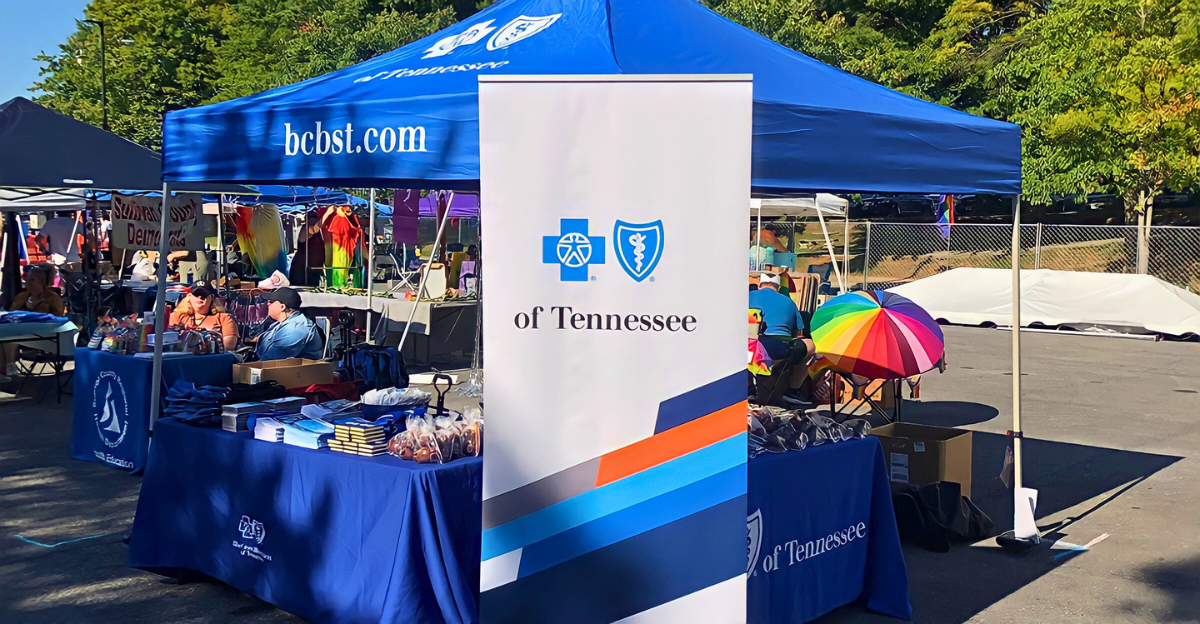
BlueCross BlueShield of Tennessee has started letting staff go, with 150 jobs in Chattanooga affected because its Shared Health branch is closing down. This is just the beginning, more layoffs are planned over the next year, ending in 2026. The company officially announced these cuts and gave warnings as required by law.
Across America, many health insurance companies are facing similar challenges, making tough choices as expenses rise. Community leaders say these layoffs will be felt throughout the city for a long time, but just how bad can it get?
Why the Insurance Giant Chose Layoffs

BlueCross BlueShield companies serve people nationwide, but this round of layoffs focuses on their Chattanooga-based branch called Shared Health. These job cuts happened because it costs more to pay out health claims and because the company is making some big changes in its operations.
Leaders say those who are let go will get help, including severance pay and support in finding new jobs. Even though this decision was hard, BlueCross BlueShield says it’s doing its best to support staff. “This was a tough decision because it will affect around 150 talented, dedicated employees who support Shared Health. But we no longer see a sustainable path forward for this line of business,” the company said in a statement.
Chattanooga Feels the Impact
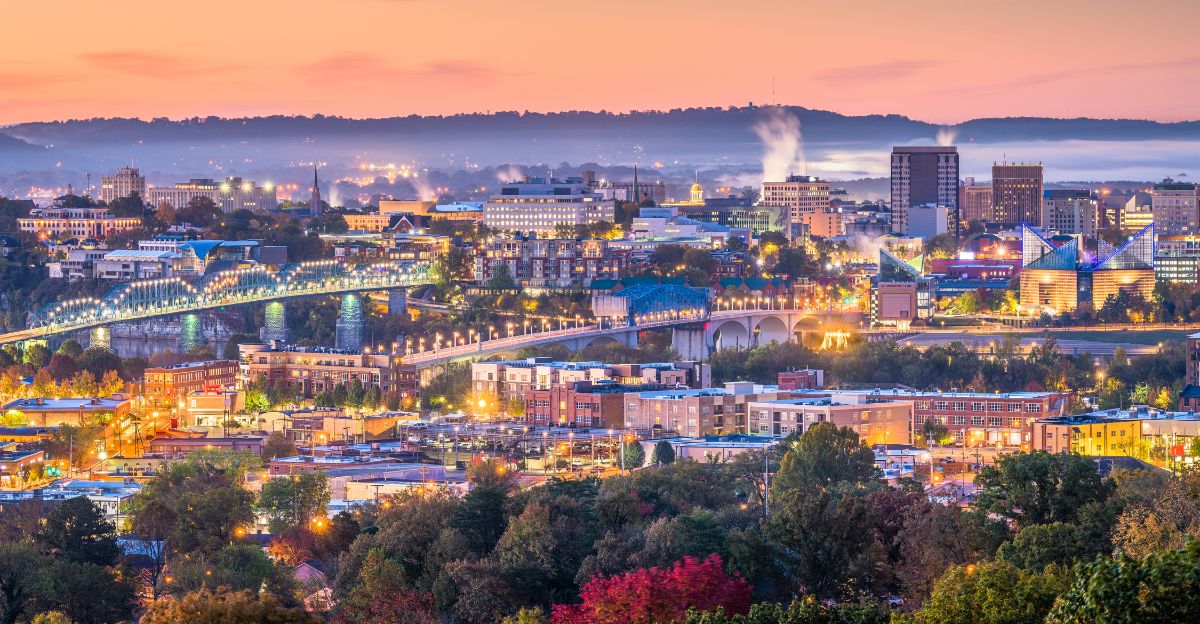
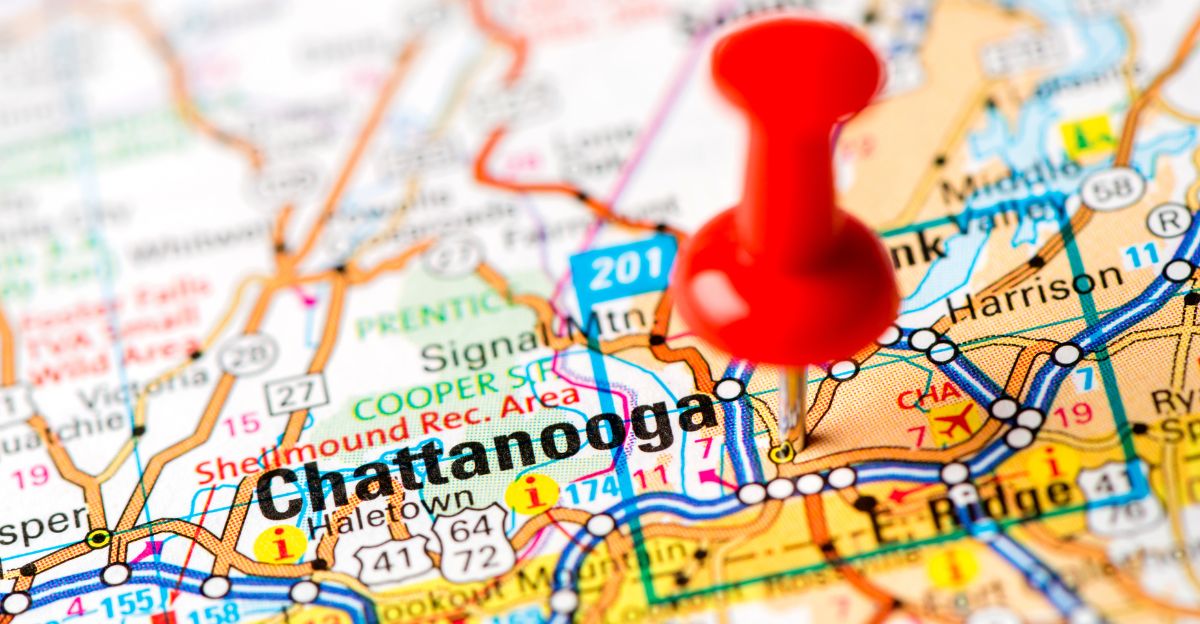
The job losses strike right at Chattanooga, where the Shared Health subsidiary employs many people who support insurance plans in other states, including Mississippi and Texas. Company leaders say layoffs will happen in stages, hoping to give employees enough time to look for new jobs rather than letting everyone go at once.
The closing of Shared Health marks the end of a significant local business. City officials and economic leaders have warned that these changes will deeply affect families and businesses, since many rely on Shared Health’s insurance plans and local jobs.
Health Insurance Faces Big Changes

What’s happening at BlueCross BlueShield isn’t just a local issue, similar layoffs are happening all over the health insurance industry. Expenses are going up quickly, profit margins are tightening, and new rules from regulators are making things tougher for everyone. As Dalya Qualls White says, “Like health insurers across the country, BlueCross has seen a sharp rise in claims costs—a trend that started in the second half of 2024 and has only gotten more challenging.”
Even after cutting back on travel, reviewing contracts, and trimming sponsorships, those measures weren’t enough to keep up with the rising costs.
150 Jobs Are Gone
BlueCross BlueShield of Tennessee is letting go of 150 workers at its Shared Health branch, starting in September 2025 and continuing into early 2026. These cuts include not only people working now, but also open jobs that will no longer be filled.
Company leaders made clear there’s no way for Shared Health to continue its work, saying, “We no longer see a sustainable path forward for this line of business.” Employees and regulators were officially informed in line with all federal and state rules.
Real People, Real Impact

For many employees, the news of layoffs came as a shock. Workers spoke out in local media and on social media, sharing stories of uncertainty and disappointment. Management admitted that letting people go was not easy. Leaders promise generous severance, several weeks of notice, and support for job searches.
Families now face tough choices as they search for new jobs in a Chattanooga market that’s already competitive. In response, local career centers and workforce boards are jumping in to help people find new opportunities quickly.
How Layoffs Affect the Region
Experts say losing so many jobs at once doesn’t just hurt the employees, it has a “ripple effect” on the whole community. When workers lose their income, local businesses like stores, restaurants, and service providers also feel the hit because people spend less.
In past years, other large layoffs in Chattanooga led to small businesses struggling, forcing some to close. Community leaders and nonprofit groups say collaboration is necessary to support families during this tough transition.
Why Claims Costs Are Rising

The main reason for these layoffs is that health claims have risen dramatically since late 2024. BlueCross BlueShield leaders explain that it’s part of an overall rise in the cost of healthcare in the U.S. This means the company has had to look at every budget line, contract, and open position more closely.
Shared Health just became too expensive to justify keeping open. In the end, company leaders said they had to act swiftly to protect BlueCross’s future and make sure other parts of the business remain strong and reliable.
Rules and Regulations Affect Layoffs

New rules mean health insurance companies like BlueCross face greater pressure to be transparent and follow strict notification laws. BlueCross filed the right legal paperwork, letting the Tennessee Department of Labor know about every person being laid off. Laws such as the WARN Act say companies must give at least 60 days’ notice before large layoffs, giving workers a chance to make plans and prepare for new jobs.
Legal experts say this kind of compliance will be essential for insurance companies to follow in future cutbacks. One employment lawyer commented, “Regulatory oversight is growing, and companies that do not comply risk costly litigation and public scrutiny.”
Unfilled Jobs Gone

Apart from laying off 150 current employees, BlueCross BlueShield will also eliminate 28 open positions that were never filled at Shared Health. These roles were marked “non-essential” and are being removed to save money and help the company run more efficiently.
Leaders say focusing only on jobs that directly help customers will make BlueCross leaner and more resilient as the market changes.
Hard Decisions for Leaders

Dalya Qualls White, the company’s chief spokesperson, said, “These were difficult decisions to make because we understand the personal impact.” She promised that everyone losing a job will get generous severance pay, several weeks of notice, and job support programs.
BlueCross is trying to protect workers and customers from disruption, keeping ethical business standards as a top priority. “We’re in a stronger position than many of our peers because we acted quickly,” White added.
Inside the Restructuring

As the Shared Health branch shuts down, BlueCross BlueShield will keep coverage for current policyholders until their plans end. Leaders say this move is about focusing on the company’s core strengths, gradually stepping away from areas that aren’t performing well financially.
Employees who are affected will receive support and help as operations change. Industry experts believe this is part of a bigger shift in how major insurers handle financial risk and the demands of new regulations.
Company’s Approach to Change

The leadership at BlueCross BlueShield says that by acting early and being clear, they are protecting clients and staff better than if they had waited for things to get worse. BlueCross promises to keep supporting members and staff as things change.
The company vows to give transparent updates and stay engaged with its communities. This strategy is meant to build trust and confidence even as jobs are lost and services are modified.
Leadership’s Long-Term Vision

BlueCross BlueShield leaders believe the tough steps they are taking now will help the company survive uncertain times ahead. Executives frame the closure not just as “cutting back,” but as a way to get ready for challenges in 2026, like new laws or unpredictable healthcare costs.
By focusing resources and streamlining, the company says it will be better prepared to protect customers, supporters, and staff down the line.
Looking Into the Future

BlueCross’s future in Tennessee remains strong but uncertain as the company adapts to new rules and rising expenses. Industry analysts say this move is a sign of what might happen elsewhere if costs continue to rise and new laws appear.
The next year will be crucial, with staff, customers, and competitors watching closely. BlueCross’s careful approach to cost control and help for staff may become a model for other insurers facing similar problems.
New Hearings and Legal Action

Government hearings and legal reviews are now underway over the BlueCross layoffs. Tennessee lawmakers question whether all employees got the legally required 60-day warning before layoffs. Under the WARN Act, companies must give notice at least two months before major job cuts.
This period should let workers seek new jobs or retraining before losing their work. Lawyers are looking into whether BlueCross did everything correctly, and new rules may be added to protect workers from sudden layoffs in the future.
Ripple Effects Across Healthcare

BlueCross BlueShield’s restructuring is part of a bigger pattern in American healthcare, as other sectors also face layoffs. Insurers nationwide are cutting staff, freezing new hires, and rethinking their products, especially in Medicaid and Medicare programs.
These widespread changes show that health insurance isn’t alone; the whole healthcare system is experiencing turbulence, and more surprises may be ahead.
Social Media Buzz

News of the layoffs has spread fast online, with plenty of comments and posts flying across social media channels. Some of what gets shared is true, but a lot of misinformation also circulates, adding stress for those who have just lost their jobs.
BlueCross BlueShield has responded by posting official updates on its website and in press briefings, confirming exactly how many jobs are gone and what help is offered for workers. Experts warn that spreading misinformation can make things even harder for the affected people.
Not a First for Health Insurance
Health reporters point out that this isn’t the first time a big insurance company has had major layoffs in America. Big names like Anthem and Humana made similar decisions in past years when rules and costs changed.
Those earlier layoffs had long-lasting impacts, affecting the services people could get and shrinking the jobs available in local healthcare. Experts say what’s happening at BlueCross in Tennessee is part of a familiar pattern for insurers.
What This Means for Everyone

BlueCross BlueShield of Tennessee’s decision to cut 150 jobs as it shutters the Shared Health subsidiary clearly shows how unstable the health insurance business can be today. Big challenges—like unpredictable costs and tougher scrutiny from regulators—are forcing insurers everywhere to shrink their workforces. For neighborhoods and families, announcements like this can be tough, but they also mean that support and community programs are more needed than ever. In a way, these industry changes show how insurance affects everyone, and the choices companies make shape the healthcare system for millions of Americans.