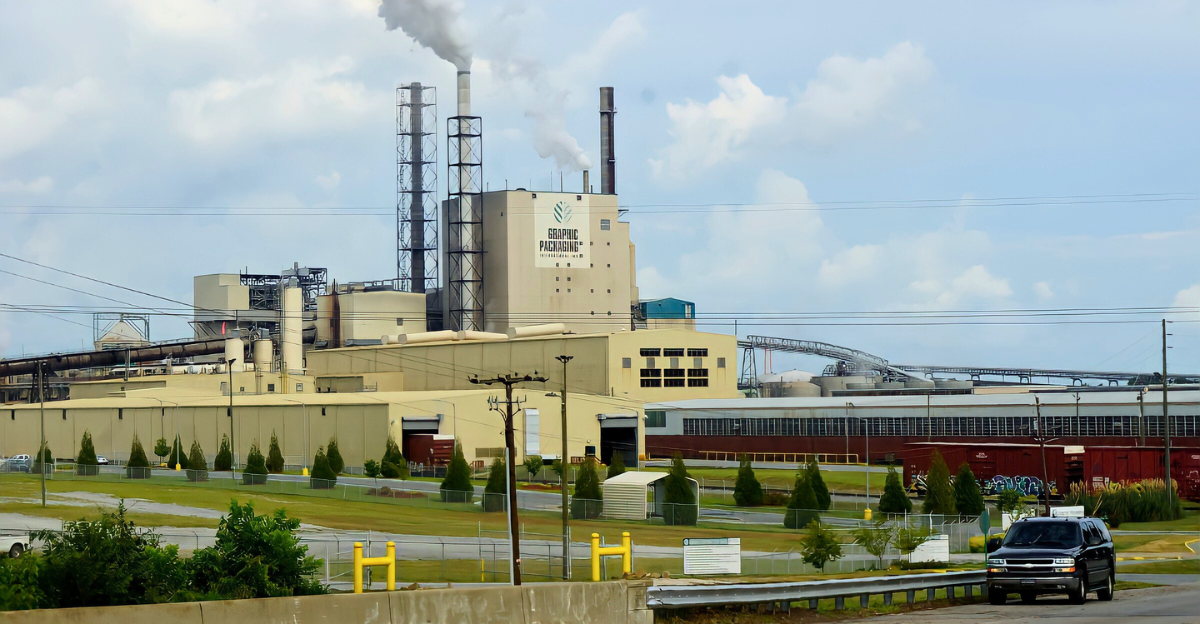
Five paper mills prepare permanent shutdowns across southeast Georgia through September 2025, according to multiple independent reports. International Paper and Georgia-Pacific caught officials off guard with announcements affecting over 1,700 workers, The Current GA reports, citing international trade barriers and declining wood demand. The shutdowns eliminate millions of tons of annual production capacity while devastating communities dependent on steady industrial employment for generations.
Massive $2.9 Billion Economic Catastrophe Rocks Southeast Georgia Communities
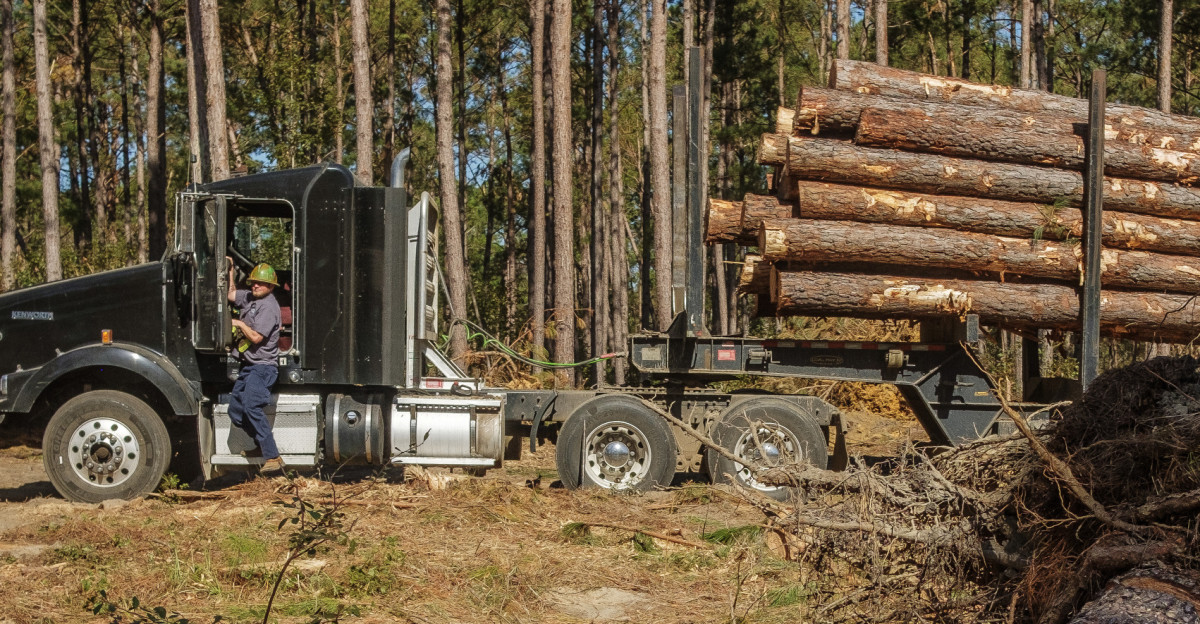
Mill closures will deliver a devastating $2.9 billion annual blow to southeast Georgia’s economy, according to economic impact assessments by state officials. The breakdown includes $1.7 billion in direct economic impact, reports AOL News citing Georgia Forestry Commission Forest Utilization Chief Devon Dartnell, plus $845 million in indirect effects and $318 million in wage losses. Dartnell warns that approximately 70 logging crews statewide will lose buyers for 4.5 million tons of timber, telling The Current GA “They probably won’t make payroll next month.”
From World’s Largest Mill to Empty Buildings: Georgia’s Paper Legacy Crumbles After Nearly Century

Georgia’s paper manufacturing heritage stretches back to 1936 when International Paper established its Savannah operation, according to company records, eventually becoming the world’s largest paper facility by 1995. Historical data shows the state once supported 18 mills during 1977’s peak production, providing thousands of family jobs across the coastal plain. The Current GA reports these industrial giants processed Georgia’s pine forests into containerboard for national markets, anchoring rural economies for generations.
Perfect Storm of Problems: Multiple Forces Converge to Crush Georgia’s Paper Mill Operations

Multiple pressures converged to threaten mill viability, industry analysts report, as international trade barriers and declining demand created structural challenges. Digital transformation reduced newsprint consumption while recycling decreased fiber demand, according to market studies. Hurricane Helene’s September 2024 devastation damaged Georgia timberland, the Georgia Farm Bureau reports, with the state losing over $1.28 billion worth of timber to the storm while foreign competition intensified nationwide pricing pressures.
August 21 Bombshell: International Paper Drops Closure News That Rocks Georgia to Its Core

International Paper stunned Georgia on August 21, 2025, announcing permanent closure of four facilities in Riceboro and Savannah by September’s end, according to AP News and Packaging Dive reports. The Atlanta Journal Constitution confirms the closures affect 1,100 workers at the Savannah containerboard mill, Savannah packaging facility, Riceboro containerboard mill and Riceboro Timber and Lumber operation. Georgia-Pacific had already shuttered Cedar Springs in August, bringing total facility closures to five, eliminating decades of continuous operations.
Coastal Communities Bear the Brunt as Major Employer Vanishes Overnight

Chatham and Liberty Counties face the heaviest impact as International Paper’s departure eliminates major economic anchors, local officials report. Savannah loses its largest private employer, with 800 direct jobs supporting thousands of additional positions throughout the regional economy, according to the Savannah Area Chamber of Commerce. Georgia House Speaker Jon Burns warns the Georgia Department of Labor estimates three to four indirect job losses for every direct mill job lost. Housing markets and tax bases face immediate pressure as displaced families consider relocation.
‘Nobody Saw It Coming’: Workers Left Reeling as Generational Jobs Vanish Without Warning

“Nobody saw it coming,” Cody Alexander, owner of Bricoll LLC, tells The Advance News, reflecting widespread shock among timber industry professionals. Workers face uncertain futures despite company promises of severance packages and job placement assistance. Timber industry veteran Thomas Gillis acknowledges the crisis to reporters, stating “I have a lot of people looking at me about what’s next, and honestly, I don’t know.” Many families represent second or third-generation mill workers facing the end of industrial traditions.
Competitors See Silver Lining While Georgia Bleeds: Industry Players Position for Market Gains
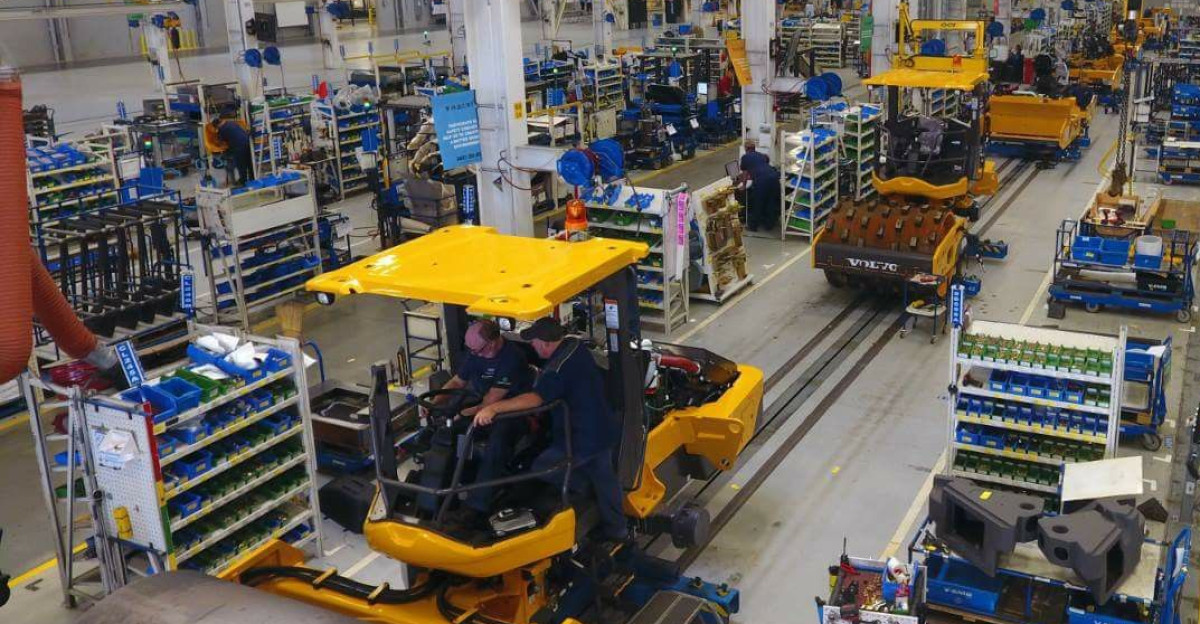
Competitors including WestRock and Packaging Corporation view Georgia mill closures as potentially beneficial for pricing stability in oversupplied containerboard markets, according to Packaging Dive reports. Citi analysts suggest capacity reductions could help balance supply with declining demand that dropped 8.7% since 2022. International Paper announced it will convert part of its Selma, Alabama facility to produce containerboard, the Georgia Farm Bureau reports, highlighting geographic reallocation trends while Georgia-Pacific invests $800 million in Alabama operations.
Paper Industry Undergoes Massive Restructuring as Traditional Mills Become Obsolete

The paper industry undergoes fundamental restructuring as companies abandon traditional pulp production for higher-margin packaging solutions, industry reports suggest. International Paper’s acquisition of DS Smith creates expanded packaging focus across North American and European markets, according to company announcements and Reuters reports. Industry consolidation accelerates as firms pursue strategies of closing inefficient facilities while investing in strategic locations. CEO Andy Silvernail positioned the Georgia moves as focusing solely on packaging solutions while abandoning pulp production.
Trade Wars Hit Home: International Barriers Blamed for Forcing Georgia Mills to Close Doors

International trade barriers emerged as a primary factor forcing mill closures, creating unfair competitive disadvantages for Georgia manufacturers, according to state officials quoted in multiple outlets. Foreign competitors benefit from subsidized operations and lower environmental standards, allowing them to undercut American producers. F&W Forest Services President Marshall Thomas tells the Georgia Farm Bureau that regulatory reforms are needed to create competitive parity. State officials warn that without federal trade policy reforms, the massive economic impact could become permanent.
Hurricane Helene’s Aftermath Still Haunting Georgia’s Timber Markets One Year Later
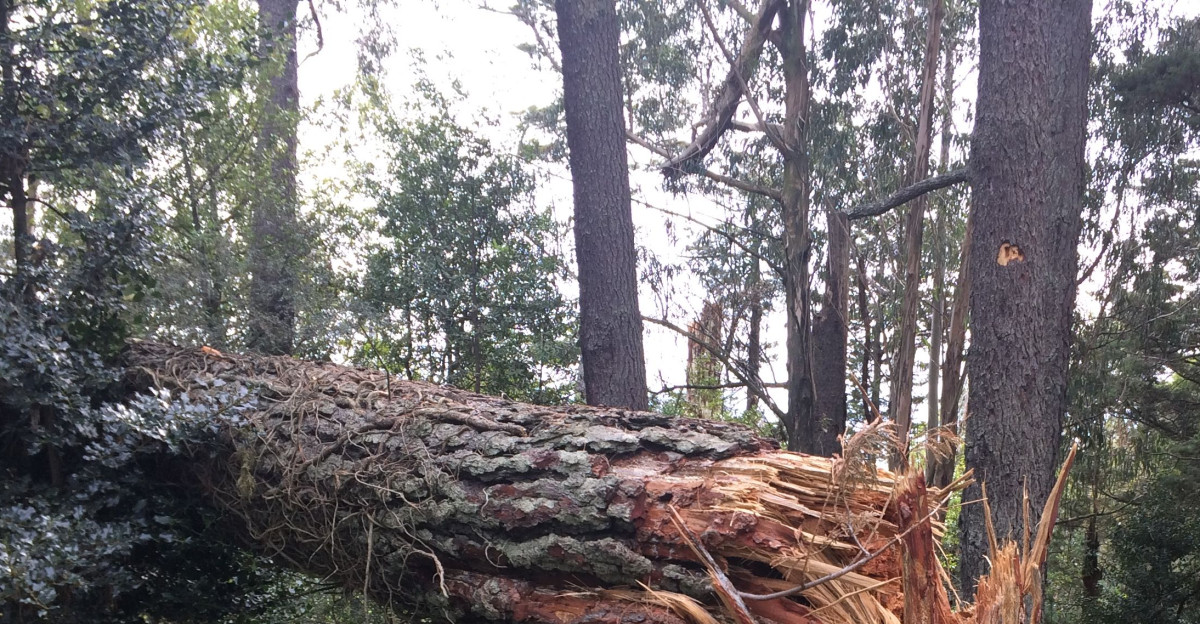
Hurricane Helene’s devastation continues affecting Georgia’s timber markets one year after the September 2024 landfall that damaged millions of acres, according to Georgia Forestry Commission reports. The Georgia Farm Bureau reports the storm created over $1.28 billion in timber resource impact, flooding markets with damaged wood that depressed stumpage prices statewide. Forisk Research indicates landowners received as little as $2-3 per ton for salvage wood, approximately 10% of normal pine sawtimber prices, creating additional market disruption.
Logging Crews Face Financial Ruin as Primary Buyers Disappear in Matter of Weeks
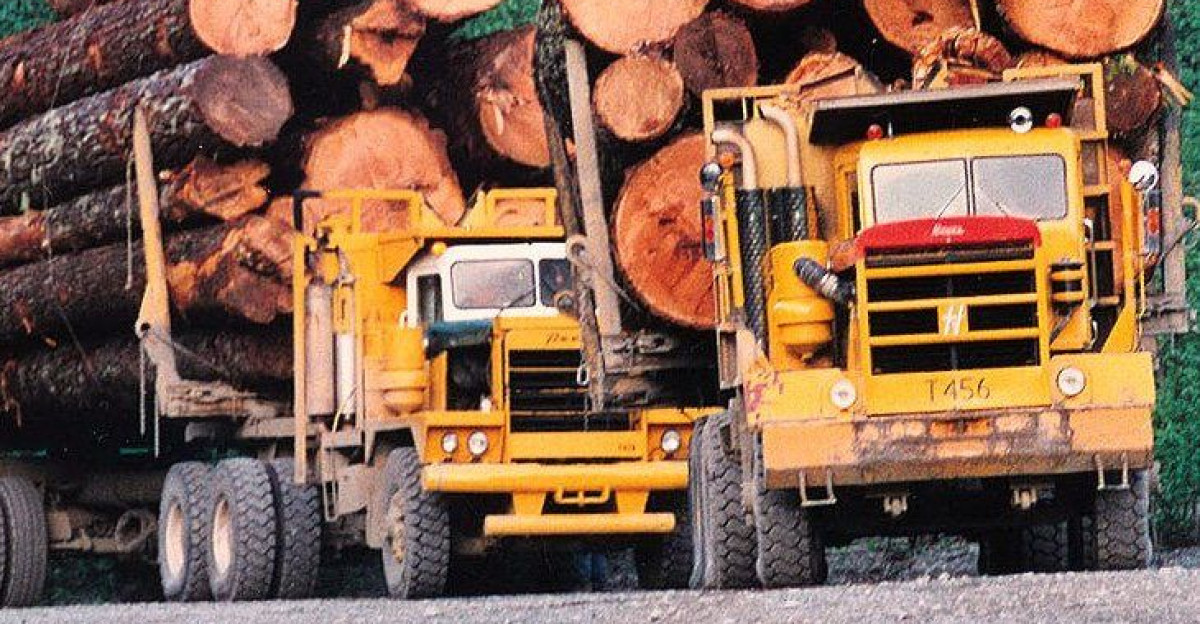
Seventy logging crews across Georgia lost primary buyers when the five mills closed, creating immediate cash flow crises for small business operators, The Current GA reports. Georgia Forestry Commission’s Devon Dartnell warns “They probably won’t make payroll next month,” highlighting the financial distress facing timber harvesting operations. The Georgia Farm Bureau notes Georgia’s logging companies collectively harvest more timber by volume than any other state, but mill closures eliminate 4.5 million tons of annual demand, according to official forestry data.
Rural County Loses $182 Million Economic Engine as Cedar Springs Mill Goes Dark Forever
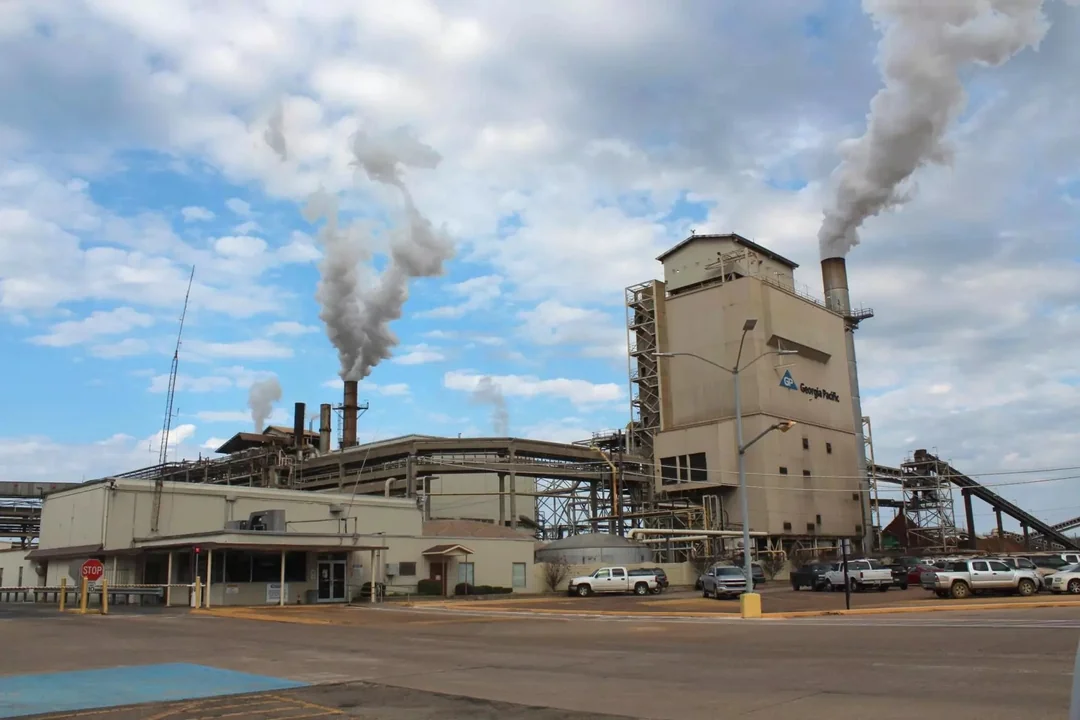
Cedar Springs’ closure delivers an estimated $182 million annual economic blow to Early County, transforming one of Georgia’s more prosperous rural areas, according to an economic impact study reported by the Albany Herald. The facility provided approximately $6.5 million in annual tax revenue, forcing local governments to cut services while demand increases from displaced workers. Municipal leaders warn that without replacement industries, these rural areas will join Georgia’s most economically distressed counties.
Governor Kemp Launches Emergency Task Force as State Scrambles to Address Forestry Crisis

Governor Brian Kemp authorized the Georgia Forestry Commission to lead a special task force addressing unprecedented challenges facing the state’s forest products industry, according to official announcements reported by multiple outlets. The Georgia Farm Bureau reports the task force includes the Georgia Department of Agriculture, Georgia Forestry Association, Department of Economic Development, UGA’s Warnell School of Forestry, Georgia Tech, and the Technical College System. Officials explore new markets like bioenergy and sustainable aviation fuel while acknowledging replacement complexity.
Finland’s Success Story Offers Hope: Could Bioenergy Replace Georgia’s Shuttered Paper Mills?
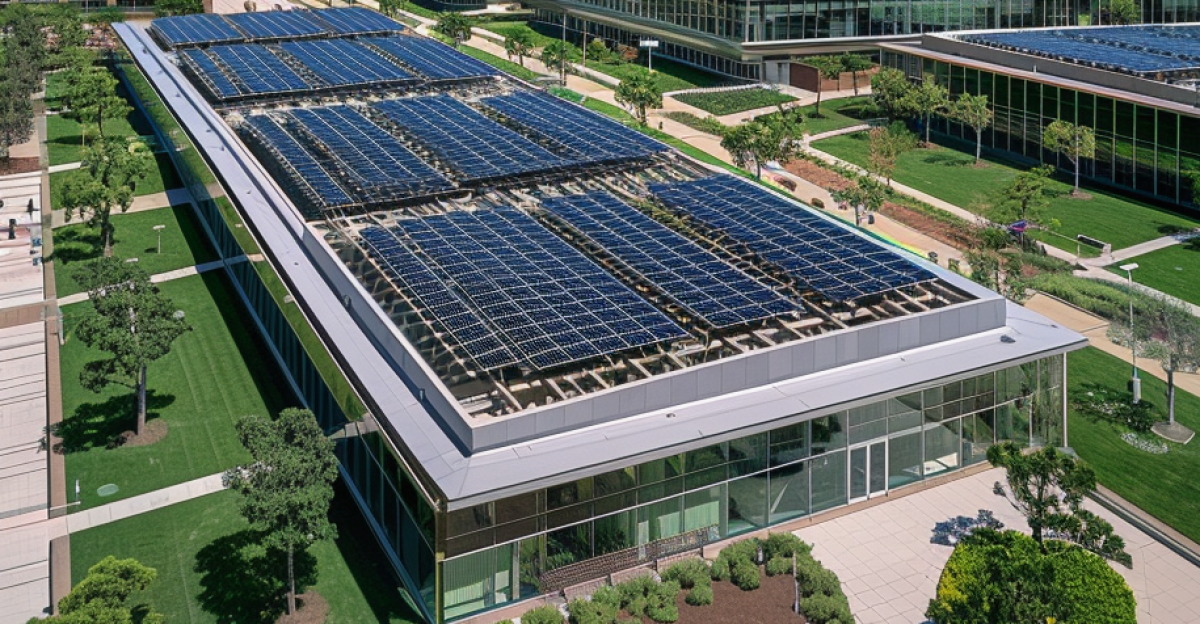
Industry leaders advocate converting closed mill sites to bioenergy production facilities as Finland successfully demonstrated, according to F&W Forest Services President Marshall Thomas speaking at agricultural summits. Thomas describes Finland’s fossil fuel-free facility that produces 1.5 million tons of tall oil turpentine annually, meeting 2.5% of national energy requirements, the Georgia Farm Bureau reports. Georgia possesses ideal conditions for bioenergy expansion with abundant pine forests, existing infrastructure, skilled workforce, and established transportation networks.
Displaced Workers Face Harsh Reality: New Jobs Can’t Match Mill Wages and Benefits

International Paper sponsored job fairs in Riceboro and Savannah to assist displaced workers, but replacement employment rarely matches mill wages and benefits, according to local media reports. Many workers represent second and third-generation mill families facing the end of industrial traditions that supported comfortable middle-class lifestyles for decades. Savannah Area Chamber of Commerce President Bert Brantley tells reporters “This is a skilled workforce that is valuable,” but workforce development programs struggle to find comparable rural opportunities.
State Coffers Take Major Hit as Mill Closures Drain Tax Revenue While Costs Soar

The mill closures eliminate hundreds of millions in annual state tax revenue while creating additional service demands from displaced workers and struggling communities, according to Georgia Forestry Commission data. Georgia’s forest industry previously generated substantial net state revenues, but closures reduce this contribution while increasing unemployment and social service costs, economic development officials report. Local governments lose property tax revenue from closed facilities and reduced residential values as families consider relocation.
Ripple Effects Spread Like Wildfire: Supply Chain Partners Face Economic Devastation

Mill closures create ripple effects throughout Georgia’s forest products supply chain, affecting equipment dealers, trucking companies, and maintenance contractors, according to industry assessments and media reports. Agriculture Commissioner Tyler Harper tells legislators the impacts extend to “tire shops, truck dealerships, mom-and-pop restaurants.” Port of Savannah officials expect reduced cargo volumes from eliminated containerboard exports, affecting longshoremen and transportation workers. The disruption extends beyond mill communities as integrated supply networks face coordinated shutdowns.
Political Leaders Rally Around Crisis as Blame Game Begins Over ‘Blindsided’ Communities

Governor Brian Kemp emphasizes state commitment to supporting displaced timber workers while acknowledging market forces drove closure decisions, according to official statements. Agriculture Commissioner Tyler Harper criticizes companies for providing insufficient advance notice, telling legislators the shutdowns were “a disservice to the industry, communities, and employees.” Congressional Representative Earl “Buddy” Carter, himself a former Savannah mill employee, works on federal trade enforcement measures. Georgia House Speaker Jon Burns calls the announcements “highly disappointing” and warns of “detrimental consequences.”
Georgia’s Economic Future Hangs in Balance as Officials Race Against Time for Solutions
Georgia officials mobilize responses including Governor Brian Kemp’s forestry task force and legislative committees exploring new wood markets such as bioenergy, but replacement industries remain elusive, according to state reports. Lawmakers review trade responses to address international barriers while warning that without action the massive annual economic blow could become a prolonged decline for southeast Georgia. The critical question remains whether Georgia can successfully attract new manufacturing to replace the lost capacity from five major mill closures.