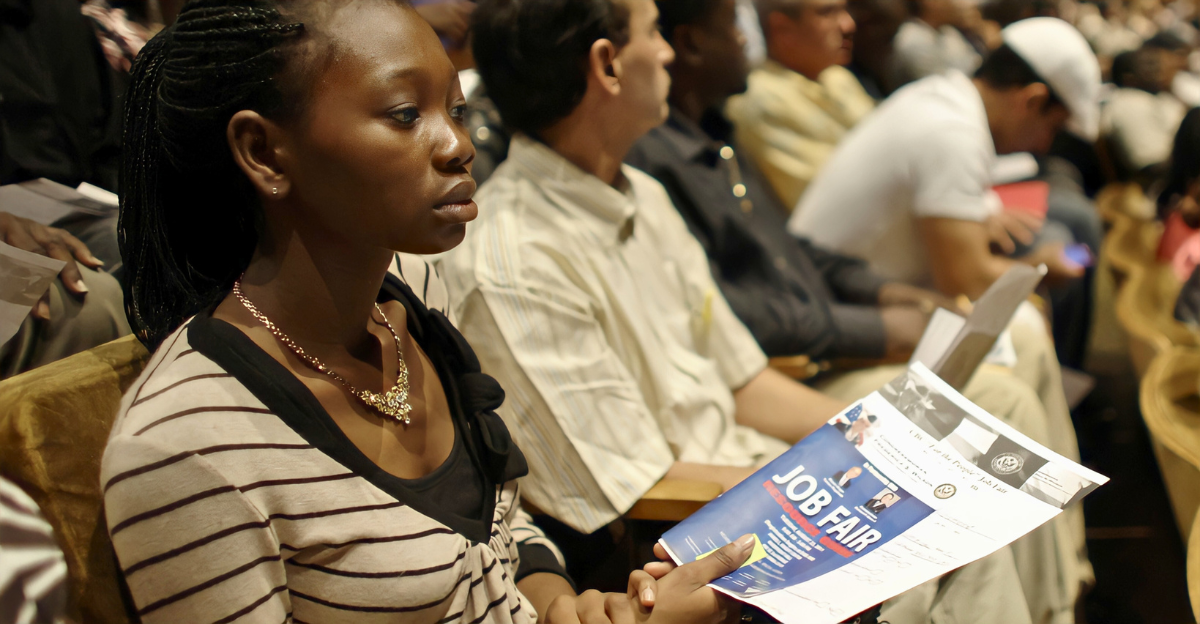
The beginning of 2025 saw a worrying rise in unemployment among Black women in the United States, attracting concern from economists and the media. Between February and July, over 300,000 Black women lost jobs in both public and private sectors, which is the largest such decline in 17 years. These job losses were a shock because earlier reports suggested the economy was bouncing back well for most people.
Civil rights leaders, as well as lawmakers, responded quickly, questioning why Black women were hit so hard just as President Trump returned to office. As unemployment grew, attention turned to the decisions coming from Washington, D.C., and their effect on vulnerable groups.
Historic Losses

Black women have often depended on steady government work, where programs supporting diversity and fairness helped them find good jobs. But in 2025, new federal budget cuts and a slowdown of diversity, equity, and inclusion (DEI) efforts changed this. Gender economist Katica Roy found that, in just five months, Black women lost 319,000 jobs, while white women and men gained jobs during the same time.
This dramatic reversal left Black women as the only major group of women to face big job losses. “This is not just a drop in jobs, it’s a warning sign,” Roy explained. The situation has created a unique crisis, making many wonder how earlier decades of progress were lost so quickly.
Public Sector Undermined

Government jobs are key in helping Black women achieve economic security, with about 12% working in leading agencies such as Education and Health and Human Services. Job cuts in some programs reached up to 50%, as agencies tried to save money under new management that focused intensely on reducing costs. Many Black women lost not just their jobs, but also important benefits like health insurance and paths to promotion.
Economists note that shrinking this workforce could mean even fewer chances for the next generation. The cuts have resulted in economic setbacks for thousands of families and have made it harder for Black women to move ahead, deepening the divide in financial security and access to opportunity for this group.
Policy Shifts Erode Gains
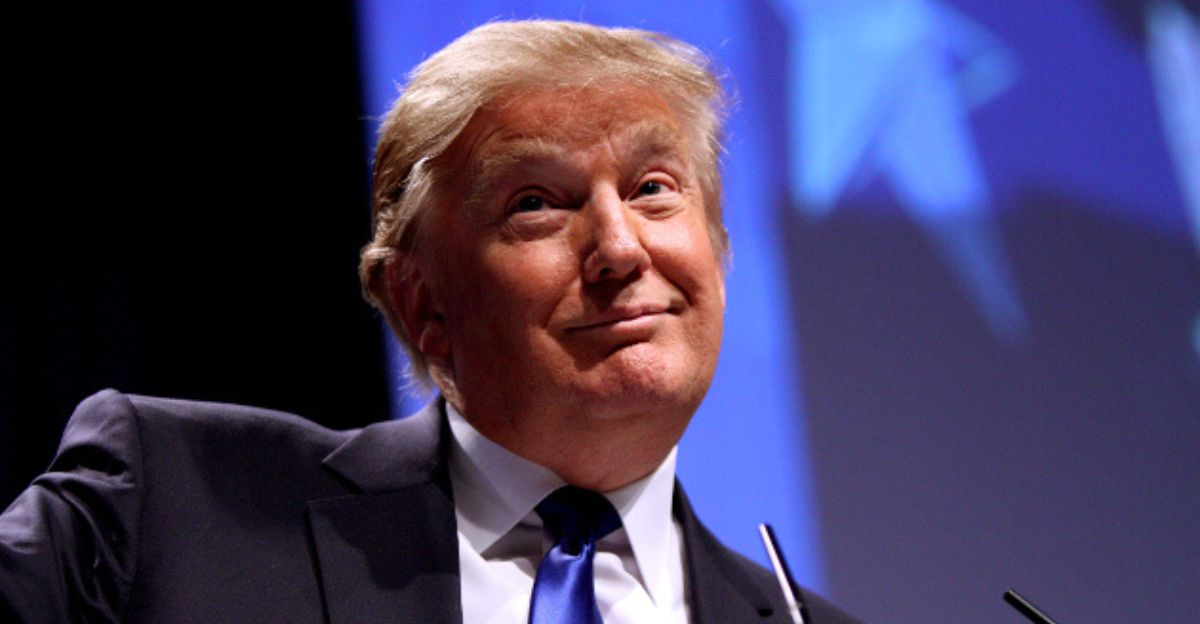
When President Trump returned to office, he introduced several new executive orders that quickly removed federal DEI programs and stopped companies from reporting diversity numbers. These changes acted fast, affecting both government agencies and businesses. As a result, DEI-related jobs, many held by Black women, were among the first to disappear. The number of corporate DEI job postings dropped by about 43%, reducing opportunities for mentorship and advancement.
Experts say this decline isn’t just a passing event but a significant strategic mistake that will affect companies and communities for years. Katica Roy warned, “This isn’t a seasonal fluctuation or a statistical footnote. It’s a strategic failure with long-term consequences.”
The Jobs That Were Lost

Between February and July, labor data clearly show that 319,000 fewer Black women had jobs, the biggest loss for any female group in the past twenty years. By August, the unemployment rate for Black women reached 7.5%, which is more than three points higher than the average for all Americans and about twice that of white women.
Analysts looked at these numbers and found that regular patterns like seasonal hiring or broad economic slowdowns did not explain the drop. Instead, the sudden spike comes directly from federal policy changes and government agency cuts.
Ripple Across Communities

The effect of Black women leaving thousands of jobs in schools, health centers, and city offices is felt most in Southern and urban communities, where they represent up to 15% of state and 12% of local government workers. These workers offer essential services in areas already vulnerable to economic hardship, so each job loss impacts their families and entire neighborhoods.
Some experts warn that this trend will create new waves of poverty and instability because families lose the foundation of steady government work. Public advocates say these cuts are also eroding generational wealth, leaving Black communities with fewer resources.
Lives Disrupted

For these women who lost their jobs, the impact is sudden and often heartbreaking. Many had to choose between demands from work and responsibility at home, sometimes leaving careers they worked hard to build. Some found themselves without health care coverage or retirement savings practically overnight.
Former federal worker Tamara Johnson shared, “I built a career in public service. Now, I’m scrambling to support my family.” The effect goes far beyond paychecks, it touches on access to education, health care, and the ability to make long-term plans.
National Economy Feels the Strain

Roy says these statistics don’t just represent personal hardship: “This is a stark warning for policymakers, and it will impact everyone.” Fewer Black women in the workforce means less productivity, fewer people spending money in their communities, and slower economic growth overall.
As this group steps away from work, the whole country loses valuable skills and energy, making recovery harder for everyone.
Experts Sound Alarms

Many experts, from economists to business leaders, are now speaking out about Black women’s shrinking employment. Members of the Congressional Black Caucus and social scientists say that the issue isn’t just about jobs; it’s a moral and economic crisis that demands deeper action.
There are growing calls for fair hiring, better wages, and strong laws against discrimination. These experts stress that fixing the problem needs quick, serious change, not just temporary solutions.
Collateral Damage

One problem that often gets missed is the slow disappearance of mentorship and professional networks for Black women. Without DEI initiatives, opportunities for training, promotion, and help from colleagues are shrinking fast. In sectors like tech and corporate offices, Black women make up less than 5% of employees.
Harvard Business Review pointed out that teams with diverse leadership are 70% more likely to break into new markets, so losing these voices can hold companies back. The narrowing path to advancement discourages young Black women from entering fields where they could excel and lead, while employers risk falling behind in innovation.
Federal Response
Lawmakers are working to address the crisis, but change is slow compared to how quickly jobs have disappeared. Massachusetts Congresswoman Ayanna Pressley recently said, “Black women’s employment is a key metric of the health of the U.S. economy.” Congress has seen proposals for emergency hearings, new commissions, and bills to rescue DEI funding, strengthen anti-bias laws, and help those who lost their jobs.
However, activists warn that these efforts are moving too slowly to meet the need. Many are pushing for bolder, faster solutions to restore stability and fairness for Black women and their communities.
Corporate America Shifts

Big companies are split on diversity programs, with some deciding to cut back on inclusive hiring and roles that helped Black women advance in their careers. While a few leaders claim these changes boost “efficiency,” critics argue that removing diversity only weakens competitiveness.
As DEI roles vanish, Black women are forced out of stable jobs in corporate offices, increasing the national trend of rising unemployment for this group. Many experts insist that companies ignoring diversity now could face bigger problems later, both in performance and reputation.
Internal Tension Rises

The Trump administration stands by its choices, highlighting the overall gains in jobs and defending cuts as moves to eliminate “wasteful” spending. Spokespeople say their “America First” plan will eventually help everyone, referring to job growth under previous terms.
But labor advocates warn that targeting federal agencies and DEI rules has led to unexpected harm for Black women, who find themselves left out even as jobs grow elsewhere.
Navigating Recovery

Rebuilding after these losses will need more than just hiring workers back. Advocates say true recovery must include expanding remote jobs, improving family benefits, and reviving mentoring programs. Schools and hospitals, already short on staff, face long-term challenges. Corporate leadership pipelines are fragile, meaning few Black women are being prepared for future promotions.
Urgency from activists and coalitions is driving new ideas for legislation, support, and grassroots solutions that could help affected communities and help restore opportunity.
Looking Ahead

Economists remain cautious about the rest of 2025. They warn that unless disparities are addressed, unemployment among Black women could stay high for years. Some states are trying pilot projects to rehire government workers, but Congress is still debating how much money to put back toward DEI efforts.
Researchers, lawmakers, and community leaders stress that understanding these changes will be essential in shaping future policies to close the gap.
New Frontiers

Recent months have brought more government hearings and lawsuits challenging agency cuts and the rollback of DEI programs. Early investigations have spurred responses from big federal departments and corporations. As more evidence emerges, lawmakers are trying to fully measure the impact and consider new laws that could help those affected.
The outcome of these proceedings might set the path for thousands of workers next year and in years to come, making this an important period for everyone concerned with fair employment.
Industry Ripples

The effects extend far beyond federal jobs, affecting sectors like tech, finance, and nonprofits, where companies report more turnover and fewer Black women being hired or enrolled in programs. Some industries are reviewing how they find new talent and recommitting to better equity.
Major companies warn that losing gains in DEI could hurt innovation and make them less able to compete globally. The crisis among Black women workers is now seen as part of a wider business challenge, not just a single group’s problem.
Social Reaction

Social media started buzzing as posts and hashtags like #JobsCrisis and #BlackWomenMatter drew attention to the record drop in Black women’s employment. Some posts exaggerated the situation, while news outlets and economists rushed to clarify the real numbers.
Experts urge everyone to focus on credible data and proper analysis, reminding communities to look beyond rumors and emotional stories to understand what’s happening truly.
Lessons from History
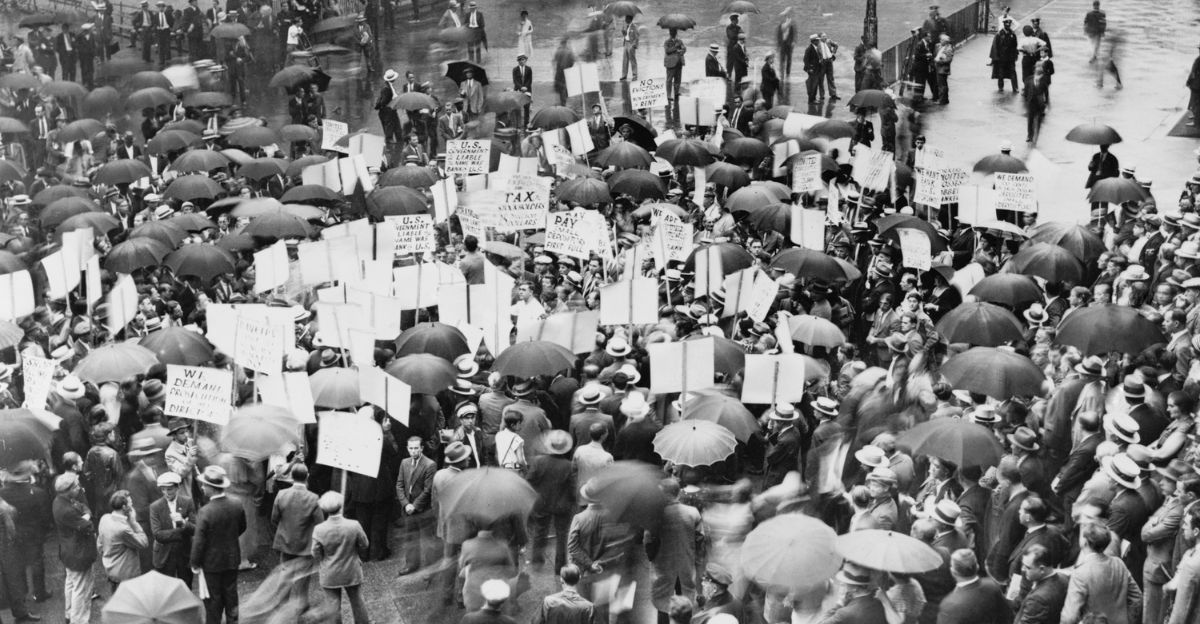
Analysts are pointing to past recessions and policy changes, like those during the Great Recession, to show how Black women have often been hit hardest when the economy slips or rules change. Looking back helps highlight how quickly wealth gaps can grow and why responding with smart policy and strong support is important.
The lessons are clear: fast action and investing in workers, especially those at risk, are essential for fair recovery and to prevent repeating past mistakes.
The Fight Isn’t Over

These losses hurt those who lost their jobs, families, communities, and the broader economy. The challenge is more than a headline, it’s a call to address unfair systems and reconsider how the workforce supports diversity and opportunity.
Experts say lasting solutions require facing the root causes, changing laws and policies, and ensuring affected groups are heard. Only by doing this can recovery become real and equity reach everyone.