Little Foot is a nearly complete ancient skeleton found in the Sterkfontein caves in South Africa that could change how scientists think about human evolution. For a long time, researchers thought it belonged to a known species of early human relatives, but new research suggests it may represent a completely different, previously unknown species. This idea makes the story of our origins more complex and shows that many branches of our family tree are still not fully understood.
Discovery and Excavation
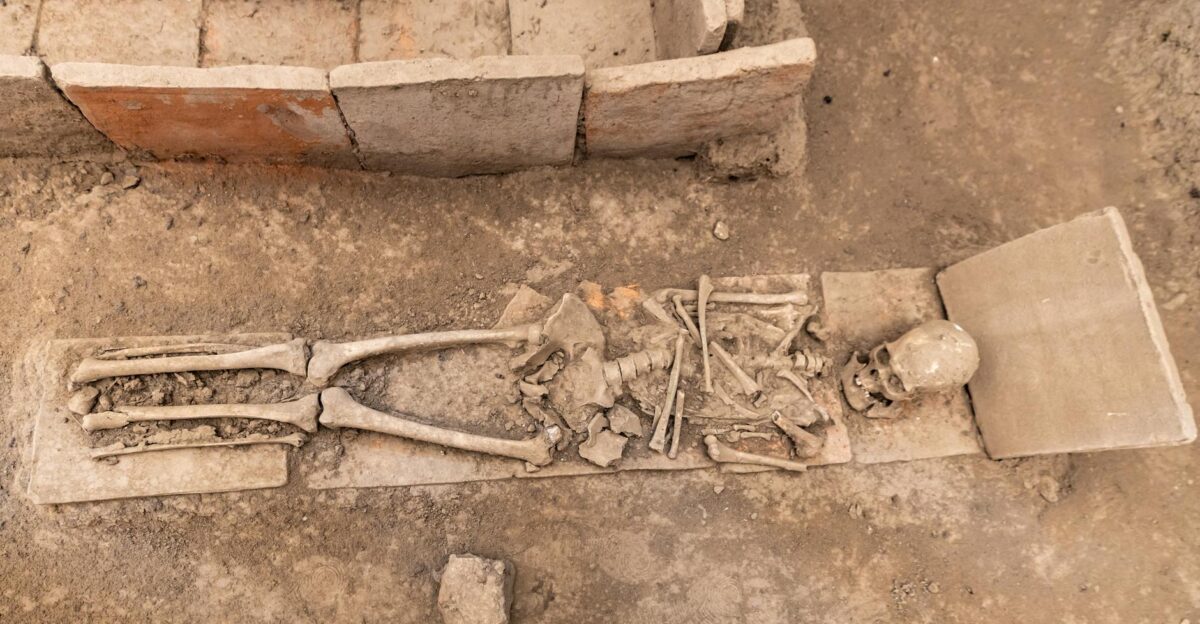
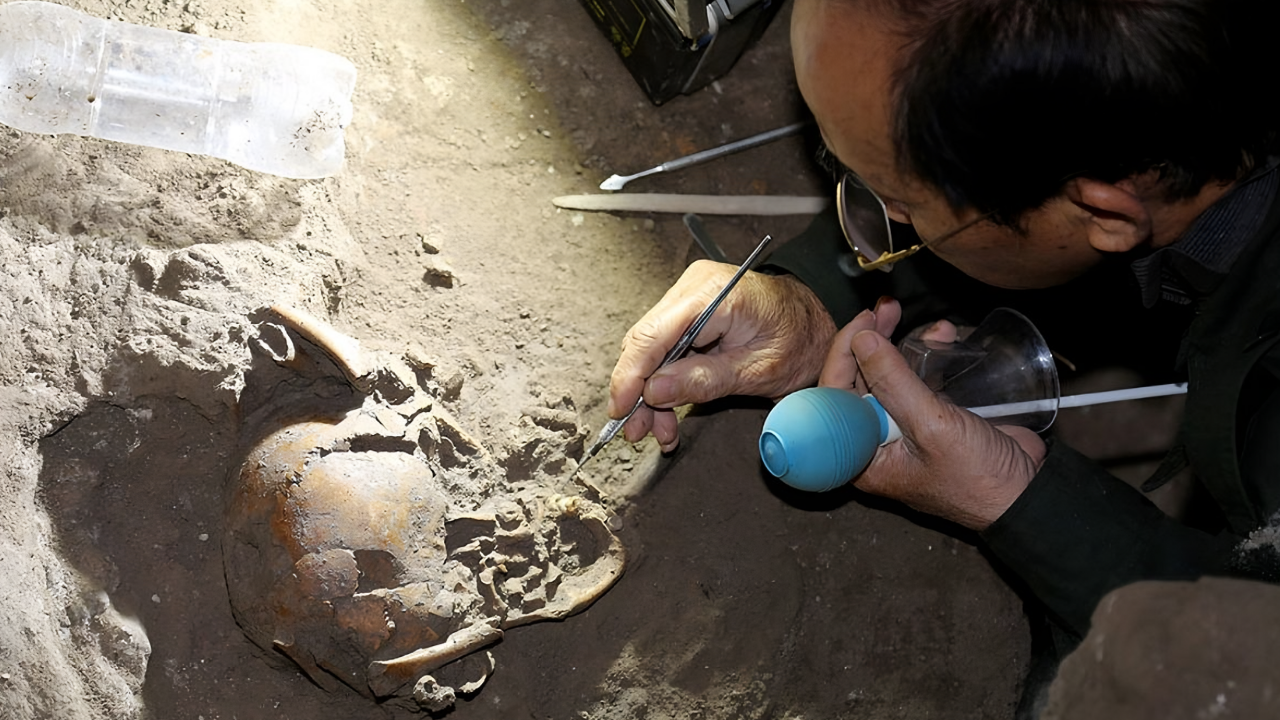
Little Foot was first noticed in 1994, when Professor Ronald Clarke found a few small foot bones in a box of fossils from the Sterkfontein caves, which is how the skeleton got its nickname. Over the next two decades, Clarke and his team slowly removed the skeleton from hard limestone rock, finally revealing it to the public in 2017 as one of the most complete early hominin skeletons ever found, with about 90 percent of the bones preserved. This completeness gives scientists a rare chance to study almost the entire body of an early human relative, rather than just a few scattered bones.
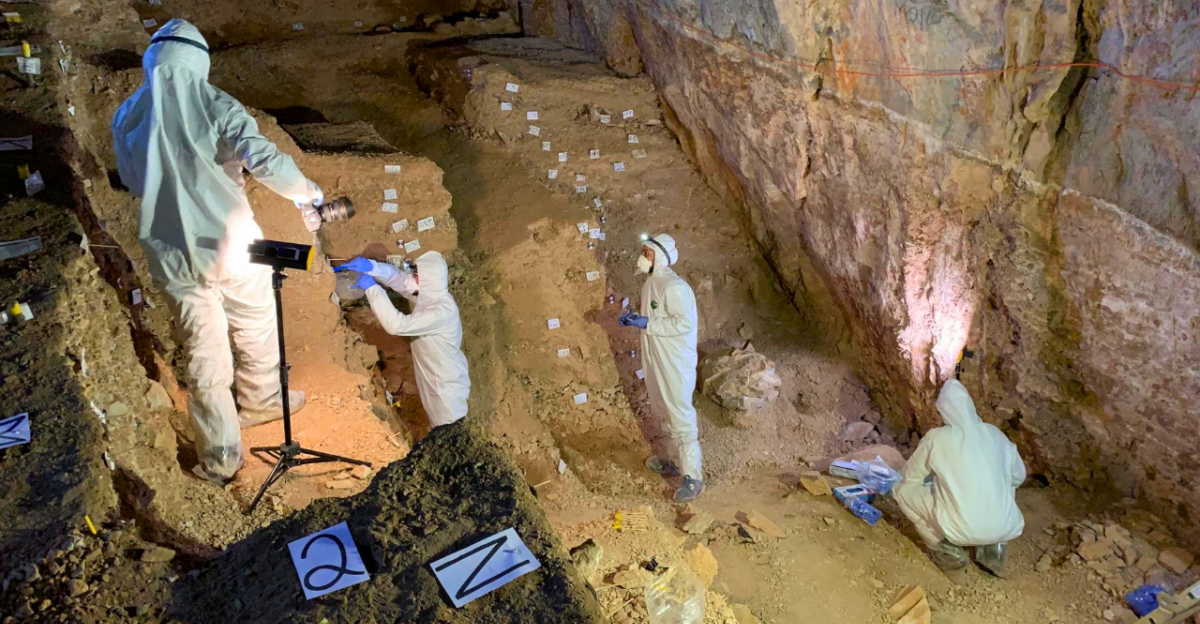
The Sterkfontein caves, near modern Johannesburg, have acted as a natural trap for millions of years, where animals and early human relatives fell in and became preserved in limestone. Because of this, the site holds many fossils from different species, including early members of the genus Homo and several kinds of Australopithecus, making it one of the richest windows into ancient life in Africa. Little Foot’s age is still debated, but many studies using cosmogenic dating suggest it is around 3.6 to 3.7 million years old, placing it among some of the oldest well-dated hominins in South Africa.
A New Place on the Family Tree
For years, scientists classified Little Foot as Australopithecus prometheus, a species described from fossils at Sterkfontein, while some argued it might instead belong to Australopithecus africanus, first identified in 1925 from the famous “Taung child.” Both of these species lived in southern Africa roughly between 3 million and 2 million years ago, and researchers have long debated how they relate to each other and to our own genus, Homo. Because Little Foot comes from an older layer, it offers clues about how these later species may have evolved and interacted.
In 2025, a team led by Dr Jesse Martin published a study in the American Journal of Biological Anthropology arguing that Little Foot does not fit neatly into either A. africanus or A. prometheus. The researchers closely examined the skull, especially the base where the spine and neck muscles attach, and compared it with known specimens from both species, finding that Little Foot does not share the special combination of features that defines either group. They concluded that the skeleton most likely represents a separate branch of the human family tree, possibly a new species that has not yet been formally named.
What the Bones Reveal
One key feature highlighted by Martin’s team is the nuchal plane, an area at the back of the skull where neck muscles attach and important nerves and blood vessels pass through. In Little Foot, this region is unusually long compared with both A. africanus and A. prometheus, and such differences in the cranial base tend to evolve very slowly, making them useful for telling species apart. Together with other subtle skull traits, this suggests that Little Foot’s lineage split from the ancestors of the known South African australopithecines millions of years earlier.
Despite being small, Little Foot’s brain was roughly the size of a chimpanzee’s, about 300 to 350 cubic centimetres, showing that a large brain was not yet part of early hominin evolution at this time. However, the structure of the legs, feet, and pelvis indicates that Little Foot walked on two legs, though probably less efficiently than modern humans, supporting the idea that upright walking evolved long before major brain expansion. High-resolution X‑ray scans have also revealed traces of blood vessels inside the skull similar to those in modern humans, raising questions about how early control of brain temperature might have developed.
Why Little Foot Matters Today
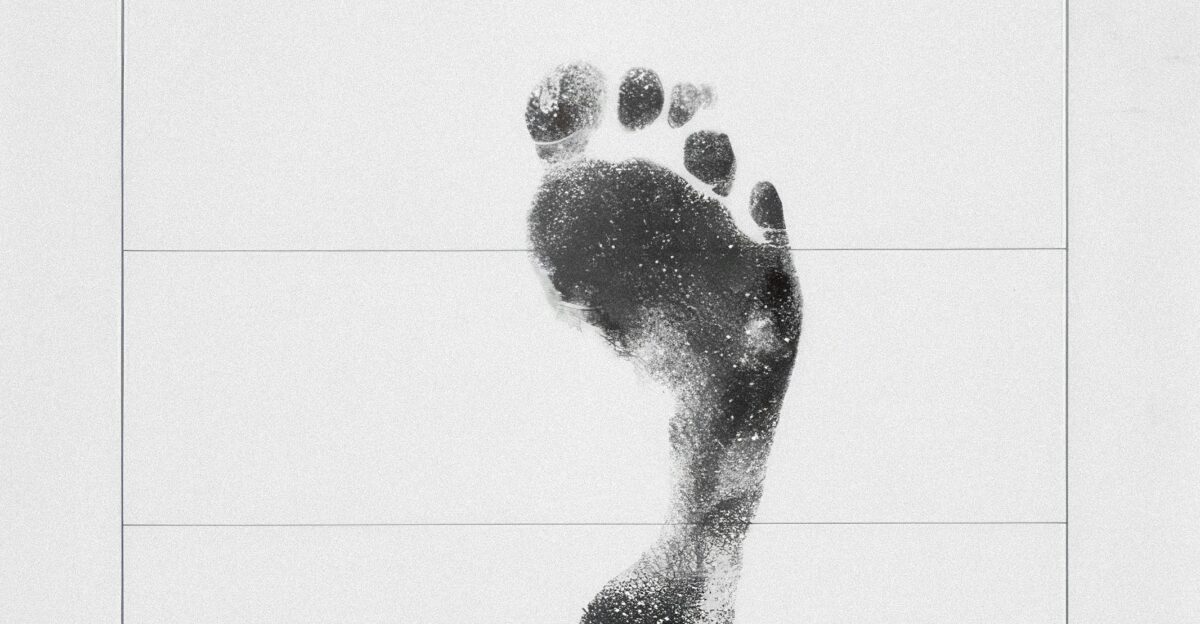
If Little Foot truly represents a new species, it means several different australopithecine lineages lived side by side in the same region, each possibly using different foods or habitats to survive. This supports a “bushy” model of evolution, where many related species overlap and sometimes compete, rather than a simple straight line from one ancestor to the next. It also shows that even in well‑studied sites like Sterkfontein, scientists may still be missing important branches of our family tree.
The researchers behind the 2025 study chose not to formally name a new species, instead leaving that step to Ronald Clarke’s group, which has worked on Little Foot for decades and holds detailed knowledge of the fossil’s context. Naming a species requires strict standards, including a full description and clear defining features, so this cautious approach reflects both respect and scientific care. As more fossils are studied and dating methods improve, future work at Sterkfontein and other African sites may confirm whether Little Foot truly represents a new kind of human ancestor and how it connects to the rise of Homo hundreds of thousands of years later.
Sources:
Phys.org, Iconic ‘Little Foot’ fossil may be new type of human ancestor, December 15, 2025
American Journal of Biological Anthropology, Little Foot Study, December 2025
Discover Magazine, The Mysterious Little Foot Fossil May Rewrite Hominin History, December 15, 2025
University of the Witwatersrand, Little Foot takes a bow, December 2017
Science Alert, ‘Little Foot’ May Be a Whole New Member of Our Family Tree After All, December 16, 2025