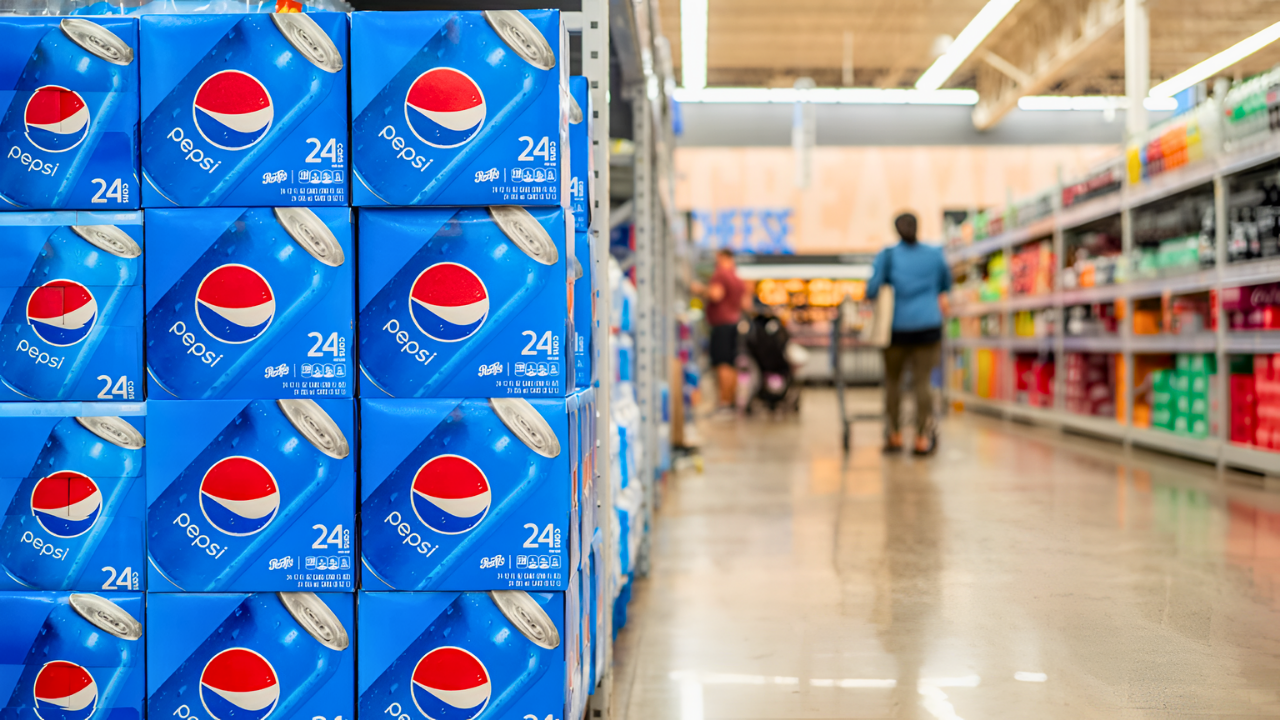
PepsiCo and Walmart are under renewed legal scrutiny after a previously sealed federal complaint laid out allegations that the soft drink maker spent years keeping prices low for Walmart while pushing them higher for rival retailers. The unsealed documents, tied to a Robinson-Patman Act case first filed by federal regulators and later dropped, now sit at the center of a wave of consumer and retailer lawsuits claiming the arrangement inflated prices for millions of shoppers outside Walmart.
How the Preferential Pricing Allegedly Worked
According to the unsealed Federal Trade Commission complaint, PepsiCo tracked soft drink prices across major chains and intervened whenever another retailer threatened to match or undercut Walmart’s shelf prices. When supermarket or drugstore competitors moved closer to Walmart’s pricing, PepsiCo allegedly responded by raising their wholesale costs and scaling back promotional support, limiting their ability to discount to shoppers.
The complaint describes Walmart receiving exclusive allowances, discounts, and promotional payments that were not made available to other retailers on comparable terms. Regulators argued this conduct violated the Robinson-Patman Act, a 1936 law aimed at preventing large buyers from using their purchasing power to secure discriminatory prices that harm competition among retailers.
Food Lion and the Consumer Price Gap
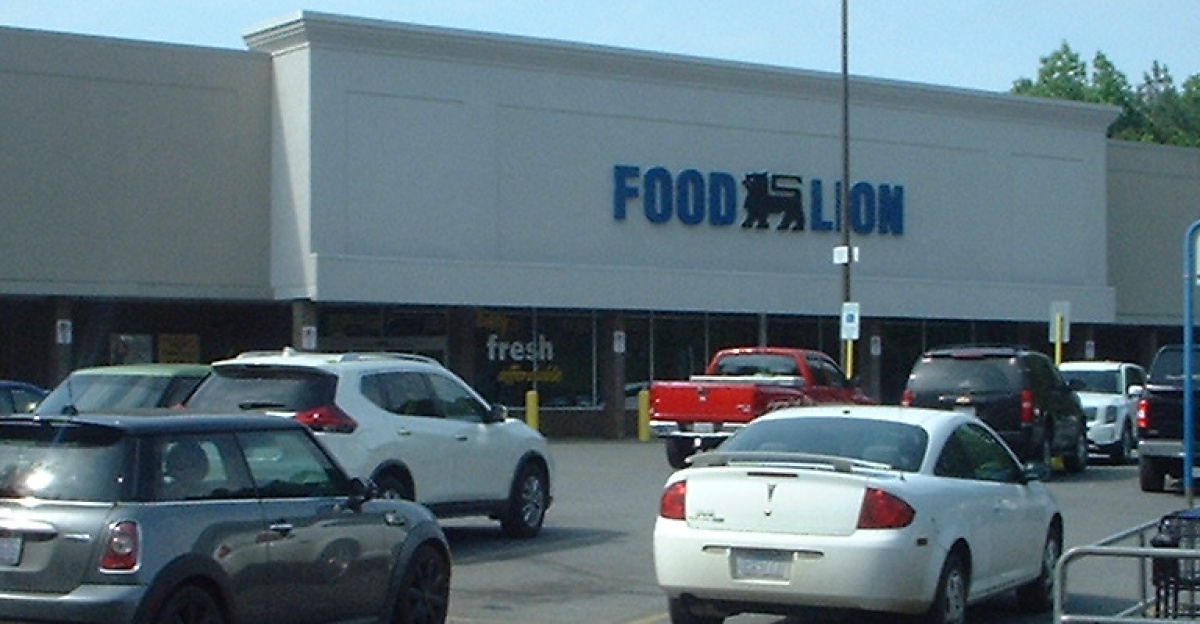
Internal documents cited in the complaint identify Food Lion, a regional grocer with more than a thousand locations, as a central example of the alleged strategy. PepsiCo is accused of labeling Food Lion the “worst offender” for offering Pepsi products at lower prices than Walmart in overlapping markets.
In response, PepsiCo allegedly developed a multiyear plan to increase the prices it charged Food Lion. Those higher wholesale costs left Food Lion with a difficult choice: raise shelf prices for customers or reduce its assortment of Pepsi products. Either outcome, the complaint contends, made it easier for Walmart to maintain a price edge across multiple regions.
Consumer filings point to concrete price differences. In July 2025, a two-liter bottle of Pepsi at a Walmart in Massachusetts reportedly sold for roughly 39 to 40 percent less than the same item at nearby Walgreens, CVS, or 7-Eleven locations. Plaintiffs argue these gaps were not normal market variations but the intended result of PepsiCo’s pricing policies that consistently favored Walmart.
From FTC Case to Political Flashpoint
The FTC’s case against PepsiCo was originally filed on January 17, 2025, under then-Chair Lina M. Khan. The complaint, heavily redacted at first, described a long-running pattern in which PepsiCo allegedly ensured superior pricing and support for its largest customer while disadvantaging other retailers that competed for the same shoppers.
Walmart’s name was initially withheld, but the narrative centered on a single dominant buyer whose advantages, regulators said, distorted competition across the grocery and convenience landscape. The case quickly became politically charged after the 2024 election.
In May 2025, the FTC under new chairman Andrew Ferguson dismissed the lawsuit without prejudice, only four months after filing. Ferguson called the case a “nakedly political effort” and a “dubious partisan stunt,” arguing that it had been rushed through in the final days of the prior administration and lacked sufficient supporting evidence. Critics countered that dropping the case prematurely buried extensive documentation of potentially illegal conduct.
Unsealing, Class Actions, and Industry Fallout
The dispute returned to public view in December 2025, when a federal judge ordered the complaint fully unsealed after a request by the advocacy group Institute for Local Self-Reliance. The newly public version revealed Walmart’s identity and detailed the steps PepsiCo allegedly took to protect the retailer’s pricing advantage, including tactics aimed at specific rival chains.
Within days of the December 16 unsealing, consumers filed class action lawsuits, led by Gelbs v. PepsiCo Inc. and Walmart Inc. in the U.S. District Court for the Southern District of New York. The proposed nationwide consumer class includes anyone who bought Pepsi soft drinks from non-Walmart retailers beginning in January 2015. Additional suits from rival retailers claim they were forced to raise prices, take losses, or pull Pepsi products from their shelves because of the pricing gap.
Trade groups say the alleged conduct hit family-run neighborhood groceries, independent convenience stores, and mid-sized chains especially hard, since they could not match Walmart’s artificially low prices without sacrificing margins. The National Grocers Association has cited the case as an example of longstanding concerns about large suppliers and dominant buyers using their scale to squeeze smaller rivals.
PepsiCo and Walmart have rejected the accusations. PepsiCo has said it follows all applicable laws and provides “fair, competitive, and equitable pricing” to all customers, describing the FTC’s earlier complaint as containing inaccuracies and unsubstantiated claims. Walmart has stated that it is aware of the proceedings and remains committed to securing low prices for its shoppers. Both deny any wrongdoing.
Looking Ahead: Legal Stakes and Regulatory Questions
Walmart accounts for about 11 percent of PepsiCo’s net revenue, according to the beverage company’s own filings, which say losing the retailer would have “material adverse effects” on its business. That dependence, plaintiffs argue, created powerful incentives for PepsiCo to help reinforce Walmart’s position as a low-price leader and, in effect, act as an enforcer of the retailer’s market influence.
If the pending class actions move past early dismissal motions, they could enter lengthy discovery and trial phases that may stretch over years. Potential damages, based on alleged overcharges to consumers and harm to rival retailers over roughly a decade, could reach into the billions. Successful claims could lead to reimbursements for consumers and monetary awards for competing grocers and convenience stores.
The case also poses broader policy questions. The earlier dismissal by the Trump-era FTC has fueled debate over how vigorously future commissions will enforce older antitrust tools such as the Robinson-Patman Act. Consumer advocates are pressing for more aggressive oversight of pricing practices in the food and retail sectors, arguing that the outcome of these lawsuits could influence how regulators approach relationships between large suppliers and dominant buyers across the economy.
Sources
“Weekly U.S. Influenza Surveillance Report (FluView).” Centers for Disease Control and Prevention, late November 2025.
“Deadly ‘Super Flu’ Surge Forces Schools to Close and Triggers Mask Mandates Across the US.” MSN, 2025.
“Hospitals overwhelmed as flu virus outbreak spreads from China.” The Express, 2025.
“‘Super Flu’ Forcing Schools To Close, Hospitals To Enact Restrictions.” KISS FM RGV / iHeartRadio, December 10, 2025.