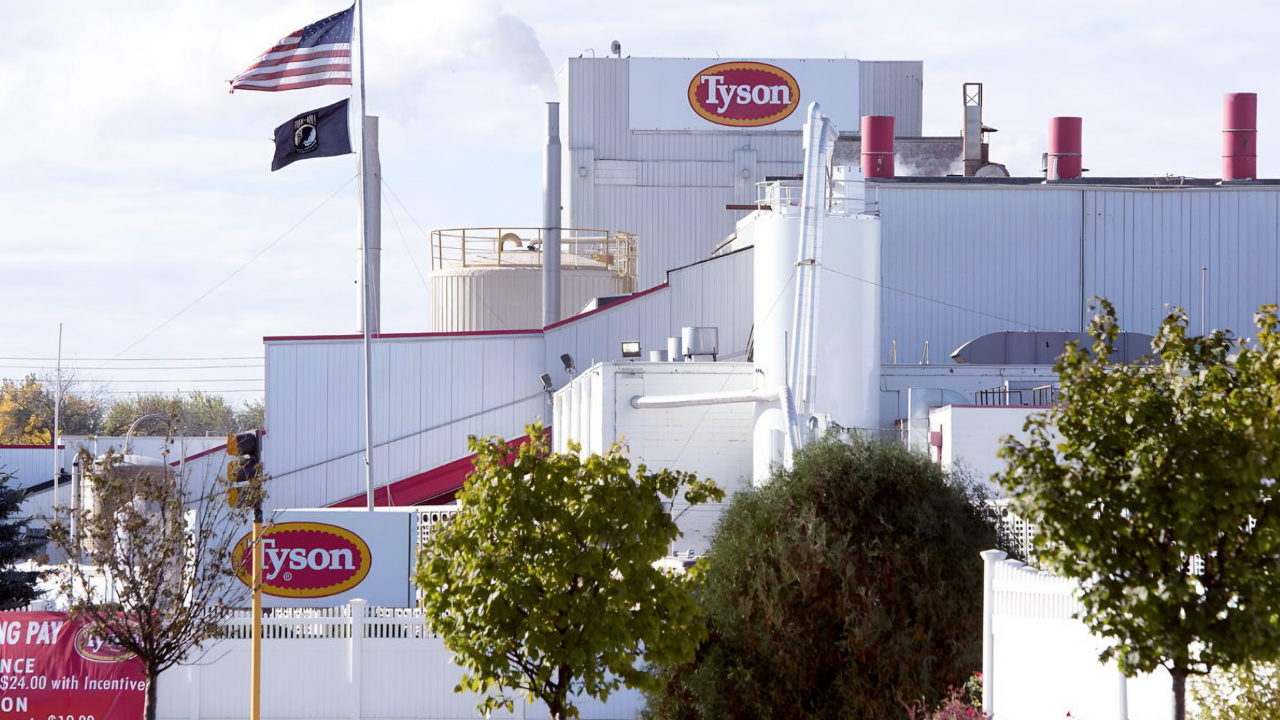
Tyson Foods’ decision to permanently close its beef plant in Lexington, Nebraska, and eliminate the second shift at its Amarillo, Texas, facility marks one of the most significant cutbacks in U.S. meatpacking in years. Beginning January 20, 2026, nearly 4,900 workers will lose their jobs, and the company will remove capacity to process about 11,000 head of cattle per day. The move follows sustained losses in Tyson’s beef segment and comes at a time when the U.S. cattle herd has shrunk to levels not seen since the early 1950s, tightening supplies and reshaping the market from ranches to supermarket meat cases.
Financial Strain and a Shrinking Cattle Herd
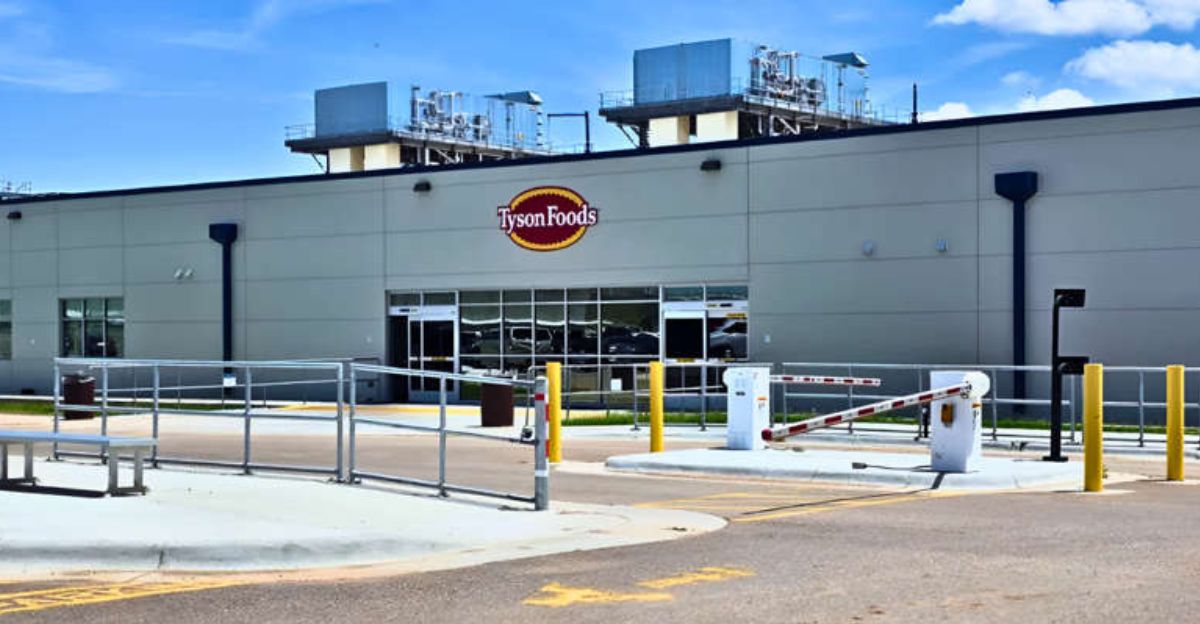
According to Tyson’s financial disclosures, the company’s beef division has recorded roughly $1.5 billion in operating losses over the past two fiscal years. Management links those losses to a combination of prolonged drought, high feed costs, and large-scale liquidation of cattle herds, which together have left packers competing for fewer animals.
In earlier years, the U.S. herd expanded as producers responded to strong demand and relatively favorable conditions. That cycle reversed under severe weather and elevated costs, and by early 2025 the U.S. cattle inventory had fallen to its lowest point since 1951. For Tyson, that meant operating large plants with fewer cattle available, eroding margins and making some facilities unsustainable.
The company says the Lexington closure and Amarillo downsizing are aimed at “strengthening” its long-term beef business. Production will be shifted to other Tyson plants in Kansas, Nebraska, and additional states to keep some throughput intact, but the loss of 11,000 head of daily slaughter capacity underscores how much the broader industry is contracting.
Price Pressures and Shifting Consumer Choices
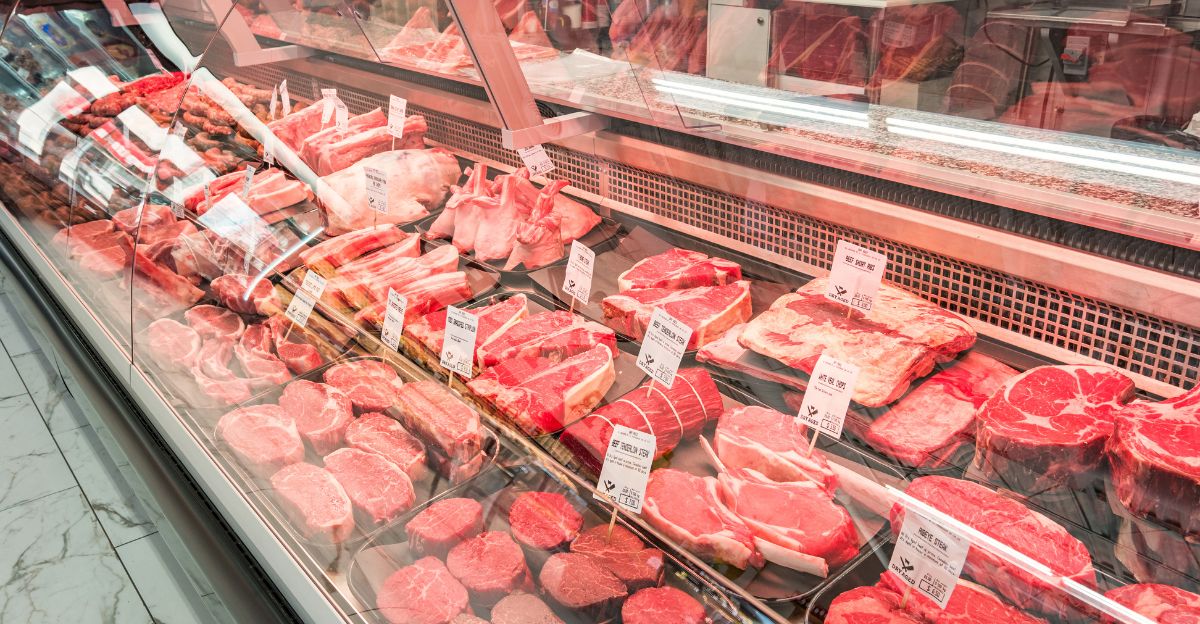
With fewer cattle on feed and less processing capacity online, industry analysts expect beef prices to remain elevated. Consumers are likely to see higher prices and potentially fewer options for popular cuts such as steaks, roasts, and ground beef. Retailers and restaurants may respond with smaller beef menus, more limited promotions, or increased use of imported supplies.
As beef becomes more expensive, many households are expected to adjust their buying habits. Cheaper proteins like chicken and pork could see stronger demand, as could lower-cost staples such as beans and lentils. For some families, beef may become an occasional purchase reserved for holidays or special meals rather than a weekly staple.
Tyson itself may feel this shift within its portfolio. While the company is scaling back beef operations, its poultry division could benefit if consumers trade down to chicken. At the same time, the transition will test retailers and foodservice operators that have built menus and merchandising strategies around relatively abundant, affordable U.S. beef.
Community Fallout and Policy Questions
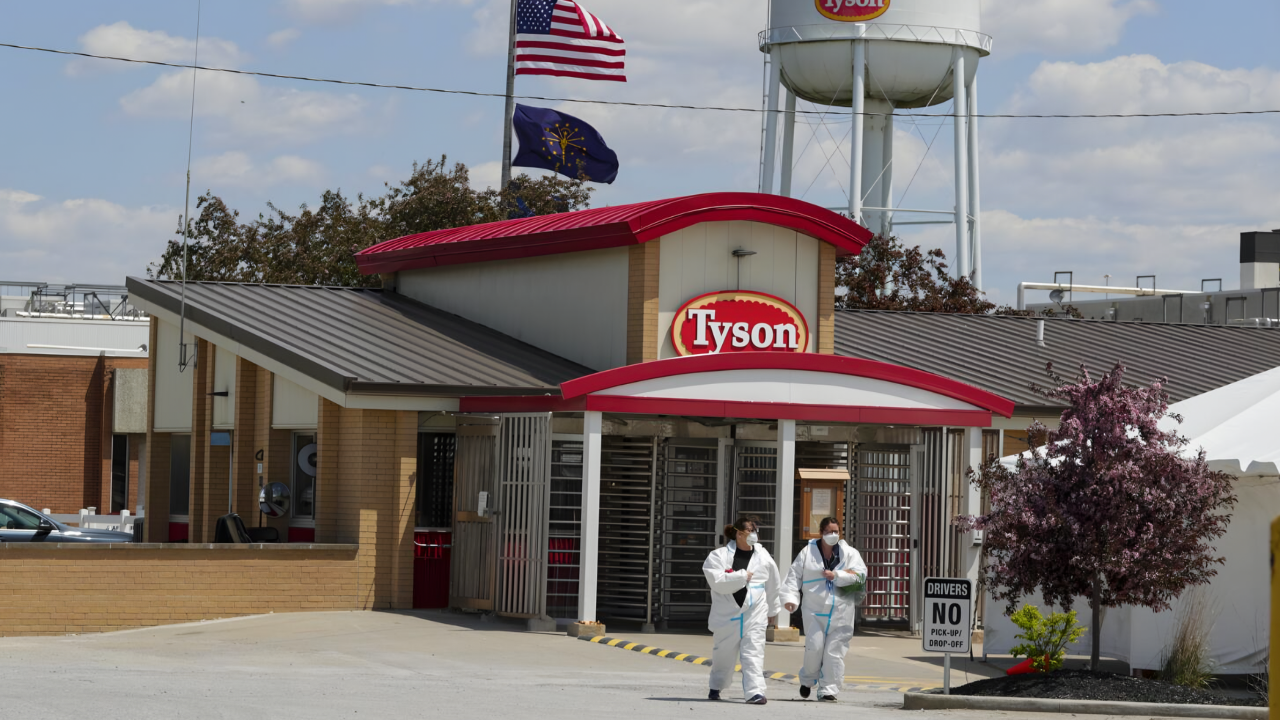
The closures carry heavy consequences for Lexington and Amarillo. Tyson has been a major employer in Lexington, and the plant shutdown is expected to sharply reduce local income and tax revenue in a town with limited alternative jobs. In Amarillo, cutting the second shift could cost up to 1,900 positions, affecting workers and families throughout the region.
Local and state officials are already discussing how to respond, including proposals for job retraining, relocation support, and efforts to draw new industries to the affected areas. Nationally, the cutbacks add fuel to ongoing debates about market concentration in meatpacking, where a few large companies control much of the slaughter and processing capacity. Policymakers are weighing how trade policy, drought relief, and antitrust enforcement might shape the resilience of rural economies and the livestock sector.
For ranchers, the picture is mixed. Overall cattle prices are projected to rise as supplies stay tight, but a projected 4.5% drop in steer prices in 2026 highlights the volatility of the current cycle. Fewer large plants bidding for cattle can reduce competition in some regions, posing particular challenges for smaller operations that rely on multiple packers to secure favorable terms.
Global Supply, Smaller Packers, and the Road Ahead
The U.S. Department of Agriculture expects more imported beef to help offset domestic shortfalls. Forecasts for 2026 call for U.S. beef imports to rise about 10%, helped by lower tariffs on Brazilian beef and efforts to diversify supply sources. Increased shipments from South America and other regions could ease some pressure on U.S. consumers, but they also raise questions about price, quality, and the impact on domestic producers.
Internationally, changes in U.S. buying patterns may ripple through trade flows. If U.S. demand for expensive beef cuts softens, exporters like Brazil may redirect more product to fast-growing markets in Asia and the Middle East, subtly reshaping global supply chains and retail offerings in those regions.
Inside the United States, smaller regional processors and branded programs may see an opening as Tyson pulls back capacity. Grass-fed and specialty beef labels could gain shelf space, and some competitors may acquire cattle or market share that once flowed to Tyson plants. At the same time, feed suppliers and other businesses that served the shuttered facilities will face the loss of a major customer.
Environmental discussions around beef are also likely to intensify. A smaller cattle herd and reduced slaughter capacity provide new talking points for advocates promoting lower-emission diets and plant-based proteins. Industry groups, in turn, continue to argue that cattle production can align with conservation goals through improved grazing practices and land management.
For consumers, the near-term response will be practical: exploring cheaper cuts, buying in bulk and freezing portions, or experimenting with alternative proteins to keep grocery bills in check. For Tyson and the wider beef sector, the coming years will be a test of how quickly herds can be rebuilt, how flexibly processing networks can adapt, and how the industry balances profitability with the needs of workers, ranchers, and shoppers in an era of constrained supply.
Sources
Tyson Foods Official Press Release, November 21, 2025; “Tyson Foods Announces Network Changes to Strengthen Long-Term Beef Business”
Reuters / Associated Press, November 21, 2025; “Tyson Foods to close US beef plant as cattle supplies dwindle”
Tyson Foods Fiscal 2025 Earnings Report, November 9, 2025; Investor Relations Statement on Beef Segment Operating Losses
USDA National Agricultural Statistics Service (NASS) Cattle Inventory Report, January 31, 2025; “January 1, 2025 Cattle Inventory Summary”