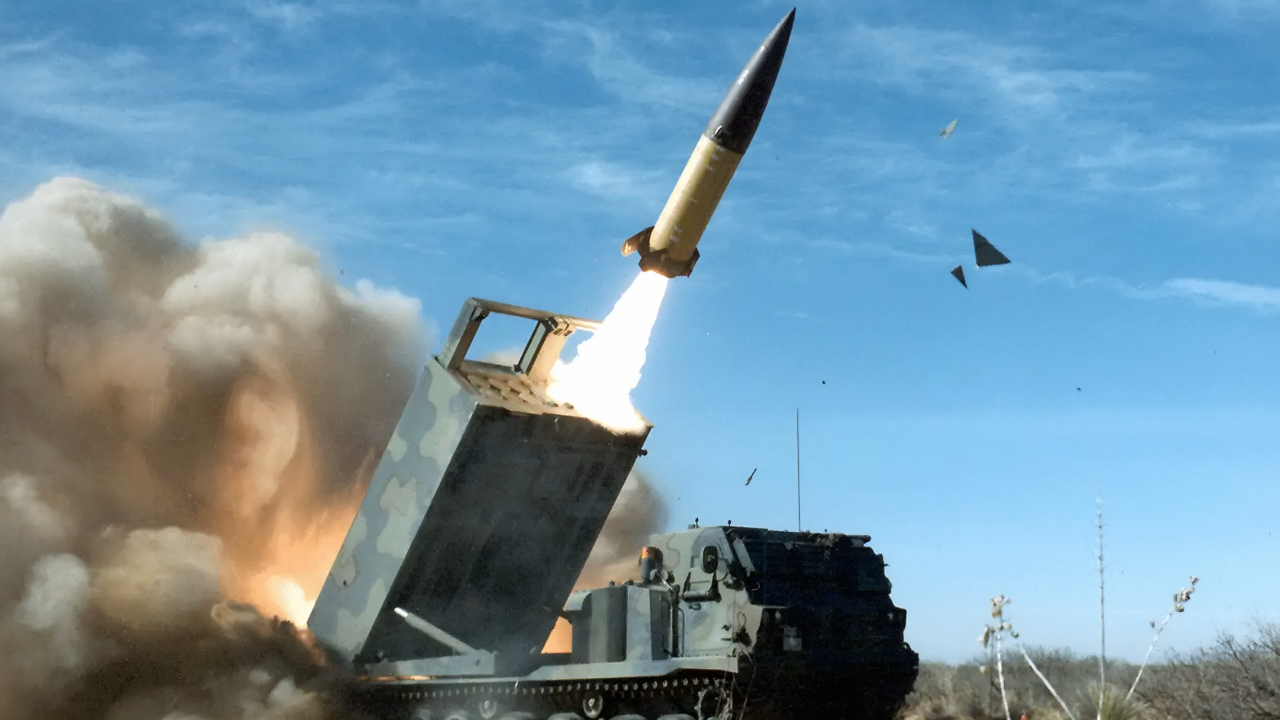
Just after 14:31 Moscow time on 18 November 2025, four U.S.-made ATACMS missiles rose from Ukrainian-controlled territory toward Russia’s Voronezh region, far behind the front line. Russian air defenses lit up the sky in response, and authorities in Moscow later announced that every incoming missile had been intercepted. Yet images of wreckage embedded in civilian buildings told a more complex story, highlighting both the new depth of Ukraine’s reach and the emerging vulnerabilities inside Russia’s interior.
Airspace Breached
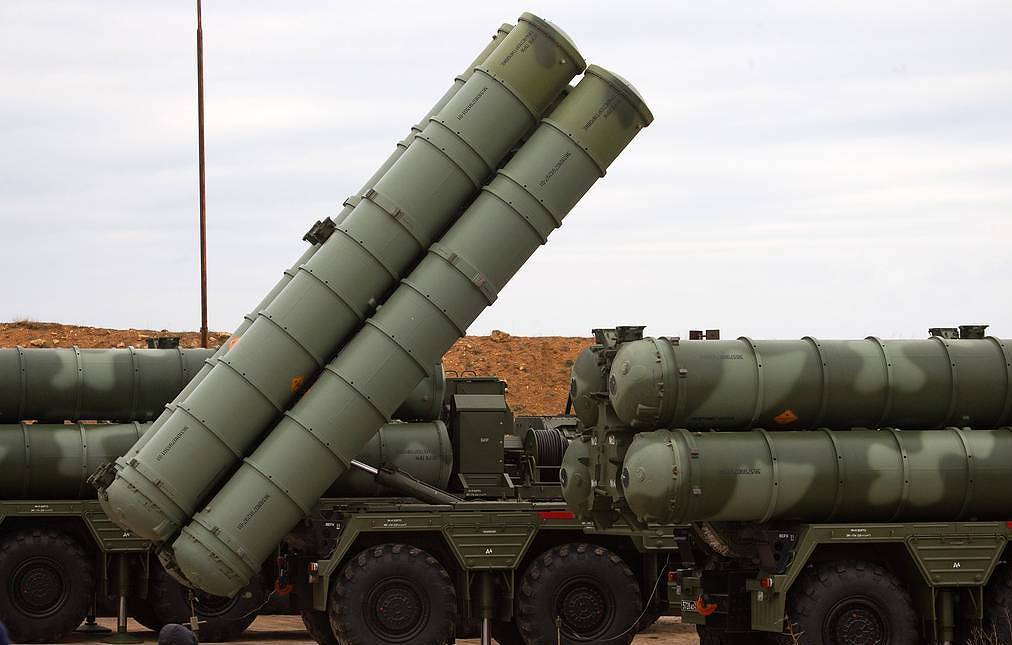
The missiles were launched from the Kharkiv region toward the Voronezh area, roughly 150 kilometers from the Ukrainian border, where Russia maintains key training and logistical facilities. Russian officials said S-400 Triumf and Pantsir systems engaged the barrage and destroyed all four missiles before they reached their intended targets, emphasizing that there were no deaths.
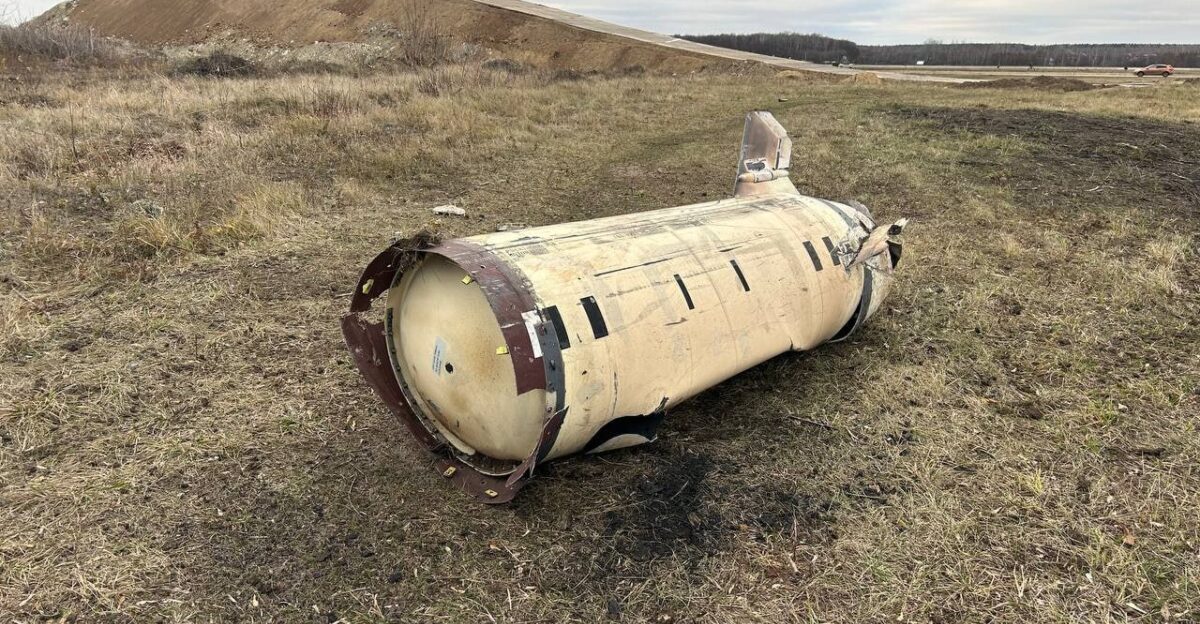
Even so, authorities reported that falling debris damaged several civilian structures, including a gerontology center and an orphanage. Photos released by Russian agencies showed scorched fragments scattered in built-up areas, confirming that remnants landed well inside Russian territory. Military analysts noted that, interception claims aside, the incident demonstrated that regions once regarded as secure rear areas are now within regular strike distance from Ukraine.
Shifting U.S. Policy and Ukraine’s Strike Options

The operation relied on the ATACMS ballistic missile, a U.S.-produced system with a range of about 300 kilometers. Washington supplied Ukraine with an estimated 50 of these weapons in 2023 and early 2024, initially under conditions that confined their use to targets on Ukrainian soil, including Russian-occupied areas. Those restrictions reflected long-standing U.S. concern that direct strikes on internationally recognized Russian territory might trigger dangerous escalation.
Over time, as Russian long-range attacks on Ukrainian cities intensified, those limits were gradually relaxed. By late 2024, the Pentagon had effectively removed practical constraints on Ukrainian use of ATACMS and similar systems against military targets inside Russia, ending a period in which American review procedures routinely blocked such operations. The Trump administration has continued this more permissive stance, presenting it as part of a broader effort to raise the cost of Russia’s campaign without involving U.S. forces directly.
The 18 November strike on sites near Voronezh is widely assessed as the first confirmed deep strike using ATACMS against Russian territory under the Trump presidency. Both Ukrainian and Russian accounts agree that four ATACMS missiles were launched, though they diverge on the extent of the damage. The attack signaled a clear expansion in Ukraine’s operational scope, pushing the battlefield deeper into Russia’s own geography.
Targets, Defenses, and the Pogonovo Symbolism
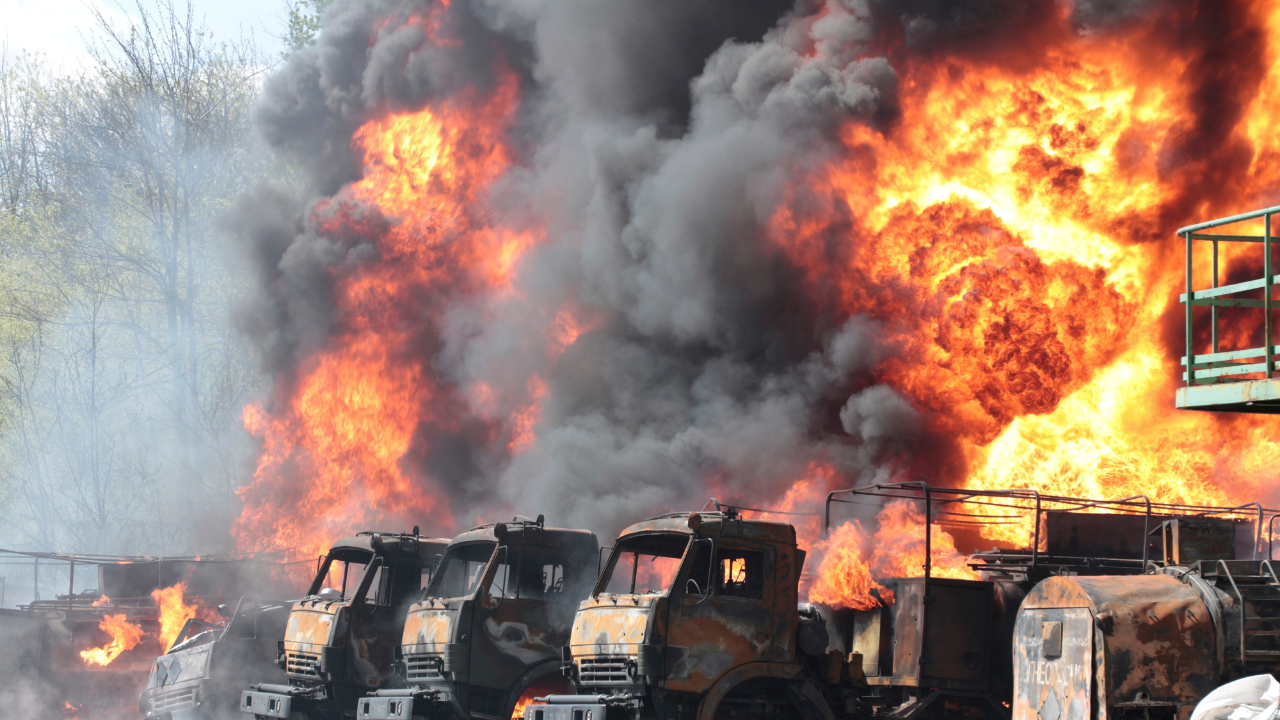
Among the reported objectives was the Pogonovo training ground, an installation frequently linked by Ukrainian and Western observers to Russian troop preparations before the full-scale invasion in February 2022. The site carries symbolic weight as a location associated with earlier mobilization and staging activities.
Russian officials stated that only vehicles and roofing at military-related facilities were damaged by debris, insisting that air defenses prevented a more serious outcome. Ukrainian sources and supportive analysts suggested that personnel might have been present and that the strike had at least some disruptive effect, but concrete casualty figures remain unverified. Conflicting narratives underscored the sensitivity of attacks on what Russian authorities had treated as secure rear-area hubs.
The engagement also served as a test for the S-400, a cornerstone of Russia’s air-defense network that is promoted as capable of intercepting ballistic missiles at long range. Moscow highlighted the interception as proof of system reliability, releasing images of missile fragments as supporting evidence. Independent experts countered that the need to employ high-end interceptors so far from the front line showed that the protective barrier around Russia’s interior is under strain, even when interceptions are successful.
Rear Areas Exposed and Stocks in Short Supply
With their roughly 300-kilometer reach, ATACMS missiles place a broad range of depots, airfields, logistics hubs, and rail junctions inside Russia within potential range from Ukrainian territory. Earlier Ukrainian uses of ATACMS concentrated on targets in occupied areas of Ukraine, often at shorter distances. The Voronezh operation highlighted that Ukraine can now employ the system at its full advertised range, potentially forcing Russia to reconsider where it stations forces and how it protects critical infrastructure across its interior.
However, Ukraine’s supply of ATACMS remains limited. Western estimates suggest Kyiv received about 50 missiles in total, and analysts believe only a portion of that stock remains. Given their cost, reportedly in the range of $1 to $1.5 million per round, each launch is treated as a strategic decision aimed at high-value targets whose disruption could affect the wider course of the war. Ukrainian planners must weigh the deterrent and operational impact of each strike against the reality that replacements may not arrive quickly or in large numbers.
Strategic Debate and What Comes Next
The Voronezh strike has sharpened debates over escalation risks and strategic consequences. For years, U.S. officials under the Biden administration worried that authorizing attacks deep inside Russia might prompt a severe response, even as Russia routinely used its own territory as a platform for long-range strikes into Ukraine. Supporters of the new approach argue that allowing Kyiv to hit similar depths could strengthen deterrence by threatening Russia’s rear infrastructure. Critics caution that it may instead push Moscow toward more aggressive tactics or new “red lines.”
Russia said it identified the launch area in the Kharkiv region and retaliated with Iskander missiles, claiming to have destroyed two Ukrainian launchers and ammunition. At the same time, analysts expect Moscow to redeploy S-400 and Pantsir batteries to protect a wider set of interior locations now exposed to possible attack. Any such shift risks thinning defenses over occupied regions and key front-line sectors, where Ukraine continues to probe for gaps with drones, rockets, and shorter-range missiles.
Specialists remain divided on whether ATACMS will alter the overall trajectory of the conflict. Some assessments note that the small arsenal makes it unlikely to be a decisive factor, even if individual strikes achieve “significant and sustained effects.” Others contend that the psychological and logistical impact of forcing Russia to harden or relocate numerous facilities could be substantial, even with limited numbers.
One day after the Voronezh incident, U.S. Army Secretary Daniel Driscoll visited Kyiv, a timing that many observers saw as a signal of continued coordination between military support and diplomatic messaging. As ATACMS and future long-range systems such as the Precision Strike Missile come into play, the central question for policymakers in Kyiv, Moscow, and Washington is whether deep-strike capability will eventually push the conflict toward negotiated limits, or instead accelerate a new phase of competition over who can reach further into the other side’s rear.
Sources
Kyiv Independent – Ukraine confirms use of US-made ATACMS on Russia after months of Pentagon restrictions (November 19, 2025)
Anadolu Agency (AA) – Russia claims Ukraine hit Voronezh region with American missiles (November 18, 2025)
United24media – Ukraine Confirms ATACMS Strike on Military Targets in Russia (November 18, 2025)
Chosun Ilbo (English Edition) – Ukraine Strikes Russia with ATACMS Under Trump (November 19, 2025)
LucOrg / Euromaidan Press – Frontline report: ATACMS returns to battlefield as Ukraine destroys Russian training facility in Voronezh (November 23, 2025)