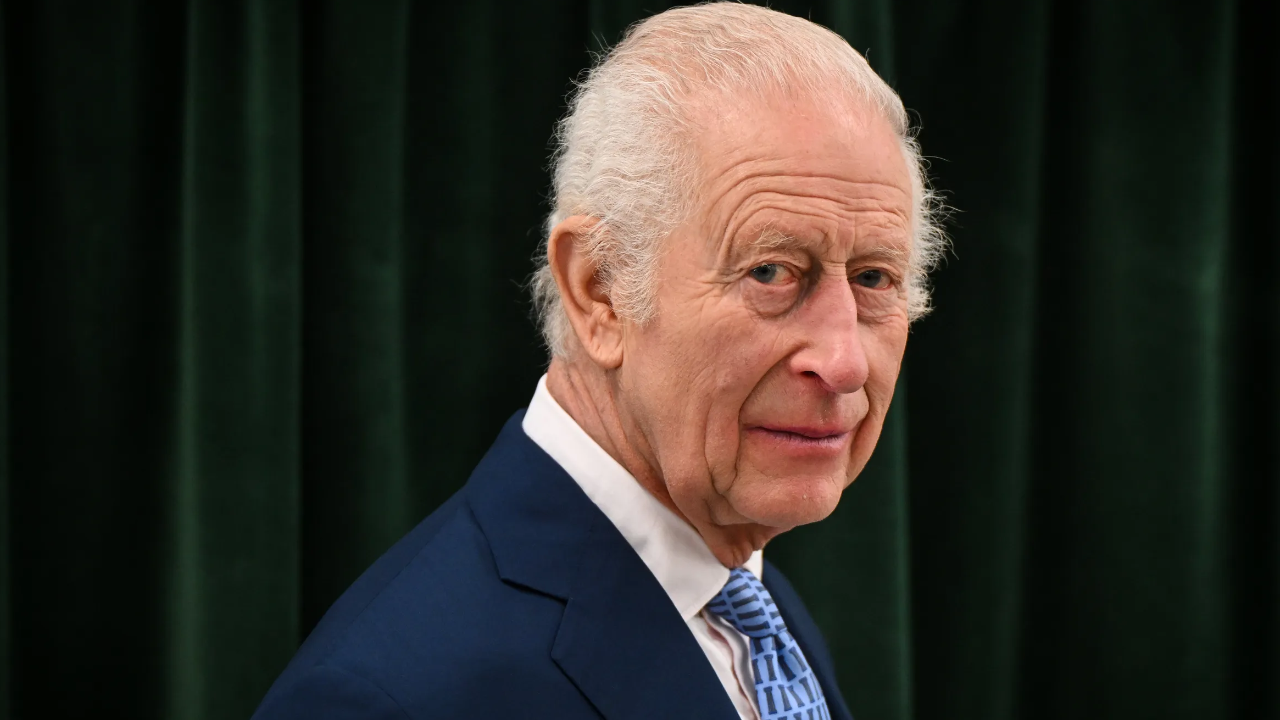
Meghan Markle’s California lifestyle venture is thriving on buzz, celebrity partnerships, and sold-out launches. Yet the most powerful asset behind her public image—her status as Duchess of Sussex—remains largely off limits for business. That tension between royal rules and entrepreneurial ambition is now a defining factor in how far her brand can grow.
Royal Rules That Redefined a Career
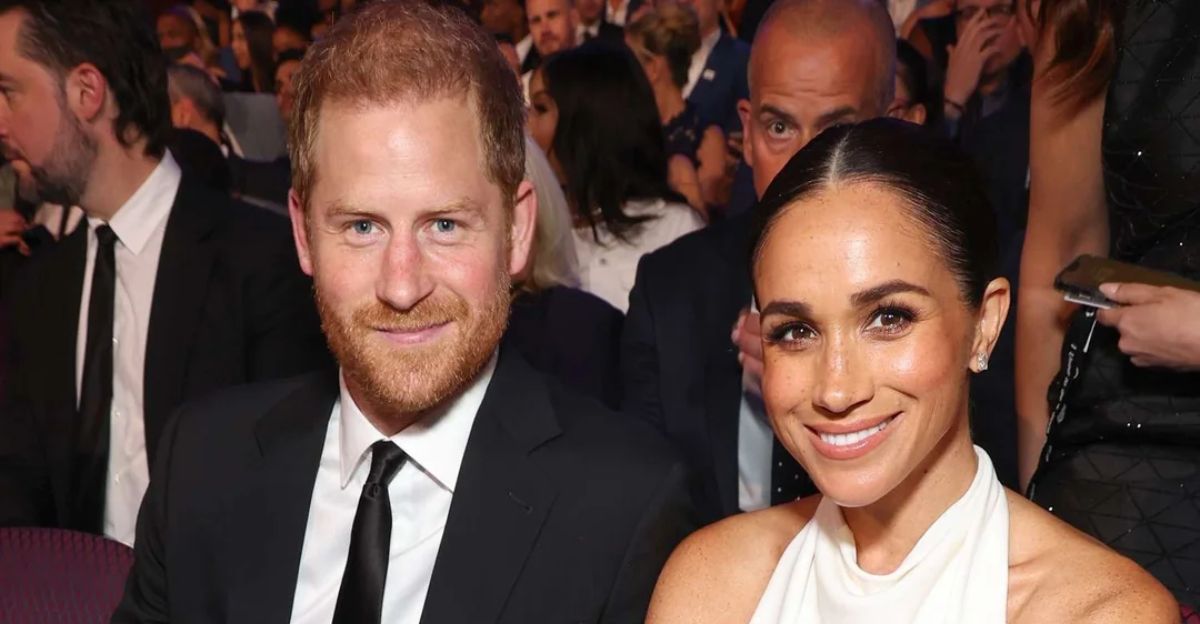
In January 2020, Prince Harry and Meghan stepped back from life as working royals, giving up the use of “His/Her Royal Highness” while keeping their titles as Duke and Duchess of Sussex. A key part of the arrangement, confirmed the following month, barred them from using those royal styles for commercial gain.
The deal was framed as a way for the couple to seek financial independence while preserving a carefully limited link to the monarchy. Rather than a short-term compromise, it became a standing framework: they could pursue media, business, and speaking projects, but the royal titles could not front a product line or corporate venture.
That framework now shapes the boundaries of Meghan’s work as a lifestyle entrepreneur. From Netflix series to podcasts and curated home and food products, she can draw on her public profile but not formally trade on the royal titles that made her globally recognizable.
Brand Ambition Meets Legal and Image Constraints
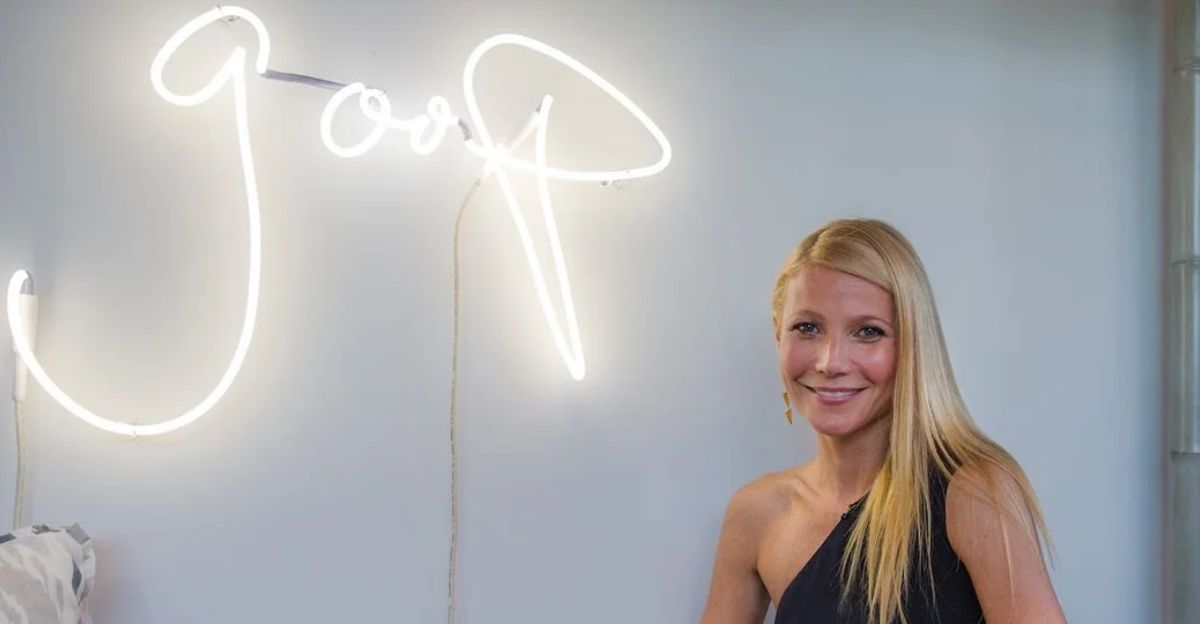
Industry comparisons often place Meghan’s ambitions alongside Gwyneth Paltrow’s Goop, valued in the hundreds of millions of dollars. Some industry analysts have suggested that if Meghan were able to develop a fully title-branded enterprise—using phrases such as “Duchess of Sussex” or past labels like “Sussex Royal” across tableware, cookbooks, hospitality and wider consumer goods—her long-term market potential could climb above $300 million.
That figure represents a speculative projection of possible brand value under unrestricted conditions, not current sales or an established valuation. It highlights the gap between what might be achievable with fully usable royal branding and what is possible under current restrictions. Her Netflix deal, reportedly worth about $100 million over several years, illustrates how much of her value lies in the public’s perception of her as a royal-turned-public figure, particularly in the United States. Yet the very terms of the 2020 agreement prevent that identity from being turned into a straightforward commercial label.
Trademark Setbacks and a High-Stakes Rebrand
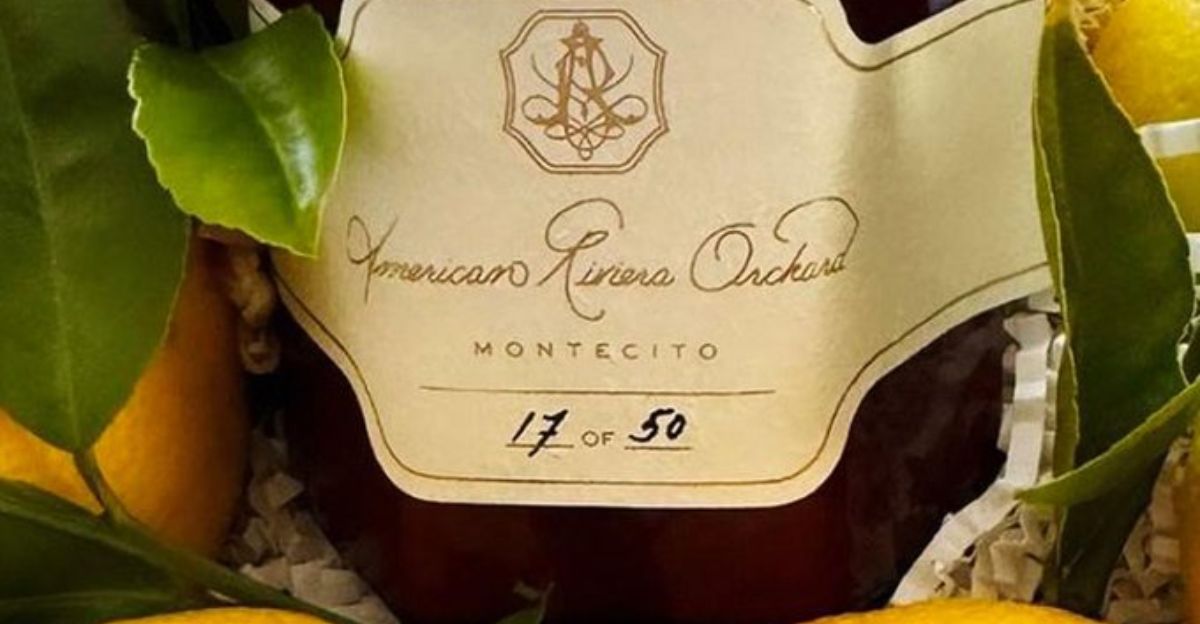
Those limits have been compounded by conventional trademark obstacles. Meghan’s first major lifestyle venture under the name American Riviera Orchard, launched in March 2024, quickly ran into trouble at the U.S. Patent and Trademark Office, which rejected the application based on geographical descriptiveness. Food brand Harry & David objected as well, arguing the name risked confusion with its own “Royal Riviera” line.
By February 2025, the operation was reintroduced under the name As Ever. The change removed the explicit California reference and distanced the business from terms that might conflict with existing trademarks. Yet the new identity brought its own complications when officials in the Spanish village of Porreres raised concerns because their municipal coat of arms features similar imagery, adding another layer of reputational risk.
The rebrand reflected both legal realities and the continuing need to avoid anything that might be interpreted as royal-style misuse. Rather than escalating tensions over names and marks, Meghan’s team chose a title designed to travel internationally and remain clear of palace sensitivities.
A “Quiet Veto” From the Palace
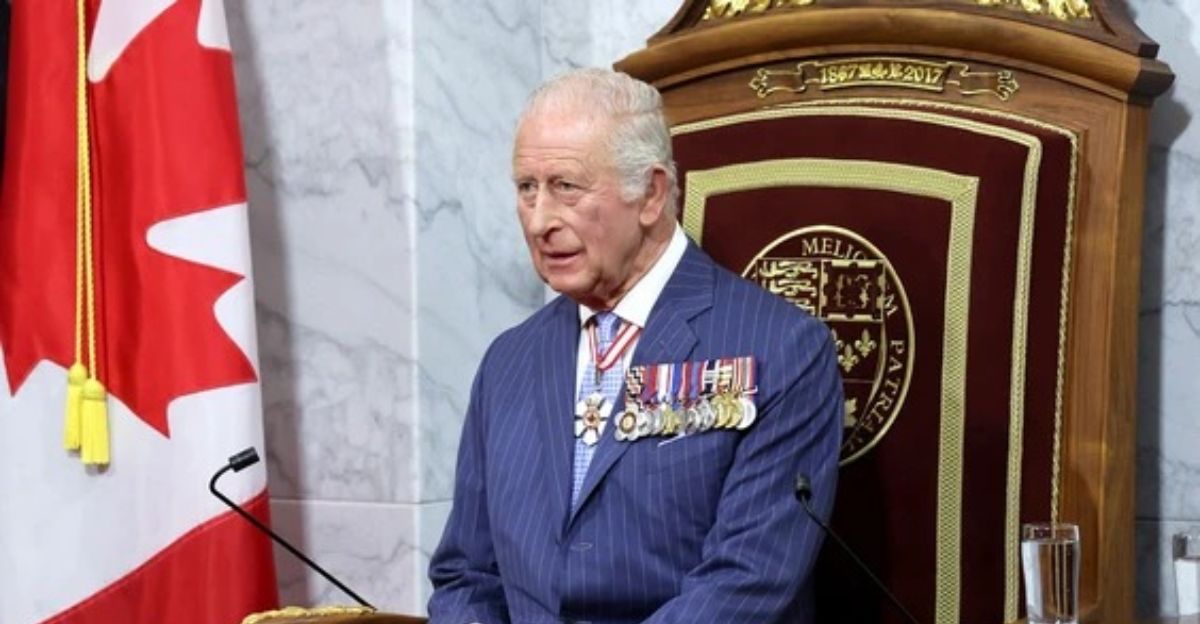
Under King Charles III, the palace has not announced new restrictions on Harry and Meghan’s commercial activities. Instead, existing rules have simply been held in place. Royal correspondents describe this as a “quiet veto”: a firm but low-key insistence that the couple not attach royal styles to business projects.
That approach was highlighted by a smaller but widely discussed episode in early 2025, when Meghan sent a gift basket including her products to entrepreneur Jamie Kern Lima, reportedly signed “HRH Meghan, Duchess of Sussex.” Her representatives said this was a private gesture, not a marketing exercise. Critics countered that the basket was shared on social media and functioned as promotional exposure, raising questions about how closely the letter of the 2020 agreement was being followed.
Commentators and royal experts warned that using HRH or title styling in proximity to products risked breaching the spirit, if not the exact wording, of the arrangement. The incident also underlined how tightly both palace officials and commentators monitor any sign that royal designations are edging into commerce.
A Growing Brand With Built-In Limits
As Ever has drawn strong bursts of demand, with early product runs—such as honey and preserves—selling out quickly online. Brand watchers, however, argue that the speed of sellouts reflects small batch sizes more than mass-market volume. Limited inventory and relatively high production costs, they say, constrain profits even when publicity is favorable.
Analysts quoted in coverage of her ventures suggest that buzz alone cannot support long-term expansion to the scale some have projected. Without the ability to build a wide product range under a distinctive royal identity, As Ever must lean on product appeal, storytelling, and selective partnerships rather than a powerful, instantly recognizable title-based name.
At the same time, Meghan’s marketing often nods to her royal past and marriage. A Soho House pop-up in West Hollywood, for example, was promoted as a tribute to the venue where she met Prince Harry in 2016. While Prince Harry remains a central figure in the narrative, he appears less involved in the day-to-day brand strategy, concentrating instead on media and philanthropic projects of his own. That imbalance has led some observers to see differing comfort levels within the couple over how far to push the royal association in commerce.
Future Prospects at the Edge of the Institution
Behind Meghan’s business challenges lies a broader institutional concern: how a modern monarchy separates official status from private enterprise. King Charles’s adherence to the 2020 framework is widely seen as a signal that royal titles are not to be used as commercial trademarks, regardless of an individual’s profile or earning potential.
Other members of the extended royal family, and even royals in other monarchies, are understood to be watching how this is handled. Any softening in Meghan’s case, analysts say, could invite a wave of similar requests and blur long-protected boundaries between public duty and private profit.
If Meghan were to overtly label products with “HRH” or “Sussex Royal,” specialists believe it would likely be treated as a breach of the agreement, possibly prompting legal or public action from the palace. That threat, even if never activated, limits her most ambitious branding options.
As Meghan’s business moves beyond its start-up phase, the central question is how large it can grow within these constraints. The demand exists, and her media partnerships remain substantial. Yet the rules governing royal titles, reinforced by shifting public attitudes about royals earning from their status, show little sign of loosening. For now, Meghan’s task is to build a sustainable lifestyle enterprise that acknowledges, but cannot directly trade on, the title that helped make her famous.
Sources
BBC News January 2020 Harry and Meghan step back announcement
BBC News February 2020 Sussex Royal commercial restrictions
Forbes March 2018 Goop valuation study
The Guardian September 2022 royal title reporting
The Telegraph February 2020 Sussex Royal branding policy
The New York Times March 2021 Harry and Meghan Oprah interview
Hello Magazine 2025 Meghan business ventures coverage