In a remote corner of eastern Oregon, families who have long depended on private wells are discovering that the water beneath their homes carries a hidden burden: nitrate levels so high they exceed state and federal safety thresholds by many times. The contamination in the Lower Umatilla Basin has been building for decades, but recent scrutiny of Amazon Web Services (AWS) data centers in Morrow County has sparked new questions about how modern digital infrastructure may be worsening an old problem.
A legacy of farm pollution meets the cloud
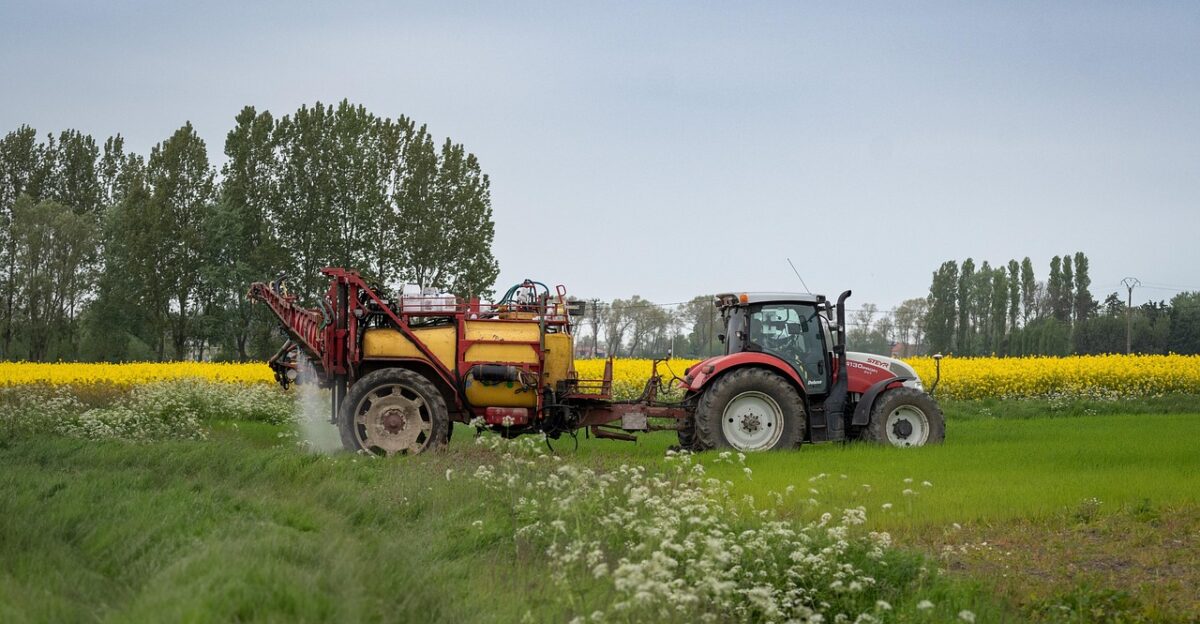
The Lower Umatilla Basin aquifer is the primary groundwater source for Morrow County and surrounding high-desert communities. For generations, large-scale farms, cattle operations, and food processors in this irrigated agricultural region have used synthetic fertilizers and managed vast volumes of manure and industrial wastewater rich in nitrogen compounds.
By 1990, regulators had formally designated the basin a critical groundwater management area because nitrate from these activities was steadily infiltrating the aquifer. The sandy soils common in the area allow water and dissolved pollutants to move quickly downward, with little natural filtration. That farm-based legacy remains central to today’s crisis: state documents and scientific assessments attribute the original and ongoing nitrate burden primarily to agricultural fertilizers, manure from feedlots, and food-processing effluent.
Over the last decade, AWS added a new, water-intensive presence atop the same stressed aquifer. The company built multiple data centers near the Port of Morrow, tapping local groundwater to cool rows of heat-generating servers. Public records show these facilities collectively draw tens of millions of gallons annually. Until investigative reporting drew attention to the issue, many residents were unaware that the same groundwater filling their kitchen taps was also running through industrial cooling systems before returning to the landscape.
How cooling systems intensify existing contamination
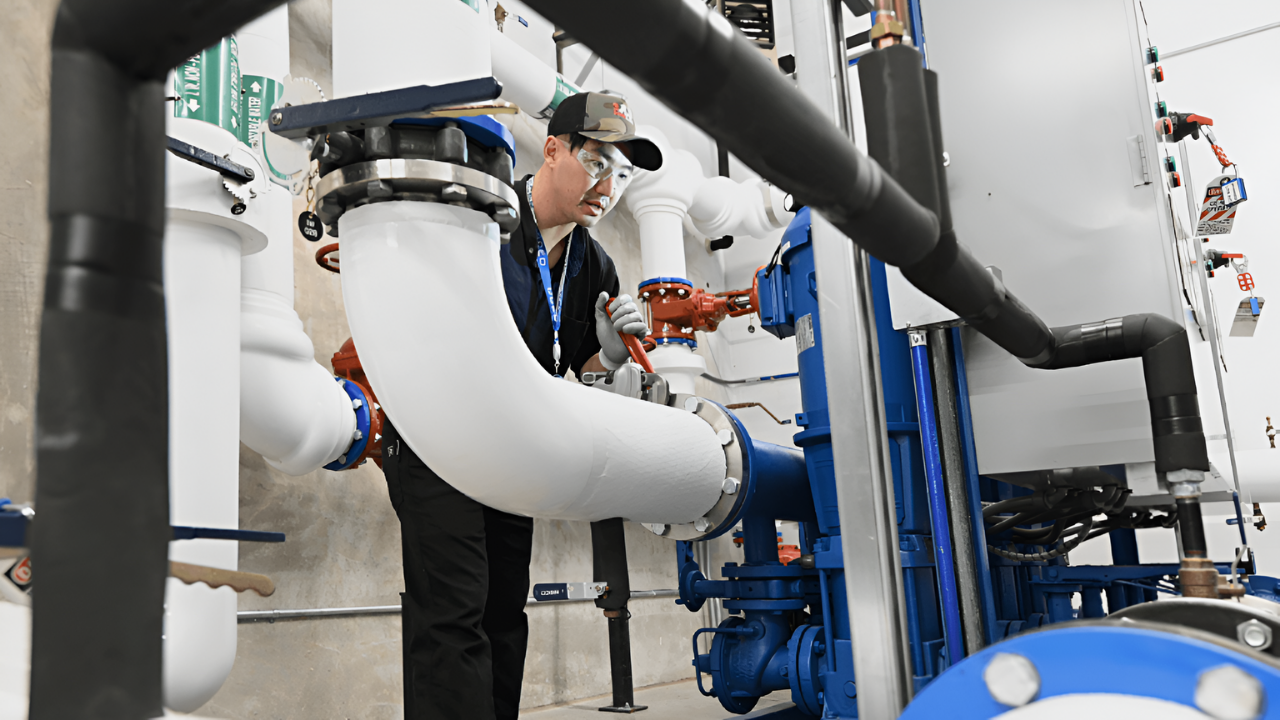
The mechanics of data center cooling are straightforward but important for understanding local concern. AWS uses evaporative cooling, in which groundwater circulates through systems that absorb heat from servers. In that process, some of the water evaporates, carrying away heat. The nitrates already dissolved in the incoming groundwater, however, do not evaporate; they remain in the liquid that stays behind.
As water volume decreases through evaporation, the concentration of dissolved nitrates rises. A sample entering the system at around 20 parts per million (ppm) can leave at roughly 56 ppm—almost three times more concentrated. The resulting wastewater does not stay on site. It is piped to the Port of Morrow’s treatment and disposal system, mixed with wastewater from other industrial users, stored in large ponds, and then sprayed on nearby agricultural fields as fertilizer.
Because these fields also sit over sandy soils, a portion of the applied water seeps down instead of being fully taken up by crops. Within weeks, that percolating water—now carrying higher nitrate concentrations than the source groundwater—can re-enter the aquifer. The same underground reservoir then feeds household wells across the basin, closing a loop that runs from server halls, to irrigation pivots, to family taps.
Rising nitrate levels, health worries, and uncertain science
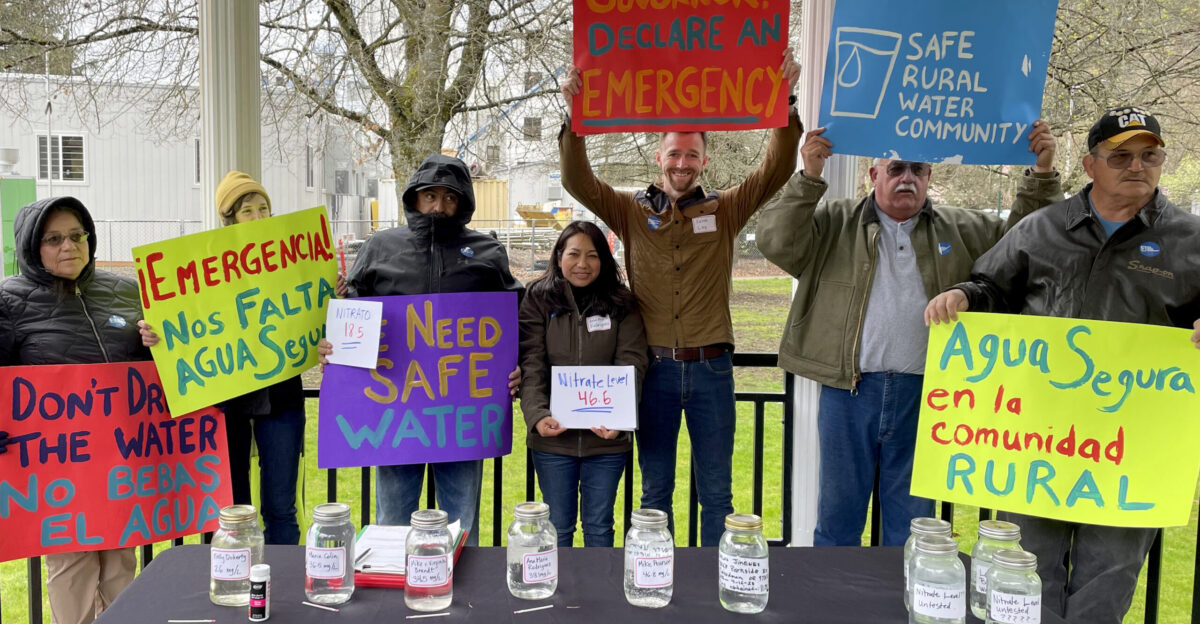
Oregon’s drinking water benchmark for nitrates is 7 ppm, while the U.S. Environmental Protection Agency’s federal standard is 10 ppm. Testing in parts of the Lower Umatilla Basin has found private wells with readings as high as 73 ppm, far above both thresholds. For affected households, these values translate into daily decisions about cooking, drinking, and mixing infant formula.
Residents and local health advocates have reported what they describe as unusual patterns of miscarriages and rare cancers, including non-Hodgkin lymphoma, among people using contaminated wells. At the same time, state and federal health agencies have not yet produced comprehensive epidemiological analyses that show whether overall disease rates in the region have changed over time or differ significantly from comparable populations.
Scientific literature on nitrates and health offers a mixed picture. Some studies, including work in the 1990s, have found associations between long-term exposure to elevated nitrate in community water systems and increased risk of conditions such as non-Hodgkin lymphoma. More recent meta-analyses have been less conclusive about that specific cancer, while suggesting possible links involving nitrite, a related compound formed from nitrates. Research into reproductive outcomes has documented associations between nitrate exposure and some adverse pregnancy events in certain settings, though recent systematic reviews emphasize that evidence remains limited, sometimes inconsistent, and often focused on exposure levels lower than the most extreme readings now seen in parts of the Lower Umatilla Basin.
Regulation, violations, and legal pressure
Regulators have been aware of nitrate concerns in the basin for decades, but enforcement has intensified in recent years. The Oregon Department of Environmental Quality has cited the Port of Morrow for more than 2,000 wastewater permit violations since 2015, including excessive application of nitrogen-rich effluent on fields. In April 2024, the agency issued a $727,000 penalty for more than 800 violations related to application rates and timing, including practices in earlier years that allowed more nitrates to migrate downward during non-growing seasons.
AWS did not introduce new nitrogen sources to the basin, but environmental advocates and hydrologists quoted in regional reporting have characterized its operations as a “contamination amplifier.” They argue that by pumping large volumes of already-polluted groundwater, increasing nitrate concentrations through evaporative cooling, and returning that enriched water to a disposal system with a history of over-application, the data centers may be accelerating the movement and buildup of nitrates in the aquifer.
Amazon, for its part, has emphasized in public statements that its overall water use represents a small portion of total basin withdrawals and that nitrate contamination predates its facilities. The central disagreement now revolves less around origin than effect: whether even a modest share of regional water use, when repeatedly concentrated and recirculated, can meaningfully speed up or intensify an existing contamination problem.
Unequal impacts and unresolved questions
The burden of this groundwater crisis falls most heavily on low-income residents. Morrow County has a 14.7% poverty rate, and many households in the most affected zones rely on shallow private wells. Drilling deeper wells, installing advanced treatment systems, or relocating to areas with safer water are often financially out of reach.
State officials have arranged bottled-water deliveries for some homes with the highest nitrate readings and initiated planning efforts such as a Nitrate Reduction Plan. Policy discussions now extend beyond agriculture to encompass large industrial groundwater users, including data centers. Yet the documents released so far indicate that building permanent clean-water infrastructure and potentially remediating parts of the aquifer will take years, require significant investment, and currently lack a definitive timeline.
The situation has prompted legal and political action. In early 2024, attorneys filed a federal class-action lawsuit on behalf of residents against the Port of Morrow, a major food processor, and agricultural interests, and later issued a legal notice to Amazon under federal waste-management law over handling of nitrate-laden wastewater. Advocacy groups have compared the dynamics in Morrow County to other communities where low-income residents face contamination tied to industrial and infrastructure decisions, arguing that rural regions often lack the leverage to secure rapid solutions.
As demand grows for data center capacity to support cloud services and artificial intelligence, communities with existing groundwater challenges may face difficult decisions about future development. Key questions remain unanswered in Morrow County: whether health surveillance will clarify possible disease patterns, how quickly regulators and industry will reduce nitrate loads, and who will ultimately pay for long-term fixes. For now, families across the basin continue to navigate daily life with bottled water, test kits, and an aquifer whose safety is still in doubt.
Sources:
Rolling Stone investigation on AWS data centers and Oregon nitrate contamination, December 2025
Oregon Department of Environmental Quality – Lower Umatilla Basin / Nitrate Groundwater Management Area and enforcement actions against Port of Morrow
U.S. EPA – Petition for Emergency Action for the Lower Umatilla Basin under the Safe Drinking Water Act
Peer-reviewed studies on drinking-water nitrate, pregnancy loss, and non-Hodgkin lymphoma (e.g., American Journal of Epidemiology, Environmental Health Perspectives)