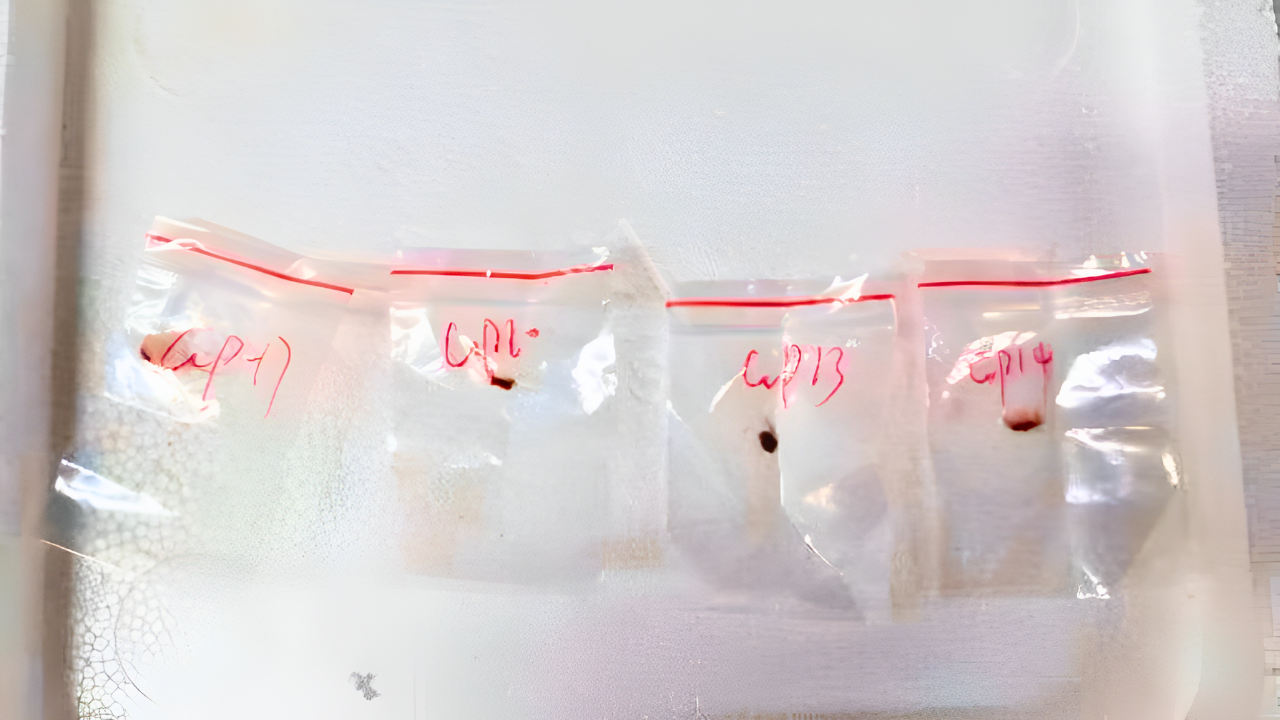
A black backpack on a Detroit airport conveyor belt set off a chain of events that now stretches from Midwestern farm fields to international politics. Inside, U.S. agents found small vials of red, plant-like material later identified as Fusarium graminearum, a crop-destroying fungus the FBI has described as a possible tool of agricultural warfare. Within months, the scientist linked to that bag, Chinese plant pathologist Yunqing Jian, went from a respected university researcher to a convicted smuggler and, ultimately, a deported former federal inmate.
Scientist Under Scrutiny

Jian, 33, was working in a plant pathology lab at the University of Michigan after previously holding a postdoctoral role at Texas A&M before that lab moved north. Prosecutors say her research focused on Fusarium graminearum, the same pathogen in the seized vials, and that her work received funding from the Chinese government. According to the criminal complaint, investigators who examined her electronic devices found documents describing her “membership in and loyalty to the Chinese Communist Party,” along with records tying her to state-backed support for her pathogen studies.
The backpack that drew law enforcement’s attention did not belong to Jian, but to her boyfriend, Chinese university researcher Zunyong Liu, who studied the same fungus. Messages recovered from their phones and laptops, prosecutors say, show the couple repeatedly coordinating shipments of Fusarium samples, including a failed 2022 attempt and the July 2024 trip that ended on the Detroit security line. What began as a scientific collaboration was recast in court as a calculated, long-running conspiracy to move regulated biological material into the United States outside official channels.
Pathogen, Permits, and a Security Gap

By the time Liu flew to Detroit, federal authorities allege, he knew exactly what he was carrying. Fusarium graminearum is a regulated plant pest, subject to import controls enforced by the U.S. Department of Agriculture. Legally bringing it into the country for research requires permits, documented safety protocols, and specialized containment. The complaint says Jian and Liu never applied for those approvals.
Instead, agents say, Liu concealed multiple vials deep inside crumpled tissues in his carry-on backpack, placing them on a connection route to the Michigan lab without notifying customs or agricultural inspectors. In legal terms, that concealment turned a research sample into an unapproved biological import. Investigators from the FBI and U.S. Customs and Border Protection treated the breach as a serious biosecurity threat, moving quickly once the substances were discovered during secondary screening at the Detroit airport in July 2024.
Why Fusarium Graminearum Matters
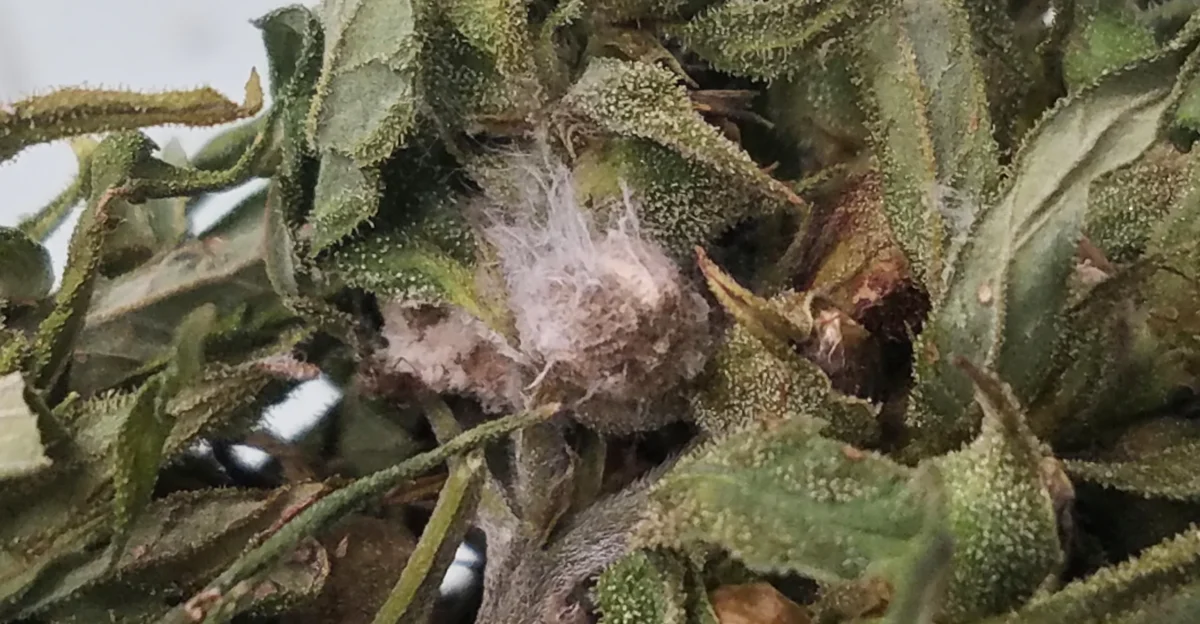
Fusarium graminearum is a well-known scourge of grain crops. The fungus causes Fusarium head blight, also known as scab, an infection that attacks flowering heads of wheat, barley, corn, and other cereals. Spores travel on wind and rain, striking fields at vulnerable growth stages and leaving shriveled, discolored grain in their wake. Outbreaks in North America and abroad have caused billions of dollars in losses over recent decades. A particularly severe outbreak that began in 1993 caused devastating losses across wheat and barley-growing regions, with combined direct and secondary economic losses estimated at approximately $2.5 to $2.7 billion for the 1993-2000 period alone, making it one of the costliest plant disease outbreaks in U.S. history.
The gravest concern is not just yield loss but contamination. The pathogen produces deoxynivalenol, or vomitoxin, a mycotoxin that can taint harvested grain with no obvious external sign. Humans and animals that consume heavily contaminated feed risk vomiting and other acute illness, and long-term exposure has been linked to liver and reproductive damage. The U.S. Food and Drug Administration sets strict guidance levels for vomitoxin in food and animal feed, and grain lots that exceed those levels can be rejected, discounted, or destroyed, causing substantial economic fallout along the supply chain.
National Security Versus Routine Science
Federal officials framed the case in sweeping language. In public statements, the U.S. Attorney’s Office in Detroit called Fusarium graminearum a “potential agroterrorism weapon” and “dangerous biological pathogen,” arguing that Jian and Liu had introduced a harmful organism “into the heartland of America” and attempted to exploit an American university lab for illicit research activity. That framing placed the case squarely within broader U.S. concerns about foreign access to critical infrastructure, including the food system.
Jian’s defense team urged the court to see the situation differently. They argued that their client’s goal was to keep her research moving, not to sabotage American agriculture or assist intelligence services. They pointed out that Fusarium graminearum has been present in U.S. grain regions for more than a century and is not on the USDA’s formal agroterrorism priority list. Academic experts interviewed by national outlets offered similar nuance: they stressed that while the fungus is economically damaging, it is a familiar pathogen, not an exotic agent, and that other organisms would be more effective as deliberate weapons.
Guilty Plea, Deportation, and an Unfinished Case

Jian ultimately chose to plead guilty to one count of smuggling and one count of making false statements to investigators. Each smuggling count can carry a sentence of up to 20 years in prison, though prosecutors in this case asked for a 24-month term. In November, appearing in a Detroit federal courtroom, she admitted to bringing crop pathogens into the country without authorization and lying to federal agents about her actions.
On November 12, 2025, the judge imposed a sentence of time served—just over five months in custody, equal to the period Jian had already spent in jail awaiting trial. Her lawyers submitted statements expressing her remorse and arguing that political tensions and media coverage had intensified the case because of her nationality and links to Chinese funding. Her academic career in the United States, however, was effectively over. Under the terms of her plea, she was removed from the country almost immediately. Agricultural press accounts and her attorney say she was deported within two days of the sentencing.
Liu’s situation differs significantly from Jian’s. Although prosecutors charged Liu in connection with the smuggling conspiracy and he initially denied wrongdoing, he later acknowledged bringing Fusarium graminearum through Detroit intending it to be studied in the Michigan lab. However, Liu returned to China following the incident and faces uncertain prospects for U.S. prosecution.
Those questions extend far beyond one couple and one fungus. Farmers in regions already familiar with head blight continue to worry about new introductions of aggressive strains, while plant pathologists debate how realistic it is to use such organisms as deliberate weapons. Universities, meanwhile, face growing pressure to audit foreign partnerships and safeguard biological materials more rigorously. For international scientists entering American institutions, the case underscores a stark reality: in an era of heightened concern over biological threats, the line between legitimate research and perceived security risk is thinner than ever, and crossing a border with a vial of microbes can carry consequences that last a lifetime.
Sources
U.S. Attorney’s Office, Eastern District of Michigan – criminal complaint and charging release on Jian and Liu.
U.S. Attorney’s Office, Eastern District of Michigan – press release on Jian’s guilty plea, sentence, and deportation.
USDA APHIS – plant pest and regulated organism import/permit guidance (PPQ 526 permitting framework).
FDA / U.S. federal guidance on deoxynivalenol (vomitoxin) limits in food and feed, via major explainer coverage.
ABC News explainer on Fusarium graminearum biology, risk profile, and expert commentary.
CNN report on the pathogen‑smuggling case and evidence from the criminal complaint.