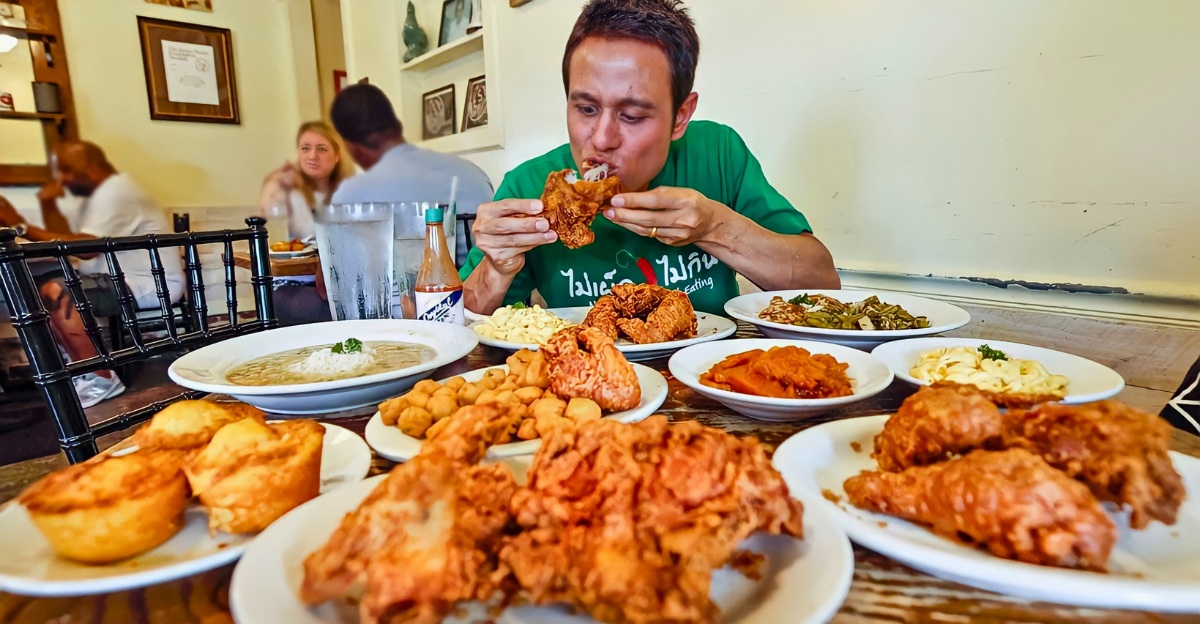
Fast-food chains are engaged in a fiercely competitive global battle for supremacy in the $78 billion fried chicken war, which is fueled by consumer demand for convenience, flavor authenticity, and brand identity. The struggle is not just about price or taste; it’s also about aggressive market expansion, creative menu development, strategic brand positioning, and cultural relevance.
Using their distinct advantages, from celebrity endorsements to geographic expansion and operational efficiency, nine major chains have emerged as the main winners in this conflict. This secret conflict also involves intricate legal issues and creative marketing, so the battle is as much about brand culture and legal strategy as it is about fried chicken.
The Original Trailblazer: KFC
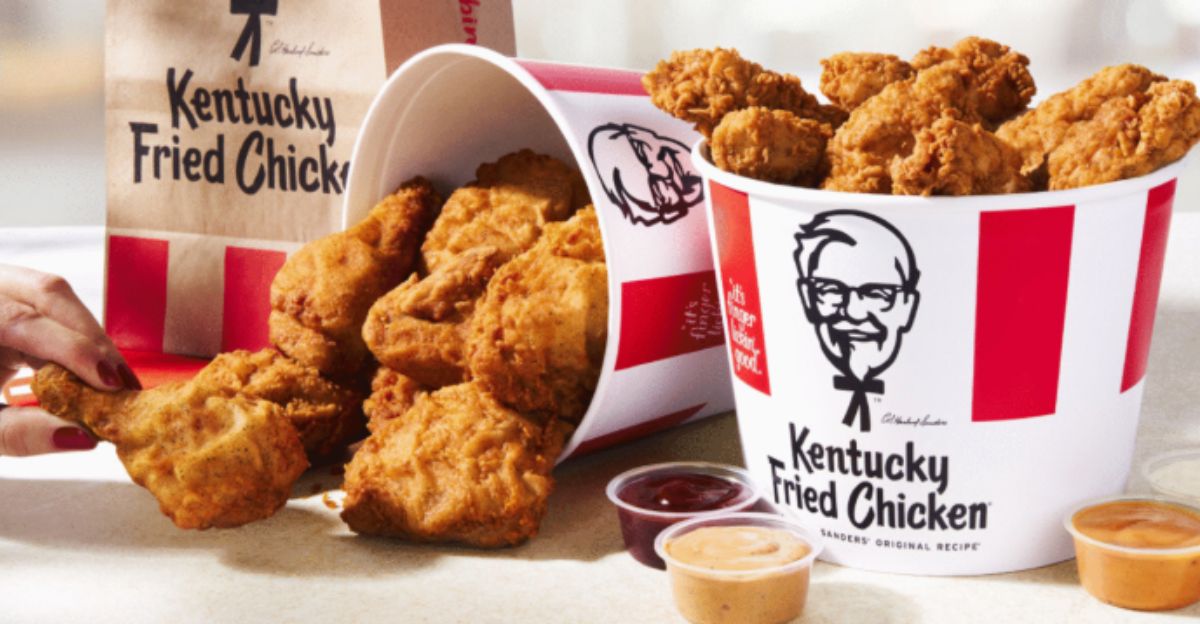
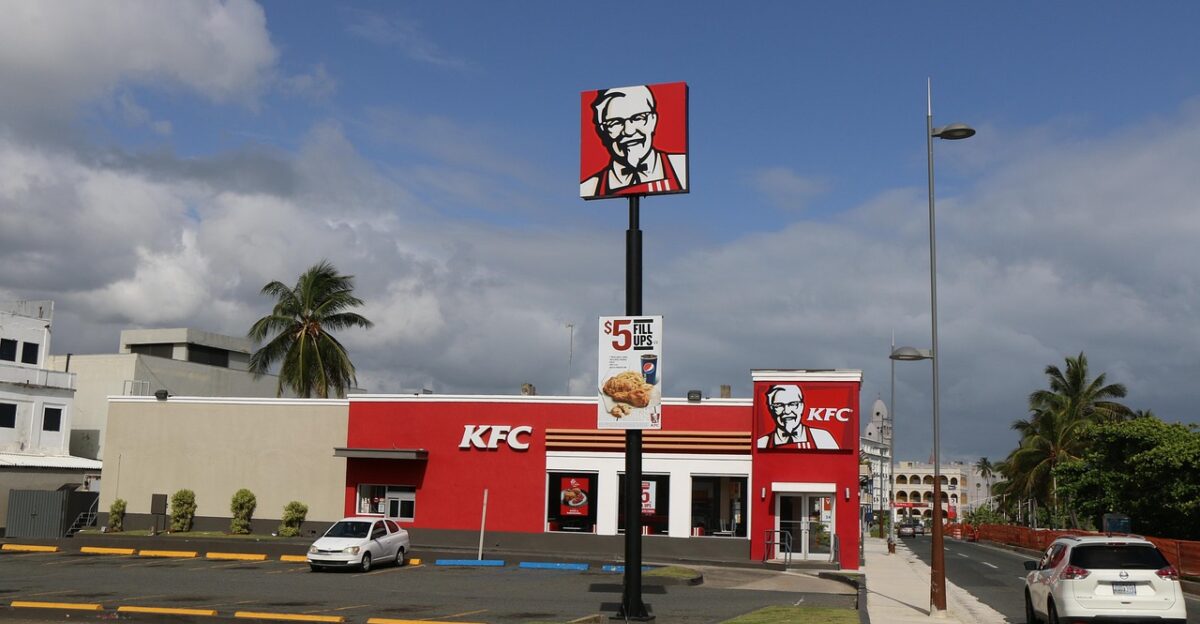
Colonel Harland Sanders founded KFC in 1930, and with its proprietary blend of eleven herbs and spices, it transformed fried chicken. KFC pioneered franchising and fast-food expansion strategies, transforming fried chicken from a regional staple into a global powerhouse. With more than 8,500 locations across the globe and multibillion-dollar revenues by the end of the 20th century, KFC had established itself as a market leader and innovator.
KFC’s brand heritage and ongoing menu innovation, which includes grilled options and international flavors, keep it competitively relevant in the $78 billion market despite obstacles like supply chain ethics and changing consumer health trends. It still has significant leverage over more recent entrants thanks to its early mover advantage and recognizable branding.
Chick-fil-A: A Cultural Powerhouse in America
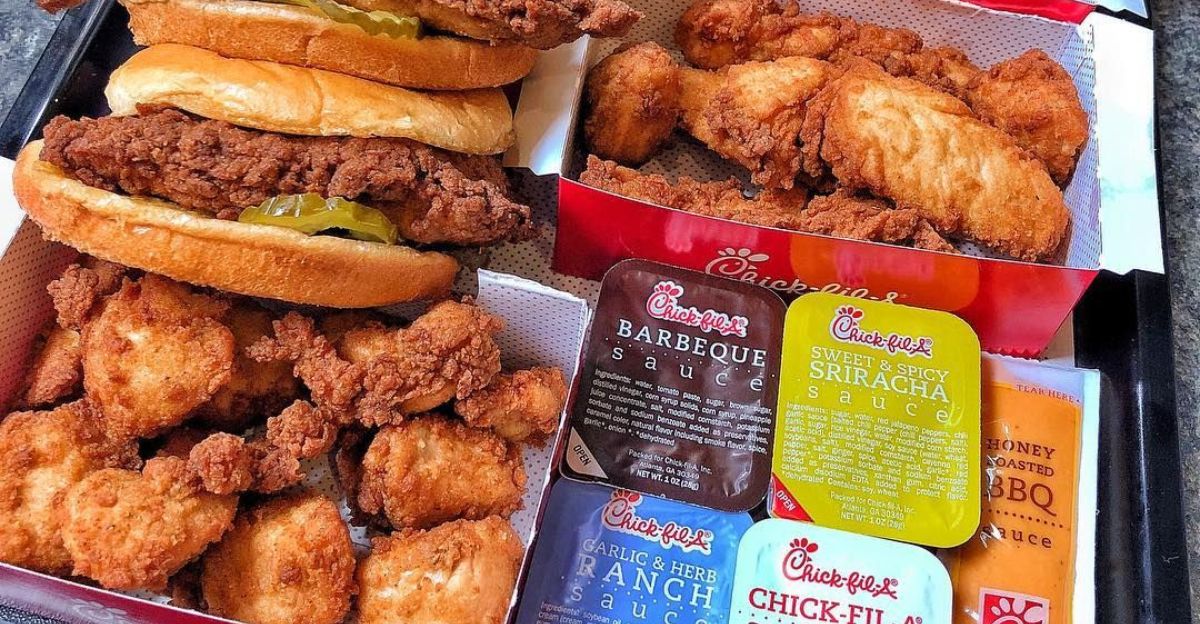
By prioritizing quality over quantity, emphasizing customer service, and maintaining a strong brand identity based on conservative values, Chick-fil-A has established a dominant market position in the United States. Despite being controversial, the chain’s policy of closed Sundays has increased operational efficiency and brand loyalty.
Without using aggressive price wars, its chicken sandwiches have sparked a consumer frenzy. Due to its quick growth, especially in the late 2010s and early 2020s, Chick-fil-A has established itself as a strong leader with a sizable market share and a devoted following. By incorporating values and a focus on the community into its growth strategy, its model challenges accepted fast-food conventions.
Popeyes: The Challenger of Viral Content
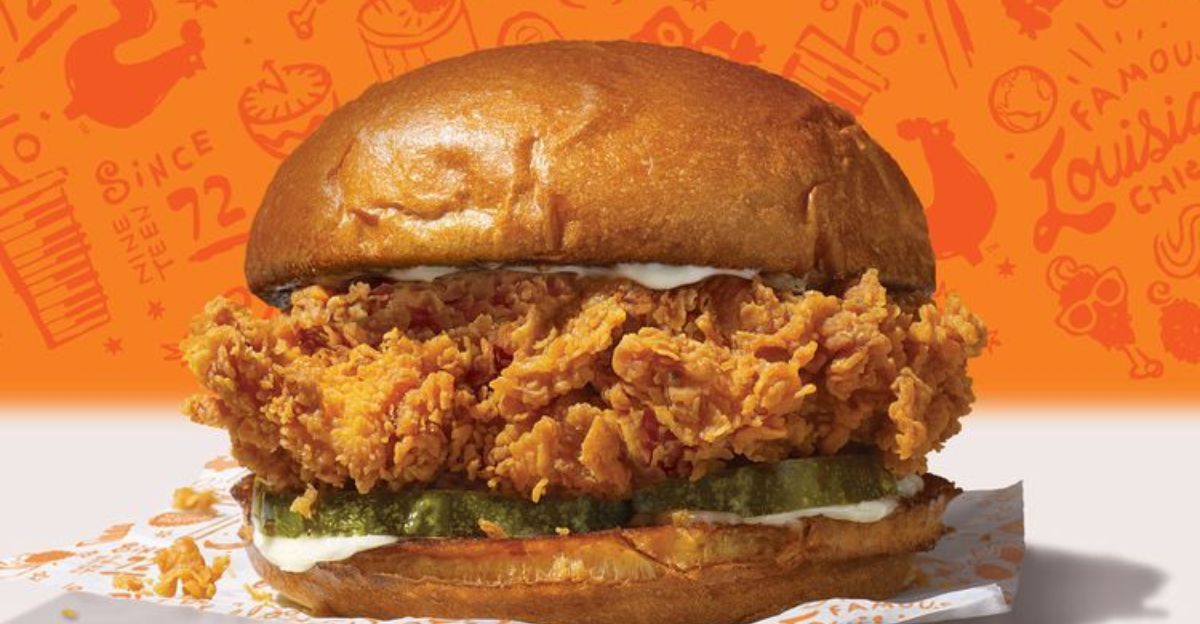
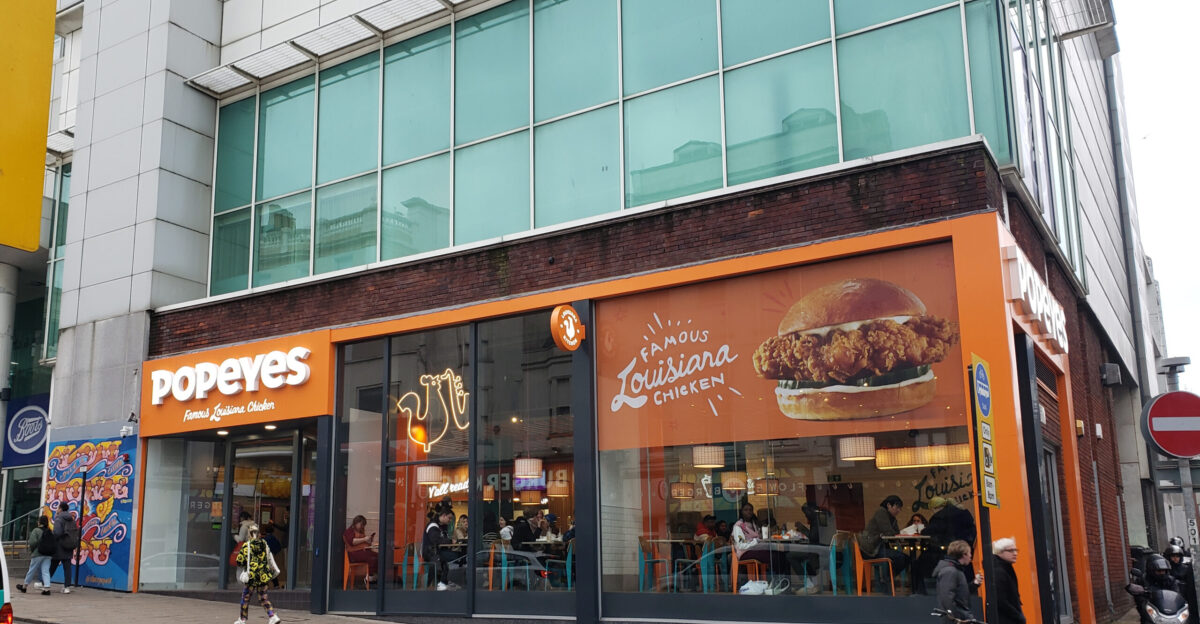
During the 2019 chicken sandwich craze, Popeyes displayed brilliant marketing savvy, leading to what the media called a “chicken sandwich war.” Popeyes went from being a regional player to a global contender as a result of its viral success.
Younger, social media-savvy consumers are drawn to its spicy, flavorful recipes, which emphasize the value of digital interaction and product differentiation. Popeyes’ ascent demonstrates how creativity, social media strategy, and cultural fit can upend established firms, leading to quick growth and disproportionate profits in an established industry.
Dave’s Hot Chicken: A Disruptor Supported by Celebrities
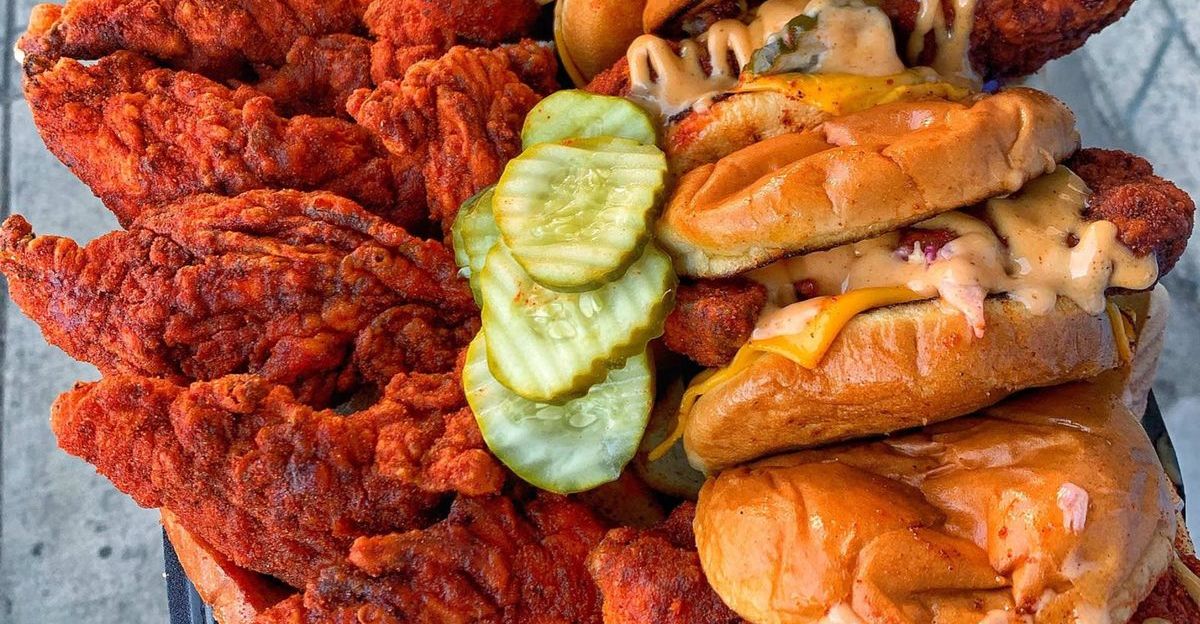
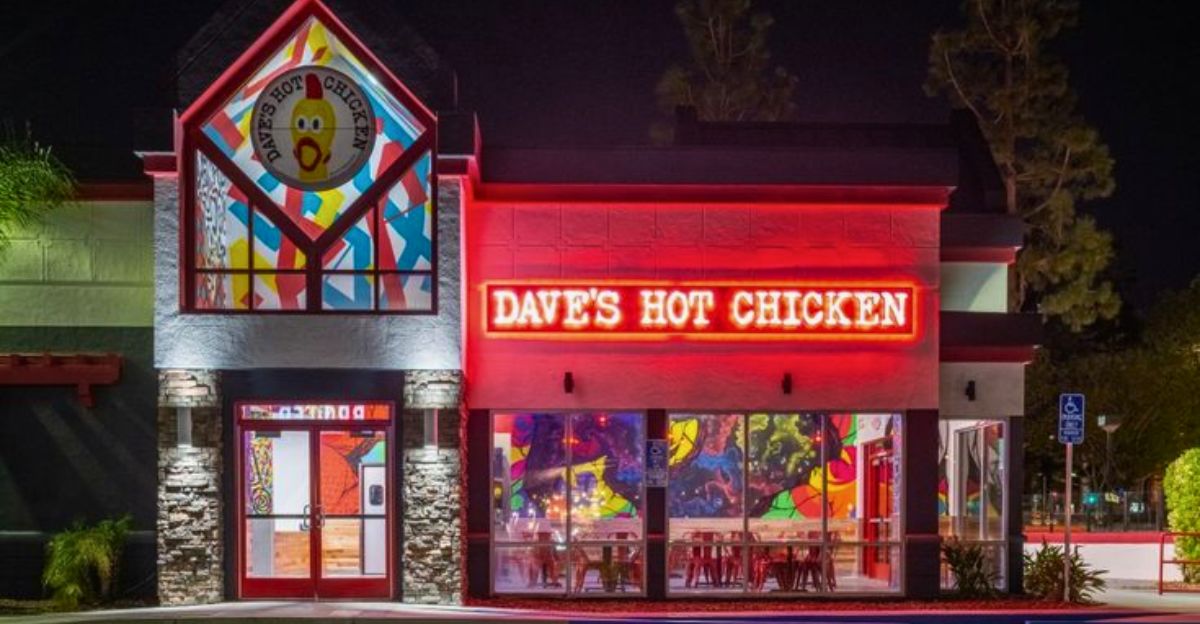
Dave’s Hot Chicken, which originated in Los Angeles, is a hybrid of spicy fried chicken and celebrity investment, featuring A-listers like Drake and Samuel L. Jackson. Beyond the kitchen, this combination of entertainment and culinary culture generates buzz and credibility.
The chain’s aggressive international aspirations and unique product positioning are highlighted by legal battles over its UK expansion. Dave’s uses strategy, star power, and creative marketing to boost growth in the global fried chicken war by capitalizing on millennials’ desire for authenticity, premiumization, and trendiness.
Church’s Chicken: Innovation and Tradition Collide
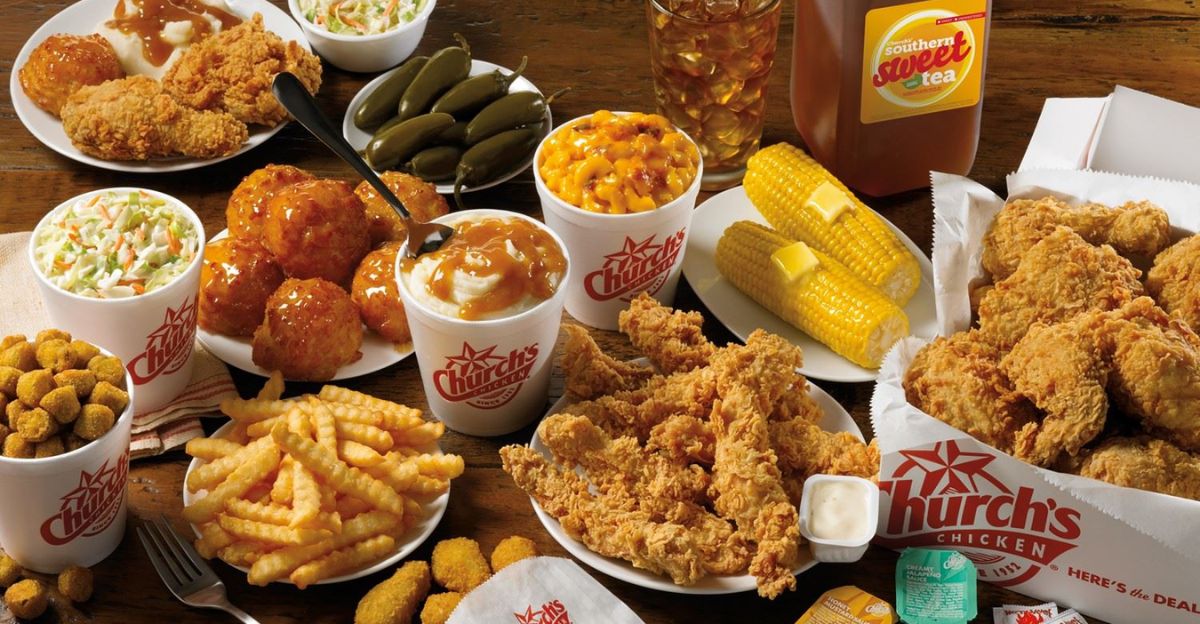
Long a mainstay of southern American fast-food culture, Church’s Chicken fights hard to strike a balance between value pricing and menu innovations like extra crispy and limited-time deals. Its global reach and attempts to incorporate local tastes have contributed to its continued relevance.
Even though KFC dominates the domestic market, Church’s has a devoted following and is stepping up modernization efforts to counteract the loss of market share from new competitors. Its durability and versatility are beneficial in a market where legacy brands must change or face extinction.
Bojangles’ Well-Known Chicken: Authentic Southern Cuisine
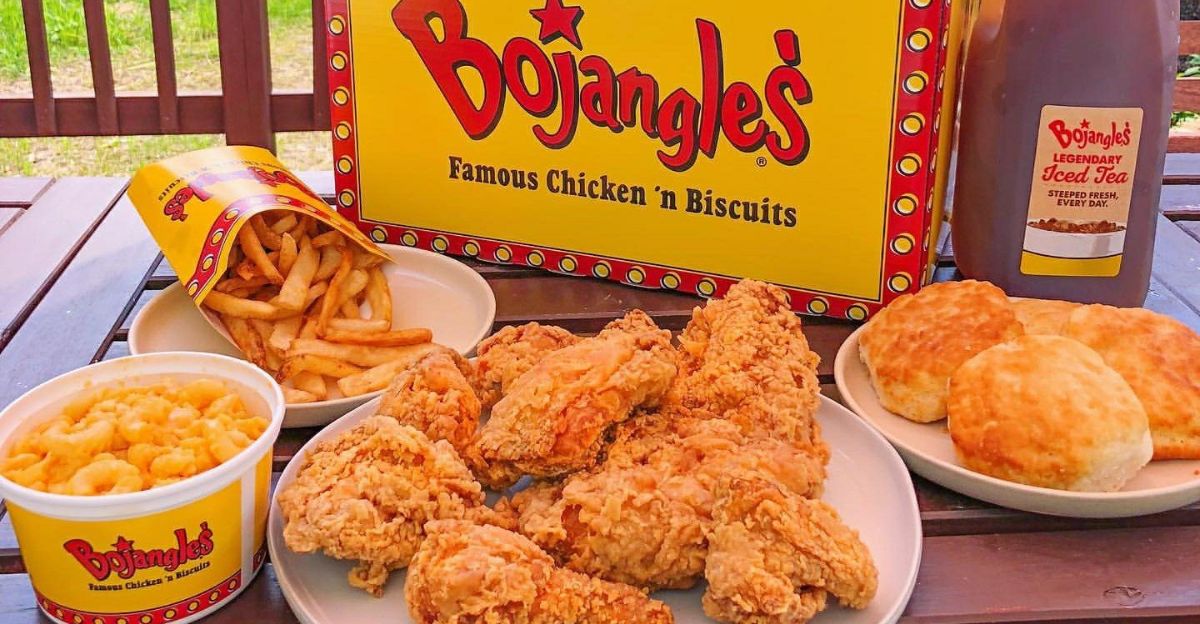
Bojangles uses its handcrafted approach to seasoning and sides, along with its deep southern roots, to appeal to both gourmet fast-food seekers and local loyalists.
The narrative of the fried chicken war, which frequently prioritizes speed and scale over tradition, is enhanced by the chain’s emphasis on authenticity and cultural connection. Bojangles’ growth outside of its hometown shows that local expertise and genuine storytelling can earn a coveted piece of the $78 billion pie.
KyoChon: The Filler of the Korean Wave
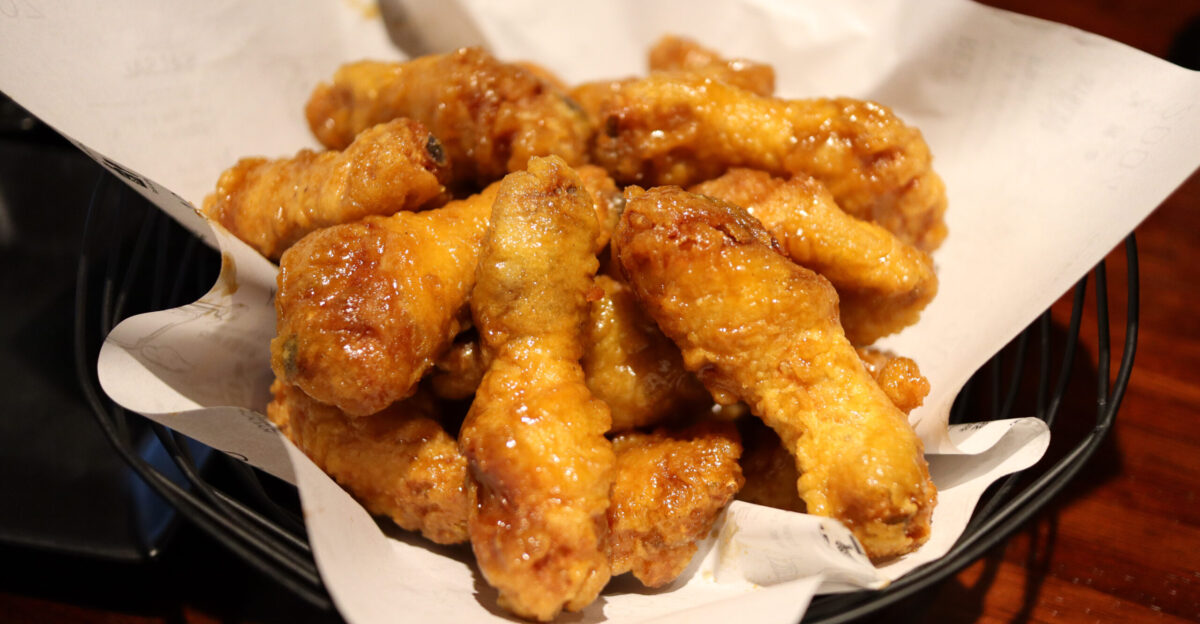
By launching unique double-fried, saucy chicken varieties that combine East Asian culinary trends with fast food convenience, KyoChon, a Korean fried chicken chain, capitalizes on the global appeal of Korean culture.
Its global expansion aims to reach trend-conscious consumers who are looking for new flavors as well as diaspora markets. KyoChon is a unique player using soft power, culinary innovation, and globalization to capture niche but rapidly expanding market segments with premium pricing. This hybridization brings a remarkable cultural fusion to the war.
Asia’s Fried Chicken Conqueror: Jollibee
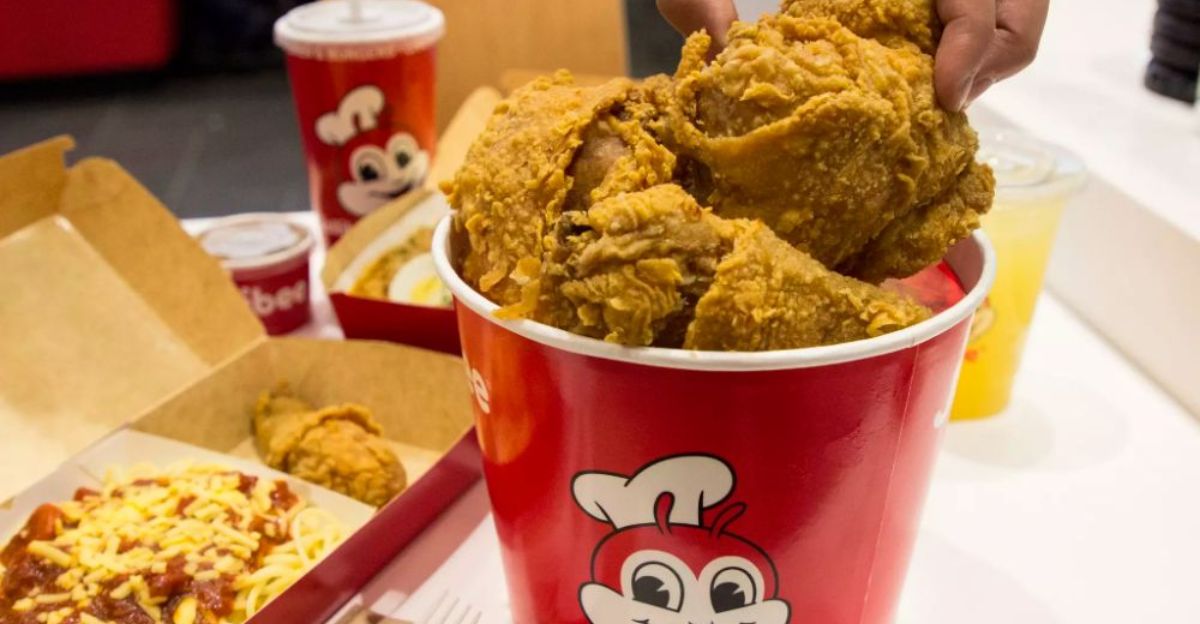
Jollibee, which has its roots in the Philippines, exploded into international fast-food markets by combining a family-friendly branding approach with a sweet-savory fried chicken appeal. It is now a major player with a sizable diasporic market following thanks to its aggressive international expansion into the United States, the Middle East, and Asia.
By demonstrating that regional chains with culturally relevant recipes can expand internationally, Jollibee’s success challenges Western dominance in the fried chicken war and changes the perception of fried chicken as solely an American specialty.
Shake Shack: A High-End Fast Casual Pioneer
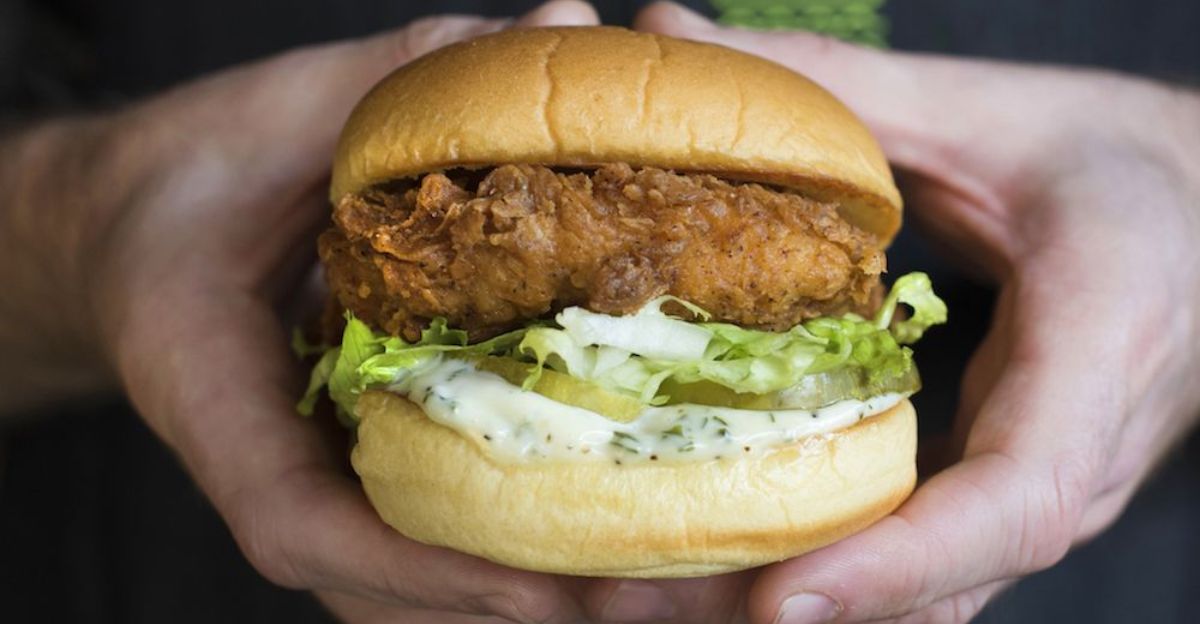
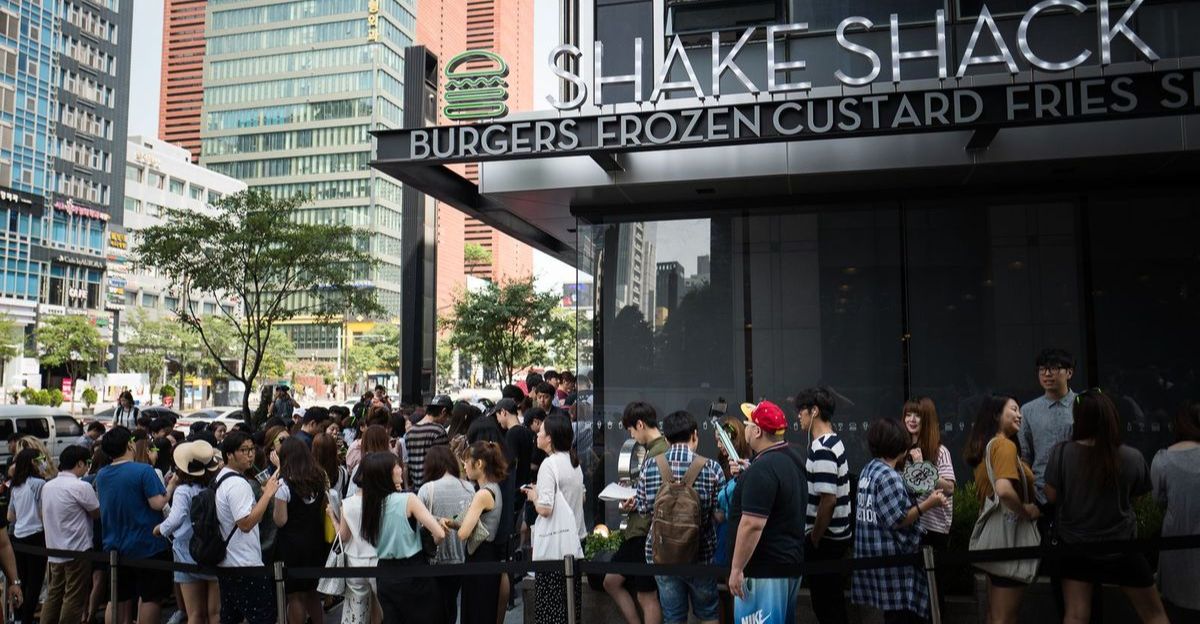
Despite not being a conventional fried chicken chain, Shake Shack is a market disruptor thanks to its fast-casual business model and use of premium ingredients in their chicken sandwich business.
Its focus on ethical sourcing, environmental awareness, and an elegant dining experience appeals to changing consumer tastes, especially among Gen Z and urban millennials. The influence of Shake Shack points to a trend that, in order to thrive over the long haul, the victorious parties in this conflict must integrate social values, culinary innovation, and immersive dining.
Innovation Beyond Recipes: Experience and Technology
The winners use operational innovation and technology to scale quickly without sacrificing quality. While Chick-fil-A’s customer service training fosters loyalty, KFC’s investment in computerized systems connecting the kitchen to the front of the house speeds up service.
Data-driven marketing and menu customization are also made possible by technology, which is essential for quickly adapting to changing customer trends and preferences. By effectively delivering superior customer experiences at scale, in addition to fried chicken, this strategic use of technology sets winners apart.
The Battlefields of Competition and Law
As seen in the UK dispute between American chains, this war also has an unexpected legal component, with chains battling for expansion rights, trademarks, and occasionally using clandestine methods.
The high stakes involved are demonstrated by these legal battles; controlling contested markets can result in billions of dollars in revenue. Legal wins support growth, act as barriers to competition, and influence industry standards, establishing law and litigation as critical strategic tools in the fast-food industry’s toolbox.
Economic Impact: Local Economies and the Creation of Jobs
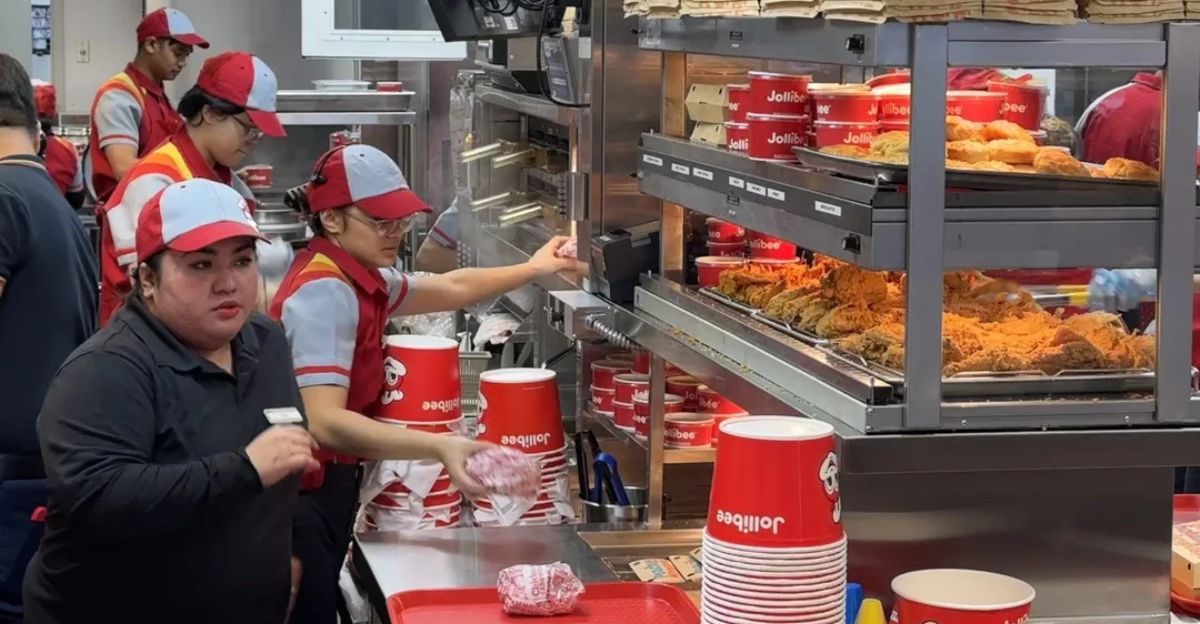
Leading fried chicken chains’ expansion has a significant positive economic impact by creating jobs and stimulating the local economy. Chains such as those participating in the Proudly South African programs exemplify how local collaborations and strategic sourcing can turn fast-food expansion into a driver of socioeconomic development.
Winning chains often link business success with the creation of wider social value by fostering supply chain innovations, job expansion, and regional economic improvement.
Health Trends and Difficulties with Menu Adaptation
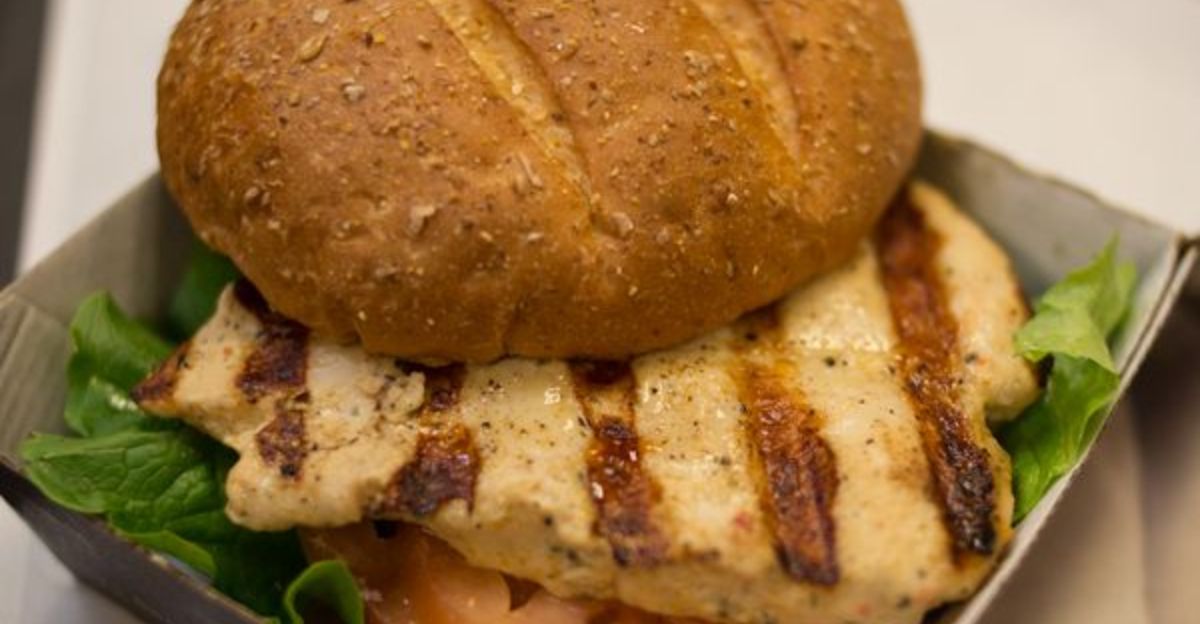
Chains’ ability to adjust to health-conscious consumers’ demands for lower-fat, grilled, and plant-based alternatives will be put to the test more and more during the fried chicken war.
Chains like KFC and Chick-fil-A are experimenting with grilled versions and different proteins, even though traditional fried chicken is still a favorite. The winners will learn how to strike a careful balance between indulgence and health trends, which could change menus and customer expectations in the decades to come.
Second-Order Impacts: Soft Power and Cultural Changes
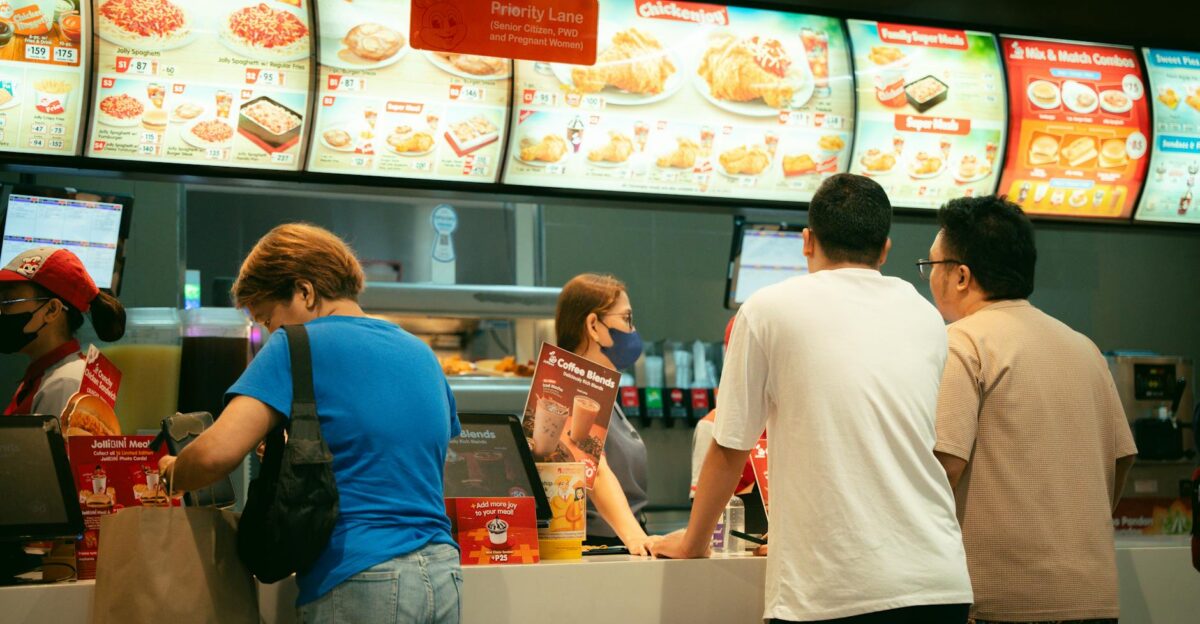
The spread of fried chicken restaurants around the world is quietly influencing culinary customs around the world by exporting cultural values and tastes. Food serves as soft power, extending national identity and artistic appeal, as seen by chains like KyoChon and Jollibee.
An unanticipated but significant effect of the fried chicken war’s growth is the ability of this cultural diffusion to affect geopolitics, consumer behavior, and international brand alliances.
Pressures from the Environment and Ethics
Leading chains must balance demands for sustainability and growth in the face of criticism over environmental impact and animal welfare. Recent supplier-focused campaigns encourage chains to raise standards, which affects operational and procurement choices. Ignoring these issues could lead to negative consumer feedback and reputational harm.
Those who successfully incorporate environmental stewardship and ethical sourcing into their value proposition will emerge victorious.
The $78 Billion Conflict Will Disintegrate.
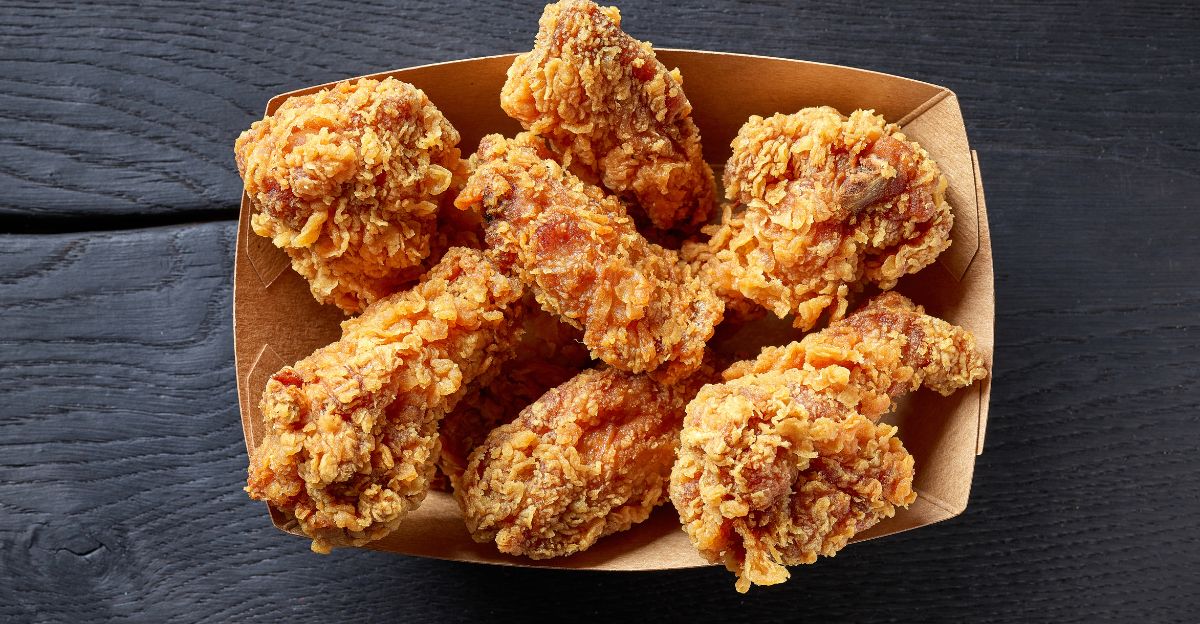
The fried chicken market may split into regional champions and niche players, which would be contrary to the predictions of a few dominant leaders. Emerging chains that address ethical issues, cultural authenticity, or special diets may produce a mosaic of leaders rather than a monolith.
This diversification calls into question established models of dominance and raises the possibility that adaptability and specialization, rather than just scale, may define winners.
Historical Insights from Warfare and Fast Food
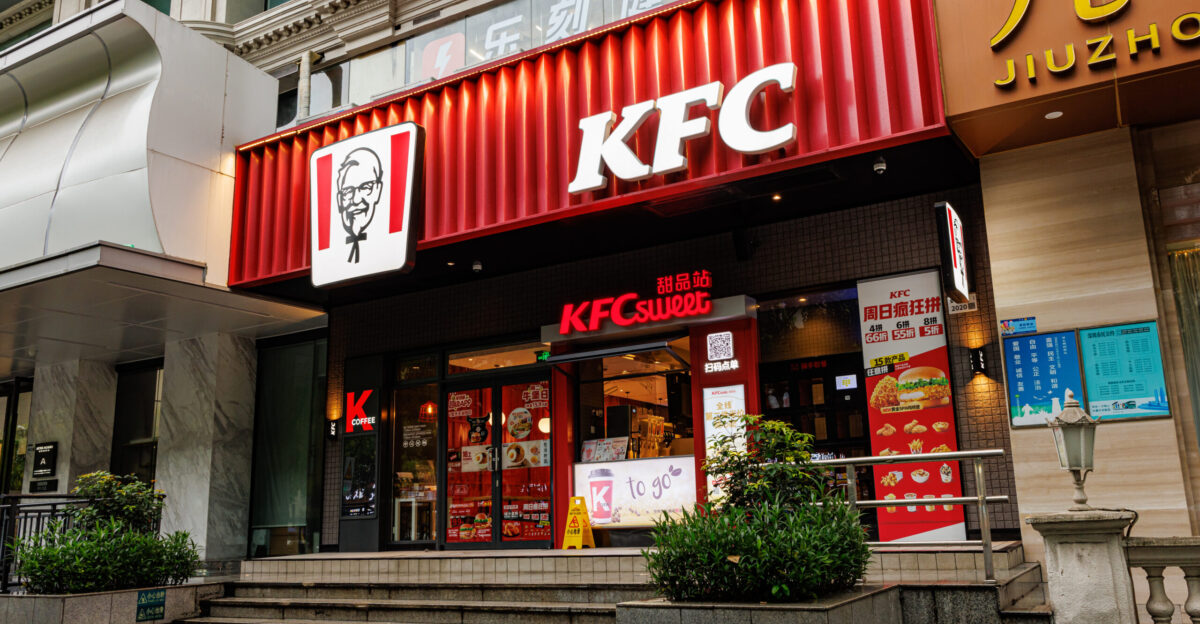
Fast-food expansion’s historical lessons highlight the value of speed, surprise, and alliances in business warfare and military strategy. While legal disputes resemble territorial skirmishes, KFC’s quick franchising is reminiscent of Blitzkrieg tactics.
Gaining insight from these metaphors improves strategic thinking regarding market entry, competitive reactions, and adaptation. It also strengthens the idea that the fried chicken war represents intricate, multidimensional conflicts that go beyond issues of food.
Conclusion
The $78 billion fried chicken war is a multifaceted competition between ethical adaptation, cultural relevance, brand strength, and strategic innovation. The nine chains that control this market are changing the rules for competitive fast food, from established giants like KFC to cutting-edge upstarts like Dave’s Hot Chicken.
Their successes demonstrate a deep comprehension of market dynamics, consumer psychology, and operational execution. This conflict is a prime example of how conventional goods can be turned into weapons using contemporary tactics to alter the culinary and economic landscapes of the world significantly.