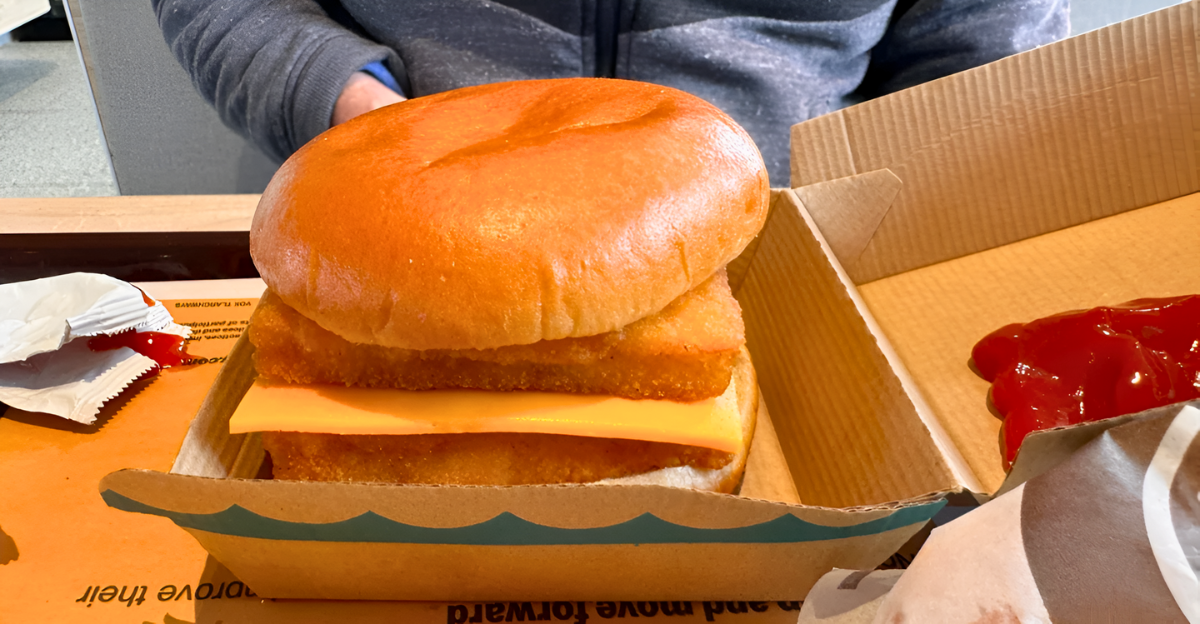
According to McDonald’s corporate history, the McDonald’s Filet-O-Fish has quietly survived for over six decades on menus worldwide, outlasting countless other menu items that came and went. Created in 1962 by Cincinnati franchisee Lou Groen, this fish sandwich predates many of McDonald’s most famous offerings and continues to generate substantial sales despite minimal promotional support.
The Religious Origins That Launched a Fast Food Icon

What began as one man’s desperate attempt to save his failing restaurant evolved into one of McDonald’s most enduring success stories. The sandwich’s survival defies conventional fast-food wisdom and reveals fascinating quirks that explain why this unlikely menu item has thrived for more than 60 years, USA Today documented.
1. It Predates the Big Mac by Five Years
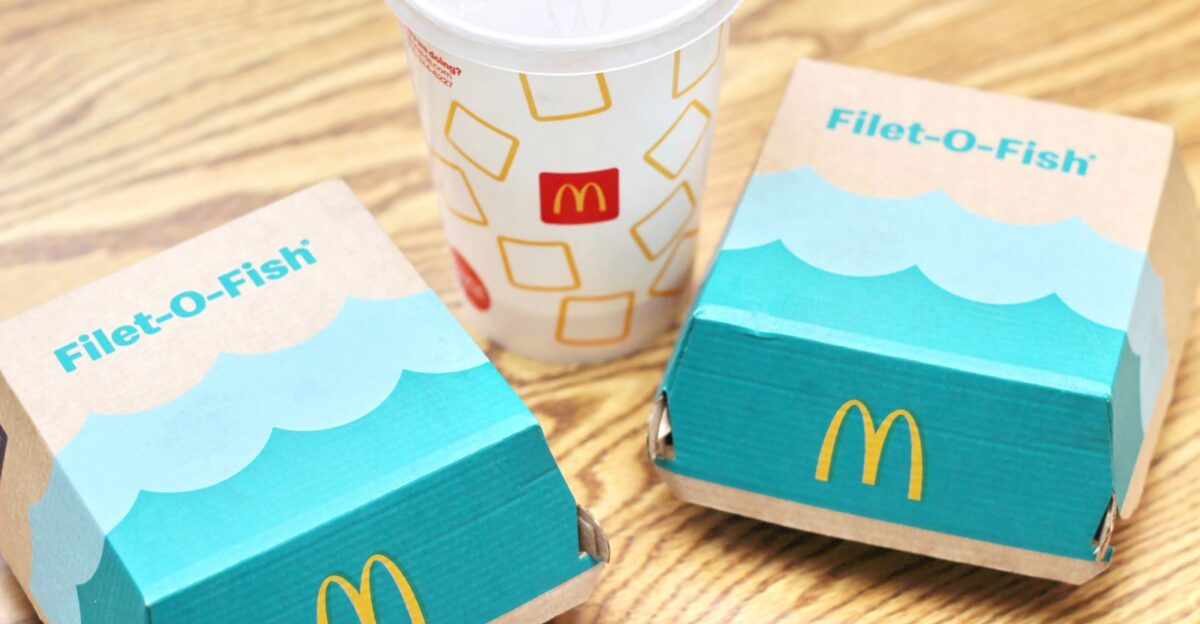
The Filet-O-Fish launched in 1962, five years older than McDonald’s signature Big Mac, which debuted in 1967. According to McDonald’s corporate timeline, the fish sandwich is one of McDonald’s oldest surviving menu innovations, having outlasted numerous other items that have come and gone over the decades.
2. It Defeated Ray Kroc’s Pineapple Burger in Epic Showdown

McDonald’s founder Ray Kroc initially opposed the fish sandwich and championed his creation called the “Hula Burger,” featuring grilled pineapple and cheese. On Good Friday 1962, the ultimate taste test occurred: Groen’s fish sandwich sold 350 units while Kroc’s Hula Burger managed only six sales, according to the Smithsonian Magazine’s documentation of company records.
3. It Was Born from Religious Necessity

Cincinnati franchisee Lou Groen created the sandwich because his restaurant was in an 87% Catholic neighborhood. He faced potential bankruptcy as customers disappeared every Friday during Lent, when Catholics abstained from meat. USA Today confirmed through historical records that the fish sandwich literally saved his business.
4. It Uses a Precisely Engineered Half-Slice of Cheese

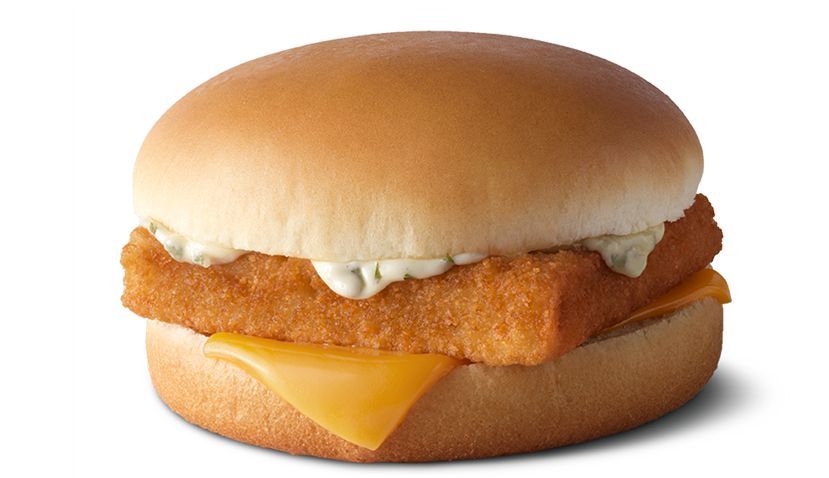
The sandwich’s distinctive half-slice of cheese represents deliberate food engineering rather than cost-cutting. McDonald’s has stated this specific amount provides optimal flavor balance with the tartar sauce and fish coating, creating the intended taste profile that whole cheese slices would overpower.
5. It’s McDonald’s Only Steamed Bun Sandwich
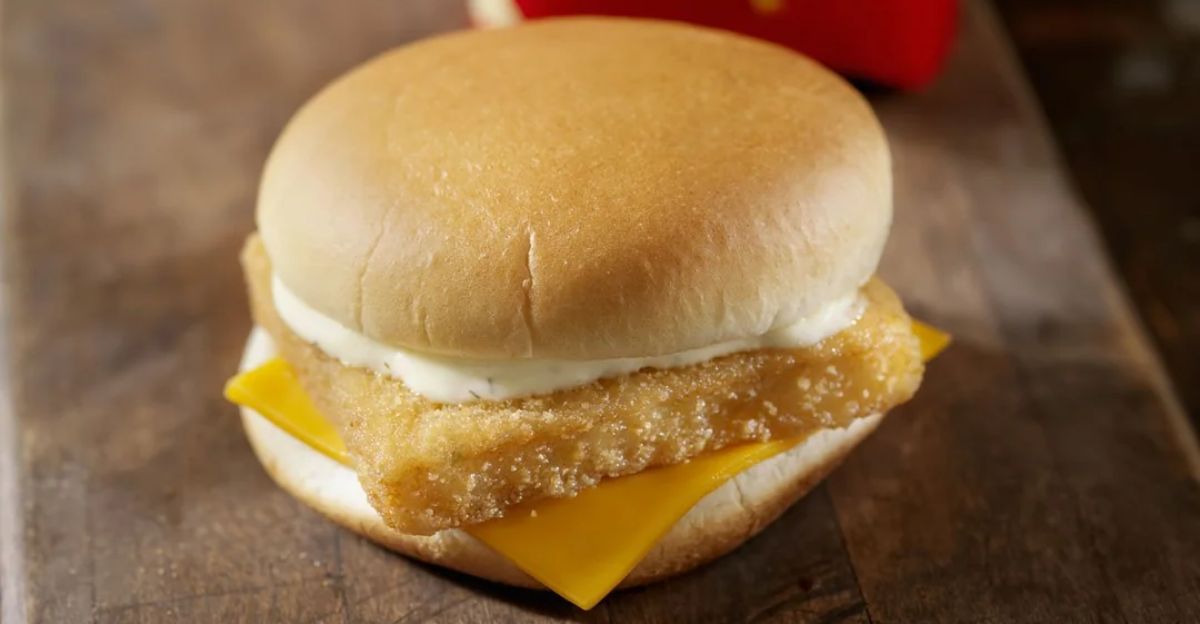
According to Tasting Table’s kitchen investigation, unlike every other McDonald’s sandwich that uses toasted buns, the Filet-O-Fish requires steaming for exactly 11 seconds. This creates a softer texture that complements the fish patty’s tenderness, making it unique among McDonald’s sandwich preparations.
6. It Had a Short-Lived Fish Mascot
McDonald’s briefly introduced “Phil A. O’Fish” as a mascot in 1976, featuring a cartoon sailor fish promoting the sandwich. Smithsonian Magazine documented that the character appeared in advertisements but disappeared within about a year, making it one of McDonald’s more obscure promotional efforts.
7. Ray Kroc Initially Called It “Crap”
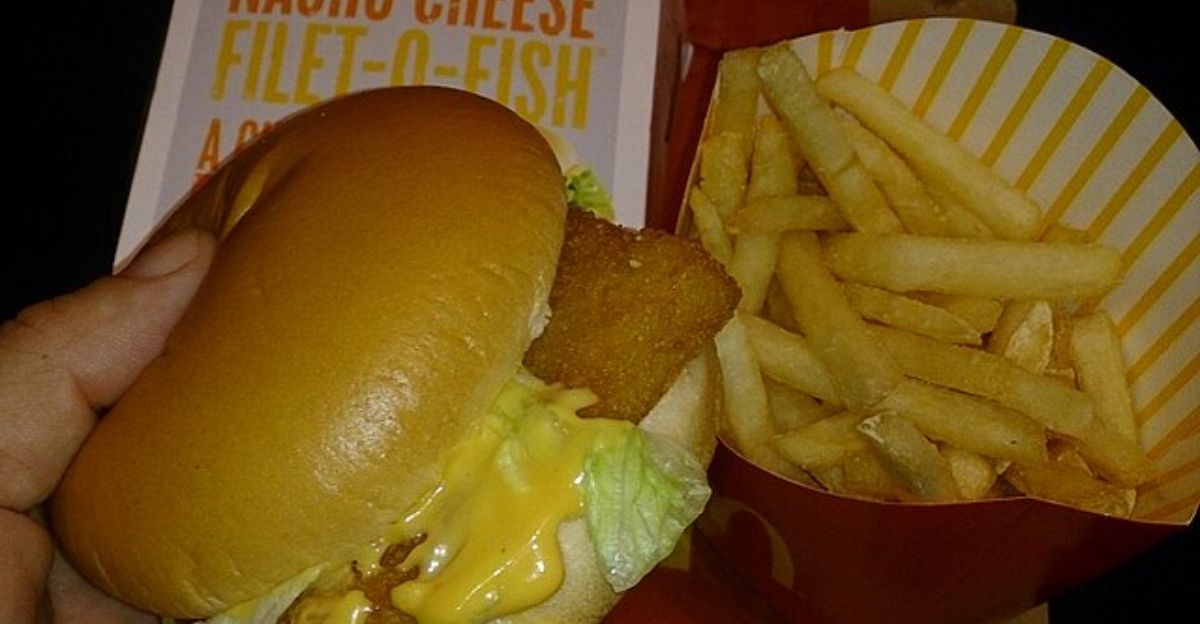
McDonald’s founder famously told Lou Groen, “You’re always coming up here with a bunch of crap! I don’t want my stores stunk up with the smell of fish.” Kroc feared fish odors would damage McDonald’s brand image, but eventually agreed to test the concept, Business Insider reported from company archives.
8. It Experiences Massive Lent Sales Surges
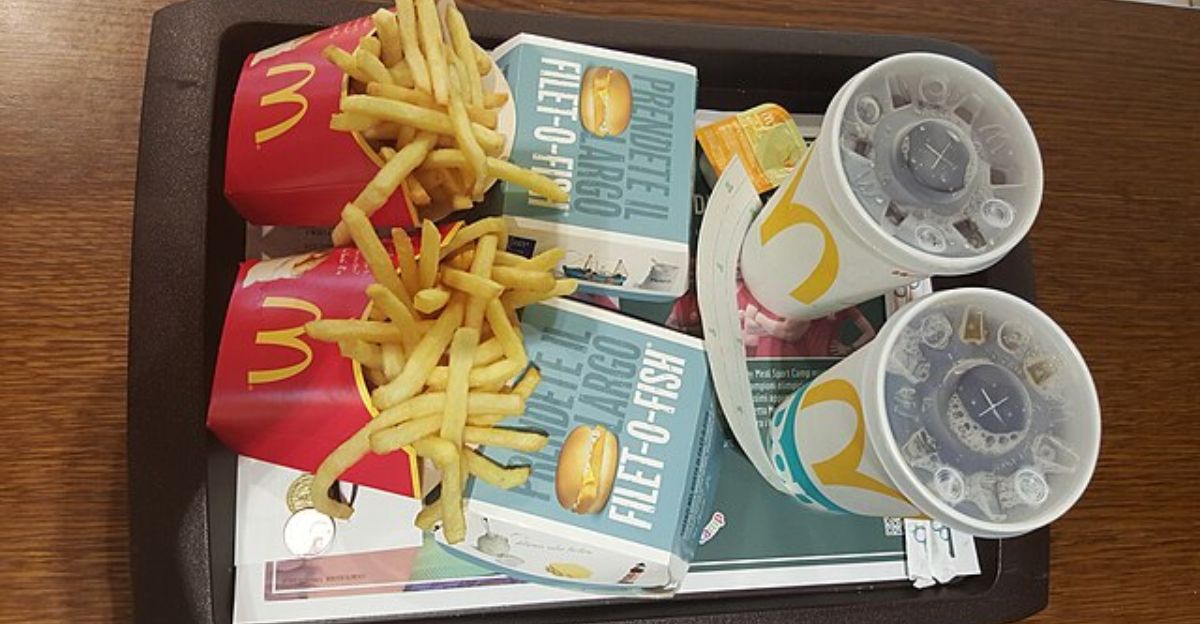
McDonald’s reports significant sales increases during the 40-day Lent period, with approximately 25% of annual Filet-O-Fish sales occurring during this religious observance. Corporate data shows that this seasonal pattern has remained consistent for decades, demonstrating the sandwich’s continued connection to its Catholic origins.
9. It Uses Certified Sustainable Fish

McDonald’s became the first major restaurant chain to serve Marine Stewardship Council-certified sustainable Alaska Pollock at all U.S. locations. This commitment to sustainable sourcing came despite higher costs and supply chain complexity, the Marine Stewardship Council confirmed, demonstrating environmental responsibility at a massive scale.
10. It Requires Specialized Kitchen Equipment

The sandwich demands separate preparation protocols from other McDonald’s items, including dedicated fryers to prevent cross-contamination and specialized steaming equipment for buns. According to McDonald’s operational guidelines, this operational complexity adds costs but maintains the sandwich’s unique preparation standards.
11. It Appeals to Diverse Religious Groups
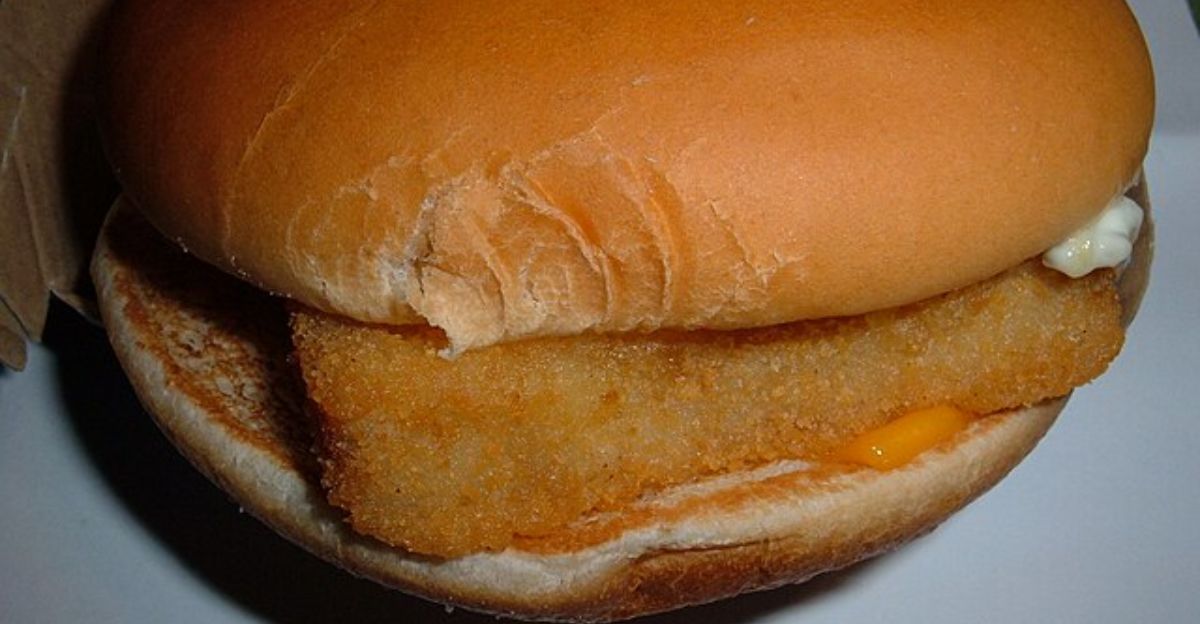
Beyond its Catholic origins, the Filet-O-Fish attracts Jewish customers seeking kosher-style options and Muslim customers during periods when they prefer fish over other proteins. This broad religious appeal helps explain its continued menu presence across diverse markets, Business Insider analyzed.
12. Lou Groen Expanded from One to 43 Restaurants
The sandwich’s success enabled creator Lou Groen to expand from his single struggling Cincinnati location to 43 McDonald’s restaurants across Greater Cincinnati and Northern Kentucky. USA Today documented that this growth was directly traced back to the fish sandwich innovation that saved his original franchise.
13. It Survived McDonald’s Menu Streamlining Efforts
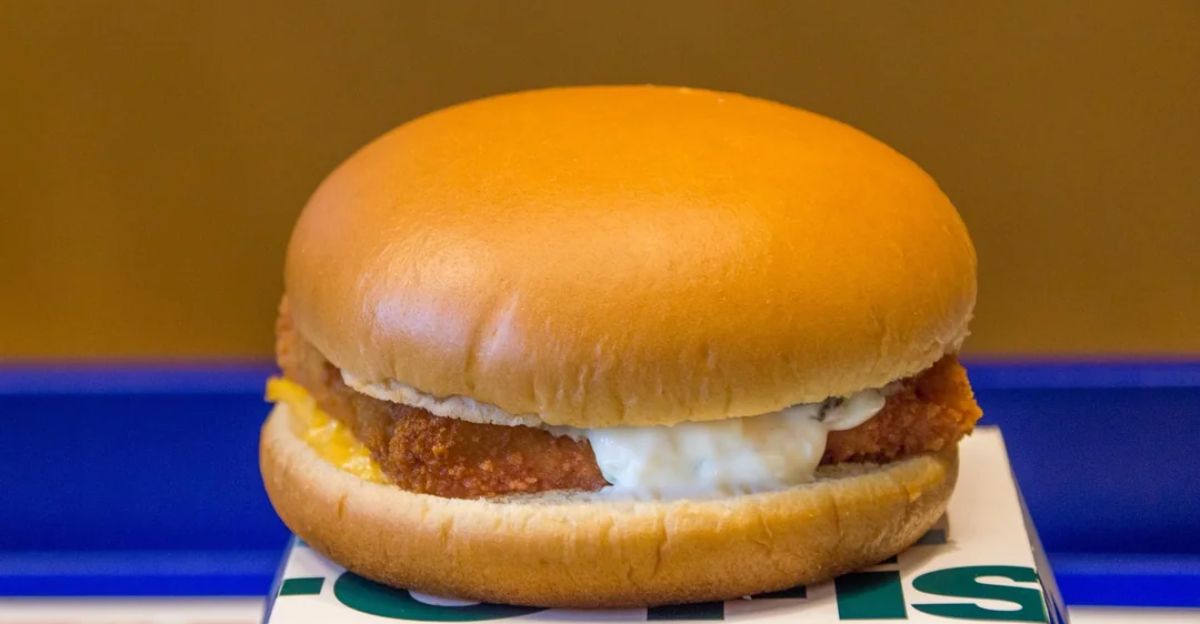
Despite periodic efforts to simplify McDonald’s menu, the Filet-O-Fish has consistently survived corporate streamlining initiatives. Its specialized preparation requirements would typically make it a candidate for elimination, yet it remains due to steady customer demand and seasonal sales performance.
14. It Became McDonald’s First Non-Hamburger Addition
The Filet-O-Fish marked McDonald’s first expansion beyond hamburgers, setting a precedent for menu diversification. According to McDonald’s historical timeline, this pioneering step opened the door for chicken sandwiches, salads, and other non-beef items that followed in subsequent decades.
15. It Maintains a Consistent Global Presence
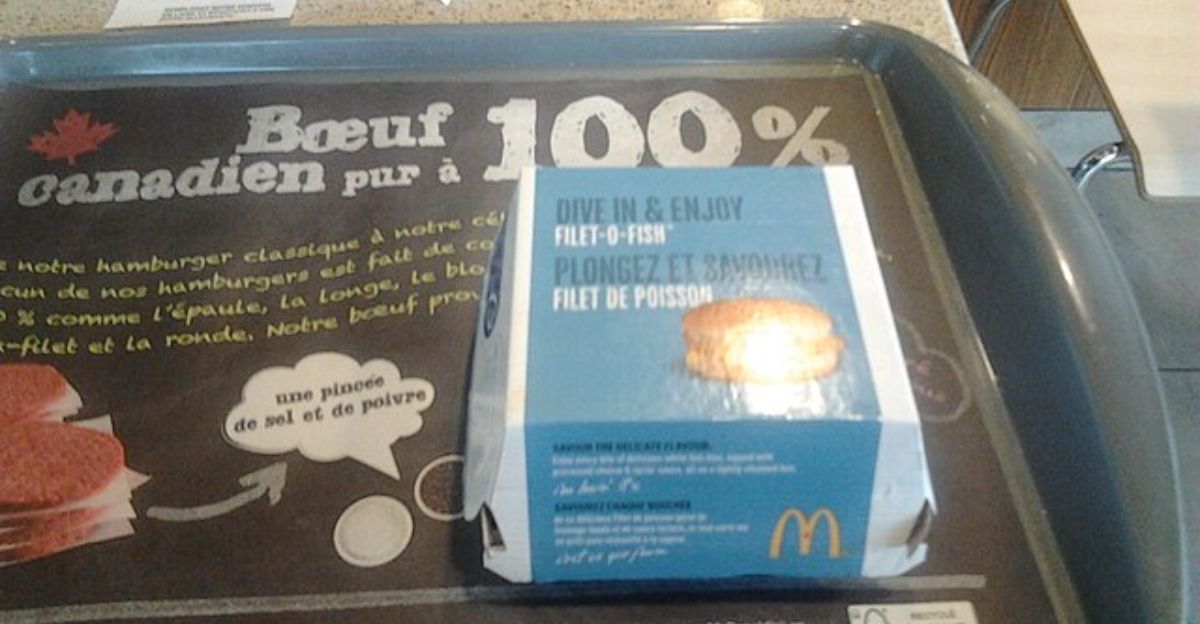
While McDonald’s menus vary significantly by country, the Filet-O-Fish appears worldwide with minimal variation. Corporate documentation shows that this global consistency demonstrates the sandwich’s universal appeal and operational feasibility across diverse markets and cultures.
16. It Represents Early Corporate Religious Accommodation
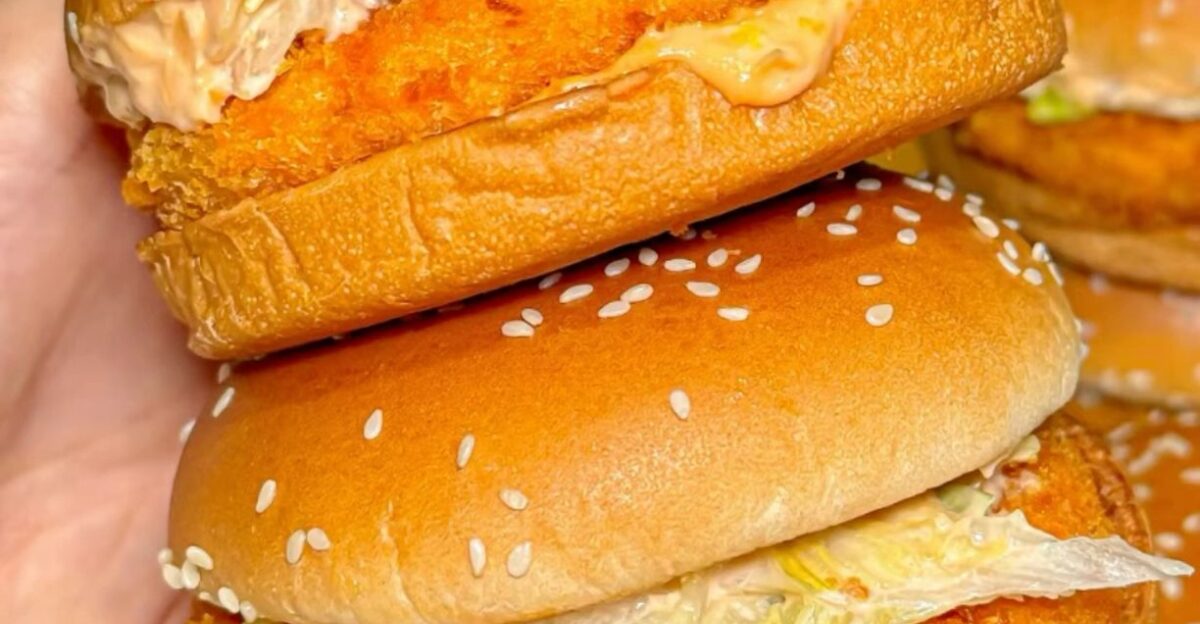
The sandwich pioneered corporate religious accommodation in fast food, demonstrating how demographic research and cultural sensitivity could drive successful product innovation. This approach set precedents for modern inclusive menu development that other chains have since adopted, Food Republic analyzed.
The Unlikely Success That Changed Fast Food
What started as one franchisee’s desperate solution to declining sales became a template for religious and cultural accommodation in corporate America. The Filet-O-Fish proved that niche markets could generate substantial profits when properly understood and served, influencing how major chains approach diverse customer needs.
A 63-Year Journey from Survival to Institution
The Filet-O-Fish’s six-decade survival story demonstrates that sometimes the most unlikely innovations create lasting change. From saving a single struggling franchise to becoming a global menu staple, this fish sandwich quietly revolutionized fast food’s approach to religious accommodation, seasonal marketing, and sustainable sourcing while maintaining its simple appeal to millions of customers worldwide.