
California earned its reputation as the global innovation hub, home to startups and billion-dollar companies. But beneath this shiny image, top firms are quietly leaving, chasing friendlier business climates elsewhere.
Business Insider research shows only 3% of California firms have moved out of state, yet these departures include some of the nation’s largest companies. Billions in economic value have left, challenging California’s dominance and signaling a serious shift in the state’s business environment.
Pandemic Sparks Corporate Shuffle

The COVID-19 pandemic changed corporate priorities almost overnight. Remote work made Silicon Valley’s high costs less essential, prompting companies to rethink headquarters locations.
Hoover Institution research shows relocations doubled in 2021, with 74 companies leaving California in the first half alone. This was up from 62 in 2020 and 58 in 2018, demonstrating a clear acceleration. The pandemic highlighted the need for flexibility and cost efficiency, pushing companies to explore states with lower expenses and more favorable business climates.
Losing Ground in the Fourth-Largest Economy

California’s $4.1 trillion economy, the world’s fourth largest, still rivals Japan’s, but departures are eroding its strength.
When headquarters relocate, they move more than buildings. Innovation centers, high-paying jobs, and industry networks leave too. This talent and economic transfer could weaken California’s competitive edge globally, affecting not just business growth but entire sectors that rely on the state’s unique concentration of skilled professionals.
The Cost of Corporate Flight

Between 2020 and 2022, California lost $102 billion in income as residents moved to other states, according to the California Legislative Analyst’s Office.
The Center for Jobs estimates $1.7 billion in lost state tax revenue. Hoover Institution data shows 352 companies relocated between 2018-2021. Corporate flight accelerated during the pandemic, demonstrating that even California’s most established firms are considering alternatives when costs, regulations, and quality-of-life issues outweigh staying in the Golden State.
Why Companies Are Leaving

High taxes, expensive housing, complex regulations, and political tensions are pushing companies out. California’s 13.3% top income tax rate ranks highest in the nation.
Other factors include soaring energy costs, lengthy permitting processes, and restrictive labor laws. Businesses report that these burdens make expansion and long-term planning difficult. As financial pressures mount, firms weigh operational costs against growth opportunities elsewhere, often finding more favorable conditions in states with lower taxes and fewer regulatory hurdles.
The Pull of Friendlier States

States like Texas, Florida, and Tennessee actively court businesses with lower taxes, reduced regulations, and affordable living costs.
Hoover Institution research shows Texas attracted 114 California companies since 2018. These states offer streamlined compliance, cheaper office space, and better scalability. The contrast between California’s rising costs and competitors’ incentives is clear, creating a strong motivation for companies to relocate and seek growth in more business-friendly environments.
The 11 Giants Leaving California

Corporate relocations are more than logistics, they reshape entire industries. The 11 companies highlighted here are not just leaving; they are signaling a shift in corporate priorities.
Each move impacts supply chains, workforce networks, and California’s tax base. These departures are a window into the broader trend: even iconic California firms weigh cost, regulation, and flexibility over tradition.
#1 – McKesson Corp

In 2019, McKesson moved to Las Colinas, Texas, becoming the highest-ranking Fortune 500 company to leave California, according to Business Insider.
Managing over $208 billion in revenue, McKesson sought “efficiency, collaboration, and cost-competitiveness,” says then-CEO John Hammergren. The move shows that even healthcare infrastructure companies are not immune to California’s rising costs.
McKesson’s departure set a precedent, signaling that long-standing corporate roots are no longer guaranteed in the state’s business climate.
#2 – Chevron

Chevron announced its Houston relocation in 2024, ending 145 years in California. CEO Mike Wirth said the move allows “better collaboration and engagement” with employees and partners.
California’s policies made the state “unappealing” for energy companies, though Wirth denied political motivation. Chevron’s departure demonstrates how even deeply entrenched firms consider financial and operational efficiency over heritage. The shift marks a significant symbolic loss for California’s industrial legacy.
#3 – Tesla

Tesla moved to Austin in 2021 after disputes with Alameda County over COVID-19 factory closures. Elon Musk also cited high costs and limited space in the Bay Area.
The move highlighted that even companies at the forefront of clean energy innovation may find better conditions outside California. Tesla’s relocation signals that infrastructure, costs, and regulatory flexibility can outweigh prestige and proximity to Silicon Valley networks.
#4– Oracle

Oracle left California for Austin in 2020, later announcing a move to Nashville in 2024. Larry Ellison cited Nashville as key for Oracle’s healthcare focus following its $28 billion Cerner acquisition.
This transition shows Oracle’s strategic realignment toward growing industries and favorable business climates. The move also underscores a larger trend: major firms consider operational efficiency, industry positioning, and employee quality of life over California’s traditional corporate prestige.
#5– Charles Schwab

Charles Schwab relocated to Westlake, Texas, in 2019. Rising costs and regulatory pressures in San Francisco made remaining in California unsustainable.
By moving closer to its growing client base, Schwab reduced operational expenses and improved employee quality of life. The relocation reflects how financial services firms evaluate California’s business climate and balance it against expansion opportunities in friendlier states.
#6 – CBRE

CBRE left Los Angeles for Dallas in 2020. Despite California’s high property values, the firm found operational efficiency and growth potential better elsewhere.
As the world’s largest commercial real estate services company, CBRE’s departure symbolized a shift in corporate thinking. It underscored that even firms benefiting from California’s booming real estate markets are willing to relocate for a more favorable business climate.
#7 – Hewlett Packard Enterprise

HPE moved to Houston in 2020. Founded in a Palo Alto garage in 1939, the company had deep Silicon Valley roots.
The relocation signals that even foundational tech firms prioritize business climate over heritage. HPE’s move reflects a broader shift among tech companies, weighing operational costs, expansion opportunities, and regulatory flexibility more heavily than historical loyalty to California.
#8 – Palantir

Palantir relocated to Denver in 2020. CEO Alex Karp publicly called California “unfriendly to business.”
The company determined Colorado offered better regulatory conditions. Palantir’s move demonstrates how data-driven firms analyze state environments for operational advantages. The relocation reflects the growing importance of business climate and cost efficiency over tradition for firms deeply embedded in California’s tech ecosystem.
#9 – SpaceX
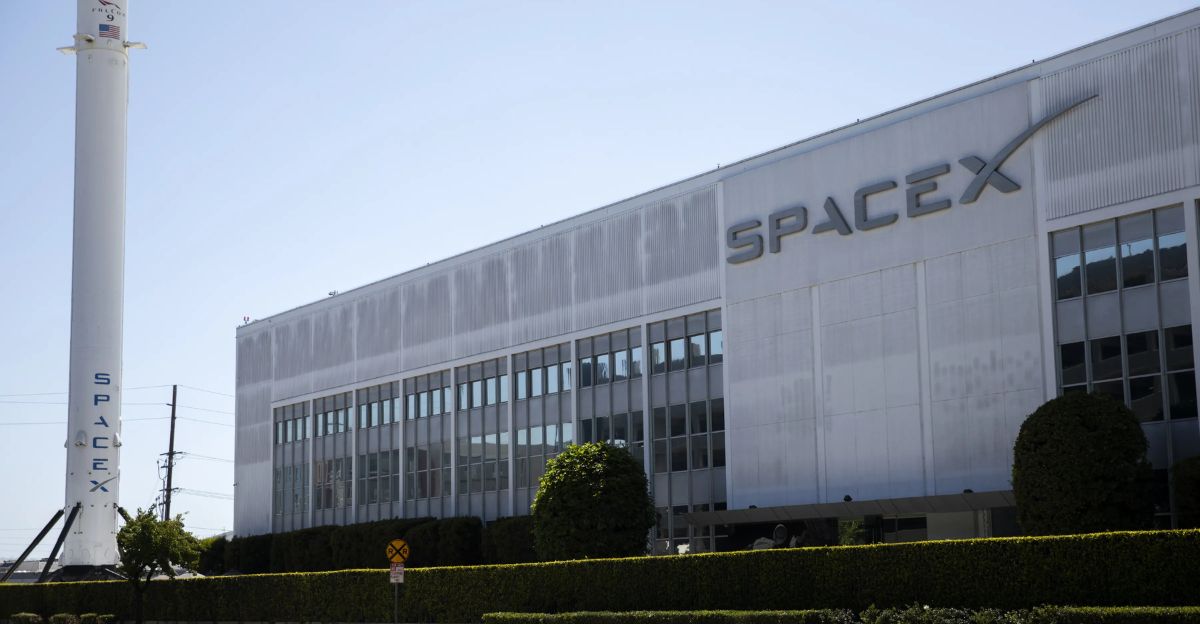
SpaceX moved to Texas in 2024. Elon Musk cited California’s law on student gender identity disclosure as “the final straw” and relocated near its main launch site.
The move illustrates that regulatory policies can outweigh location prestige. SpaceX’s Texas headquarters allows closer operational alignment with its launch facilities while avoiding California’s perceived bureaucratic hurdles, signaling the state’s vulnerability to losing strategic innovators.
#10 – AECOM

AECOM left Los Angeles for Dallas in 2021. The firm helped build much of California’s infrastructure but found corporate growth better supported in Texas.
The move highlights how even companies benefiting from California’s development projects evaluate overall business climate. Texas offered lower costs, fewer regulatory barriers, and scalability, emphasizing that operational efficiency can outweigh proximity to clients or historic ties.
#11 – FICO

FICO moved to Bozeman, Montana, in 2021. SEC filings confirm its headquarters, and Montana Governor Gianforte mentioned the move publicly in 2023.
The relocation demonstrates that even critical financial services companies can seek smaller, more cost-effective states for headquarters. FICO’s subtle exit highlights that corporate migrations are not only about high-profile firms but also essential infrastructure companies seeking operational advantages.
The Ripple Effect of Departures

These 11 relocations are part of a larger trend. California lost $102 billion in income between 2020-2022, with $1.7 billion in lost tax revenue from high-earner departures.
Each headquarters departure moves vendor relationships, supply chains, and innovation networks. The cumulative effect creates cascading economic consequences, signaling that California’s business environment may need structural changes to retain future corporate leaders and protect its economic vitality.
California at a Crossroads

California still has a $4.1 trillion economy, but departures of major companies pose long-term challenges. Only 3% of firms have moved, yet they include some of the largest drivers of innovation and employment.
State leaders must balance regulation, taxation, and business retention to maintain competitiveness. The exodus is a warning that California’s economic leadership is not guaranteed, and decisions made today will shape whether the Golden State remains the global innovation capital of tomorrow.