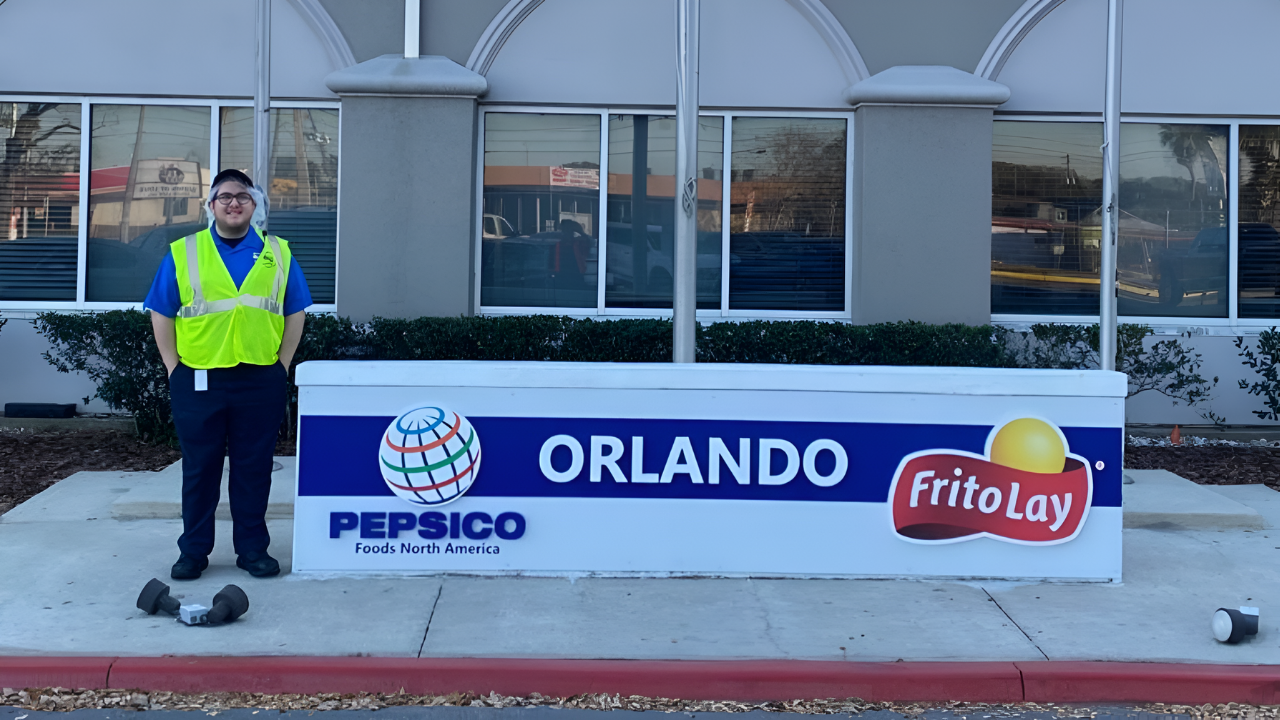
PepsiCo announced that it would close its Orlando plant in two phases, with manufacturing operations set to end on November 4, 2025, and the warehouse to be shut down by May 2026. The company decided to shut the facility after operating it for six decades since 1965. Executives chose to consolidate their beverage production into larger, more modern facilities across the nation.
This closure reflects a major industry trend: large beverage companies, such as PepsiCo and Coca-Cola, are closing their older regional plants and consolidating production at fewer, larger hubs. These newer facilities cost less to operate per unit and move products more efficiently through modern supply chains.
Rising production costs, aging equipment, and the pressure to streamline operations drove this decision. For Central Florida, this shift marks a turning point—the factory, once the anchor of the region’s industrial base, now prioritizes efficiency over maintaining a local presence. The plant’s 60-year history represented more than just business; it symbolized corporate commitment to the community.
Thousands of families built their careers and lives around steady employment at the facility. The plant supported a whole network of local suppliers, transportation companies, warehouses, and retail operations. Many workers spent decades there. Now, PepsiCo’s departure creates a void that extends far beyond the factory walls themselves.
The Real Cost: Jobs and Economic Damage
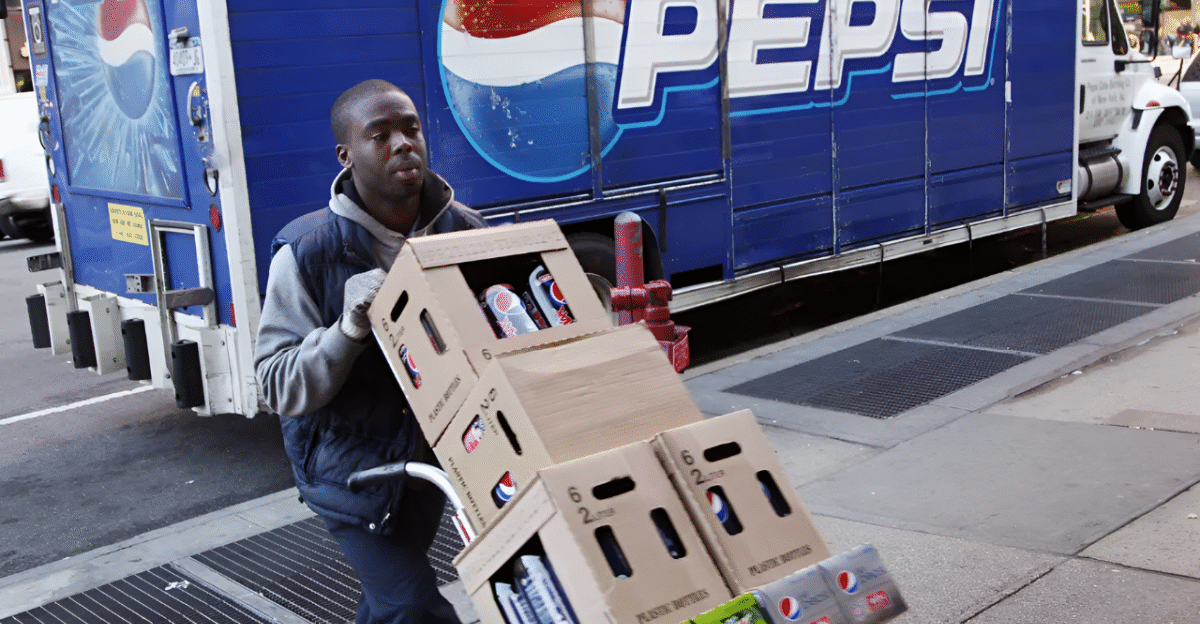
The closure will result in the elimination of approximately 500 direct jobs across two phases. Company officials offer severance packages and transition assistance to affected workers, though this support cannot erase the financial hardship and emotional strain families will face.
The economic damage spreads far beyond those 500 employees. Economists estimate that 1,500 to 2,000 indirect jobs face serious risk across the supply chain—positions in packaging, transportation, warehousing, and retail that depend on the plant’s operations.
The total regional impact could exceed 2,500 jobs, while the local supply chain is expected to lose roughly $25 to $50 million in annual payroll. That money normally circulates through Orlando’s economy, supporting other businesses and workers.
The plant’s closure removes a major anchor tenant from the industrial real estate market, making it harder for the region to attract replacement tenants. The facility’s aging infrastructure and specialized equipment designed for bottling production make potential buyers hesitant.
Local officials and economic development leaders now struggle to recover from this blow. Recovery could take two years or longer, and many doubt that traditional beverage manufacturing will return to Orlando.
Workers seeking new jobs face a harsh reality: alternative employment opportunities in the region typically pay significantly less and offer fewer benefits than factory positions. Workforce retraining programs help some displaced workers, but they cannot fully address the economic disruption that has occurred.
A Bigger Question About Corporate Responsibility
PepsiCo’s exit from Orlando reveals a fundamental question about the modern economy: Can regional economic anchors truly survive when companies prioritize global efficiency over community commitment?
The plant’s 60-year run once represented an unspoken social contract between corporations and the communities supporting them. Major employers remained in place, providing stable jobs and contributing to local prosperity. Now that the contract appears broken.
Industry consolidation continues to accelerate. Analysts predict that more closures will occur over the next two to three years as companies rationalize their operations. Coca-Cola and other large beverage producers follow similar strategies, closing regional plants and concentrating production in centralized hubs.
Smaller regional bottlers struggle to compete against the massive scale and efficiency that these national operations deliver. The broader pattern ripples across America. Thousands of similar factory closures reshape labor markets and municipal finances in communities nationwide.
The obligations companies once felt toward the communities that supported their growth now face serious scrutiny. Corporations argue that efficiency, global competition, and shareholder returns demand consolidation. Workers and community leaders counter that companies owe loyalty to the people and places that built them.
For now, the answer appears to be clear: those obligations are increasingly limited. Companies choose efficiency, and communities absorb the consequences.