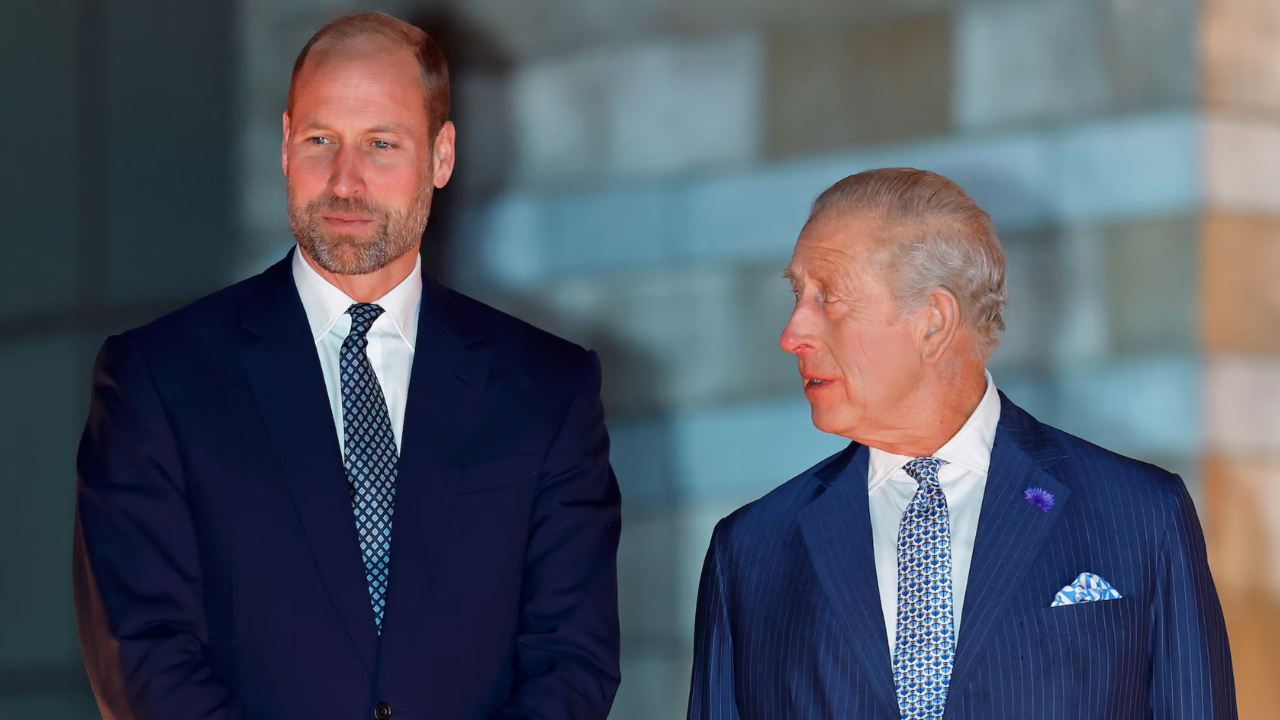
Every year on Christmas Eve at Sandringham, a lighthearted £5 gift exchange quietly doubles as a display of royal pecking order. Present-opening follows a strict internal ranking that dictates who steps forward first and who waits until the end. According to recent reports, Prince William intends to end that ritual when he becomes King, setting up a future clash between tradition, personal conviction and the legacy of Queen Elizabeth II.
Hidden Hierarchy Around a £5 Gift
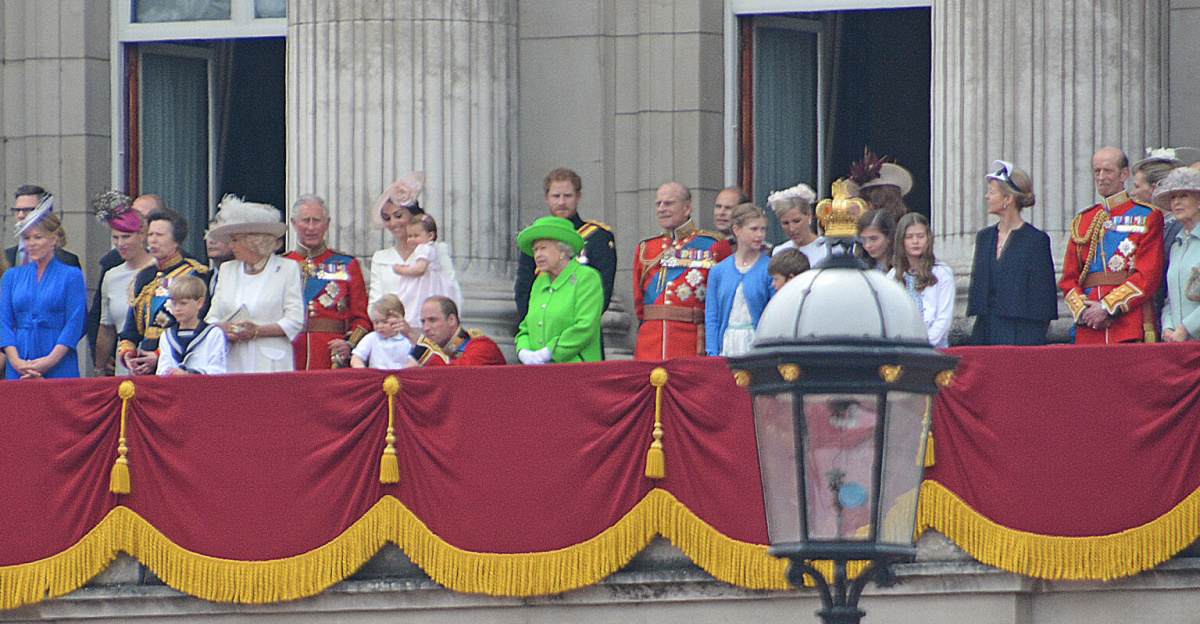
Under the current system, the order in which presents are opened depends on status rather than age, closeness or personal bonds. Holding an HRH title moves a family member toward the front of the queue, while those without such a title are placed further back, no matter how close they are to the monarch.
This has been the pattern at Sandringham for generations. What appears to be a simple exchange of inexpensive joke gifts becomes a carefully choreographed demonstration of rank. For Prince William, that visible hierarchy is at odds with the more informal family image he has repeatedly said he wants the monarchy to project.
One relative’s position has become emblematic of the issue. Zara Tindall, Princess Anne’s daughter and an Olympic silver medallist, reportedly ends up near the back each year because she does not hold an HRH title. A source quoted in early December said William is fond of his cousin and dislikes seeing her relegated to the end of the line. His concern goes beyond one person’s place in the queue, touching on whether family occasions should so obviously mirror the court’s order of precedence.
Status in Every Corridor
The same ranking that governs the gift exchange extends through the house itself. Bedrooms at Sandringham are allocated according to seniority, with the most senior royals sleeping closest to the dining room. Those further down the hierarchy are placed in more distant rooms or even in separate buildings on the estate.
As a result, Christmas at Sandringham becomes a physical map of royal precedence. The route to the dining room, the walk to the drawing room and the distance from the main house all reinforce who stands where in the institution. With around 45 relatives typically gathered there, everyone witnesses the way status is reflected not only in ceremony but in everyday arrangements.
For staff, this structure requires detailed planning and a strong grasp of protocol. Room allocations, seating plans and the sequence of events are all organized around rank. Any simplification of the system in future would likely make their work easier rather than more complicated, even if their roles remained essential to running the household.
A Tradition Bound to the Late Queen
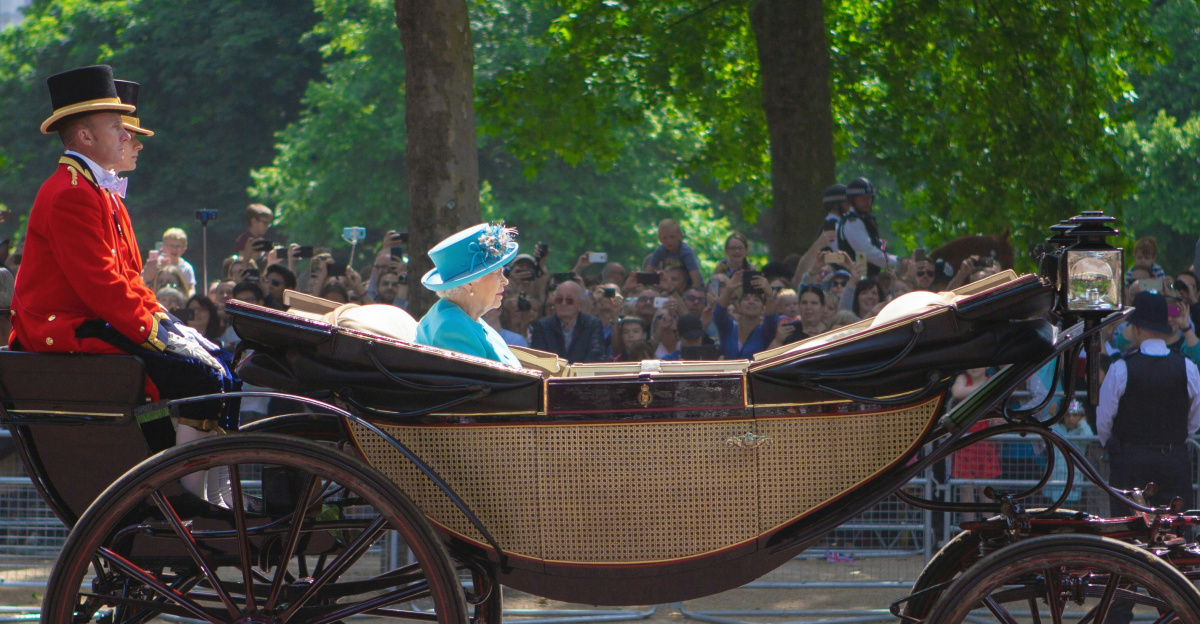
King Charles is understood to be maintaining the existing arrangements at Sandringham largely out of respect for his mother. The trestle-table gift exchange, with its ordered queue of family members, dates back through Queen Elizabeth II’s seven decades on the throne and is one of the customs that most clearly reflects her way of doing Christmas.
Sources say Charles preserves the ritual for reasons of memory and sentiment, not to make a political point. That emotional weight makes it difficult to alter while he remains King. Any change would also mark a notable break with the late Queen’s personal approach to the holiday, something Charles appears reluctant to do.
The timing of reform therefore hinges on succession. Reports agree that the hierarchy-driven exchange would be abolished only once William accedes to the throne. With no date for that transition, the proposed change exists in a kind of waiting room: decided in principle, but not yet within the reach of the person who wants to implement it.
William’s Quiet Plan for a Different Christmas
As Prince of Wales, William has no authority to rewrite Sandringham protocol. Nonetheless, his preferences are already visible in how he spends the holiday. He is said to be most relaxed at Anmer Hall, his Norfolk home, where festivities are shared with Catherine’s parents, Michael and Carole Middleton. There, gifts are exchanged more informally, and no one stands in line according to rank.
The Wales family often retreats to Anmer to spend time away from the main house, underlining the contrast between the two styles of celebration. It also hints at what William might introduce more widely when he eventually becomes King. Reports suggest his model would remove the trestle table and the ordered queue altogether, replacing it with everyone opening presents together. Formal ranking would no longer be built into the timing or sequence of the exchange.
William has spoken publicly about his broader approach. In an interview released on Apple’s streaming platform and reported by the BBC in October 2025, he said he wanted the royal household to feel “like a normal family” and described any future changes as “nothing dramatic,” focused more on atmosphere than spectacle. That careful language points to incremental adjustment rather than sweeping overhaul, but even small shifts can carry significant symbolic weight.
Inside the Family’s Public Restraint
Family members have rarely commented directly on the internal order at Sandringham. When Zara Tindall spoke about Christmas in late November, she described the basics in neutral terms, saying adults exchange presents on Christmas Eve and still have stockings on Christmas morning. Her words were straightforward and uncontroversial, reflecting a pattern in which royals describe traditions without challenging them in public.
Newcomers also feel the weight of expectations. Catherine once recalled bringing homemade chutney for the exchange because she struggled to think of a suitable light-hearted present that would still be appropriate. Her choice, often retold as a charming anecdote, highlights how even a low-cost gift can feel fraught in a setting where unspoken rules and hierarchy are ever-present.
The scale of the gathering means these dynamics play out in front of a substantial audience of relatives. Watching the order in which each person steps forward to the trestle table, it is hard to ignore who moves early and who waits. For a modern generation of royals sensitive to public perceptions of relevance and relatability, that visibility is increasingly uncomfortable.
Looking Ahead to a Post-Queue Era
The episode offers a glimpse into how the monarchy may evolve under William’s future leadership. The exchange has no effect on public money or the wider economy, and the gifts themselves are inexpensive. Yet ending the ordered queue would send a clear signal about his priorities: reducing overt displays of status in private family settings while maintaining traditions that encourage togetherness.
The gradual emergence of details about his plans years before they can take effect suggests a deliberate effort to prepare both the family and the public. If and when the change occurs, it may be seen not as a shock but as a natural step in a longer process of modernization. Until then, Sandringham’s Christmas Eve will continue to follow the script set under Queen Elizabeth II, even as the next monarch waits his turn in line.
Sources
“William to scrap royal Christmas tradition when he becomes King.” Mirror, December 7, 2025.
“Prince William signals shift in approach to royal Christmas traditions.” The News, December 7, 2025.
“Dreaming of the crown: Prince William plans changes for the monarchy.” YNet News, December 6, 2025.
“Prince William Wants to Obliterate One Christmas Tradition.” Marie Claire, December 7, 2025.
“Prince William set to scrap Christmas tradition ‘he has never been fond of.’” GB News, December 6, 2025.
“Prince William on family, changing monarchy in Eugene Levy interview.” USA Today, October 3, 2025.
“William’s interview with Eugene Levy is the most open we’ve ever seen the Prince of Wales.” BBC News, October 2, 2025.