
Since December 8, the Pacific Northwest has been struck by an atmospheric river, unleashing between 10 and 18 inches of rain across western Washington’s Cascade and Olympic mountain ranges. This relentless rainfall shattered long-standing precipitation records, saturating the ground to risky levels and prompting warnings for landslides and mudslides in burn scar areas.
As rivers swell and water continues to cascade, authorities face a severe crisis that shows little sign of easing. “Until this system moves out, we are watching closely,” said a local meteorologist, highlighting the ongoing threat to lives and property in an already impacted region.
Rising Alarm
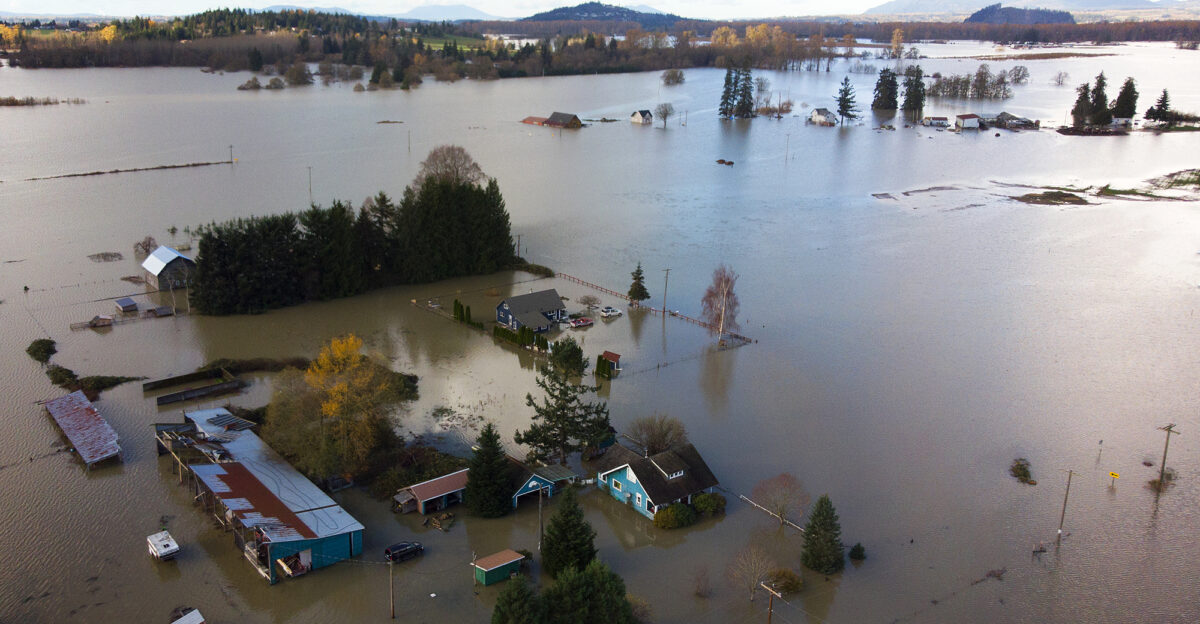
By December 11, flooding escalated alarmingly. The Snohomish River surged nearly a foot above its previous record, while the Skagit River threatened communities known for agriculture. Evacuation orders affected approximately 100,000 residents across western Washington, particularly in Skagit County, where families were abruptly forced from homes that had remained untouched for generations.
“You never think it will happen to you,” recounted a local farmer, grappling with the disruption of life. Emergency services activated their highest alert levels, focusing on search and rescue operations as the magnitude of the crisis unfolded across the state.
A History of Vulnerability
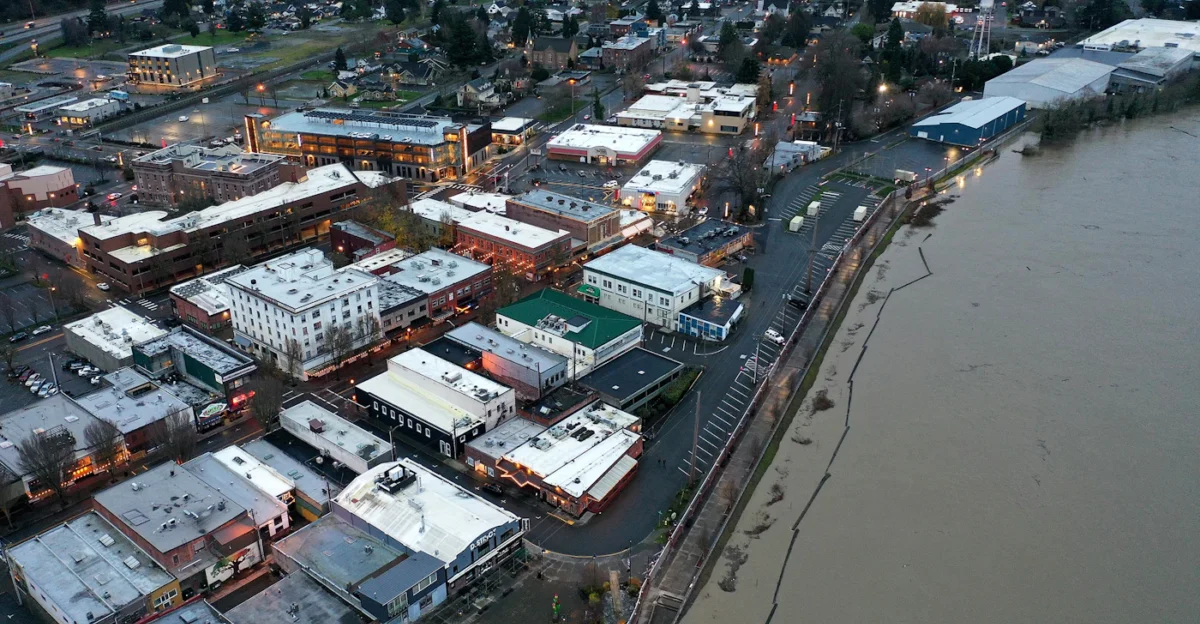
Mount Vernon, the largest city in Skagit County, has experienced severe flooding incidents in the past. Following the devastating floods of 2003, community leaders invested in a floodwall completed in 2018 to protect against such emergencies. While the 2021 flood tested the system, the current situation poses unprecedented risks, prompting concerns from officials.
“It feels like a ticking time bomb,” said a city planner. Communities must grapple with lessons from the past, underscoring how vulnerable they remain to natural disasters. With new challenges emerging, the floodwall’s durability and the city’s preparedness could soon be put to the ultimate test.
A Perfect Storm Converges

The formation of this atmospheric river was inhibited by a high-pressure system over California, which disrupted the usual weather patterns as cold fronts collided with warm, moisture-laden air, resulting in extraordinary precipitation concentrated in a narrow corridor. Experts from the Center for Western Weather and Water Extremes rated the event a Category 5 on the atmospheric river scale.
“This is unprecedented territory for us,” stated one meteorologist. Authorities mobilized Air Force Reserve flights to collect vital data from the storm’s core. The unusual convergence of weather patterns raises critical concerns about future climatic events and the capacity of local infrastructure to withstand such extremes.
The Emergency Declaration
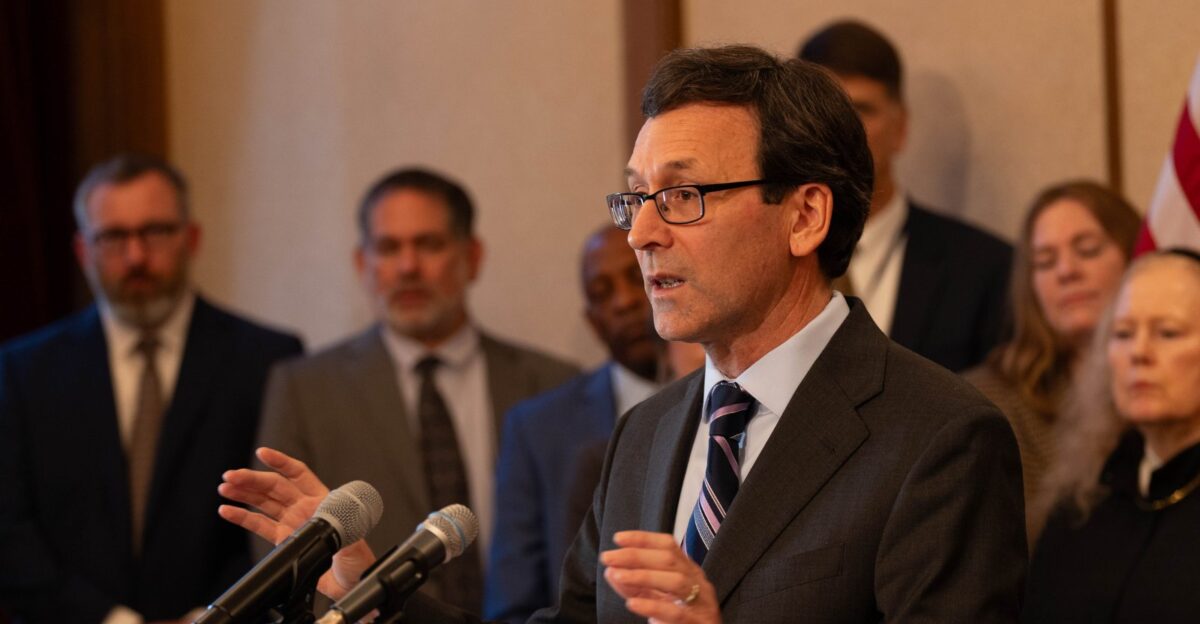
On December 10, Governor Bob Ferguson declared a statewide emergency through Proclamation 25-07, spotlighting the urgent situation across Washington. “Lives will be at stake in the coming days,” he stated, urging compliance with evacuation orders.
The proclamation cited conditions such as “extreme rainfall, high winds, and significant flooding,” leading to the immediate mobilization of the National Guard. Approximately 100 members were initially deployed, with expectations for an increase. This declaration also allows for federal assistance requests to address immediate needs, marking a critical step in the state’s response strategy during this escalating crisis.
The Concrete Moment
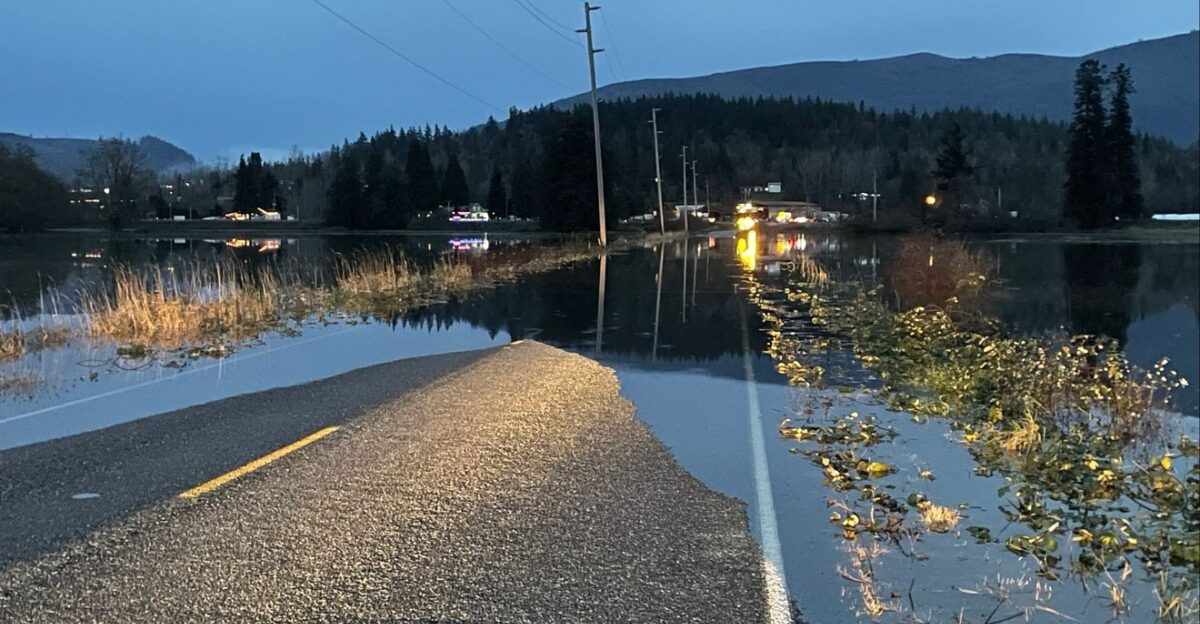
In the town of Concrete, located directly along the Skagit River, residents faced imminent danger. The river was forecast to crest at 47 feet, surpassing a record from 1949. “It’s like watching a horror movie,” said Mariah Brosa, a riverfront homeowner, as she recounted the rising waters.
For many who experienced the 2021 floods, this was a grim reminder that conditions had worsened. As concerns mount regarding structural defenses, the crisis looms with a palpable sense of fear and uncertainty, pushing residents to prepare for the worst while hoping for the best.
Mount Vernon’s Levee Gamble
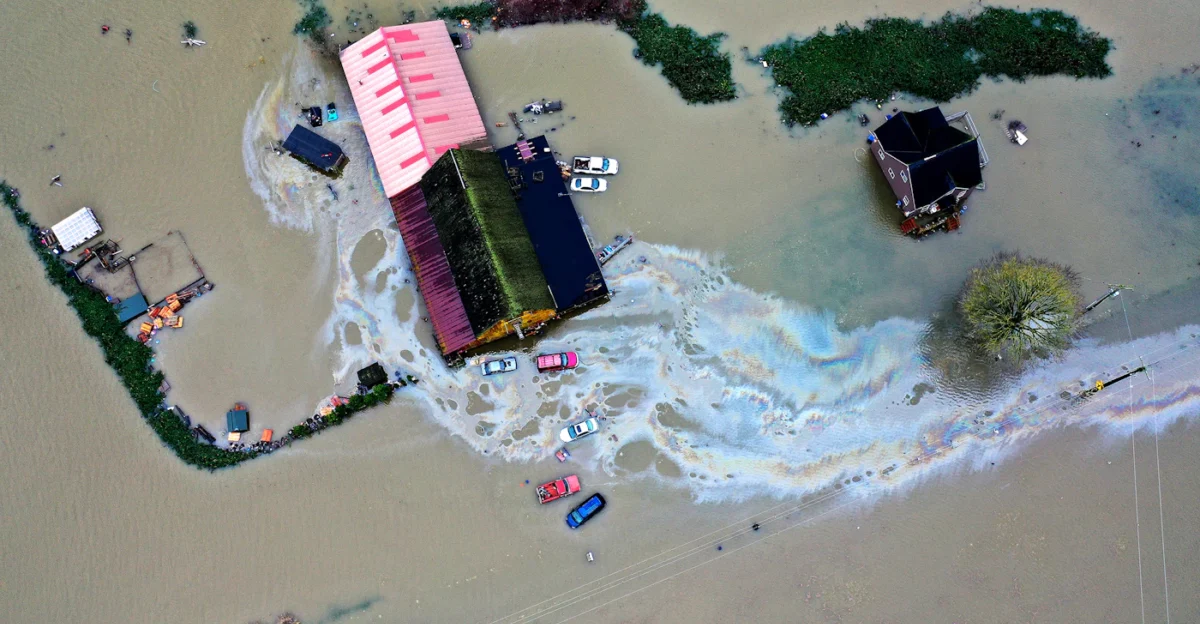
In Mount Vernon, the community’s reliance on its floodwall appears precarious. This protective structure was anticipated to shield the city from severe flooding, but questions linger about its capabilities amid the intensifying crisis.
“We’re holding our breath hoping it holds up,” a local business owner expressed, revealing the collective anxiety within the community. Past efforts to safeguard residences and businesses have proven insufficient as this crisis draws near. A reexamination of flood preparedness is critical, and residents face daunting concerns about the effectiveness of current infrastructure amid evolving climatic challenges.
An Interstate Sealed
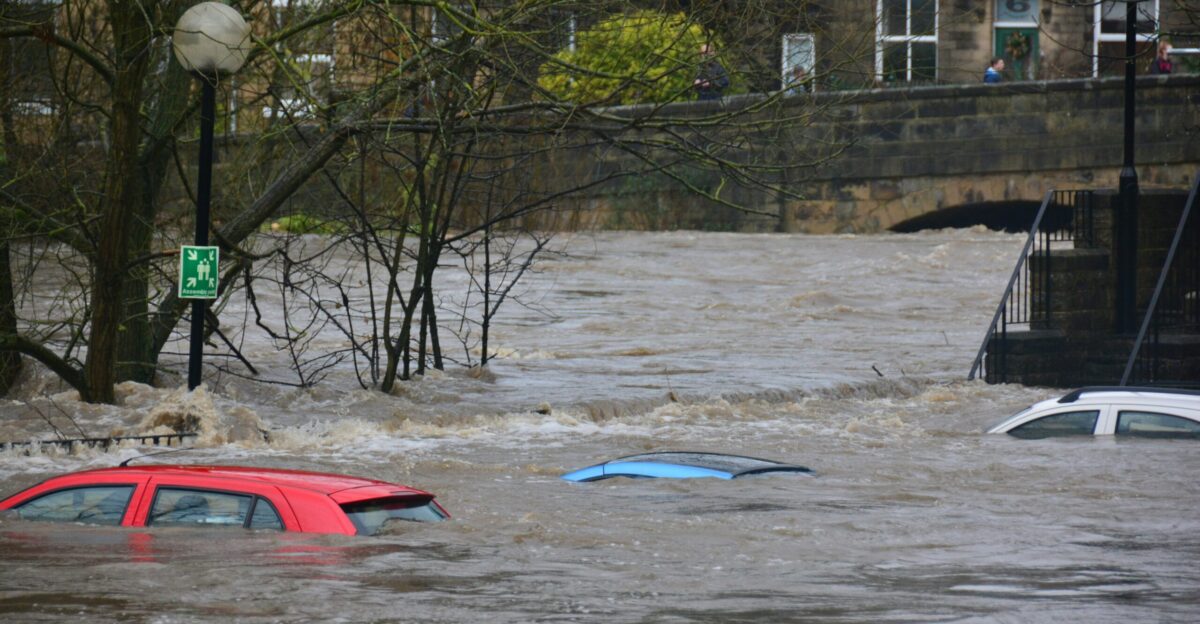
As water levels rose dramatically, significant closures of major highways became inevitable. The flooding led to impassable roads, isolating communities and obstructing emergency response efforts. Authorities warned that increasing water safety risks would lead to monitored road closures, affecting transportation and hindering the delivery of aid.
“It’s like being cut off from the world,” lamented one resident, highlighting the personal struggle facing many families. The challenge of navigating logistics in such conditions has reignited discussions around building resilient infrastructure and the urgent need for a cohesive disaster response strategy that can withstand extraordinary weather events.
A Landslide Threat Emerges
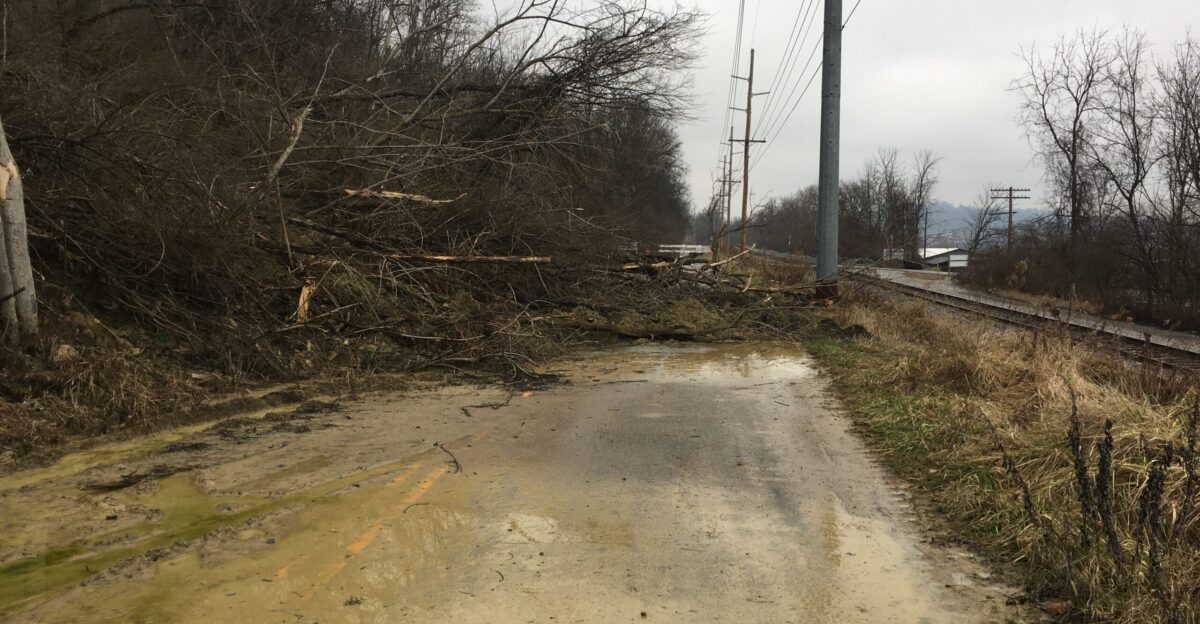
In addition to flooding, the risk of landslides due to saturated soil became a significant concern as weather forecasts predicted continued rainfall. This risk was especially acute in burn scar areas, where vegetation is less stable and prone to erosion.
“We have to brace for potential landslides,” stated a geologist, emphasizing the compounding dangers that accompany heavy rains. Emergency alerts to the public warned of the threats to both lives and property. The stakes are high, and authorities must remain vigilant, preparing for the possibility of collapses that could complicate relief efforts and intelligence collection in the days to come.
The Incoming Blizzard
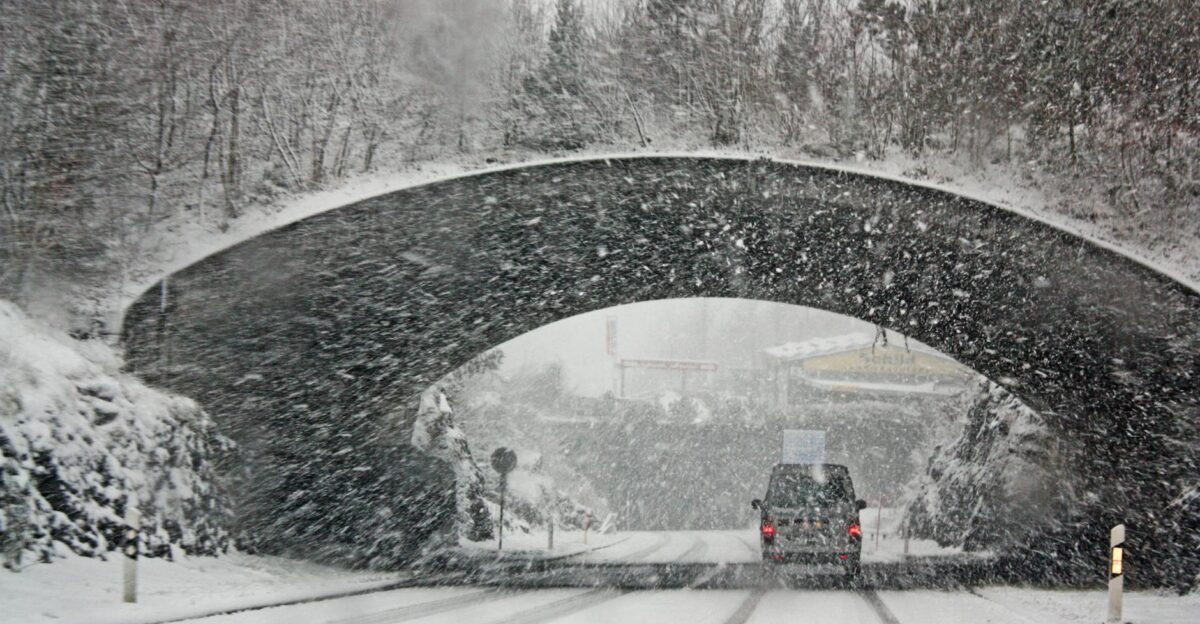
With ongoing floods, the National Weather Service forecasted an incoming winter storm that could bring upwards of 62 inches of snow over three days. “We’re looking at a double whammy,” a public safety official remarked, highlighting concerns as communities braced for a second round of disaster.
This fierce combination of flooding and snowfall raised alarms about the strain on emergency services and resources. As snow accumulation added a layer of crisis, the unpredictability of what this winter would bring became more relevant, pushing locals to prepare for extensive disruptions.
The Cascade Closure

To address safety concerns, officials announced the closure of access routes in the Cascade Mountains. Anticipating heavy snowfall and flooding, decisions were made to safeguard travelers and emergency responders. “This was not a decision taken lightly,” stated a spokesperson for the state highways department.
The closure complicated travel and commerce, creating a ripple effect of challenges amid ongoing crises. As emergency crews prepared for emergencies in closed areas, the snow and ice posed new dangers, underscoring the need to prioritize safety as weather conditions worsen. Public advisories encouraged caution and vigilance in monitoring updates.
Evacuation Centers Under Siege
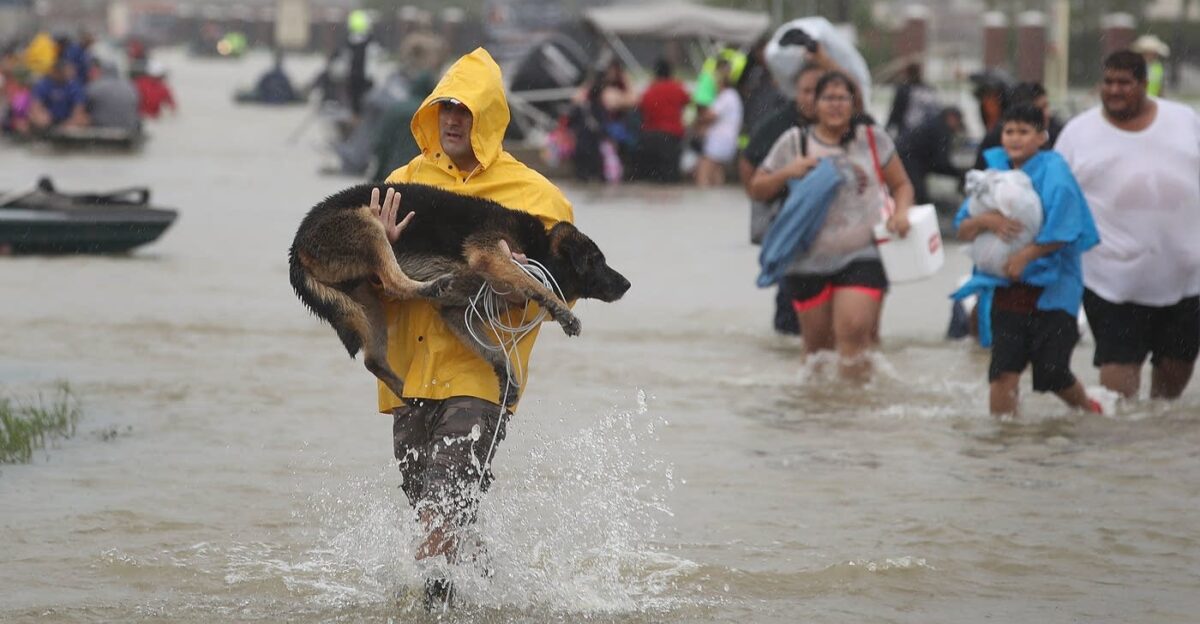
Overwhelmed by the number of evacuees, the evacuation centers struggled to meet demand. Reports emerged of limited resources and accommodations as nearly 100,000 residents left their homes. “Every bed is full, and we are relying on community support to keep people fed and safe,” confirmed a shelter manager.
Emotional stories from evacuees highlighted the urgency and desperation surrounding these efforts. As the weather continued to deteriorate, support networks dialed up, showcasing the collaborative spirit of the community amidst adversity. The human impact of the crisis emphasizes the need for robust emergency preparedness in future scenarios.
The Recovery Outlook
As rescue operations focus on immediate needs, discussions turn toward recovery prospects. FEMA and local agencies began assessing damages to determine the prerequisites for federal aid. “We have to move quickly to evaluate and assist,” stated an emergency management official.
Areas under evacuation orders posed challenges for timely assessments, exacerbating the urgency for rebuilding strategies. The collective experience of enduring such unprecedented disasters underscores the need for proactive measures to enhance community resilience. Moving forward, communities must prioritize planning that addresses both recovery and long-term adaptation in the face of an uncertain future.
Meteorological Vulnerability
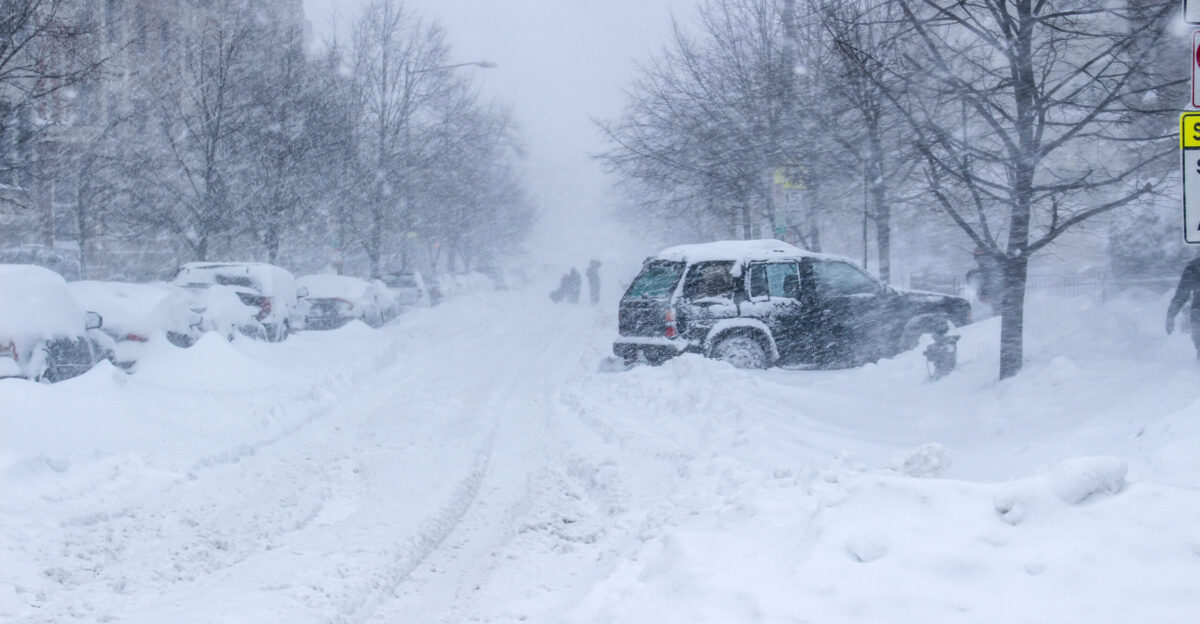
The December calamities underline Washington’s vulnerability to extreme weather patterns exacerbated by climate change. Historical climate studies emphasize how rising global temperatures have intensified precipitation patterns, increasing the likelihood of catastrophic flooding and snowfall.
“Our models have to adapt to changing conditions,” a climatologist warned, highlighting the need for data-driven approaches in policy and planning. Engaging communities in understanding these vulnerabilities could facilitate better preparedness moving forward, ensuring individuals and agencies can effectively respond to rapidly advancing climatic events and assist in minimizing risks related to future disasters.
A Question for Winter
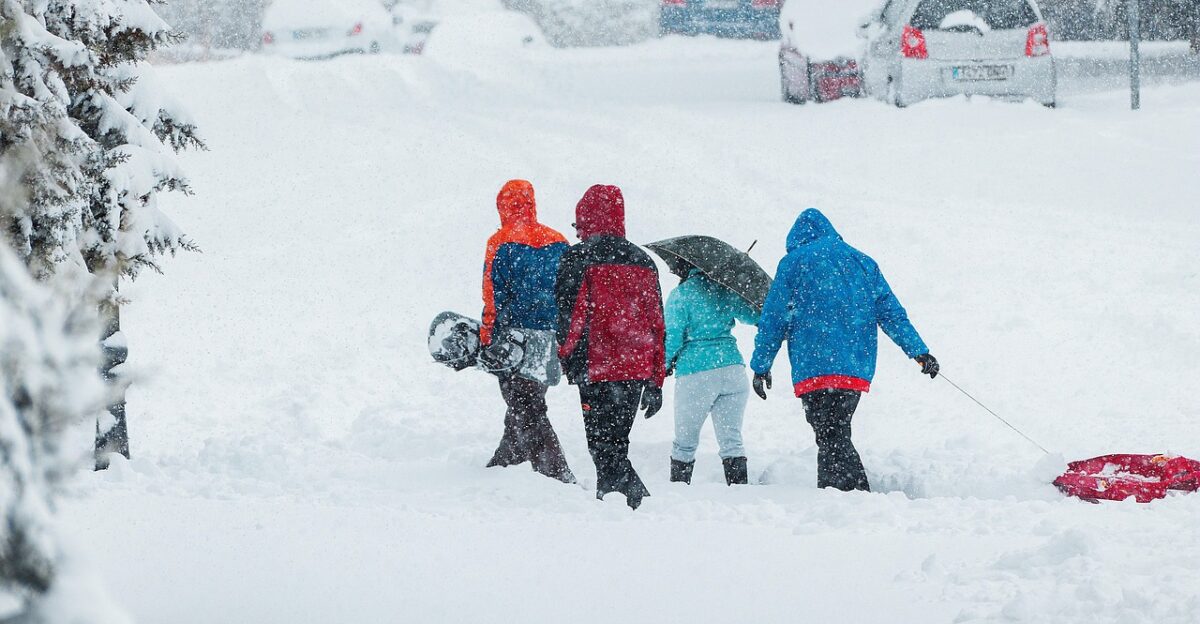
Looking ahead, the question persists: how will Washington prepare for the escalating challenges posed by climate change? As communities recover, the opportunity to enhance disaster preparedness arises. “Every lesson learned must reflect in our planning,” stated a city official, underscoring the necessity of engaging the public in emergency preparedness initiatives.
Collaborating with local agencies to bolster infrastructure and response strategies is essential for weathering future storms. The resilience demonstrated in the face of adversity will shape Washington’s future, as residents navigate an increasingly unpredictable climate landscape together.
Sources
NASA Earth Observatory atmospheric monitoring and analysis
National Weather Service winter storm forecasts and atmospheric river assessments
Associated Press and Reuters reporting on Pacific Northwest emergency response
FEMA Region 10 damage assessment and disaster recovery protocols
Washington State Governor’s Office official emergency declarations and updates
NOAA Center for Western Weather and Water Extremes atmospheric river classification system