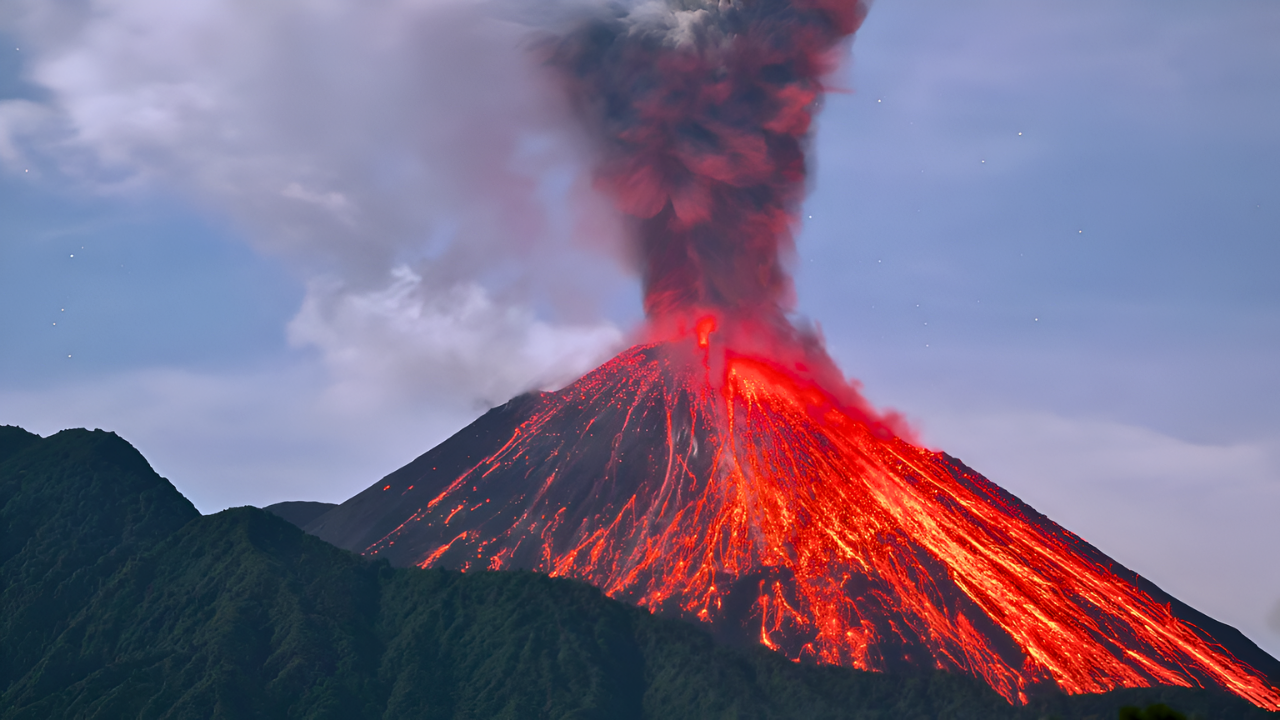
For one year now, Hawaiʻi’s Kilauea volcano has been stealing the show. Starting on December 23, 2024, this mighty summit eruption has kept scientists and thrill-seekers on edge, producing spectacular lava fountains and reshaping the island’s most iconic crater.
Now, as the first anniversary approaches, scientists say the volcano is gearing up for its next breathtaking display, which could occur this weekend.
When the Mountain Decides to Perform
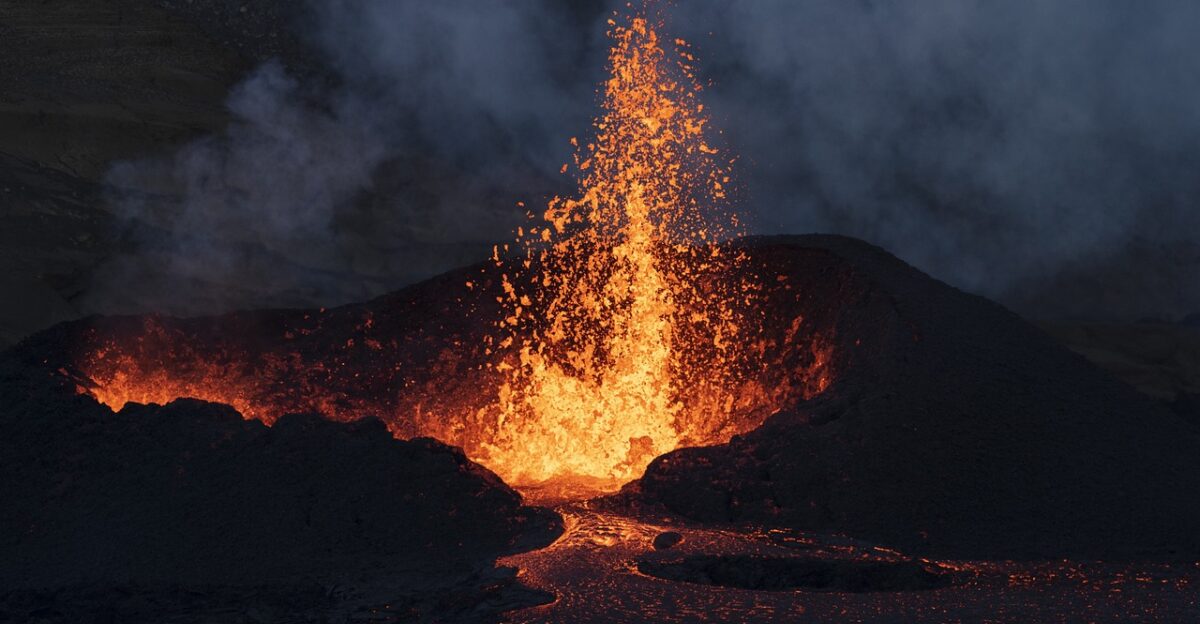
Here’s what makes this eruption unlike anything the island has seen in 40 years: Kilauea isn’t erupting continuously. Instead, it’s performing in episodes—think of it like a series where each act lasts anywhere from a few hours to eight days.
So far, there have been 37 episodes, each one a unique show with its own intensity and height. Between episodes, the volcano goes quiet, leaving communities and visitors wondering when the next spectacular burst will arrive.
The Calendar Says It’s Almost Here
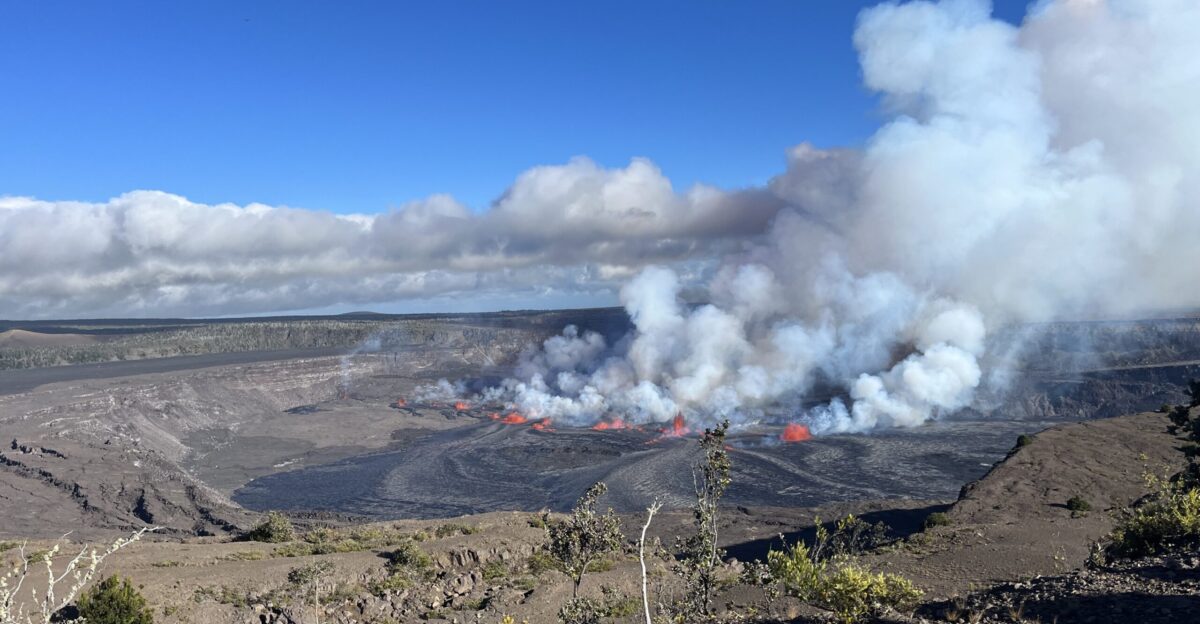
As of December 4, 2025, the U.S. Geological Survey is tracking a critical development: the ground beneath Kilauea’s summit is bulging again. Using sensitive instruments called tiltmeters, scientists detected that magma is accumulating rapidly underground, pushing the earth upward like a breath waiting to escape.
Based on these patterns, USGS models predict that the next eruption—Episode 38—will likely occur between December 6 and 9, 2025, with December 7 and 8 as the most probable dates.
Skyscrapers of Fire: What to Expect
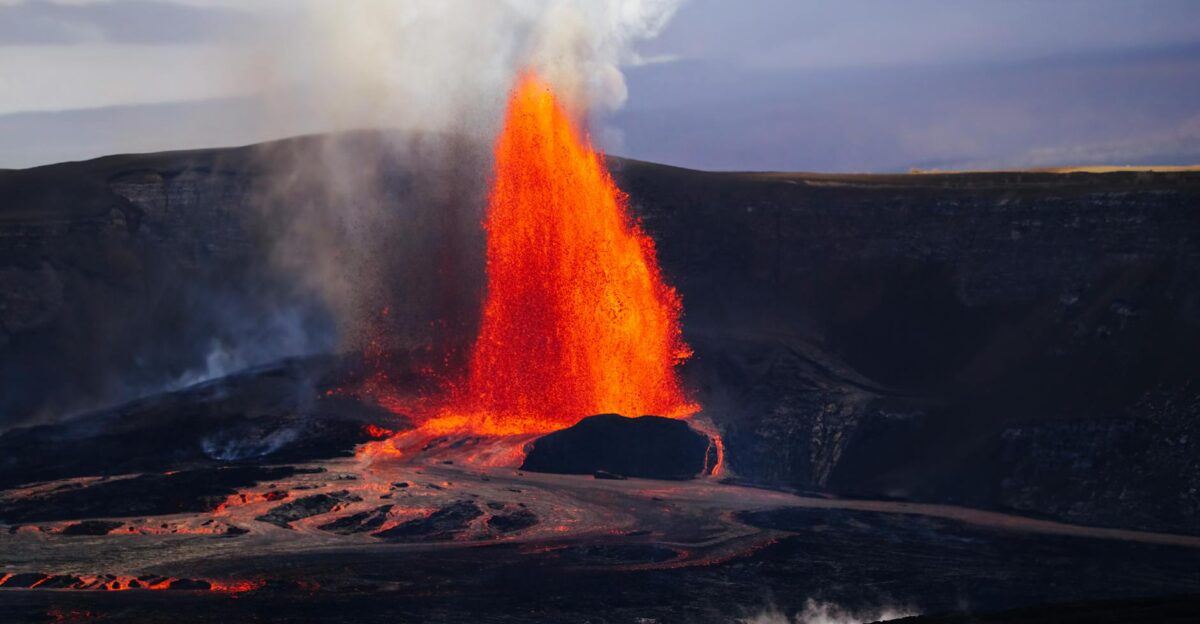
While some recent fountains have reached a modest 500–600 feet, Kilauea has proven it can achieve far greater heights. During Episode 35 in October 2025, lava shot skyward to an astounding 1,500 feet, towering taller than the Empire State Building’s roof.
Scientists warn that Episode 38 could produce similar or even more dramatic heights, sending visible molten fountains across the island for miles.
Living in the Shadow of the Mountain
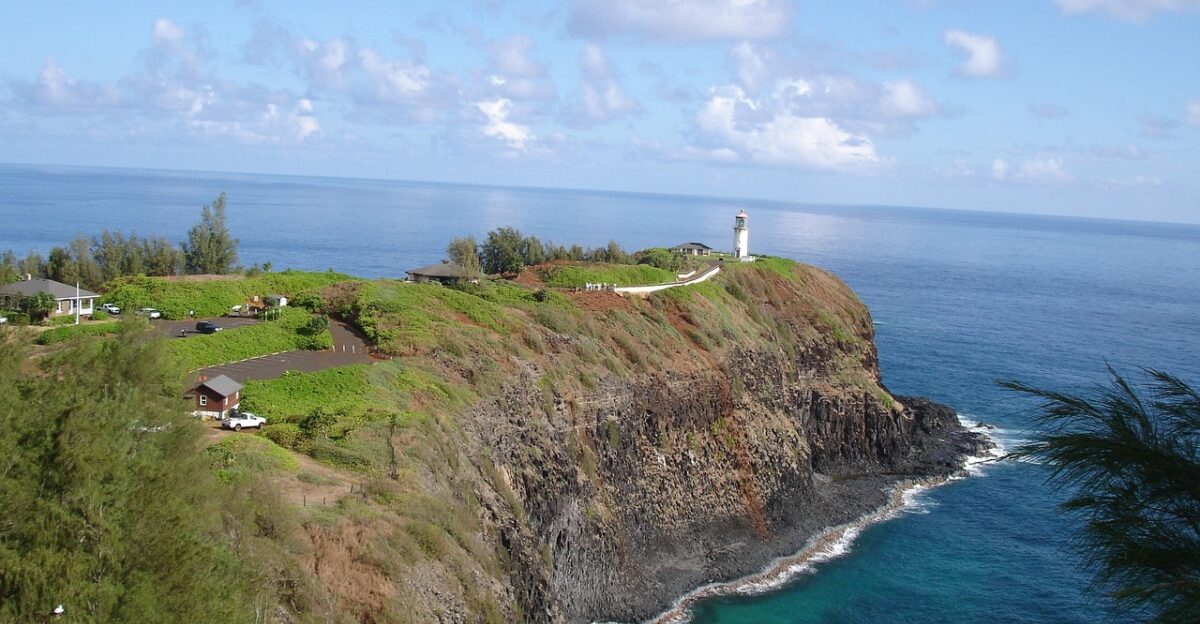
For thousands of residents in communities like Pahala and Ocean View, Kilauea’s presence is deeply ingrained in their daily lives. Unlike the devastating 2018 lower Puna eruption that forced 2,000 residents to evacuate and destroyed 700 homes, this current activity is confined to the summit within the National Park.
That means families can sleep soundly—their homes are safe. No evacuation orders have been issued, and none are expected.
The Invisible Invader
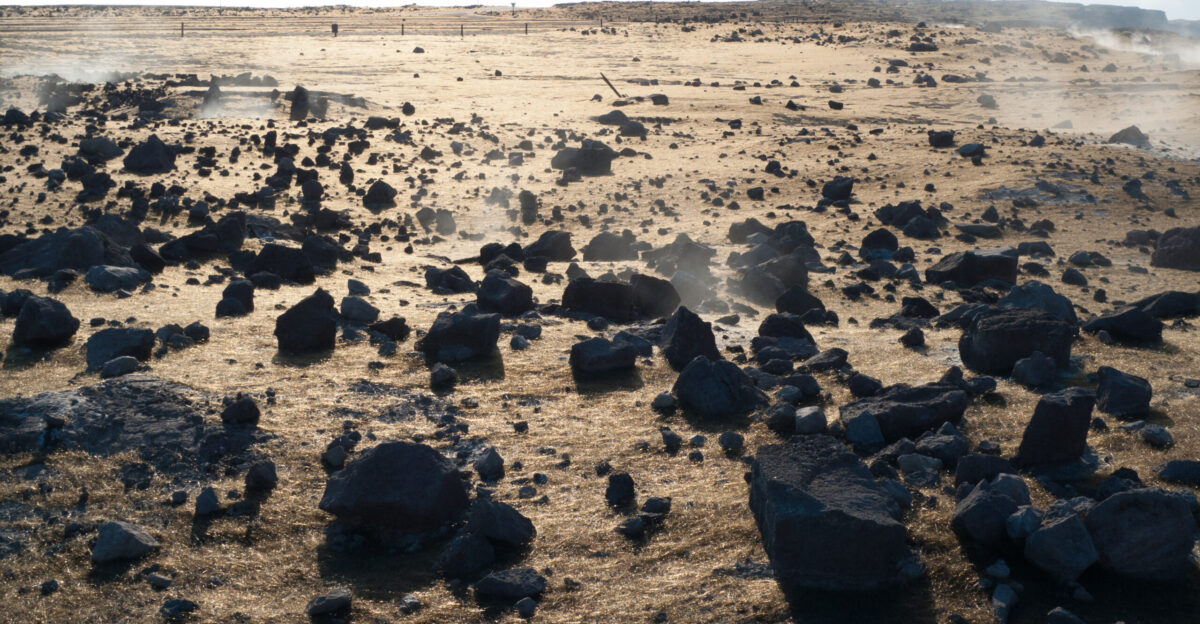
But safety doesn’t mean hazard-free. The high lava fountains create a phenomenon called “Pele’s hair”—delicate strands of volcanic glass formed when molten spray stretches in the wind. These razor-sharp fibers can travel more than 10 miles downwind, landing on roads, vehicles, and yards.
While not life-threatening, they’re irritating to the skin, eyes, and lungs if inhaled. Residents in the downwind zones are advised to keep their windows closed and take precautions during heavy fountaining.
A Thicker, Hazier Air
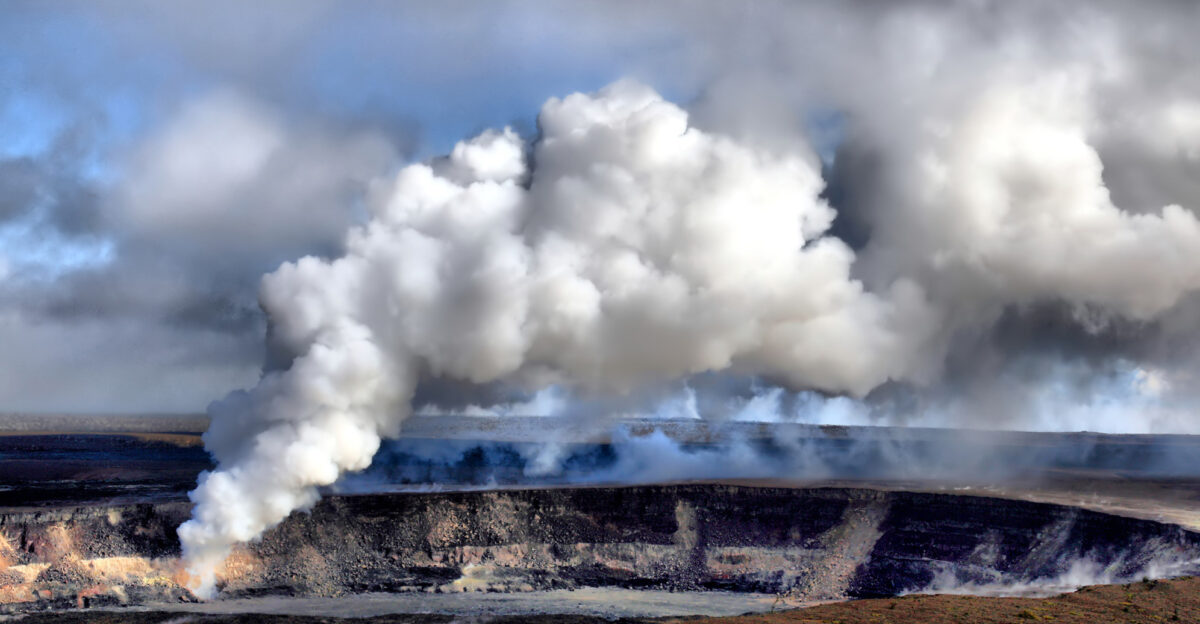
Every eruption brings a second hazard: volcanic smog, also known as “vog.” As the fountains burst forth, they release sulfur dioxide (SO₂), which reacts with oxygen and sunlight to create a visible haze that can blanket the island. During active episodes, emissions can spike to 1,500 tonnes per day.
Those with asthma, respiratory conditions, or heart problems are being urged to monitor air quality alerts and stay indoors if vog becomes heavy.
The Park Stays Open—But Watch Your Step
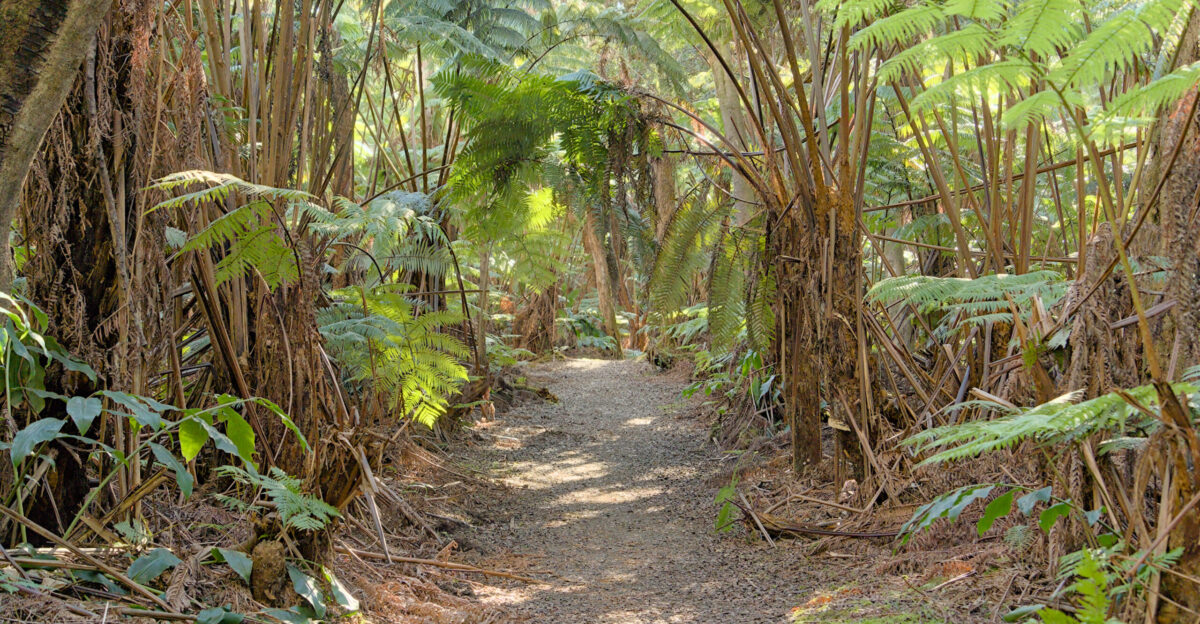
Contrary to what many assume, Hawaiʻi Volcanoes National Park is not closed. In fact, it remains open 24 hours a day, seven days a week. Park rangers manage hazard zones near the crater rim to keep visitors safe from unstable cliffs and sudden ground cracks, but thousands of people flock to viewpoints like Uēkahuna to witness the glow and fountaining.
When Episode 38 erupts this weekend, visitation is expected to surge dramatically.
When Curiosity Crosses Into Danger
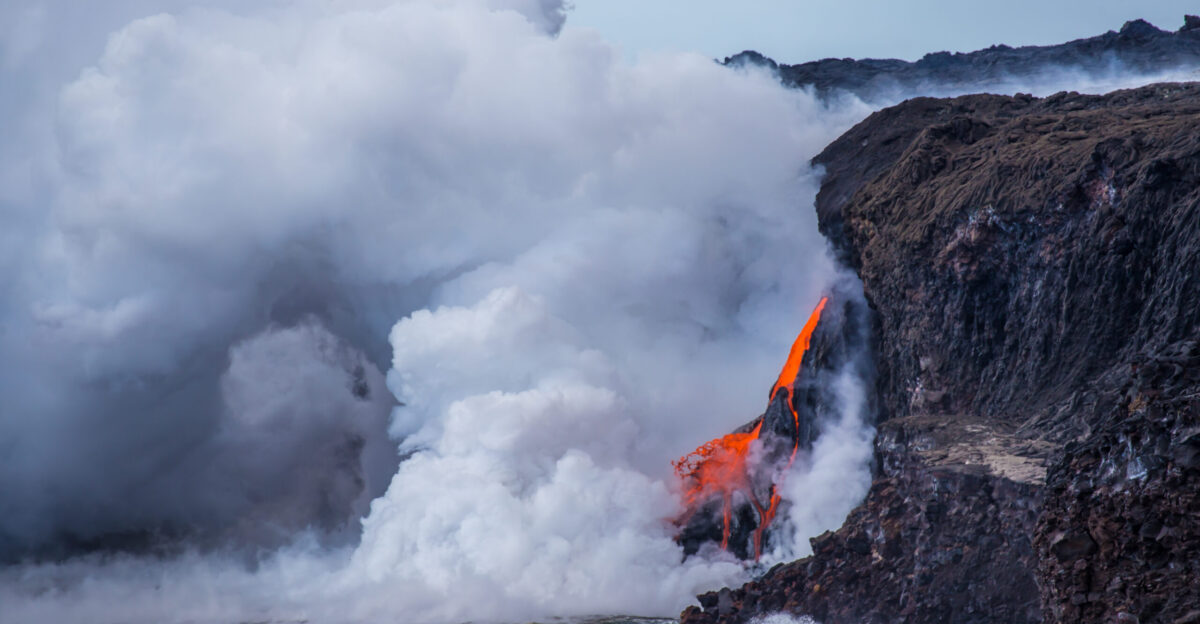
The allure of witnessing an active volcano can cloud judgment. In June 2025, a 30-year-old visitor from Boston ventured off-trail after dark to get a closer view of the fountains and fell 30 feet from a cliff. A fortunate tree branch interrupted his fall, but he could have plunged another hundred feet or more to the jagged crater floor below.
Park rangers have already conducted multiple search-and-rescue missions since this eruption began. The lesson: stay on marked trails.
When Danger Becomes a Draw
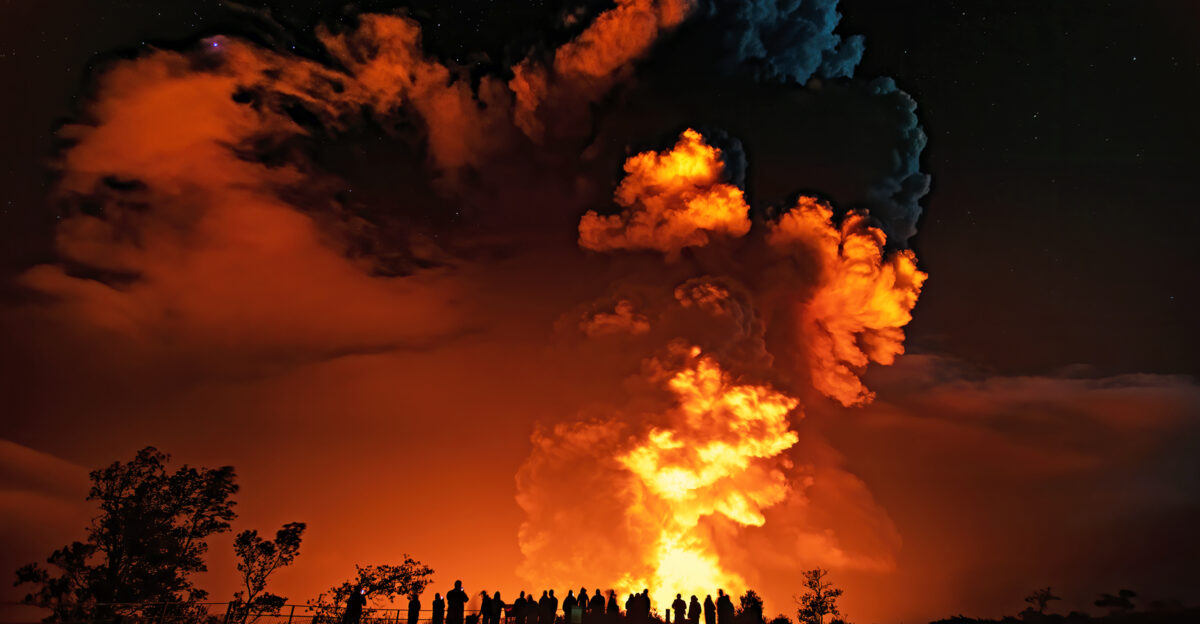
Paradoxically, the eruption has transformed Hawaiʻi Volcanoes National Park into a top destination. Park officials report a “huge uptick” in visitation compared to previous years. Some visitors are flying across the world specifically to witness Kilauea’s lava fountains—a testament to the raw power of nature.
Tour operators report brisk business, from guided hikes to ranger-led programs that educate visitors about the volcano while keeping them in safe zones.
One Year of Change: A Crater Transformed
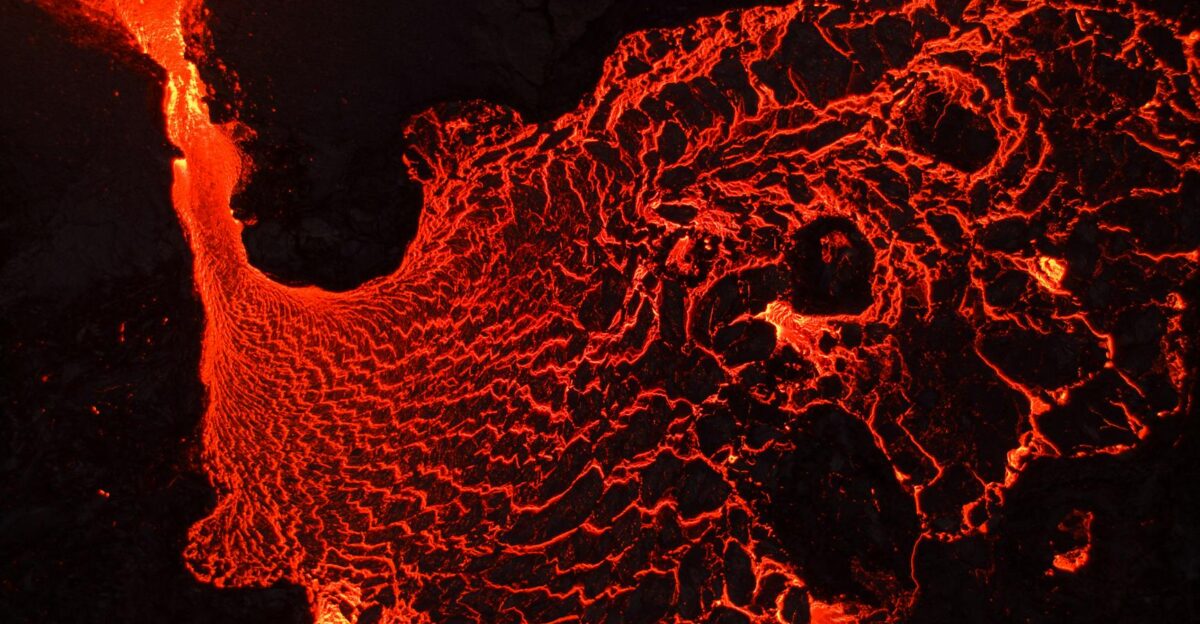
The cumulative impact of 37 episodes is striking. The lava fountains have added nearly 200 feet of new lava to the crater floor and built a cinder cone that towers almost 150 feet above the crater rim. The landscape is literally reshaping in real time, reminding us that Hawaiʻi’s mountains are living, breathing entities.
When Episode 38 arrives, it will add another layer to this ongoing geological transformation.
History Repeating Itself—But Differently
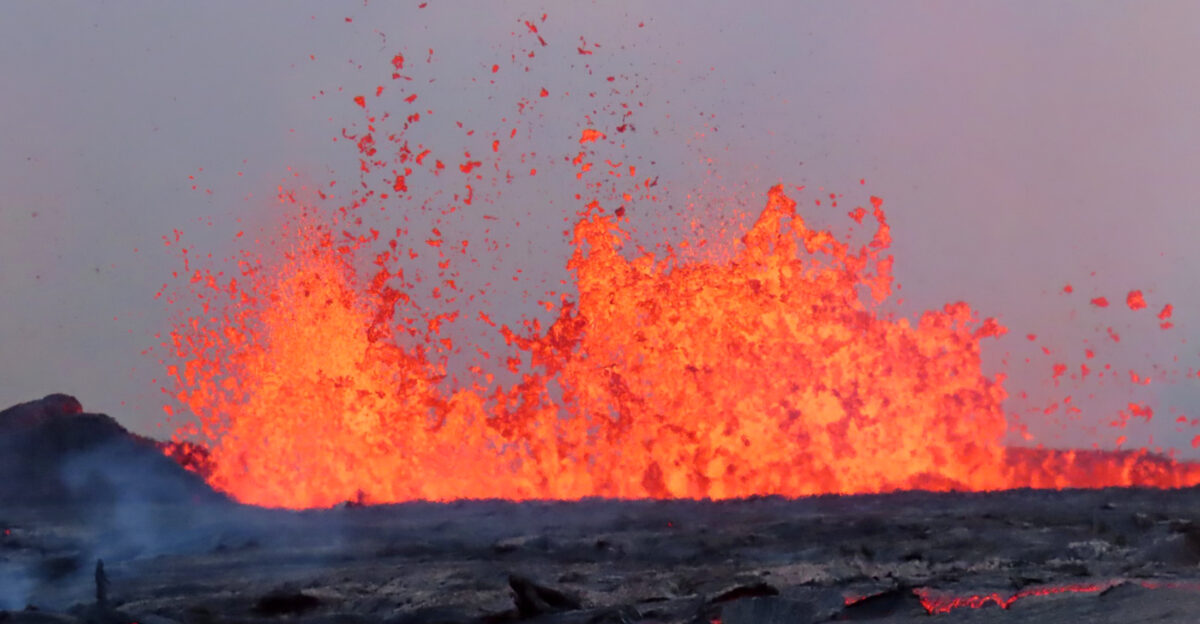
The 1,500-foot fountains of today mirror the historic Pu’u ‘Ō’ō eruption that began in 1983 and lasted 35 years. That eruption reshaped the eastern rift and destroyed homes in its path. However, the current summit eruption is fundamentally different: it’s happening inside a closed crater within the National Park, not threatening residential areas with advancing lava flows.
The spectacle without the destruction—nature’s display from a safe distance.
How Scientists Know What’s Coming
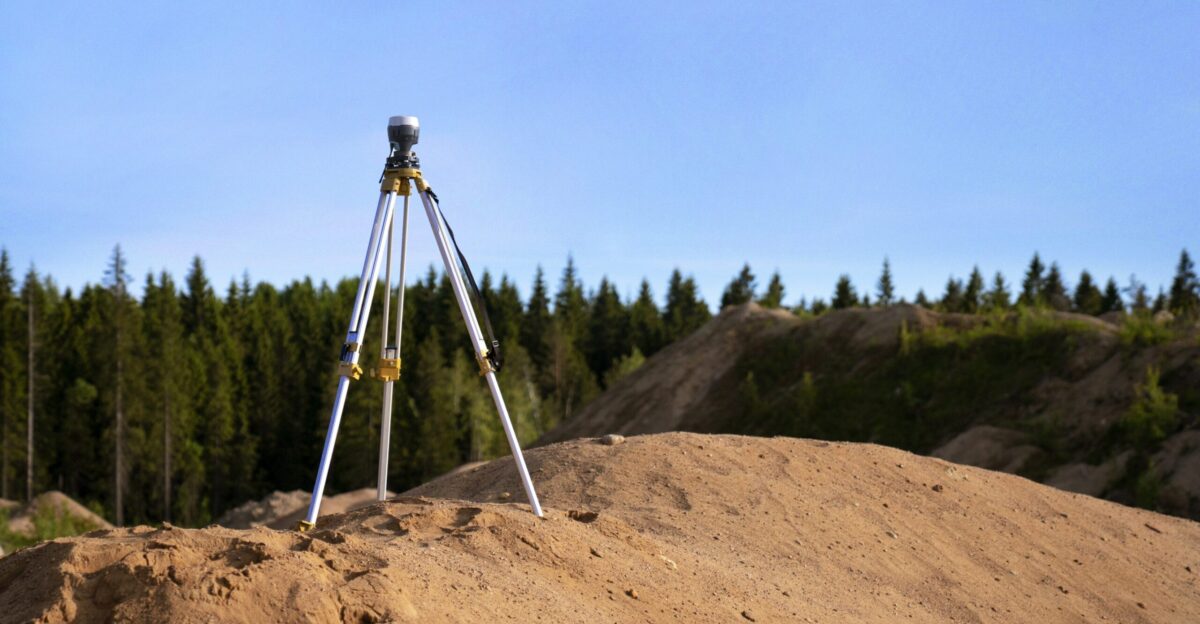
The USGS Hawaiian Volcano Observatory monitors Kilauea 24/7 using a sophisticated network of sensors, including tiltmeters, seismographs, gas analyzers, and webcams. Each tilt of the ground, each tremor, each shift in gas emissions tells a story.
Currently, that story is pointing to one conclusion: the mountain is poised to erupt. The data doesn’t lie, and it won’t stop volcanologists from issuing updates every single day until the next episode erupts.
The Three-Day Window
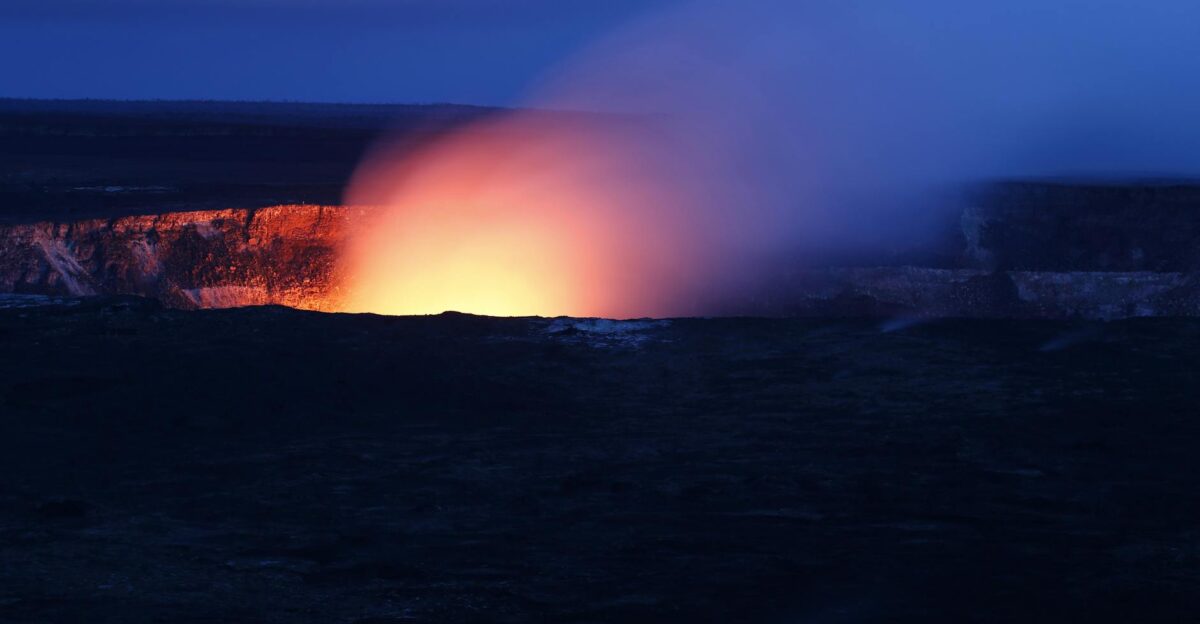
If you’re on the Big Island this weekend, December 6 to 9, keep your eyes on the sky at night and your ears on USGS updates. Episode 38 is likely to begin, sending lava fountains into the darkness. Park viewing areas will fill quickly; early morning hours (before sunrise) offer the best visibility with fewer crowds.
The park website and USGS Hawaiian Volcano Observatory website provide real-time updates, webcam feeds, and eruption notifications for anyone tracking the action.
Nature’s Scheduled Performance—For Now
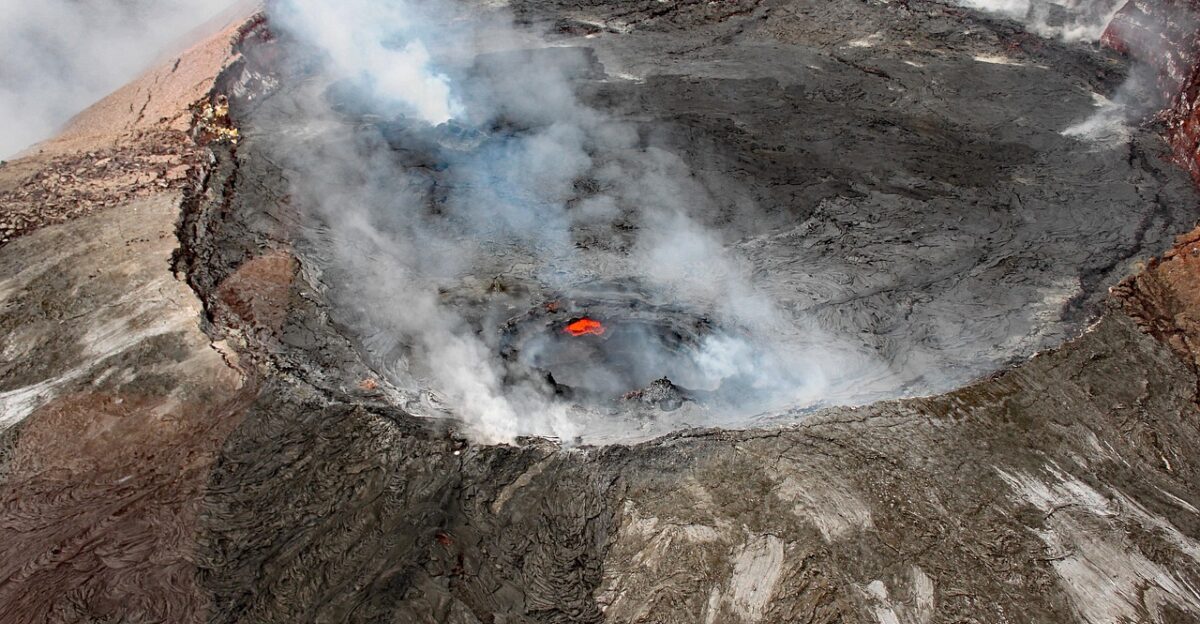
Kilauea has entered a rhythm that scientists are becoming increasingly adept at predicting. Episode 38 is likely, but not certain. Volcanoes, after all, follow their own timeline. What we do know is this: the Big Island is holding its breath. Residents are keeping one eye on the forecasts. Visitors are booking their tickets.
Somewhere beneath the caldera, magma is building pressure, waiting for its moment to erupt in a display of pure geological power. Stay tuned.
Sources:
USGS Hawaiian Volcano Observatory – Kīlauea volcano updates and activity notices
USGS Volcano Notifications for Aviation – Kīlauea alert level and aviation color code records
USGS / Smithsonian Weekly Volcanic Activity Report – Kīlauea eruption summaries and status
Hawai‘i Department of Health – Big Island volcanic eruption health and preparedness guidance