On December 4, 2024, Brian Thompson, CEO of UnitedHealthcare, stepped out of his Midtown Manhattan hotel for what would be his final commute. A hooded gunman, armed with a silenced pistol, shot Thompson multiple times in the back. Surveillance footage captured the chilling execution in real time.
The shooter fled, leaving behind shell casings inscribed with haunting words—”deny,” “defend,” “depose”—foreshadowing a national conversation that would unfold in the coming months. Thompson’s death sent shockwaves through corporate America, igniting a fierce debate on healthcare industry accountability.
The Manhunt Intensifies
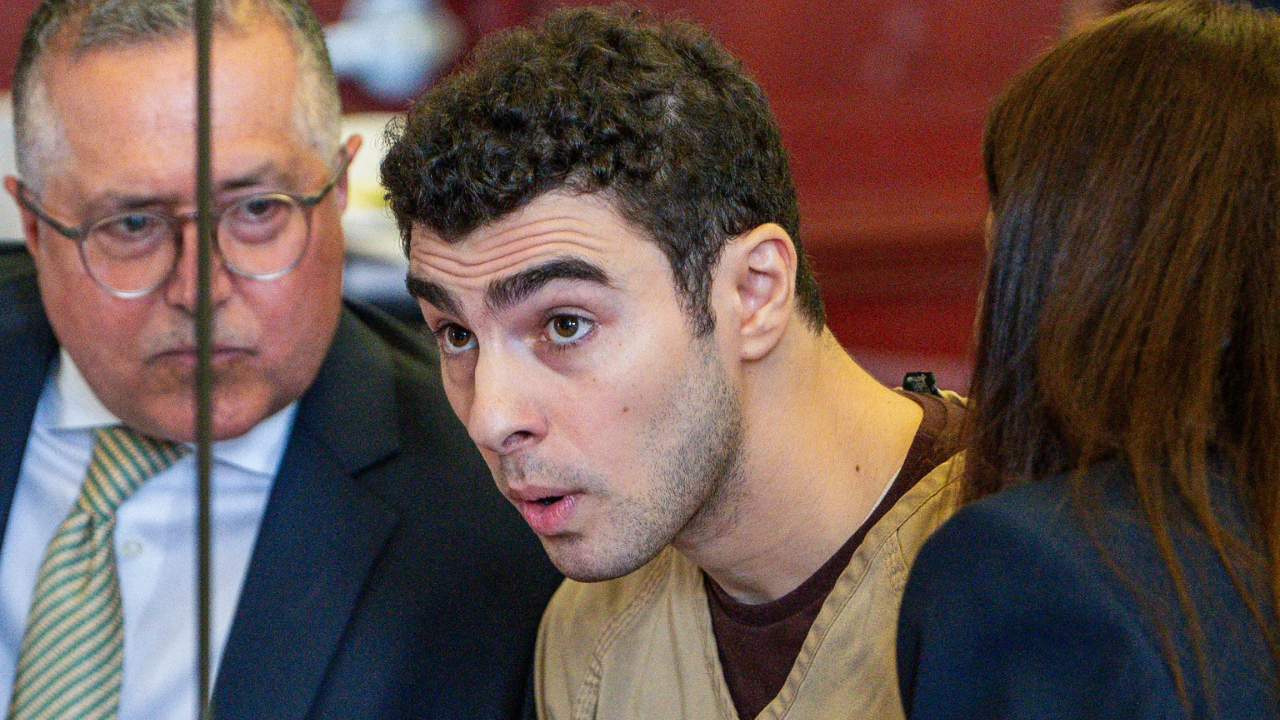
In the wake of the murder, authorities launched an unprecedented manhunt. Surveillance footage, cell data, and witness reports tracked the suspect’s movements from New York to Pennsylvania. On December 9, 2024, Luigi Mangione, 26, was arrested at a McDonald’s in Altoona, Pennsylvania, after being spotted near the crime scene.
Police discovered a loaded handgun, ammunition, and a notebook in his backpack. Although Mangione’s arrest appeared to close the case, it marked the beginning of a complex legal battle that would challenge the prosecution’s case.
The Insurance Industry Under Fire
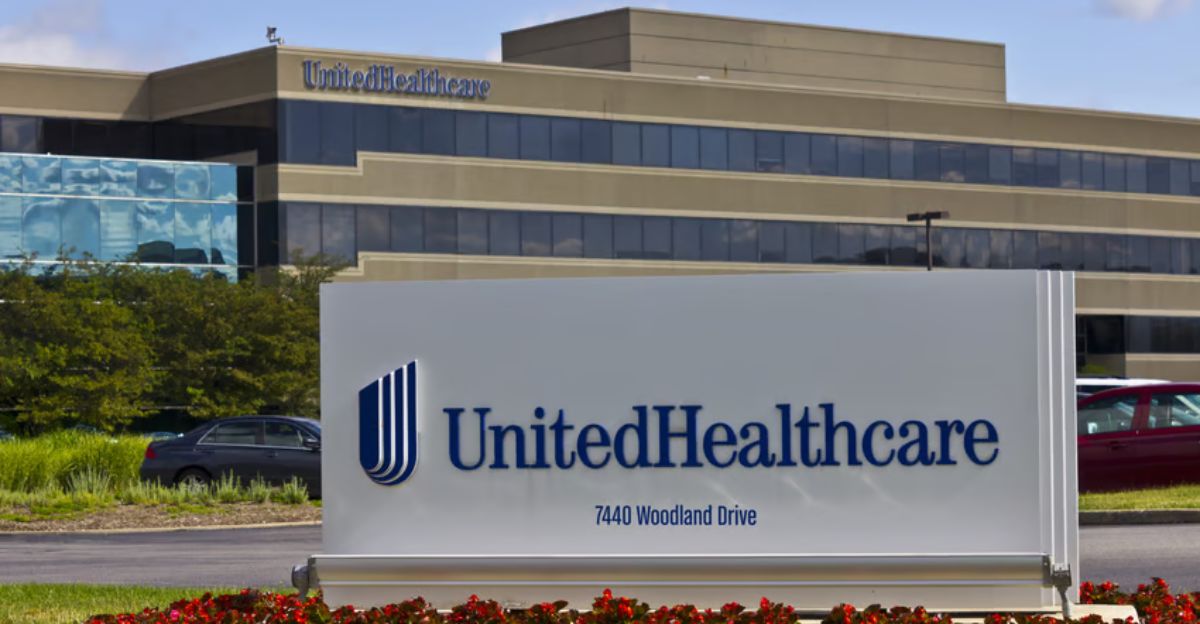
The killing of Brian Thompson spotlighted deep frustrations with the healthcare insurance industry. For years, insurance companies like UnitedHealthcare have faced criticism for claim denials and delays. The words found on the shell casings—”deny,” “defend,” “depose”—highlighted tactics used by insurers to reduce payouts, creating growing public anger.
This anger had been simmering for years and reached a boiling point with Thompson’s murder. The case would soon evolve into a referendum on the healthcare system’s fairness and transparency.
A Divided Nation Watches
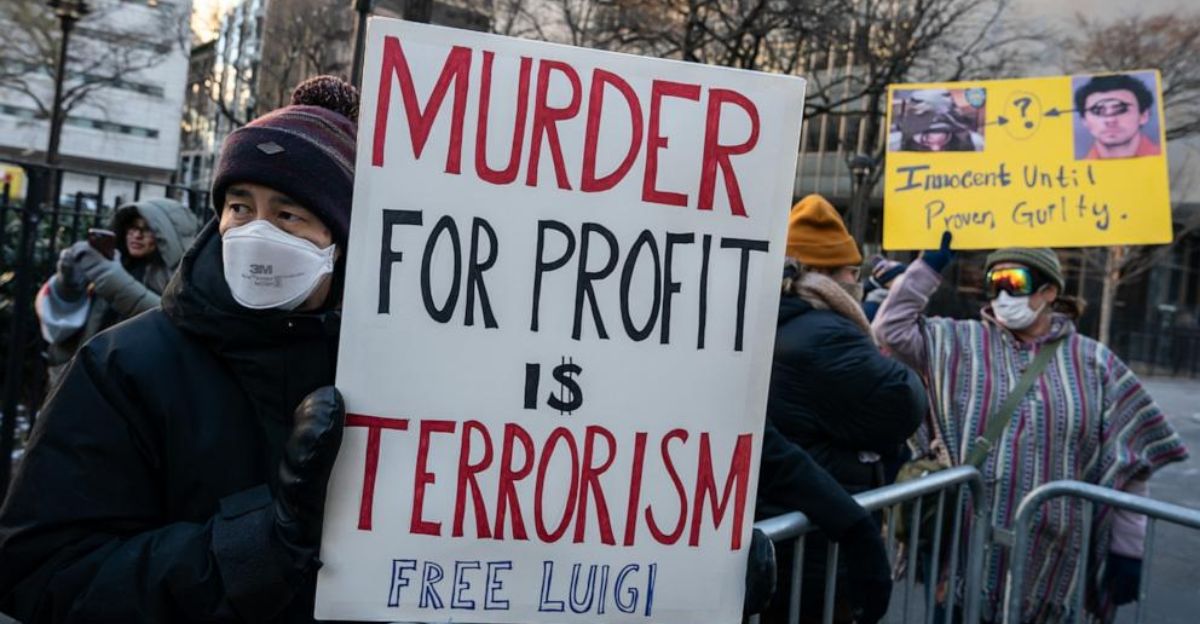
As Mangione stood trial, an unexpected phenomenon emerged: public sympathy for the accused. Supporters gathered outside the courthouse, wearing T-shirts and holding signs. A GiveSendGo campaign raised substantial funds for his defense, while GoFundMe removed campaigns soliciting donations for his legal defense.
The trial, initially a simple case of murder, became a broader symbol of discontent with corporate America and healthcare inequality. It wasn’t just about one man’s alleged crime; it became a battleground for justice, fairness, and accountability in the American healthcare system.
The Suppression Bombshell
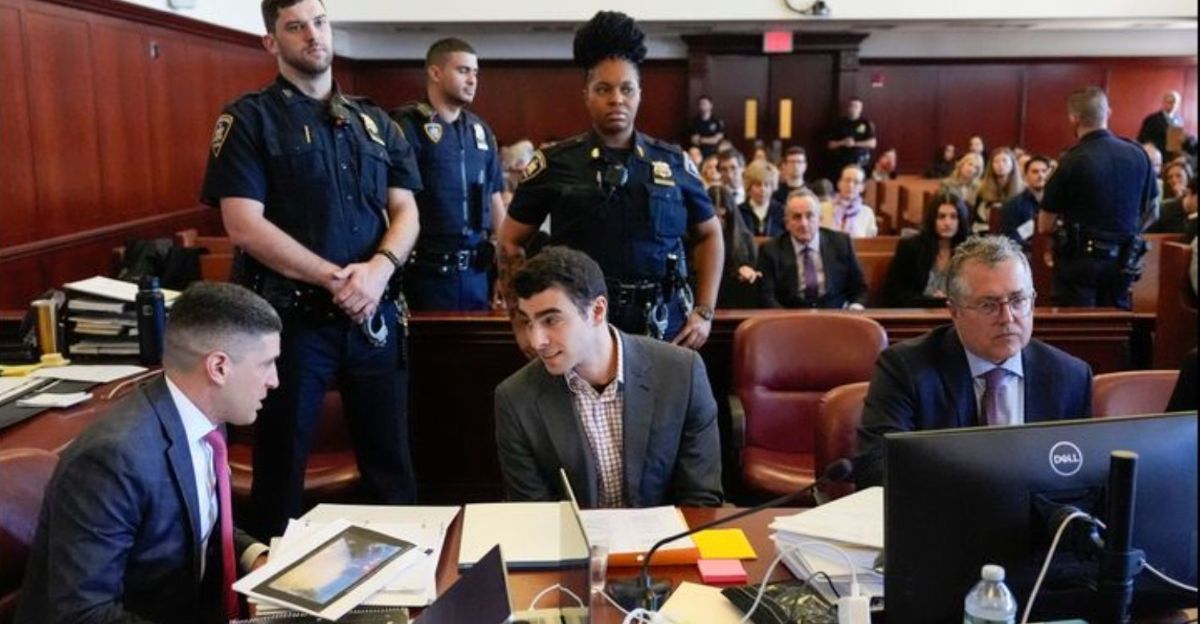
In May 2025, Mangione’s defense team filed a motion requesting that all evidence from his backpack—including the murder weapon, a notebook, and his statements to police—be excluded from the trial. They argued that police had conducted an illegal search without a warrant and violated his Miranda rights. Suppression hearings began on December 1, 2025, where the defense continued to argue for exclusion of this evidence.
This motion could jeopardize the entire case. The outcome of the suppression hearing would determine whether the prosecution had enough evidence to convict Mangione or if the case would fall apart.
What’s at Stake for Prosecutors

If the suppression motion succeeds, prosecutors would lose crucial evidence: the firearm used in the murder and Mangione’s journal, which allegedly detailed his ideological motivations. Without these pieces of evidence, the case against him would rely on surveillance footage and circumstantial evidence, which legal experts argue would not be enough to secure a conviction.
The suppression hearing had become more than just a procedural step—it was a critical moment that could decide the fate of the prosecution’s case.
The Constitutional Question
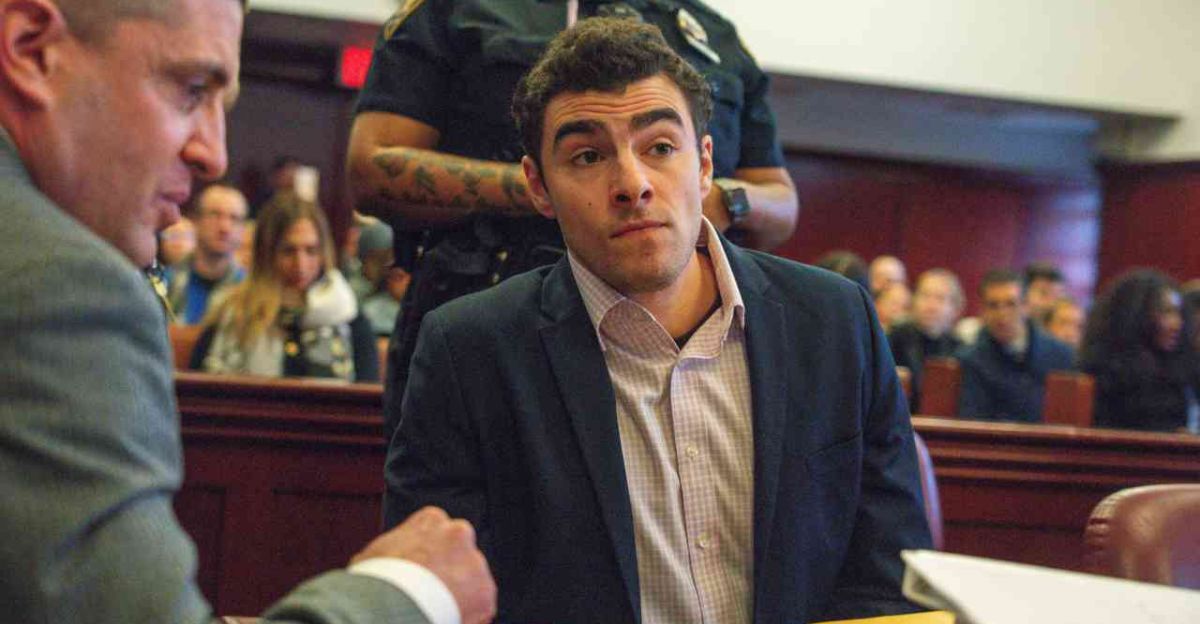
The defense raised a critical constitutional issue: Did the police violate Mangione’s Fourth Amendment rights by conducting a warrantless search of his backpack? The search took place about seven hours before a warrant was obtained. Inside the bag were not only the murder weapon and ammunition but also personal writings and a 3D-printed firearm.
The judge’s decision on this constitutional question would set a significant precedent for how law enforcement handles searches during arrests in the future.
Federal Charges and Current Status
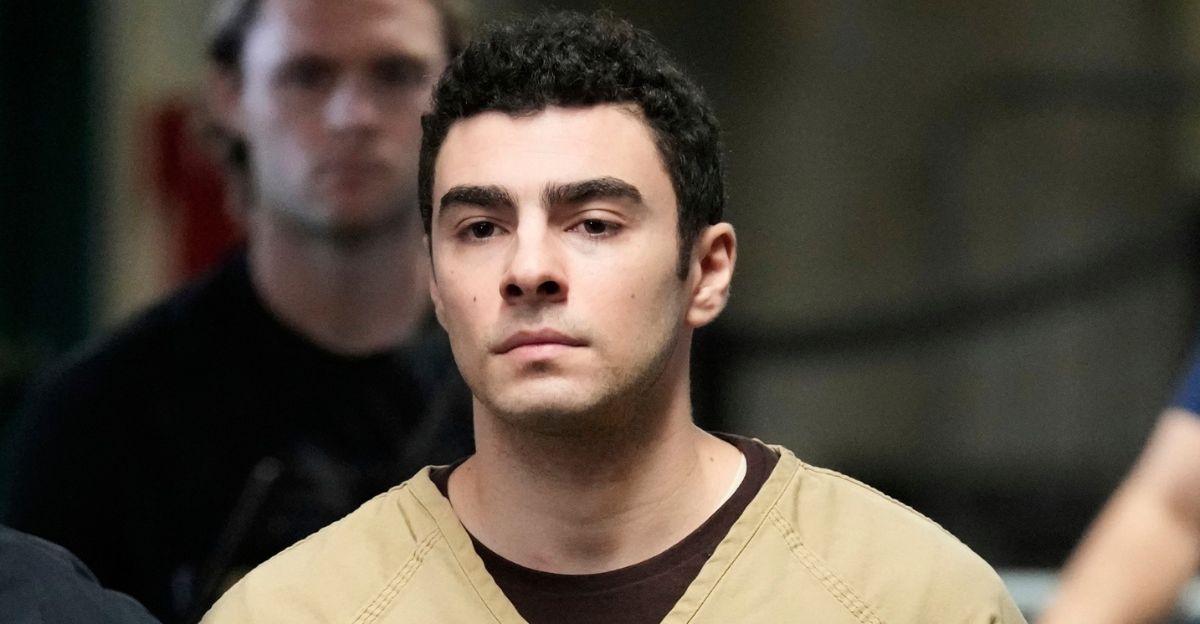
While Mangione faces federal charges, including the use of a firearm to commit murder, several terrorism-related charges were dismissed in September 2025. The narrowing of the charges in the state case complicates matters for both defense and prosecution.
With the federal case still active, Mangione’s legal team faces the challenge of navigating two separate legal systems, while also dealing with the possibility of the death penalty in the federal case.
The Broader Healthcare Reckoning
Thompson’s death has sparked a national reckoning within the healthcare industry. Insurers like UnitedHealthcare are under intense scrutiny for their claim denial rates and overall patient care. Lawmakers have called for investigations into insurance practices, and Thompson’s murder has become a rallying point for those pushing for industry reform.
Regardless of the trial’s outcome, this case has already changed the conversation around corporate accountability and healthcare access in America.
The Notebook’s Damning Words
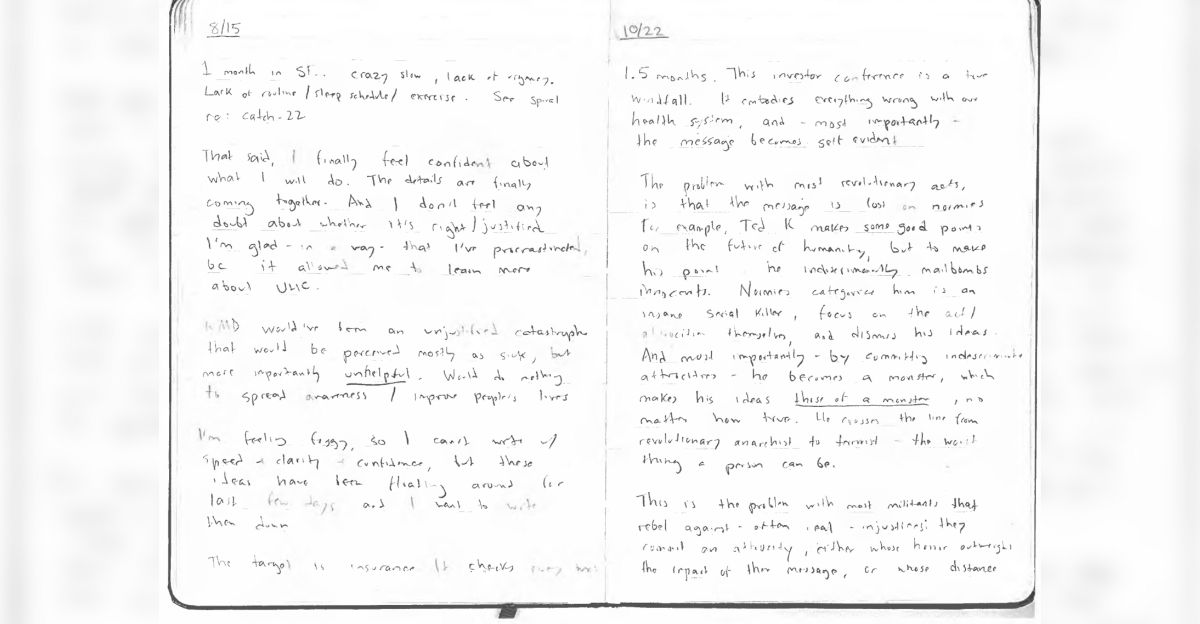
Among the items found in Mangione’s backpack was a handwritten journal containing chilling entries. One passage read, “I finally feel assured about what I will do. The target is insurance. It meets every criterion.” The notebook is a key piece of evidence that allegedly demonstrates Mangione’s ideological motivations.
If it is admitted into the trial, it could be devastating to the defense. However, if the evidence is suppressed, the prosecution will lose a critical link between the crime and the accused.
Defense Team’s Uphill Battle
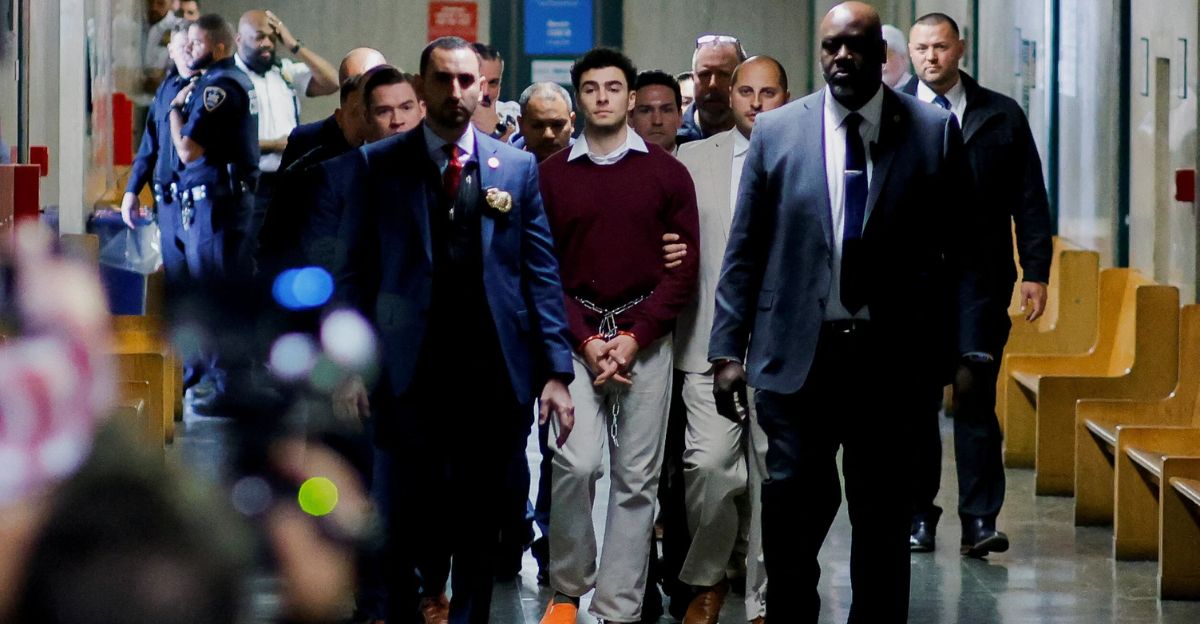
Mangione’s attorneys face an uphill battle in convincing the judge that the search was illegal and that the evidence should be excluded. Public opinion has already formed around the case, and jurors will be aware of the damning evidence.
If the judge suppresses the key evidence, the defense still faces the difficult task of convincing the jury of Mangione’s innocence, relying on circumstantial evidence rather than hard proof linking him directly to the crime.
The Prosecution’s Fallback Plan

If the suppression motion succeeds, the prosecution is prepared to rely on alternative evidence. Surveillance footage showing a hooded figure matching Mangione’s description near the crime scene and at a Starbucks beforehand could still help establish his presence at the time of the murder.
Cell phone records and witness testimony may also bolster the case, but without the murder weapon and the notebook, the prosecution will have a much harder time proving guilt beyond a reasonable doubt.
Public Sympathy as a Wild Card
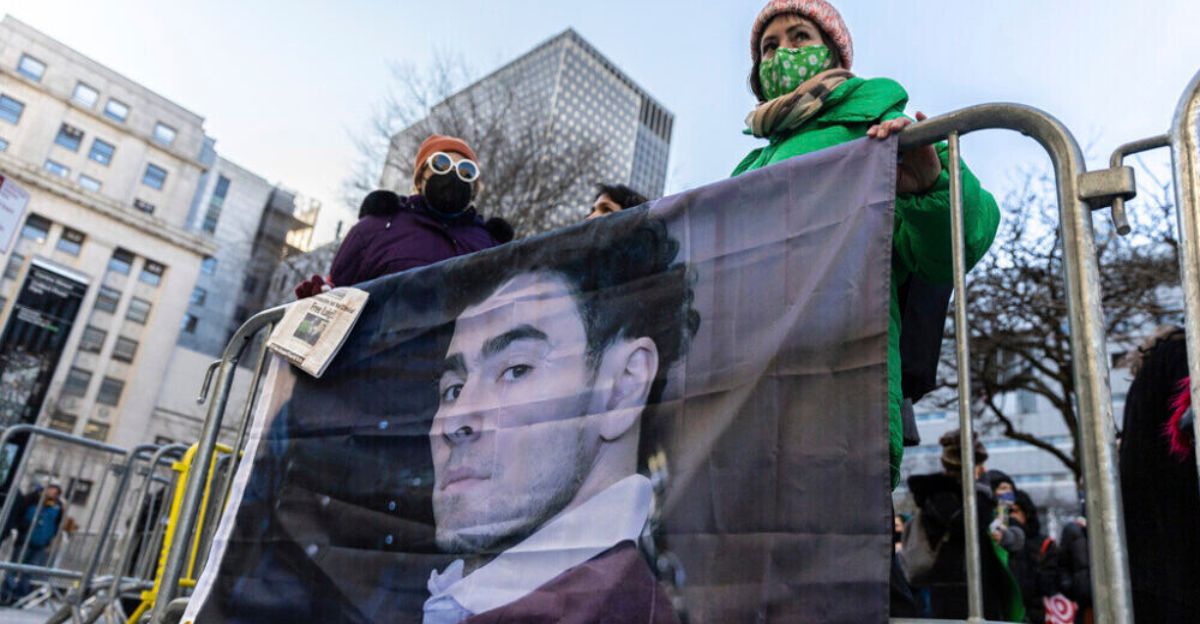
The public’s support for Mangione has complicated the legal proceedings. His supporters have gathered outside the courthouse, raising funds for his defense and framing him as a hero challenging corporate greed. This unexpected wave of support could influence jury selection and even affect the outcome of the trial.
Judges, though bound by the law, are not immune to public pressure, and the suppression hearing may test whether the legal process can stand up to public sentiment in such a politically charged case.
Expert Skepticism on Conviction Odds

Legal experts have expressed skepticism about the prosecution’s chances of securing a conviction if key evidence is excluded. Some believe that the case could collapse entirely without the handgun and notebook, while others argue that the prosecution can still make a strong case using surveillance footage and circumstantial evidence.
The uncertainty surrounding the suppression hearing highlights the high stakes involved in the trial.
What Happens If Mangione Walks Free?
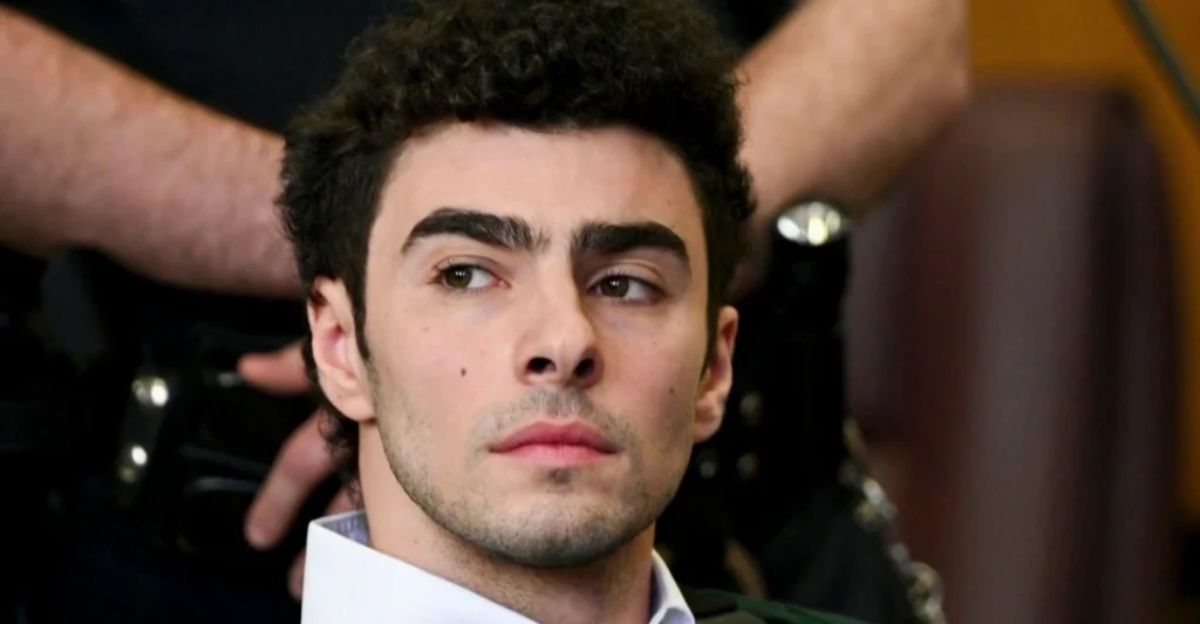
If the suppression motion succeeds and Mangione is acquitted, it would send shockwaves through corporate America and law enforcement. A high-profile acquittal in a case involving a murdered CEO would raise serious questions about police procedures and Fourth Amendment protections.
On the other hand, a conviction would show that circumstantial evidence can overcome the suppression of physical proof, and it would mark a significant moment in how future cases are prosecuted.
Political Pressure and Reform Calls
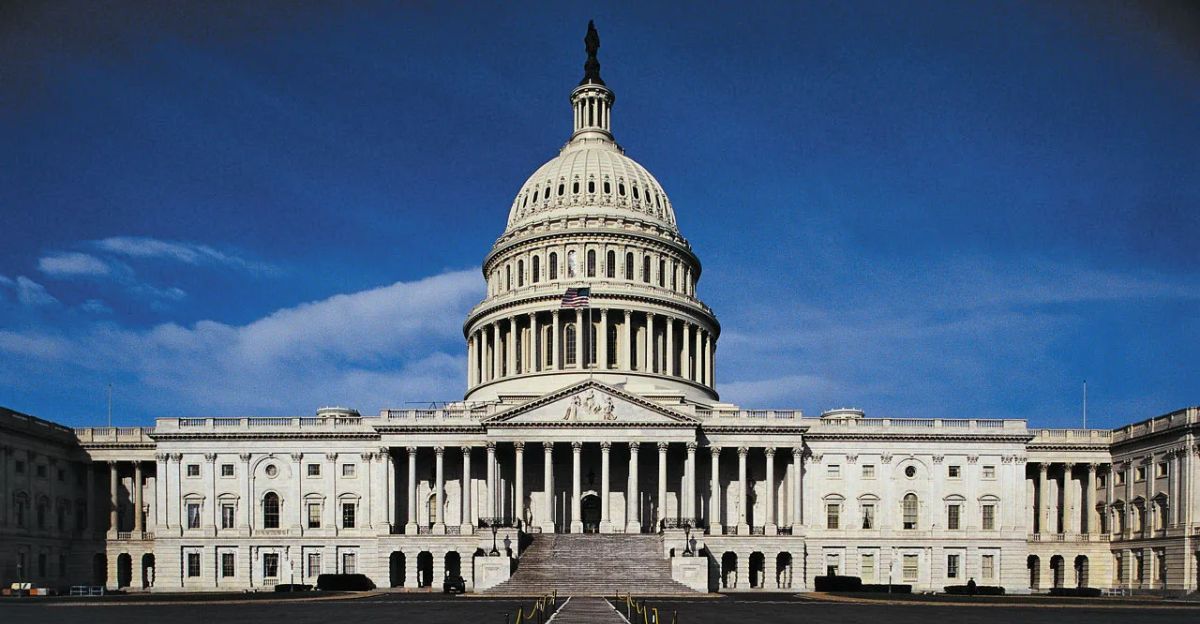
The case has become a flashpoint in the debate over healthcare reform and corporate accountability. Progressive lawmakers have used Thompson’s murder to call for investigations into UnitedHealthcare’s practices, while conservative critics have focused on crime and public safety.
The outcome of the trial could shape upcoming legislative efforts to regulate the insurance industry. The case has transcended the courtroom, becoming a political issue that could impact future elections and policy debates.
International Attention and Implications

The case has garnered international attention, with global media outlets covering the trial as a symbol of the dysfunction in the U.S. healthcare system. European observers have noted the contrast between American healthcare practices and those in more regulated systems abroad.
The trial has become a talking point in global discussions about corporate accountability and wealth inequality, raising questions about systemic failures rather than focusing solely on Mangione’s actions.
Constitutional Precedent and Law Enforcement
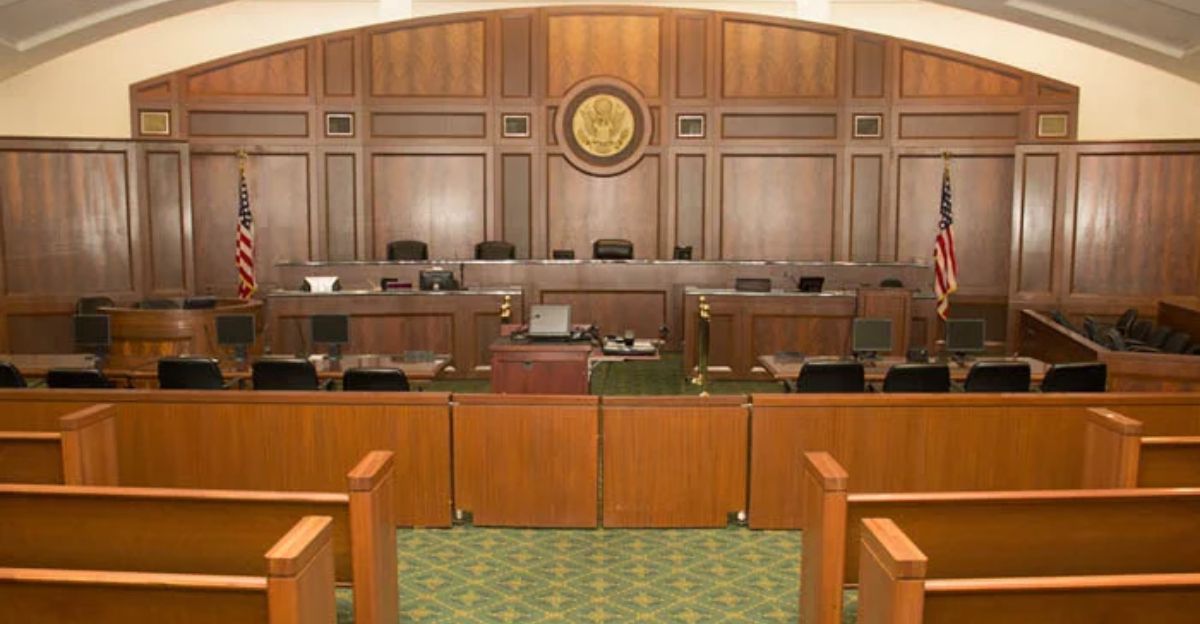
The suppression hearing has the potential to set a significant legal precedent. A ruling in Mangione’s favor could tighten restrictions on warrantless searches during arrests, while a ruling for the prosecution could broaden police powers in similar cases.
The outcome of this hearing will have far-reaching implications for law enforcement and how future cases involving search and seizure are handled.
Cultural Reckoning with Corporate Power
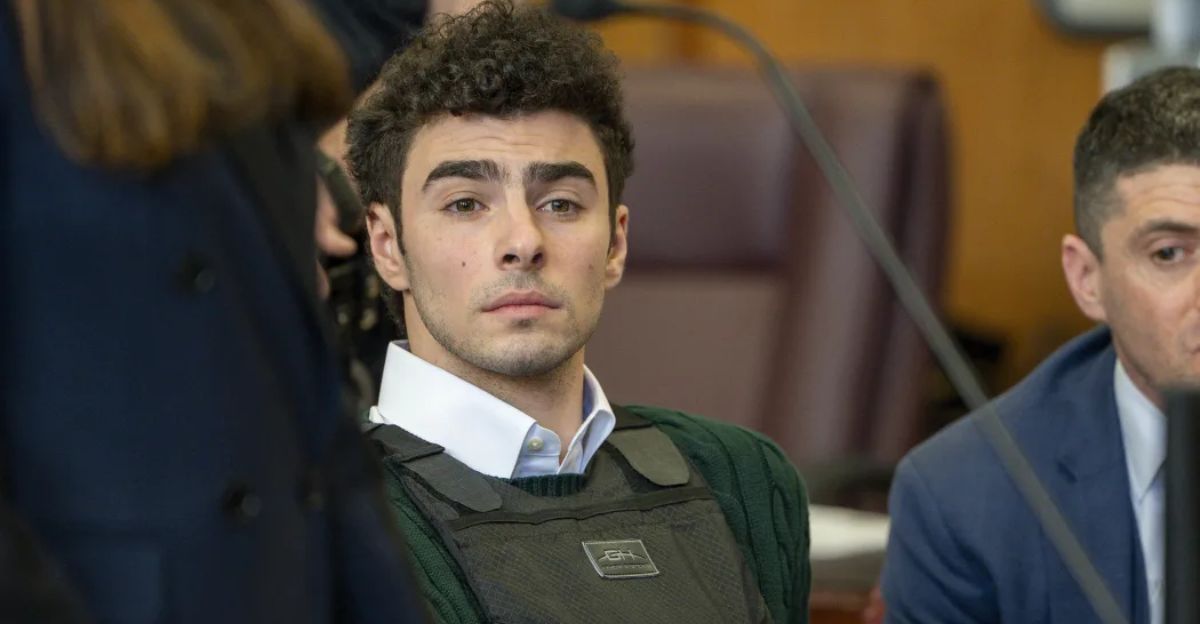
The trial has sparked a wider conversation about the relationship between corporate power and public welfare. Mangione’s alleged targeting of an insurance executive has been framed by some as a protest against systemic injustice, while others view it as a terrorist act.
This divide reflects deeper tensions within American society over corporate accountability and wealth inequality, and the trial will test whether courts can address these broader cultural issues while staying focused on legal facts.
What This Moment Reveals
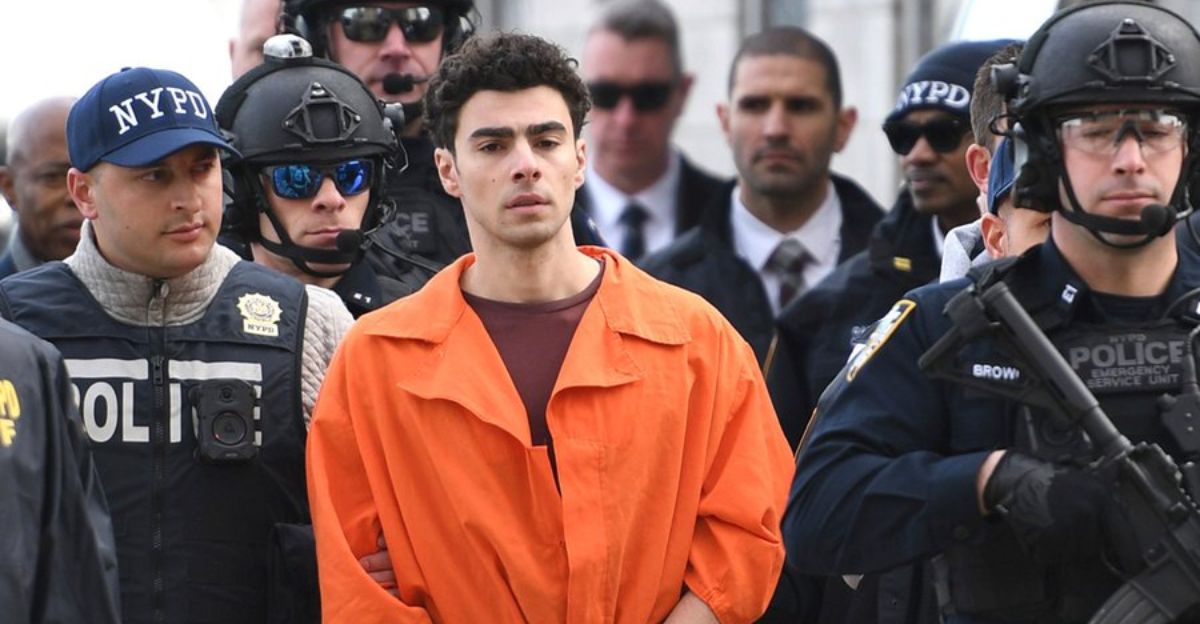
The Mangione case has exposed fractures within American institutions, from corporate America to the legal system. The suppression hearing will not only determine Mangione’s fate but also signal how courts balance individual rights with public demands for justice.
Regardless of the trial’s outcome, the case has already reshaped the conversation around corporate accountability, healthcare reform, and how the justice system responds to public outrage.
Sources:
PBS NewsHour: Ammo used in health insurance CEO’s killing had ‘deny,’ ‘defend’ and ‘depose’ written on it
BBC News: Mangione in court as lawyers seek to rule out notebook
Le Monde: Suspect Luigi Mangione fights to exclude evidence from his trial
NBC News: Luigi Mangione set to return to court for pretrial hearing
ABC News: ‘I knew it was him immediately,’ officer who found Luigi Mangione