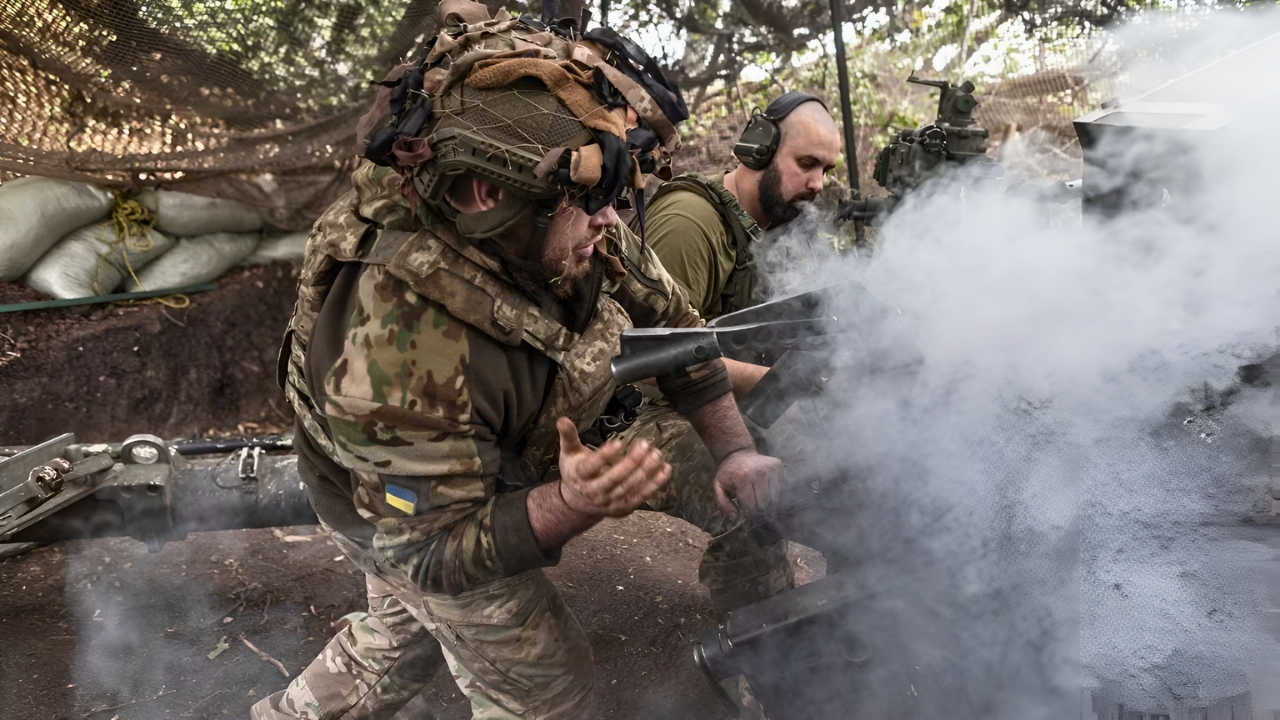
In a significant turn of events, Ukraine’s Special Operations Forces (SSO) launched a precision raid on November 28, 2024, targeting a key Russian drone launch and storage facility near Cape Chauda in Crimea. This operation marked a critical escalation in Ukraine’s military strategy, shifting from a defensive to a proactive, deep-strike approach aimed at disrupting Russian aerial assaults.
Analysts emphasize the raid’s importance in degrading Russia’s ability to launch drone attacks against civilian infrastructure in Ukraine. The successful operation highlights the evolving nature of warfare in the region and the increasingly sophisticated tactics employed by Ukrainian forces in response to malicious drone campaigns.
Contextualizing the Ukraine-Russia Conflict

A rapid escalation in drone warfare has marked the ongoing conflict between Ukraine and Russia. The introduction of Shahed-type drones, primarily engineered and produced by Russia, has significantly strained Ukrainian defensive capabilities.
By 2025, the scale of Russian drone operations expanded dramatically, with swarms overwhelming Ukraine’s air defenses night after night, prompting urgent calls for counter-strategies. According to Defense Intelligence reports, Russian forces aimed to produce approximately 79,000 drones in 2025, escalating tensions in the region. The tactical environment warranted Ukraine’s shift towards offensive operations, such as the Cape Chauda raid, illustrating the dire need to adapt to the changing realities of combat.
The Role of Shahed Drones in Russian Strategy
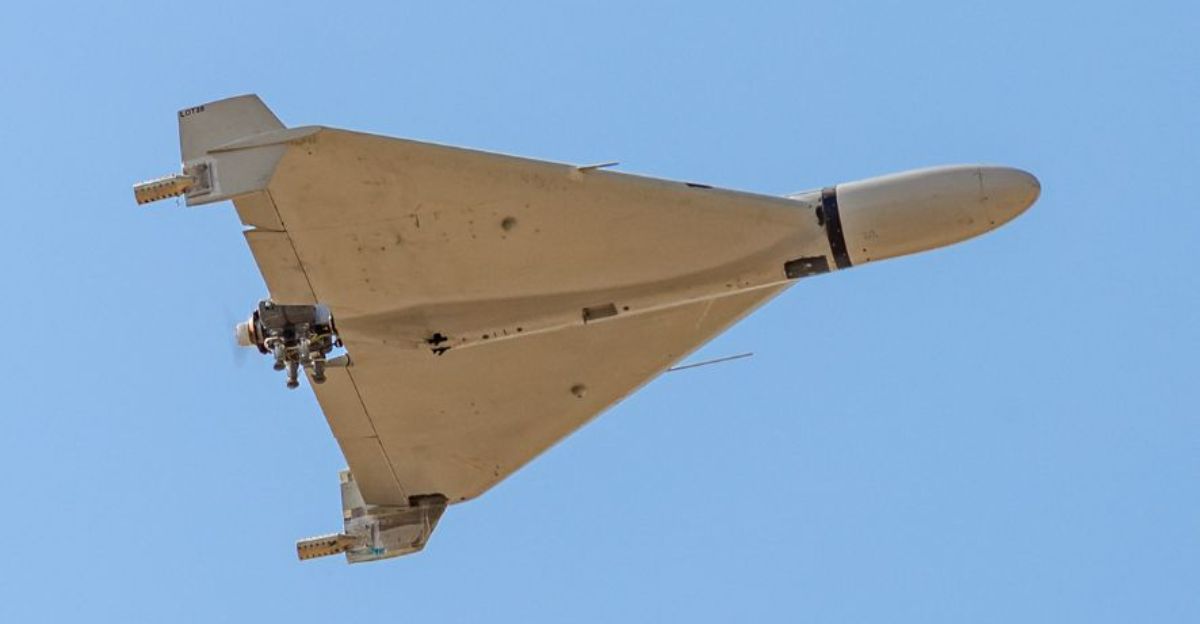
Russia’s shift towards the use of Shahed drones has become a cornerstone of its combat strategy against Ukraine. Through enhancements in production capabilities, specifically at the Alabuga Special Economic Zone in Tatarstan, Russia has achieved an estimated output of 2,700 Shahed-136/Geran-2 drones per month.
Originally imported from Iran, these drones have been reverse-engineered for domestic manufacturing, effectively reducing dependency on foreign suppliers. This increase in production has made it challenging for Ukraine to maintain adequate air defense. These strategic layers signify Russia’s commitment to aerial warfare, creating a more complex battlefield for Ukrainian forces to navigate.
The Tactical Significance of Cape Chauda
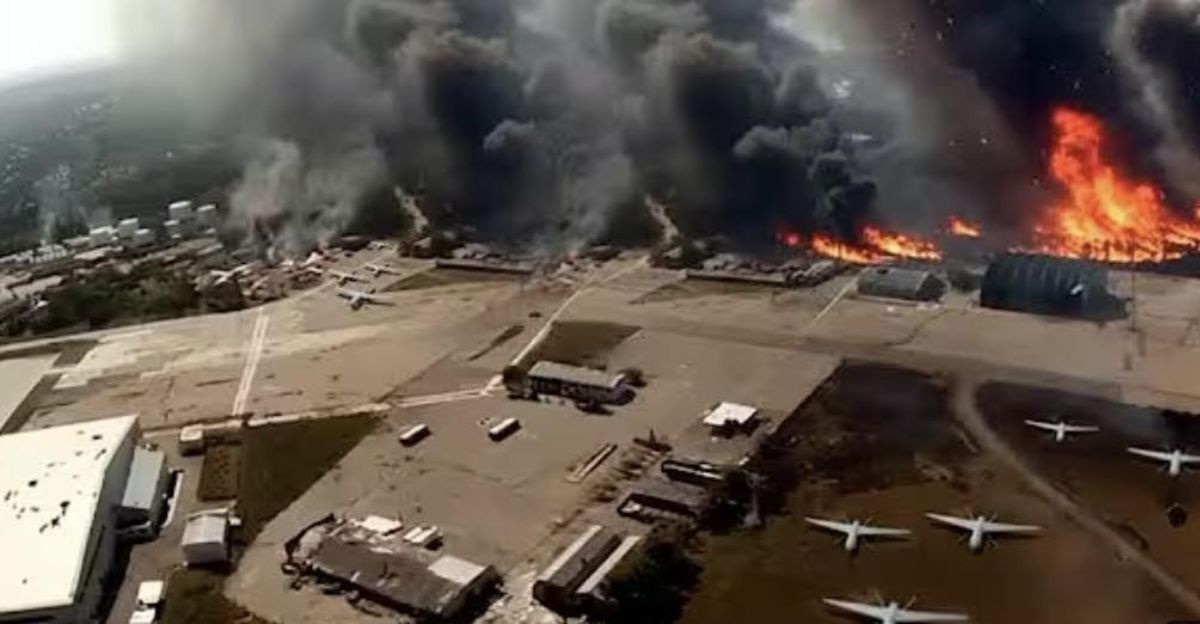
Cape Chauda has emerged as a strategic launch hub for Russian drone operations, particularly for Shahed swarms targeting Ukrainian cities. Its geographic isolation provided a perceived advantage for Russian forces, allowing them to stage operations far from the front lines.
By November 2024, Ukrainian military intelligence had identified this vulnerability, as the concentration of drone inventory and launch crews at such locations became a focal point for potential strikes. The Ukrainian military’s evaluation of Cape Chauda indicated a unique opportunity to exploit this tactical advantage, shaping the context for the successful strike that occurred later that month.
The Cape Chauda Strike
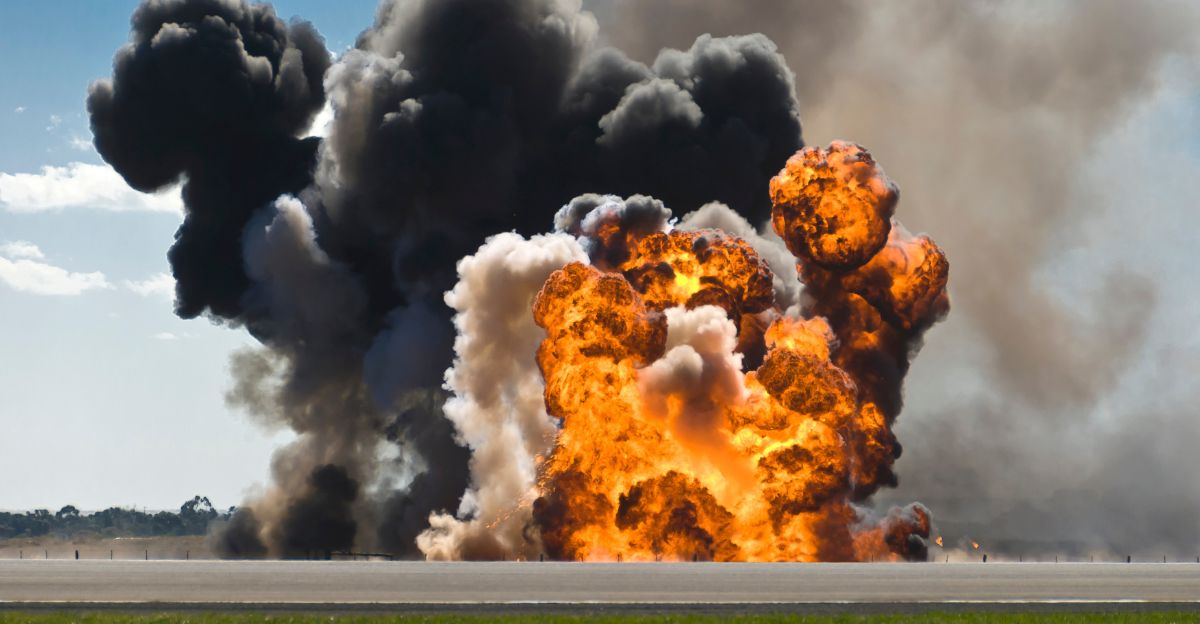
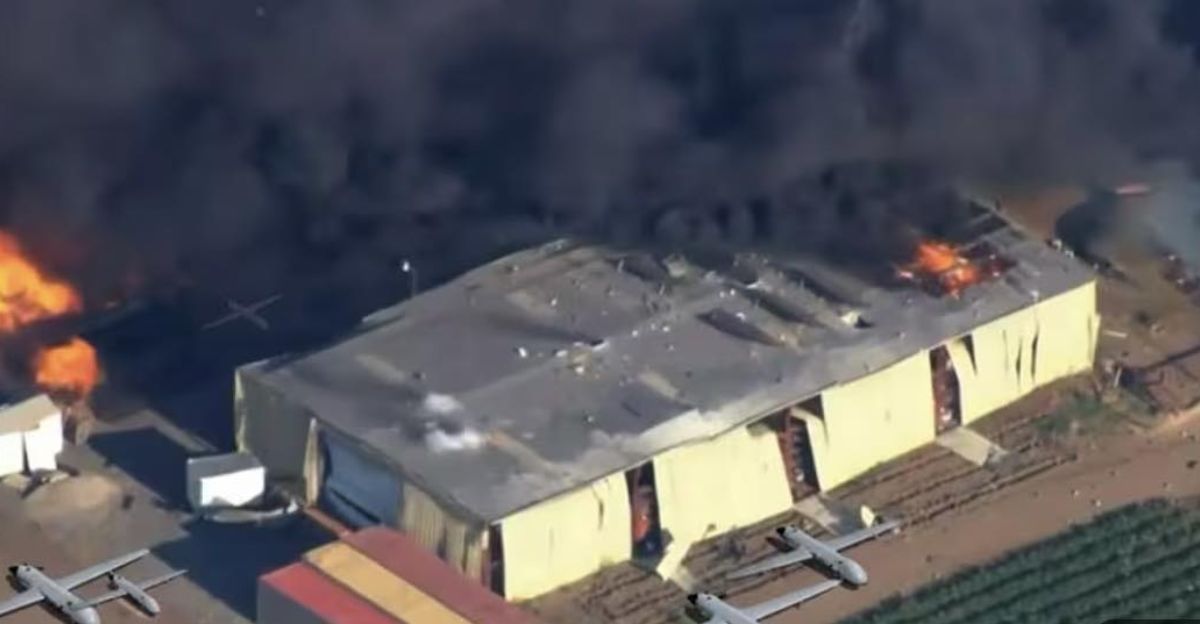
On November 28, 2024, the Ukrainian SSO executed a meticulously planned raid on the Russian facility at Cape Chauda, disrupting its operations significantly. Targeting the storage and launch area for Shahed drones, this operation emphasized Ukraine’s capability to conduct deep-strike missions far behind enemy lines.
Military officials reported extensive damage to the facility and its drone inventory, effectively degrading Russian launch operations from this location. Announced publicly on December 1, 2024, the strike highlighted the escalating tactical capabilities of Ukraine’s military forces as they work to mitigate the threat posed by Russia’s aggressive drone tactics aimed at civilian targets.
The Impact of Ukrainian Raids on Russian Operations
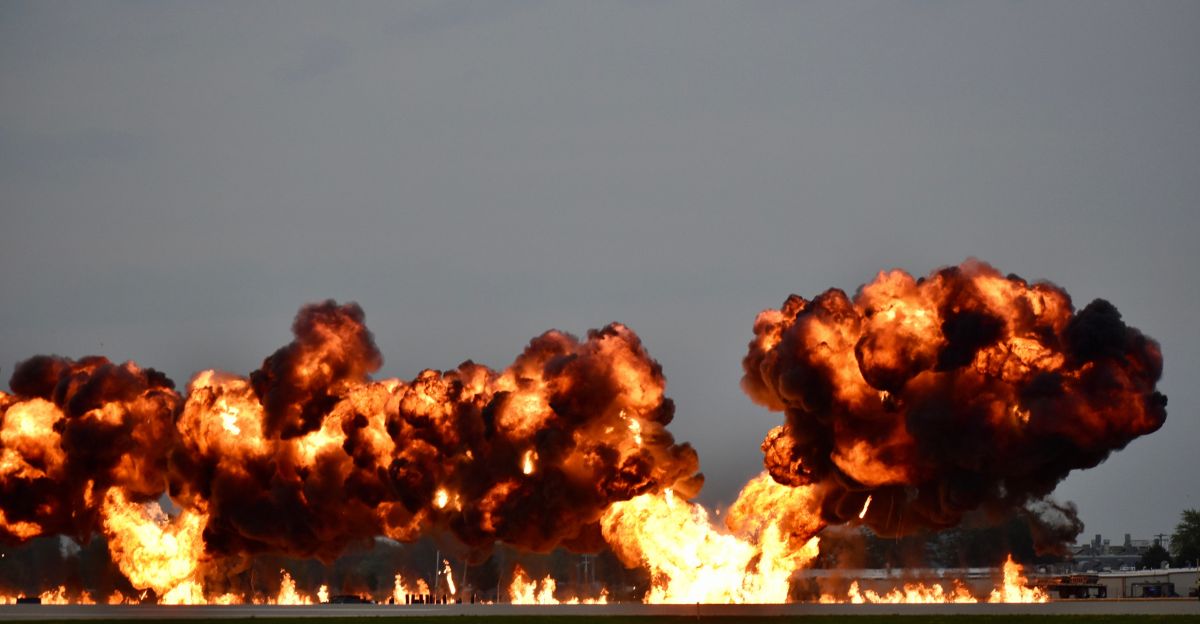
The Cape Chauda strike marked a turning point, with military analysts predicting a substantial impact on the operational capabilities of Russian drone forces. By targeting the launch infrastructure directly, Ukraine aims to disrupt not just immediate strikes but also the long-term production and deployment timelines of the Shahed drones.
This kind of asymmetric retaliation could diminish the volume of drone attacks experienced nightly in Ukrainian cities, allowing the country’s air defenses to recover from tactical exhaustion. Analysts note that every drone intercepted by Ukraine carries high costs, making the logic of targeting launch sites increasingly critical for sustaining defense measures.
Rising Tensions and Advancements in Drone Warfare
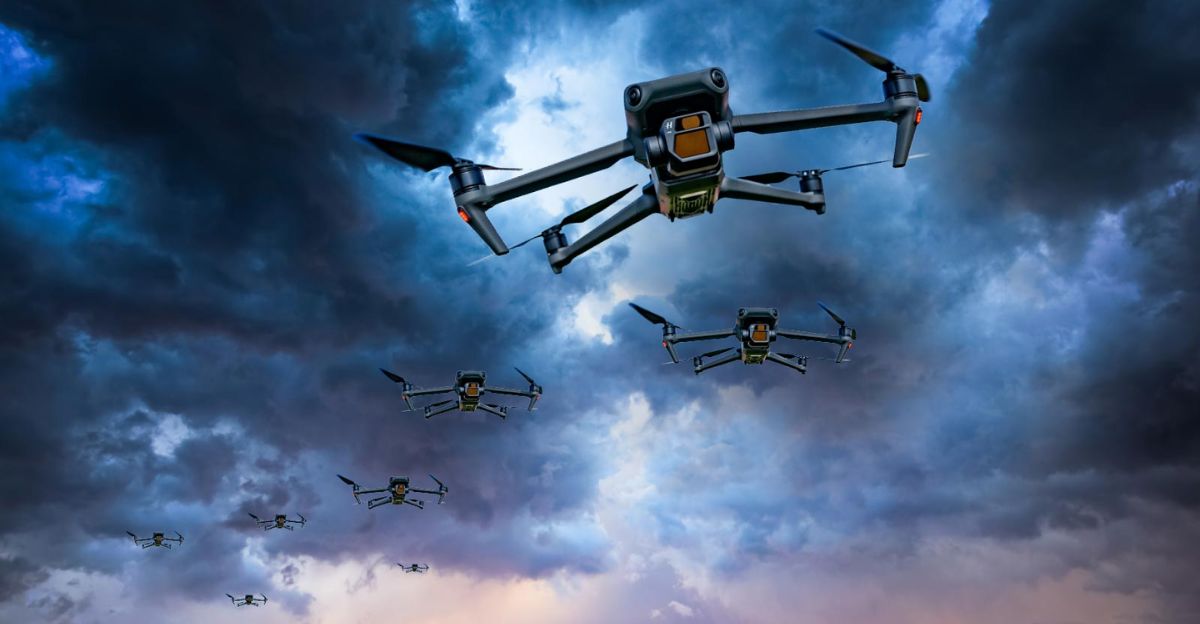
As the war evolves, the dynamics of drone warfare between Russia and Ukraine have further escalated tensions. Through the lens of analysts, the volume of Russian drone attacks has not only increased but has also diversified in terms of targeting tactics.
By December 2024, Russia executed a singular attack involving 138 drones, successfully overwhelming Ukrainian air defense systems, which managed an impressive 83% interception rate. The continuous improvement in drone launch tactics demonstrates a clear military strategy to leverage aerial technology as a primary instrument of warfare, significantly influencing Ukraine’s urgency to enhance counter-strategies and advanced technologies.
Economic Implications of Drone Warfare
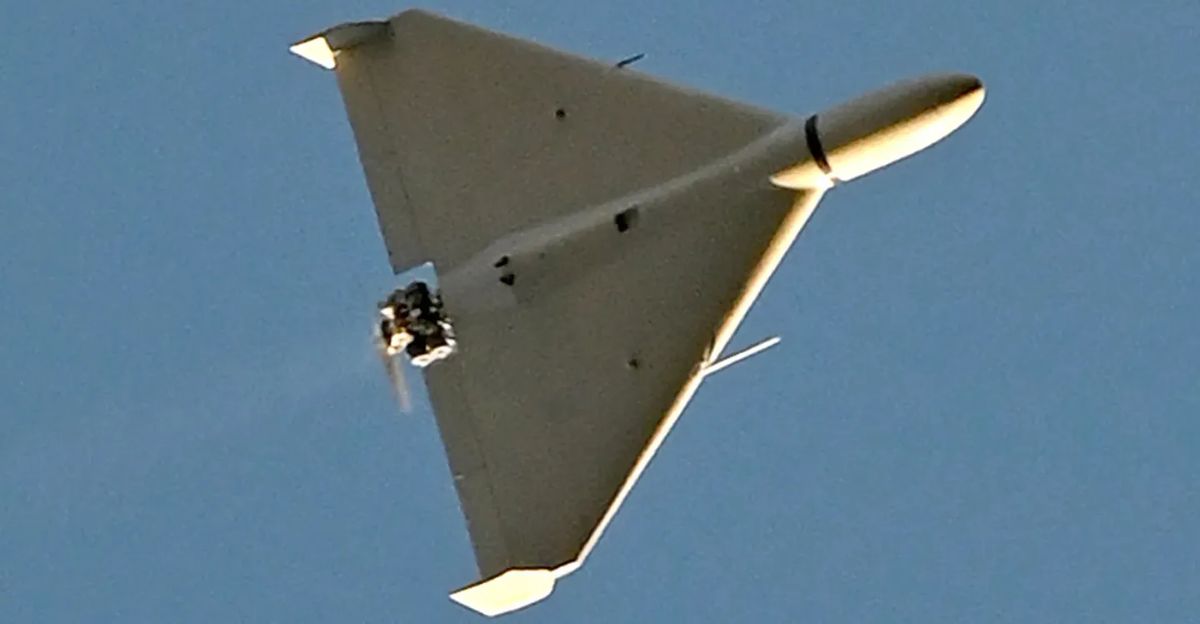
The ongoing war has profound economic dimensions, particularly in how both sides allocate resources for drone warfare. Russian Shahed drones, costing significantly less to manufacture compared to Ukraine’s air defense missiles, have led to a cost-asymmetry predicament in the conflict.
As military operations continue, Ukrainian forces expend tens of thousands of dollars to intercept each drone while Russia benefits from a broader industrial capacity for cheaper drone production. This financial strain highlights the importance of Ukrainian operations, such as the Cape Chauda raid, which aims to reduce operational costs by dismantling key elements of Russian drone capabilities.
Ukraine’s Strategic Countermeasures
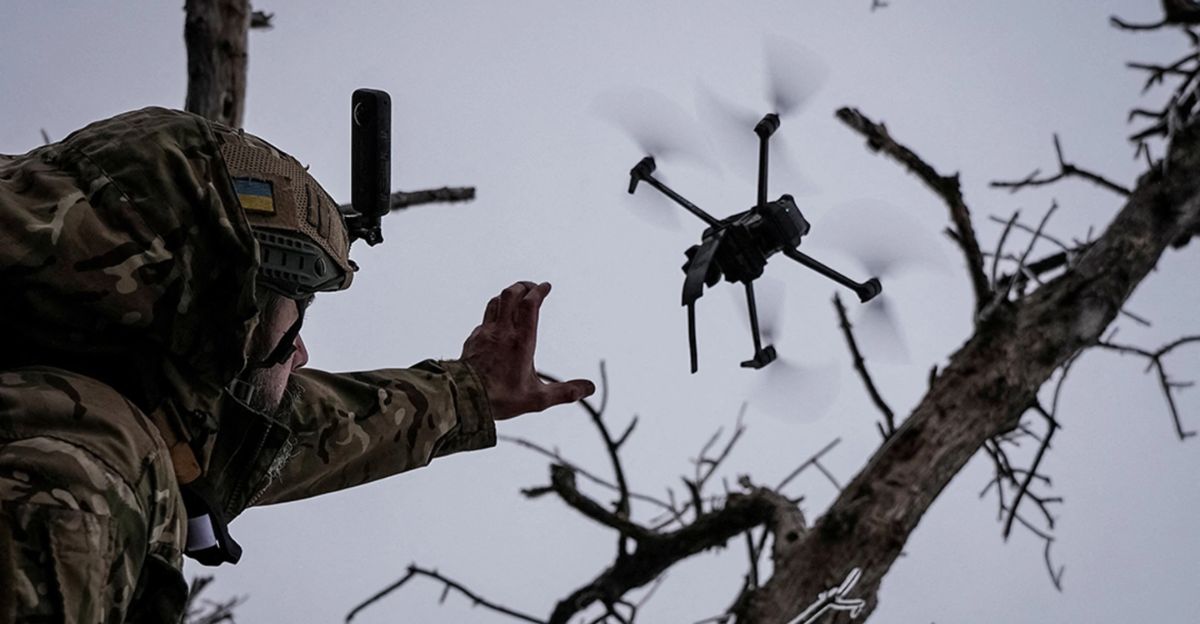
Navigating through challenges, Ukrainian military forces have demonstrated resilience and adaptability in the face of escalating drone warfare. The shift to deep-strike operations, such as the assault on Cape Chauda, highlights their commitment to proactively addressing vulnerabilities in enemy infrastructure.
Ukraine’s evolving military doctrine recognizes that harnessing advanced technologies and capabilities enables it to disrupt supply chains and support networks of Russian drone operations. Continuous assessments of key launch sites indicate a forward-thinking approach essential in modifying operational tactics to ensure the safety and security of its territorial integrity.
The Future of Warfare in Ukraine
As Ukraine continues to advance its military capabilities, the recent success at Cape Chauda raises questions about the potential for ongoing operations targeting Russian drone supply chains. The effectiveness of deep-strike missions could redefine conventional warfare strategies in the region, reshaping the tactical landscape.
With winter approaching, military planners in Kyiv are left wondering if these operations can effectively disrupt Russia’s drone campaign at such a critical juncture. As Ukraine continues to invest in drone technology and special operations, the balance of power will remain under constant scrutiny in this high-stakes theater of combat.
Local Reactions to the Strike
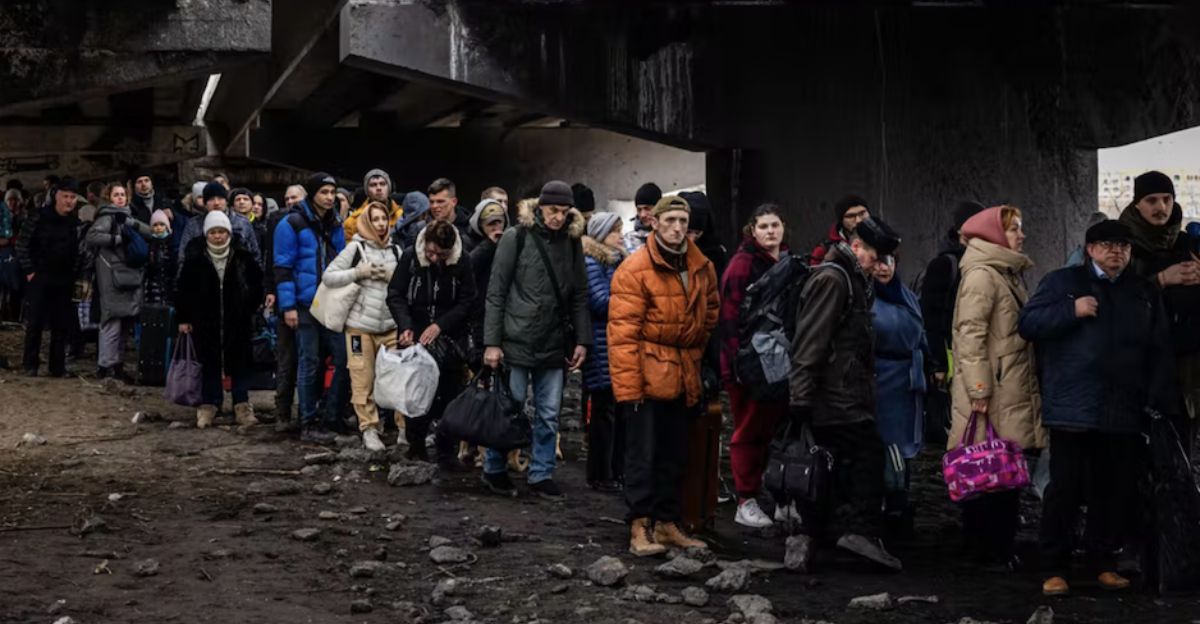
Reactions from civilians and military personnel on both sides reflect the broader implications of the Cape Chauda raid. Ukrainian residents, having endured consecutive nights of drone attacks, expressed relief at the news of the strike. The emotional weight of the conflict resonates deeply among those most affected by the aerial assaults.
Ukrainian communities have faced repeated disruptions from air-raid sirens and infrastructure damage, making military successes against launch sites sources of cautious optimism. Conversely, Russian military coordination faces ongoing challenges as Ukrainian deep-strike operations target critical operational nodes across occupied territories.
Broader Implications for NATO and Global Security
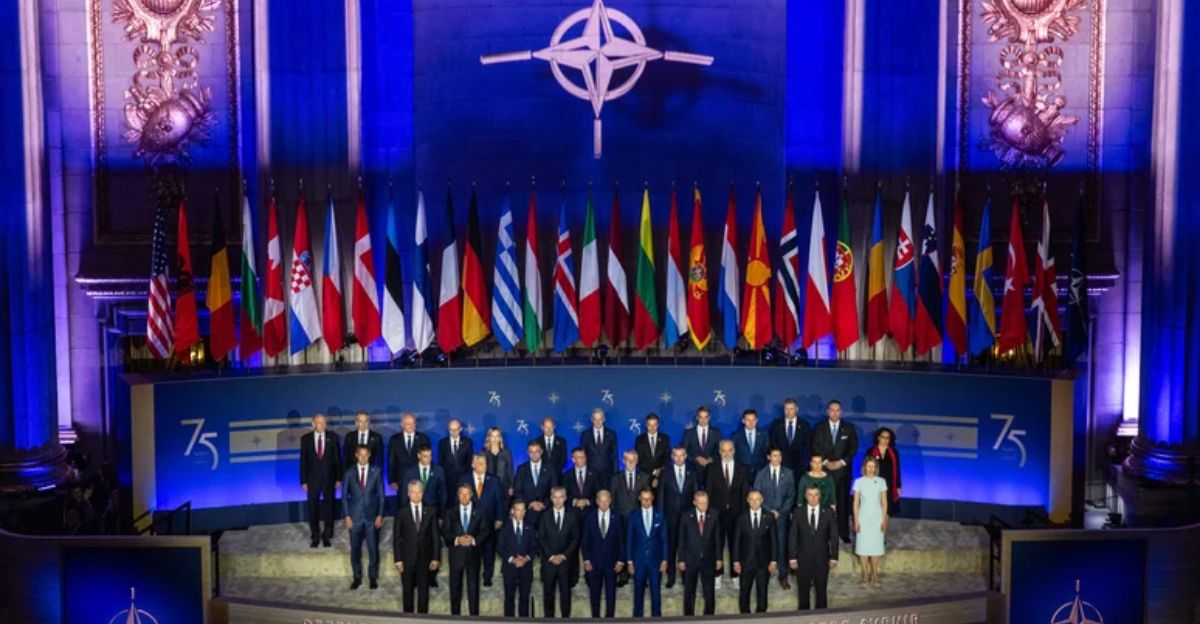
The ongoing conflict and the tactical evolution in Ukraine have broader ramifications for NATO and global security. As drone wars become more prominent, allies are closely monitoring Ukraine’s operational successes and challenges to inform their military strategies.
The Cape Chauda raid showcases the importance of asymmetric warfare, leading to potential discussions about bolstering drone technologies across allied nations. The geopolitical landscape may also shift as countries reevaluate their strategies and security postures in response to the lessons learned in Ukraine’s resistance against larger military forces employing advanced aerial tactics.
The Importance of Intelligence in Modern Warfare
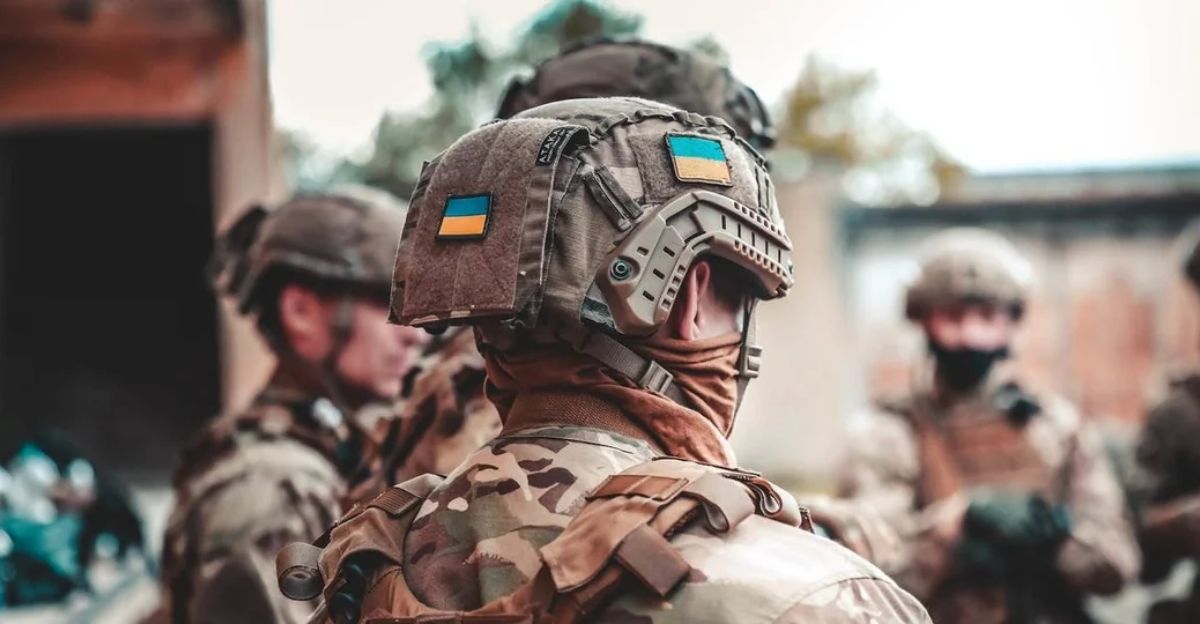
Intelligence has played a crucial role in shaping Ukraine’s military operations against Russian drone strikes. The successful identification of key vulnerabilities, such as the Cape Chauda facility, can be attributed to intelligence efforts that monitor enemy movements and logistics.
The continuing battle for air superiority will rely heavily on real-time intelligence, allowing Ukraine to continuously adapt its strategies for countering drone activities that pose immediate threats to national security. Advanced surveillance and reconnaissance capabilities have enabled Ukrainian forces to identify and exploit targeting opportunities deep within Russian-held territory.
The Path Forward for Ukraine’s Military Forces
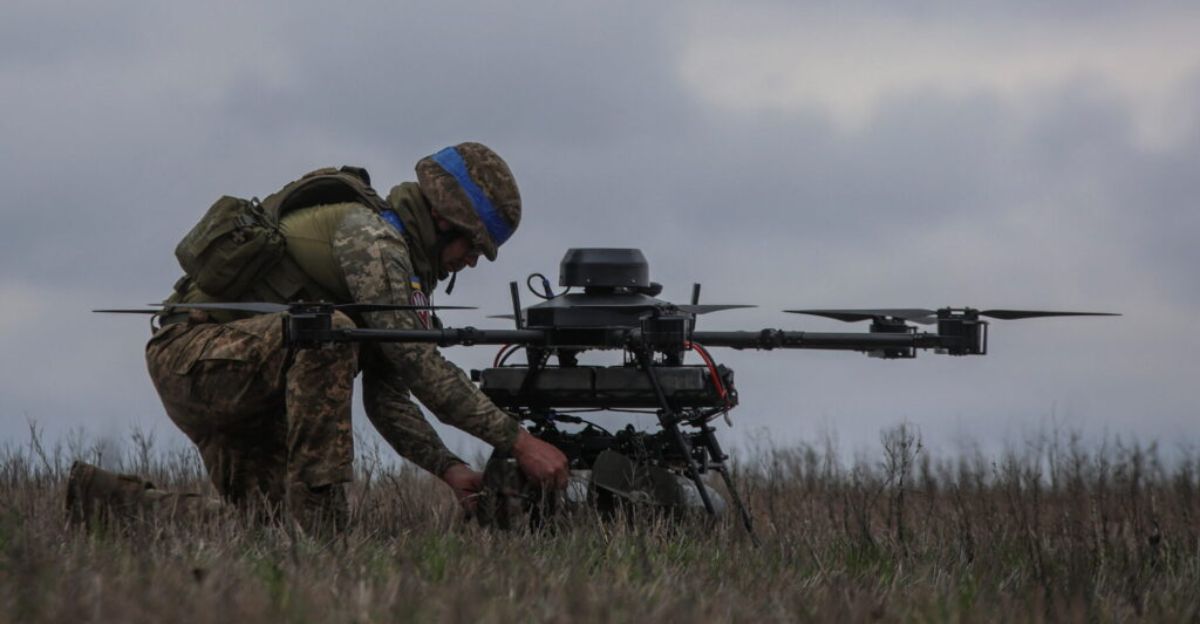
Looking ahead, Ukraine faces a daunting task in maintaining the momentum generated by the successful Cape Chauda attack. The winter months loom, bringing the risk of intensified aerial assaults targeting critical infrastructure.
Sustaining improvements in air defense systems and further investments in offensive strike capabilities will play a vital role in countering ongoing threats. Military planners must also consider adapting tactics and incorporating advanced technology to stay ahead in this evolving conflict landscape. Ukraine’s ongoing commitment to safeguarding its sovereignty remains resolute in the face of these increasingly complex dynamics.
Resilience and Strategy in Uncertain Times
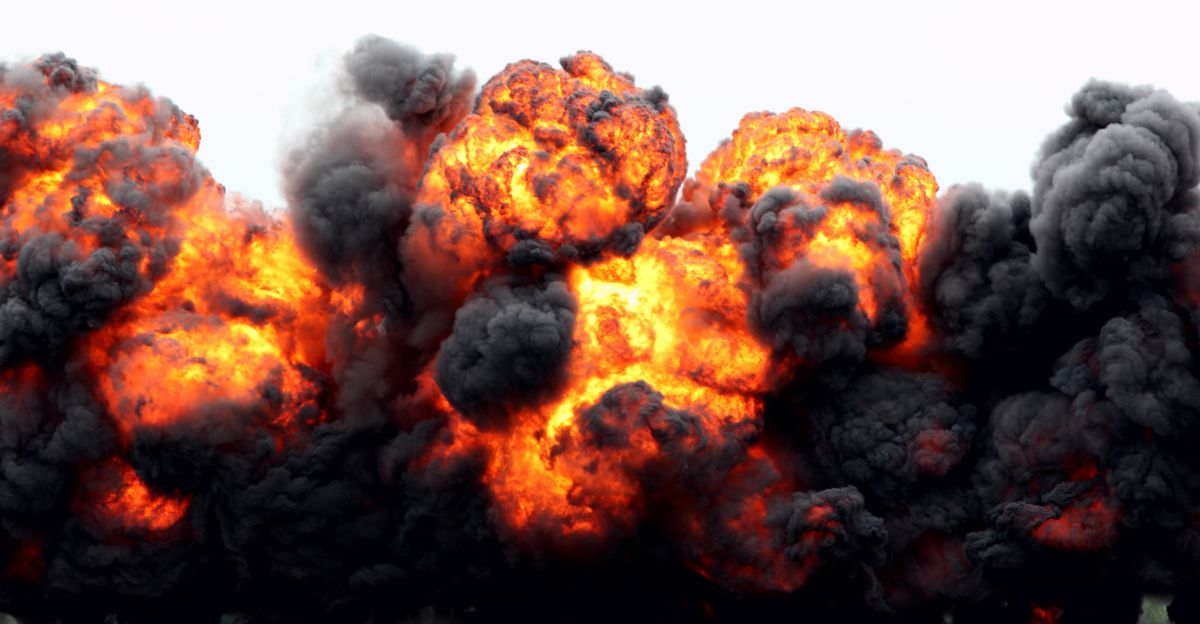
As the Ukraine-Russia conflict continues to unfold, the deepening complexities of warfare require innovative strategies and unwavering resilience. The Cape Chauda raid exemplifies Ukraine’s determination to disrupt Russian operations while safeguarding its cities from drone attacks.
This adaptive approach represents a significant shift in military tactics, prioritizing proactive engagement over passive defense. As NATO and its global allies observe these developments, the evolving landscape of warfare presents ongoing challenges and opportunities for all parties involved, shaping the region’s future geopolitical dynamics as both sides vie for supremacy in modern combat.
Sources:
Kyiv Independent, Ukrainian military operations reporting, December 2024-2025
Ukrainian Special Operations Forces Command, official strike announcements, December 2024
Ukrainian Defense Intelligence, production and capacity assessments, 2024-2025
Odessa Journal, Defense Intelligence analysis on Russian drone production, June 2025
Hromadske Ukraine, operational reporting on post-strike drone launches, December 2024
Ukrainian General Staff, military strategy and intelligence briefings, November-December 2024