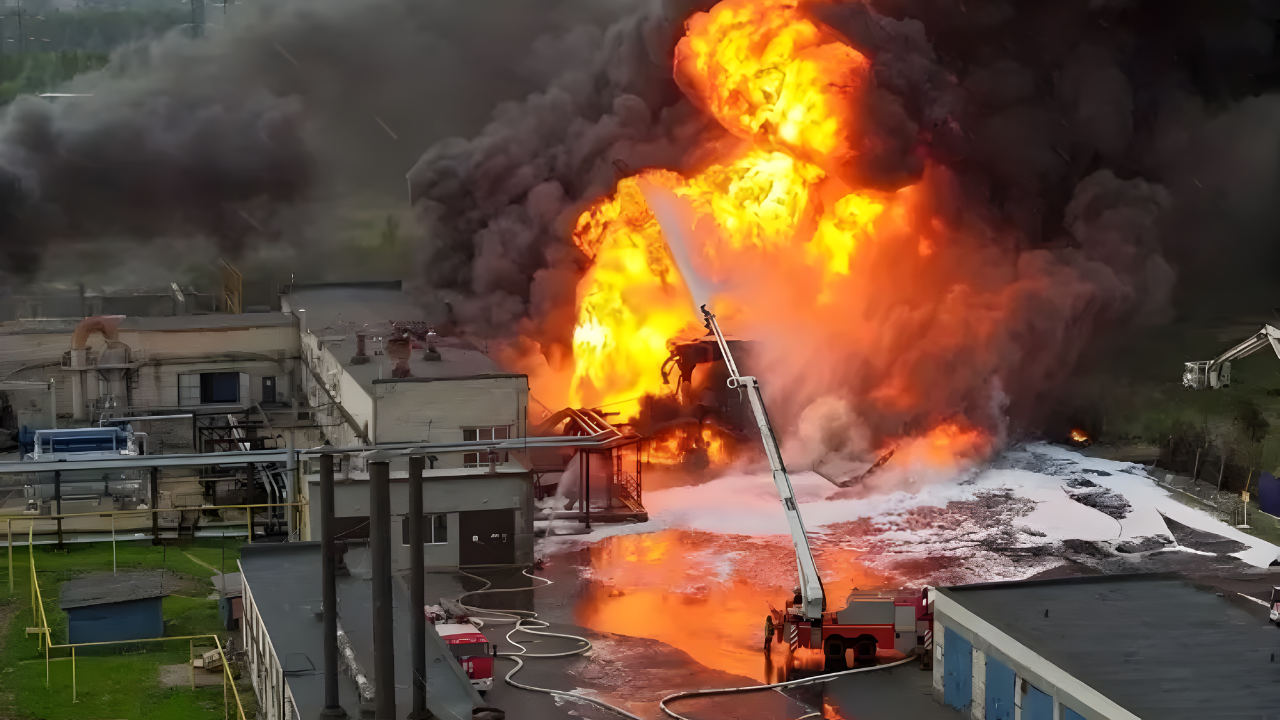
Fires tore through port infrastructure at Temryuk before dawn, with orange flames reflecting off metal storage tanks as emergency lights flashed across the harbor. Black smoke rose in thick columns behind rows of cranes, while workers in high-visibility gear moved quickly toward evacuation points.
Hours later, reports confirmed a separate strike at the Syzran Oil Refinery, nearly 700 kilometers inland, marking one of Ukraine’s deepest penetration operations of the war. But the targets hit that night were only part of a far bigger strategy.
Why Kyiv Is Targeting Russia’s Economic Lifeline
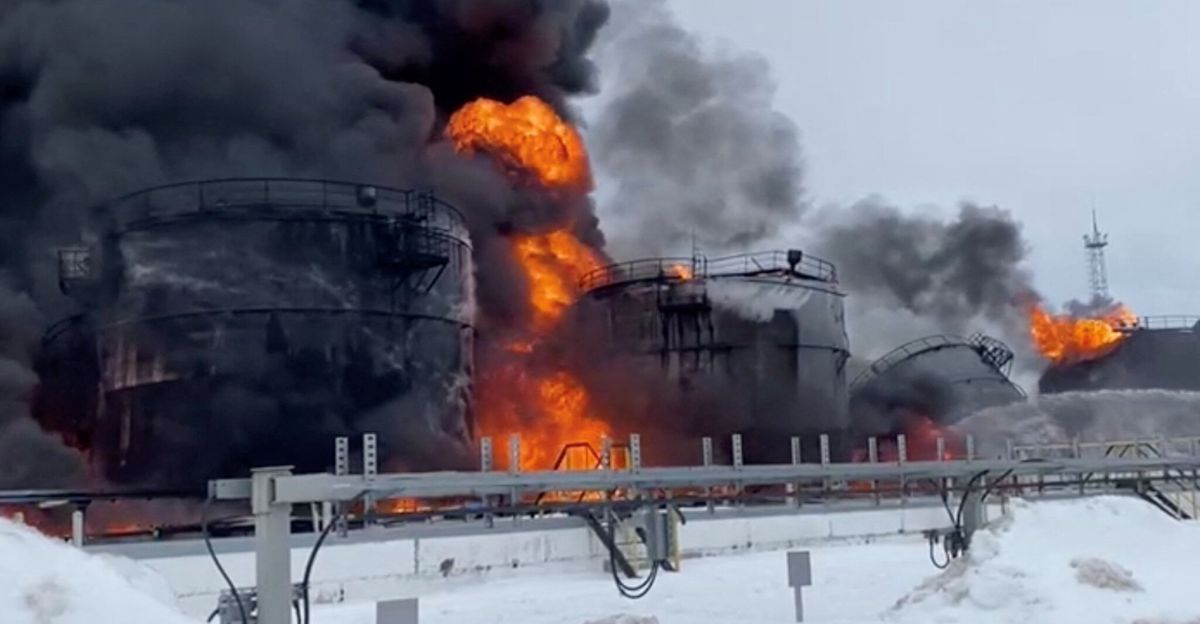
Ukraine describes these attacks as part of a sustained campaign against Russia’s oil infrastructure, framed by Ukrainian officials as “long-range sanctions” designed to weaken Russia’s ability to fund and fuel its invasion. Refineries and export terminals are valuable not just as industrial assets but as revenue pipelines for Moscow’s war machine.
Facilities like Syzran and Temryuk ship petroleum products and liquefied gas critical to Russia’s military logistics, turning aging energy infrastructure into targets despite being hundreds of miles from active combat zones.
Historic Strike Depth: 700 Kilometers Into Russia
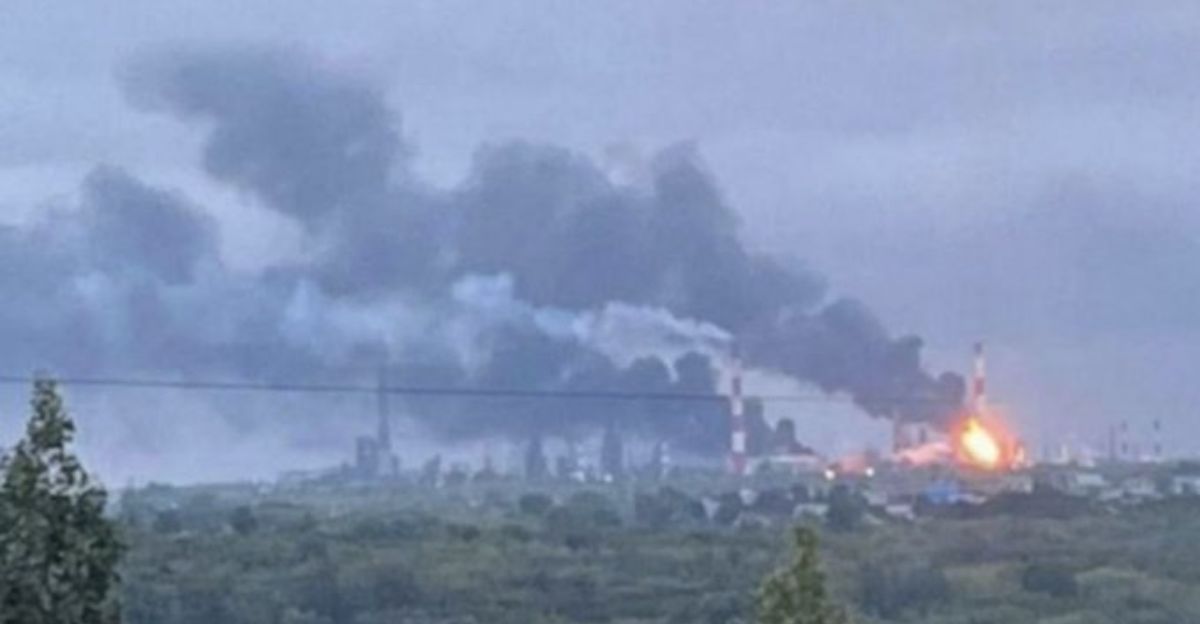
The strike on Syzran highlights a pattern of deep-penetration operations, with Ukrainian drones penetrating approximately 700 kilometers (430 miles) into Russian territory to hit strategic oil assets. It raises questions about how Kyiv is repeatedly bypassing layered air defenses to reach key facilities.
Syzran is among Russia’s oldest refineries; it began operations in 1942 and has become a recurring symbol of the vulnerability of Soviet-era energy infrastructure still critical to supporting modern military operations.
A Major Energy Asset Targeted
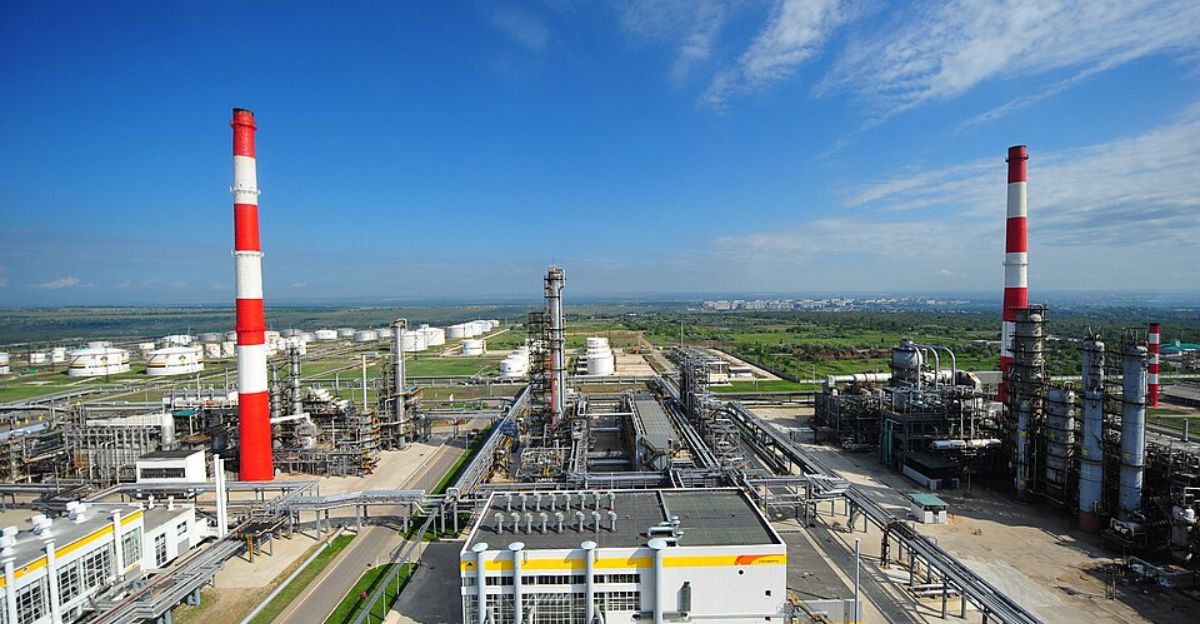
The Syzran refinery has an estimated replacement value in the range of $4–6 billion and is one of Russia’s significant petroleum processing centers. The facility’s annual processing capacity is 8.5 million tons of crude oil, equivalent to approximately 65 million barrels per year.
According to the Ukrainian General Staff, a prior strike had already damaged the refinery’s primary crude processing unit, forcing it to operate at less than 50 percent of design capacity. Further disruptions to partial processing operations could impair additional refining throughput, affecting both domestic civilian markets and military fuel supply chains.
Temryuk Port: A Strategic Export Hub Hit
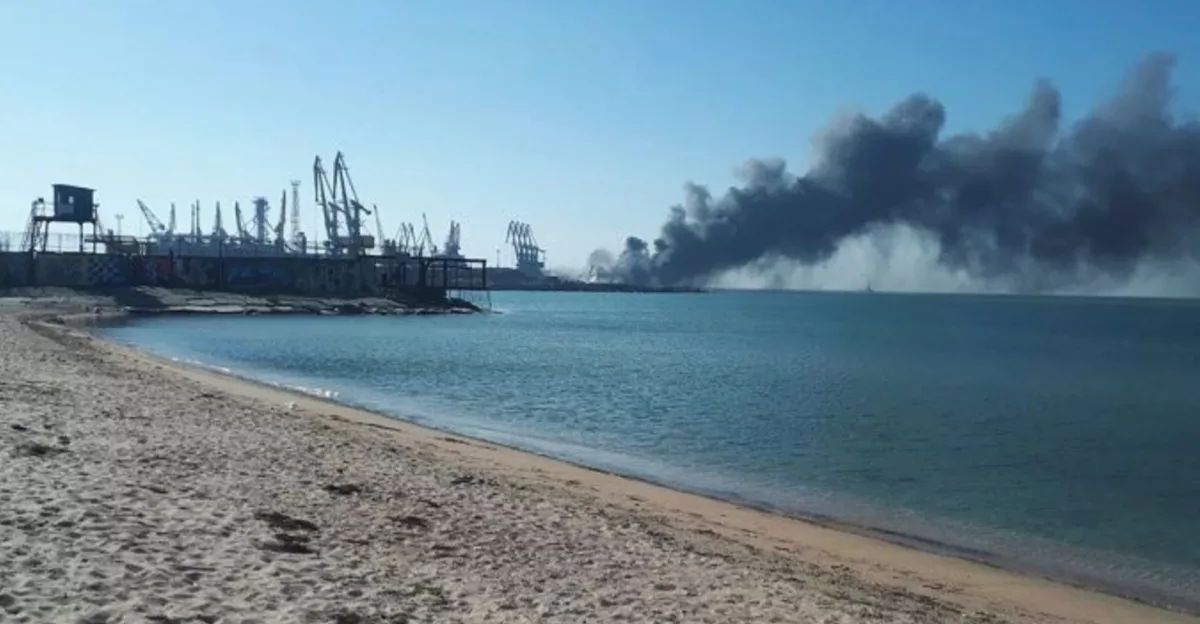
Temryuk is one of Russia’s key outlets in the Sea of Azov, equipped with facilities for general cargo, petroleum product exports, and a major liquefied petroleum gas (LPG) terminal. According to the Ukrainian General Staff and regional authorities, fires erupted at the facility following the drone strike, damaging port infrastructure.
All personnel were evacuated without casualties, according to Russia’s Krasnodar Krai Operational Headquarters. A port shutdown, even if temporary, can delay shipments and force rerouting of vessels to alternative terminals, creating logistical backlogs.
Workers Evacuated, No Casualties Reported
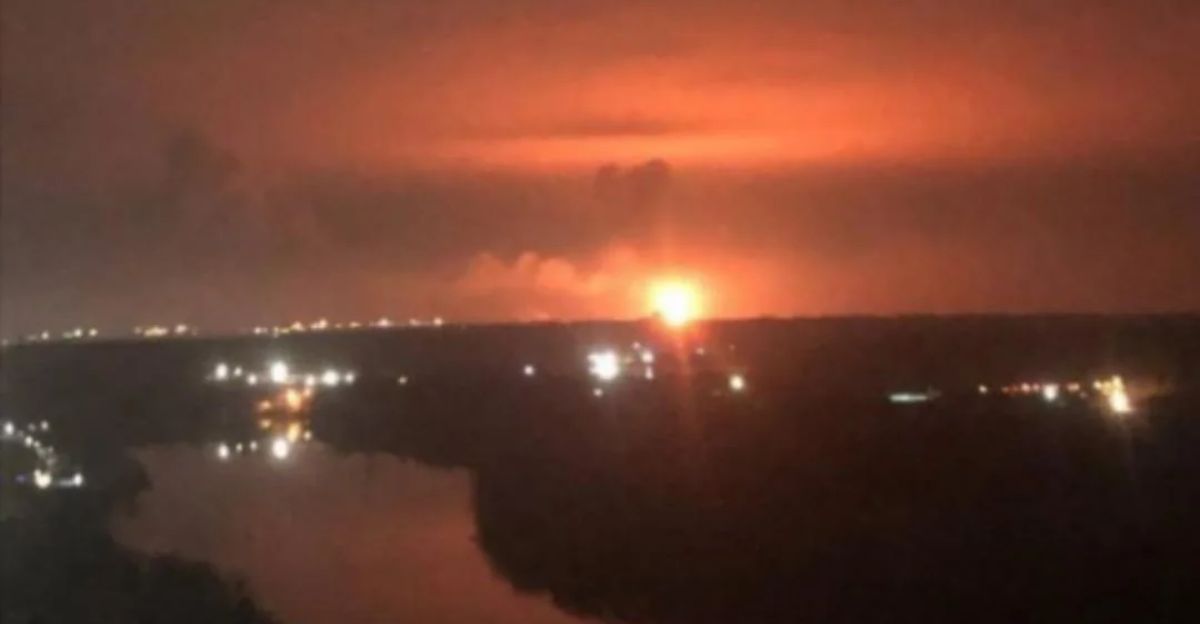
Regional authorities reported zero casualties from the Temryuk strike, with emergency crews evacuating workers as fires spread. At Syzran, explosions and flames were reported near the refinery after residents posted videos online.
While evacuations prevented fatalities, repeated nighttime incidents underscore how industrial workers—far from battlefields—are now exposed to rising risk as long-range strikes intensify.
Economic Shockwaves: Strategic Assets at Risk
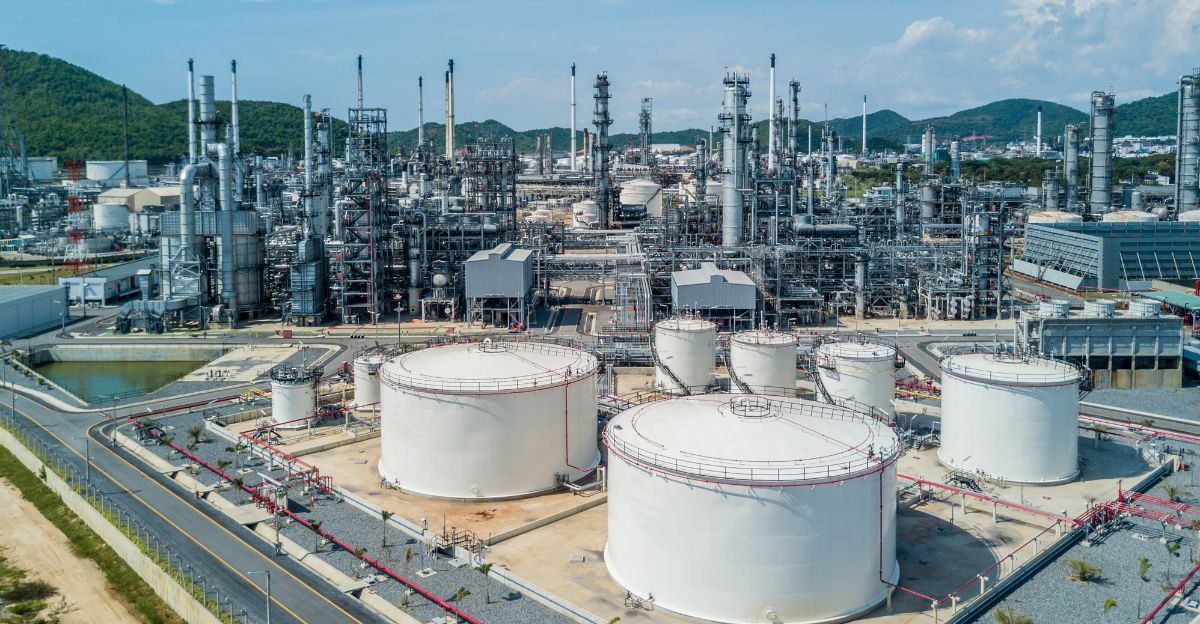
Refineries like Syzran are not just energy assets but critical nodes in Russia’s broader economic and military logistics system. Extended shutdowns threaten regional employment, municipal tax bases, and supply chains reliant on refined petroleum.
Each week offline compounds financial pressure, particularly for older facilities requiring custom parts, specialized labor, and costly inspections before resuming full operations.
Russia Scrambles to Reroute Output
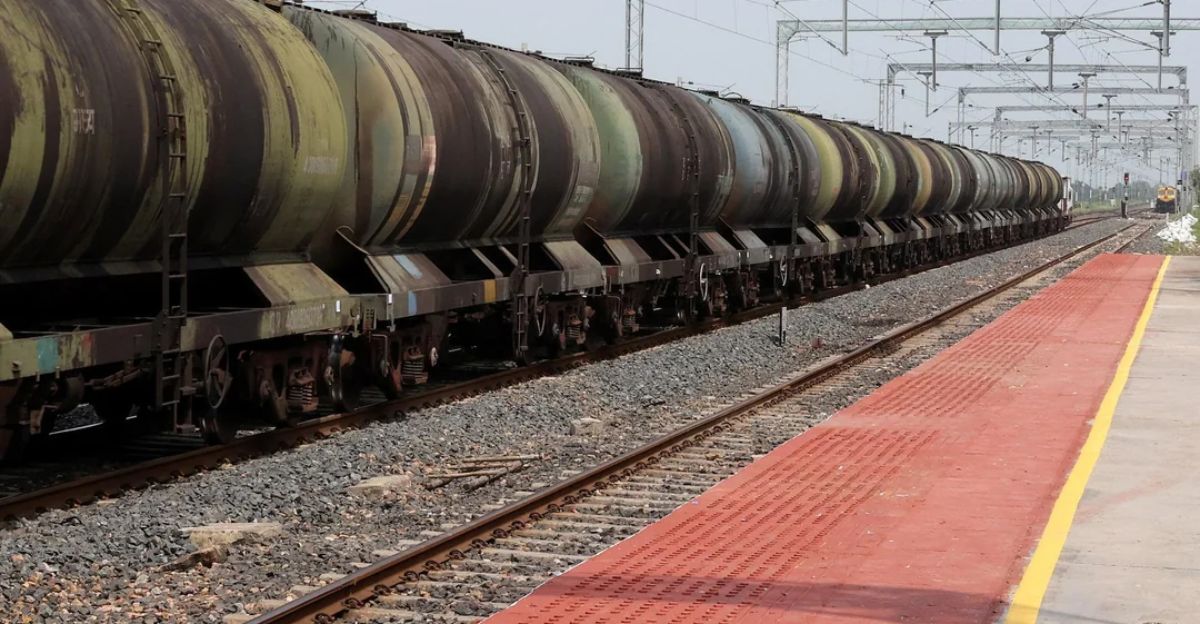
With Temryuk partially offline and Syzran already operating below capacity, Russia may redirect oil, liquefied petroleum gas, and refined fuels to alternative Sea of Azov or Black Sea terminals, or rely more heavily on inland pipelines.
However, previous strikes on other refineries have already forced Russia to juggle capacity, making each new outage harder to absorb. Temporary substitutions mitigate immediate disaster but raise transportation costs and increase operational complexity for producers and shippers.
Price Signals and Market Effects
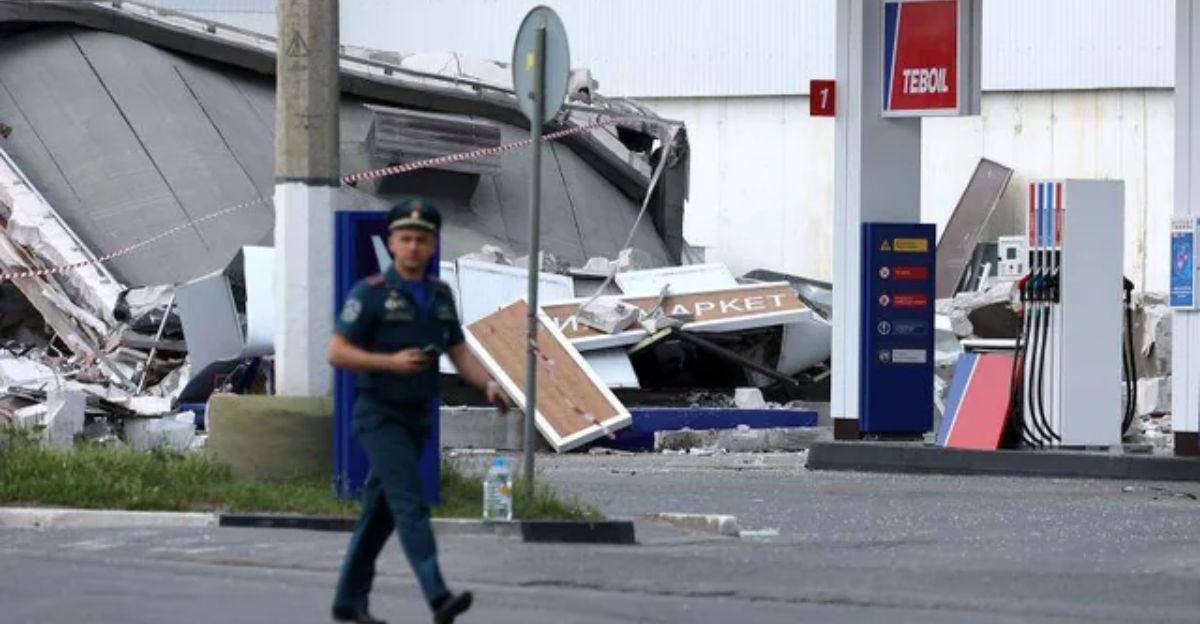
Russia has so far avoided catastrophic national fuel shortages because of redundancy in its refinery network, but each strike triggers temporary price spikes, insurance hikes, and regional supply volatility.
Traders watch for evidence of cumulative stress, fearing that multiple partial outages could tighten diesel or gasoline supply more broadly. Even if Russia stabilizes output quickly, recurring incidents keep markets on edge and nudge energy prices higher through risk premiums alone.
Local Environmental Risks and Health Concerns

Fires at refineries and gas terminals can emit pollutants that pose respiratory and environmental risks, particularly for communities downwind of industrial sites. While no major health consequences were reported from the Temryuk or Syzran incidents themselves, repeated blazes increase concerns about accumulated exposure.
Environmental experts warn that older facilities—especially those built in the Soviet era—may lack modern containment systems, compounding long-term contamination risks after multiple fire events or spills.
Ethical and Strategic Debate: War vs. Environment
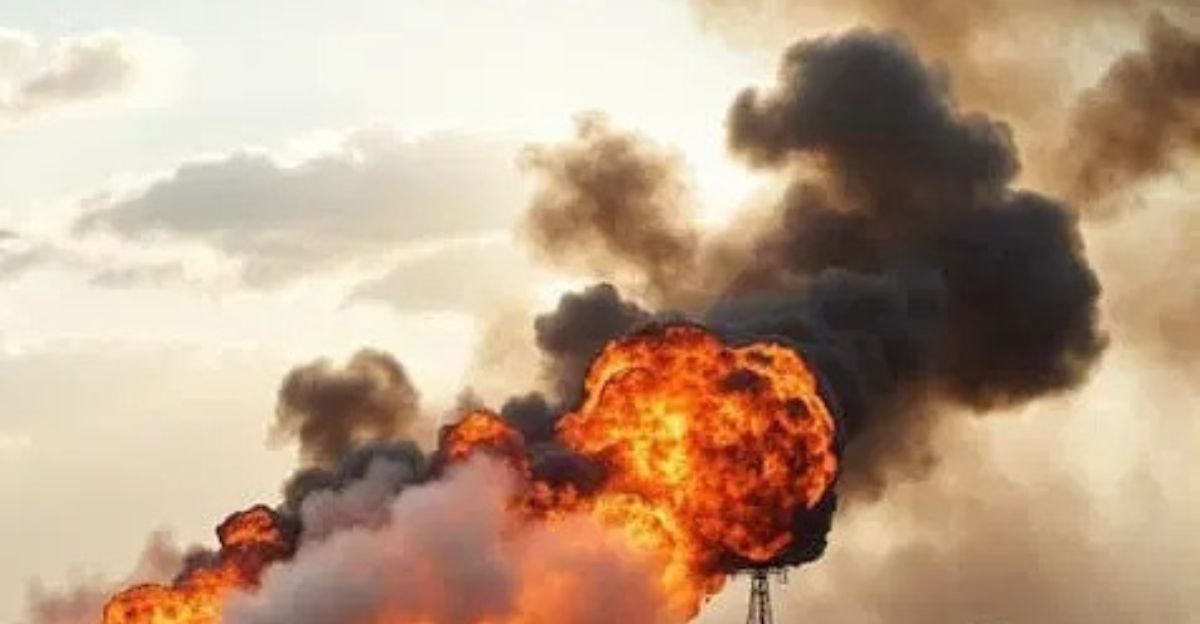
Ukraine argues that strikes on oil infrastructure are necessary to degrade Russia’s ability to wage war by destroying physical assets that generate revenue and fuel military operations. Critics counter that industrial strikes risk long-term ecological damage, including air pollution, soil contamination, and cross-border fallout.
The Syzran and Temryuk attacks highlight an emerging debate: whether targeting energy infrastructure is a justified evolution of modern asymmetric warfare or a dangerous escalation with unpredictable environmental consequences.
Ukraine’s Economic Warfare Strategy Gains Momentum

Ukraine has increasingly shifted toward targeting high-value economic and infrastructure nodes, framing the campaign as an effort to starve Russia’s war machine rather than simply destroying military hardware.
Repeated strikes on refineries, export terminals, and power plants create financial drag, disrupt logistics, and complicate Moscow’s energy strategy. The ability to hit the same facility multiple times suggests Ukraine believes cumulative damage may eventually strain Russia’s capacity to sustain prolonged conflict.
Winners, Losers, and Global Realignments

When Russian facilities go offline, other producers—especially in the Middle East and the United States—can gain export market share. Energy traders and logistics firms capable of rerouting shipments profit from volatility, while local Russian contractors, service providers, and port operators face shutdowns and payment delays.
Regional budgets reliant on energy sector taxes and port revenues suffer, particularly if disruptions extend beyond routine repair windows. For communities near Syzran and Temryuk, uncertainty becomes the new normal.
Markets Brace for Structural Risk, Not One-Off Events

Global energy consumers have grown accustomed to sudden shocks since 2022, but repeated strikes deep inside Russia reinforce perceptions of a structurally unstable market. Governments, corporations, and consumers increasingly anticipate surprise outages, shifting toward hedging, diversification, and efficiency measures.
Even when individual attacks generate moderate price reactions, their psychological effect compounds—fueling expectations that energy risk is now embedded in the world economy.
The Road Ahead: A War Over Infrastructure
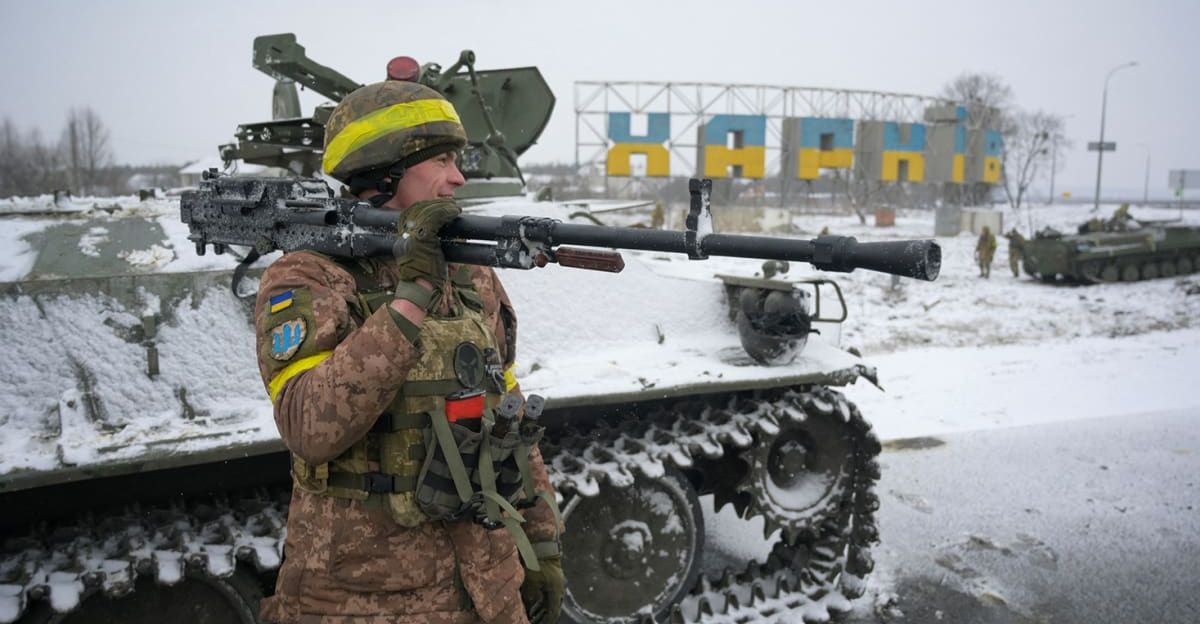
The December 4–5 strikes demonstrate that Ukraine can repeatedly hit high-value targets hundreds of kilometers inside Russia, and Ukrainian officials indicate the campaign will continue. Future outcomes will hinge on Russia’s repair capacity, adaptation of air defenses, and flexibility in rerouting exports.
The broader question is whether sustained pressure on energy infrastructure—rather than battlefield advances—can meaningfully weaken Russia’s war economy, shorten the conflict, or force political concessions in a war defined by attrition.
Sources:
Ukraine’s General Staff daily briefing (4–5 December 2025); Ukraine’s Defence Forces official communiqués on strikes against Syzran refinery and Temryuk port
Rosneft Syzran Refinery official profile and operational data (capacity, history, infrastructure)
Bloomberg / Reuters energy desk reporting on December 2025 Ukrainian drone strikes against Rosneft’s Syzran refinery and Temryuk LPG export terminal; Kyiv Independent field reporting
Oxford Institute for Energy Studies “Russian Oil Refining: in the Crosshairs” (2024) and S&P Global / independent energy market analyses on economic, logistical, and price impacts of repeated strikes on Russian oil infrastructure