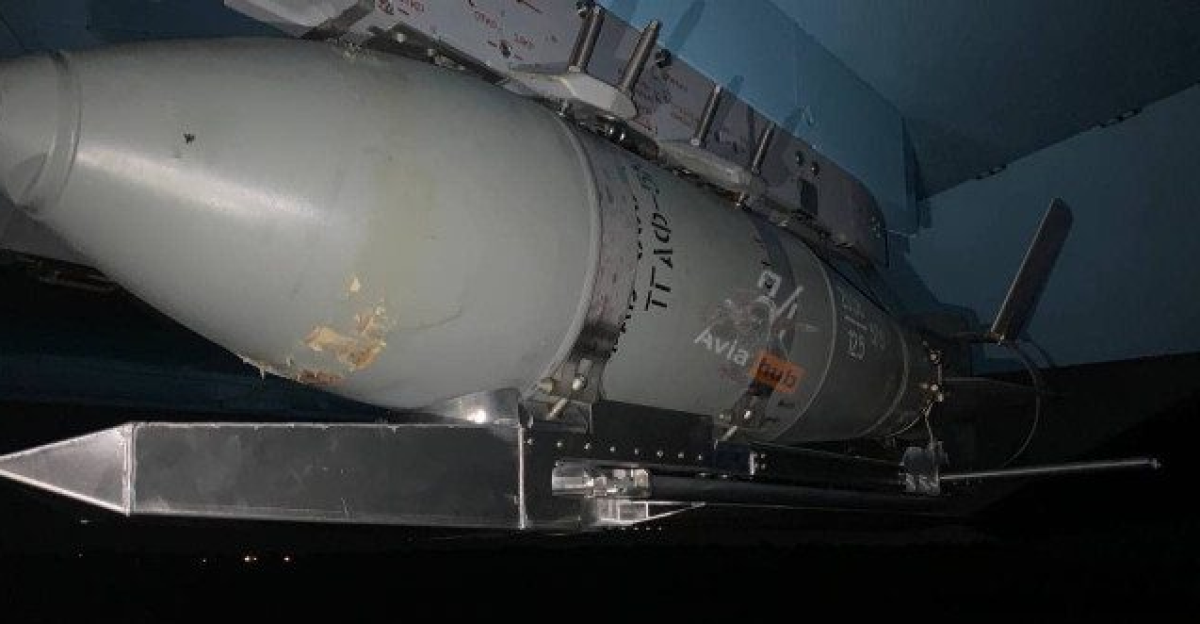
October 2025: Russian forces unleashed a staggering 5,328 precision-guided aerial bombs on Ukraine, the highest monthly deployment of the year. These glide bombs, launched from over 100 kilometers away, began striking cities and infrastructure far beyond the frontlines. Cities once thought secure are now in Russia’s sights, marking a terrifying escalation in the war.
As the bombs continue to fall, Ukraine faces a growing, unstoppable threat. Over 44,000 of these bombs have rained down since January, with no end in sight. How will Ukraine counter this aerial blitz?
The Cost-Efficiency Trap
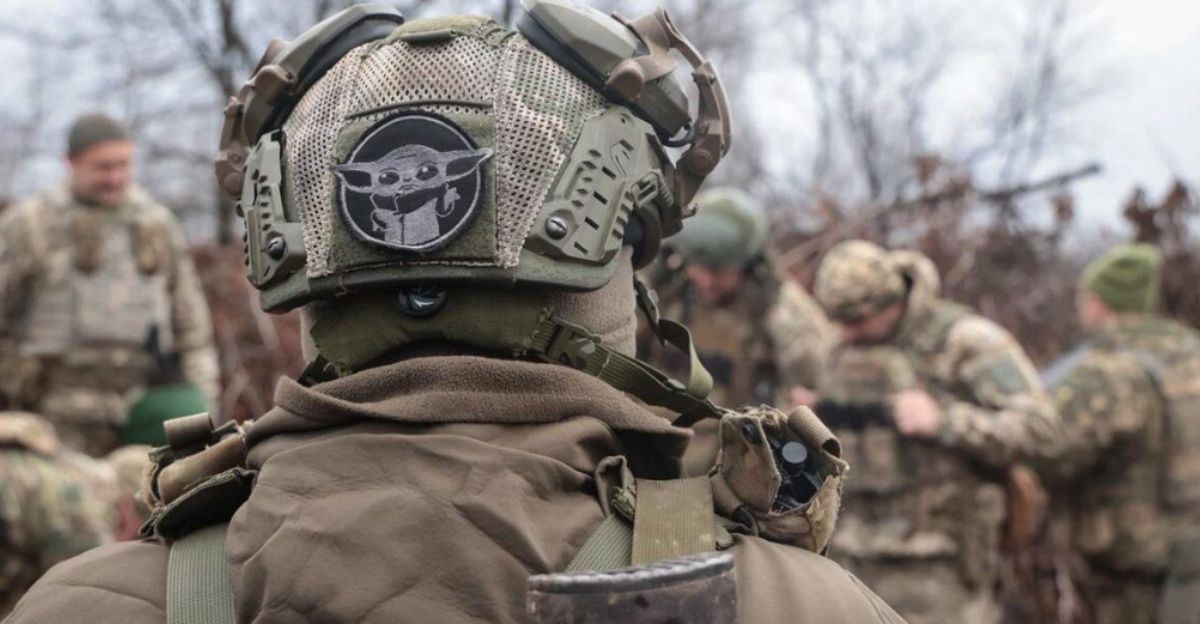
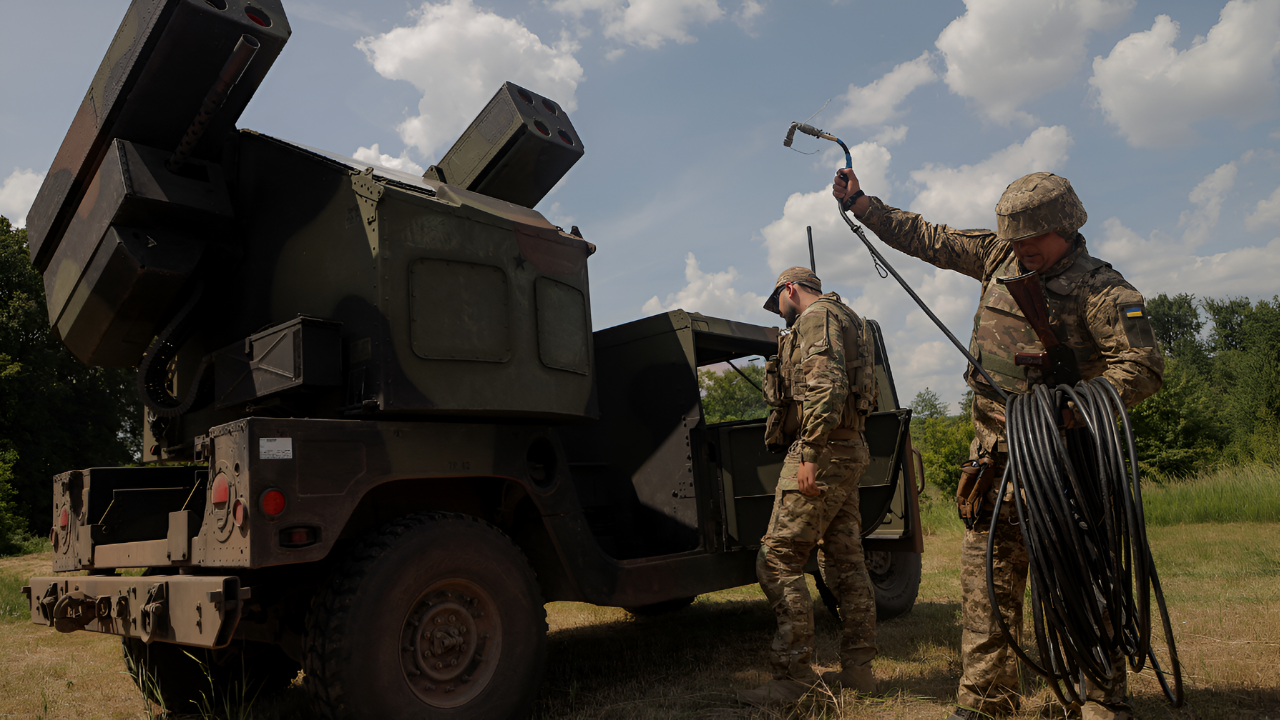
Ukraine’s defense forces are caught in a brutal math equation. To intercept each Russian glide bomb, Ukraine must deploy expensive surface-to-air missiles, often costing far more than the bombs themselves. In October 2025, intercepting just a fraction of the 5,328 bombs fired would have exhausted Ukraine’s missile reserves.
Military analysts warn that relying solely on these costly air defense systems isn’t sustainable. The imbalance between cost and effectiveness is forcing Ukraine to find more cost-efficient ways to protect its citizens and infrastructure.
NATO’s Emerging Counter-Strategy

NATO and Ukraine are now working on innovative ways to tackle the glide bomb threat. One potential game-changer is the anti-KAB drone, designed to intercept these bombs mid-air. Developed by France’s Atreyd company, the DWS-1 drone could soon be tested in Ukraine. These drones offer a promising alternative to expensive missiles, but their real-world effectiveness remains unproven.
If successful, Ukraine will become the first country to test these drones under actual combat conditions, and NATO could gain valuable insights for future defense strategies.
The Range Revolution
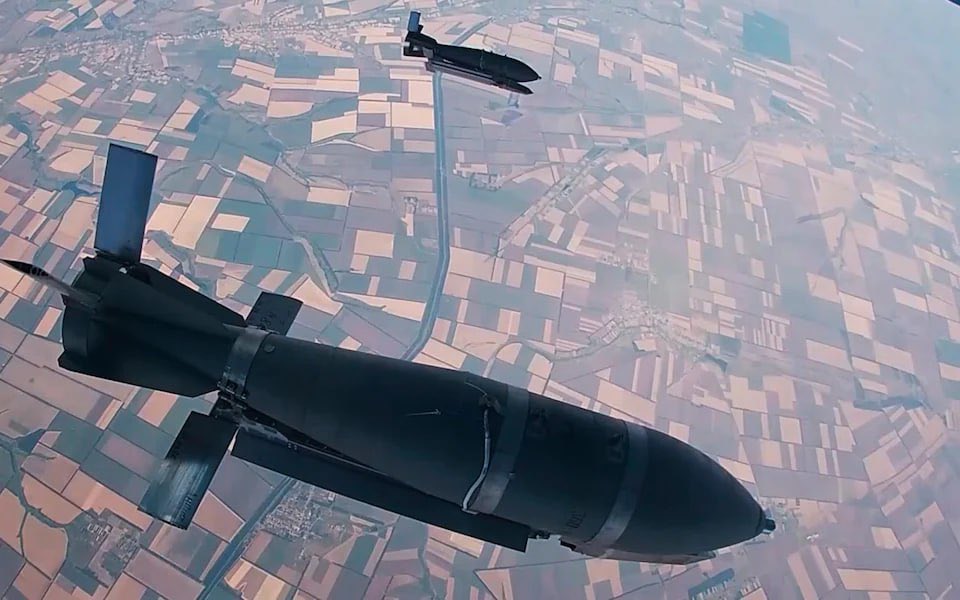
Russian glide bombs have evolved. With new variants capable of striking from over 100 kilometers away, cities once considered safe are now vulnerable to aerial attacks. Ukraine’s air defenses are struggling to cover such vast areas. The sheer range of these weapons means that forward-deployed air defense systems can no longer protect all of Ukraine’s cities.
Moreover, Russia is developing an even longer-range bomb with a 400-kilometer reach. This escalation in bomb range will make defending Ukraine’s heartland even more challenging.
The Breakthrough Moment
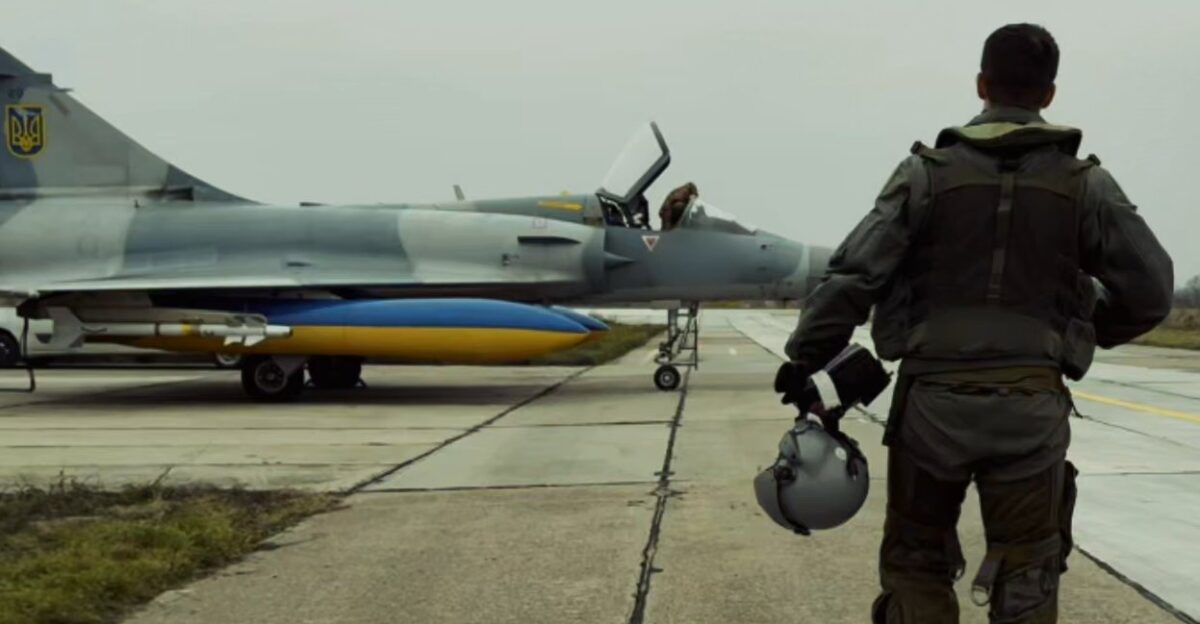
A turning point in Ukraine’s defense efforts came in late 2025 when the Ukrainian Air Force successfully destroyed up to 100 Russian guided bombs using newly tested countermeasures. This marks the first large-scale success against Russian glide bombs. While specifics remain classified, this breakthrough represents significant progress in air defense capabilities.
Ukraine’s General Staff described the destruction as a vital step in their ongoing battle against Russia’s air assault. Could this success signal a shift in the war’s defensive strategy?
Classified But Consequential
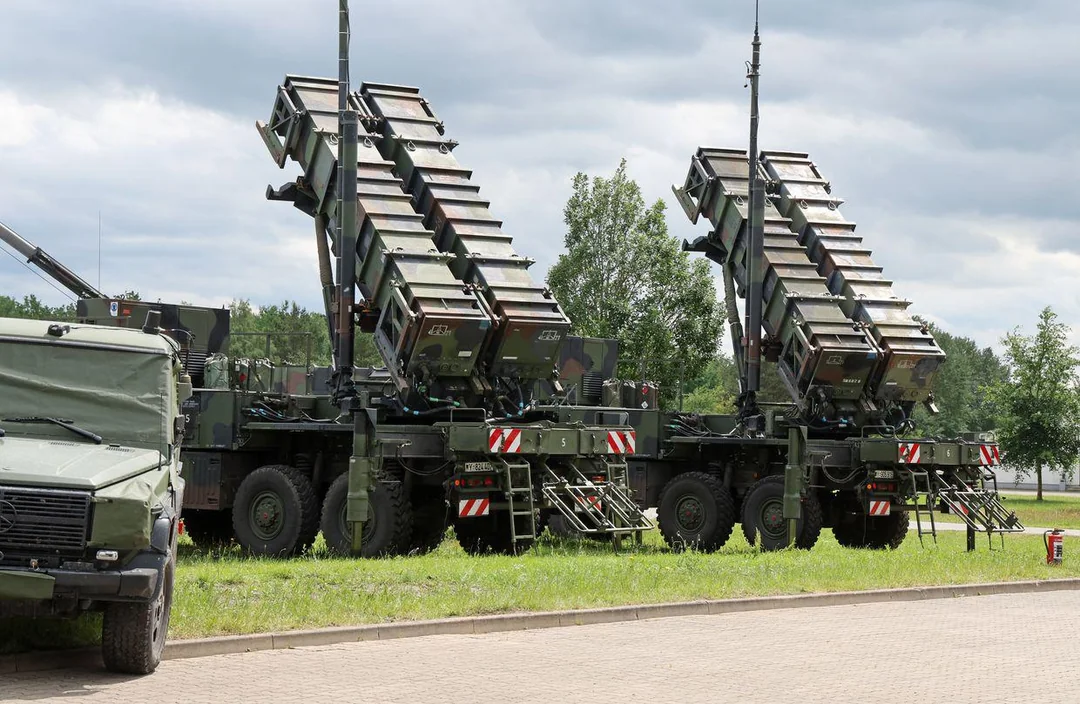
Details about Ukraine’s new countermeasures are scarce, as officials remain tight-lipped about the systems’ technical specifications. These systems are likely a combination of newly developed technologies and upgrades to existing air defense platforms. The Ukrainian military has been careful not to disclose too much, fearing that revealing too much information could allow Russia to adapt.
However, these classified systems have already demonstrated significant success, and their continued development could shape the future of Ukraine’s defense strategy.
The Human Cost Behind the Numbers
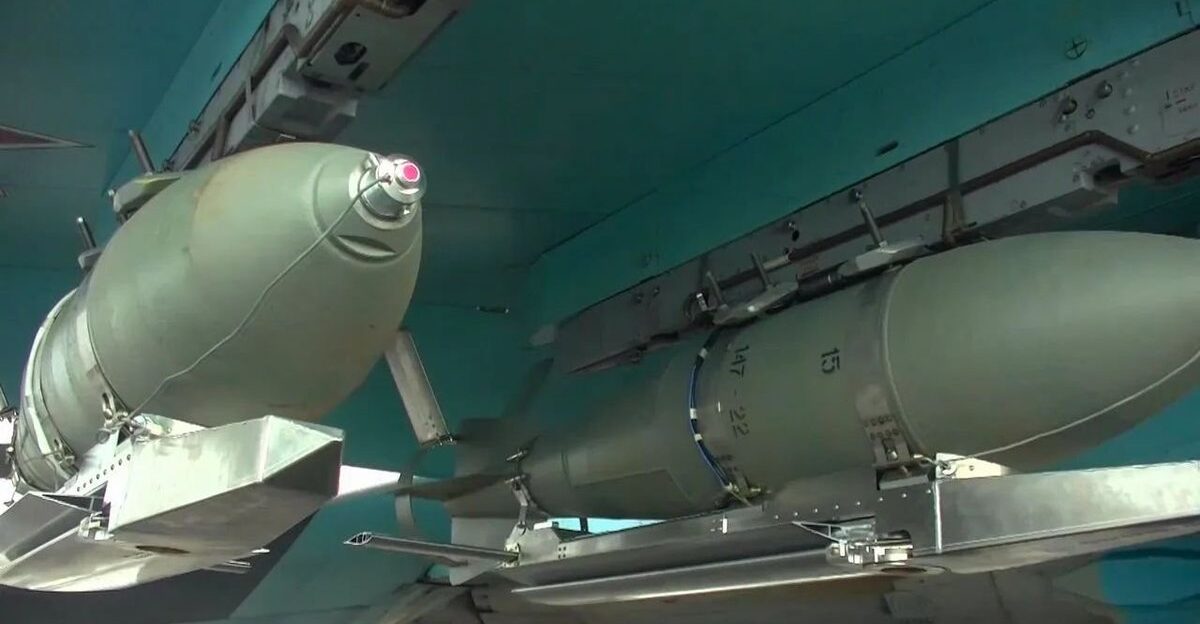
The human cost of Russia’s air assault is devastating. Over 44,000 glide bombs have fallen on Ukrainian cities, causing widespread destruction. Hospitals, homes, and vital infrastructure have been obliterated. The psychological toll on civilians is profound—no city is truly safe, and the constant threat of bombing hangs over everyone.
With power plants and water facilities destroyed, millions of Ukrainians face harsh conditions as winter approaches. The humanitarian disaster is unfolding as the war intensifies, with civilian lives upended by Russia’s relentless bombardment.
Western Weapons, Ukrainian Innovation
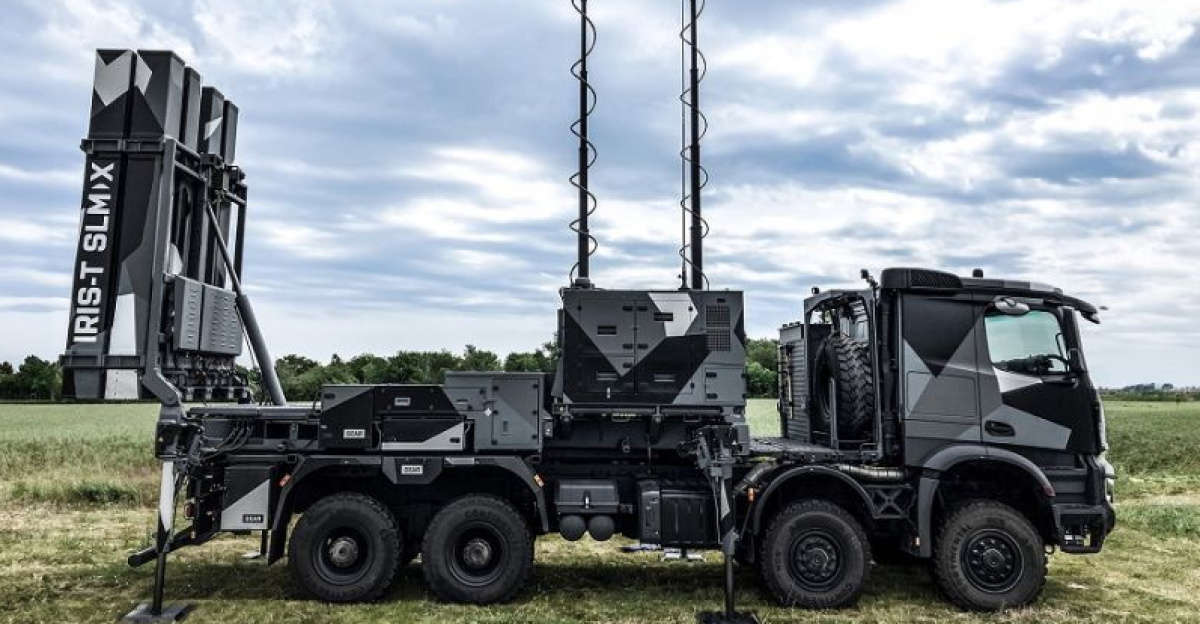
Ukraine’s counter-glide bomb strategy combines Western-supplied technology with local ingenuity. NATO allies have provided advanced systems like Patriot and IRIS-T air defense batteries, bolstering Ukraine’s defenses. Simultaneously, Ukraine has developed domestic systems, including a glide bomb with superior precision.
This hybrid approach maximizes Ukraine’s defensive potential, blending Western support with the nation’s own innovations. However, integrating these systems and ensuring seamless operation is a complex task, requiring advanced command-and-control systems and real-time intelligence sharing.
The Production Race
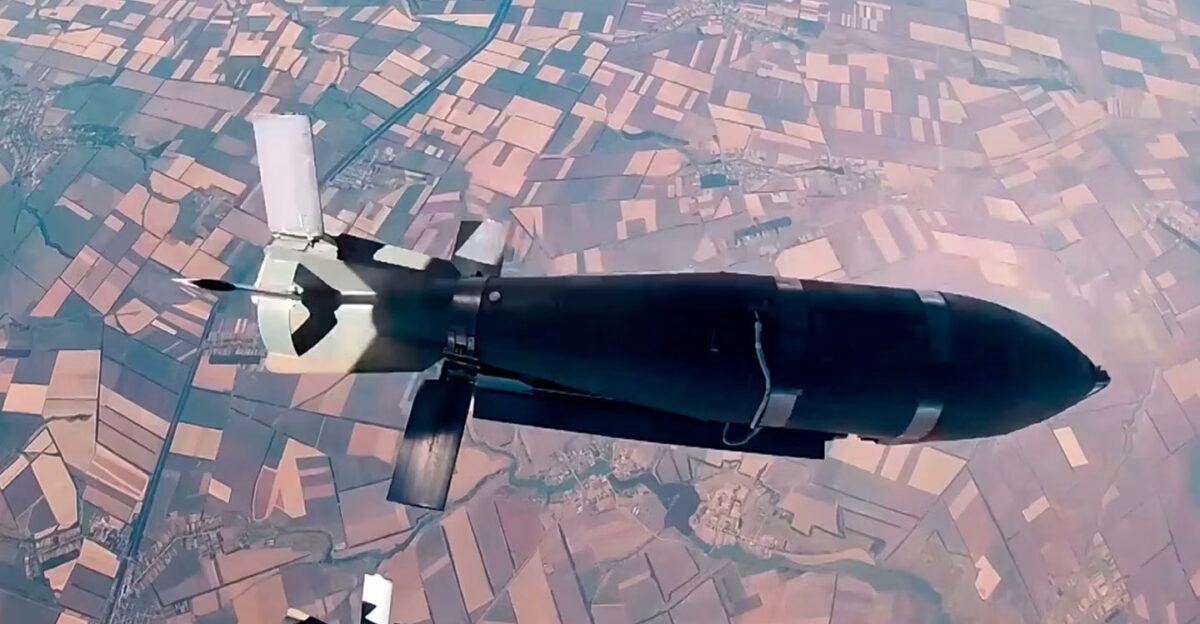
Russia is ramping up production of guided bombs at an alarming pace. In October 2025, they deployed 5,328 glide bombs—just one month’s worth of their production. With plans to produce 120,000 glide bombs in 2026, Russia is betting that its overwhelming production will outpace Ukraine’s ability to intercept.
Even with Ukraine’s new countermeasures, Russia’s capacity to flood the skies with bombs puts immense pressure on Ukraine’s defense systems. The production race is on, and Ukraine must innovate faster than Russia can manufacture.
The Drone Mutation

In an unexpected development, Russia has modified its Shahed-136 kamikaze drones, arming them with air-to-air missiles. This change complicates Ukraine’s defensive calculus. Ukrainian pilots attempting to intercept these drones now face the added risk of encountering missiles on the drones, forcing them to make split-second decisions in high-stress situations.
While the effectiveness of this modification remains to be seen, it highlights Russia’s adaptive tactics and the ongoing evolution of aerial warfare.
The Interception Dilemma
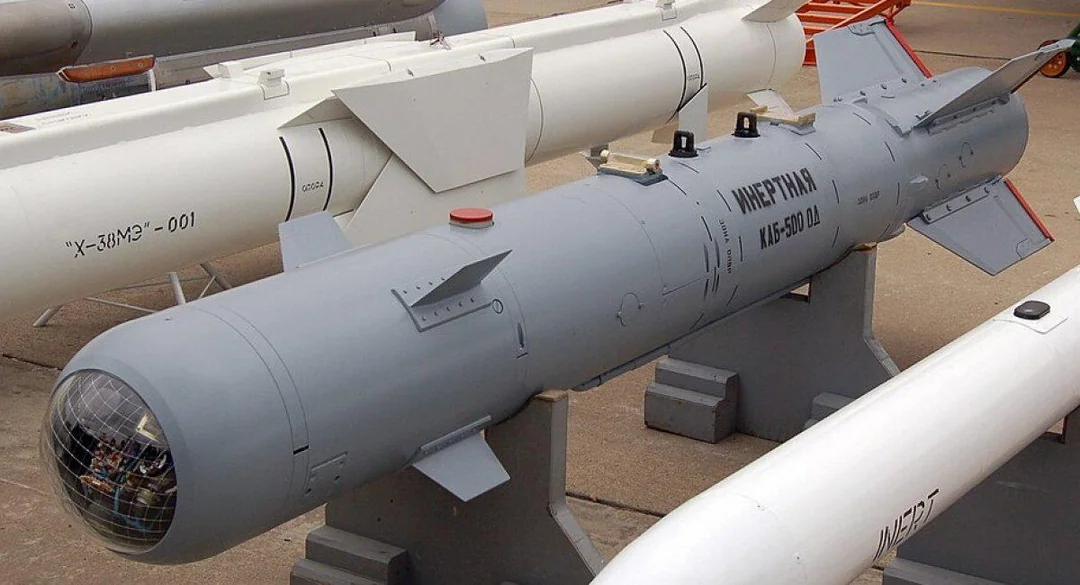
Ukraine’s air defense strategy faces a grim paradox: while new countermeasures have been effective, the sheer volume of Russian glide bombs is overwhelming. In October alone, Russia deployed over 5,300 bombs—far more than Ukraine can intercept with its current resources. The reality is that some bombs will inevitably get through, and Ukraine must prioritize which targets to protect.
This forced triage underscores the brutal mathematics of the conflict, where defenders must choose which assets are most critical to the nation’s survival.
NATO’s Expanding Role
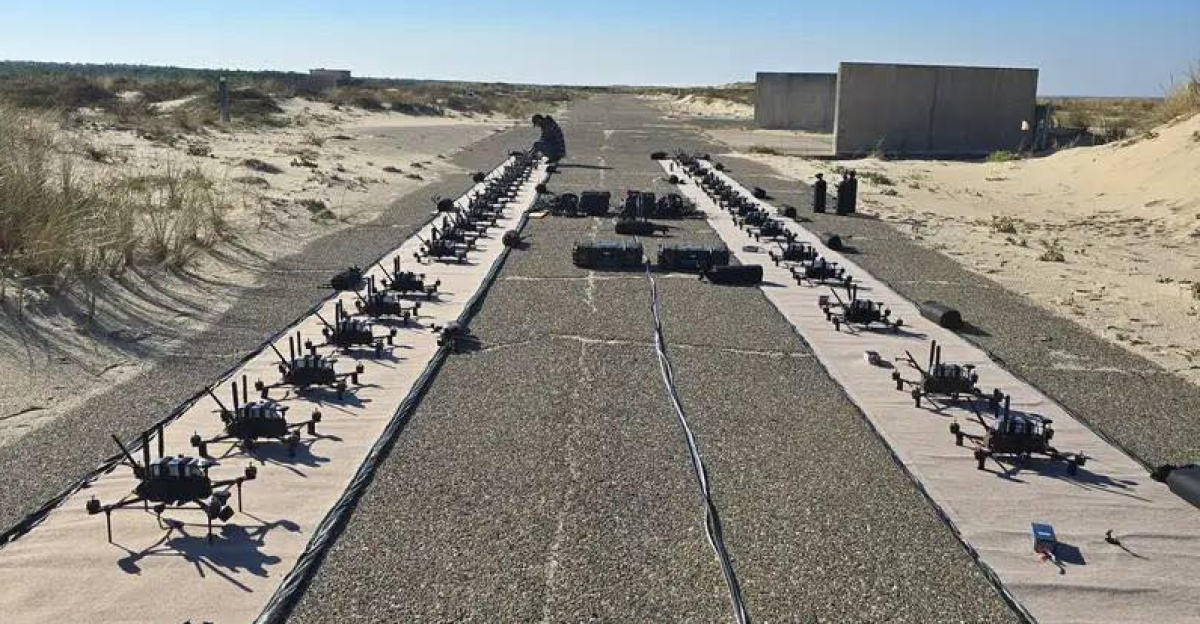
NATO’s involvement in Ukraine’s air defense has deepened over time. In addition to providing advanced air defense systems, NATO partners are now directly involved in the development of countermeasures for glide bombs. France’s Atreyd company is preparing to test anti-KAB drones in Ukraine, which could offer a more cost-effective alternative to traditional missile defense.
This increased collaboration not only strengthens Ukraine’s defenses but also deepens NATO’s understanding of Russia’s aerial tactics, providing insights for future defense strategies.
The Scalability Question
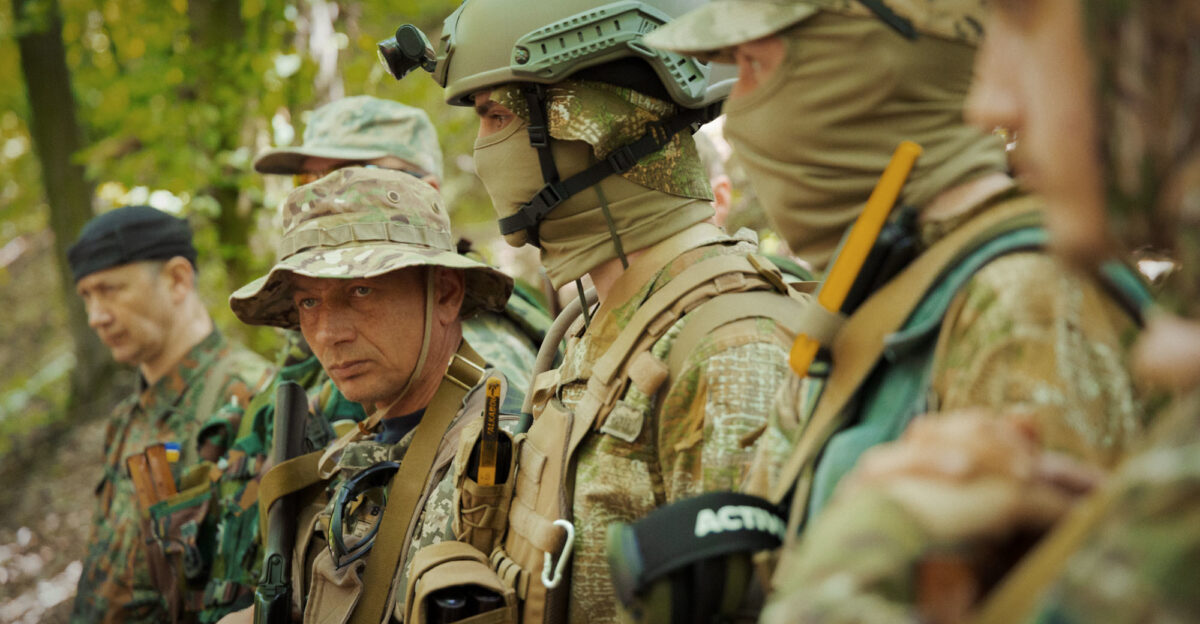
While Ukraine’s new countermeasures have proven effective in trials, the real challenge lies in scaling these systems to handle Russia’s projected 120,000 bomb production in 2026. To sustain their defense, Ukraine needs systems that can be mass-produced and rapidly deployed. Anti-KAB drones and high-energy lasers show promise but still face significant production and deployment hurdles.
The success of Ukraine’s defense efforts will depend on how well these technologies can be scaled and integrated into a sustainable, cost-effective air defense architecture.
Expert Skepticism and Uncertainty
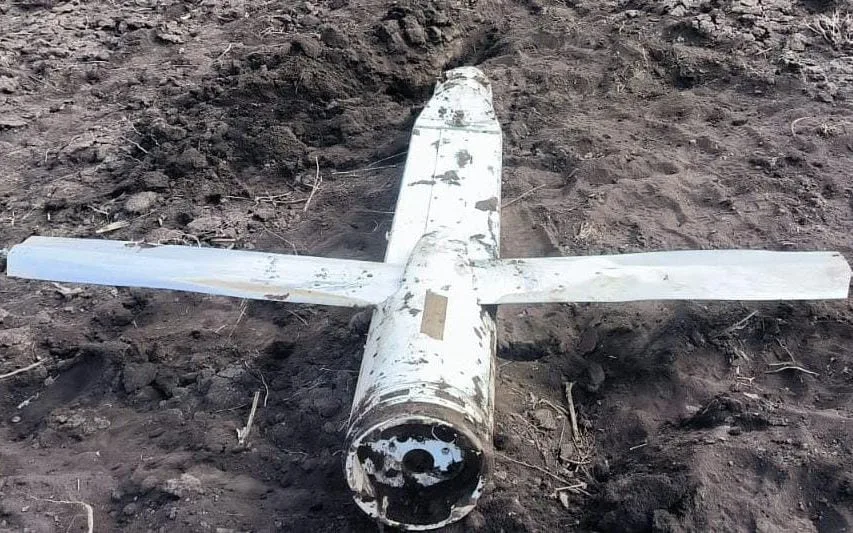
Defense analysts remain cautiously optimistic about Ukraine’s new countermeasures but emphasize that they alone cannot resolve the fundamental asymmetry of the conflict. Even with the destruction of 100 glide bombs, Russia’s continued production of thousands more each month presents a daunting challenge. Some experts argue that Ukraine’s best hope lies in degrading Russia’s ability to launch these bombs by targeting Russian production facilities and aircraft.
However, Ukraine lacks the necessary capabilities to execute this strategy on a large scale, and without significant support, the war’s outcome remains uncertain.
The Long War Ahead
As Russia ramps up its production of glide bombs and drones, Ukraine’s response—innovative countermeasures and Western support—will define the course of the war. The fundamental asymmetry remains: Russia can produce bombs faster than Ukraine can intercept them. The coming months will determine whether Ukraine’s new defense systems can be scaled and sustained to protect its cities, military installations, and civilians.
The air defense struggle will likely shape the trajectory of the war and Ukraine’s future as an independent nation.
Sources:
United24 Media | Ukraine Tests Secret New Weapon to Shoot Down Russia’s Unstoppable Glide Bombs (November 30, 2025)
Gwara Media | Defense Ministry: Russia Dropped 44,000 Glide Bombs at Ukraine During 2025 (December 01, 2025)
Modern Diplomacy | “A Massive Threat”: Ukraine Reports Russia’s Plan for 120,000 Glide Bombs (November 14, 2025)
The War Zone (TWZ) | Russian Shahed-136 Kamikaze Drones Now Armed With Air-To-Air Missiles (November 30, 2025)
Business Insider | Ukraine Gets ‘Drone Wall’ to Fight Russian Threats (November 11, 2025)