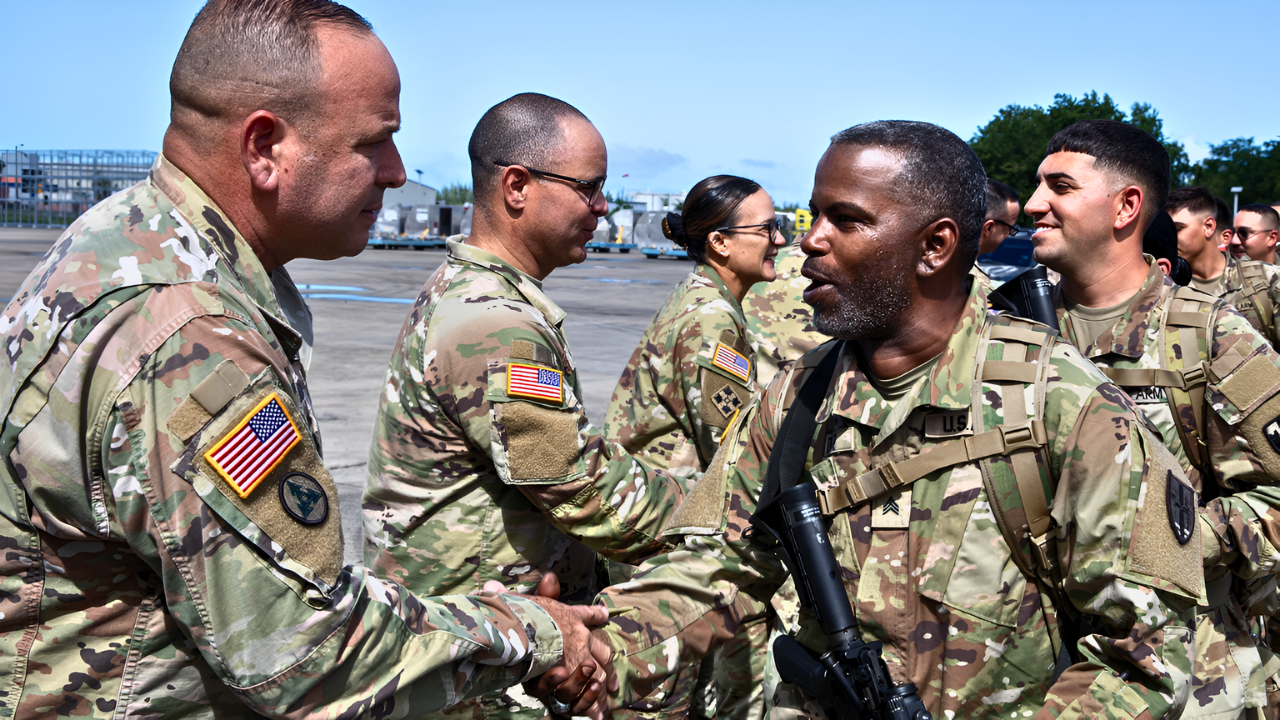
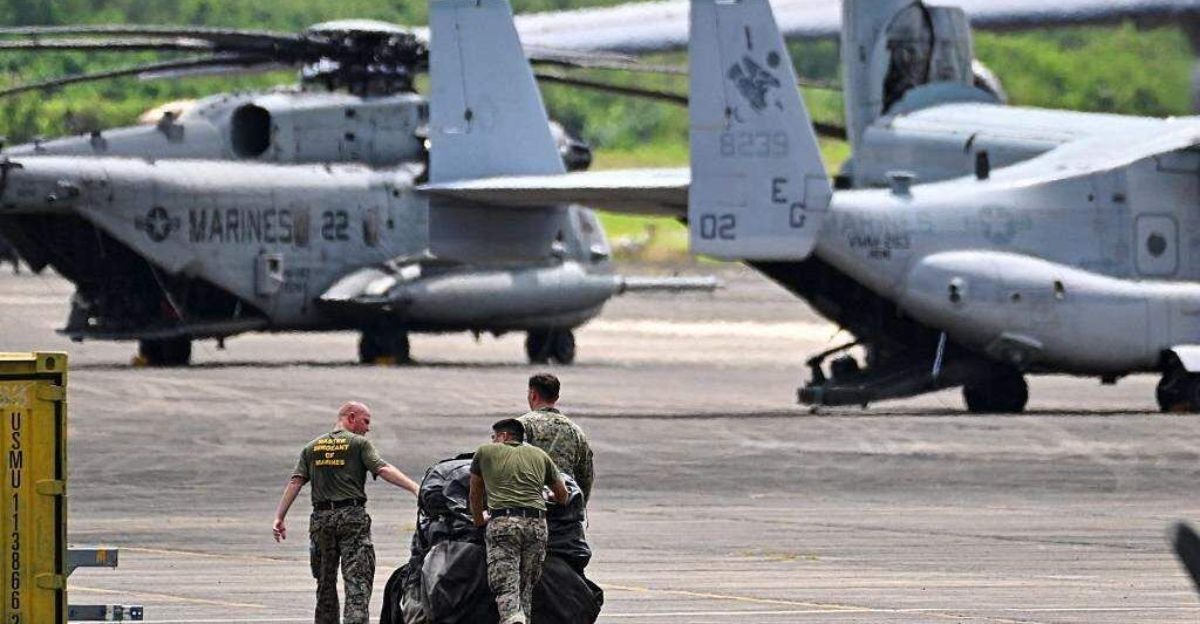
In September, U.S. F-35B stealth fighters, helicopters, and transport aircraft touched down at Roosevelt Roads Naval Station in Ceiba, Puerto Rico, marking the base’s operational revival after two decades of closure. This move positions the island as a forward hub in the Caribbean, placing American forces roughly 550 miles from Caracas—about 90 minutes by fast jet, according to aviation distance calculations.
The redeployment signals a renewed strategic focus in the region, striking a balance between counter-narcotics efforts and broader military deterrence. “This stationing enhances rapid response across the Caribbean,” noted a U.S. Southern Command spokesperson. Here’s what’s happening on the ground and across the region.
Scale of the Buildup
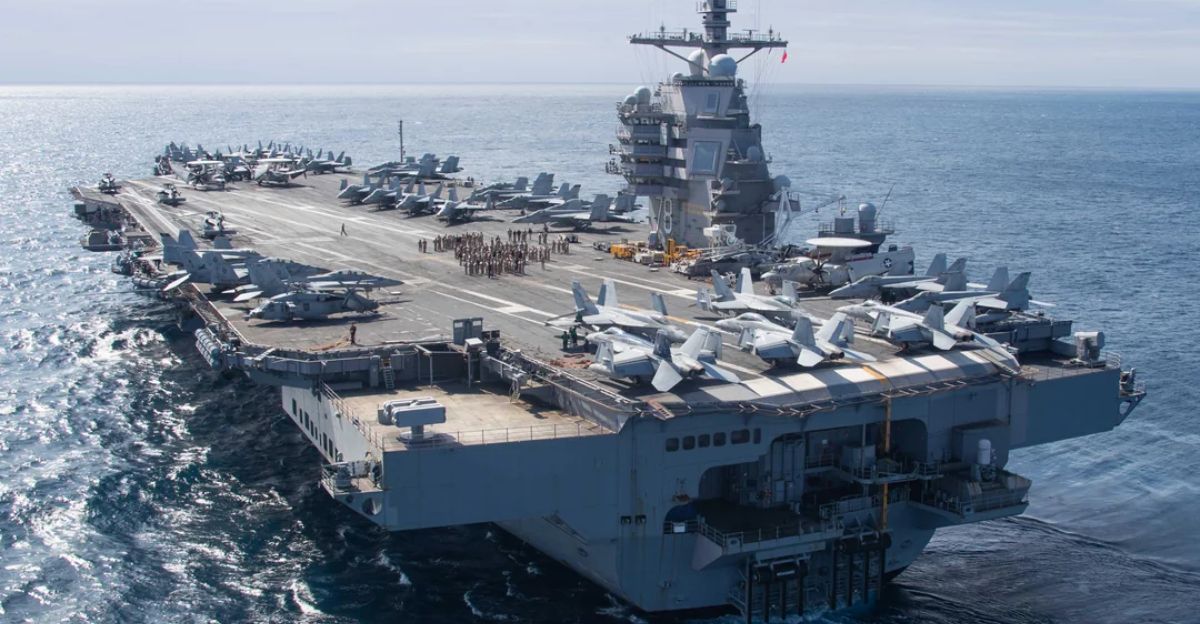
The deployment brings thousands of U.S. troops, naval vessels, and advanced aircraft to the Caribbean, representing the largest buildup at Roosevelt Roads since its closure in 2004. Central to the effort is the USS Gerald R. Ford, the Navy’s newest supercarrier, accompanied by its strike group of destroyers, support ships, and aircraft.
This combination of air, sea, and ground assets enhances the U.S. ability to conduct surveillance, rapid strikes, and logistical support across the region. Military planners describe the setup as “a layered presence capable of responding to emerging threats,” highlighting both operational flexibility and the projection of U.S. influence in the hemisphere. Analysts emphasize the scale of the buildup as a signal to both allies and potential adversaries.
Strategic Geography
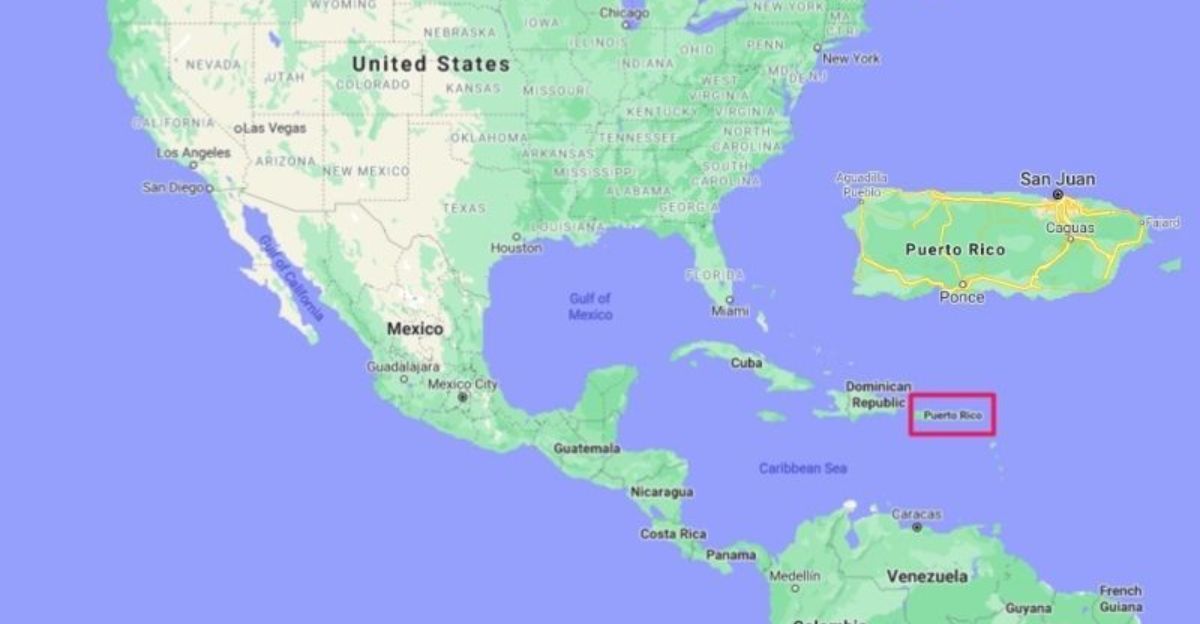
Puerto Rico’s location opposite Venezuela’s northern coast makes Roosevelt Roads a critical node for both air and maritime operations. The base allows rapid deployment across Caribbean approaches, offering Washington a positional advantage in regional monitoring and response.
Experts view the island as a strategic outpost connecting Atlantic access to areas of interest in South America and the Caribbean. This geographic advantage not only supports military logistics but also provides a staging point for potential humanitarian assistance, disaster response, and coordinated counter-narcotics operations. The stationing underscores Puerto Rico’s renewed importance in hemispheric security planning.
Deployed Assets
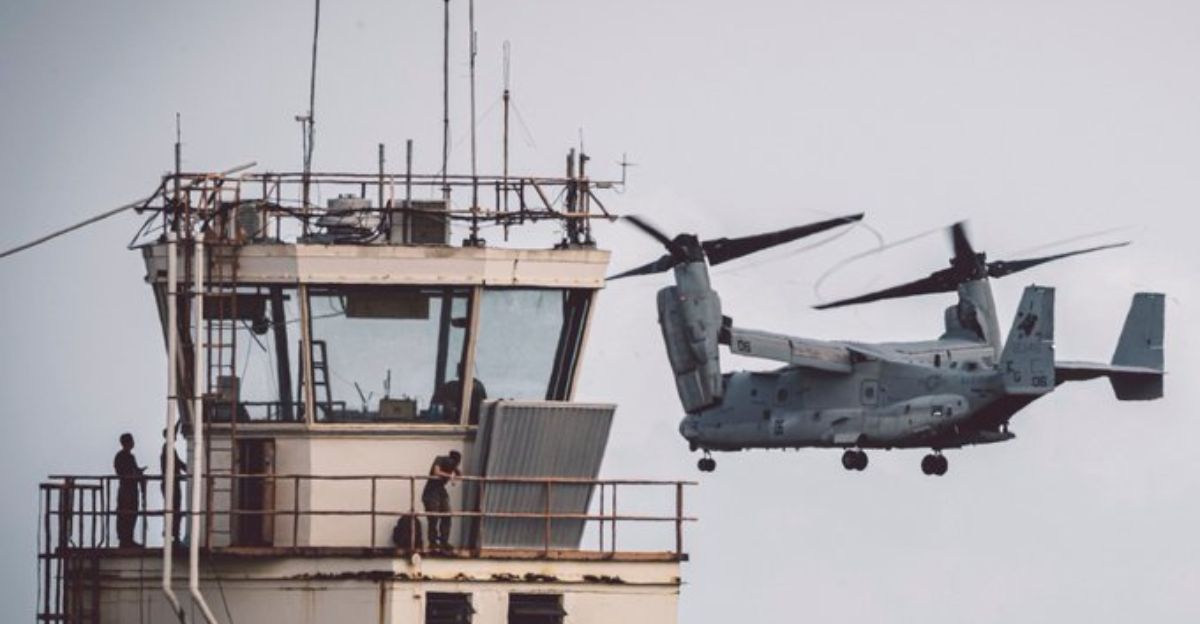
Current U.S. forces include F-35B fighters for tactical operations, MQ-9 drones for surveillance, P-8 patrol aircraft for maritime monitoring, amphibious ships for logistics, and helicopters for base support. Integration with the USS Gerald R. Ford strike group provides layered capabilities, spanning maritime patrols to full airpower deployment.
U.S. Southern Command officials emphasize that the operation supports counter-narcotics missions targeting trafficking networks. Yet, military analysts note the scale of assets reflects broader deterrence objectives across the Caribbean, maintaining flexibility to respond to emerging threats. The deployment demonstrates a blend of specialized tactical capabilities with overarching regional strategy.
Local Impacts
Residents near Ceiba have expressed mixed reactions to the base’s revival. Historical operations at Roosevelt Roads brought environmental and community concerns, including noise, restricted access, and ecological effects. Yet some locals anticipate economic benefits, as contractors, service providers, and hospitality sectors stand to gain from personnel rotations and base maintenance.
Economic expectations mirror patterns seen in nearby communities during previous U.S. deployments. The long-term duration of the buildup remains uncertain, leaving residents to weigh potential opportunities against ongoing geopolitical volatility. “We hope the base brings jobs, but we remain cautious about the environmental impact,” said a local community leader.
Regional Reactions
Caribbean neighbors are closely watching the U.S. military’s expanded presence. In November 2025, Venezuela conducted a nationwide military exercise involving nearly 200,000 troops, citing U.S. naval proximity as a concern for national sovereignty, according to the Venezuelan Defense Ministry.
Civilian operations have also been affected. Aviation authorities issued NOTAMs impacting nearby airspace, and maritime shipping routes have adjusted to active military corridors. While U.S. officials describe the deployment as supporting counter-narcotics operations, analysts point to the broader deterrence implications for regional diplomacy and security.
Strategic and Economic Implications
The deployment amplifies operational risks along key Caribbean shipping and trade routes, with multiple military forces operating in proximity, raising the potential for miscalculation. For Puerto Rico, the base restores strategic relevance and could generate employment and infrastructure activity in the near term.
The operation blends stated counter-narcotics objectives with regional deterrence, maintaining U.S. flexibility for emerging developments. Puerto Rico now sits at the intersection of local economic interests, hemispheric military balance, and global trade routes. Outcomes will hinge on continued diplomatic engagement or potential escalation, carrying implications for energy markets, alliances, and local communities.
Sources:
“Former Naval Station Roosevelt Roads – Navy BRAC,” U.S. Department of Defense, 2025.
“U.S. Deploys F-35 Fighters to Puerto Rico Base,” Reuters, November 2, 2025.
U.S. Southern Command. “Caribbean Military Operations Briefing,” U.S. Department of Defense, November 2025.
“Military Exercise Statement – National Mobilization,” Venezuelan Government, November 2025.
“Venezuela Announces Military Mobilization Amid U.S. Buildup,” CNN, November 11, 2025.
“Tracking Build-up of U.S. Military Planes and Warships Near Venezuela,” BBC, November 14, 2025