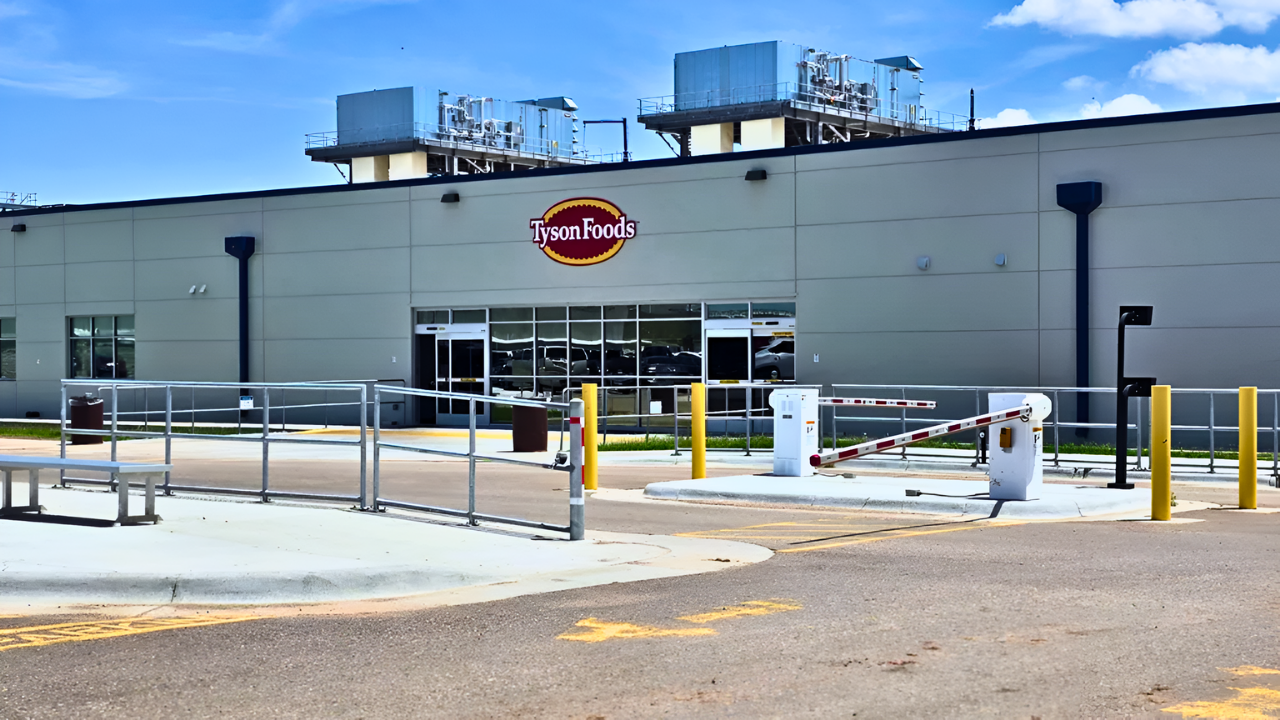
The final shift begins at Tyson’s Amarillo, Texas beef plant, as workers prepare for the last day of its second shift on January 20, 2026. The plant’s towering machinery hums to a slow halt as 1,700 employees pack their belongings, marking the beginning of a major restructuring. Just hours later, news of the permanent closure of Tyson’s Lexington, Nebraska, plant spreads—affecting nearly 3,200 more workers. As the U.S. cattle herd hits its smallest size since 1951, the beef industry braces for a future shaped by reduced supplies and skyrocketing prices.
What’s next for the remaining plants, and how will consumers cope with higher beef prices?
Why the Shutdowns Are Happening
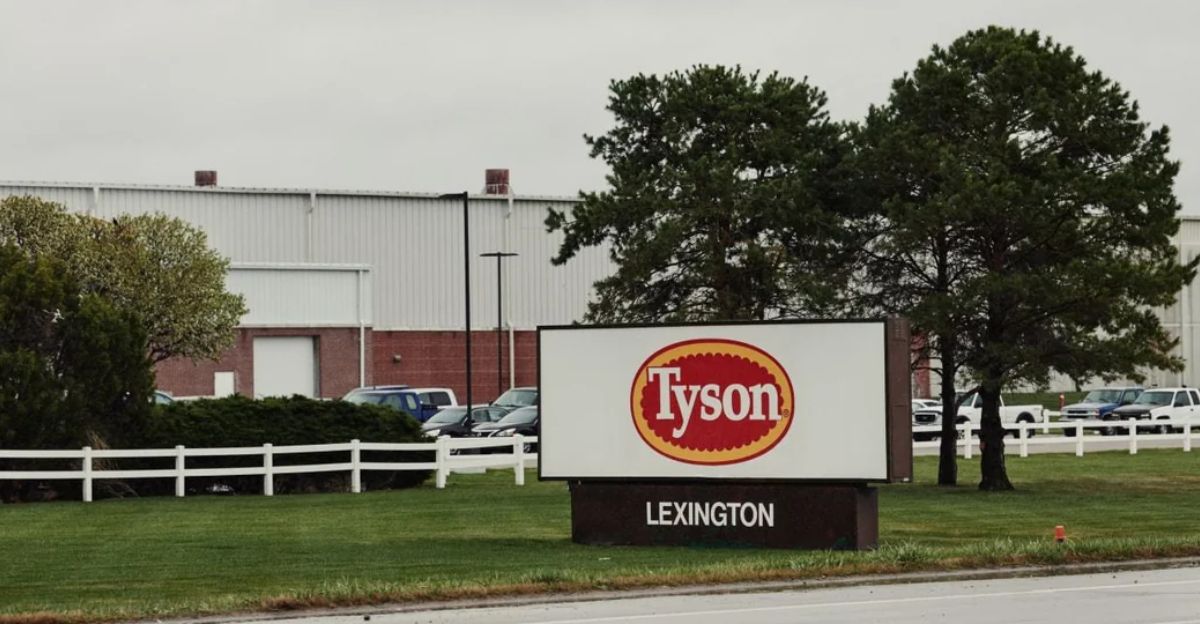
Tyson’s beef division posted $1.5 billion in losses over the past two years and expects another $400–$600 million in losses in fiscal 2026.
The company attributes the downturn to the ongoing shortage of cattle, which has squeezed processing margins. The restructuring is aimed at ensuring Tyson can continue delivering quality beef despite ongoing supply chain challenges.
Immediate Impact on Beef Prices
As the number of processing plants decreases and cattle supplies remain tight, beef prices are projected to stay near record highs well into 2026.
The Bureau of Labor Statistics reported a 14.7% increase in beef and veal prices in September 2025, far outpacing the overall food inflation rate of 3.1%. Consumers can expect continued price hikes, particularly for premium cuts like steaks.
How Tyson Is Restructuring
Tyson is permanently closing its Lexington plant, which processes 5,000 cattle per day, and shifting to a single, full-capacity shift at the Amarillo facility.
The shift reduction will cut about 1,700 jobs, but Tyson is working to relocate employees to other facilities. The restructuring aims to adjust production to match the reduced cattle supply while maintaining customer demand.
Substitutes and Protein Markets
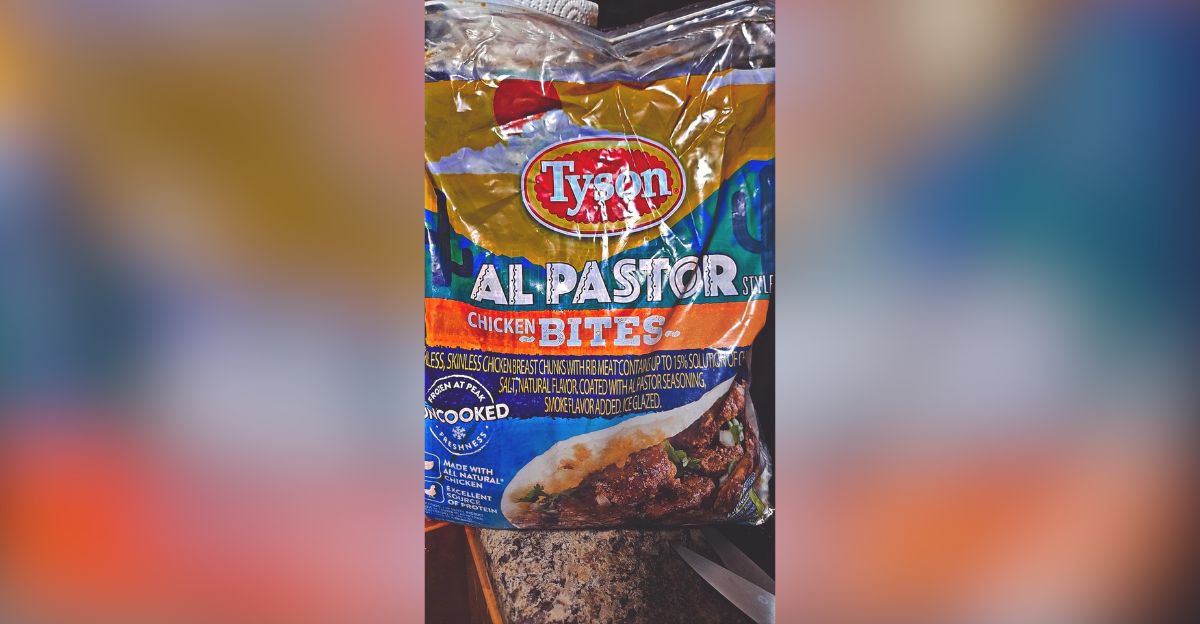
As beef prices soar, other proteins are becoming more popular. Tyson’s chicken business has seen more profitability, and the company is redirecting resources accordingly.
Experts predict that, with beef prices expected to remain high, retailers and restaurants will continue to push for alternatives like chicken, pork, and plant-based proteins to meet growing consumer demand.
International Trade and Exports

The U.S. beef export market may experience disruption as cattle supplies tighten. Major importers such as Japan, South Korea, and Mexico could face higher prices or reduced volumes of U.S. beef.
Meanwhile, countries like Brazil and Australia, which also supply beef to global markets, may increase their share, potentially reshaping international beef trade over the coming years.
Workers and Local Communities

The closures will affect around 4,900 workers in Amarillo and Lexington. Tyson is offering relocation assistance to employees and has been in discussions to help workers transition to new jobs within the company.
However, the local economies in both communities will face significant impacts due to lost wages, local spending, and tax-base reductions.
Political and Regulatory Response

The plant closures have drawn criticism from lawmakers and agricultural officials.
Under the WARN Act, Tyson provided notice of the layoffs in November 2025, but some are calling for more scrutiny on the consolidation of the meatpacking industry and its effects on ranchers, workers, and rural communities across the U.S.
Inflation and Broader Food Costs
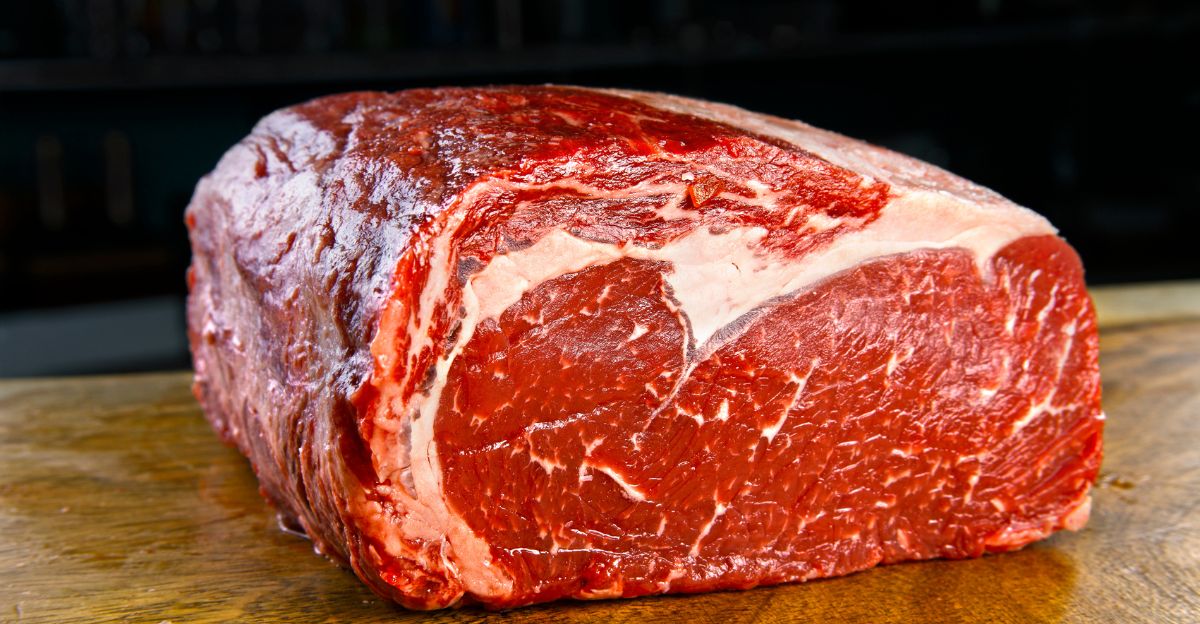
With beef prices surging, the price of food in general has felt the effects. Beef prices alone increased by 14.7% in the past year, pushing household budgets to the edge.
This price spike far exceeded the overall inflation rate, and experts warn that consumers will continue to face high food bills, especially for beef-based products.
Consumer Lifestyle and Health Shifts
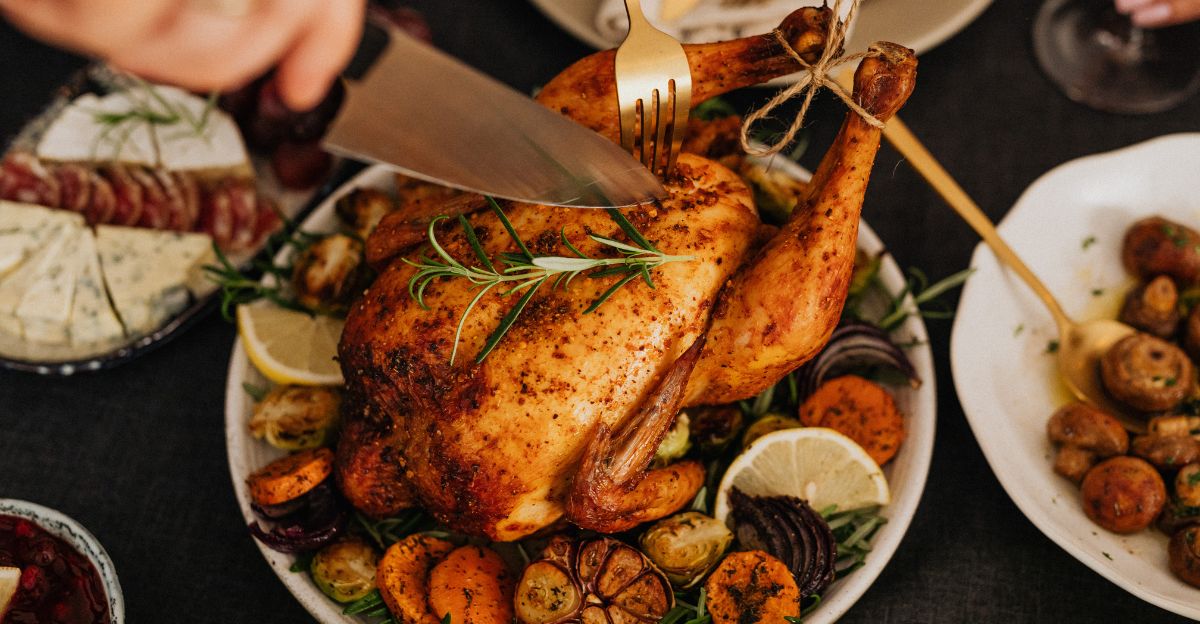
The rise in beef prices is leading more consumers to opt for cheaper, leaner proteins like chicken and plant-based alternatives.
While these options may provide some health benefits, such as reduced saturated fat intake, nutritionists caution that some processed alternatives may bring their own set of health risks. A shift in consumer diets is underway, influenced by these price changes.
Sustainability and Environmental Debate
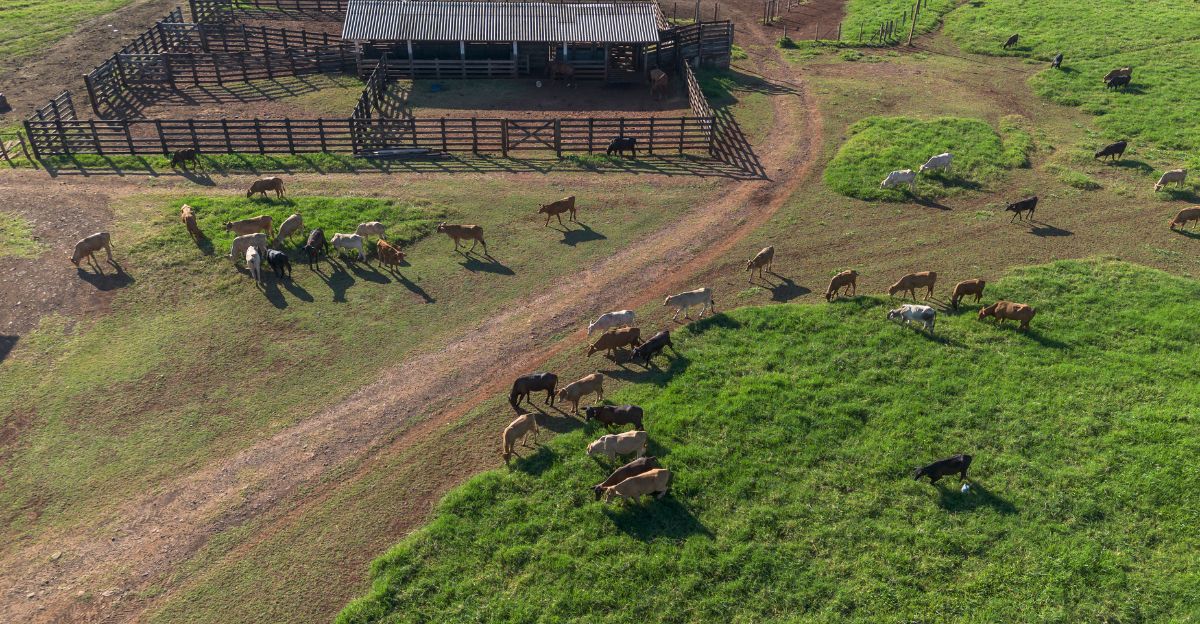
The shrinking cattle herd has reignited discussions on beef’s environmental impact. While environmental groups see the contraction as a step toward reducing emissions and land use, ranchers argue that proper grazing is beneficial for soil health and rural economies.
The debate continues, especially as efforts to rebuild the cattle herd are progressing slowly.
Global Consumer Perception
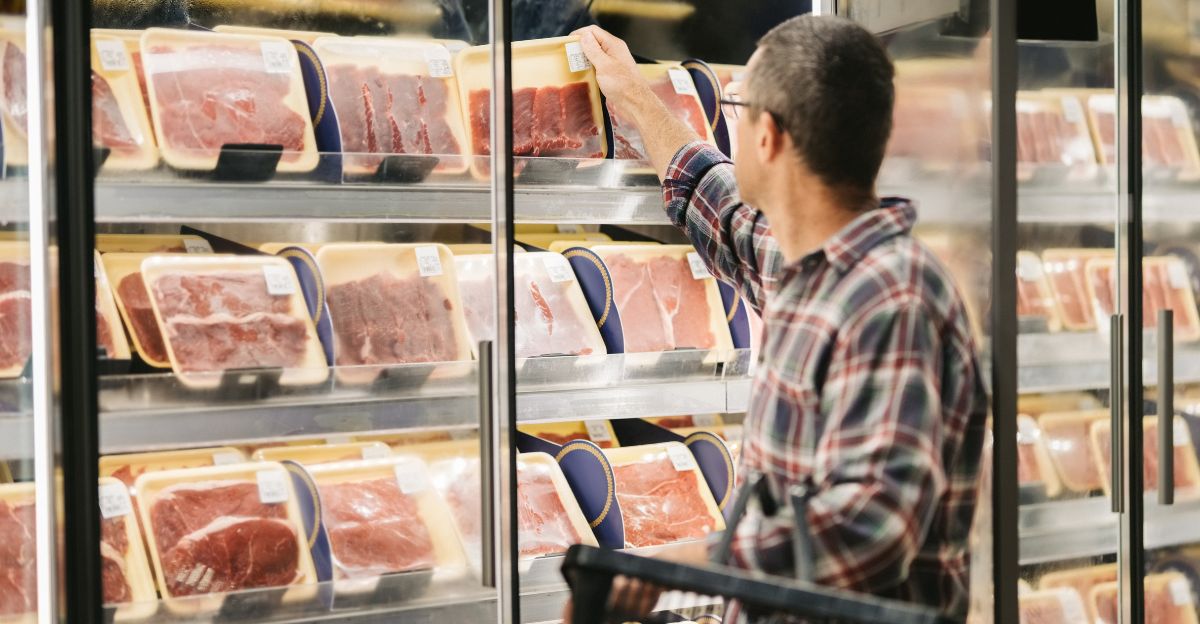
As the U.S. beef supply tightens, consumers around the world are starting to reassess their beef consumption.
The perception of U.S. beef as a reliable and affordable protein source is shifting, especially with the rise of plant-based alternatives. This could lead to changes in consumer habits, both domestically and abroad.
Unexpected Winners and Losers
As Tyson reduces its beef processing capacity, new players like beef packing plants in Nebraska and Missouri may see increased business.
Additionally, companies like Walmart, which has invested in its own beef production system, might benefit. However, smaller packers and feedlot operators are under pressure as the supply chain consolidates further.
Financial Markets and Consumer Advice
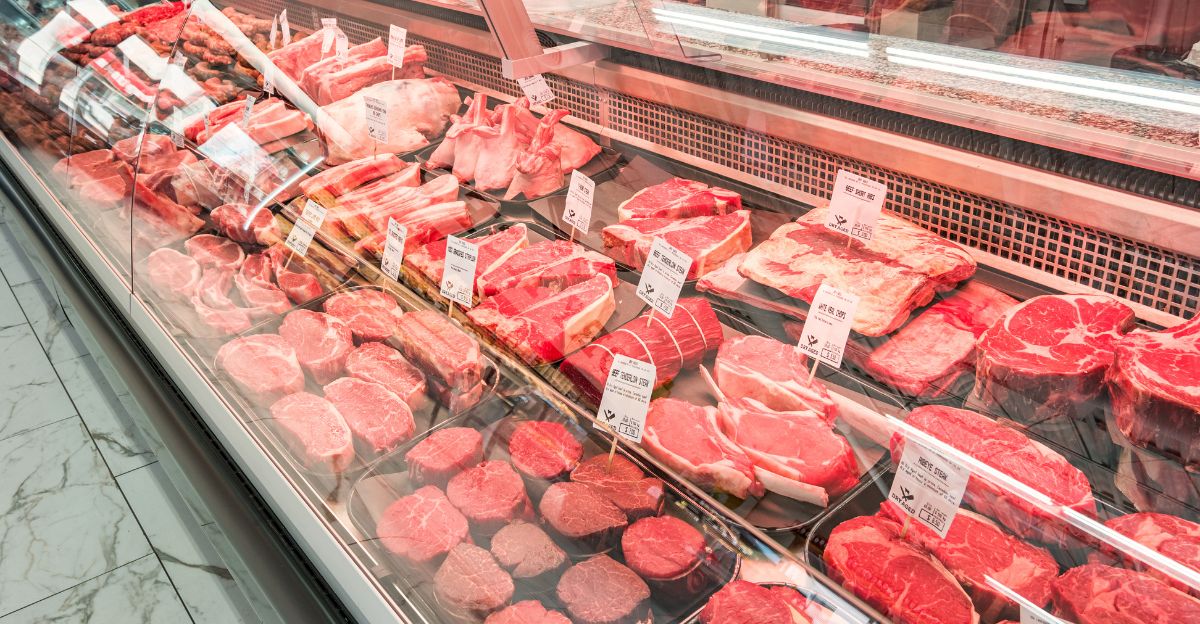
After Tyson announced its restructuring, its stock price rose, signaling investor confidence in the company’s ability to cut costs and adjust to new market realities.
For consumers, experts suggest buying beef in bulk when it goes on sale, selecting less expensive cuts, and diversifying protein sources to mitigate rising beef costs.
What’s Next for the Beef Industry
The closure of Tyson’s plants signals a long-term shift in the beef industry, which is facing its smallest cattle herd in over seven decades.
The challenges of rebuilding the herd, combined with continued consolidation in meatpacking, will shape the future of U.S. food production, especially as global beef demand continues to evolve.
Sources:
Tyson Foods Fiscal 2025 Fourth Quarter Earnings Release
USDA National Agricultural Statistics Service (NASS) January 2025 Cattle Inventory Report
Nebraska Department of Labor and Texas Workforce Commission WARN Act Filings (November 2025)
U.S. Bureau of Labor Statistics (BLS) Consumer Price Index Summary, September 2025